
Review · WESTERN GREECE
Corfu: Olive Oil Experience – The Governor’s Olive Mill
Good olive oil changes how you taste Greece. This three-hour experience links Corfu’s food culture with the family-run Governor’s Olive Mill, moving from old stone machinery to modern extraction methods, then finishing with a guided tasting and a visit to ancient olive groves. I especially like the old mill museum and the chance to meet Mitera, a family olive tree said to be about 1,500 years old. The olive oil tasting is the other major strength, since you learn how to judge quality instead of simply pouring it over bread.
The main point to consider is timing. The advertised duration is three hours, but transport, pickup delays, and extra stops can make the outing much longer. Some past departures have taken five to six hours from pickup to return. The van ride can also feel crowded, and the grove may have mosquitoes in warm weather.
Key points at a glance
- A family olive mill with two very different faces: See the old Loutrouvio, then follow the production process through the modern mill.
- A proper olive oil tasting: Learn to recognize aroma, flavor, quality, storage needs, and the differences between oil categories.
- The Mitera olive tree: Visit an ancient tree connected to the Dafnis family and the long agricultural story of Corfu.
- More than a mill visit: The route can include Gardiki Byzantine Castle, countryside views, and useful local commentary from your driver.
- Food is simple but fitting: Expect village bread, cheese, cherry tomatoes, capers, water, and a small dessert such as yogurt, ice cream, or chocolate.
- Good value at $80: Pickup, return transport, guiding, tasting, and several cultural stops are included, though the outing may run beyond three hours.
Why Corfu’s olive oil story matters
Corfu is not only a beach destination. Olive trees cover much of the island, and the groves are tied to family land, local food, work, and customs. This excursion gives you a useful way to see that connection without treating olive oil as just another souvenir.
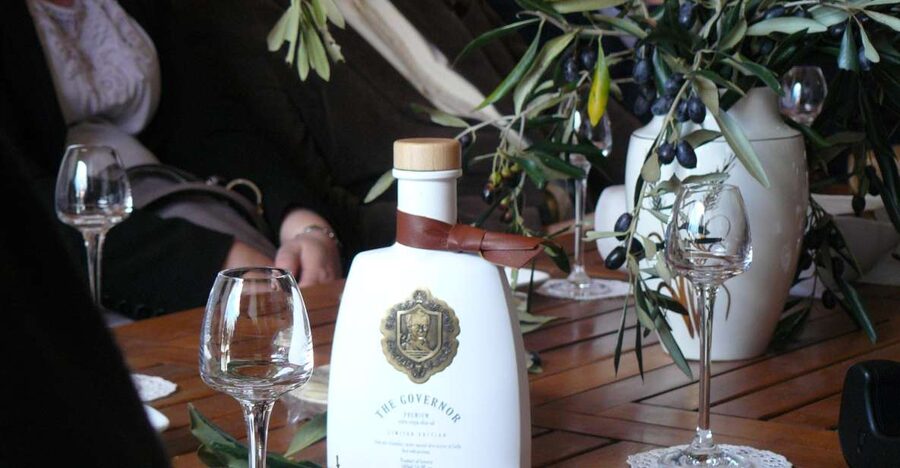
The Governor’s Olive Mill focuses on the Lianolia variety, a local Corfiot olive. Its oil is presented as the first monovarietal extra virgin olive oil made from this single variety. The mill also highlights major awards, including its title as Best Greek Olive Oil Brand of 2016 according to Gastronomos.
The family places strong emphasis on health research, too. The Governor Extra Virgin Olive Oil is described as the first olive oil with a health claim and as the first oil referred to as a medical food in international scientific literature published in The Journal of Nutritional Biochemistry. You will hear these claims during the presentation, alongside the oil’s awards and production details.
That information is interesting, but I would treat the tasting as the real test. Awards and health claims can give context. Your own senses still tell you whether you enjoy the oil.
More Olive Mill and Factory Tours around Corfu:
- The Governor’s Olive Mill Tour with Olive Oil Tasting
★ 5.0 · 502 reviews - Crete: Quad Safari, Olive Mill with Tasting & Ghost Village
★ 4.9 · 1,004 reviews - From Mendoza: 3 Wineries, Olive Oil Factory Tour & Tasting
★ 4.6 · 901 reviews
Pickup from Corfu and the drive inland
Pickup is offered from selected hotels, the airport, or the port, with arrangements required at least 24 hours ahead. The meeting point information should be supplied in advance, including the number of people and your pickup location. The published details give different pickup radius limits, around 25 to 30 kilometers from the mill, so confirm your exact address before paying.
The usual pickup time is around 9:00 to 9:30 in the morning. The drive to the mill can take roughly 45 minutes to an hour, depending on where you start. That ride is part of the experience rather than dead time. Drivers such as George, Spiros, Spyros, and Sotiris have been praised for explaining Corfu’s history, pointing out places along the route, and answering questions.
You should not expect a luxury transfer. The vehicle is a minivan, and the maximum stated capacity is eight people. The activity is described as a small-group tour limited to 10 participants, but another note says total participation may range from 20 to 30. That likely reflects different vehicles or tour arrangements, so ask the operator about your date if group size matters to you.
The drive can feel tight when the van is full. Still, the local commentary adds value, especially if this is your first full day on Corfu. A few people have also received help with practical requests, such as stopping at a bakery for baklava or adjusting the route for a cruise departure.
The old Loutrouvio and Corfu’s olive-making past
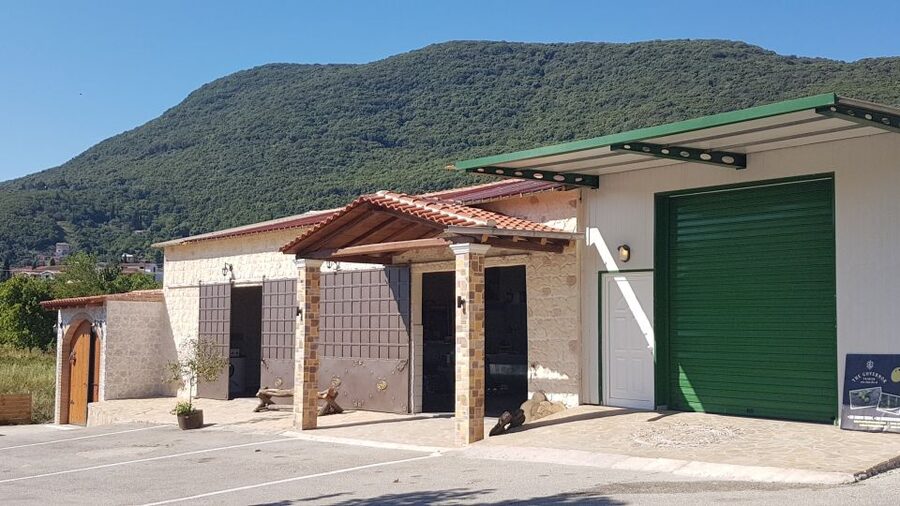
The tour begins in the museum area, where old tools and machinery explain how olive oil was made before modern processing. The old mill is called the Loutrouvio of the Dafnis family. Here, you get a sense of the labor involved in harvesting, pressing, and storing oil over many generations.
This part is worth your attention because it puts the modern machinery in context. Olive oil production was once slow, physical work, and the equipment shows how much depended on time, muscle, animals, and careful handling. The guide explains how the traditional system worked and how the family’s methods changed.
Guides such as Eleni and Maria have received especially strong praise for making this material clear and lively. Their explanations combine the mechanics of production with the role of olive trees in Greek and Corfiot culture. Good guiding matters here. Without it, old presses can look like a collection of dusty farm tools. With it, you can follow the chain from tree to table.
Allow about an hour and a half for the main mill visit, including the old section, modern production area, awards presentation, and tasting. The pace is educational rather than rushed.
The modern mill and the path from fruit to oil
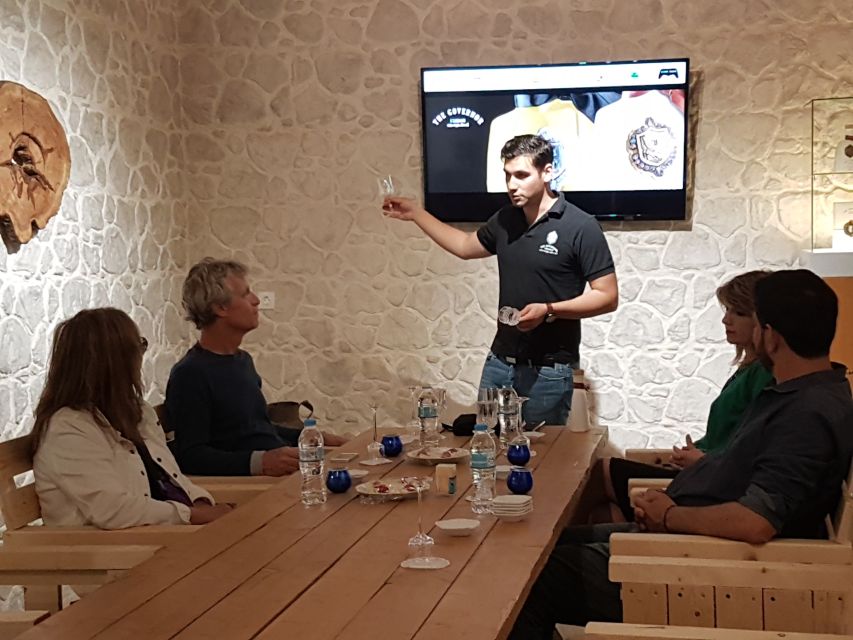
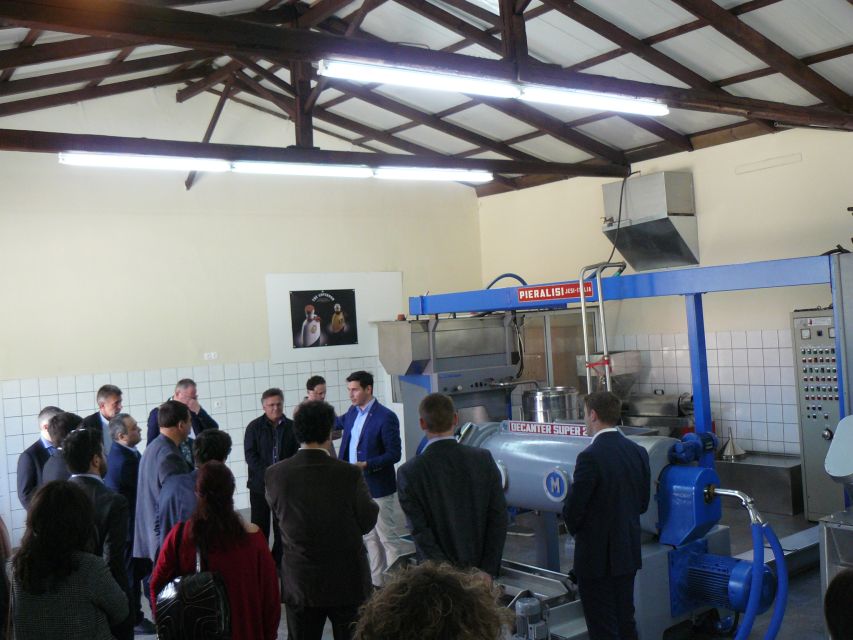
The modern section explains each stage of processing and extraction. You will see how the mill handles the olives and how current machines differ from the older equipment in the museum.
The key lesson is that good oil depends on more than the phrase extra virgin. You learn what to look for when buying oil, how to taste it, and why storage conditions matter. One useful point from the experience is the importance of checking quality indicators instead of choosing a bottle only because it looks attractive or says Greek on the label.
The presentation also explains how the Governor oil is made from the Lianolia olive rather than a blend of several varieties. That makes the tasting more focused. You are not simply sampling a general house product. You are tasting the character of one local Corfiot olive variety.
The oil has a noticeably stronger taste and smell than many supermarket products, according to the details shared during the tour. If you normally prefer mild oil, that intensity may surprise you. It is also part of the lesson: good extra virgin oil can have fresh aromas, bitterness, and a peppery finish. Those sensations are not automatically signs of a problem.
More Olive Oil Tours around Corfu:
- Corfu: Greek Cooking Class & Olive Oil Tasting
★ 5.0 · 178 reviews - North Corfu Olive Tour With Olive oil Tasting & Meze
★ 5.0 · 89 reviews - Winery tour with Wine and Olive tasting in Corfu
★ 4.5 · 65 reviews - Cooking Classes and olive oil tasting.The real taste of Greece!
★ 5.0 · 56 reviews
Tasting the oil with bread, cheese, and local snacks
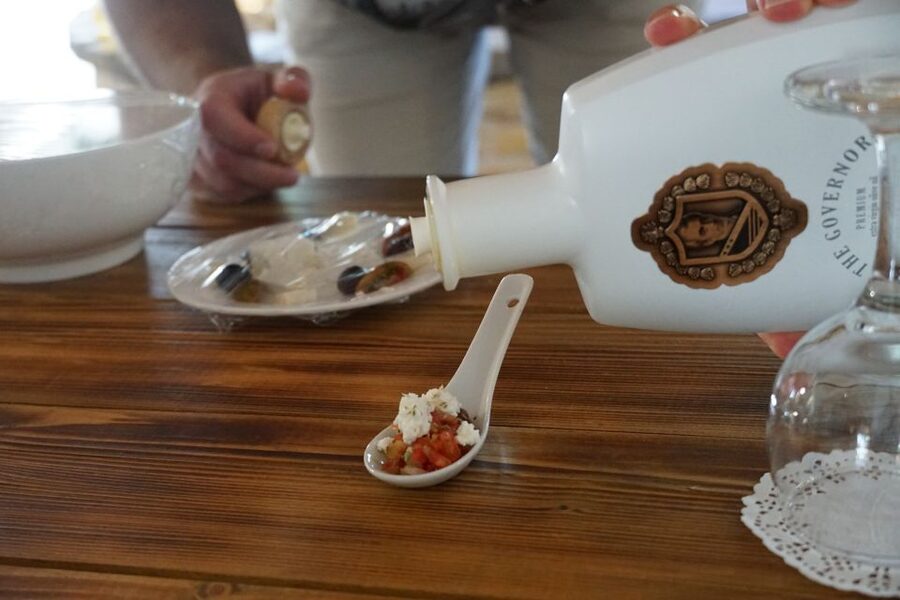
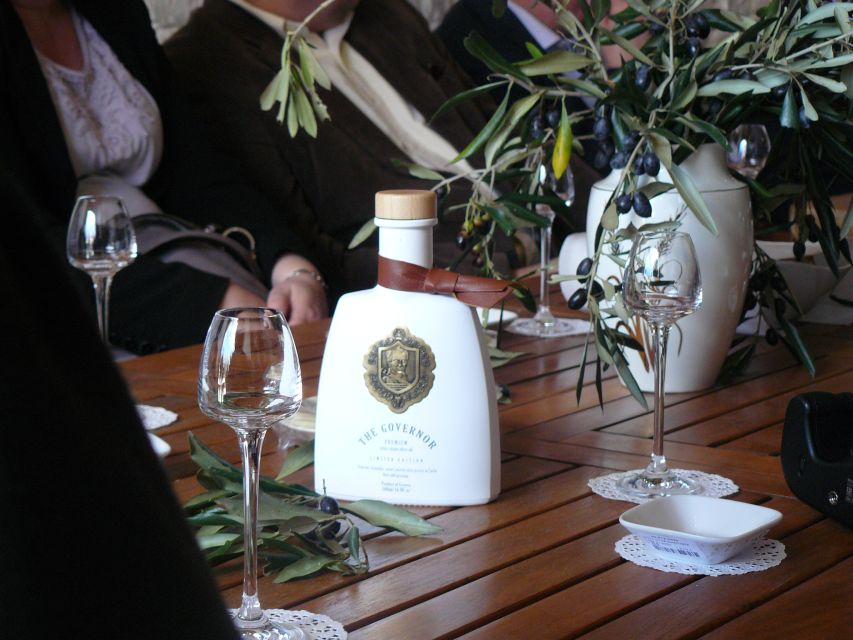
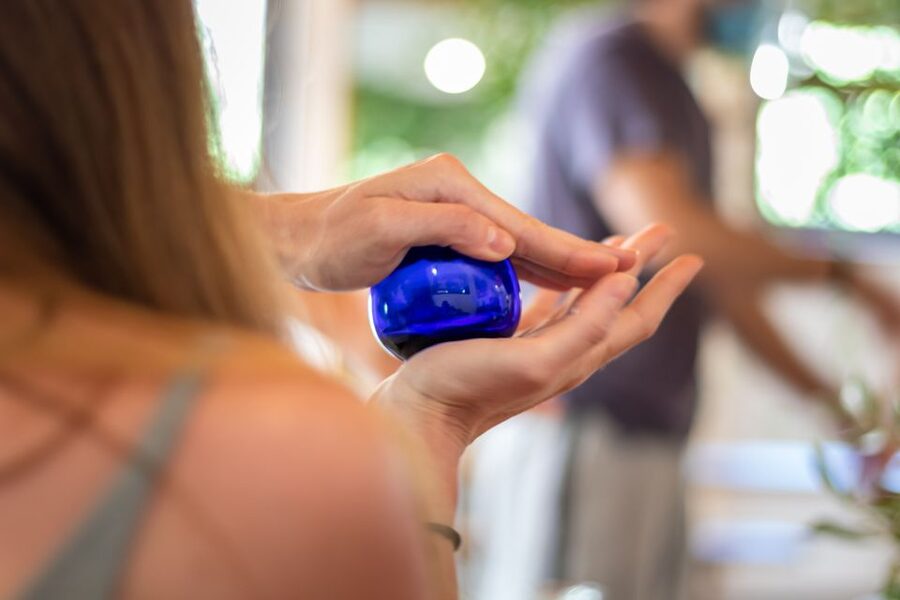
The tasting is the heart of the visit. The guide shows you how to assess the oil by sight, smell, and taste, then explains how to distinguish better oil from lower-quality products.
You will taste the oil with simple foods rather than elaborate cooking. The listed snacks include:
- Village bread
- Cheese
- Cherry tomatoes and capers
- Natural mineral water
- A dessert such as yogurt, ice cream, or chocolate
This is enough food to make the tasting pleasant, but it is not a full lunch. I would eat breakfast before pickup, especially because the portions are described as small. The food works well because it does not hide the oil. Bread gives you a plain base, while tomatoes, cheese, and capers show how the flavor works with familiar Greek ingredients.
The tasting also teaches practical storage advice. Light, heat, and air can damage olive oil, so what you do with a bottle after buying it matters. This is the kind of detail that makes the $80 price easier to justify. You leave with information you can use at home, not just a pleasant snack and a bottle from the gift shop.
There is time to buy olive oil products at the mill. The gift shop is useful if you want to take home the limited or premium series, but buying is optional. The educational part does not depend on making a purchase.
Ancient groves and the 1,500-year-old Mitera tree
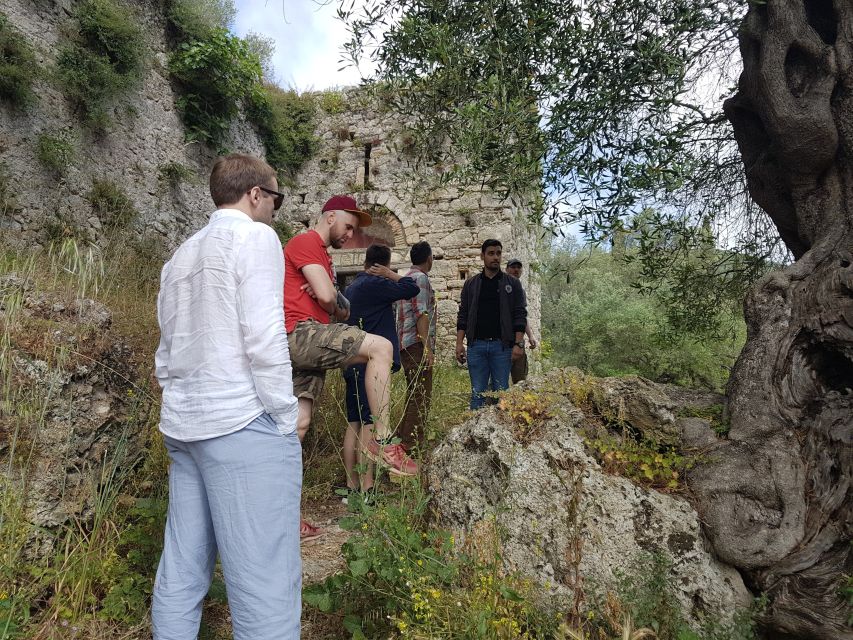
After the mill, the route continues through the Dafnis family’s old olive groves. This stop changes the subject from production to place. You see the trees in the setting where they have grown for generations, rather than only hearing about them indoors.
The major sight is Mitera, meaning Mother. The tree is described as about 1,500 years old. Its age gives the visit a powerful sense of time, though the tree is not presented as a polished monument. It is an old living olive tree connected to the family groves and the island’s agricultural past.
This is also the point where practical clothing matters. Wear shoes that can handle an uneven path and bring water. In warm months, mosquitoes may be present. The operator has supplied mosquito bite cream, but long sleeves or repellent are sensible if you are bothered by insects.
The stop is usually about 20 minutes, including the drive, a walk, and photographs. The driver may help with pictures, which is a nice touch for couples or small groups. Do not expect a long hike. The value is in seeing the tree and understanding what it represents.
Gardiki Byzantine Castle and the extra history stop
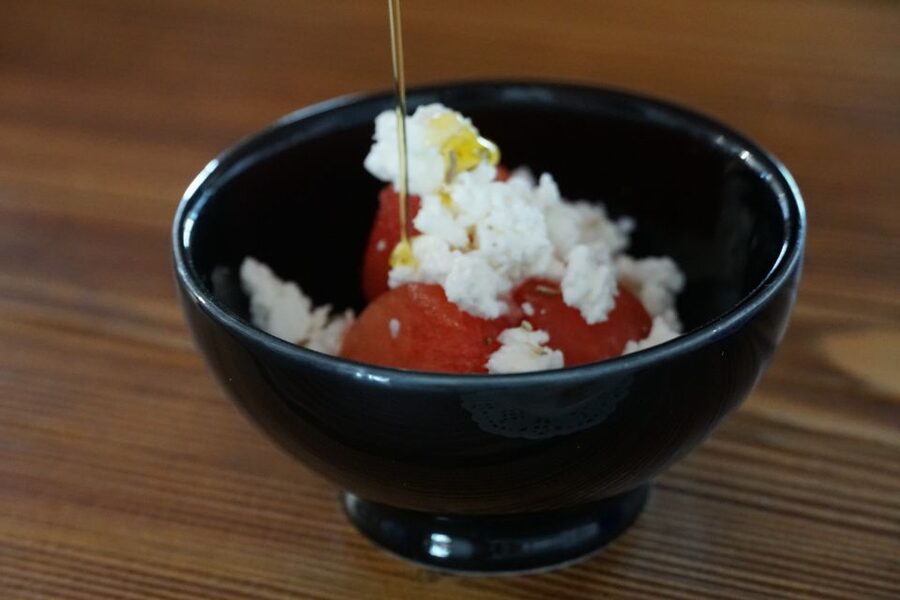
The outing may include a stop at Gardiki Byzantine Castle. This gives the tour a second historical thread beyond olive cultivation. You get more background on the area and a chance to see a fortification connected to Corfu’s past.
The exact time at the castle can vary. Some drivers have made short visits to nearby ruins or churches as part of the return route, while others have focused on getting people back on schedule. If you are traveling on a cruise ship, tell the operator and driver clearly how much time you have.
This flexibility is helpful, but it also explains why the total length can vary. A direct three-hour plan may become a much longer half-day if the driver adds local stops, traffic slows the return, or pickup involves several locations.
Is $80 a fair price?
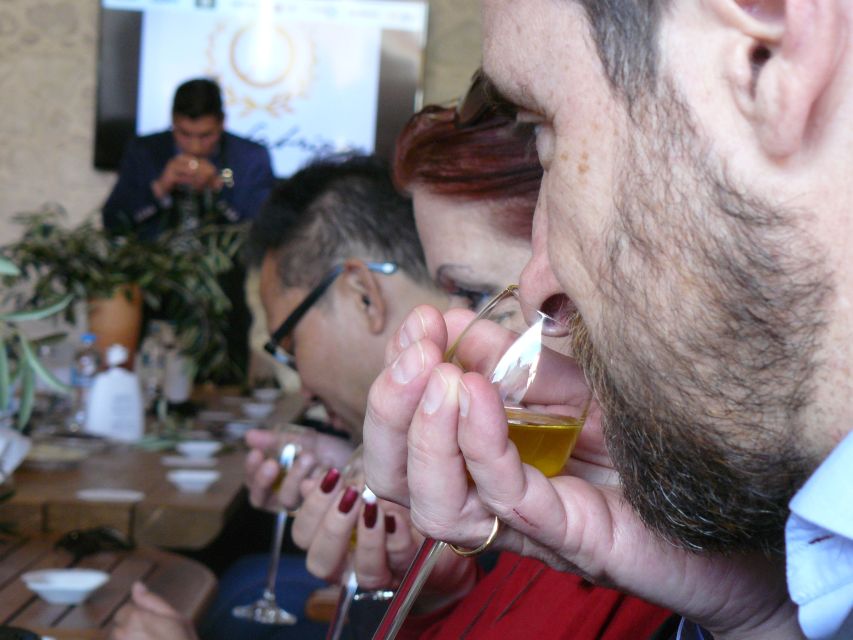
At $80 per person, the experience is not the cheapest way to see an olive mill. It is a fair price if you value transport and guided interpretation. The fee includes pickup and drop-off, the mill tour, a live guide in English or Greek, the tasting, and the grove and history stops.
A taxi to the mill would not give you the same explanation of old production methods, tasting instruction, or local commentary. Renting a car could cost less for a couple, but then you would need to drive unfamiliar roads and would miss the structured presentation.
The value is strongest for food-focused visitors, first-time Corfu visitors, and anyone staying near the port without a car. It is also useful on a cruise stop, provided you leave plenty of time before the ship departs.
The value is weaker if you want a quick visit, a private tour, or a full meal. This is not a private outing, and the group arrangements may vary. The tasting food is a snack, not lunch. The advertised three hours should also be treated as an estimate rather than a firm door-to-door promise.
Who will enjoy this olive mill experience?
I would recommend it most strongly to you if you:
- Buy olive oil at home and want to understand quality labels and tasting notes.
- Enjoy food experiences with a cultural and historical side.
- Want to see rural Corfu beyond the resort areas.
- Prefer an organized outing with transport included.
- Are interested in family businesses and traditional production.
- Have enough time for a half-day trip, even if the advertised schedule says three hours.
It may be less suitable if you dislike group transport, need a strict return time, or want a large meal. The van ride can be crowded, and the total outing may extend well past the mill visit. Children under eight can enter free, but the tasting and production explanations are likely to appeal more to older children and adults.
The tour is wheelchair accessible according to the activity information, but it is still sensible to confirm the vehicle and grove arrangements before booking, since the ancient tree stop includes walking.
Booking advice and final verdict
I like this tour because it does not stop at a tasting table. You see old equipment, modern machinery, the family groves, an ancient tree, and a Byzantine site. The best guides, including Maria, Eleni, George, Spiros, and Sotiris, add local stories and practical advice that turn the transfer into part of the day.
Book it if you want a grounded introduction to Corfu’s food culture and can accept a flexible schedule. Leave extra time after the planned return, eat breakfast first, bring insect repellent, and confirm your pickup point at least a day ahead.
I would skip it only if you need a private vehicle, a guaranteed three-hour finish, or a full lunch. For everyone else, the combination of olive oil education, family history, countryside, and tasting makes this one of the better food-centered outings on Corfu.
FAQ
How long does the Governor’s Olive Mill experience last?
The listed duration is three hours, with the mill visit taking about one and a half hours. Transport, pickup, extra stops, and traffic can make the total outing longer, sometimes around five to six hours from pickup to drop-off.
What time is pickup?
Pickup is generally around 9:00 to 9:30 in the morning. The exact time depends on your location and should be confirmed with the operator.
Where can pickup and drop-off be arranged?
Pickup is available from selected Corfu hotels, the airport, or the port. Pickup is limited to a stated radius of about 25 to 30 kilometers from the mill, so provide your exact location at least 24 hours before the tour.
Is the tour private?
No. It is not a private tour. The information describes a small-group experience, with a minivan holding up to eight people and total group arrangements that may vary.
What food is included in the tasting?
The tasting includes village bread, cheese, cherry tomatoes and capers, mineral water, and a dessert such as yogurt, ice cream, or chocolate. It is a snack rather than a full meal.
Is the tour suitable for children?
Children under eight years old can enter free. The tour includes historical explanations, production details, tasting, and walking at the grove and castle stops.
Is the tour available in English?
Yes. Live guiding is available in English and Greek, and the tour information lists English as an available language.
Can I cancel or pay later?
You can cancel up to 24 hours before the activity for a full refund. The reserve-now, pay-later option allows you to book without paying immediately.
Just added around Corfu
- Exclusive Olive Oil Tasting in Corfu Old Town★ 5.0 · 15 reviews
- Wine Tour and Olive Tasting- Small Group Tour★ 3.5 · 14 reviews
- Corfu Organic Olive Oil Tasting at Family Farm★ 5.0 · 5 reviews
- Bus Trip with Swim to Paleokastritsa and Olive Oil Museum★ 5.0 · 3 reviews
- Hiking in the Olive Groves,Villages,Sunset,with Swim Stop★ 5.0 · 8 reviews
- Corfu: Hiking in Olive Groves,Village,Sunset,with Swim Stop★ 5.0 · 13 reviews
- Symphony of Flavors – Corfu Old Town Food and Olive Oil Tasting★ 5.0 · 17 reviews
- Winery tour with Wine and Olive tasting in Corfu★ 4.5 · 65 reviews
Olive Mill and Factory Tours, compared.
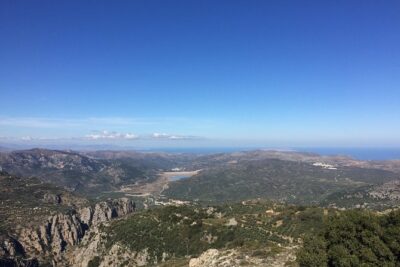
Knossos-Zeus Cave -Old Traditional Villages-Olive Oil Factory
Read our review →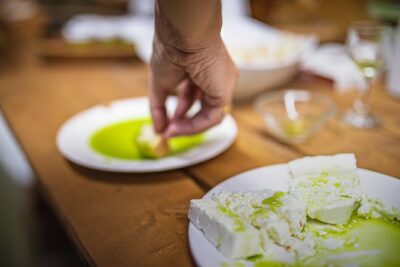
The Governor’s Olive Mill Tour with Olive Oil Tasting
Read our review →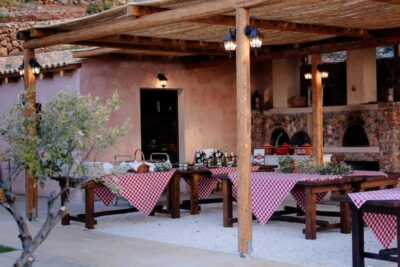
Road-trip to Lasithi, Zeus Cave & Olive Mill Farm
Read our review →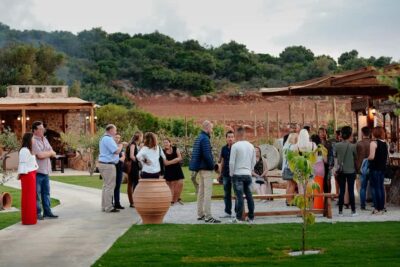
Lassithi, Zeus Cave, Olive Mill Farm & Knossos Combo Tour
Read our review →
Zeus Cave, Lassithi Plateau, Olive Oil Factory, Kritza, Pottery
Read our review →
Zeus Cave, Lassithi Plateau, and Olive Factory Tour
Read our review →Browse the lists this tour appears in