
Review · VENETO
Verona centro: Olive Oil Tasting Experience
Good oil changes how you taste Italy. This one-hour experience at La Bottega di Verona turns a familiar kitchen staple into a small lesson in farming, production, regional taste, and Italian food culture. You try three extra virgin olive oils, compare them with bread and cheese, and learn how to spot quality instead of judging a bottle by its label.
I like the personal setting and the generous food pairings. The family-run shop gives the tasting a local feel, while host Filipo explains the subject with patience and obvious care. I also like that the session covers more than tasting notes: you hear about olive varieties, production methods, the history of olive oil, and uses that go beyond simply pouring it on bread.
The main consideration is time. At only one hour, this is an introduction rather than a full food tour or farm visit. At $53 per person, it offers good value if you enjoy guided tastings and want useful knowledge, but it may feel expensive if you only want a quick snack and a splash of oil.
Key Points at a Glance
- Taste three extra virgin olive oils: The tasting is built around comparing oils rather than trying only one house favorite.
- Meet Filipo at a family-run shop: His patient explanations and personal care are a major part of the experience.
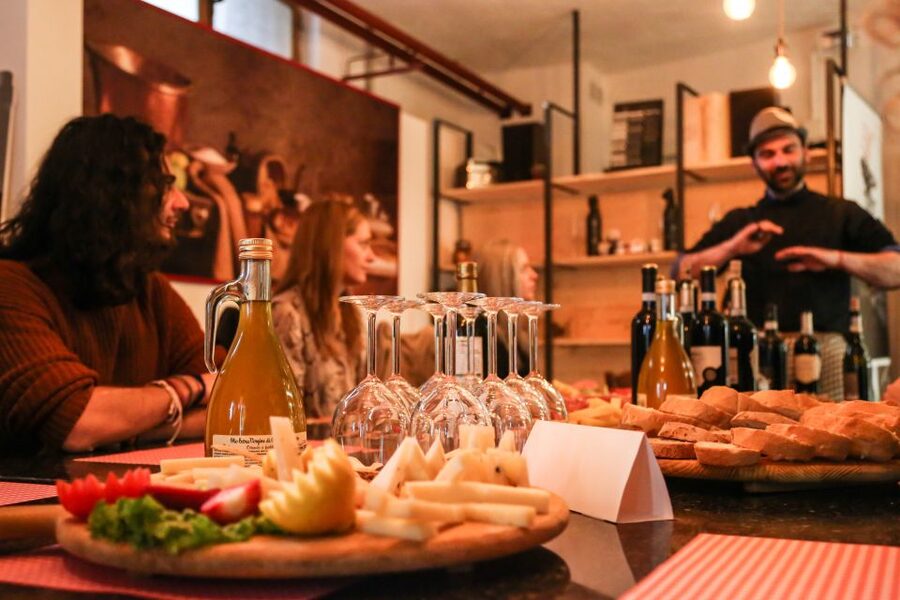
- Pair oil with Italian foods: Bread, cheese, salami, tomatoes, aubergines, and zucchini may all appear with the tasting.
- Learn how to judge quality: You are shown how olive oil should be tasted and how production affects flavor.
- Stay in central Verona: The meeting point is the historic La Bottega di Verona, making this easy to fit into a sightseeing day.
- Plan for a short, focused visit: The official tasting includes three oils, though one recent session included four.
Entering La Bottega di Verona
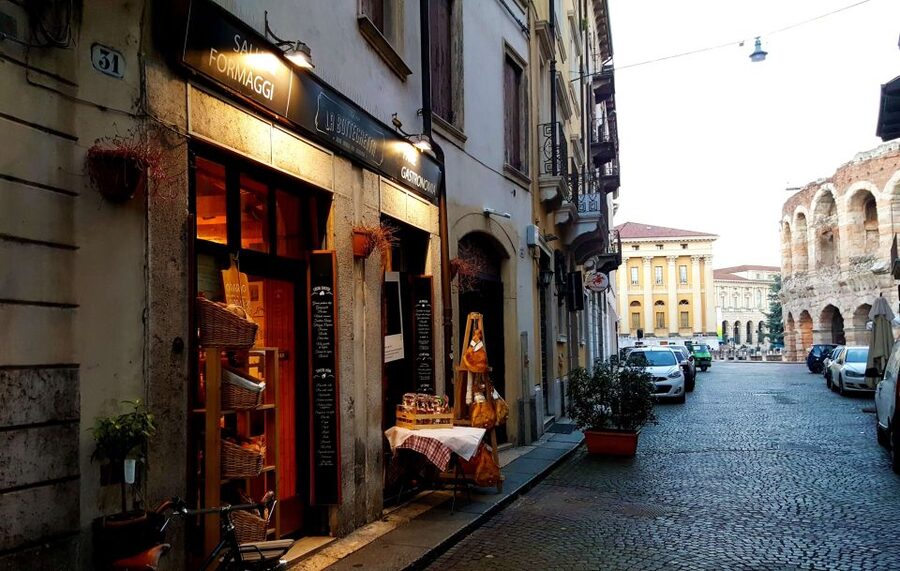
The meeting point is the historic shop La Bottega di Verona, operated by La Botteghetta La Bottega di Verona. That matters because the experience begins in a real food shop rather than in a formal classroom or large tasting room. You are surrounded by the products being discussed, which makes the lesson feel tied to daily Italian eating.
The location is in central Verona, so you can place this activity between major sights, an aperitivo, or dinner. The exact starting time varies, so check availability when booking. With a duration of one hour, it is easy to fit into a busy day, but you should arrive ready to begin on time because every minute matters in a compact tasting.
The shop is family-run, and that personal connection comes through in the way the experience is presented. Filipo has been praised for taking time with questions and explaining the origin and production of different oils in clear terms. That is useful for beginners, especially if you know olive oil mostly as something sitting beside the salt and pepper in a restaurant.
This is not an olive grove visit. You will not be touring fields, watching a pressing operation, or traveling out into the countryside. Instead, you get a focused introduction in Verona, with the advantage of tasting several examples side by side.
More Olive Oil Tours around Italy:
- Sorrento Farm and Food Experience including Olive Oil, Limoncello, Wine tasting
★ 5.0 · 2,524 reviews - Olive oil tasting in Sorrento
★ 5.0 · 434 reviews - Sorrento: Lemon, Olive Oil and Wine Tasting Tour with Lunch
★ 5.0 · 300 reviews
Why Extra Virgin Olive Oil Deserves a Lesson
Most people recognize the phrase extra virgin olive oil, but fewer can explain what it means in the glass. This tasting gives you a way to connect the label with flavor, production, and use.
The guide explains how olive oil is made and how different production choices affect the finished product. You learn about olive varieties and regional traits, then taste the results. The point is not to memorize technical terms. It is to understand why one oil may taste grassy, peppery, mild, bitter, or fruity, and why those qualities can work better with some foods than others.
The session also covers the history of olive oil and common and less common uses. That makes the experience more useful than a simple food sample. You leave with a framework for choosing oil at home, in an Italian market, or at a restaurant.
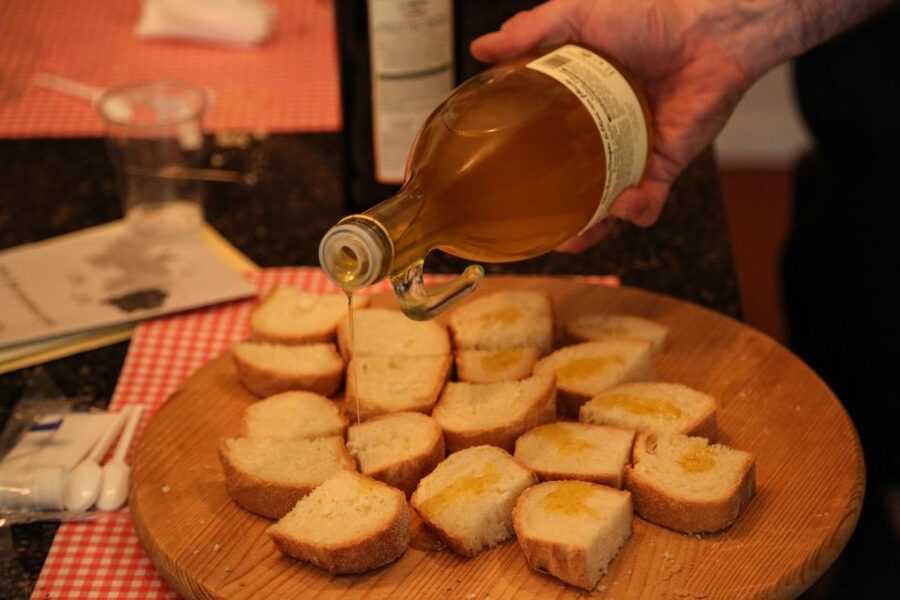
The tasting method itself is important. You are shown how olive oil is best sampled rather than swallowing it quickly with bread. Take time to notice the smell, taste, texture, bitterness, and peppery finish. An oil that catches in your throat is not automatically bad. In fact, those stronger sensations can be signs of character and freshness, depending on the balance.
You should not expect to become a professional taster in one hour. You can, however, become more alert to the difference between a flat, anonymous oil and one with clear flavor and a lively finish.
Comparing Three Oils Side by Side
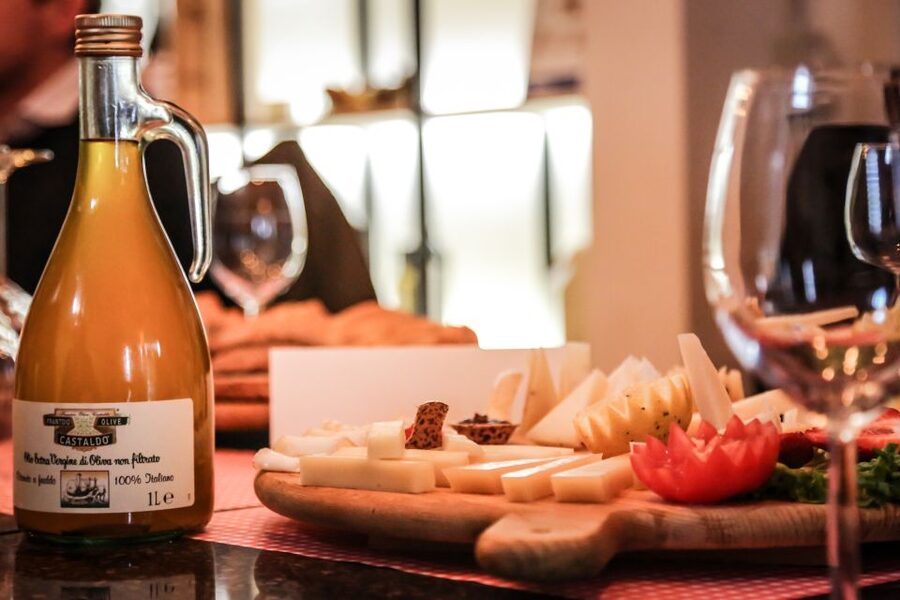
The advertised tasting includes three different oils. That number is enough to show contrast without tiring your palate. You can focus on each sample, ask questions, and remember what changed from one oil to the next.
The order of tasting matters. Start with the mildest oil and move toward stronger examples so the bolder flavors do not overwhelm the delicate ones. The guide selects the oils from a much larger range of around 500 types, so the session is designed as a tasting lesson rather than a random sampling.
One recent session included four oils instead of three. You should treat three as the standard offering, but the exact selection or number may vary. Do not book expecting four samples every time.
The tasting can help you notice several useful differences:
- Fruitiness: Some oils suggest fresh green plants or ripe fruit.
- Bitterness: This can add structure and may be desirable when balanced.
- Peppery heat: A lively finish may stay in your throat for a moment.
- Texture: Oils can feel light, smooth, or more assertive on the palate.
- Food pairing: A bold oil may suit hearty food, while a gentler oil can work better with mild cheese or fresh bread.
The guide’s job is to put those sensations into plain language. That is where Filipo seems to be especially effective. He has been praised for being patient, friendly, and willing to answer questions rather than rushing through a prepared speech.
Bread, Cheese, Salami, and Regional Pairings
The food is more than decoration. Bread gives you a neutral base for tasting the oil, while cheese and salami show how the oil behaves with salt, fat, and stronger flavors.
The included spread features bread, cheese, and salami. The tasting may also include tomatoes, aubergines, and zucchini, as one session did. These additions help you understand why olive oil is central to Italian cooking. The same oil can taste different when paired with a crisp piece of bread, a creamy cheese, or a vegetable with its own sweetness.
I like this part because it takes the oil out of the tasting glass and puts it on the table. You are not only asking which oil tastes best on its own. You are also considering which one you would actually use with food.
Do not expect a full meal. The plate of salami, cheese, and bread is a food accompaniment to the tasting, not a substitute for lunch or dinner. Some people may find it satisfying enough as a light bite, while others will want a proper meal afterward.
Food allergies and intolerances should be reported before the experience. This is especially important because the tasting includes several different foods, not just oil and bread.
Same groves, a different afternoon:
- Alghero: Wine and Olive Oil Tasting at a Local Farm
★ 4.8 · 294 reviews - Ostuni: Masseria tour among thousand-year-old olive trees with oil tasting
★ 4.8 · 261 reviews - Balestrate: Olive Grove Tour with Wines & Olive Oil Tasting
★ 5.0 · 241 reviews - Bardolino: Vineyard Tour with Wine, Olive Oil & Food Tasting
★ 4.6 · 221 reviews
Filipo’s Teaching Style and Languages
The guide can make or break a short tasting. Here, Filipo receives the strongest praise for being friendly, professional, patient, and deeply committed to the products. His explanations cover the origin of the oils, the types of olives, the production process, and the best way to taste.
That personal attention is particularly valuable if you are new to olive oil. You can ask simple questions without feeling that you should already know the answers. If you are already interested in food, you can use the session to ask about regional differences and production choices.
The listed guide languages include Italian, English, and Russian. The host information identifies English and Italian, so confirm your preferred language when booking if Russian support is important to you.
The atmosphere appears relaxed rather than theatrical. You are not being pushed through a sales presentation or a long chain of samples. The family-run character of the shop gives the session a sense of pride in local products, and that can make the hour feel more personal than a standard commercial tasting.
Wine Upon Request, Water Included
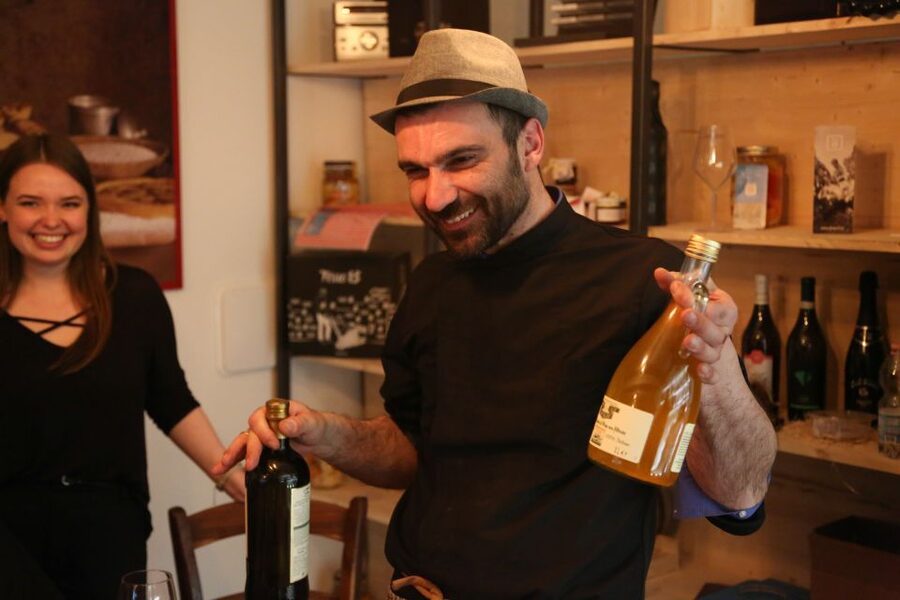
Still or sparkling water is included, which is useful for clearing your palate between oils. A glass of wine is available upon request. That small option can make the tasting feel more like a relaxed Italian food stop, but it is not the main point of the experience.
If you want to pay close attention to the oils, start with water and taste carefully before asking for wine. Wine can be a pleasant addition, but it may make it harder to notice delicate differences once you have sampled several oils.
The food and water also strengthen the value of the $53 price. You are paying for the guide’s time, the tasting of multiple oils, the food pairings, and access to a specialized explanation in a central Verona setting. The price is not a bargain snack, but it is reasonable for a hosted tasting with a substantial selection of food.
I would compare it with the cost of a casual lunch or aperitivo. If you would happily spend that amount on a food experience that teaches you something you can use later, the price makes sense. If you are trying to keep every activity inexpensive, you may prefer to sample olive oil informally in a shop.
What You Will Learn About Production
The production section gives the tasting its practical value. Olive oil is not defined only by the type of olive. Harvest timing, handling, pressing, storage, and freshness all influence the final result.
You will hear about production methods and how they shape the oil in your glass. The session does not promise a technical course, so expect a clear overview rather than detailed equipment specifications or a visit behind the scenes.
The guide also explains where the oils come from and how regional qualities affect taste. That context helps you understand why Italian oil is not one single flavor. Oils from different areas can vary greatly, even when they are all labeled extra virgin.
The most useful lesson is learning to connect production with sensory clues. A good oil should have a clear aroma and flavor rather than tasting dull or anonymous. You should also become more cautious about assuming that the darkest bottle, most expensive label, or most impressive packaging guarantees quality.
This is information you can use after leaving Verona. You may look more carefully at harvest information, storage advice, origin, and the language on a bottle. The class does not turn you into an expert, but it gives you better questions to ask.
Who Will Enjoy This One-Hour Experience
This tasting suits food lovers, couples, small groups, and anyone who wants a slower break from Verona’s churches and Roman monuments. It is also a good choice for people who enjoy practical lessons. You learn something, taste something, and leave with a better sense of how to shop for olive oil.
It works well for first-time tasters because the format is short and approachable. You do not need prior knowledge. The guide takes you through the differences step by step.
It may also suit returning Italy visitors who have already done the usual wine tastings. Olive oil is just as central to Italian cooking, but it receives less attention from many visitors. This experience gives you a fresh angle on a familiar part of the meal.
Families with young children should consider the format carefully. The activity is built around tasting, discussion, and learning, so children who are not interested in those things may become restless during the one-hour session. The available details do not specify a child policy or age limit.
You should also consider dietary needs before booking. Intolerances should be reported in advance, and the food includes dairy, cured meat, bread, and vegetables.
Is $53 a Fair Price in Verona?
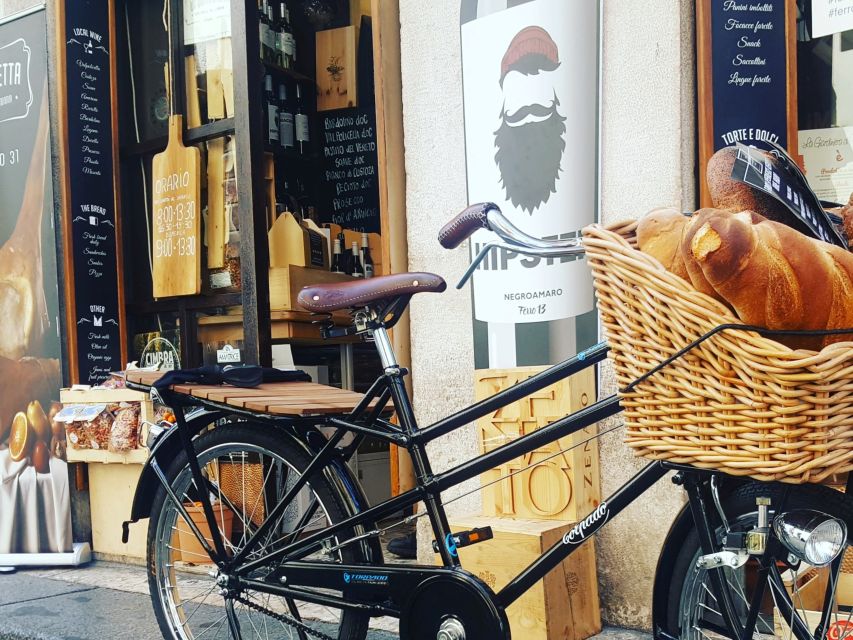
At $53 per person, this is not the cheapest way to eat in Verona. It is also not simply a meal. The price covers a guided tasting of three oils, food pairings, water, and a focused lesson on history, production, and use.
The strongest value comes from the host. A bottle of oil can be purchased for less, but it cannot answer your questions or show you how to compare it with other oils. Filipo’s patience and attention are important parts of what you are buying.
The central shop location also saves time. You do not need transportation out of the city or a half-day commitment. For a one-hour activity, that convenience may matter more than a lower-cost tasting located far away.
I would book it if you enjoy food education and want a small, personal experience. I would skip it if your priority is a full meal, a countryside excursion, or a hands-on production tour.
Booking Details and Practical Advice
You can cancel up to 24 hours before the experience for a full refund. The reserve-now, pay-later option also helps if your Verona plans are still changing.
Check the available start times, since the tasting lasts one hour and the schedule is not fixed in the information provided. Meet your guide at La Bottega di Verona, and allow enough time to find the historic shop in central Verona.
Tell the provider about any food intolerance before arrival. Ask about your preferred guide language if you need Russian support, since the general information lists Russian, while the host details list English and Italian.
Keep your palate focused. Taste each oil slowly, use the water between samples, and ask how the guide would pair each one at home. If wine interests you, request the included glass, but save it until you have properly compared the oils.
Should You Book It?
Book this experience if you want to understand one of Italy’s most important foods instead of simply consuming it. The best reasons are the personal setting, Filipo’s patient approach, the three-oil comparison, and the generous pairings with bread, cheese, salami, and vegetables.
At $53, it is best viewed as a guided food lesson with a light meal component. It will not replace a winery visit, a farm tour, or a full dinner. But for one useful hour in central Verona, it gives you a better palate, a clearer idea of how olive oil is made, and a skill you can carry into every Italian meal that follows.
FAQ
Where does the olive oil tasting take place?
The meeting point is the historic shop La Bottega di Verona in central Verona, Veneto, Italy.
How long does the experience last?
The tasting lasts one hour. Starting times vary, so you should check availability when booking.
How many olive oils will I taste?
The standard experience includes three different types of olive oil. One recent session included four, but three is the listed offering.
What food is included with the tasting?
You receive different combinations of bread and cheese, plus a plate of salami, cheese, and bread. A recent session also included tomatoes, aubergines, and zucchini. Still or sparkling water is included.
Is wine included?
A glass of wine is available upon request. It is listed as an optional part of the experience.
What languages are available?
The experience information lists English, Italian, and Russian for the guide. The host details list English and Italian, so confirm your preferred language when booking.
Just added around Italy
- Villa Castelli: Highlights Walking Tour w/ Olive Oil Tasting★ 4.8 · 12 reviews
- Umbria: E-Bike Rental and Fresh EV Olive Oil Tasting★ 5.0 · 4 reviews
- Vernazza (5 Terre): olive grove tour and oil and wine tasting★ 5.0 · 9 reviews
- Trieste’s Essence: Wine and Olive Oil Tasting★ 5.0 · 3 reviews
- Half-Day Chianti Wine and Olive Oil Tour from Viareggio★ 4.0 · 5 reviews
- From Venice: Olive Oil & Wine Tour in the Venetian Hills★ 5.0 · 9 reviews
- Valpolicella Wine and Olive Oil Tasting with Lunch from Verona★ 5.0 · 2 reviews
- Private Tuk Tuk Tour of the Millenary Olive Groves in Ostuni★ 5.0 · 4 reviews
Verona Olive Oil Tours, compared.
Lake Garda Olive Oil Tour and Tasting Experience
Read our review →
Olive Mill Tour and Tasting in the Verona Countryside
Read our review →
Valpolicella Wine and Olive Oil Tasting with Lunch from Verona
Read our review →Browse the lists this tour appears in