
Review · VENETO
Guided Olive Oil & Wine Tour From Padua
Olives and wine tell the story here. This four-hour outing from Padua takes you into the Euganean Hills for two genuinely local stops: an olive oil mill and a family-run winery. I especially like the chance to see how extra virgin olive oil is made, then taste several styles rather than simply buying a bottle from a shop. The visit to Cantina Salvan is another strong point, with five wines paired with cheeses or cured meats.
The small group, capped at eight people, keeps the outing personal, and pickup from central Padua makes the half-day easy to manage. The main consideration is the guiding. One excellent guide, Chiara, was praised for being friendly and informative, but the accompanying guide on another outing offered little background on the hills and mostly translated at the stops. If you want detailed history and regular photo stops, this may feel thin between visits.
Key points to know before you book
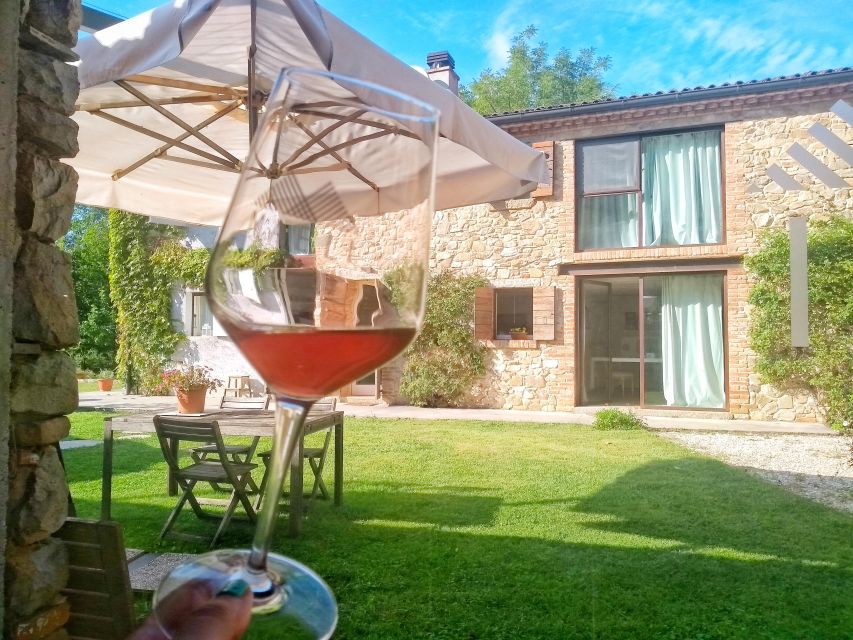
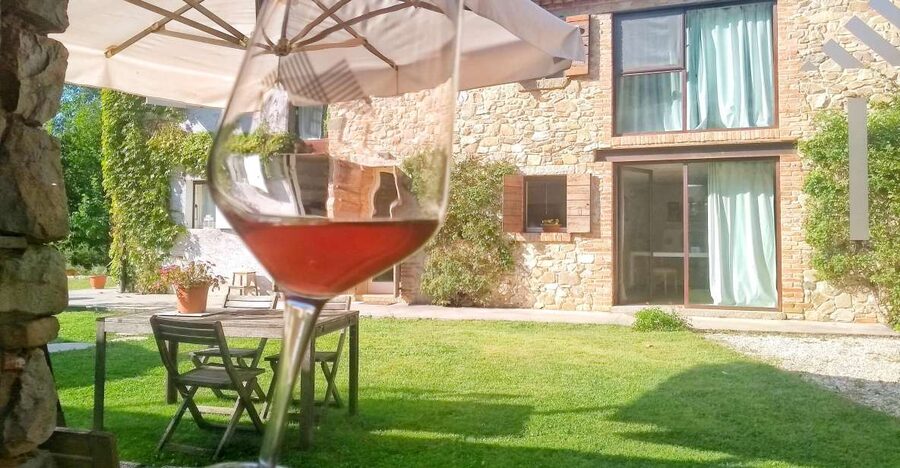
- Two food-and-drink stops: You visit an olive oil mill and a winery, with tastings at both rather than a quick photo stop.
- Five wines with local snacks: The winery tasting includes cheeses and/or cured meats, giving the wine a useful regional setting.
- Volcanic Euganean Hills: The unusual soil and mild climate support local grapes such as Serprino, along with Pinot Blanc, Garganega, Chardonnay, and red Bordeaux varieties.
- Small group of up to eight: This is a better fit for direct questions and a calmer tasting than a large coach excursion.
- Padua pickup is included: The vehicle collects you from your accommodation when possible, though restricted streets may require a nearby meeting point.
- Guide quality matters: The hosts at the mill and winery provide the strongest technical explanations, while the tour guide’s commentary on the wider area can vary.
Leaving Padua for the Euganean Hills
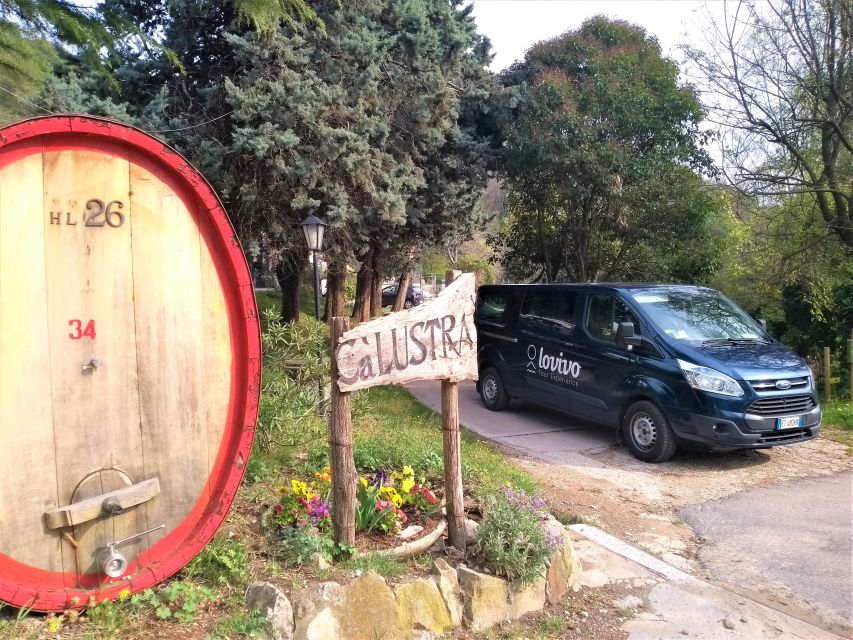
The tour begins with pickup from your accommodation in Padua, usually at an approximate time confirmed a few days before departure. Give the operator a working phone number with WhatsApp or an active email. If your hotel sits inside Padua’s restricted traffic zone or a pedestrian street, you will be given a nearby meeting point that the minivan can reach.
That small bit of planning matters. Keep your phone charged and switched on, and wait in your hotel lobby if pickup is from a hotel. The driver may also be the host or tour leader, so this is not always a separate chauffeur and a separate guide.
The drive takes you out of the city toward the Euganean Hills. The hills are known here for their volcanic origin, which helps explain why vineyards grow so well in an area that feels quite different from the flat Veneto plain around Padua. The setting is one of cultivated slopes, olive trees, vineyards, and small rural properties rather than a string of major tourist sights.
The tour is offered in English, Spanish, Portuguese, Italian, or German. In a mixed-language group, the guide may repeat information in more than one language. That can make the pace less lively, especially during transfers, but the group limit of eight keeps the arrangement manageable.
One point deserves clear attention. The outing is sold as a guided tour of the Euganean Hills, but the amount of general commentary can vary. You may hear useful explanations about the places you visit, yet you should not assume a continuous history lesson about the hills, their towns, or their geology. If that background is essential to you, ask questions as you go.
More Olive Oil and Wine Tastings around Italy:
- Sorrento Farm and Food Experience including Olive Oil, Limoncello, Wine tasting
★ 5.0 · 2,524 reviews - Sorrento: Lemon, Olive Oil and Wine Tasting Tour with Lunch
★ 5.0 · 300 reviews - Alghero: Wine and Olive Oil Tasting at a Local Farm
★ 4.8 · 294 reviews
Seeing how Euganean olive oil is made
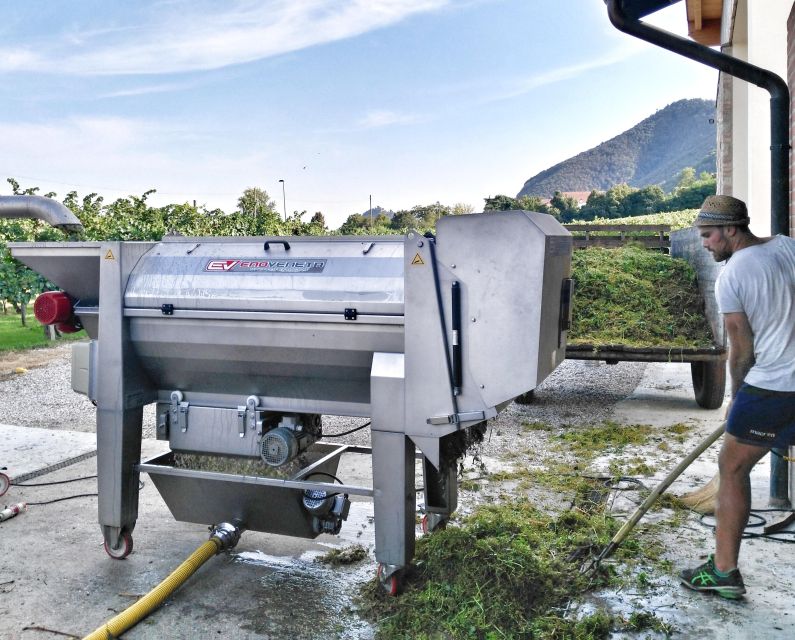
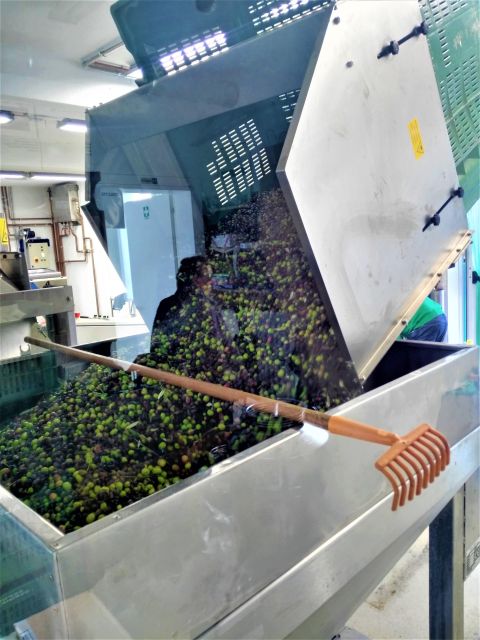
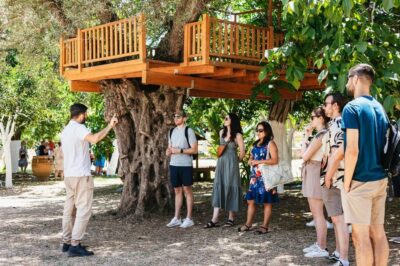
The first main stop is an olive oil mill described as one of the area’s excellent producers. You walk among the olive groves before seeing how the fruit is processed into oil. That combination is valuable because it connects the tree, the harvest, and the finished product in a way a shop tasting cannot.
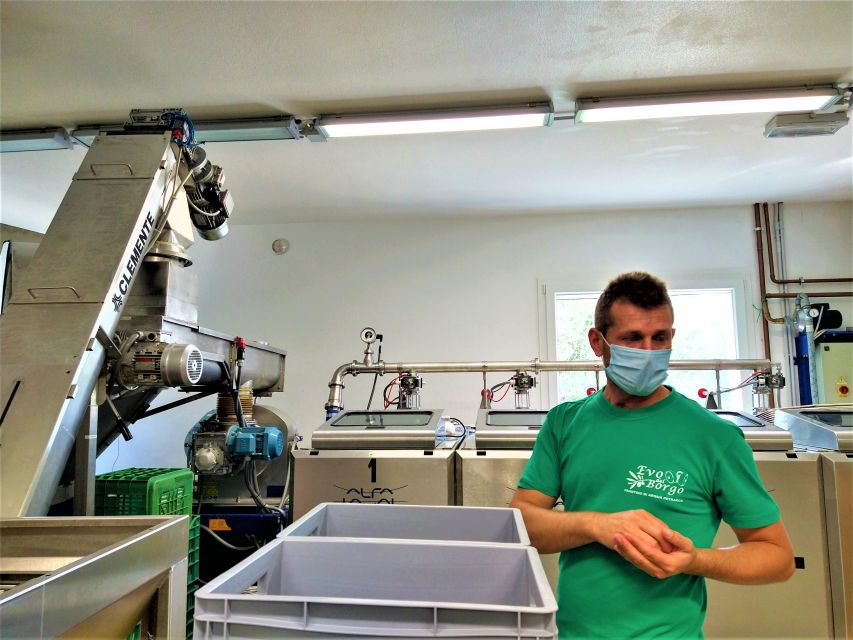
The mill is run by young owners who explain the production process and lead the tasting. The focus is extra virgin olive oil, with several types available to taste. This gives you a chance to notice differences in aroma, flavor, and finish instead of treating olive oil as one generic ingredient.
The visit should appeal to anyone who cooks at home. You can pay attention to how the oil is presented, what foods it is paired with, and which qualities the producer wants you to notice. The tasting also gives the olive oil a sense of place. It is not just a souvenir bottle, but part of the agricultural life of the hills.
The walk through the groves is likely to be the most outdoorsy part of the tour. Wear comfortable clothing and shoes suitable for an uneven rural setting. Bring water, particularly if the weather is warm. The tour runs in bad weather unless conditions make it unsafe, so a light rain layer is sensible even when the forecast looks promising.
The olive mill stop is praised for its hands-on feel. You see the work behind the product, meet the people connected to it, and taste the result. The possible weakness is time. This is a four-hour tour with two major stops, so the mill visit cannot become a long agricultural tour. Expect a focused introduction and tasting rather than a full day among the groves.
Five wines at a family-run cellar
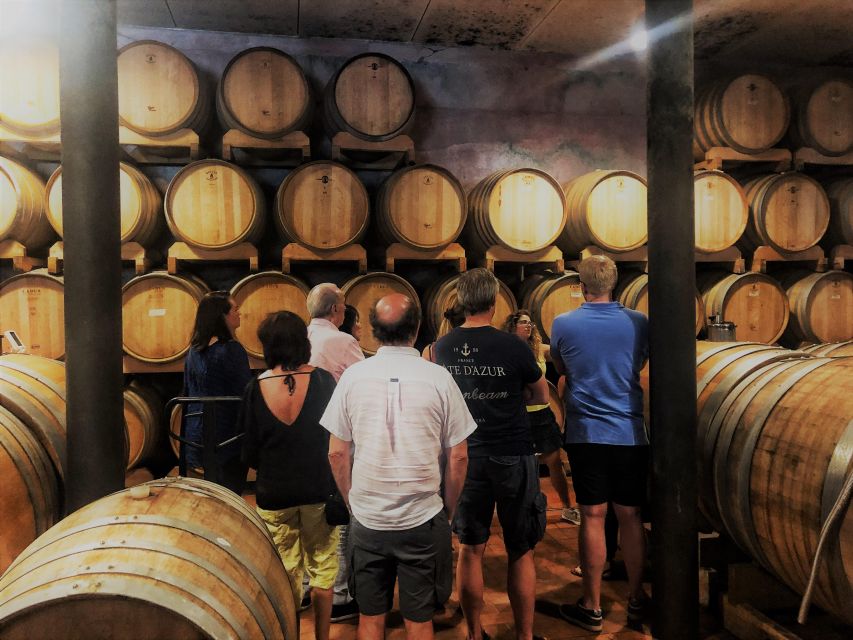
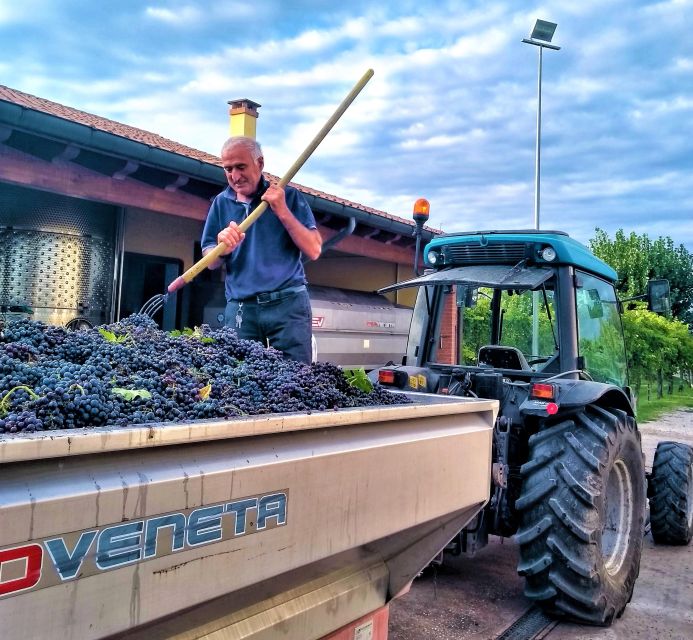
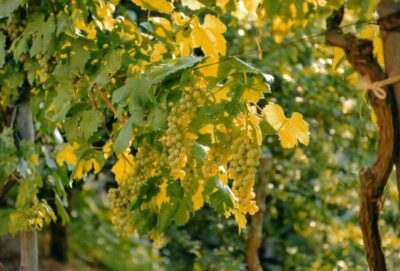
The second stop moves from olive trees to vineyards and a winery with a barrel room. You walk through the vines, then hear about the cellar and the wines before sitting down to taste. The tasting includes five wines, paired with local snacks such as cheeses and cured meats.
This is where the tour offers its strongest sense of regional character. The Euganean Hills are not simply another place producing familiar Italian bottles. Their volcanic soil and favorable climate allow both local and international grapes to grow.
You may encounter Serprino, a local form of the Glera grape. It is often described as the volcanic version of Prosecco, though the experience here is about tasting the local style rather than comparing it to a supermarket bottle. White wines may include Pinot Blanc, Garganega, Chardonnay, and Manzoni Bianco.
The red selection can include Cabernet Franc, Cabernet Sauvignon, Merlot, and Carmènere. These are international or Bordeaux-associated grapes, but they take on a local expression through the hills’ soil and growing conditions. A guided tasting helps you compare the wines in an orderly way instead of sampling randomly.
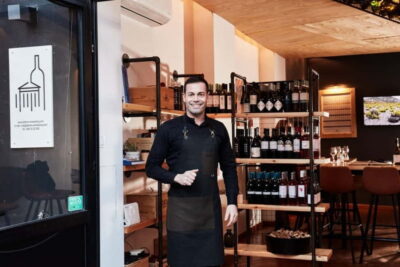
The winery staff member or winemaker leads the tasting, explaining how to approach the wine and pointing out its different expressions. That direct contact is important. The strongest information on this tour comes from the people who make the oil and wine, not necessarily from the person driving between the stops.
Cantina Salvan is a particularly good example of what you can expect from the winery portion. The setting is praised for its welcoming hosts and strong wine selection. The combination of five wines and local food also makes the price easier to assess, since you are receiving more than a single taste at a retail counter.
Pace yourself. Five wines in a short afternoon can add up, especially when olive oil tasting comes first. The food pairings help, but this is still a tasting tour, not a full lunch. If you need a substantial meal, plan one before or after the excursion.
What the small group changes
With no more than eight participants, you get a more personal outing than you would on a bus tour. A small group also suits tastings. You can hear the mill owner or winery host more clearly, ask questions without waiting behind a crowd, and move through the vineyards without feeling like a procession.
The vehicle transfer is included from Padua center and from your accommodation when the road allows it. Transfers from other locations can be arranged for an additional fee. The exact departure time is approximate until the agency confirms it, so avoid scheduling a tight train connection immediately after the tour.
The guide may be both driver and host. The transfer is provided by the agency as a courtesy connected with the tour, rather than as a separate private transportation service. That distinction helps set expectations. You are booking a guided tasting experience with transport, not a custom car-and-driver day.
The tour lasts about four hours. That length works well if you have only part of a day in Padua or want to pair it with city sightseeing. It also means the schedule is compact. You will go from Padua to the hills, visit the mill, continue to the winery, taste the wines, and return. There is not much room for unscheduled detours.
More Guided Tours around Italy:
- Guided Wine and Olive oil tasting
★ 5.0 · 158 reviews - Guided tours of the olive grove with oil tasting.
★ 5.0 · 67 reviews - Seggiano: Guided Tour of the Olive Grove and Food Tasting
★ 4.8 · 30 reviews - Oristano: Olive Tree Grove Guided Visit with Tasting
★ 5.0 · 28 reviews
The scenery is good, but commentary can be uneven
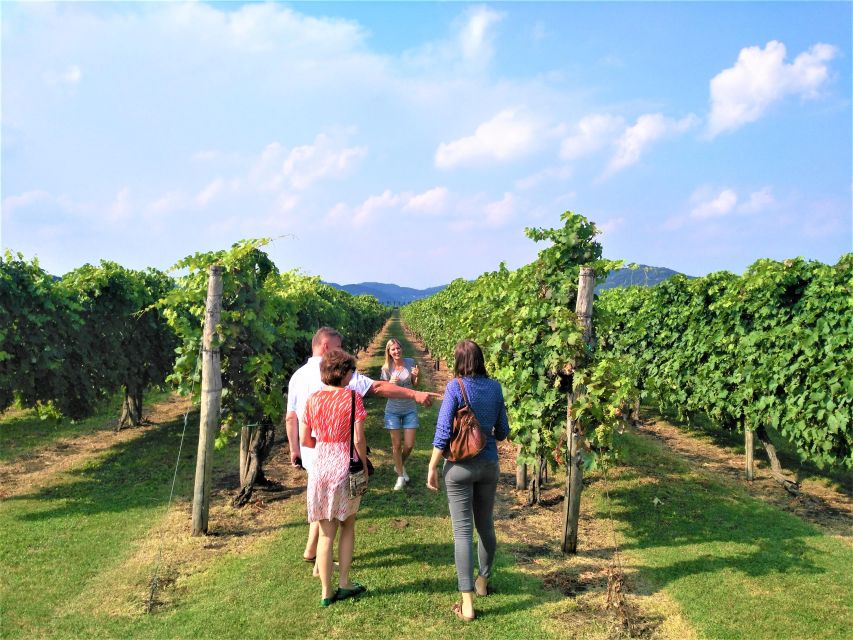
The Euganean Hills provide the visual appeal: olive groves, vines, rural roads, and a broad view across cultivated countryside. The walk through the vineyards is a useful chance to experience the area on foot instead of seeing it only through a minivan window.
I would not book this outing mainly for formal sightseeing stops. One outing was criticized because the guide did not explain what makes the Euganean Hills special, provide local history, or stop for photographs. The vehicle moved between the mill and winery with little commentary.
That criticism is fair. If you choose a tour in a distinctive region, you want more than a transfer service. The best version of this experience includes questions, conversation, and explanations from the hosts, but the general hill tour may not satisfy someone seeking a detailed cultural introduction.
You can improve the experience by asking direct questions. Ask why the hills are volcanic, which grapes are most local, how the oil differs by style, and what makes the winery’s wines suited to the area. Do not wait for a long lecture to begin. The small group gives you a good chance to shape the conversation.
Photo stops are also not guaranteed. Bring your phone for pictures at the olive groves and vineyards, but do not expect a planned scenic overlook. The tour’s priority is production and tasting, not a circuit of viewpoints.
Is $192.58 a fair price?
At $192.58 per person, this is not a bargain transfer to a country winery. It becomes more reasonable when you count the included elements: pickup and return in Padua, a small group, an olive mill visit, an olive oil tasting, a winery visit, a vineyard walk, five wines, local snacks, and tour organization.
The price also buys convenience. Reaching two rural producers without a car can be difficult, and driving after wine tasting is not sensible. Having a vehicle take you from Padua and return you to the city removes that worry.
The value is best for you if you would otherwise need to arrange private transport, research producers, and organize tastings yourself. It is weaker if your main goal is a low-cost wine sample or a detailed guided tour of regional history.
The exact value also depends on the guide. Chiara received warm praise for her friendly and informative approach, while another outing had a guide who mainly translated. The mill and winery hosts appear to carry much of the experience, but the quality of the connecting commentary can affect how satisfied you feel with the price.
Free cancellation up to 24 hours before departure and reserve-now, pay-later booking add useful flexibility. Transfers from outside Padua cost extra, and anything not specifically listed is not included.
Who should book this afternoon?
I would recommend it to couples, small groups of friends, and food-focused visitors staying in Padua who want to see a working side of the Veneto. It is also a good fit if you prefer a short outing rather than a full-day wine route.
You will probably enjoy it most if you like meeting producers, tasting regional food and drink, and asking questions. The small group makes it suitable for people who do not enjoy large organized excursions.
It is less suitable if you want a formal lecture on Euganean history, a long list of scenic photo stops, or a full meal. It also may not be ideal for someone who does not drink alcohol, since the wine tasting is a central part of the afternoon.
Wear comfortable clothes, bring water, and keep your phone charged. The tour runs in poor weather unless safety requires cancellation, so dress for the conditions rather than assuming every vineyard visit will be sunny.
Should you book the Padua olive oil and wine tour?
Book it if you want two authentic producer visits, reliable transport from Padua, and a compact afternoon built around tasting. The olive mill and the five-wine tasting at the winery are the strongest reasons to go, and the small group keeps the experience from feeling mass-produced.
Think twice if you need a guide who provides steady commentary about the Euganean Hills between stops. The core tastings are the safe choice here, while the wider sightseeing element is less dependable.
For most food and wine fans based in Padua, I would book this as a convenient introduction to the hills. Just set your expectations correctly: you are signing up for olive oil, wine, local hosts, and rural scenery first, with regional history and scenic stops as possible extras rather than guaranteed features.
FAQ
How long does the olive oil and wine tour last?
The tour lasts about four hours. Check availability for the current starting times.
Is pickup from Padua included?
Yes. Pickup and return from your accommodation in Padua are included when the vehicle can reach the address. If your accommodation is inside a restricted traffic zone or pedestrian area, you will be given a nearby meeting point.
How many people are in the group?
The tour is limited to eight participants.
Which languages are available?
Live guiding is available in English, Spanish, Portuguese, Italian, and German. Tours may be conducted in more than one language.
What is included at the olive oil mill?
You visit an olive oil mill, walk through the olive groves, learn about oil production, and taste Euganean Hills extra virgin olive oil.
How many wines are tasted?
The winery tasting includes five wines, served with local snacks such as cheeses and/or cured meats.
What should I bring?
Bring a charged smartphone, water, and comfortable clothing. Keep your phone active so the guide or agency can contact you about pickup.
Can I cancel the booking?
You can cancel up to 24 hours before the tour for a full refund. Reserve-now, pay-later booking is also available.
Just added around Italy
- Villa Castelli: Highlights Walking Tour w/ Olive Oil Tasting★ 4.8 · 12 reviews
- Umbria: E-Bike Rental and Fresh EV Olive Oil Tasting★ 5.0 · 4 reviews
- Vernazza (5 Terre): olive grove tour and oil and wine tasting★ 5.0 · 9 reviews
- Trieste’s Essence: Wine and Olive Oil Tasting★ 5.0 · 3 reviews
- Half-Day Chianti Wine and Olive Oil Tour from Viareggio★ 4.0 · 5 reviews
- From Venice: Olive Oil & Wine Tour in the Venetian Hills★ 5.0 · 9 reviews
- Valpolicella Wine and Olive Oil Tasting with Lunch from Verona★ 5.0 · 2 reviews
- Private Tuk Tuk Tour of the Millenary Olive Groves in Ostuni★ 5.0 · 4 reviews
Olive Oil and Wine Tastings, compared.
Sorrento Farm and Food Experience including Olive Oil, Limoncello, Wine tasting
Read our review →
Krka Waterfalls With Boat Cruise, Wine and Olive Oil
Read our review →

Lemon, Olive Oil and Wine Tasting Tour with Lunch
Read our review →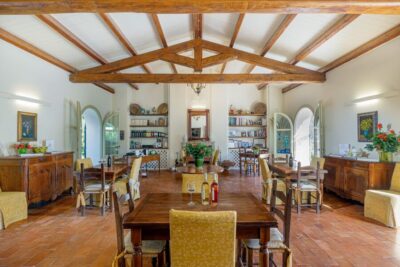
Browse the lists this tour appears in