
Review · CENTRAL GREECE
Athens: Cretan Olive Oil Tasting Experience
Small sips reveal big differences. At Chrisopigi Deli in central Athens, you taste two Cretan extra virgin olive oils from different harvest periods, then compare olives, olive paste, rusk, and other regional foods. I like the focused 30-minute format and the chance to learn how aroma, texture, and flavor reveal oil quality. The main consideration is that this is a tasting session, not a full meal, so arrive expecting several careful samples rather than a long food tour.
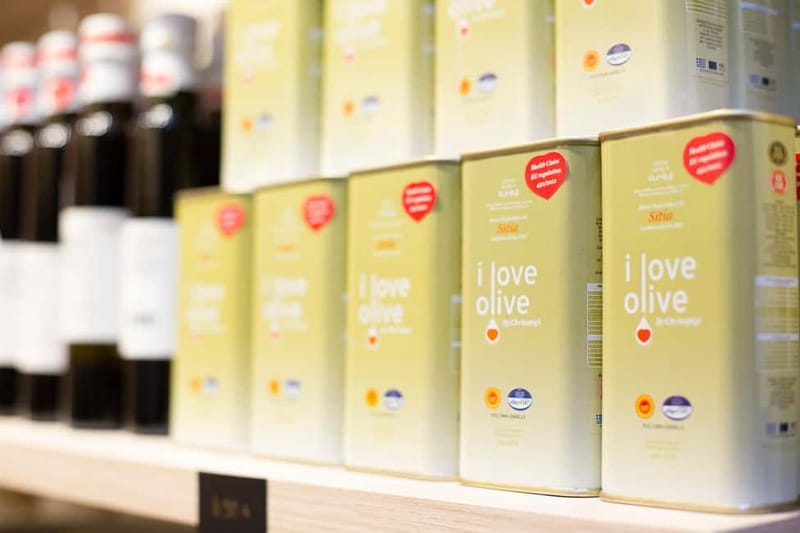
I also like the clear connection to small Cretan producers. The Koroneiki olives come from Sitia in Crete, the rusk comes from a small Cretan bakery, and the shop stocks the products you taste. At $23 per person, the experience offers good value if you want practical food knowledge and possible gifts to take home, though shoppers who are not especially interested in olive oil may find the subject a little narrow.
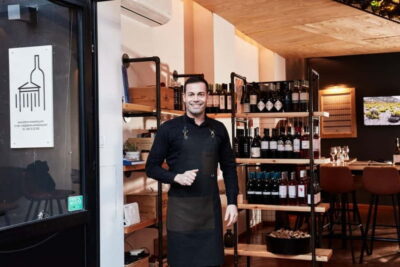
The session takes place inside Chrisopigi Deli, in the BOLANI covered walkway at Voulis 7. The guide speaks English and Greek, and past sessions have received a perfect 5.0 rating from 10 ratings. One particularly praised host, Ioanna, led an informative tasting on production, history, and technique, while other participants singled out the friendly presentation and excellent oil.
Key points to know before you book
- Two harvest periods: Compare extra virgin olive oils made from olives picked at different times.
- Two olive varieties: Taste Koroneiki olives from Sitia in Crete alongside the famous Kalamata olive.
- More than oil: The tasting includes olive paste, Cretan rusk, cherry tomato chutney, and raki.
- Practical tasting skills: Learn to notice an oil’s aroma, texture, and flavor instead of simply deciding if you like it.
- Central Athens setting: Find Chrisopigi Deli inside the BOLANI covered walkway at Voulis 7.
- Easy add-on to a city day: The 30-minute session works well before lunch, after sightseeing, or between central Athens stops.
What the 30-minute tasting is really like
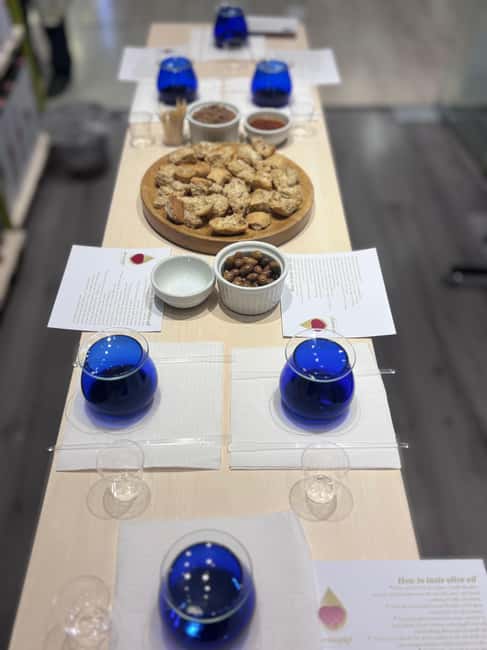
This is a compact, guided food lesson rather than a casual shop sample. You arrive at Chrisopigi Deli, enter the covered BOLANI walkway at Voulis 7, and look for the store where the tasting takes place.
The session centers on two extra virgin olive oils from different harvest periods. That comparison matters because harvest timing affects an oil’s character. Instead of tasting one bottle and hearing a sales pitch, you get a direct side-by-side lesson in how oils can differ.
The guide explains the qualities of each product as you taste. You learn to pay attention to the oil’s aroma, texture, and flavor, along with the features associated with a premium extra virgin olive oil. For many people, this is the most useful part of the session. You leave with a better sense of what you are buying, not just a pleasant memory of something poured into a small cup.
The pace should feel brisk because half an hour does not allow for long pauses. That is good if you want a clear introduction without giving up a large part of your afternoon. If you prefer a slow meal with several courses, this experience will feel more like a tasting class than a leisurely food event.
More Olive Oil Tours around Athens:
- Athens: Acropolis Wine Tasting with Cheese and Olives
★ 4.9 · 337 reviews - Athens Old Town: Greek Olive Oil & Herbs Tasting
★ 4.2 · 41 reviews - ”Athens Olive Oil Tasting”
★ 4.9 · 16 reviews
Comparing early harvest and regular extra virgin olive oil
The most interesting part of the tasting is the comparison between oils from different harvest periods. You are not simply told that one bottle is better. You are guided toward the clues that help you judge the difference yourself.
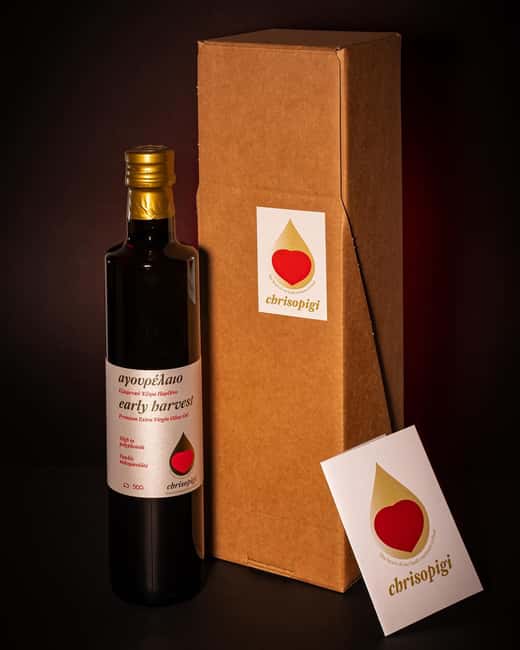
Early harvest olive oil often attracts people who enjoy a more pronounced taste, while oil from another harvest period may show a different balance. The supplied details do not assign fixed flavor notes to each sample, so you should listen closely to the guide rather than arrive expecting a particular profile.
The lesson covers the organoleptic features of the oil. That word refers to qualities you can judge through your senses, including smell, taste, and mouthfeel. You may find that the experience changes the way you use olive oil at home. Instead of treating it as a generic cooking ingredient, you begin to think about which oil suits bread, salads, vegetables, or finishing a dish.
I find this especially useful for shoppers who often face a wall of olive oil bottles and have no idea what the labels mean. A short explanation from someone who works closely with the products can save you from buying based only on attractive packaging.
One practical tip: take your time with each sample, even though the session is short. Notice the first aroma, how the oil feels, and what remains after tasting. The guide’s explanation will make more sense if you give each sample your full attention.
Koroneiki and Kalamata olives side by side
The olive tasting adds a welcome change of texture. You sample Koroneiki olives from Sitia, Crete, and the famous Kalamata olive. These are not there simply as snacks. They give you another way to compare Greek olive varieties and connect the oil to the fruit from which it comes.
Koroneiki olives are closely linked with Cretan olive oil production, so tasting them alongside Cretan oil helps tie the session together. Kalamata olives are widely recognized and provide a familiar point of comparison for many people.
The experience does not promise a full lesson in every olive-growing region of Greece, and it should not be treated as one. Its strength is the small, clear selection. You taste two types, hear why they differ, and move on before the information becomes too technical.
This part should appeal to anyone who enjoys Greek food but has never considered the difference between an olive used for eating and one used mainly for oil production. The tasting makes that distinction easier to understand through flavor and texture, not just explanation.
Olive paste, Cretan rusk, and a few extra tastes
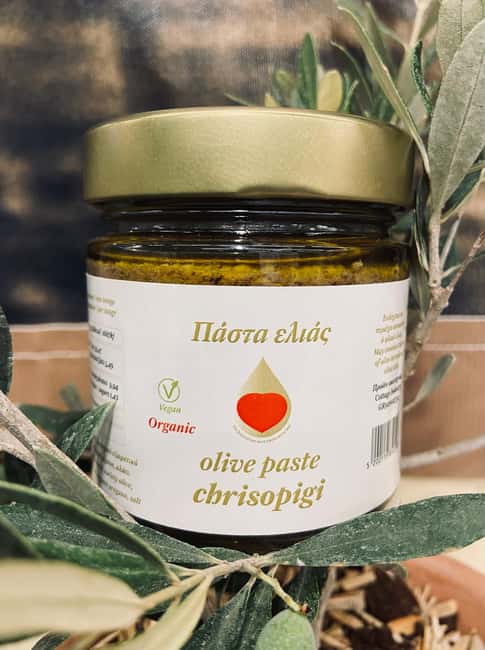
The handmade olive paste from Koroneiki olives turns the oil lesson into something you can enjoy with food. Rather than tasting oil on its own the entire time, you get to see how olive flavors work in a spread.
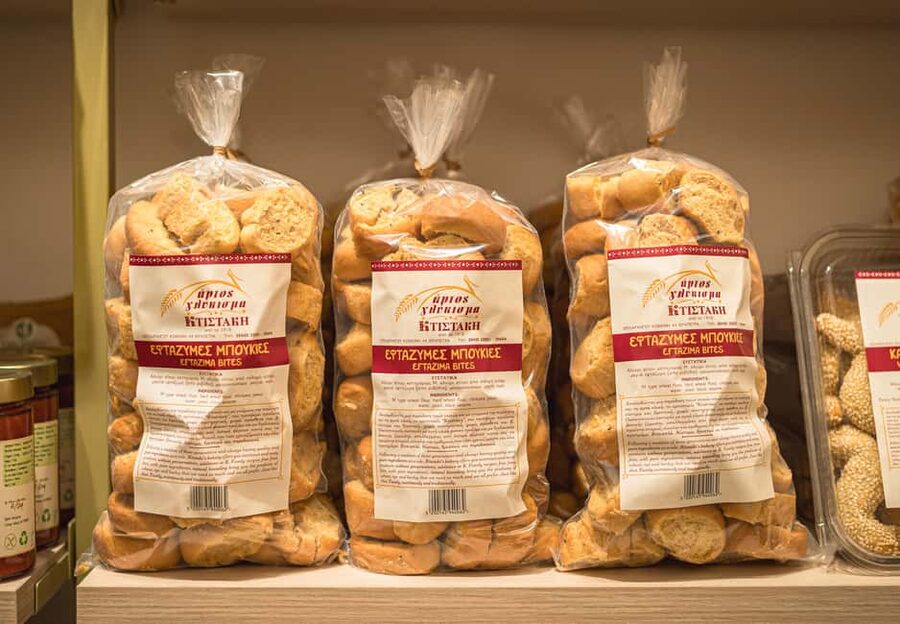
The traditional Cretan rusk comes from a small bakery in Crete. Rusks are firm, dry pieces of bread, so they provide a sturdy base for the olive paste and other tastes. This is a small detail, but it gives the session a stronger link to everyday Cretan food traditions.
You also sample cherry tomato chutney and the famous raki. These extras broaden the experience beyond a narrow oil comparison. The tomato chutney adds a different taste profile, while raki gives you a chance to encounter a well-known Cretan drink in a controlled tasting setting.
Do not confuse the extra items with a complete meal. They make the 30 minutes more varied, but the activity does not include lunch or any food beyond the listed tasting portions. If you are hungry, plan another meal before or after the appointment.
Past participants have particularly enjoyed the combination of oil, olives, olive paste, and rusk. That pairing seems to be the heart of the food experience, and it is likely to be more satisfying than tasting oil alone.
Same groves, a different afternoon:
- Street food tasting in the locals favorite hidden places
★ 5.0 · 15 reviews - From Athens: Olive Oil Tasting, Olive Grove & Wine Experience
★ 5.0 · 13 reviews - Full-Day Private Tour Corinth and Olive Oil Tasting from Athens
★ 5.0 · 13 reviews - Private tour in Nafplio with Olive oil Tasting Tour in Corinth
★ 5.0 · 9 reviews
Why the Cretan focus matters
Cretan olive oil is the center of the session, not merely a regional label. You hear about traditional olive oil production and the long connection between Crete, olive growing, and daily food culture.
The experience does not take you to an olive grove or an oil mill. Instead, it brings selected Cretan products into a central Athens shop and explains how to assess them. That makes it convenient, but it also sets a clear limit: you learn about production rather than seeing the farming process in person.
For a short city activity, this is a sensible trade-off. You do not spend hours traveling outside Athens, yet you still get a taste of a major part of Greek food culture. I would choose this format if I wanted a small, useful introduction during an Athens stay.
The emphasis on family-owned businesses also adds meaning to the shopping opportunity. The deli offers Cretan products from small producers, so you can continue the experience at home through oil, olives, paste, rusk, and other regional goods.
Chrisopigi Deli and the central Athens location
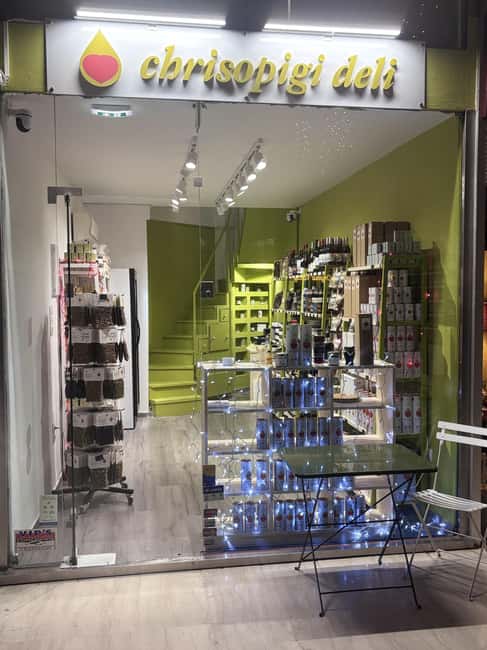
Finding the meeting point requires a little attention. At Voulis 7 in central Athens, enter the covered walkway called BOLANI and look for Chrisopigi Deli inside. The session does not include transportation, so you make your own way to the shop.
The location makes this easy to combine with a day in central Athens. It is a better fit for a flexible sightseeing schedule than an activity that requires a long transfer. Allow yourself enough time to find the walkway, especially if you are not familiar with the surrounding streets.
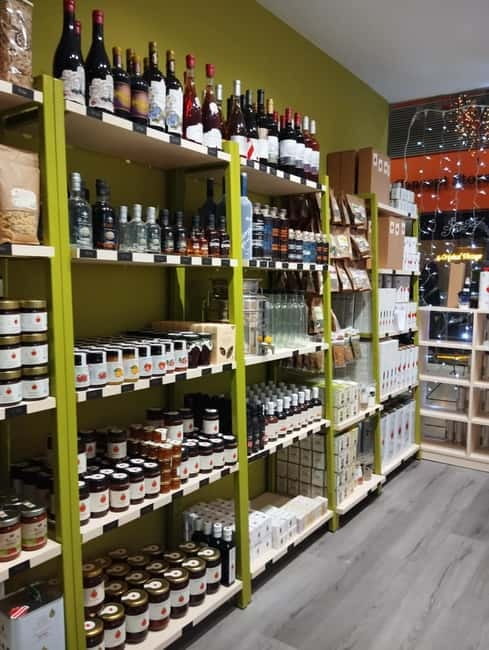
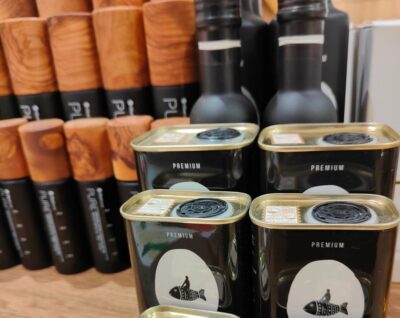
Because the tasting happens in a deli, you also get the benefit of seeing the products after the guided portion ends. Every item tasted is available for purchase, along with other Cretan products from family-owned businesses.
That shopping element can be useful, but it is also where you should keep your budget in mind. The $23 price covers the tasting and instruction, not anything you decide to buy afterward. If you enjoy the samples, it will be tempting to leave with oil, honey, soaps, or other deli goods.
Is $23 a good value?
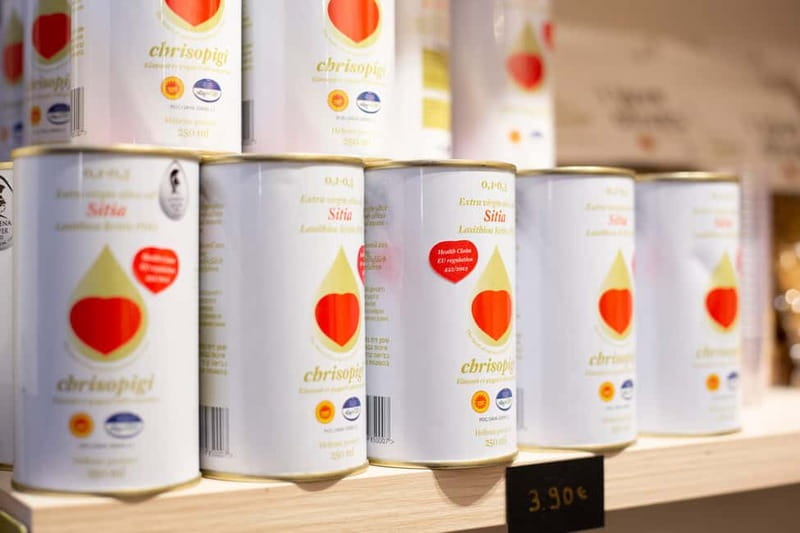
At $23 per person, the price is reasonable for a short specialist tasting in central Athens. You receive two extra virgin olive oils, two types of olives, handmade olive paste, Cretan rusk, cherry tomato chutney, raki, and an explanation of the qualities of each product.
The value depends on what you want from the activity. If you enjoy food education, the price pays for guided instruction as much as for the samples. Learning how to judge aroma, texture, and flavor can help you choose better olive oil long after your Athens visit.
If you are looking for a filling food tour, the value is weaker. Thirty minutes is brief, and the tasting portions are not meant to replace a meal. You are paying for a compact introduction to Cretan olive oil, not an afternoon of Greek dishes.
I would also consider the shopping opportunity. Since the tasted products are sold at the deli, you can buy exactly what you liked instead of guessing among unfamiliar bottles later. That makes the session more useful for people who want edible souvenirs or gifts.
Who will enjoy this tasting most?
I would recommend it first to food lovers, home cooks, and anyone who wants to understand olive oil beyond the label. The session is also a good match for people who enjoy small producer foods and want a direct introduction to Cretan specialties.
It suits a short Athens itinerary because the activity lasts only 30 minutes. You can fit it between other central city plans without sacrificing a full morning or afternoon.
The session is designed for food experts, culinary enthusiasts, and anyone eager to explore Cretan olive oil. You do not need to be an expert before arriving. The guide’s role is to explain the qualities of the samples and help you recognize them.
English is the working language of the session, with Greek also available from the guide. If you need the experience delivered in another language, this is not the right choice.
I would be less likely to recommend it to someone who dislikes tasting strong flavors, has no interest in shopping for food products, or wants a substantial meal. The subject is specific, and the experience works best when you are willing to pay attention to small differences.
What the strongest praise tells you
The most repeated positive points are the friendly presentation, clear explanations, excellent oil, and the personal feel of the session. Ioanna received especially warm praise for guiding participants through the history, production process, and tasting technique.
That combination matters. An oil tasting can become dry and technical if the host simply lists terms and harvest dates. Here, the emphasis is on helping you understand what you are tasting, with the food samples making the lesson easier to follow.
The perfect 5.0 rating from 10 ratings supports the idea that the session consistently delivers a well-received introduction. Still, a small rating pool cannot tell you everything about every possible group or guide. Your enjoyment will depend heavily on how much you like olive oil and how actively you take part.
I would go in ready to ask questions. Ask about the harvest periods, the Koroneiki variety, how to store oil, and which products work best with the rusk or olive paste. The provided format is short, but a good question can make it more useful.
Booking details and practical notes
The experience costs $23 per person and lasts 30 minutes. Starting times vary, so check availability for the date you want.
You can cancel up to 24 hours in advance for a full refund. A reserve-now, pay-later option is also available, which helps if your Athens schedule is still changing.
The session is wheelchair accessible. Transportation and accommodation are not included, and the only food provided is the tasting selection.
The session is delivered in English, with English and Greek listed as the available languages. Make sure you enter the BOLANI walkway at Voulis 7 and look for Chrisopigi Deli rather than waiting outside at a general street address.
Should you book the Cretan olive oil tasting?
Book it if you want a short, friendly, well-explained introduction to Cretan olive oil in central Athens. The side-by-side oil tasting, Koroneiki and Kalamata olives, handmade paste, rusk, and clear sensory guidance give you plenty to think about for a half hour.
I would especially choose it early in an Athens visit if I planned to buy olive oil or other Cretan foods later. You will shop with a better idea of what you like.
Skip it if you want a full meal, a farm visit, or a longer food tour. For everyone else, $23 is a fair price for a focused tasting that offers both pleasure and useful knowledge you can take home.
FAQ
Where does the Cretan olive oil tasting take place?
It takes place at Chrisopigi Deli in the BOLANI covered walkway at Voulis 7, in central Athens.
How long does the experience last?
The tasting lasts 30 minutes.
How much does the tasting cost?
The listed price is $23 per person.
What olive oils will I taste?
You will taste two kinds of extra virgin olive oil from different harvest periods, including extra virgin and early harvest olive oil.
Which olives are included?
The tasting includes Koroneiki olives from Sitia in Crete and the famous Kalamata olive.
What food is served besides olive oil?
You will taste handmade olive paste from Koroneiki olives, a traditional Cretan rusk, cherry tomato chutney, and raki.
Is transportation included?
No. You are responsible for getting to Chrisopigi Deli at Voulis 7.
Is the activity available in English?
Yes. The session is delivered in English, and English and Greek are listed as the available languages.
Just added around Athens
- Athens: Greek Wine & Olive Oil Tasting at Brettos Plaka★ 4.5 · 3 reviews
- Breakfast in the markets with olive oil and honey tasting★ 4.8 · 8 reviews
- Relax Day: Thermal Lake, Olive Oil Tasting & Poseidon Temple Tour★ 5.0 · 5 reviews
- Private tour in Nafplio with Olive oil Tasting Tour in Corinth★ 5.0 · 9 reviews
- Private Wine & Olives Tasting Experience: Beach View Villa Paros★ 5.0 · 2 reviews
- Flavors of Greece: Olive Oil and Wine Tasting Tour in Athens★ 5.0 · 2 reviews
- Keramikos Olive Oil Experience & Walking Tour★ 5.0 · 6 reviews
- ATHENS OLIVE ESTATE – Olive Oil Workshop with Farm-to-Fork Lunch★ 5.0 · 6 reviews
Athens Olive Oil Tours, compared.
Athens Old Town: Greek Olive Oil & Herbs Tasting
Read our review →
Street food tasting in the locals favorite hidden places
Read our review →
Full-Day Private Tour Corinth and Olive Oil Tasting from Athens
Read our review →
Olive Oil Tasting, Olive Grove & Wine Experience
Read our review →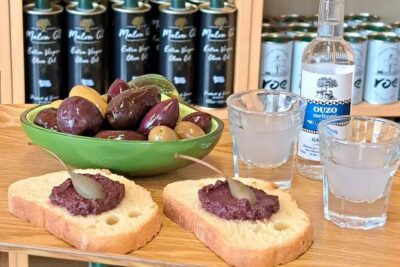
Private tour in Nafplio with Olive oil Tasting Tour in Corinth
Read our review →Browse the lists this tour appears in