
Review · VENETO
Marano di Valpolicella: DOP Olive Oil Tasting Experience
Good olive oil deserves more than a drizzle. This two-hour visit to Tenuta Santa Maria Valverde in Marano di Valpolicella gives you a close look at how organic extra virgin olive oil is made, then lets you taste four DOP oils beside local wine, cheese, salami, bread, and chutney. I especially like the small-farm setting and the chance to compare oils by sight, smell, and taste rather than simply being told which bottle to buy.
I also like the mix of food, farming, and scenery. You walk among olive trees, visit a rural house dating to the 17th century, and finish on a terrace above the Valpolicella hills. The main consideration is the tour’s short length: two hours is enough for a pleasant introduction, but not enough for a long winery visit or an extended meal.
Key Points at a Glance
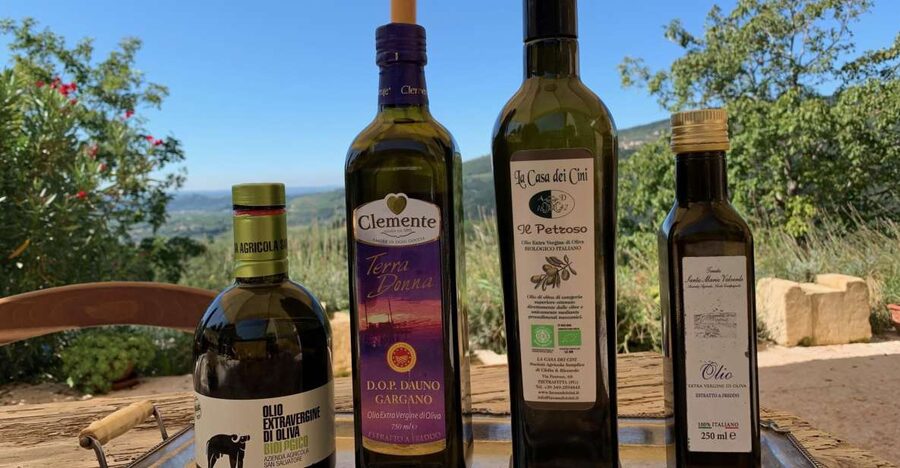
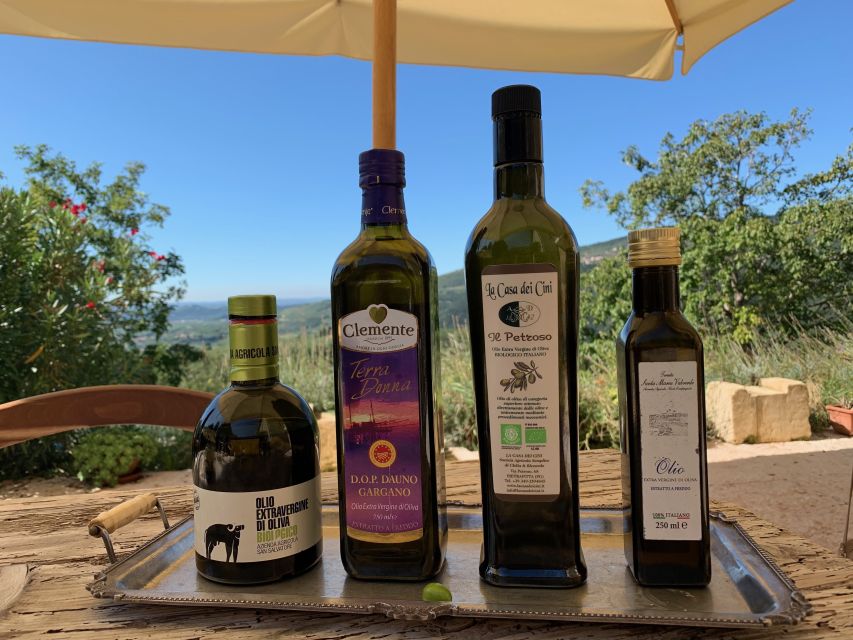
- Four DOP oils: Compare Italian olive oils from different regions using color, aroma, and flavor.
- A real farm setting: Walk through an olive tree garden and see the grounds of a family-run winery.
- Old rural architecture: Visit a 17th-century house and a special room where oil is collected.
- Local tasting board: Expect fresh bread, regional cheeses, salami, chutney, water, and wine.
- Terrace views: The tasting takes place with broad views across the Valpolicella hills.
- Easy planning: The experience costs $71 per person, lasts two hours, and offers English or Italian guidance.
Arriving at Tenuta Santa Maria Valverde
The meeting point is Tenuta Santa Maria Valverde, at Loc. Gazzo 4 in Marano di Valpolicella, in the Veneto region. This is a countryside visit rather than a city-center activity, so you should allow time to reach the winery from Verona.
The local partner can help arrange public transport from Verona center. That is useful because the experience does not include transport in the stated price. I would ask for that help before your visit, especially if you are building the tour into a day without a car.
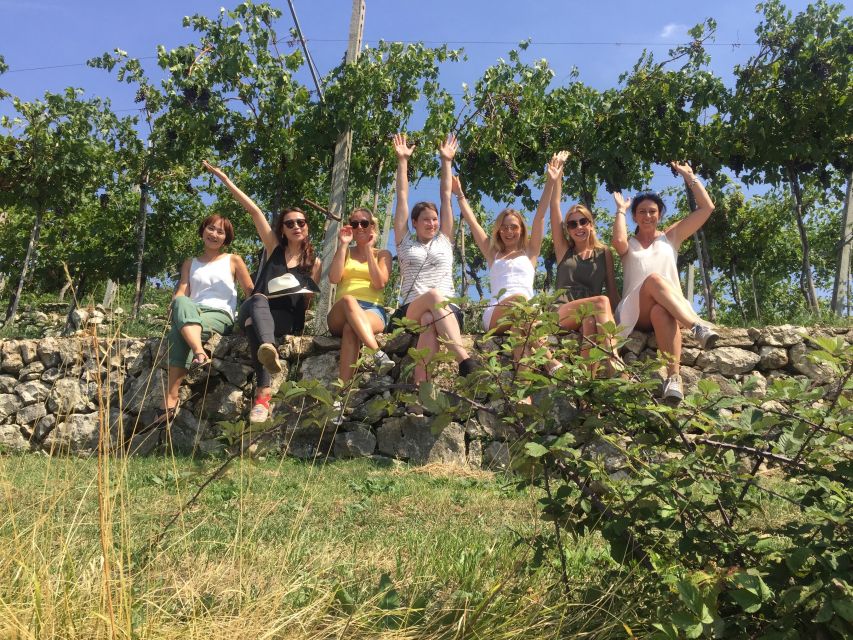
The setting matters here. You are not meeting in a tasting room designed only for quick sales. You arrive at a working estate with olive trees, grapevines, an old rural building, and a terrace looking over the hills. That gives the tasting a sense of place before the first drop of oil reaches your plate.
The exact group size is not provided, so I would not book this expecting a guaranteed private tour. Still, the personal tone of the experience comes through clearly. Past visits were led by Ilaria and Nicola, who were praised for their warm welcome and clear explanations. The current guide may vary, but the experience is offered in Italian and English.
More Olive Oil Tours around Italy:
- Sorrento Farm and Food Experience including Olive Oil, Limoncello, Wine tasting
★ 5.0 · 2,524 reviews - Olive oil tasting in Sorrento
★ 5.0 · 434 reviews - Sorrento: Lemon, Olive Oil and Wine Tasting Tour with Lunch
★ 5.0 · 300 reviews
Walking Through the Olive Tree Garden
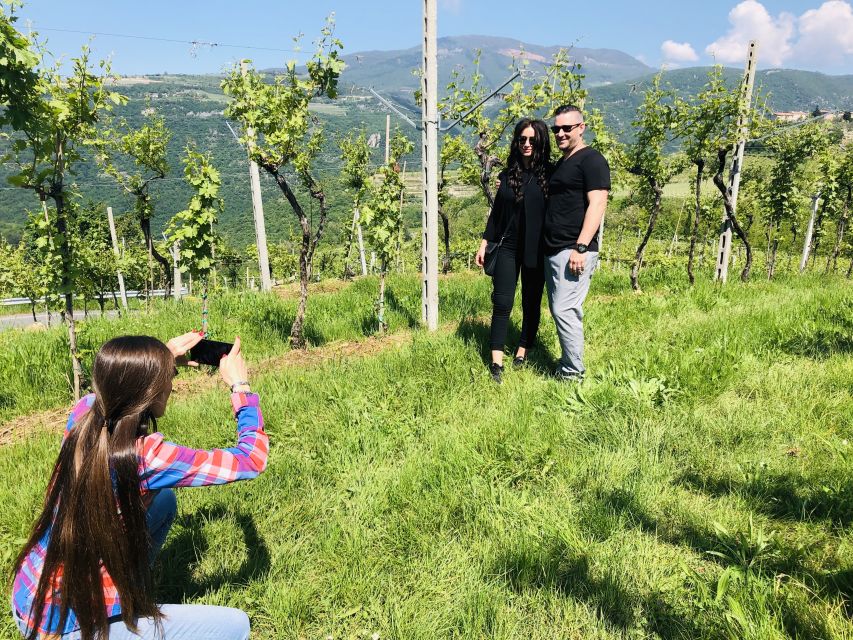
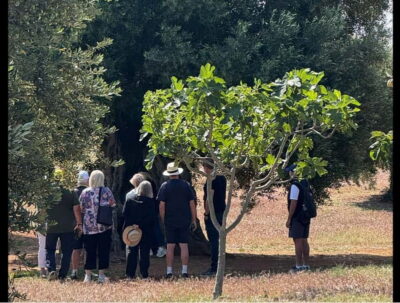
The visit begins with a walk through the olive tree garden. This first step is more useful than it may sound. Instead of treating olive oil as a product with a label and a price, you see the trees and farm that supply the ingredients.
Your guide explains more about the family-run winery and farm, as well as the local grape varieties and the connection between wine and olive growing in Valpolicella. One visitor especially enjoyed learning about the area and the grapes while walking through the vineyard and olive trees. That makes this a good choice if you like food with a little background attached.
You should also expect a relaxed pace. The activity is not built around rushing from one station to another. The comments about a laid-back afternoon fit the format: a walk, a few explanations, then time to eat and taste.
The garden includes both old and young olive trees, according to the experience description and past accounts. That contrast helps you see the farm as a living operation rather than a preserved display. You may not get a technical lesson on every stage of cultivation, but you do get a practical introduction to the setting behind the oil.
The Secret Room and the 17th-Century Cellar
After the garden, you visit a room where the oil is collected. The room is described as a special or secret part of the property, which adds a little charm without turning the visit into a theatrical show.
You then enter an authentic cellar in a rural house dating to the 17th century. This is one of the most distinctive parts of the experience. The old building gives you a direct link to the farm’s working past, while the production explanation brings the visit into the present.
The guide explains olive oil production from start to finish. You learn how the oil is handled and how to read an Italian olive oil label. That label lesson is valuable because shopping for oil in Italy can be confusing. Bottles often carry terms about origin, quality, certification, and production, and the wording is not always obvious to a visitor.
I like this part because it gives you something practical to take beyond the tour. A beautiful view fades from memory. Knowing how to inspect a bottle in a market or deli can help you make a better purchase later.
The available information does not promise a full mill demonstration or every piece of equipment in operation. Think of this as an explanation of the process inside a historic farm setting, not a large industrial tour.
Learning to Taste Four DOP Olive Oils
The heart of the visit is the olive oil tasting. You sample four DOP oils from different parts of Italy and learn to compare them by sight, smell, and taste.
DOP certification indicates a protected designation of origin. For you, the useful point is that the oils are linked to defined production areas and standards. Instead of tasting one oil and accepting it as simply good, you can compare how oils from different places vary.
Your guide shows you how to look at each oil, smell it, and taste it. The goal is not to turn you into an olive oil judge in two hours. It is to give you a better vocabulary and a few habits for noticing differences.
You might pay attention to:
- The oil’s appearance in the glass
- Its fresh or fruity aroma
- The balance between bitterness and peppery heat
- How long the flavor remains after tasting
- How the oil works with bread and other foods
The four oils are repeatedly praised as a high point of the visit. That makes sense because comparison is far more revealing than tasting a single sample. A mild oil beside a more peppery one helps you understand the range of extra virgin olive oil.
The experience focuses on Italian oils from different regions rather than only one product from the estate. That broadens the lesson, though it also means the tasting is partly educational and not simply a chance to sample the winery’s own oil.
Same groves, a different afternoon:
- Alghero: Wine and Olive Oil Tasting at a Local Farm
★ 4.8 · 294 reviews - Ostuni: Masseria tour among thousand-year-old olive trees with oil tasting
★ 4.8 · 261 reviews - Balestrate: Olive Grove Tour with Wines & Olive Oil Tasting
★ 5.0 · 241 reviews - Bardolino: Vineyard Tour with Wine, Olive Oil & Food Tasting
★ 4.6 · 221 reviews
Cheese, Salami, Bread, and Chutney
The food is a real part of the experience, not a token snack placed beside the glasses. You receive fresh bread, local cheeses, salami, and chutney, with wine served from the surrounding grape-growing area.
The pairing helps you understand the oils in a more natural way. Bread gives you a simple base. Cheese and salami add salt and fat. Chutney brings sweetness and contrast. You can test how the oil changes when it is eaten alone or with food.
Past tastings also included water from a natural spring or fountain on the property. That detail may not be guaranteed at every visit, but it reflects the farm setting and adds to the sense that this is a local food experience rather than a polished city tasting.
You should think of the food as a substantial tasting board, not a full lunch. The stated duration is two hours, and the activity centers on instruction and sampling. If you need a complete meal, plan another stop before or after.
The balance of wine and olive oil is also well judged. You get a taste of Valpolicella’s wine culture without letting the wine overshadow the main subject. If you are especially interested in wine, the estate also offers a separate wine and truffle experience, but that is not part of this booking.
The Terrace Above Valpolicella
The final setting is a terrace with panoramic views of the Valpolicella hills. This is where the food and drink come together, and it gives the visit its strongest sense of place.
I like the way the view is used as part of the experience rather than treated as a quick photo stop. You sit with bread, cheese, salami, olive oil, and wine while looking across the hills. The setting makes the tasting slower and more social.
You will want a camera, but the view is not the only reason to come. The terrace works because it follows the garden walk and cellar visit. By the time you sit down, you have seen the trees, heard about the farm, and learned what you are tasting.
Weather may affect how much time you spend outside. The supplied information does not give a covered terrace policy, so I would avoid assuming that the full tasting always takes place outdoors. Comfortable shoes are sensible for the garden and old rural buildings, although no special clothing requirements are listed.
Is $71 a Fair Price?
At $71 per person, this is not the cheapest food tasting near Verona. The value comes from the combination of several elements in a compact two-hour visit.
You are paying for:
- A guided walk through an olive tree garden
- A visit to a 17th-century rural house and oil collection room
- An explanation of olive oil production and Italian labels
- Four DOP olive oil samples
- Regional wine
- Cheese, salami, bread, and chutney
- Time on a scenic terrace
That package makes the price reasonable if you value personal instruction and a farm setting. It is particularly good for someone who plans to buy olive oil in Italy and wants to understand what the label means.
The value is weaker if you want a long winery tour, a large meal, or a full-day outing. You are buying a focused introduction, not an all-day food program. The two-hour format works well as part of a day in Valpolicella, especially if you combine it with another nearby activity.
Past visitors also bought bottles of wine and olive oil after the tasting to support the local business. You should not feel pressured to buy. One useful sign is that the experience has been described as informative rather than a sales event.
Who Will Enjoy This Most?
I would recommend this experience to you if you enjoy food with a clear sense of origin. It suits couples, small groups, and anyone who wants a calm break from busy city sightseeing.
It is also a strong fit for:
- Olive oil fans who want to compare several styles
- Wine drinkers who like learning about regional production
- Food-focused visitors who prefer local cheese and salami to formal dining
- People staying in Verona who want a countryside outing
- Visitors who enjoy old buildings, gardens, and scenic terraces
Families may appreciate the short length, though the experience is centered on tasting and explanation rather than children’s activities. If you do not drink wine, the olive oil and food remain the main attractions, but the wine pairing is an important part of the format.
You should choose something else if you want a large estate with elaborate facilities, a guaranteed private guide, or a full meal. The tone here is small-scale and relaxed. That is the appeal, but it will not suit every style of sightseeing.
Language, Timing, and Booking Tips
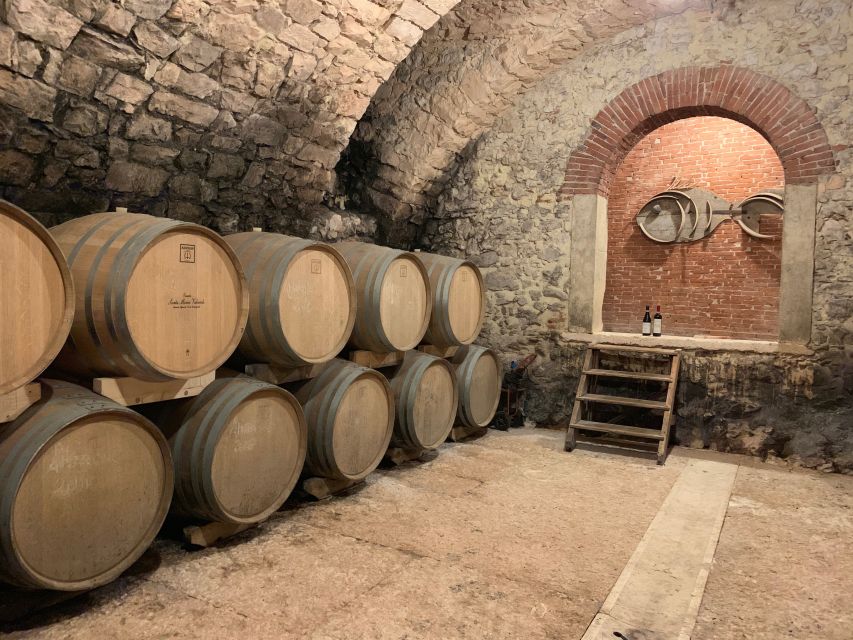
The tour is available with a live guide in English or Italian. Most of the key instruction depends on explanation, so choose the language in which you will be comfortable asking questions about production and labels.
The experience lasts two hours, with starting times depending on availability. I would schedule it earlier in your day if you want to add another stop in Valpolicella afterward, or later if you prefer to turn it into a relaxed afternoon tasting.
You can cancel up to 24 hours ahead for a full refund, and you can reserve now while paying later. Those policies are helpful if your Verona plans are still shifting.
Before booking, check the route from Verona center. Public transport assistance may be available through the local partner, but transport is not listed as an included feature. The meeting point is outside central Verona, so this is one detail you should settle before the day of the visit.
Should You Book Tenuta Santa Maria Valverde?
I would book this if you want an intimate, food-centered introduction to Valpolicella rather than a major winery production tour. The strongest reasons are the four-oil comparison, the old rural house, the generous local tasting board, and the terrace views.
The experience has earned a very high rating, with nearly every recorded score giving it top marks. One lower score still found the visit worthwhile, while noting that a replacement guide’s English was less polished even though the subject knowledge was strong. That is a fair reminder that guide quality and language comfort can vary.
Book it if $71 fits your budget and you care about how olive oil is made, labeled, and tasted. Skip it if you need a full meal or a longer, more technical winery program. For a calm two hours in the hills, with good food and a useful lesson you can carry into the rest of your Italian trip, it is a sound choice.
FAQ
Where does the olive oil tasting take place?
It takes place at Tenuta Santa Maria Valverde, Loc. Gazzo 4, 37020 Marano di Valpolicella VR, in Veneto, Italy.
How long is the experience?
The experience lasts two hours.
How much does it cost?
The listed price is $71 per person.
Which languages are available?
Live guidance is available in Italian and English.
How many olive oils will I taste?
You will taste four different DOP Italian olive oils and learn to compare them by sight, smell, and taste.
What food is included?
The tasting includes regional wine, local cheeses, salami, fresh bread, and chutney.
Can I visit an olive grove during the experience?
Yes. The visit includes a stroll through an olive tree garden.
Will I see an old building?
Yes. You will visit an authentic cellar in a rural house dating to the 17th century, as well as a room where the oil is collected.
Can I get help arranging transport from Verona?
The local partner can assist with arranging public transport from Verona center to the winery, but transport is not listed as included in the price.
Just added around Italy
- Villa Castelli: Highlights Walking Tour w/ Olive Oil Tasting★ 4.8 · 12 reviews
- Umbria: E-Bike Rental and Fresh EV Olive Oil Tasting★ 5.0 · 4 reviews
- Vernazza (5 Terre): olive grove tour and oil and wine tasting★ 5.0 · 9 reviews
- Trieste’s Essence: Wine and Olive Oil Tasting★ 5.0 · 3 reviews
- Half-Day Chianti Wine and Olive Oil Tour from Viareggio★ 4.0 · 5 reviews
- From Venice: Olive Oil & Wine Tour in the Venetian Hills★ 5.0 · 9 reviews
- Valpolicella Wine and Olive Oil Tasting with Lunch from Verona★ 5.0 · 2 reviews
- Private Tuk Tuk Tour of the Millenary Olive Groves in Ostuni★ 5.0 · 4 reviews
Italy Olive Oil Tours, compared.
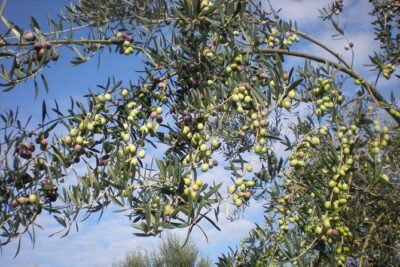
Sorrento Farm and Food Experience including Olive Oil, Limoncello, Wine tasting
Read our review →
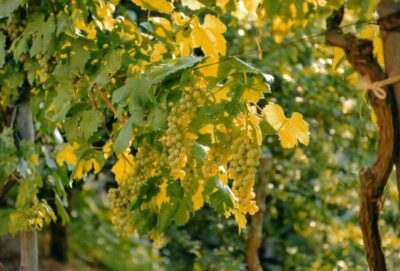
Lemon, Olive Oil and Wine Tasting Tour with Lunch
Read our review →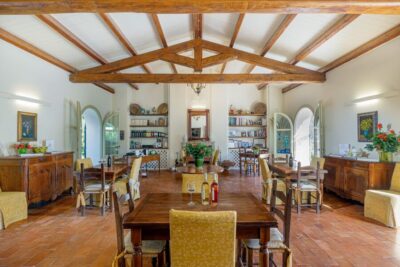
Masseria tour among thousand-year-old olive trees with oil tasting
Read our review →
Olive Grove Tour with Wines & Olive Oil Tasting
Read our review →
Vineyard Tour with Wine, Olive Oil & Food Tasting
Read our review →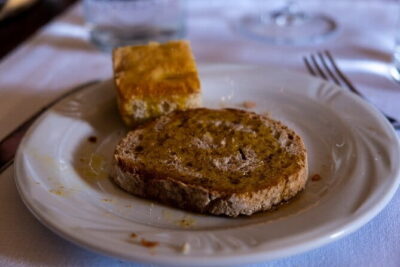
Tuscany Bike Tour with Wine, Oil and Food in the Florentine Hills
Read our review →Browse the lists this tour appears in