
Review · TUSCANY
Montecatini Terme: Olive Grove Tour with Oil Tasting
Good olive oil starts in the trees. This two-hour visit to Podere Cavozzoli takes you above Montecatini Terme, where you can see the groves, equipment, and cellar behind a family-run organic oil business. It is a practical farm visit, not just a quick tasting at a shop.
I like the clear farm-to-table path, from olive cultivation to milling and storage. I also like the guides, especially Lucca and Nickoli, who have been praised for making technical subjects friendly and easy to follow. The main drawback is getting there without a car. The farm is uphill, and the local bus is not considered dependable, so a taxi is the sensible choice from Montecatini Terme station.
Five things to know before you go
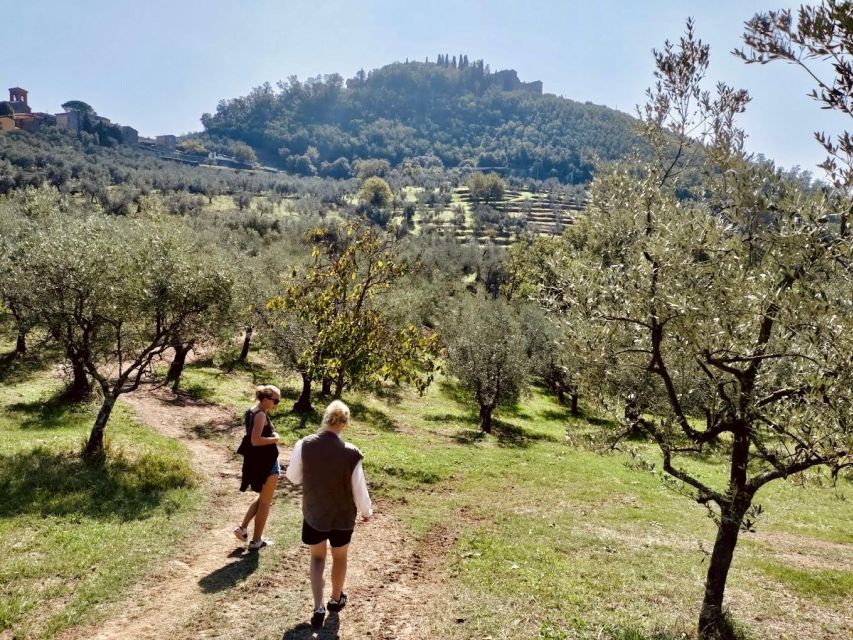
- The view comes with a hilltop setting: Podere Cavozzoli sits above Montecatini Terme, giving you broad views from the olive groves.
- You see more than the tasting room: The visit covers the fields, production equipment, and cellar.
- The oil lesson is practical: You learn how cultivation, pruning, harvesting, milling, and storage affect extra virgin olive oil.
- Family management matters here: The farm links organic growing and sustainable agriculture with modern milling methods.
- The tasting is part of the ticket: You taste the farm’s oils and learn how to judge quality more carefully.
What the two-hour visit is really about
This is a small-scale agricultural visit built around one product. You are not simply handed bread and oil, told that it is excellent, and sent on your way. The point is to show you why the oil tastes the way it does.
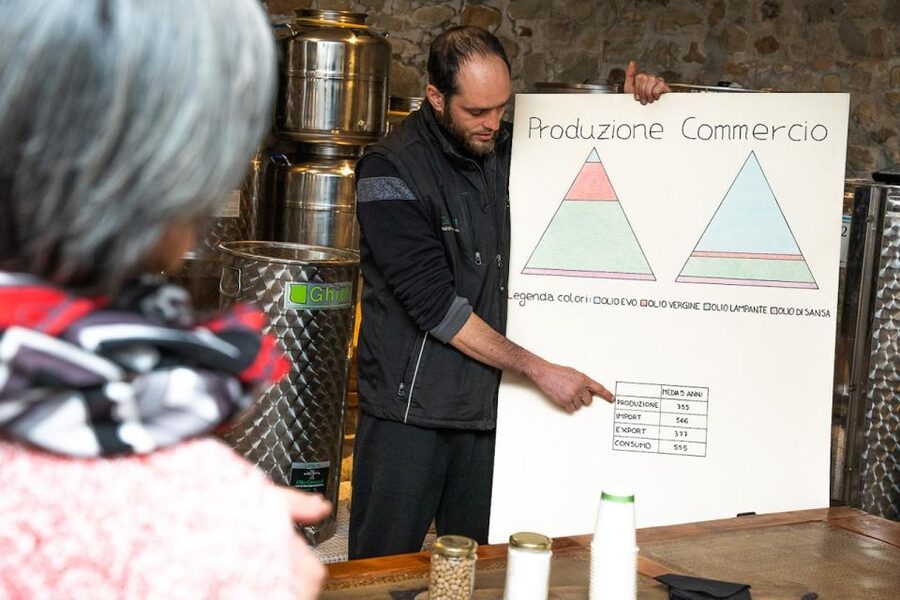
The visit covers Podere Cavozzoli’s operation in several parts: the olive fields, the equipment used in production, and the cellar. That order gives the experience a useful logic. You begin with the trees and end with the finished oil in the bottle.
I appreciate this because extra virgin olive oil can seem mysterious in a supermarket. Labels such as organic, cold extracted, and extra virgin do not mean much unless you understand the work behind them. Here, the guide explains how the farm approaches olive growing and why each stage matters.
The two-hour length is about right for this kind of visit. It gives you time to walk through the setting, ask questions, and taste several products without turning the experience into a full-day agricultural course. If you want a long hike through the Tuscan hills, this is not that. If you want a focused introduction to local olive oil, the timing works well.
More Olive Grove Walks around Italy:
- Ostuni: Masseria tour among thousand-year-old olive trees with oil tasting
★ 4.8 · 261 reviews - Balestrate: Olive Grove Tour with Wines & Olive Oil Tasting
★ 5.0 · 241 reviews - Bologna: Olive Grove and Vineyard Tour with Product Tastings
★ 4.8 · 109 reviews
The olive groves above Montecatini Terme
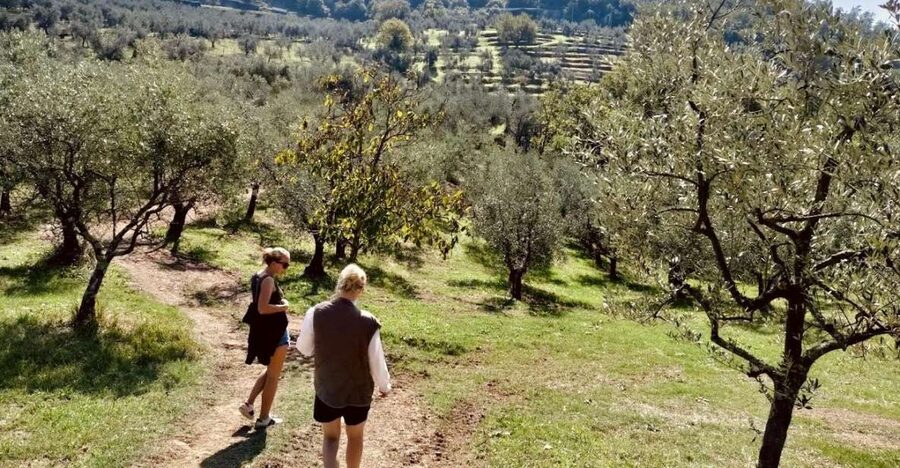
The first great reward is the setting. Podere Cavozzoli is reached by car on the road toward Montecatini Alto, and the olive grove sits high enough to give you an excellent view back toward Montecatini Terme.
This is one of those places where the view helps explain the farming. You are looking at working agricultural land, not a staged photo stop. The trees, slopes, and farm buildings are part of the production story.
Comfortable shoes are important. The visit includes the fields, so you should expect some walking on farm ground rather than a flat city pavement. Closed-toe shoes are specifically recommended, and you should bring water, particularly in warm weather.
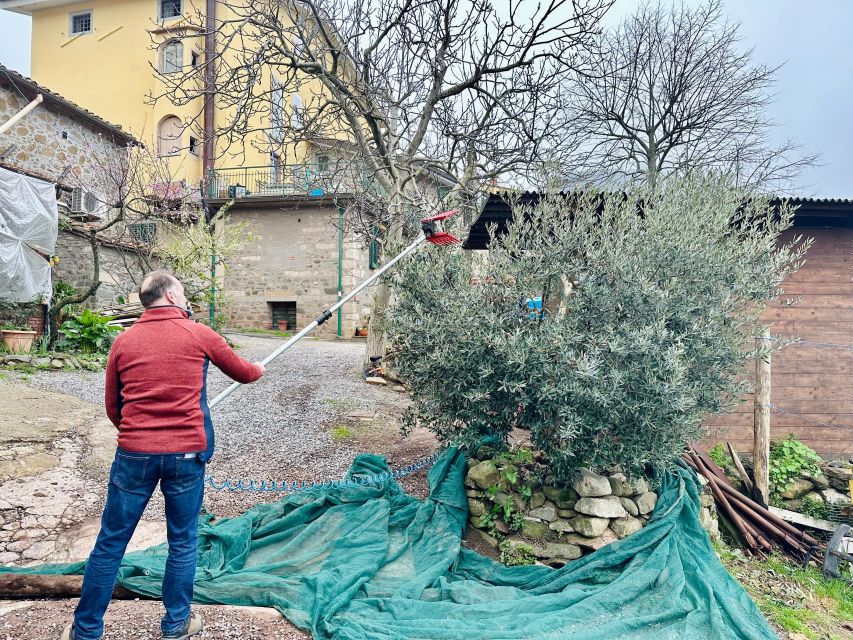
The grove is also where you begin to understand the labor involved. Olive oil production does not start when the olives arrive at the mill. It begins with maintaining the trees, managing their growth, pruning them correctly, and deciding when the fruit is ready for harvest.
The exact amount of time spent outside may depend on weather and the group. During heavy rain, the guide can adjust the visit. One tour continued successfully during a torrential downpour because the guide adapted the plan and kept the mood light. That flexibility is useful in Tuscany, where weather can change your plans quickly.
From pruning to harvest: the work behind the bottle
The farming explanation is one of the most valuable parts of the visit. You learn about the growing cycle, tree maintenance, pruning, and harvesting. These details help you understand why high-quality oil costs more than a generic bottle from a supermarket shelf.
Pruning is not just about making an olive tree look tidy. It affects the tree’s shape, its health, and the amount of fruit it can produce. The farm’s organic approach also puts attention on how the grove is maintained without relying on methods that conflict with its environmental goals.
The tour presents sustainability as a working choice rather than a slogan. Podere Cavozzoli aims to connect organic olive cultivation with responsible use of the land, then pair that with modern milling technology. That combination is worth noting. Traditional farming alone does not guarantee good oil, and modern equipment alone cannot fix poor olives.
You also hear about the importance of harvesting. Timing, handling, and speed all influence the final product. The more carefully olives are treated between picking and milling, the better the chance of producing clean, fresh oil.
I would not expect a hands-on harvesting session unless the guide specifically offers one. The experience is an explanation and visit to the farm, not a promise that you will work in the grove. That distinction matters if you are looking for an active agricultural day.
The production equipment and cellar
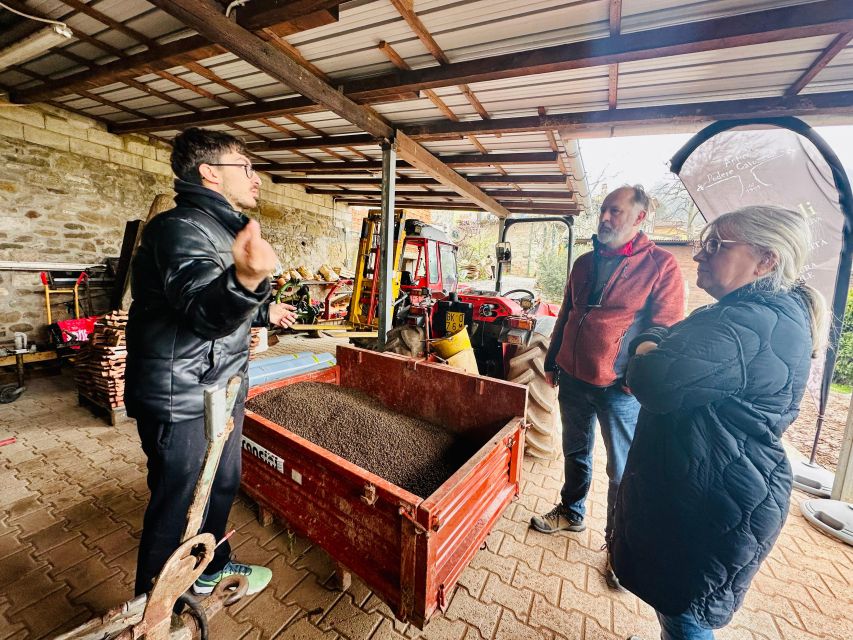
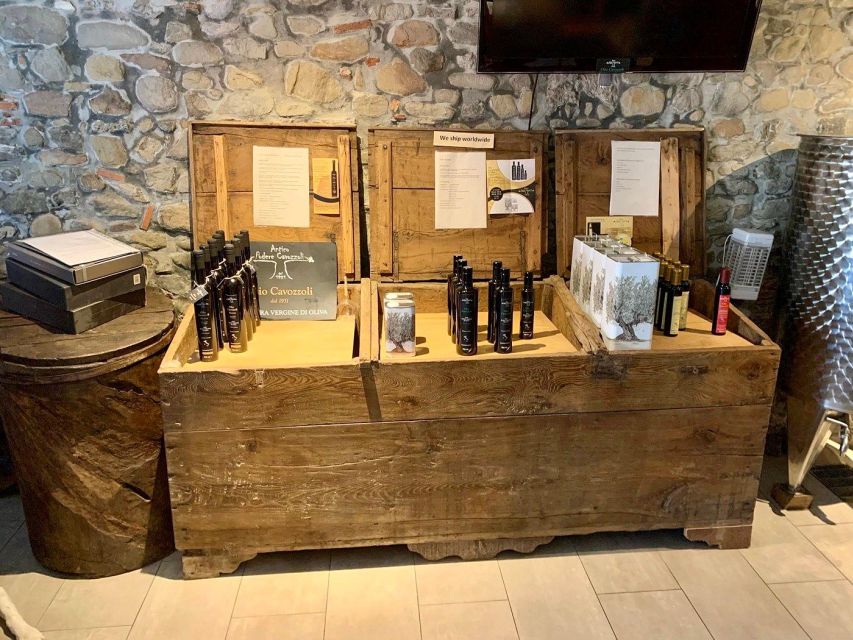
After the trees, the visit moves into the parts of the business that turn fruit into oil. You see the equipment and cellar, then hear how the farm uses current milling methods to protect quality.
For many people, this is the part that makes the tasting more useful. You can connect the flavor in your glass with the process you have just heard about. A strong, bitter, or peppery note is not automatically a defect. It can be part of a fresh oil with healthy compounds and character.
The guides explain the choices involved in production and why the farm does not compromise on quality. The family-run nature of the company gives the visit a personal edge. You are learning how one producer works, rather than receiving a general lecture about Italian food.
Several guides have been praised for handling detailed questions. Lucca has led tours for groups of chefs and was able to discuss technical points without making the visit feel like a classroom. Nickoli, also named as Nicholai in tour accounts, has been praised for clear explanations of the trees and the production process.
That is especially helpful if you already know something about food. You can ask more specific questions and still get a friendly answer. At the same time, beginners should not feel lost. The tone is intended to help you become a more careful oil buyer, not to test your existing knowledge.
More Olive Oil Tours around Italy:
- Sorrento Farm and Food Experience including Olive Oil, Limoncello, Wine tasting
★ 5.0 · 2,524 reviews - Olive oil tasting in Sorrento
★ 5.0 · 434 reviews - Sorrento: Lemon, Olive Oil and Wine Tasting Tour with Lunch
★ 5.0 · 300 reviews - Alghero: Wine and Olive Oil Tasting at a Local Farm
★ 4.8 · 294 reviews
The tasting: learning to judge extra virgin olive oil
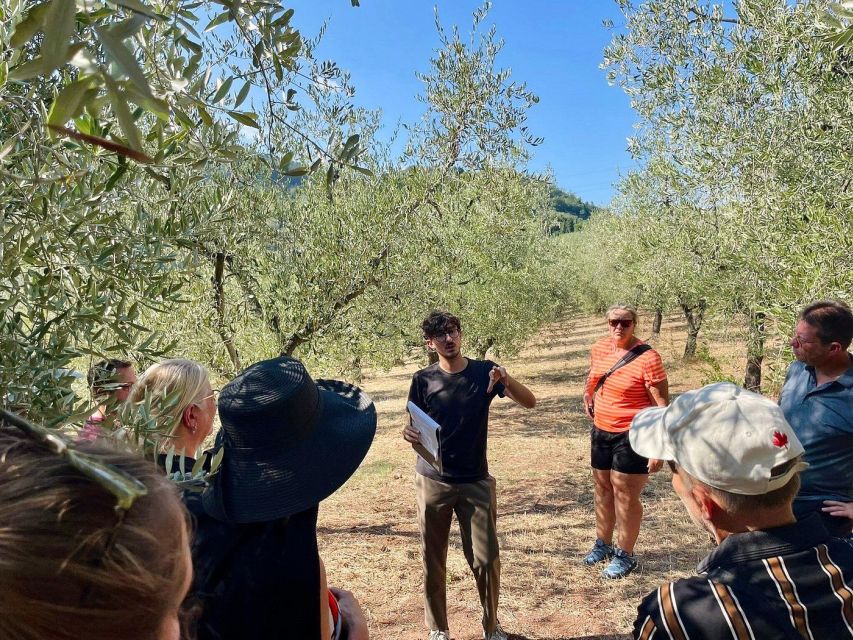
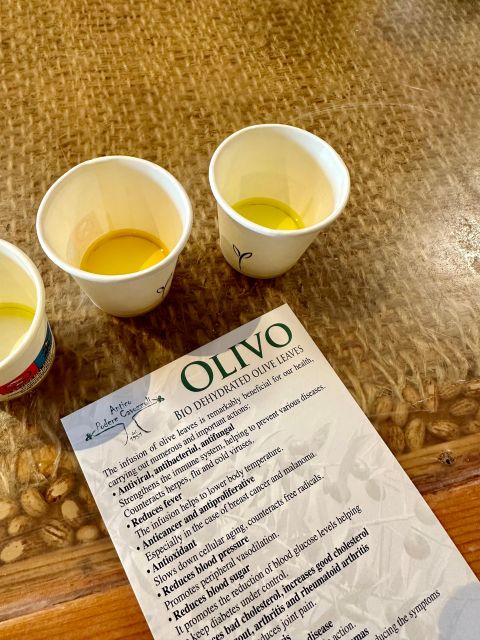
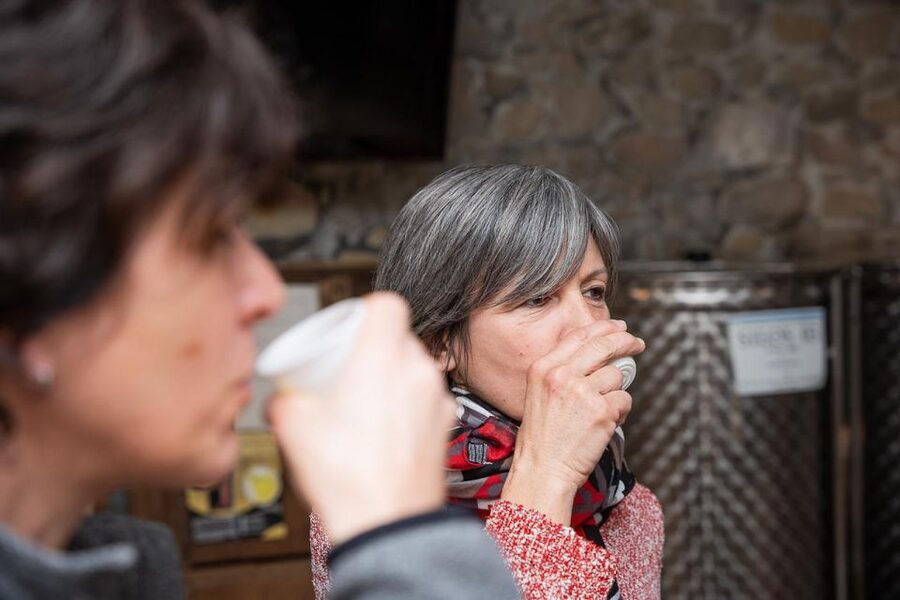
The tasting is the finish, but it is not an afterthought. You sample the oils produced at the farm and receive guidance on how to pay attention to aroma, taste, balance, bitterness, and the peppery sensation that can appear in a fresh oil.
This training is useful beyond the day itself. Once you know what to look for, you may become less impressed by a pretty bottle or a vague Tuscan label. You can start asking better questions about freshness, origin, production, and storage.
The tasting focuses on organic oils from Podere Cavozzoli. One account also mentions olive tea, so that may be included depending on the tasting format, but it should not be treated as guaranteed. The main point is the oil itself.
I like that the tasting follows the field and production visit. You first see where the olives grow, then hear about the work, then taste the result. That sequence gives the final part more meaning than a stand-alone sample at a food shop.
The oils are described as delicious and healthy, but you should still expect personal taste to play a role. Some people prefer mild oil. Others enjoy a more forceful peppery finish. A good guide can explain the differences without insisting that one style suits everybody.
If you are planning to buy oil, this is also the right time to ask how to store it at home. The supplied information does not give specific storage instructions, so use the tasting as a chance to ask the guide directly about light, heat, and how quickly to use an opened bottle.
Is $47 a fair price?
At $47 per person, this is not the cheapest food tasting in Tuscany. It is also more than a simple stop at an olive oil shop. The price includes entry to Podere Cavozzoli, the guided visit, and the tasting, with access to the farm’s fields, equipment, and cellar.
I consider the price reasonable if you value explanation and setting. You are paying for two hours with a guide, a look at a working agricultural business, hilltop views, and a tasting designed to teach you something. The value is strongest for people who cook, enjoy food history, or want to understand an important part of Tuscan farming.
The value is weaker if you only want to sample oil quickly. You may find a cheaper tasting elsewhere, especially in a town market or food shop. You also need to factor in the taxi cost if you do not have a car. That transportation expense is separate from the $47 tour price.
For a couple or small group already staying in Montecatini Terme, the experience makes good sense as a half-day add-on. It gives you a reason to leave the spa streets and see the hills above town without committing to a full excursion across Tuscany.
Getting to Podere Cavozzoli from Montecatini Terme
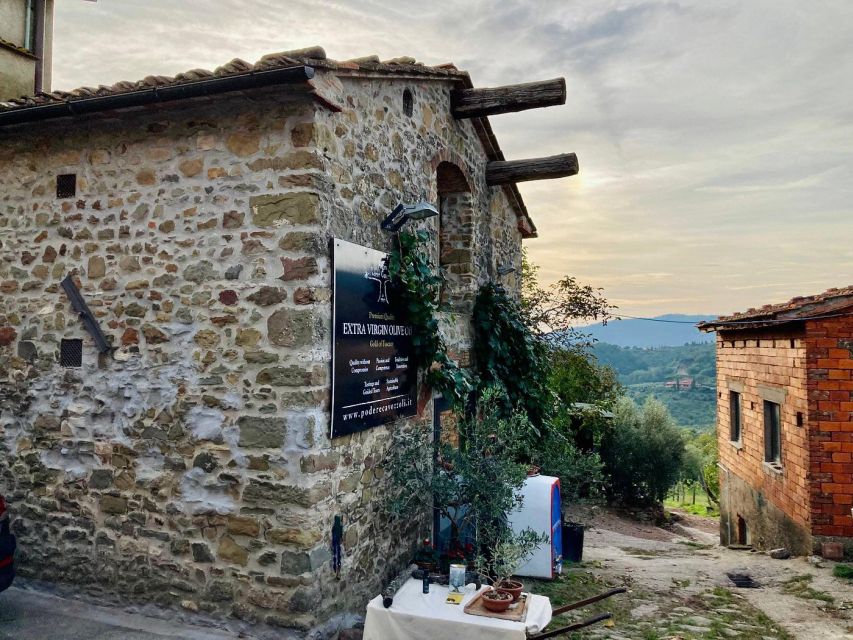
The meeting point is near the sign marked Olio Cavozzoli, in front of the Montecatini Alto road sign. Podere Cavozzoli is accessible by car, and driving is the simplest option.
By train, arrive at Montecatini Terme station. From there, you can try the bus that goes down toward the Montecatini Alto cemetery, but the local operator does not recommend relying on it. A taxi from the station takes about 10 minutes to the farm and is the more dependable choice.
This is a detail worth taking seriously. The farm setting is part of the appeal, but it is not positioned like a city-center attraction. Give yourself time to arrange the ride, especially if you have a fixed tour start time.
The tour is listed as wheelchair accessible. Still, because the visit includes fields and farm areas, it is wise to confirm the exact route and current conditions when booking if you have mobility concerns. Accessibility on paper does not always describe every outdoor surface.
Free cancellation is available up to 24 hours before the start time, and you can reserve now and pay later. Those terms are useful if your Montecatini plans depend on weather or transport.
Who will enjoy this olive oil tour most?
I would choose this tour for several kinds of visitors:
- Food-focused visitors: You get a closer look at how one of Tuscany’s basic ingredients is grown and processed.
- Home cooks and chefs: The production details and tasting guidance give you useful information for buying and using oil.
- Couples seeking a short countryside outing: Two hours is enough to leave town, enjoy the views, and return without losing a full day.
- People who prefer local producers: The family-run setup provides a more personal look at agricultural work.
- Visitors staying in Montecatini Terme: The farm is close enough for a focused outing, especially by taxi.
I would think twice if your main goal is a long walk, a full meal, or a broad winery-style tour with many different products. This visit is tightly focused on olives and oil. That focus is its strength, but it also sets the limits.
The English and Italian guide options make it accessible to international visitors. The best experience will come from asking questions. Bring curiosity, comfortable shoes, and an appetite for strong flavors rather than expecting a passive sightseeing stop.
Final verdict: should you book it?
Yes, if you want to understand Tuscan olive oil instead of simply tasting it. The combination of organic groves, production equipment, cellar access, strong views, and an included tasting gives the $47 price a solid basis.
I especially like the farm-to-table structure and the guides’ ability to explain technical subjects in a relaxed way. Lucca and Nickoli have received particular praise for being clear, engaging, and good with detailed questions.
Book it with one practical condition: arrange your ride in advance. If you can manage the trip to Podere Cavozzoli, this is a worthwhile two-hour experience for food lovers and anyone curious about the work behind a bottle of extra virgin olive oil. If you want only a quick sample or a long countryside hike, spend your money elsewhere.
FAQ
Where does the olive grove tour meet?
The meeting point is near the sign marked Olio Cavozzoli, located in front of the Montecatini Alto road sign.
How long does the experience last?
The tour lasts two hours.
What does the $47 price include?
The price includes the guided tour, the oil tasting, and entrance to Podere Cavozzoli.
Is the tour offered in English?
Yes. The live tour guide service is available in English and Italian.
How should I reach Podere Cavozzoli from Montecatini Terme station?
You can take a taxi from Montecatini Terme station. The ride takes about 10 minutes. A bus goes toward the Montecatini Alto cemetery, but relying on the bus is not recommended.
What should I bring?
Bring comfortable, closed-toe shoes and water. Closed-toe shoes are important because part of the visit takes place in the olive fields.
Can I cancel the booking?
Yes. You can cancel up to 24 hours in advance for a full refund. You can also reserve now and pay later.
Just added around Italy
- Villa Castelli: Highlights Walking Tour w/ Olive Oil Tasting★ 4.8 · 12 reviews
- Umbria: E-Bike Rental and Fresh EV Olive Oil Tasting★ 5.0 · 4 reviews
- Vernazza (5 Terre): olive grove tour and oil and wine tasting★ 5.0 · 9 reviews
- Trieste’s Essence: Wine and Olive Oil Tasting★ 5.0 · 3 reviews
- Half-Day Chianti Wine and Olive Oil Tour from Viareggio★ 4.0 · 5 reviews
- From Venice: Olive Oil & Wine Tour in the Venetian Hills★ 5.0 · 9 reviews
- Valpolicella Wine and Olive Oil Tasting with Lunch from Verona★ 5.0 · 2 reviews
- Private Tuk Tuk Tour of the Millenary Olive Groves in Ostuni★ 5.0 · 4 reviews
Olive Grove Walks, compared.
Masseria tour among thousand-year-old olive trees with oil tasting
Read our review →
Olive Grove Tour with Wines & Olive Oil Tasting
Read our review →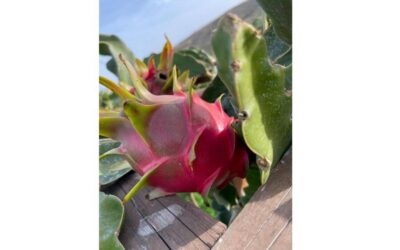
Traditional Olive Grove and Dragon Fruit Farm Tour
Read our review →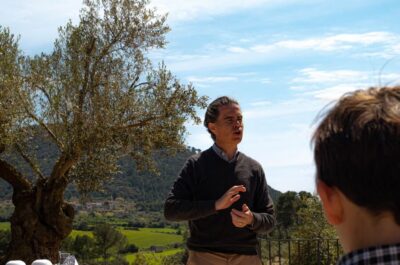
Visit of the olive grove, olive oil tasting and snack
Read our review →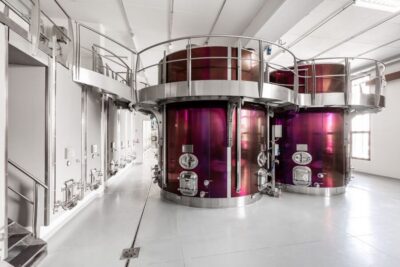
Bologna: Olive Grove and Vineyard Tour with Product Tastings
Read our review →
Balestrate Olive Grove Tour: Wine and Olive Oil Tasting
Read our review →
Guided tours of the olive grove with oil tasting.
Read our review →
Organic Olive Grove tour & Olive oil tasting & lunch in Kalamata!
Read our review →Browse the lists this tour appears in