
Review · TUSCANY
Olive Mill Tour with Oil and Food Tasting in Chianciano
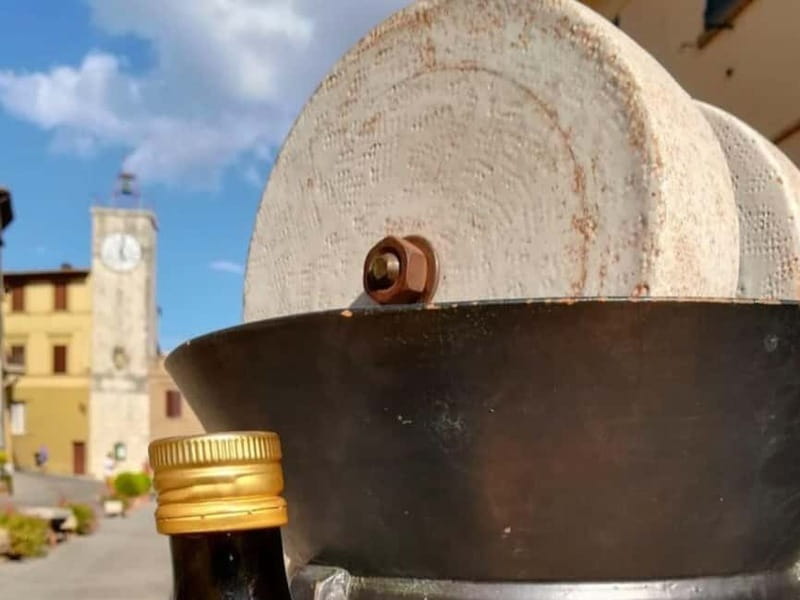
Oil tells Tuscany’s story. At Frantoio La Macina Elena Bartolomei in Chianciano Terme, you get a compact lesson in how olives become extra virgin olive oil, followed by a generous tasting of Tuscan food and wine. I like the 16th-century wooden press and the chance to learn how to judge oil by smell and taste. I also like that the tasting goes beyond bread and oil, with pecorino, salame, truffle, and Chianti.
The main consideration is the pace. The visit lasts only one hour, with about 20 minutes for the mill tour and 40 minutes for food. One unhappy customer felt rushed, so this is best viewed as a focused introduction, not a long farm visit or a full afternoon food tour.
Key points at a glance
- A working olive mill with old-world character: See a 16th-century wooden olive press and antique objects tied to local production.
- A real EVO oil lesson: Learn about olive varieties, sensory qualities, tasting conditions, and how to spot different flavors.
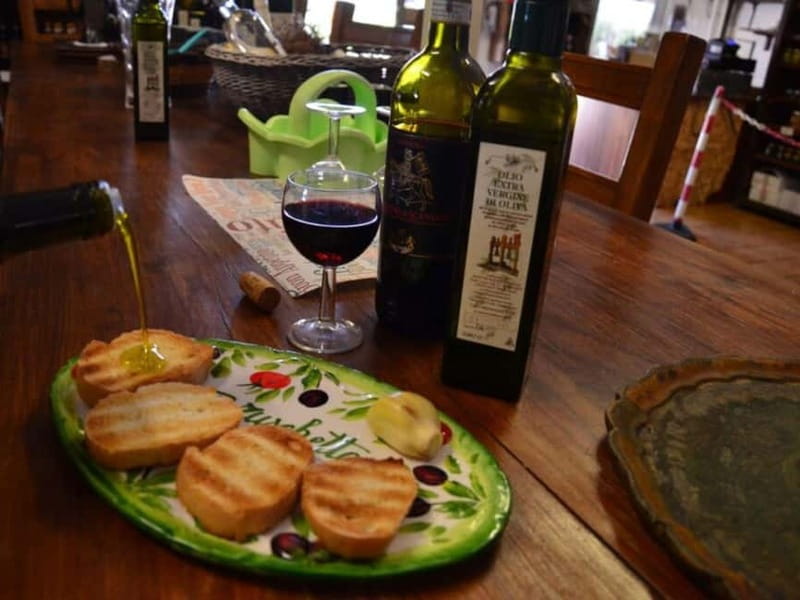
- More than an oil sample: Taste Tuscan salame, pecorino, bruschetta with green olive paste, truffle sauce, and Chianti wine.
- A family-run setting: Guides such as Guido have been praised for making the visit friendly, clear, and interesting.
- Best during olive season: From early October through mid-December, you may see olives being processed.
- A useful stop near Siena: The mill is in Chianciano Terme, about 55 minutes by car from Siena, with no transportation included.
What the one-hour visit actually gives you
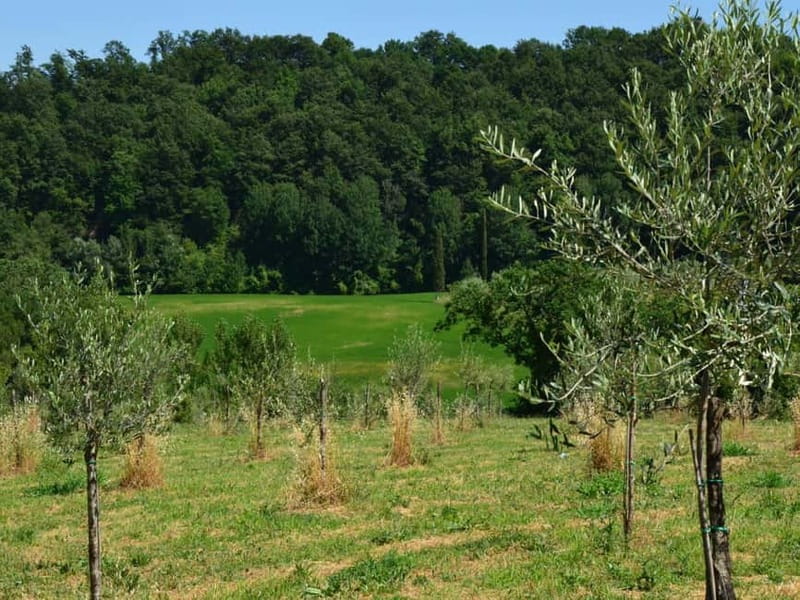
This experience is short, neatly divided, and easy to fit into a day in southern Tuscany. You meet at Frantoio La Macina Elena Bartolomei in Chianciano Terme, a thermal town roughly 55 minutes from Siena by car.
The visit begins with a guided tour lasting about 20 minutes. The remaining 40 minutes are set aside for the tasting. That split matters. You will not spend hours walking through olive groves or watching a long production demonstration. Instead, you get the essential story of the mill, then sit down to taste the products in a dedicated room.
I see this as a good format for a driving day. It gives you a clear sense of Tuscan olive oil without taking over your schedule. You can pair it with Chianciano Terme, Montepulciano, Pienza, or another stop in the Val d’Orcia area. Just remember to allow time to reach the mill, since transport is not part of the experience.
More Olive Mill and Factory Tours around Italy:
- Bardolino: Lake Garda Oil Mill Tour with Olive Oil Tasting
★ 4.9 · 205 reviews - Lecce to Galatina E-Bike: Olive Mill & Wine Tasting + Taxi back
★ 5.0 · 54 reviews - Olive Oil Tour Visit to the oil mill and olive oil tasting
★ 5.0 · 53 reviews
Entering the mill and its 16th-century wooden press
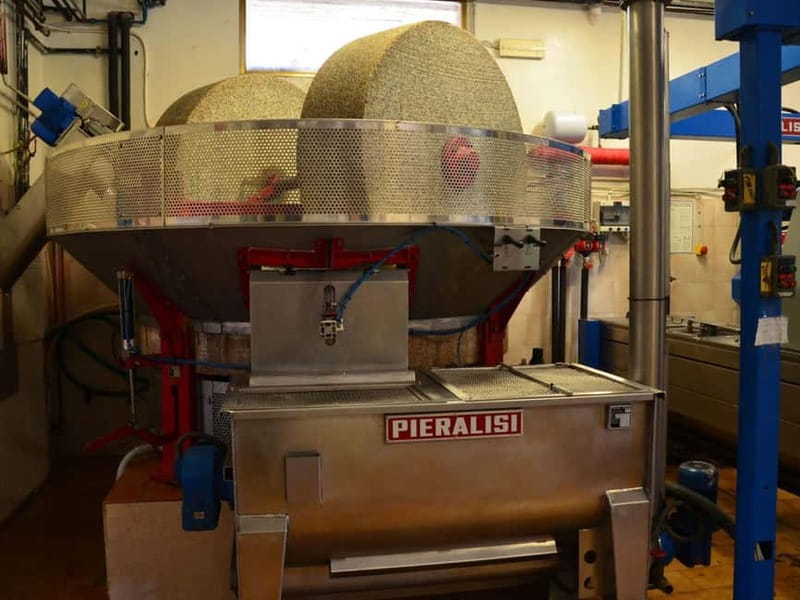
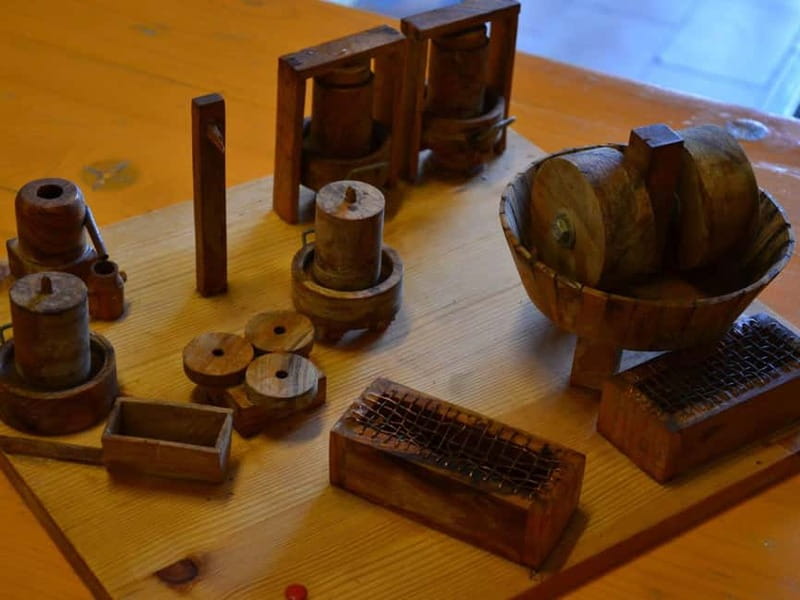
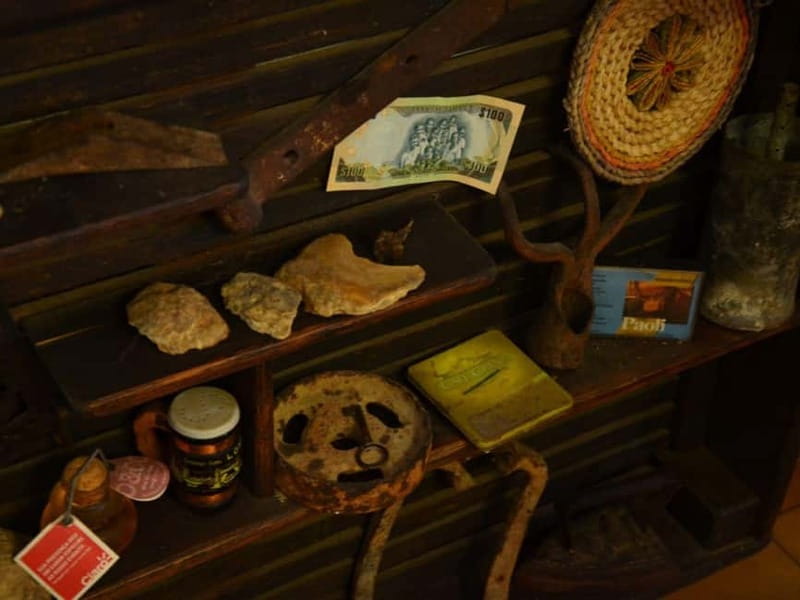
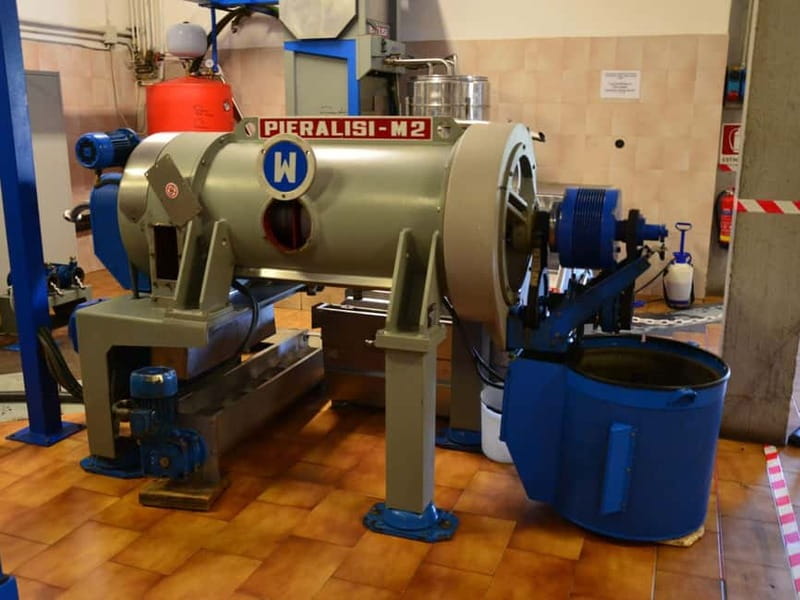
The first part takes you inside the mill, where the old wooden olive press gives the visit a strong sense of place. This is not simply a modern tasting room with a few bottles on display. The antique equipment and collection of older artifacts connect the food on your plate with the work done here in earlier generations.
A guide explains the production process from harvest to finished bottle. You should come away with a better idea of how olives are handled, pressed, and turned into oil. The multilingual explanatory video helps visitors who do not speak English or Italian, though the live guide languages are limited to English and Italian.
The production story is especially useful if olive oil is a regular part of your cooking. Extra virgin olive oil is not one single flavor. The mill works with a blend of varieties including moraiolo, leccino, pendolino, maurino, leccio del corno, frantoio, and correggiolo. Each type can affect the character of the finished oil.
That list may sound technical, but it gives the tasting more meaning. Instead of treating oil as a generic dip for bread, you can begin thinking about fruitiness, bitterness, pepperiness, aroma, and balance. Those are the details that help you choose a good bottle later, rather than simply buying the prettiest label.
Why the olive harvest season changes the visit
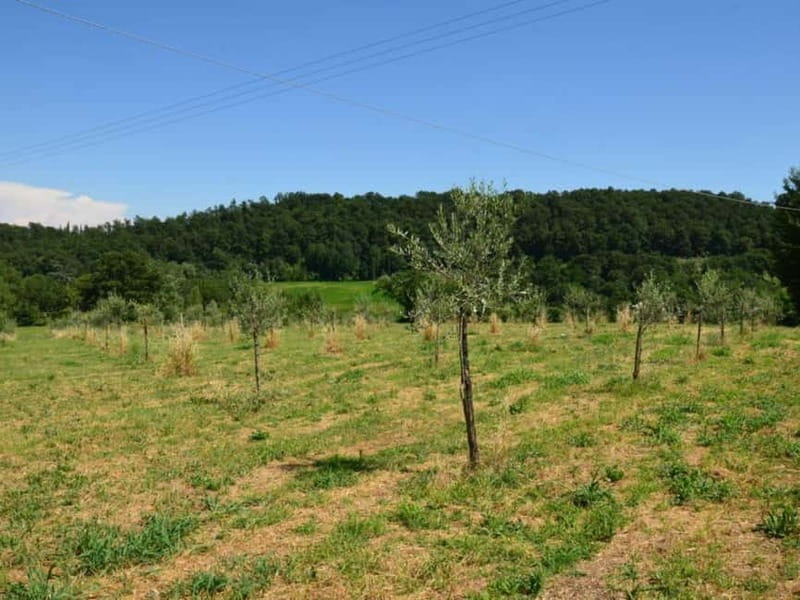
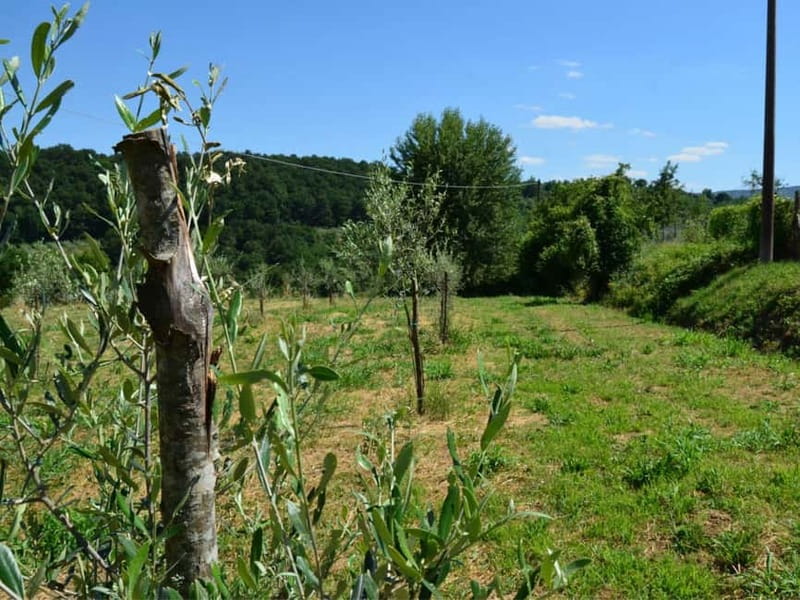
If you go between early October and mid-December, you may have the chance to see olives being processed. This is the period when the mill is most closely tied to its working purpose, and the machinery has more immediate relevance than it does during the quiet part of the year.
The exact processing activity is not guaranteed, so you should not book the tour solely for a live production show. Still, the possibility adds value to an autumn visit. You may see the connection between freshly harvested olives and the finished oil in a way that a video or explanation cannot fully provide.
Outside the harvest period, the historic press, artifacts, and production explanation still make up the core of the visit. The experience remains useful, but it is more of a guided introduction and tasting than a working-season observation.
Learning how to taste extra virgin olive oil
The tasting lesson is one of the strongest parts of the experience. On request, you can receive a small lesson covering the components of EVO oil, its sensory qualities, and the basic method of professional tasting.
The guide explains how tasting conditions affect what you notice. You learn to pay attention to aroma, flavor, and mouthfeel rather than swallowing the oil quickly with a piece of bread. This is a modest lesson, not a formal certification course, but it can change how you approach olive oil at home.
I like this educational layer because it gives the food tasting a purpose. You are not only sampling a local product. You are learning why one oil may smell grassy, another may taste more peppery, and another may feel softer or more rounded.
The level of instruction can depend on your request and the guide leading the visit. If this aspect matters to you, ask for the EVO oil lesson at the start. A young and enthusiastic guide named Guido has received particular praise for explaining the mill and making the experience engaging. Other family members lead the tour as well, and the family connection is part of the character of the visit.
More Olive Oil and Food Pairings around Italy:
- Bardolino: Vineyard Tour with Wine, Olive Oil & Food Tasting
★ 4.6 · 221 reviews - Seggiano: Guided Tour of the Olive Grove and Food Tasting
★ 4.8 · 30 reviews - Ascoli Olive Oil Tour with Tasting and Local Food Pairing
★ 5.0 · 18 reviews - From Florence: Horseback Ride and Olive Oil and food tasting
★ 4.3 · 8 reviews
The tasting room: salame, pecorino, truffle, and wine
After the tour, you move to the spacious tasting room for the food portion. Extra virgin olive oil remains the main subject, but the supporting foods make it much easier to understand how the oil works with Tuscan flavors.
The listed tasting includes:
- Extra virgin olive oil made with a blend of local olive varieties
- Tuscan salame
- Tuscan Pecorino cheese
- Bruschetta with green olive paste
- Bruschetta with truffle sauce
- A glass of Chianti red wine
The bruschetta gives you the simplest comparison. Bread, oil, and seasoning let you focus on the oil itself. The olive paste brings a more concentrated olive flavor, while truffle sauce changes the aroma and makes the tasting feel more like a small regional meal.
Pecorino is an especially good partner for olive oil. The sheep’s milk cheese has enough salt and character to show how the oil softens and rounds the bite. A memorable pairing to ask about is pecorino with chestnut honey. This was singled out as a particularly good combination, and it is the sort of small local touch that can make the tasting more than a standard sample tray.
The salame adds a savory counterpoint, and Chianti gives you a familiar Tuscan wine pairing. You do not need to be an expert in wine or cheese to enjoy this part. The guide explains where the products come from and how they fit together, which helps the tasting feel connected to the area rather than assembled at random.
How much food should you expect?
The tasting is described as a gastronomic selection, and the positive comments point to generous servings of cheese, sausage, and wine. Still, it is safest to think of it as a substantial snack or light meal, not a restaurant lunch.
The amount may also depend on the group and the pace of the visit. The one-hour schedule leaves limited time for lingering over every item. If you want to taste slowly, ask questions, and shop afterward, keep your expectations realistic.
This is also where the one negative experience matters. One person felt the family rushed through the visit and served only two pieces of toast with two oils. That account differs sharply from the other positive experiences, which describe plenty of cheese, salame, and wine. The practical lesson is simple: confirm what is included when you arrive, and speak up if you want the oil tasting explained in more detail.
The family atmosphere and guide quality
The setting appears to be personal rather than polished like a large commercial attraction. Several people praised the friendly family atmosphere, patient answers, and clear explanations. That can be a major benefit if you enjoy meeting the people behind a regional product.
Guido has been specifically praised for making the mill fascinating and the afternoon fun. Another young guide was described as passionate and able to make the experience interesting. These comments suggest that the guide can shape the visit significantly.
The tradeoff is that a family-run operation may not have the exact timing or presentation style of a large museum. Some people will appreciate the direct contact and relaxed feel. Others may prefer a more structured, extended tour. If you enjoy informal conversation, this setting should suit you. If you want a highly staged production visit, it may feel brief.
Shopping for oil, wine, and Tuscan products
The small shop gives you a practical reason to bring room in your luggage. You can buy the extra virgin olive oil tasted during the visit, along with pecorino, wine, and preserves.
The wine selection includes Chianti, Brunello di Montalcino, and Nobile di Montepulciano. Those labels make the shop useful for building a small Tuscan food collection, especially if you are staying in Italy long enough to enjoy the products later.
Buying directly at the mill also lets you ask questions while the tasting is fresh in your mind. You can compare the bottle you liked most with other oils and decide based on flavor rather than packaging. There is no pressure to buy stated as part of the experience, but shopping is clearly one of its intended pleasures.
If you are flying, check your airline and customs rules before buying liquids and cheese. The experience information does not specify shipping or packing services, so do not assume the mill can send purchases home.
Price, timing, and practical value
At $35 per person, the experience offers reasonable value if you want three things in one stop: a guided mill visit, an introduction to EVO oil tasting, and a food-and-wine sampling. The price is easier to justify when the tasting includes salame, pecorino, truffle bruschetta, and Chianti rather than oil alone.
It is less compelling if your only goal is to see old machinery. The tour portion is about 20 minutes, and the entire visit lasts just one hour. You are paying for the explanation and tasting, not an extended agricultural tour.
The cost also compares well with the convenience of having several local products explained and served together. I would consider it good value for food-focused visitors, couples, and small groups already exploring the area by car. It is less useful for anyone expecting transportation from Siena or a full-day excursion.
Comfortable shoes are recommended. The meeting point is the mill itself in Chianciano Terme, and you must arrange your own transport. English and Italian are available with a live guide, while a multilingual video supports other languages.
You can cancel up to 24 hours before the activity for a full refund, and you can reserve now while paying later. Those terms are helpful if your Tuscan route is still changing.
Who will enjoy this mill most?
I would recommend the experience to you if you enjoy regional food, small producers, and practical lessons you can use after your trip. It works particularly well for people who want to understand why Tuscan olive oil tastes different from supermarket oil back home.
It is also a good choice for:
- Couples seeking a short food stop between towns
- Visitors staying in or near Chianciano Terme
- Drivers exploring the area around Siena
- Families interested in how food is made
- Wine and cheese lovers who want more than an oil sample
- Autumn visitors hoping to see olive processing
You may want to skip it if you dislike tastings, have no interest in buying food products, or need a long and highly detailed tour. The visit is compact. Its pleasure comes from the combination of old equipment, clear explanations, local food, and a chance to shop at the source.
Should you book the Chianciano olive mill tour?
Book it if you want a friendly, low-cost introduction to Tuscan olive oil with enough food to make the stop feel worthwhile. The best reasons are the old wooden press, the tasting lesson, the family atmosphere, and the range of products on the table. Try to visit during the October to mid-December harvest period, and request the oil lesson when you arrive.
I would not book it expecting a long farm visit or guaranteed live production. Plan your own drive, wear comfortable shoes, and allow a little flexibility around the one-hour schedule. For a short stop near Siena, this is a tasty and useful way to connect the bottle on your table with the work inside a Tuscan mill.
FAQ
Where is the olive mill located?
The mill is Frantoio La Macina Elena Bartolomei in Chianciano Terme, a thermal village in Tuscany. It is about 55 minutes by car from Siena.
How long does the experience last?
The total duration is one hour. About 20 minutes are devoted to the guided mill tour, followed by about 40 minutes of food tasting.
What languages are available?
The live guide speaks English and Italian. A multilingual explanatory video is available for other languages.
Is transportation included?
No. Transportation to and from the mill is not included, so you must arrange your own way to the meeting point.
What food and drink are included?
The tasting includes extra virgin olive oil, Tuscan salame, Tuscan Pecorino cheese, bruschetta with green olive paste, bruschetta with truffle sauce, and Chianti red wine.
Can I see olives being processed?
You may see olive processing during the harvest season, which runs from early October through mid-December. Live processing is not guaranteed outside that period.
Can I buy products at the mill?
Yes. The small shop sells extra virgin olive oil, pecorino cheese, wines such as Brunello di Montalcino, Nobile di Montepulciano, and Chianti, along with preserves.
What should I bring?
Comfortable shoes are recommended. You may also want to leave space for olive oil and other local products if you plan to shop.
More Food Tours around Italy
- Sorrento Farm and Food Experience including Olive Oil, Limoncello, Wine tasting
★ 5.0 · 2,524 reviews - Tuscany Bike Tour with Wine, Oil and Food in the Florentine Hills
★ 5.0 · 209 reviews - Florence Food Tour: Home-Made Pasta, Truffle, Cantucci, Olive Oil, Gelato
★ 4.5 · 187 reviews - San Felice: Olive Oil Tasting with local food on Garda Hills
★ 4.9 · 186 reviews
Just added around Italy
- Villa Castelli: Highlights Walking Tour w/ Olive Oil Tasting★ 4.8 · 12 reviews
- Umbria: E-Bike Rental and Fresh EV Olive Oil Tasting★ 5.0 · 4 reviews
- Vernazza (5 Terre): olive grove tour and oil and wine tasting★ 5.0 · 9 reviews
- Trieste’s Essence: Wine and Olive Oil Tasting★ 5.0 · 3 reviews
- Half-Day Chianti Wine and Olive Oil Tour from Viareggio★ 4.0 · 5 reviews
- From Venice: Olive Oil & Wine Tour in the Venetian Hills★ 5.0 · 9 reviews
- Valpolicella Wine and Olive Oil Tasting with Lunch from Verona★ 5.0 · 2 reviews
- Private Tuk Tuk Tour of the Millenary Olive Groves in Ostuni★ 5.0 · 4 reviews
Olive Mill and Factory Tours, compared.
Knossos-Zeus Cave -Old Traditional Villages-Olive Oil Factory
Read our review →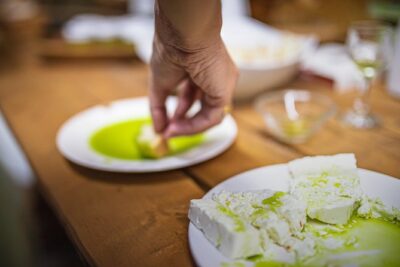
The Governor’s Olive Mill Tour with Olive Oil Tasting
Read our review →
Road-trip to Lasithi, Zeus Cave & Olive Mill Farm
Read our review →
Lassithi, Zeus Cave, Olive Mill Farm & Knossos Combo Tour
Read our review →
Zeus Cave, Lassithi Plateau, Olive Oil Factory, Kritza, Pottery
Read our review →
Zeus Cave, Lassithi Plateau, and Olive Factory Tour
Read our review →Browse the lists this tour appears in