
Review · APULIA
Porto Cesareo: Tour in oliveto con degustazione olio e vini
Taste Salento under the olive trees. This two-hour visit at Tenuta Ingegna combines a walk through old groves, a clear look at organic farming, and a generous tasting of oil, wine, and local food. I like the small group of up to eight and the chance to learn directly from agronomist and host Andrea. I also like that the tasting is not just a quick sip and go: it explains how to judge good extra virgin olive oil.
The main thing to consider is the short format. Two hours gives you a useful introduction, not a full agricultural workshop or winery visit. Starting times vary, and the farm meeting point requires your own transport arrangements. Still, at $41 per person, the combination of personal instruction, three wines, olive oil, and company products offers very good value.
Key points at a glance
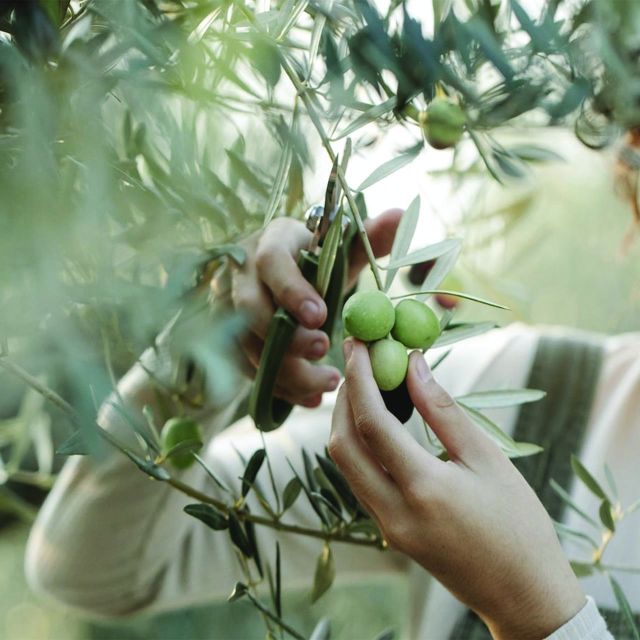
- Andrea’s personal guidance: He explains olive growing, harvesting, oil production, and winemaking in Italian or English.
- A walk among old olive trees: The grove visit connects the family company’s long story with its current organic farming methods.
- A practical oil lesson: You learn how olives move from tree to mill and how to recognize quality EVO oil.
- Three Apulian wine styles: Taste red Negroamaro or Primitivo, rosé Leverano DOP, and white Vermentino IGT.
- Food with a local feel: The tasting can include tomato salad from the garden, pastries, and other typical company products.
- A compact, personal outing: The two-hour schedule suits a free morning or afternoon in the Porto Cesareo area.
Starting among Salento’s olive trees
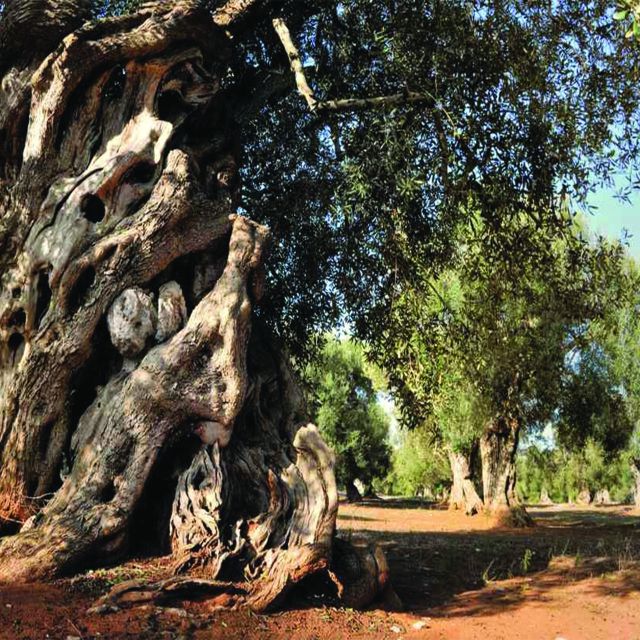
The visit begins at the farm, where you meet the guide and enter the olive grove. This is not a bus tour with a recorded speech. With a group capped at eight people, you have a real chance to ask questions and keep the pace conversational.
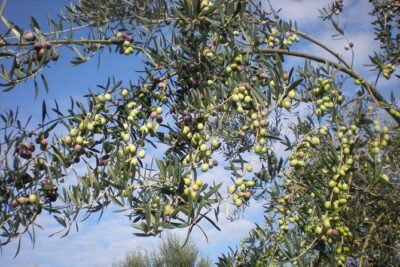
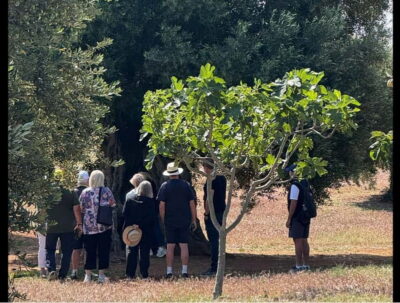
The grove is the heart of the experience. Salento’s olive trees are not just a pretty backdrop for photographs. They are working crops, shaped by pruning, soil care, weather, pests, and decisions about harvest time. Andrea explains the systems used at the farm and discusses the strengths and limits of each approach.
That detail matters. Many food tours tell you that a product is traditional and excellent, then move straight to the table. Here, you first see the setting and the choices behind the bottle. You begin to understand why oil can differ in aroma, bitterness, fruitiness, and finish.
The old trees also give the visit a sense of place that a shop tasting cannot match. You are in the countryside around Porto Cesareo, not in a polished tasting room separated from agriculture. Comfortable shoes are the only specific item you need, but take that advice seriously. The tour includes walking outdoors on farm ground.
More Olive Oil Tours around Italy:
- Sorrento Farm and Food Experience including Olive Oil, Limoncello, Wine tasting
★ 5.0 · 2,524 reviews - Olive oil tasting in Sorrento
★ 5.0 · 434 reviews - Sorrento: Lemon, Olive Oil and Wine Tasting Tour with Lunch
★ 5.0 · 300 reviews
Learning how a family farm works
Tenuta Ingegna presents its story through both tradition and change. The company’s roots go back generations, yet its farming choices look toward sustainable, quality-focused agriculture. That balance is one of the stronger parts of the visit.
You hear about the family’s long connection to the land and the thinking behind its organic agronomic methods. The aim is not to turn the tour into a technical lecture. Instead, the explanations show how care of the trees affects the final oil.
The farm also uses videos to explain some of its practices. That is useful because not every production stage can be seen during a short visit. A video can show the broader process while the grove gives you the physical setting.
I would especially recommend this part to anyone who buys olive oil at home but has never thought much about production. You learn that the path from olive to oil is short in physical distance, but complex in timing and handling. Picking, processing, and storage all influence the result.
The guide’s role makes a difference here. Andrea has been described as patient, professional, and happy to answer detailed questions. That is important for beginners, who may otherwise feel lost among terms such as acidity, aroma, bitterness, and extra virgin classification.
From olive to EVO oil
The oil portion explains the full production chain, step by step. You learn how the fruit is cared for, how olives are handled after picking, and how they become extra virgin olive oil. The tour’s focus is not simply on tasting a favorite house product. It teaches you what quality means.
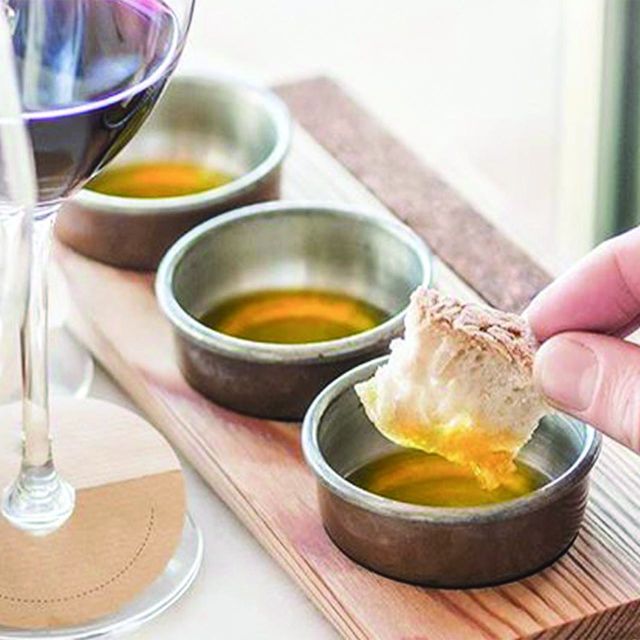
The tasting includes the farm’s classic EVO oil. In practical terms, you can expect to consider its smell, taste, balance, and finish rather than swallowing it as an ingredient hidden under bread or salad. That makes the lesson useful when you later compare bottles in a shop.
Some of the farm’s tastings have included two different olive oils, along with local foods. The formal experience description specifically promises a classic EVO tasting, so the exact selection may vary. Either way, the key value is the explanation around the oil, not the number of bottles on the table.
You will likely find the tasting more enjoyable if you arrive ready to pay attention to small differences. Good oil can have fresh, grassy, fruity, peppery, or bitter notes. Bitterness and a peppery finish are not automatically faults. They can be signs of character, depending on the oil and your taste.
This is also where the farm’s agricultural philosophy becomes tangible. Sustainable methods sound abstract until you connect them to tree care, fruit quality, and the final product in your glass. The conversation links the grove to the table in a straightforward way.
Three wines from Salento and beyond
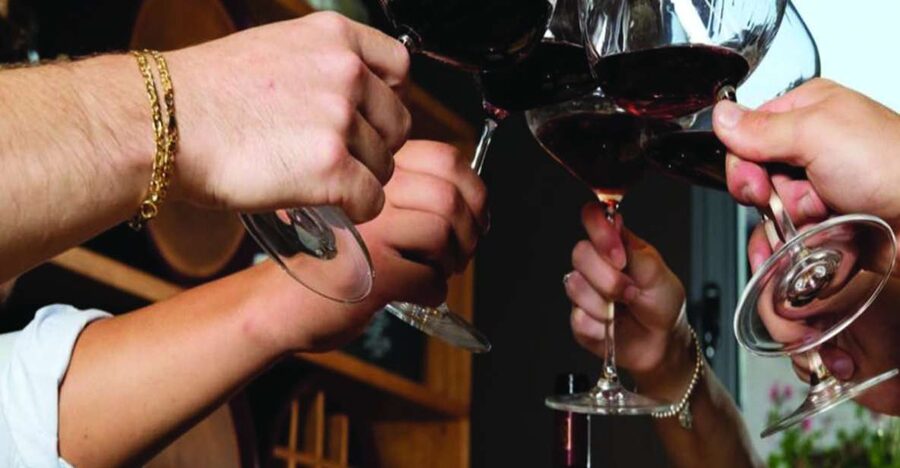
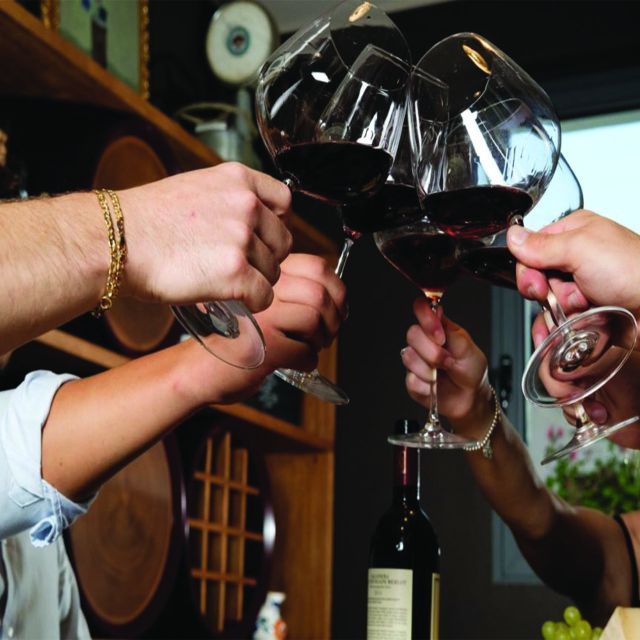
The wine tasting adds range to the experience. The package includes three labels:
- A red Negroamaro or Primitivo
- A rosé Leverano DOP
- A white Vermentino IGT
The sequence gives you three different ways to think about Apulian wine. The red offers the fuller style associated with southern Italian grapes. The rosé brings a lighter middle course, while the white provides a fresher contrast.
The exact red may be Negroamaro or Primitivo, so you should not book this expecting both. The experience promises one of those red labels, plus the rosé and white.
Andrea has made the farm’s wines for about five years, and he explains the winemaking process as part of the tasting. That personal involvement gives the wine section a practical tone. You are not just handed three glasses with grape names attached. You can ask how each wine is produced and why the farm chose these labels.
The tasting has been especially well suited to people who enjoy asking questions. Andrea’s ability to explain both oil and wine means the experience works for curious beginners as well as anyone already interested in Italian food production.
Same groves, a different afternoon:
- Alghero: Wine and Olive Oil Tasting at a Local Farm
★ 4.8 · 294 reviews - Ostuni: Masseria tour among thousand-year-old olive trees with oil tasting
★ 4.8 · 261 reviews - Balestrate: Olive Grove Tour with Wines & Olive Oil Tasting
★ 5.0 · 241 reviews - Bardolino: Vineyard Tour with Wine, Olive Oil & Food Tasting
★ 4.6 · 221 reviews
Tomatoes, pastries, and the best part of the table
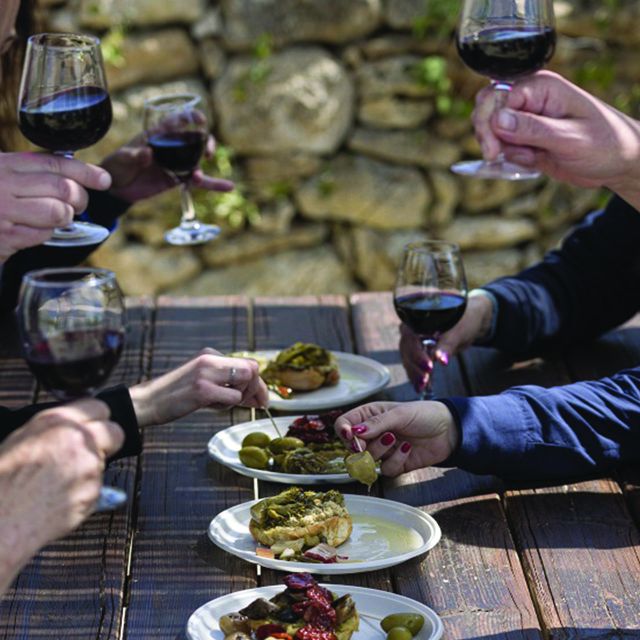
The wines and oil are served with typical company products. Specific tastings have included a fresh tomato salad made with tomatoes from the garden, along with various pastries and other local foods.
That food matters for two reasons. First, it gives you a natural way to taste the oil. Fresh tomato is a simple partner that lets the oil show its fruit and pepper without burying it beneath a complicated dish.
Second, the food helps turn a technical tasting into a social one. After walking through the grove and discussing production, you sit down to enjoy the results. The atmosphere is part lesson, part family welcome, and part countryside aperitivo.
The exact food selection may depend on what the farm has available. The description promises typical company products rather than a full meal, so do not treat this as lunch or dinner. If you arrive hungry, plan another meal around it.
Still, the combination is generous for a $41 activity. You receive a guided agricultural visit, instruction from the company agronomist, oil tasting, three wines, and food. Comparable tastings can cost more even before adding a personal farm tour.
A two-hour schedule that stays focused
Two hours is enough time to cover the essentials without taking over your day in Apulia. You can fit the visit around sightseeing in Porto Cesareo or use it as a relaxed countryside stop between other plans.
The likely rhythm is simple:
- Meet at the farm
- Walk through the olive grove
- Hear about the family business and organic methods
- Learn how olives become extra virgin oil
- Move to the tasting
- Sample oil, wines, and company foods
- Ask questions before leaving
The schedule does not promise a particular order or a guaranteed sunset departure. However, one summer visit included a tasting facing the olive fields as the sun went down. If that atmosphere matters to you, check the available start time instead of assuming every departure will have evening light.
The short duration is a strength for some people and a limit for others. I would choose it if you want a well-shaped introduction to Salento’s farm products. I would not choose it if you want to spend half a day learning every detail of olive cultivation, touring a large cellar, or eating a complete meal.
Why the small group improves the visit
A maximum of eight participants is one of the most meaningful details here. Small groups make it easier to hear explanations outdoors, ask follow-up questions, and stay connected to the guide while walking.
That size also suits the subject. Olive oil tasting can become confusing when a large crowd waits for its turn at the table. With fewer people, you can take time with the aromas and ask why one oil feels sharper or fruitier than another.
The experience is offered in Italian and English. If you speak either language, you should be able to follow the main explanations and ask questions directly. The personal nature of the guide is a major part of the value, so language access matters.
The tradeoff is availability. An eight-person limit means popular dates can fill quickly, especially in the busy summer period. The flexible booking option lets you reserve without paying immediately, and cancellation is free up to 24 hours before the activity according to the stated terms.
Who will enjoy Tenuta Ingegna most
I would recommend this tour to you if you enjoy food with a sense of place. It is especially suitable for people who want to understand what they are tasting rather than simply collect samples.
It also works well for couples, families with older children, and small groups of friends. The walking is limited to the farm visit, but comfortable shoes are still required. Anyone who dislikes outdoor stops or has no interest in olive oil may find the first half less engaging.
Wine enthusiasts will enjoy the three-label tasting, though this is not a specialist cellar tour. The focus is split between oil, wine, farming, family history, and local food. That broad mix is a benefit if you want a balanced introduction to Salento’s food culture.
I also like it for visitors who have already seen the seaside side of Porto Cesareo and want a change of pace. The experience shifts your attention from beaches to the agricultural traditions that shape the region’s food.
What the price really includes
At $41 per person, the price is fair and possibly better than fair for a two-hour small-group experience. You are paying for more than a drink flight. The fee covers a guided walk with the company agronomist, an explanation of the full oil-making process, a classic EVO oil tasting, three wines, and typical company products.
The personal guide is the key value. A self-guided visit might show you olive trees, but it would not explain the advantages and disadvantages of the farm’s growing systems or help you identify quality oil.
The main limitation is that the price does not represent a full meal or a long winery tour. Keep your expectations in the right place. Think of it as an educational tasting with a countryside walk, not as a half-day feast.
Practical advice before you book
Wear comfortable shoes, since the tour takes place partly outdoors in the olive grove. The meeting point is directly at the farm, and it has been described as reasonably easy to find, but you should check the exact directions before setting out.
Bring questions. Ask about harvest timing, how the oil is stored, why a red wine uses Negroamaro or Primitivo, and how organic care affects the trees. The format rewards curiosity, and Andrea’s patient style makes questions part of the experience rather than an interruption.
Allow a little flexibility around the tasting time. A sunset setting has been part of the experience on at least one summer departure, but it is not promised for every time slot. Check availability before booking if evening light is important to you.
Should you book this olive grove tour?
Yes, if you want a personal, reasonably priced introduction to Salento’s olive oil and wine culture. The small group, Andrea’s clear explanations, the old olive grove, and the food pairing give the experience more substance than a standard tasting.
Book it especially if you want to learn how to judge EVO oil or if you like meeting the people behind regional products. At $41, the three wines and typical foods make the outing strong value.
Skip it if you are looking for a full meal, a long winery visit, or a detailed industrial production tour. For most visitors with two free hours near Porto Cesareo, though, Tenuta Ingegna offers a warm and useful taste of the countryside, with enough instruction to make your next bottle of olive oil more interesting.
FAQ
How long does the Porto Cesareo olive grove tour last?
The experience lasts two hours.
How much does the tour cost?
The listed price is $41 per person.
What languages are available?
The live guide offers the tour in Italian and English.
How many people are in the group?
The group is limited to eight participants.
What wines are included in the tasting?
You taste three labels: a red Negroamaro or Primitivo, a rosé Leverano DOP, and a white Vermentino IGT.
Is olive oil tasting included?
Yes. The experience includes a tasting of the company’s classic extra virgin olive oil, along with typical company products.
What should I bring?
Bring comfortable shoes for the walk through the olive grove.
Just added around Italy
- Villa Castelli: Highlights Walking Tour w/ Olive Oil Tasting★ 4.8 · 12 reviews
- Umbria: E-Bike Rental and Fresh EV Olive Oil Tasting★ 5.0 · 4 reviews
- Vernazza (5 Terre): olive grove tour and oil and wine tasting★ 5.0 · 9 reviews
- Trieste’s Essence: Wine and Olive Oil Tasting★ 5.0 · 3 reviews
- Half-Day Chianti Wine and Olive Oil Tour from Viareggio★ 4.0 · 5 reviews
- From Venice: Olive Oil & Wine Tour in the Venetian Hills★ 5.0 · 9 reviews
- Valpolicella Wine and Olive Oil Tasting with Lunch from Verona★ 5.0 · 2 reviews
- Private Tuk Tuk Tour of the Millenary Olive Groves in Ostuni★ 5.0 · 4 reviews
Italy Olive Oil Tours, compared.
Sorrento Farm and Food Experience including Olive Oil, Limoncello, Wine tasting
Read our review →
Lemon, Olive Oil and Wine Tasting Tour with Lunch
Read our review →
Masseria tour among thousand-year-old olive trees with oil tasting
Read our review →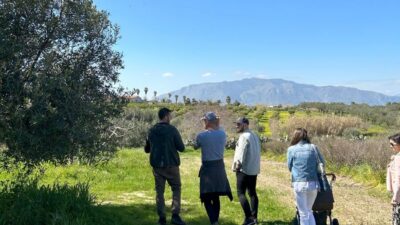
Olive Grove Tour with Wines & Olive Oil Tasting
Read our review →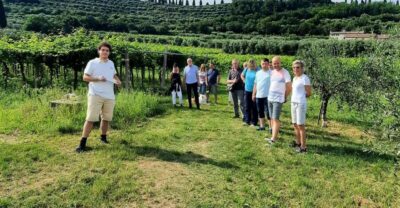
Vineyard Tour with Wine, Olive Oil & Food Tasting
Read our review →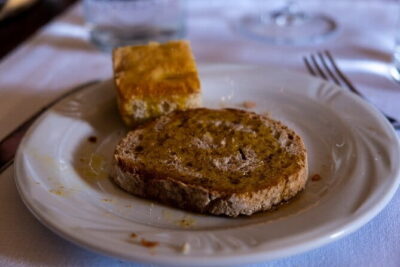
Tuscany Bike Tour with Wine, Oil and Food in the Florentine Hills
Read our review →Browse the lists this tour appears in