
Review · LAZIO
Rome: Masterclass Extra Virgin Olive Oil & Table Olives
Olive oil is not just a topping. This two-hour Rome masterclass turns a familiar kitchen staple into a subject you can smell, taste, and judge with new confidence. I like the small, focused format and the chance to taste five EVOO oils alongside two types of table olives. The free bottle of 100% Italian oil is another useful parting gift, not a throwaway souvenir.
I also like that the class takes place at Italy’s first school devoted to Extra Virgin Olive Oil. The instructor explains both the theory and the practical tasting method, while the certified professional taster brings real authority to the lesson. The main consideration is simple: at $94 per person, this is best for curious food lovers who want a proper lesson, not a quick sampling with a few snacks.
Key points to know before booking
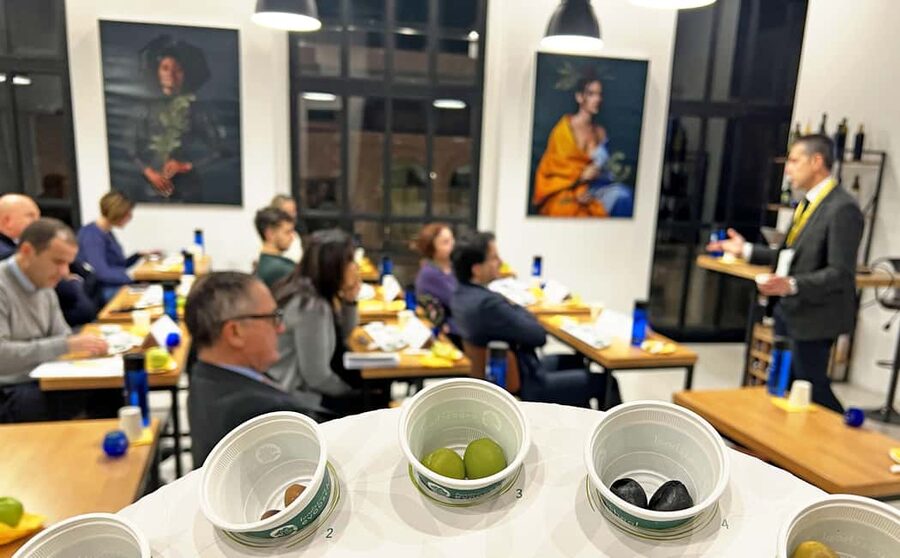
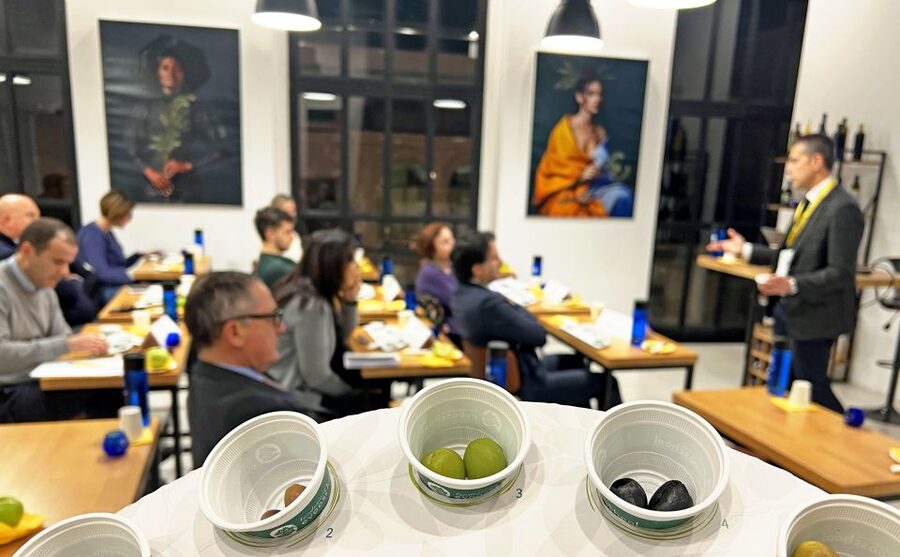
- Five oils and two types of olives: You get a guided tasting of several EVOO oils plus two table olives, enough for clear comparisons without turning the class into a marathon.
- A real sensory lesson: You learn how to use smell and taste to spot quality, defects, and differences between oils.
- Italy’s olive variety takes center stage: The class puts Italian production into context, including the country’s more than 500 cultivated olive varieties.
- Theory and practice share two hours: This is not only a lecture. You spend part of the session actively tasting and testing.
- A useful Italian gift: Each participant receives a small bottle of 100% Italian Extra Virgin Olive Oil.
- Best for adults and older teenagers: Children under 16 cannot join, and the experience is not suitable for wheelchair users.
Why an olive oil class fits a Rome trip
Rome can fill your day with ancient ruins, grand churches, and crowded piazzas. A food class gives you a different way to understand Italy, through an everyday product that appears on almost every table.
Extra Virgin Olive Oil, usually shortened to EVOO, is more than a cooking ingredient here. Its quality depends on the olive variety, the growing area, harvesting, production, and storage. Those details can be hard to understand from a supermarket label alone. A guided tasting gives you a practical way to connect those ideas with what you actually smell and taste.
I find this kind of class especially useful because you can take the skill home. Afterward, you may be better at noticing fresh aromas, bitterness, peppery sensations, and unpleasant flaws in a bottle you are considering buying. The goal is not to turn you into a professional taster in two hours. It is to give you a sound set of habits for making better choices.
More Olive Oil Tours around Italy:
- Sorrento Farm and Food Experience including Olive Oil, Limoncello, Wine tasting
★ 5.0 · 2,524 reviews - Olive oil tasting in Sorrento
★ 5.0 · 434 reviews - Sorrento: Lemon, Olive Oil and Wine Tasting Tour with Lunch
★ 5.0 · 300 reviews
Entering the school in central Rome
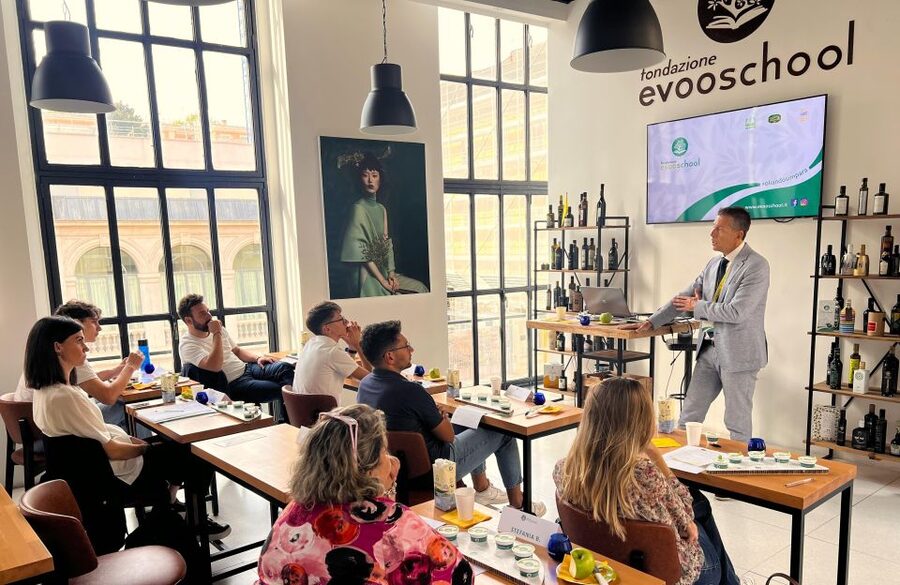
The experience takes place at the Fondazione Evoo School, described as Italy’s first school of Extra Virgin Olive Oil. The meeting instruction is straightforward: enter the building and go up to the first floor.
That simplicity is useful, but you should allow a little extra time to locate the entrance. The supplied information does not include a full street address, nearby landmark, or transfer service, so check the exact meeting details carefully before setting out. Transportation to the meeting point is not included.
The school setting matters. You are not simply being handed a tasting glass at a restaurant. The class is designed around teaching, with a professional taster leading the session in either Italian or English. If you want more than a pleasant bite and a few broad comments about Italian food, this setting should suit you well.
The first lesson: where olive oil begins

The theory portion starts with the origin of olive oil and the olive itself. This gives you the basic chain from fruit to bottle, which is important because many people think of oil only at the end of the process.
Italy has more than 500 cultivated olive varieties, and that number helps explain why oils can differ so much. A bottle from one part of the country may smell and taste quite different from one made with another variety elsewhere. The course uses this wider Italian picture to show why olive oil is not one single flavor.
You also learn how olive oil is classified. The term Extra Virgin is not simply a fancy marketing label. It refers to a defined quality category, judged through chemical measures and sensory assessment. The tasting portion lets you connect that classification with your own senses.
The health discussion is another part of the theory. EVOO is a central food in the Mediterranean Diet and is valued for its beneficial effects on health. The class keeps the subject tied to food quality, rather than treating oil as a magic cure. That is the right balance for a short introductory course.
Learning how quality oil should smell and taste
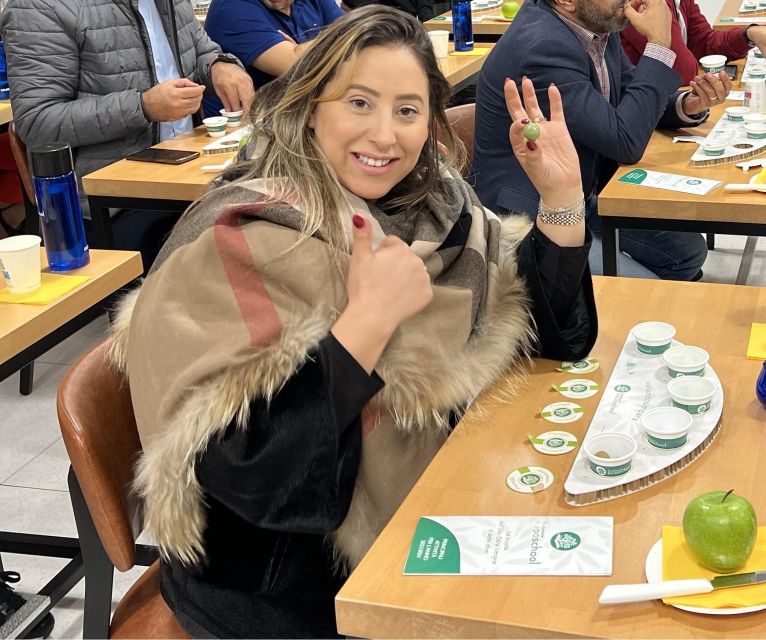
The practical work is the heart of the experience. You taste five different Extra Virgin Olive Oils under guidance, which lets you compare one sample with another instead of trying to remember a single flavor in isolation.
A professional taster teaches the method of organoleptic analysis. In plain language, that means using your senses to assess the oil. You pay attention to aroma, flavor, and the sensations that remain after tasting. The point is not to guess the correct answer. It is to notice what is in the glass and describe it clearly.
The instructor also explains the merits and flaws of EVOO. This is one of the most useful parts for a buyer. A pleasant oil may have fresh, lively qualities, while a flawed oil can reveal signs of poor production, age, or improper handling. You learn to separate personal preference from actual quality.
Some people expect good olive oil to be completely mild. This class can help correct that assumption. Bitterness or a peppery feeling can be positive signs when they come from healthy, fresh olives. The lesson gives those sensations a context, so you are less likely to reject an excellent oil simply because it is more assertive than the kind you usually use.
The most praised part of the instruction is the teacher’s command of the subject. The instructor is described as highly expert and effective, which matters because tasting lessons can become vague if the leader only says that one sample is stronger or fruitier. Here, you get a method you can use again.
Same groves, a different afternoon:
- Alghero: Wine and Olive Oil Tasting at a Local Farm
★ 4.8 · 294 reviews - Ostuni: Masseria tour among thousand-year-old olive trees with oil tasting
★ 4.8 · 261 reviews - Balestrate: Olive Grove Tour with Wines & Olive Oil Tasting
★ 5.0 · 241 reviews - Bardolino: Vineyard Tour with Wine, Olive Oil & Food Tasting
★ 4.6 · 221 reviews
What the table olives add to the tasting
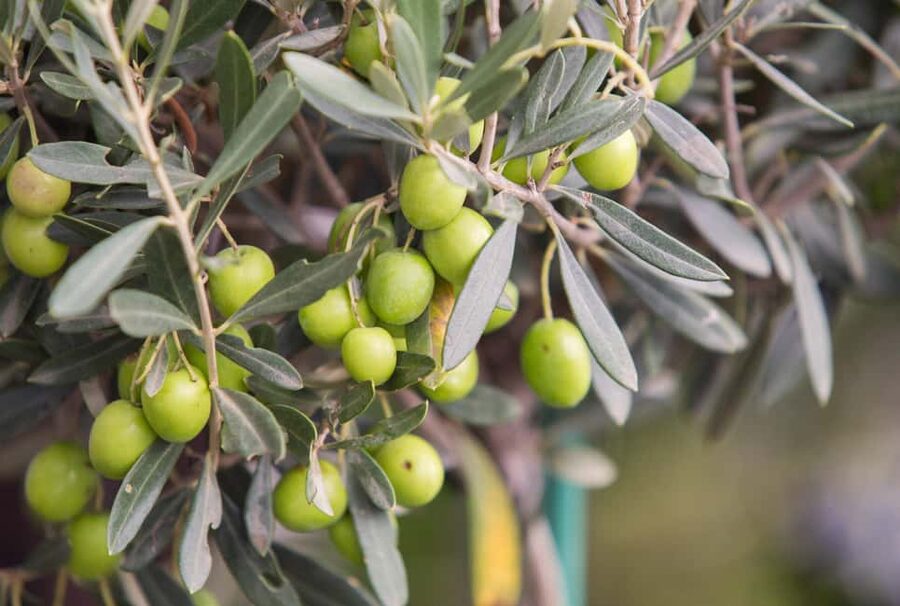
The class includes two different types of table olives. That may seem like a small addition, but it broadens the lesson in a useful way.
Olives destined for the table are handled differently from olives pressed into oil. Their taste, texture, preparation, and presentation all affect your experience. Comparing two types helps you notice how much variety can come from the same basic fruit.
The olive tasting also makes the session more approachable. Oil tasting can feel technical at first, especially when you are asked to focus on aroma and aftertaste. A table olive gives you something familiar to chew and compare. You can consider texture, saltiness, fruit character, and balance while the instructor explains the differences.
The provided information does not identify the two olive varieties or preparation styles in advance. That is worth knowing if you are hoping to study a specific cultivar. The value is in the comparison and the tasting method, rather than in a guaranteed focus on one named region.
A two-hour format with a sensible balance
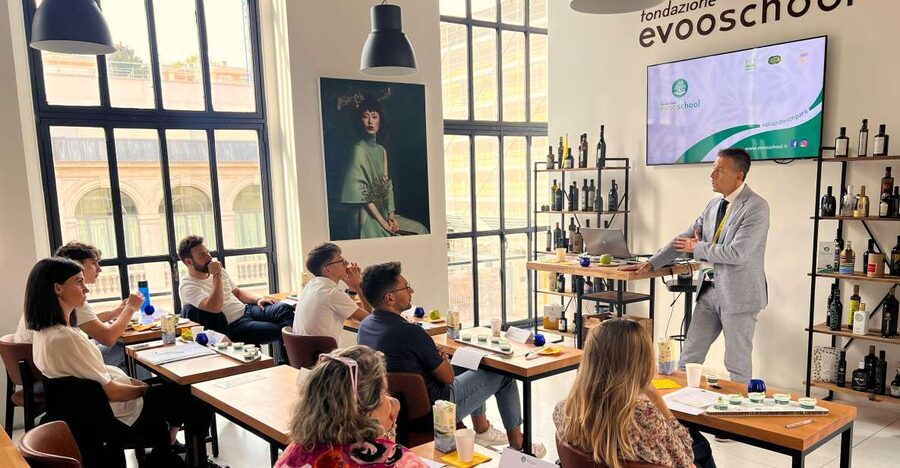
The course lasts about two hours and is split between theory and sensory analysis practice. That length works well for this subject. You get enough explanation to understand what you are doing, but the session does not ask you to spend an entire afternoon concentrating on small differences in oil.
A useful way to think about the flow is:
- An introduction to olive oil and the olive fruit
- A lesson on oil classifications and production
- An explanation of quality and its connection to health
- A demonstration of tasting and sensory analysis
- Guided tasting of five EVOO oils
- Comparison of two types of table olives
- Practical exercises focused on strengths and defects
- A final chance to connect the lesson with home or business use
The exact order may vary with the instructor. The key point is that the class moves between explanation and tasting. That keeps the lesson active and gives you a reason to pay attention to the technical material.
One small limitation is the lack of a printed booklet or copy of the instructor’s presentation. If you like to keep study notes, bring a small notebook or use your phone discreetly if permitted. The lesson aims to give you lasting skills, but written reference material would make it easier to remember the details later.
Is $94 per person a fair price?
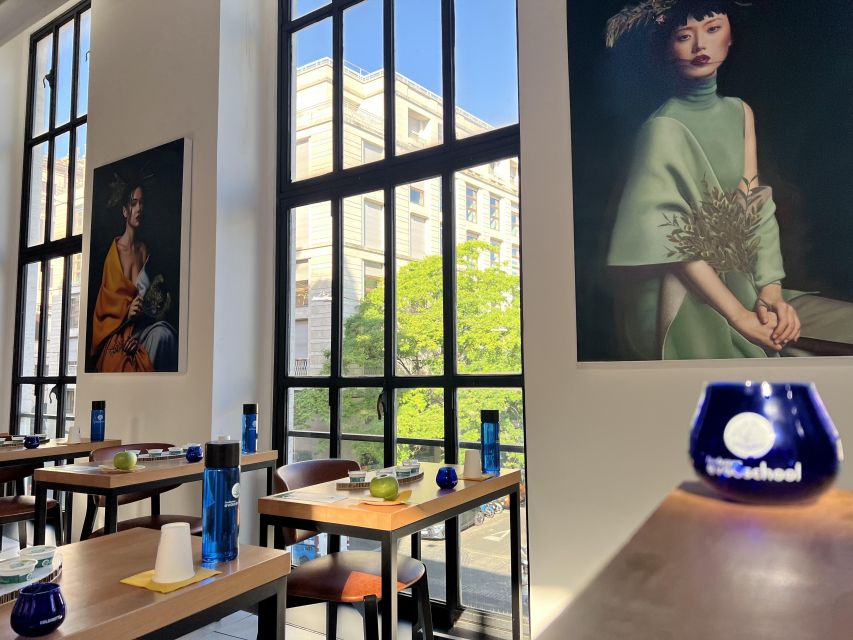
At $94 per person, this is not a budget food activity. You are paying for a specialist-led lesson in a dedicated school, not just for the cost of seven food samples.
The value depends on your interests. If you already enjoy Italian food, cook often with olive oil, or want to understand premium ingredients, the price is easier to justify. You receive two hours of teaching, five EVOO tastings, two types of table olives, and a small bottle of 100% Italian oil to take away.
The gift bottle helps, but it should not be the reason you book. Its main value is that it gives you a chance to continue tasting at home with the new skills from class. Think of the bottle as a reminder and practice tool, not as compensation for the admission price.
For a visitor who simply wants to sample Italian flavors, a market visit or meal may cost less. You will not get the same instruction, though. This class makes the most sense when you want to understand what separates a good oil from a poor one and carry that knowledge into future purchases.
Who will enjoy this class most
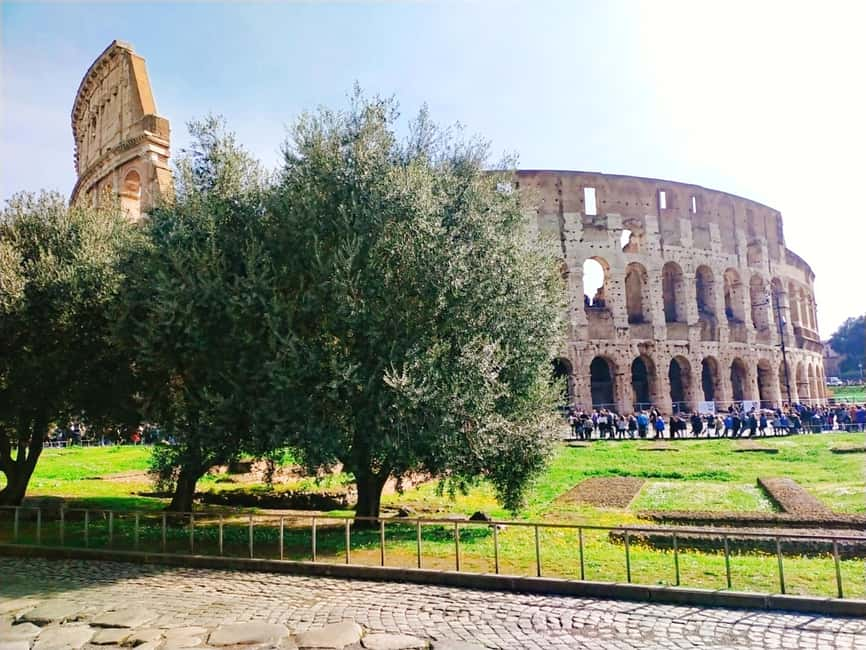
I would recommend the masterclass to adults who enjoy food, cooking, agriculture, or Italian regional products. It is also a smart choice for anyone who has bought expensive olive oil before and wondered if the extra cost was justified.
It suits independent visitors who like structured learning but do not want a full-day activity. The two-hour length leaves plenty of time for other Rome plans. You can place it between sightseeing stops, though you should allow time to reach the first-floor meeting point.
The course may also help people who use EVOO in a restaurant, shop, or food business. The stated goal includes recognizing quality oils and table olives for home or business use. It is still an introductory lesson, so do not expect professional certification from a single session.
This is not a family activity for young children. Participants must be at least 16 years old. It is also not suitable for wheelchair users, so check the physical setup before booking if access is a concern.
Practical details that affect your decision

The instructor teaches in Italian and English. If you need an English-language session, confirm availability for your chosen time when booking.
Tell the provider in advance if you need a gluten-free option. The experience centers on oil and olives, but dietary needs should still be communicated before arrival rather than at the last minute.
Transfers are not included, so you make your own way to the school. The meeting directions specify entering the building and going to the first floor, but the supplied details do not provide a complete transport plan. Have the meeting information ready on your phone.
Booking remains fairly flexible. You can reserve now and pay later, and cancellation is available without charge up to 24 hours before the start time for a full refund. Check the available start times because the duration is fixed at about two hours, while the schedule may vary.
My verdict: a smart pick for curious food lovers
I would book this class if I wanted a useful, distinctive break from Rome’s major sights. The strongest reason to go is the teaching: you taste several oils under the direction of a certified professional rather than guessing your way through a retail shelf.
The five EVOO oils and two table olives provide enough variety to make the lesson practical. The small Italian oil bottle gives you something to revisit at home. I would skip it if you want a quick snack, dislike structured instruction, or are watching every euro.
For the right person, $94 buys more than a tasting. It buys a new way to shop, cook, and pay attention at the table. Just bring your curiosity, note the first-floor meeting point, and consider carrying a notebook since no summary booklet is provided.
FAQ
How long does the olive oil masterclass last?
The experience lasts about two hours, including the theory lesson and practical tasting exercises.
How many olive oils will I taste?
The guided tasting includes five different Extra Virgin Olive Oils.
How many types of table olives are included?
You will taste two different types of table olives during the class.
Who leads the experience?
A professional oil taster leads the session. The taster is certified by the Italian Olive Oil Consortium.
Is the class offered in English?
Yes. The available languages are Italian and English.
Where does the experience take place?
It takes place at the Fondazione Evoo School in Rome. You should enter the building and go to the first floor.
Is anything included to take home?
Yes. Each participant receives a small bottle of 100% Italian Extra Virgin Olive Oil.
Can children attend?
Children under 16 are not permitted to join the experience.
Is the experience wheelchair accessible?
The activity is not suitable for wheelchair users.
Just added around Italy
- Villa Castelli: Highlights Walking Tour w/ Olive Oil Tasting★ 4.8 · 12 reviews
- Umbria: E-Bike Rental and Fresh EV Olive Oil Tasting★ 5.0 · 4 reviews
- Vernazza (5 Terre): olive grove tour and oil and wine tasting★ 5.0 · 9 reviews
- Trieste’s Essence: Wine and Olive Oil Tasting★ 5.0 · 3 reviews
- Half-Day Chianti Wine and Olive Oil Tour from Viareggio★ 4.0 · 5 reviews
- From Venice: Olive Oil & Wine Tour in the Venetian Hills★ 5.0 · 9 reviews
- Valpolicella Wine and Olive Oil Tasting with Lunch from Verona★ 5.0 · 2 reviews
- Private Tuk Tuk Tour of the Millenary Olive Groves in Ostuni★ 5.0 · 4 reviews
Italy Olive Oil Tours, compared.
Sorrento Farm and Food Experience including Olive Oil, Limoncello, Wine tasting
Read our review →
Lemon, Olive Oil and Wine Tasting Tour with Lunch
Read our review →
Masseria tour among thousand-year-old olive trees with oil tasting
Read our review →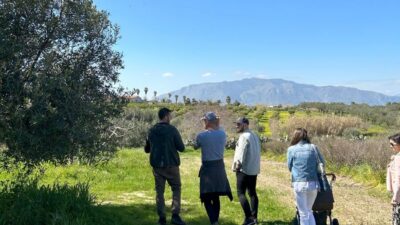
Olive Grove Tour with Wines & Olive Oil Tasting
Read our review →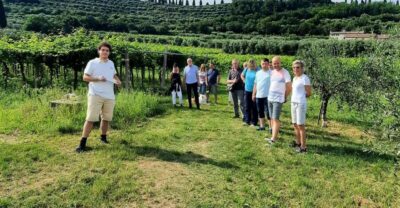
Vineyard Tour with Wine, Olive Oil & Food Tasting
Read our review →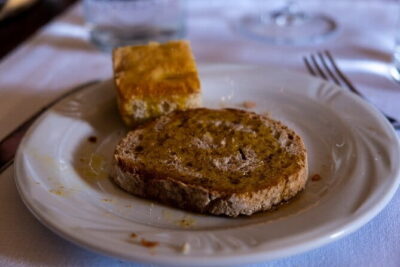
Tuscany Bike Tour with Wine, Oil and Food in the Florentine Hills
Read our review →Browse the lists this tour appears in