
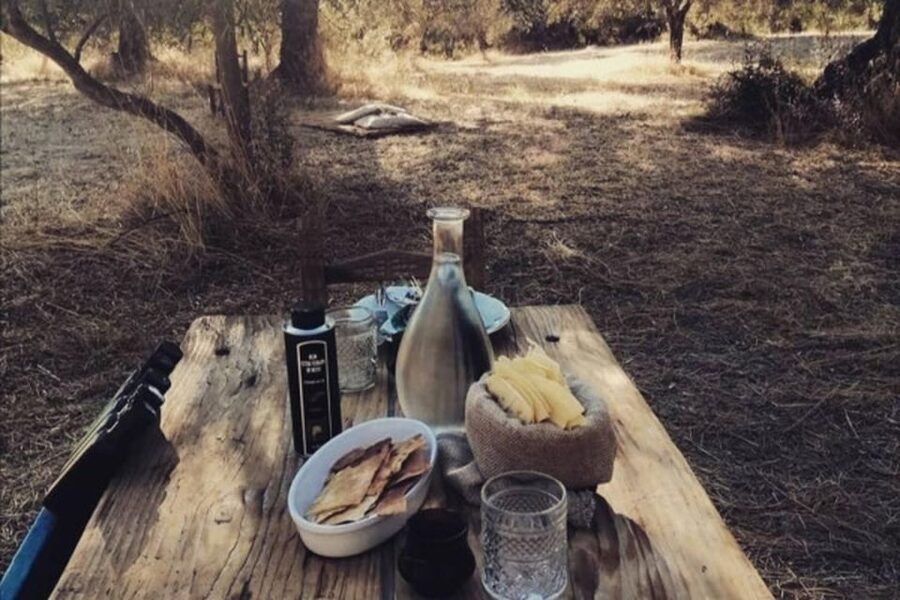
Review · SARDINIA
Sardinian Olive Oil tasting & Picnic among the olive trees
Slow food tastes better outdoors. This one-hour experience near Escolca combines Sardinian olive oil tasting with bread, cheese, sausage, wine, and a seven-part picnic among centenary olive trees. I like the small group of no more than eight people, and I like that the tasting is tied to a family oil-making story rather than treated as a quick sample at a shop.
The main caution is that the experience may not always match the pastoral description. In May, the factory was reported closed, with the visit taking place around a simple table in a former production space. The food and oil can still be excellent, but you should book this for the tasting and family welcome first, and treat the museum and machinery visit as dependent on the day.
Key points to know before booking
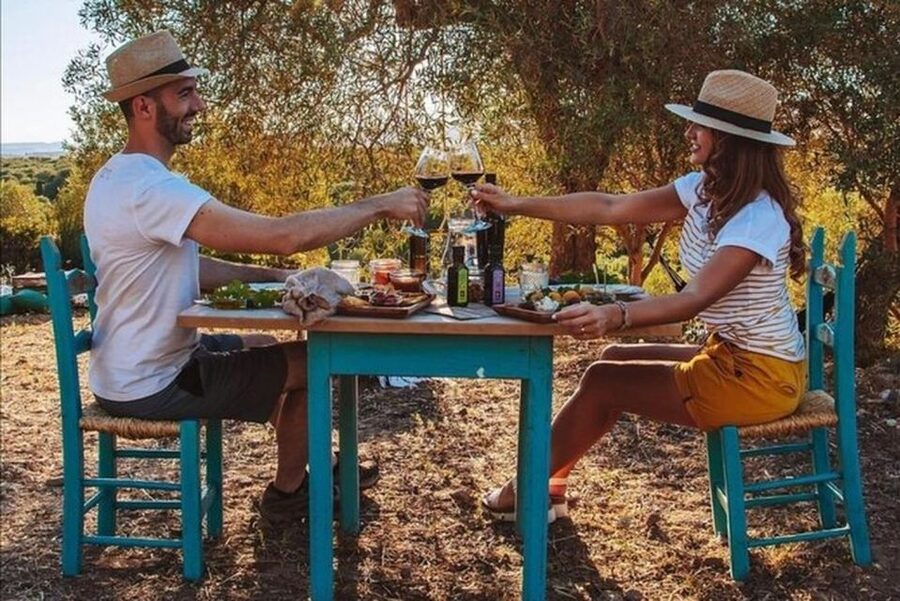
- Seven local pairings: Flavored olive oils are served with seasonal foods, including pane carasau, pecorino, sausage, olives, and wine.
- A small group setting: The experience is limited to eight participants, which gives you a better chance to ask questions.
- A family oil-making story: The visit explains four generations of production and the changes in olive processing over time.
- A countryside meeting point: You meet at Sa Mola oleificio in località Figarba, near Escolca in Sardinia’s Province of Cagliari.
- A short but full hour: The program includes the oil lesson, tasting, picnic basket, food, wine, and water.
- A seasonal point to check: The production area may not be open to visitors outside the harvest period, so confirm what will be accessible on your date.
Arriving at Sa Mola near Escolca
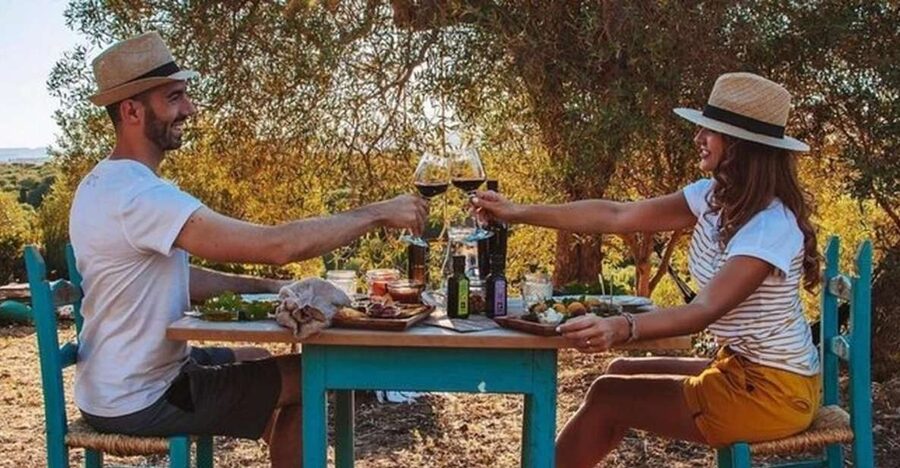
The meeting point is Sa Mola oleificio, località Figarba, 08030 Escolca, in the Province of Cagliari. This is a rural setting, so I would put the full address into your map app before setting out. Do not count on finding a central-town meeting point or a large tourist sign.
The setting is part of the appeal. You are visiting an olive-growing area rather than a polished tasting room in a city. That means the surroundings can feel more personal and tied to local work, but it also means the experience depends more heavily on the people running it and the condition of the mill on the day.
The meeting point has caused at least one serious scheduling problem. One couple arrived on the selected date and was told the appointment had been set for the previous day, even though that date had not appeared as an available choice. The local company still offered a tasting, but the problem was understandably frustrating. I would save the confirmation, check the date and time again shortly before departure, and contact the provider if anything looks unclear.
More Olive Grove Walks around Italy:
- Ostuni: Masseria tour among thousand-year-old olive trees with oil tasting
★ 4.8 · 261 reviews - Balestrate: Olive Grove Tour with Wines & Olive Oil Tasting
★ 5.0 · 241 reviews - Bologna: Olive Grove and Vineyard Tour with Product Tastings
★ 4.8 · 109 reviews
Four generations of Sardinian olive oil
The visit is designed to explain the oil business from harvest to bottle. You learn how olives are gathered, processed, pressed, stored, and prepared for sale. The family story covers four generations, which gives the tasting a useful human scale.
The ethnographic museum is meant to show the tools and methods used in earlier periods. The guide explains how extraction systems changed over time before reaching the modern plant used today. This is valuable because olive oil is easy to reduce to a simple phrase such as extra virgin, while the actual quality depends on many steps between tree and bottle.
You may hear about the older systems in a museum setting, then move toward the current production area. On a good day, that gives the experience a clear sequence: old tools, modern machinery, then tasting. It helps you understand that olive oil is not simply pressed once and poured into a bottle.
Still, the factory portion should be treated with some flexibility. A visit in May was described as taking place in a closed, unused production space, with only two dispensing barrels visible in the sales area. The mill may be closed because it is outside the harvest period, or the operating schedule may limit what can be shown. If seeing active machinery is essential for you, ask before booking.
Walking among the centenary olive trees
The outdoor part gives the experience its strongest sense of place. Instead of tasting oil in a generic shop, you are taken among old olive trees and invited to connect the food with the trees that produce it.
The trees are described as centenary, so this is not simply a decorative garden planted for visitors. Their age helps explain the long connection between Sardinian families and olive growing. You can look at the shape of the trees, the trunks, and the planting area while hearing how the oil trade has supported the family across generations.
The walk is not presented as a long countryside hike. The entire activity lasts about one hour, and the walk functions as part of the explanation and tasting rather than as a separate excursion. I would choose comfortable shoes, but I would not book this expecting a full walking tour of the region.
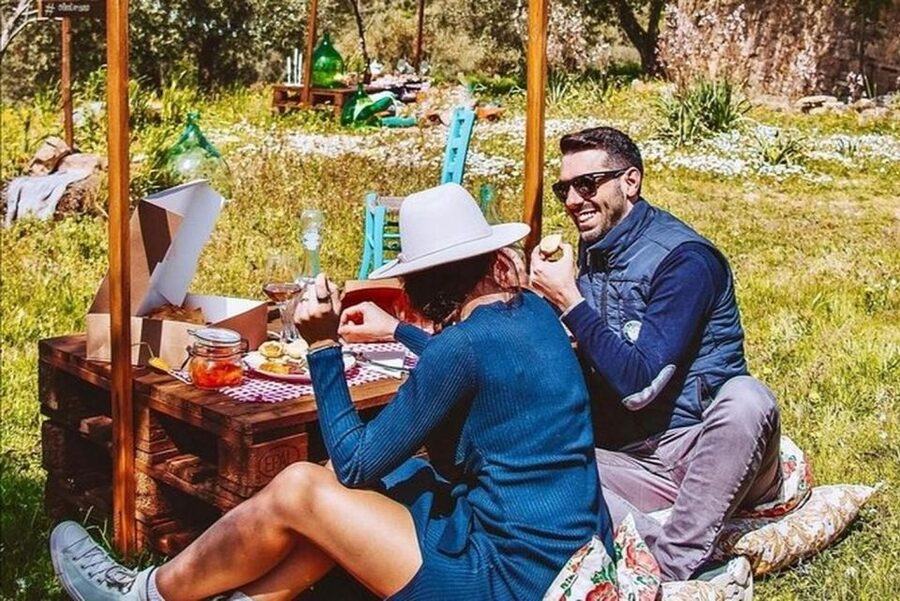
The vintage-style arrangement adds character. It is meant to recall an older rural way of serving food, with family hospitality and local products at the center. The presentation may feel charming to you, though it is not formal or polished. One earlier setup used plastic plates and a simple table, so visitors looking for luxury service may find the style too plain.
Learning how to taste extra virgin olive oil
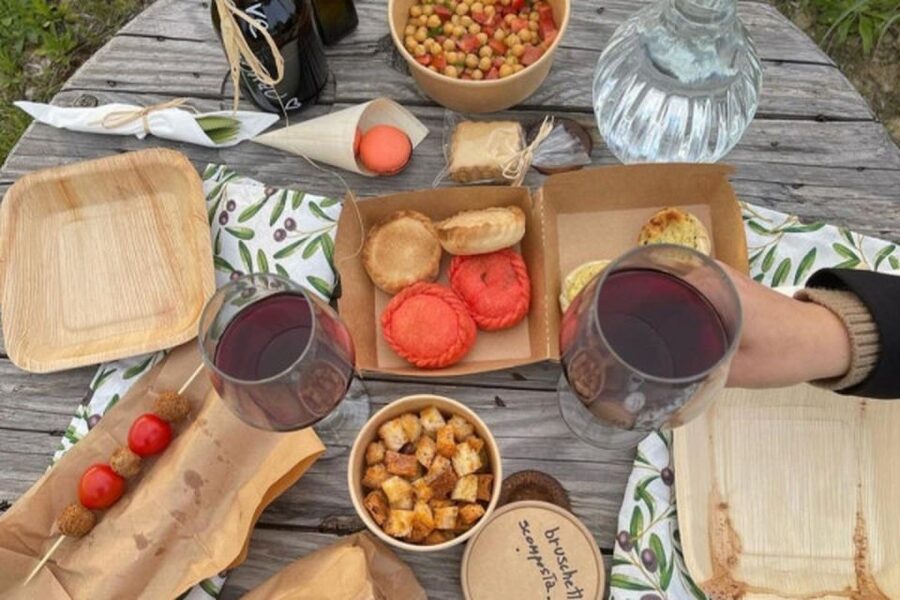
The tasting includes an introductory lesson in extra virgin olive oil. You are not simply handed a bottle and told that it is good. The guide explains how to approach the oil and compare different varieties.
That matters because the first taste can be surprising. Olive oil may smell grassy, fruity, peppery, or bitter. Those qualities are not automatically faults. A short introduction helps you notice the differences instead of treating every oil as the same golden liquid.
The tasting includes several oils made by the producer, along with flavored versions. The flavored oils are paired with local foods so you can see how they work at the table. I find this more useful than tasting oil alone because a strong peppery oil may seem harsh by itself but work beautifully with bread, cheese, or sausage.
A previous session included three olive varieties, pane carasau, pecorino, salsiccia, and wine. Those foods make sense together. Pane carasau, Sardinia’s thin, crisp bread, gives you a neutral base for the oil. Pecorino adds salt and firmness, while sausage brings more fat and spice. The wine helps turn the tasting into a small meal.
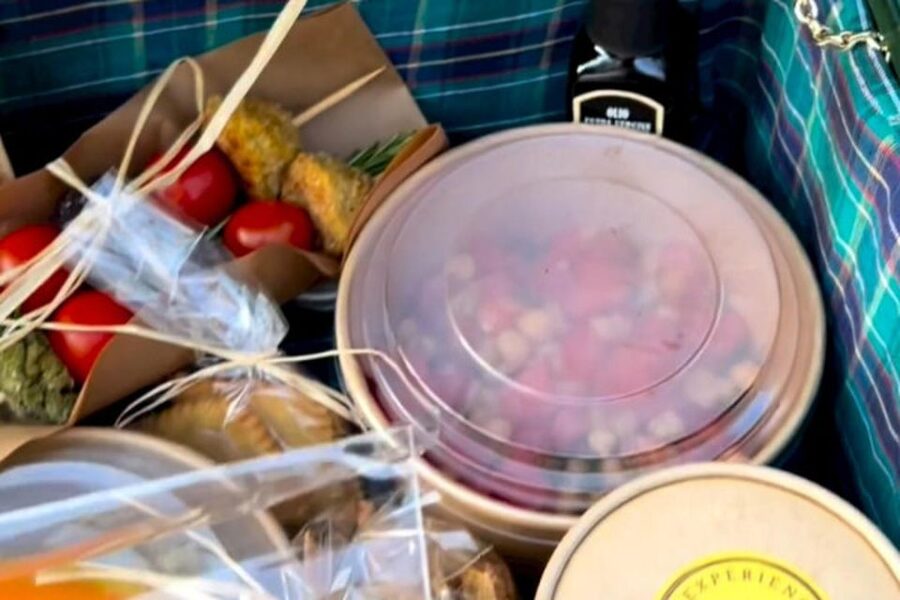
One important point: the food is repeatedly described as generous and very tasty, but the experience is not a full restaurant lunch. You receive a picnic basket with local products, wine, and water, yet the listed duration is only one hour. If you need a substantial midday meal, plan another meal later.
More Olive Oil Tastings with Lunch around Italy:
- Sorrento: Lemon, Olive Oil and Wine Tasting Tour with Lunch
★ 5.0 · 300 reviews - Florence: Great Chianti Wine and Olive Oil Trail with Lunch
★ 4.8 · 160 reviews - Farm-to-Table Experience: Olive Oil, Garden Tour & Nonna’s Lunch
★ 5.0 · 35 reviews - Visit to the olive grove, oil tasting and lunch at the farm
★ 5.0 · 31 reviews
The seven-tasting picnic
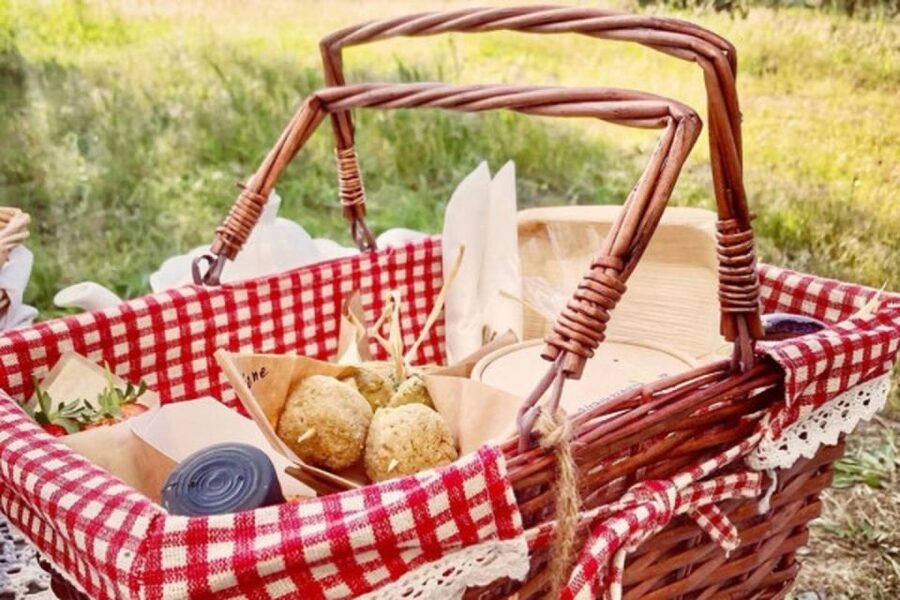
The seven-tasting picnic is the heart of the experience. Rather than serving one oil with one piece of bread, the format gives you several chances to compare flavors and pairings.
The exact seasonal items can change. The description refers to local delicacies and seasonal products, while the known food selection includes bread, three olive varieties, pecorino, sausage, olives, wine, and water. You should expect a regional tasting rather than a fixed restaurant menu.
I like this format because it turns the lesson into something practical. You can decide which flavored oil you prefer, which one works best with cheese, and which one suits bread or meat. If you later buy a bottle, you have a better idea of how to use it at home.
The picnic is also where the value of the experience becomes clearer. At $81 per person, you are paying for more than the food itself. The price includes the guide, the oil education, the family story, the rural setting, the tasting, and a basket with wine and water. For a short one-hour activity, that is not cheap, so the personal presentation and access to the producer matter.
A simple setup is part of the bargain. Do not expect linen tablecloths, elaborate plating, or a long formal meal. The food may be generous, but the setting is rural and practical. I would call the value fair for someone who cares about olive oil and local food, but weaker for someone mainly looking for a scenic picnic.
The people make the difference
The experience depends heavily on the guide. Giuseppe led one highly praised session and was described as friendly, entertaining, and ready to answer questions about olive growing and processing. His explanations covered both the oil trade and the business side of production.
That detail matters because the tour is short. A good guide can make one hour feel focused and worthwhile. A weak presentation would leave you with a few samples and a sales pitch.
The family connection also shapes the mood. The host is not presenting Sardinian food as an abstract cultural display. The idea is that four generations have worked with olive oil, and the tasting shows what that work produces.
Language ability may vary by guide and day. Italian and English are offered, but one earlier session relied heavily on a translation app because the English was uneven. If you need detailed technical explanations in English, send your questions in advance or confirm the language arrangements before you go.
The experience does have a commercial side. Bottles are available for purchase, and one visitor bought two 500-milliliter bottles for €8 each. Buying oil is optional, but you should expect the tasting to lead naturally toward the products for sale. That is normal at a farm-based tasting, though it may feel too sales-focused if you expected a museum visit with no retail element.
What the one-hour schedule really means
The compact duration is useful if you are passing through the area or building a day around several stops. You can learn the basics, taste a range of oils, and enjoy a small meal without giving up half a day.
The same short length creates limits. The guide must fit the family story, museum explanation, production process, tree walk, oil lesson, and picnic into roughly sixty minutes. You will not receive an exhaustive course in Sardinian agriculture.
I would expect a brisk sequence rather than a slow afternoon. You may begin with the family and mill story, see the older and newer extraction methods if available, walk among the trees, and then sit down for the seven tasting picnic. The exact order can vary.
A group of eight is a good size for this format. It is small enough for questions and conversation, but large enough that the tasting does not feel like a private appointment. If the group is full, the picnic may feel more communal than intimate.
Special diets and food expectations
Vegan, gluten-free, and lactose-free options are available, but you must state your needs in the booking notes. Do not wait until you arrive. The standard food selection includes bread, pecorino, and sausage, so substitutes need to be prepared ahead of time.
The oil itself is naturally central to the meal, and olive oil works well with vegan food. Still, the provider needs notice to adjust the other products. I would write the dietary request clearly and keep a copy of it with your booking details.
The food is local and uncomplicated. That is a strength if you want pane carasau, cheese, sausage, olives, and wine in their natural setting. It is less suitable if you want a broad menu or a cooking class.
Is $81 a fair price?
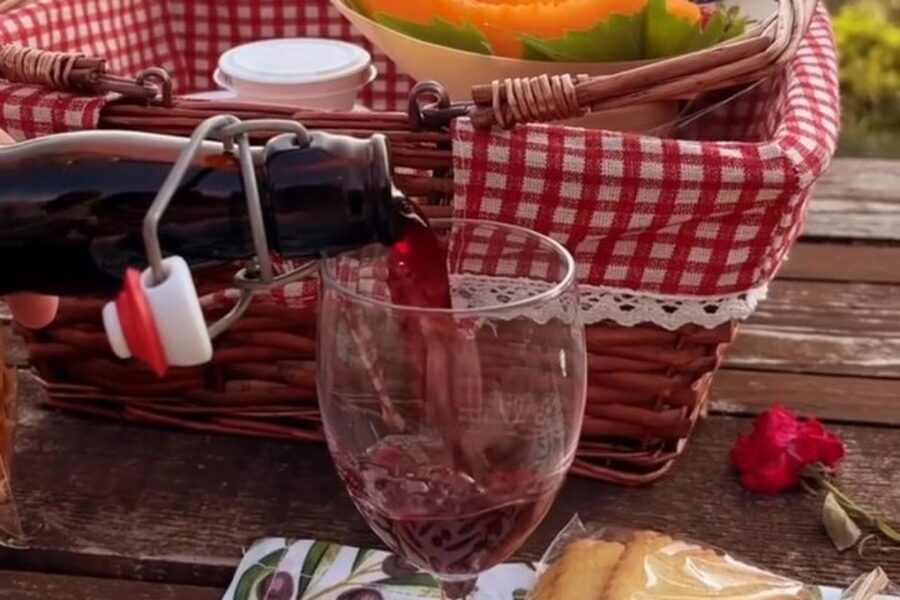
At $81 per person, this is a premium price for a one-hour activity. You are not paying for duration alone. You are paying for a guided producer visit, a small group, a range of oil tastings, local food, wine, water, and the chance to see a family operation in the countryside.
The price makes the most sense for you if olive oil is a real interest. You can taste different styles, learn what you like, and possibly take home a bottle. The value also improves when the guide offers a full explanation and the museum or production area is open.
The price is harder to justify if the mill is closed and the event becomes a simple table tasting. A meal of bread, cheese, sausage, olives, oil, and wine can be enjoyable, but the activity needs the story and presentation to feel distinct from buying similar products at a shop.
I would ask one direct question before booking: will the mill and museum be open on my date, and what exactly will I see? That answer will help you decide if the price matches your expectations.
Who should book this experience?
I would recommend it to people who enjoy regional food, small producers, family stories, and rural settings. It suits couples, small groups, and anyone who prefers a tasting with conversation instead of a large commercial food tour.
It is also a good choice for visitors who want to understand how to use olive oil, not just taste it. The pairings with bread, cheese, sausage, and seasonal foods give you ideas you can use when you return home.
Families may enjoy the food and outdoor setting, though the one-hour program is built around explanation and tasting rather than children’s entertainment. The small group may help keep the session manageable, but no dedicated children’s activities are listed.
I would hesitate if you want an active farm visit, a long walk, a working mill in operation, or a luxury picnic. The experience can be warm and informative, but it is plainly presented and partly dependent on the season.
Booking advice and final verdict
You can cancel for a full refund up to 24 hours before the start, and you can reserve now and pay later. Those options help if your Sardinia plans are still moving, but they do not solve a date or meeting-point error, so check the confirmation carefully.
I would book this if the provider confirms that the mill or museum portion will be available and you enjoy tasting local products in an informal setting. Ask about the operating area, the language of the guide, and the food included on your date.
I would skip it if your main goal is a guaranteed factory tour. In that case, the closed-mill experience described above could leave you disappointed. If your goal is good Sardinian oil, local food, and a personal introduction from a family producer, this can be a memorable short stop, especially when the guide brings the story to life.
FAQ
Where does the olive oil tasting take place?
It takes place at Sa Mola oleificio, località Figarba, 08030 Escolca, in the Province of Cagliari, Sardinia.
How long does the experience last?
The scheduled duration is one hour.
How much does the experience cost?
The listed price is $81 per person.
What is included in the price?
The experience includes a guided extra virgin olive oil tasting and a picnic among the olive trees with a basket of food, wine, and water.
How many people can join the group?
The group is limited to eight participants.
Which languages are available?
The experience is offered in Italian and English.
Are special dietary options available?
Vegan, gluten-free, and lactose-free options are available. You need to state your dietary needs in the booking notes.
Can I cancel the booking?
You can cancel up to 24 hours in advance for a full refund. You can also reserve and pay later.
Just added around Italy
- Villa Castelli: Highlights Walking Tour w/ Olive Oil Tasting★ 4.8 · 12 reviews
- Umbria: E-Bike Rental and Fresh EV Olive Oil Tasting★ 5.0 · 4 reviews
- Vernazza (5 Terre): olive grove tour and oil and wine tasting★ 5.0 · 9 reviews
- Trieste’s Essence: Wine and Olive Oil Tasting★ 5.0 · 3 reviews
- Half-Day Chianti Wine and Olive Oil Tour from Viareggio★ 4.0 · 5 reviews
- Valpolicella Wine and Olive Oil Tasting with Lunch from Verona★ 5.0 · 2 reviews
- From Venice: Olive Oil & Wine Tour in the Venetian Hills★ 5.0 · 9 reviews
- Private Tuk Tuk Tour of the Millenary Olive Groves in Ostuni★ 5.0 · 4 reviews
Olive Grove Walks, compared.
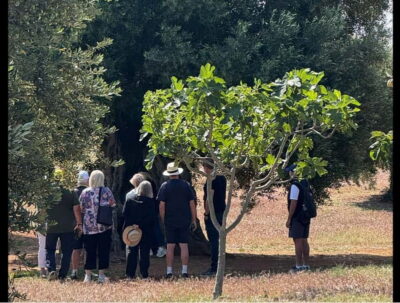
Masseria tour among thousand-year-old olive trees with oil tasting
Read our review →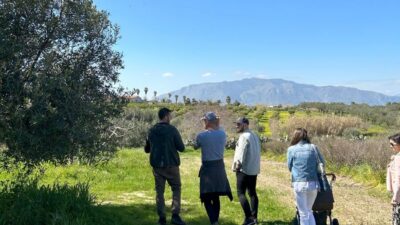
Olive Grove Tour with Wines & Olive Oil Tasting
Read our review →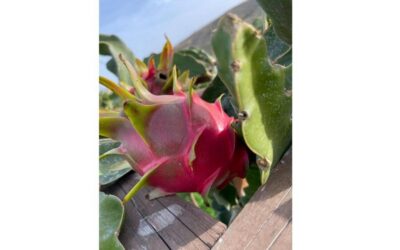
Traditional Olive Grove and Dragon Fruit Farm Tour
Read our review →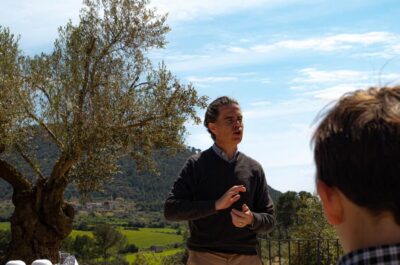
Visit of the olive grove, olive oil tasting and snack
Read our review →
Bologna: Olive Grove and Vineyard Tour with Product Tastings
Read our review →
Balestrate Olive Grove Tour: Wine and Olive Oil Tasting
Read our review →
Guided tours of the olive grove with oil tasting.
Read our review →
Organic Olive Grove tour & Olive oil tasting & lunch in Kalamata!
Read our review →Browse the lists this tour appears in