
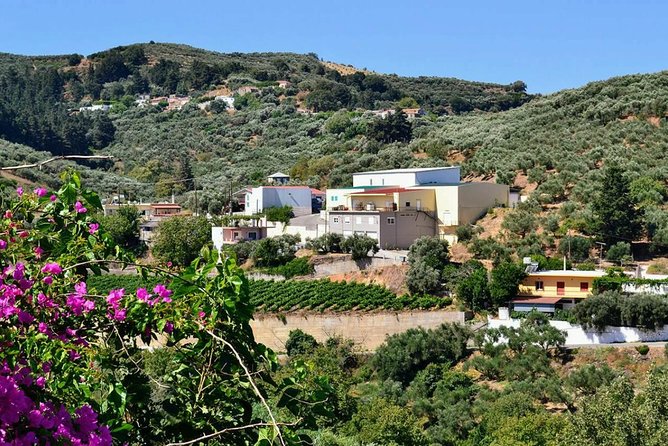
Review · CHANIA
Wine & Olive Oil tasting one day private tour in Crete
Ancient trees and local wine make a fine pairing. This private Crete tour combines the Monastery of the Holy Trinity Tzagarolon, Chania’s old town, and a family winery in one well-paced outing. I like the private vehicle and flexible pace, and I like the chance to taste both wine and olive oil while meeting the people behind these local products. The main drawback is that lunch costs extra, and the five-hour schedule may feel tight if you want a long visit in Chania.
The tour begins at 10:30 a.m. with pickup from several locations. You spend roughly five to six hours on the road and at the sites, then have the rest of the day free. That timing works well for a morning or afternoon plan, but you should allow room for the winery visits, Chania walk, and driving between stops.
Key points to know before booking
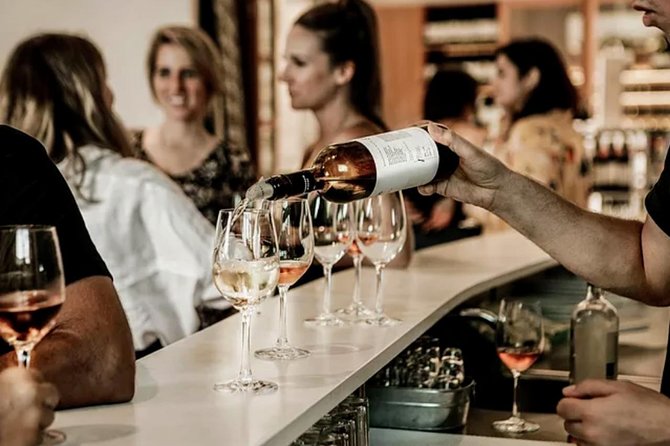
- Five wines at the monastery: Taste wine with rusk, extra virgin olive oil, sea salt, and oregano at the Monastery of the Holy Trinity Tzagarolon.
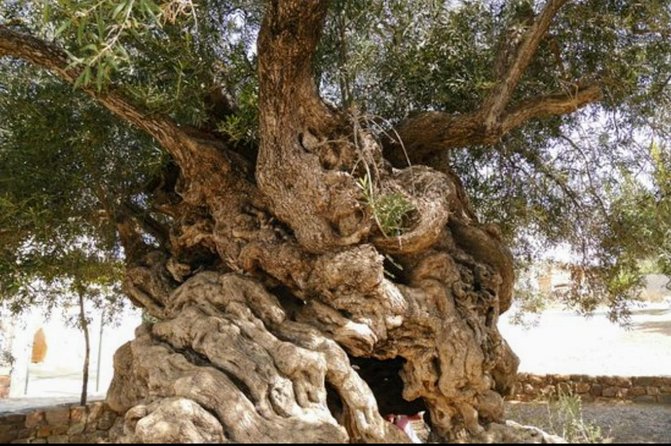
- A very old olive tree: The route includes one of the oldest olive trees in the world, a memorable stop for anyone interested in Cretan farming.
- Private touring pace: Only your group takes part, so you do not share the vehicle with strangers.
- Chania built into the day: You get time to walk narrow streets, browse leather and ceramics, and visit the local market.
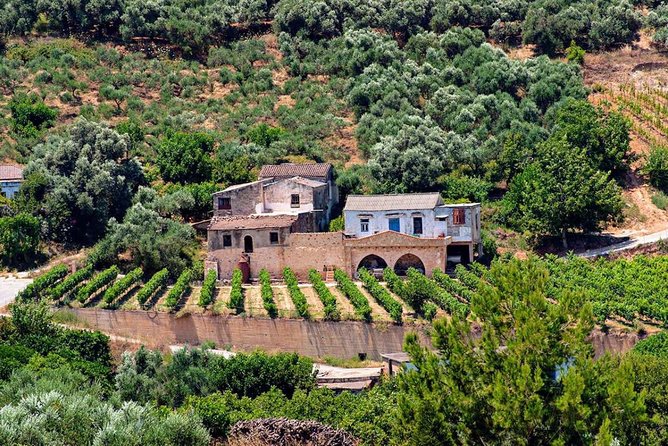
- A second winery and small farm: The family winery covers more than 200 acres and pours five wines made from local and international grapes.
- Lunch is optional and extra: A winery lunch at Kissavos Mountain is available, but it is not included in the $178.10 per-person price.
Why this private Crete tour works well
This is not just a tasting room visit. It connects three parts of Cretan life: Orthodox religious tradition, olive farming, and wine production. You see how local products are made, taste them in a regional setting, and then spend time in Chania, where those products appear in shops and market stalls.
I especially like the private format. With a shared group, a stop at an olive oil factory can feel rushed or overly fixed. Here, your driver can adjust the rhythm within the available time. You still follow a planned route, but you have a better chance to linger over a tasting, ask questions, or spend a little more time browsing in Chania.
The price is $178.10 per person. That is not a cheap half-day outing, but it includes private transportation, pickup and drop-off, bottled water, snacks, entrance-related fees, and multiple tastings at two wine stops. For a couple or small group that would otherwise arrange a car and several visits separately, the cost can be reasonable. You are paying for transport, planning, and access as well as the food and drink.
The value is weaker if you mainly want a quick glass of wine. The tour includes a lot of driving and several different stops, so it suits people who want a broad introduction to Cretan food and culture rather than a long, relaxed afternoon at one winery.
More Olive Oil and Wine Tastings around Chania:
- Crete Wine and Olive Oil Tour
★ 5.0 · 272 reviews - Wine & Olive Oil Tour with Lunch at Milia Mountain Retreat
★ 5.0 · 194 reviews - Wine & Olive Oil Tour with Lunch – Semi Private Safari Tour
★ 5.0 · 156 reviews
Starting at the Monastery of the Holy Trinity Tzagarolon
The first major stop is the Monastery of the Holy Trinity Tzagarolon, a Venetian-era religious site. The setting gives the tasting a stronger sense of place than a modern bar or hotel lounge. You are sampling products made within a living monastery tradition, not simply trying anonymous bottles in a city shop.
The monastery produces organic olive oil, wine, honey, vinegar, and soap. That range helps you see how closely food, farming, and household goods are linked in Crete. Olive oil is not treated as a garnish here. It is one of the central products of the island, used for cooking, dipping, preserving, and trade.
The tasting includes five wines, served with rusk, extra virgin olive oil, sea salt, and oregano. The rusk is a useful local touch because it gives you something substantial to eat while you taste. Salt and oregano also help show how simple Cretan ingredients can change the character of bread and oil.
You may find the monastery more interesting if you take a little time to look beyond the tasting table. The grounds and buildings connect the food to the religious setting, while the museum adds an art and history layer. Inside, you can see church icons and a 12th-century manuscript cover, along with 16th and 17th-century icons of St. John the Theologian and St. Nicholas.
This part of the outing may not satisfy someone who wants a detailed museum visit. The tour has several stops to fit into one day, so the monastery visit is part of a wider route rather than a long, specialist religious tour. Still, it gives the day a distinctive opening and makes the wine and olive oil feel rooted in local life.
Seeing one of Crete’s oldest olive trees
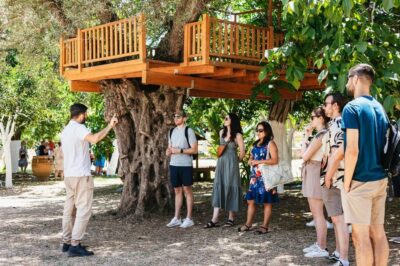
The route also includes one of the oldest olive trees in the world. This is a small detail with real weight. Olive trees can live for centuries, and seeing an ancient specimen helps you understand why the tree is such a strong symbol of Crete.
I would pay attention here to the shape of the trunk and the way the tree has continued to produce life over generations. You are not simply looking at another farm tree. It represents the long agricultural continuity behind the oil you taste later.
The stop should appeal to you if you enjoy food with a story attached to it. You can taste a bottle of olive oil almost anywhere, but it is more meaningful after seeing an ancient tree and visiting a place where oil is still made. The experience also suits photographers, though the tour information does not specify how much time is set aside at the tree.
Chania old town, shops, and market flavors
The next part brings you into Chania’s old city. The narrow streets are lined with shops selling leather goods and ceramics, and the local market offers honey, herbs, cheese, and olive oil.
This is a useful change of pace after the monastery. You move from a quiet religious setting into the everyday commercial life of the city. The market is also where the earlier tastings start to make sense. You can see the products in a wider food culture, rather than treating them as isolated samples.
I would use this stop to browse rather than plan a major shopping mission. The tour lasts about five hours, so your time in Chania is limited by the other visits. If you want a long, unhurried walk through every lane, you may need a separate visit on another day.
The city stop is especially useful for first-time visitors to Chania who want a short introduction without giving up an entire day. You can pick up ideas for later meals or souvenirs, and the market gives you a chance to compare the character of Cretan goods with what you tasted at the monastery.
The private format matters here. A large group can make narrow streets awkward, especially when people stop at different shops. With only your own party, you can set a more natural pace, although the overall schedule still limits how long you can stay.
More One-Day Trips around Chania:
- 1 Day Rhodes Island Tour including Lindos and Medieval City
★ 4.0 · 82 reviews - Olive Oil Tasting and Culinary Day Trip in Carmona
★ 5.0 · 2 reviews
The family winery and its five-wine tasting
The final major stop is a family winery covering more than 200 acres. You can tour the facilities, taste five wines, try local delicacies, and visit the winery’s small farm.
This second tasting gives the day useful variety. The monastery focuses on a religious and traditional setting, while the family winery lets you see a larger agricultural operation. The range of grapes includes Assyrtyko, Romeiko, Vilana, and both native and international varieties.
That mix is helpful for anyone trying to understand Cretan wine. Native grapes show you something tied to the island, while international varieties give you a familiar reference point. You do not need to be a wine expert to enjoy the comparison. The best approach is to notice which wines you prefer and ask about the differences in style and grape.
The local delicacies served with the wine are important, too. Food keeps the tasting from becoming a string of empty glasses, and it shows how the wines fit with regional flavors. Snacks and bottled water are included, but a full lunch is not.
The farm visit adds another practical touch. It keeps the winery from feeling like a production facility only. You get a glimpse of the land connected to the bottles, which can make the tasting feel less abstract.
Keep your expectations measured. The tour description does not promise a technical wine seminar, cellar aging session, or a private meeting with the winemaker. If your goal is advanced wine education, you may want a specialist tasting. If your goal is to sample several Cretan varieties in a pleasant setting, this stop provides plenty.
Lunch at Kissavos Mountain costs extra
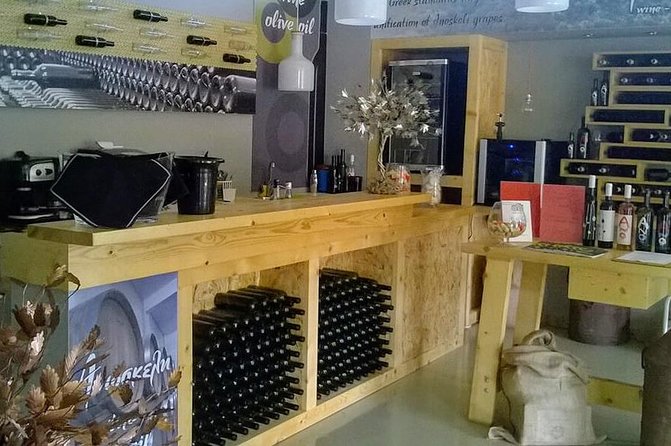
A local lunch at a winery at Kissavos Mountain can be added for an additional fee. This is worth considering because the tour covers a large part of the day, and the tastings are not the same as a full meal.
The optional lunch may be a good value if you want to keep the day centered on local food and avoid arranging another restaurant afterward. It also gives you more time to enjoy the winery setting rather than rushing off once the tasting ends.
You should confirm the extra cost before booking or before the day begins. Since lunch is not included, the advertised price does not cover it. If you prefer to control your spending, bring that into your plan and treat the provided snacks as a light stop rather than a meal.
Transport, timing, and how the private format changes the day
Pickup and drop-off are provided from several locations, which makes the tour simpler if you are staying in or near Chania. The start time is 10:30 a.m., and the duration is listed at approximately five hours, with the highlights describing the outing as around six hours. Plan for a half-day commitment rather than relying on an exact return minute.
Private transportation is included. You are not responsible for navigating between the monastery, Chania, and the winery, and you do not need to assign a driver after wine tasting. That alone adds practical value, especially for a group that wants to taste several wines.
Only your group participates. This is the strongest reason to choose this tour instead of a cheaper shared excursion. You can ask questions without competing with a busload of people, and the day can feel more personal.
The driver can make a large difference. Dimitri is described as coming from generations of olive farmers and as being able to explain the areas along the road. That kind of family connection is useful on a countryside route because the drive becomes part of the experience, not just transport between stops.
Rallou is another named host associated with the olive oil visit. Her friendly manner and explanations about Cretan culture add value to the production stop. These personal touches are among the strongest parts of the experience, especially if you want context rather than silent sampling.
Who should book this experience
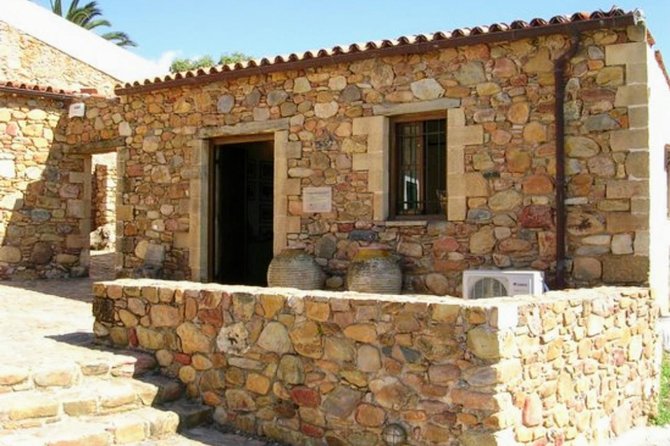
I would recommend this tour to couples, families, and small groups who want several Cretan experiences in one outing. It is a good match if you enjoy food, local products, light cultural sightseeing, and scenic drives.
It also suits people who do not want to rent a car. You get a private vehicle, pickup, and a driver familiar with the route. The wine tasting is safer and easier when nobody in your party has to drive afterward.
The tour may not suit you if you want a full day devoted to Chania. You will see the old city, but you will not have unlimited time for museums, shopping, or a long waterfront meal. It may also disappoint serious wine collectors who want extensive technical detail or a large selection of bottles.
The schedule is best for people who like variety. You move from monastery to olive tree, city streets, market goods, and family winery. If you prefer one slow activity, this route may feel busy.
Booking, cancellation, and weather details
The experience requires good weather. If poor weather forces cancellation, you can receive a full refund or choose another date. A minimum number of participants is also required, even though the activity itself is private to your group.
You can cancel for a full refund up to 24 hours before the start time. Changes or cancellations made less than 24 hours before the tour are not accepted for a refund, so check your plans carefully.
Confirmation is provided at booking. The tour starts at 10:30 a.m., and pickup is offered from several places. Since the exact pickup area is not specified here, confirm that your accommodation is included before you finalize the reservation.
Should you book the Crete wine and olive oil tour?
Book it if you want a well-rounded introduction to Cretan food and countryside without arranging several separate visits. The combination of an ancient olive tree, monastery production, Chania market life, and a family winery gives you more range than a standard tasting trip.
I especially value the private vehicle, the two tasting settings, and the human connection provided by Dimitri and Rallou. The main caution is cost: $178.10 per person is a serious half-day expense, and lunch is extra. For a small group that values comfort and convenience, the price can make sense. For budget visitors or dedicated Chania sightseers, a simpler plan may be better.
FAQ
What time does the tour start?
The tour starts at 10:30 a.m.
How long does the experience last?
The tour lasts approximately five hours, with the highlights describing the outing as around six hours. The rest of the day is free afterward.
Is transportation included?
Yes. Private transportation, pickup, and drop-off are provided from several locations.
Is lunch included?
No. A local lunch at a winery at Kissavos Mountain is available for an additional fee.
Is this a shared group tour?
No. This is a private activity, so only your group participates.
What happens if the weather is poor?
The tour requires good weather. If it is canceled because of poor weather, you will be offered another date or a full refund.
Just added around Chania
- Wine, Beer, Olive Oil Tasting Private Tour (price per group of 6)★ 5.0 · 4 reviews
- Discover Rethymno, Lake Kournas & the Secrets of Cretan Olive Oil★ 5.0 · 10 reviews
- Rethymnon Olive Tree Sponsorship Protect and Plant Tour★ 5.0 · 5 reviews
- Chania Old Town – Millennial Olive Tree – Olive Oil Mill★ 5.0 · 2 reviews
- Crete Off-Road & Flavors Safari: Wine, Olive Oil & Mountain Life★ 5.0 · 9 reviews
- Monastery – Ancient Olive tree & Museum-Cretan Brewery Private Tour from Chania★ 5.0 · 5 reviews
- Private Tour Elafonisi Beach with Honey Olive Oil & Wine Tastings★ 5.0 · 12 reviews
- Crete: Local Wine Tasting & Visit to the Ancient Olive Tree★ 5.0 · 2 reviews
Olive Oil and Wine Tastings, compared.
Sorrento Farm and Food Experience including Olive Oil, Limoncello, Wine tasting
Read our review →
Krka Waterfalls With Boat Cruise, Wine and Olive Oil
Read our review →

Lemon, Olive Oil and Wine Tasting Tour with Lunch
Read our review →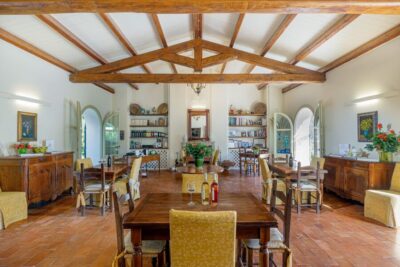
Browse the lists this tour appears in