
Review · CRETE
Chania: Authentic Crete Villages Tour & Olive Oil Tasting
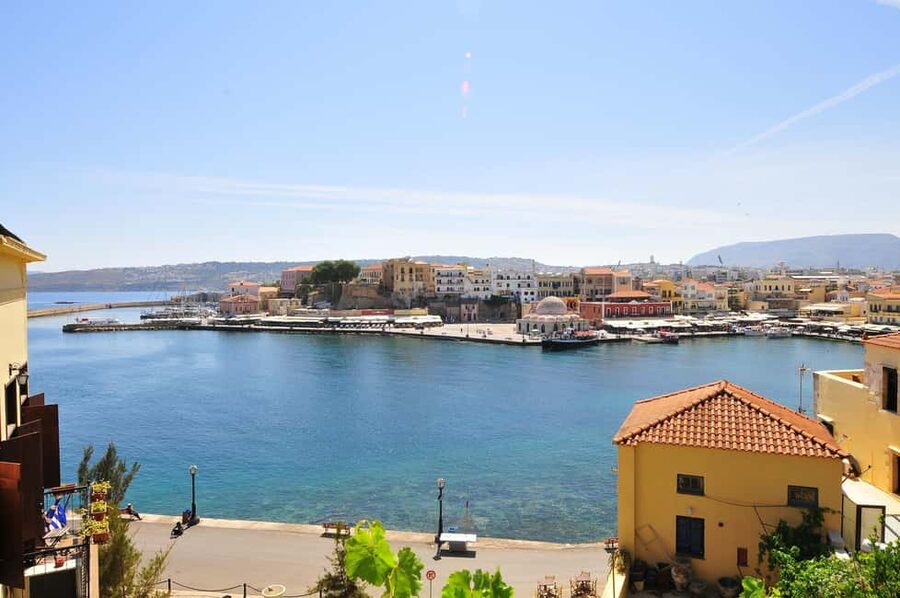
Crete gets quieter fast. This five-hour private tour from Chania takes you into the Apokoronas countryside, where village squares, mountain air, riverside paths, and old stone homes replace the busy coast. I like the personal format, with an English-speaking driver who can adjust the route, and I like the olive oil visit, especially the chance to see an olive tree said to be more than 2,500 years old. The main drawback is the pace: four villages, an oil tasting, and the drive back to Chania leave limited time for long walks or unhurried meals.
At $174 per person, this makes the most sense for a small group that values a private car and local guidance over a large coach tour. You get hotel pickup, fuel, tolls, water, Wi-Fi, and a comfortable air-conditioned vehicle. I would not choose it for a beach day or a serious food tour, but it is a useful way to see rural Crete without renting a car.
Key points to know before booking
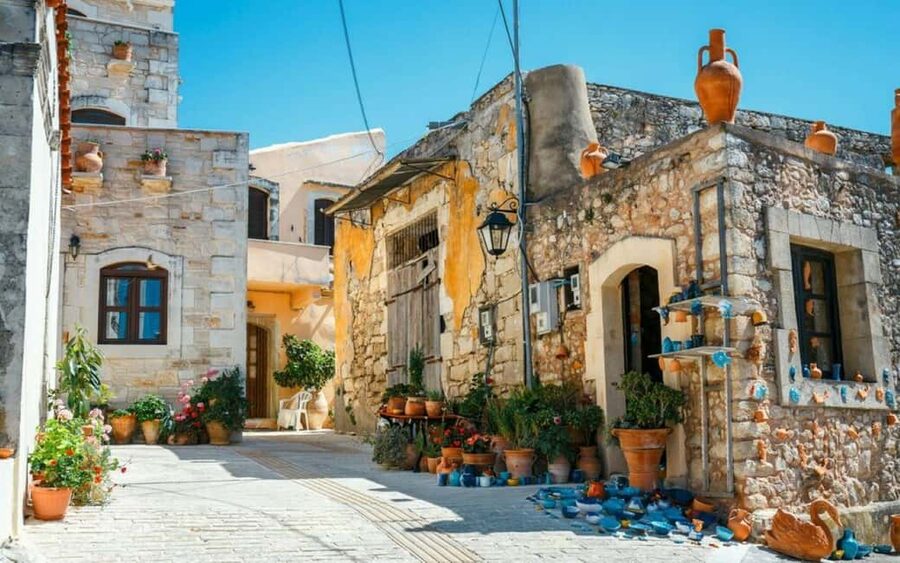
- Four Apokoronas villages in five hours: Stilos, Fres, Vryses, and Gavalohori each offer a different look at rural Crete.
- A private driver-guide: Your English-speaking driver provides local background and may suggest extra stops or route changes.
- Olive oil with ancient roots: The tasting includes local oils and a chance to admire an olive tree more than 2,500 years old.
- Comfortable door-to-door transport: Pickup and drop-off in Chania, water, Wi-Fi, fuel, and tolls are included.
- Best for small groups: One to four people travel by sedan, while five to eight use a minivan.
- A short, scenic outing: Five hours gives you a taste of village life, but not enough time for lengthy exploration at every stop.
Why this Chania countryside tour is different
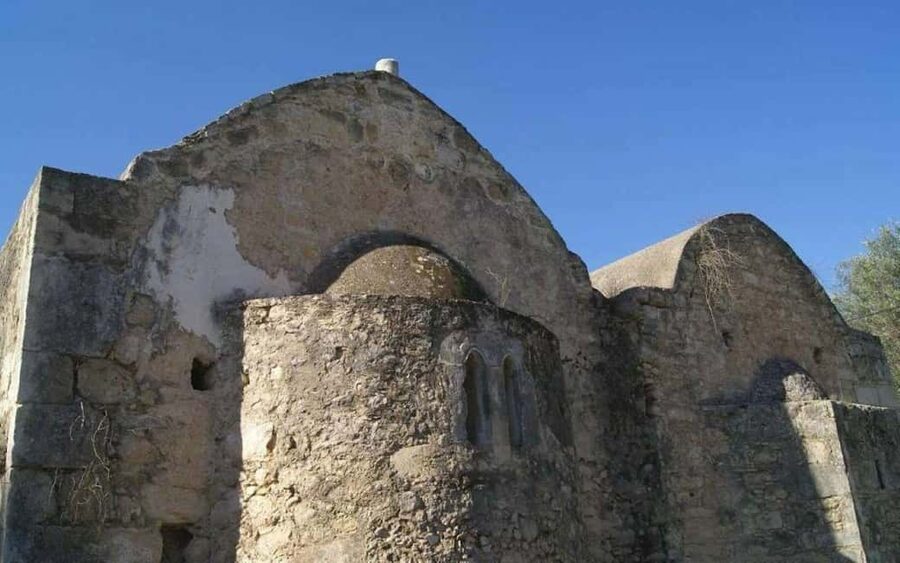
Many visitors see Crete through its beaches, harbor towns, and archaeological sites. This outing points inland to the Apokoronas region, where the pleasure comes from smaller details: a village café, a shaded path beside water, citrus trees, old stone buildings, and the quiet rhythm of people taking coffee.
I like that the route is private rather than fixed around a large group. You are not waiting for dozens of people to get back on a bus. If you want more time in Gavalohori, a quick photo stop, or an extra village pause, you can ask the driver. The tour information specifically allows adjustments and additional stops, although the final route will depend on the available five-hour window.
Your driver is both chauffeur and informal guide. That is useful for this kind of trip, since the villages are not presented as formal museum sites with a long list of displays. The value comes from understanding what you are seeing and getting suggestions about local places and lesser-known corners.
The private format also affects the price. At $174 per person, the cost is not bargain transport, especially for a solo visitor. For a group of four, though, the price buys a private vehicle, hotel transfers, an English-speaking driver, and flexibility. A group of five to eight gets a minivan, which makes the per-person cost easier to justify.
More Traditional Village Tours around Greece:
- Crete: Quad Safari, Olive Mill with Tasting & Ghost Village
★ 4.9 · 1,004 reviews - Knossos-Zeus Cave -Old Traditional Villages-Olive Oil Factory
★ 5.0 · 694 reviews - Knossos & Lasithi Plateau: Zeus Cave,Villages, Olive Oil Tour
★ 5.0 · 328 reviews
Stilos, where the countryside begins
Stilos is the gentle opening to the day. The village is known for natural springs, citrus groves, and traditional buildings, so the first impression is green, cool, and rural rather than dramatic.
I would use this stop to slow down after pickup. Take in the mountain air, look at the older architecture, and notice how different the setting feels from Chania. The point is not to rush from one sight to the next. Stilos gives you a first taste of village life and helps set the tone for the rest of the drive.
The stop may feel modest if you expect a major attraction. There is no promise of a long guided visit or a formal monument tour. You are here for atmosphere, scenery, and a glimpse of ordinary Cretan surroundings. Comfortable shoes are still worthwhile, since village exploration means walking on uneven streets and paths.
Fres and the daily coffee ritual
Fres sits at the base of the White Mountains and offers one of the clearest examples of small-town Cretan life on this route. Its main square is lined with traditional cafés, where locals gather for coffee.
This is a good place to watch rather than perform. You can stroll around the square, take photographs, and enjoy the calm setting. If you want to understand the appeal of rural Crete, the scene is simple: a central meeting place, old buildings, mountain views, and a slower pace.
I would ask your driver how long you can spend here before the day begins to feel rushed. Five hours covers a lot of ground, and each village has its own character. Fres is most rewarding when you have enough time to sit briefly, rather than treating it as a quick photo stop.
The tour does not include meals or other drinks, so coffee or any refreshments here are extra. That is not a major problem, but it is worth carrying water and a little spending money. Bottled water is included in the tour.
Vryses beside water and shade
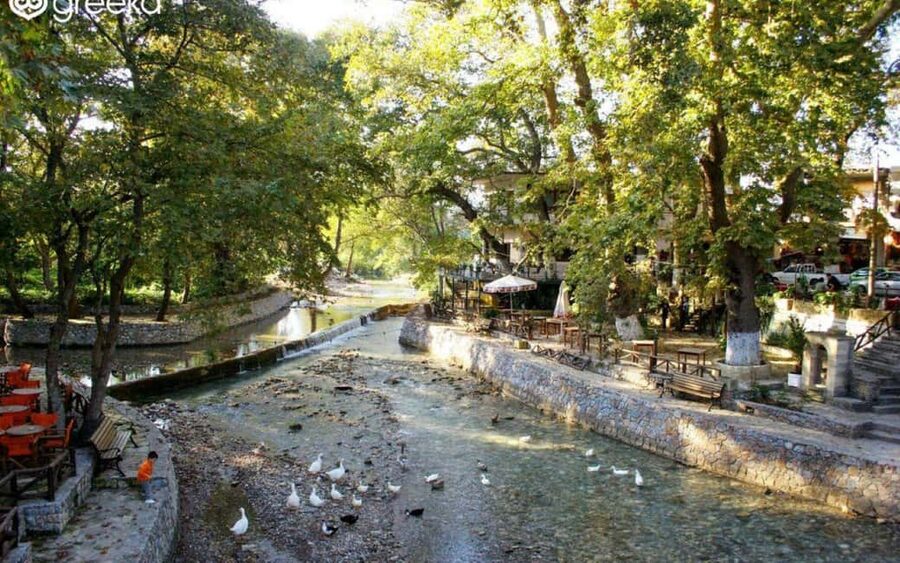
Vryses brings a different setting. The village is known for its riverside environment, small lake, greenery, ducks, and turtles. After the drier, stone-built feel you may associate with parts of Crete, the water and shade offer a welcome change.
You can walk along the shaded paths or pause beside the water. This may be the most relaxing stop for anyone who enjoys small natural areas rather than monuments. It is also a pleasant place for photographs, especially if the ducks and turtles are visible.
The activity information lists Vryses twice in the route details, but the main description presents it as one village visit. I would treat it as a single stop unless your driver suggests otherwise. The exact amount of walking is not specified, so anyone with mobility concerns should ask in advance.
Wheelchair users are not considered suitable for this tour. That matters here in particular, since village streets, paths, and riverside areas may not offer easy access. The vehicle itself is comfortable, but the full experience involves getting out and walking around.
More Olive Oil Tours around Greece:
- The Governor’s Olive Mill Tour with Olive Oil Tasting
★ 5.0 · 502 reviews - From Chania: Olive Oil, Wine, Cheese & Honey Tasting Tour
★ 4.6 · 490 reviews - Crete: Road-trip to Lasithi, Zeus Cave & Olive Mill Farm
★ 4.4 · 451 reviews - Heraklion: Olive Farm Tour with Tasting of Local Delicacies
★ 4.9 · 411 reviews
The olive oil tasting and a 2,500-year-old tree
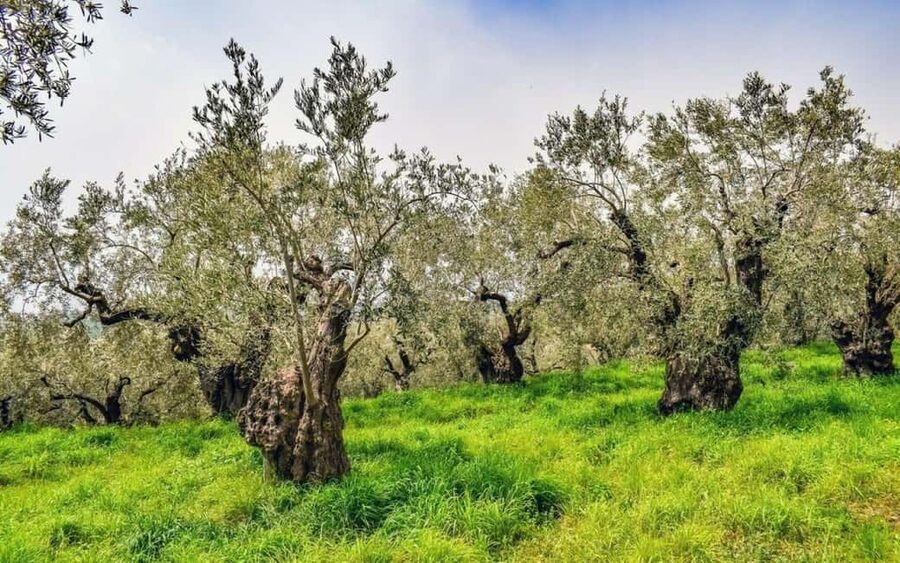
The olive oil visit is the most distinctive part of the day. You will learn about traditional Cretan olive cultivation, sample local oils, and see an ancient olive tree said to be more than 2,500 years old.
The itinerary refers to an argan oil factory, while the main tour description focuses on olive oil tasting. Since the advertised experience centers on Cretan olive oil, I would confirm the exact stop and tasting details when booking. That small wording difference is worth clearing up if the oil visit is your main reason for choosing the tour.
For you, the tasting adds context to the countryside. Olive trees are not just scenery in Crete. They are tied to farming, cooking, family land, and the island’s long relationship with agriculture. Sampling oil after driving through villages and groves makes the subject more tangible than simply buying a bottle in a shop.
Do not expect a full meal. Other beverages and food are not included. The value is in the tasting and the explanation, not in a large spread or a formal cooking class. If you are particularly interested in olive oil, ask your driver whether there is time to discuss how the oils differ and what local products are available.
The ancient tree is also a strong photo stop, but the age claim is part of the tour’s presentation rather than something you should treat as a formal archaeological visit. Still, seeing a living tree associated with thousands of years of cultivation gives the day a memorable center.
Gavalohori, stone streets and a quiet square
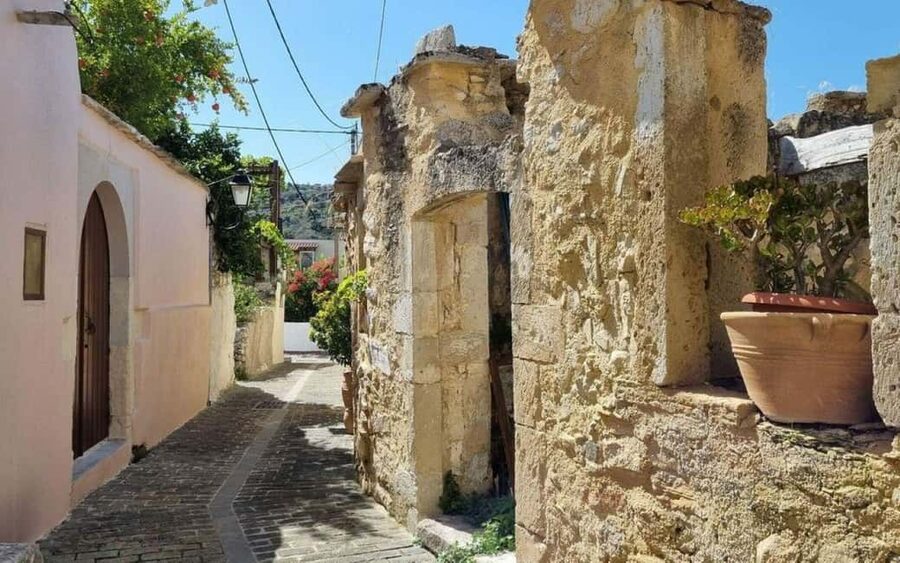
Gavalohori is the final village and perhaps the most architectural stop. You can walk through narrow stone-paved streets, look at well-preserved traditional buildings, and pause in the central square.
This is where I would save a little energy. After several short visits, Gavalohori gives you a chance to absorb the character of a historic village rather than simply passing through. A coffee or glass of raki in the square is possible, but it is not included in the price.
The peaceful setting is the appeal. You are not being promised a packed program of monuments or entertainment. Instead, you get stone lanes, local architecture, and a chance to sit among everyday village life. That suits you if you prefer quiet places and small details.
If you want to make the most of Gavalohori, ask the driver how much time remains before returning to Chania. Since it is the last stop, it can be tempting to linger. The tradeoff is simple: more time here means less flexibility earlier or a tighter return schedule.
What the five-hour schedule means
Five hours is enough for a broad introduction, not a slow village holiday. You will see four communities and an olive oil stop, but you should expect short visits rather than long independent walks at every location.
The route works because the villages are close enough to connect in one outing, and the private vehicle removes the need to manage rural transport yourself. You can look out at the countryside instead of concentrating on directions, parking, and unfamiliar roads.
Still, the day has a built-in limit. If you want a long café break, detailed photography, extended shopping, and a full tasting session, this tour may feel compressed. I would choose it for variety and ease, not for deep study of one village.
The schedule can also be shaped by your driver. The provider encourages requests for extra stops, changes, and local suggestions. That flexibility is one of the strongest reasons to book privately, though it does not create extra hours. A request to linger in one place may mean dropping another stop.
The car, group size, and comfort
For one to four people, the group travels in a comfortable sedan. Groups of five to eight use a spacious minivan. Both formats include air conditioning, Wi-Fi, and water.
Hotel pickup and drop-off in Chania make this especially practical if you do not have a rental car. Fuel, tolls, taxes, and handling charges are included, so you are not dealing with surprise transport costs during the outing.
The driver speaks English and provides local information at each stop. The level of guiding may feel less formal than a specialist cultural tour, since the driver also handles the road and timing. For many people, that is a fair trade. You get a personal contact who can adjust the day instead of a fixed lecture delivered to a crowd.
Wear comfortable shoes, bring sunscreen and a sun hat, and carry a camera. The countryside may look cool and green in places, but sun exposure is still a concern. Pets are not allowed, and you should share any special assistance needs or service-animal requirements when booking.
Is $174 per person a fair price?
The price needs to be judged by group size. For a single person, $174 is a substantial half-day expense. For two people, it buys convenience and privacy. For four people, the private vehicle and flexible route make the cost more competitive with arranging several separate taxis or a rental car.
You are paying for more than driving. The package includes pickup and return, an English-speaking driver, fuel, tolls, Wi-Fi, water, and the olive oil experience. Meals and other drinks cost extra, so you should not compare this with a package that includes lunch.
The strongest value is time saved. You do not need to research village connections, find parking, or work out how to reach small countryside communities. If you have only a short stay in Chania, that convenience may be worth more than the lowest possible price.
The weaker value appears if you already have a rental car and feel comfortable driving rural roads. In that case, you may prefer to visit fewer places at your own pace. The tour earns its price through the private guide, not through a long list of included meals or admissions.
Who should book this experience?
I would recommend it to couples, families, and small groups who want rural Crete without handling the driving. It is also a good fit if you have already seen Chania’s old town and want a quieter half-day beyond the coast.
You will probably enjoy it most if you like:
- Small villages rather than major attractions
- Local food traditions and olive oil
- Scenic drives and peaceful squares
- Flexible private tours
- Short walks with several different stops
I would be more cautious if you need wheelchair access, want a full meal included, or prefer one location explored in great detail. The tour is also not designed for people who want a demanding hike or a formal, specialist lecture on Cretan agriculture.
The experience has earned a strong overall rating of 4.5 from two ratings, with particular praise for the scenery, guide flexibility, and personal local insight. Those are exactly the qualities that matter here. The route itself is pleasant, but the driver’s ability to shape the day can determine whether it feels merely efficient or genuinely personal.
Should you book the village and olive oil tour?
Book it if you want an easy, private introduction to the Cretan countryside from Chania. The combination of Stilos, Fres, Vryses, Gavalohori, and the olive oil stop gives you variety, while hotel pickup removes the hassle of rural transport.
Before paying, confirm the exact oil-factory stop, ask how much walking is expected, and tell the provider if you want extra time in a particular village. If your group has four people, the price is easier to defend. If you are alone, compare it with other private outings.
For a relaxed look at village Crete, this is a sensible choice. Just keep your expectations realistic: it is a scenic and flexible five-hour sampler, not a full-day cultural expedition.
FAQ
How long does the tour last?
The tour lasts five hours, including the village visits, olive oil experience, and return to Chania.
Where does the tour begin and end?
Pickup and drop-off are provided at your accommodation in Chania.
Which villages are included?
The route includes Stilos, Fres, Vryses, and Gavalohori in the Apokoronas region.
Is olive oil tasting included?
Yes. The experience includes tasting local olive oils and learning about Cretan olive cultivation. It also includes a visit to an ancient olive tree said to be more than 2,500 years old.
Is the tour private?
Yes. It is a private group experience. One to four people use a sedan, while five to eight people use a minivan.
Is the driver an English-speaking guide?
Yes. A personal English-speaking professional driver provides local information and acts as an informal guide during the stops.
Are food and drinks included?
Water is included, but other beverages and meals are not included. Coffee or raki in Gavalohori would be an additional expense.
Can I cancel the booking?
You can cancel up to 24 hours in advance for a full refund. The tour also offers a reserve-now, pay-later option.
Just added around Greece
- Athens: Greek Wine & Olive Oil Tasting at Brettos Plaka★ 4.5 · 3 reviews
- Breakfast in the markets with olive oil and honey tasting★ 4.8 · 8 reviews
- PRIVATE RHODES TOUR + Lunch Stop & WINE/OLIVE OIL Tasting★ 5.0 · 2 reviews
- Olive Tour & Tasting★ 5.0 · 4 reviews
- Olive Facility Visit with Olive Oil Tasting Session★ 5.0 · 2 reviews
- SYSTASIS Olive Oil Tasting Experience in Ermioni Greece★ 5.0 · 4 reviews
- Olive Oil Tour close to Nafplio★ 4.5 · 3 reviews
- Olive Oil Tasting at the Mykonian Farm★ 4.5 · 3 reviews
Traditional Village Tours, compared.
Knossos-Zeus Cave -Old Traditional Villages-Olive Oil Factory
Read our review →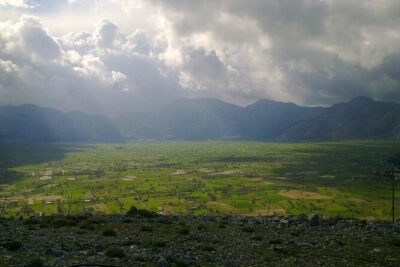
Knossos & Lasithi Plateau: Zeus Cave,Villages, Olive Oil Tour
Read our review →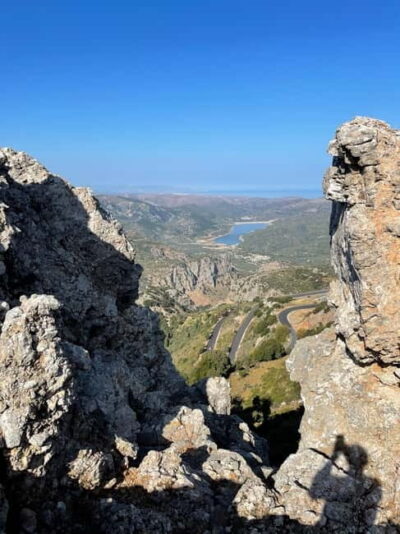
Knossos Zeus Cave Villages Olive Oil Factory Tour
Read our review →
Knossos & lasithi plateau villages,Zeus’s cave,&olive oil Mill
Read our review →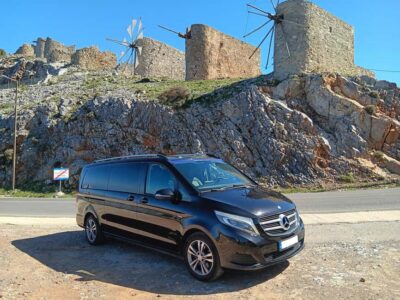
Zeus Cave & Knossos History, Villages & Olive Oil
Read our review →
PRIVATE-Knossos Palace-Zeus Cave-Olive Oil Tasting-Old Villages
Read our review →
PRIVATE-Zeus Cave-Knossos-Olive oil Factory-Traditional Villages.
Read our review →Browse the lists this tour appears in