
Review · CRETE
Cretan Delights – Wine, Olive Oil & Cooking Workshop from Chania
Good food tells Crete’s story.
This six-hour outing from Chania trades busy resort streets for the villages and food traditions of Apokoronas. I like the mix of local wine and olive-oil tasting, and I especially like that the cooking class is hands-on rather than a quick demonstration. The warm lunch, family museum, and countryside stops give the day a human feel.
The main drawback is the price, $474.33 per person, which is a serious spend for six hours. You should also confirm the pickup area and group arrangement before booking, since the tour information describes both a private activity and a group limit of 15 people.
Key points to know before booking
- Four hours are devoted to cooking and family heritage, making this more than a series of short tastings.
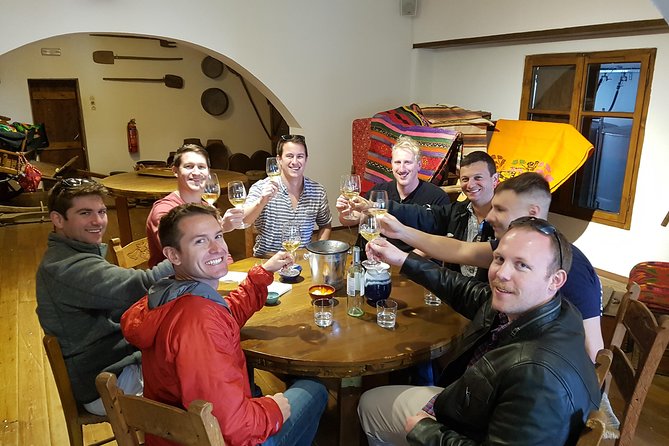
- Winery Dourakis serves regional Cretan grapes, including Vidiano, Vilana, Malvasia, and Kotsifali.
- The olive mill in Tsivaras shows how Cretan olive oil is made, followed by a tasting.
- The meal is included, along with wine and food tastings, bottled water, transport, and hotel pickup where available.
- The Apokoronas Museum and Emprosneros monuments add cultural context, including Alidakis Tower and traditional domestic life.
- Guides Dimitri and Andreas earned especially warm praise for clear explanations, humor, and a relaxed manner.
Why this Apokoronas day feels different
Many food tours give you a taste, a photograph, and a quick explanation before moving on. This one gives the food more room to speak. Wine, olive oil, bread products, cheese, raki, and a cooked meal appear across the day, so you get to understand how Cretan ingredients fit together.
I like that the outing connects food with ordinary life. The family house turned museum is not simply an old building to walk through. It offers a picture of how people lived, worked, and arranged their homes in the region. That helps explain why food traditions in Crete are so closely tied to family and place.
The day also takes you through Apokoronas villages rather than keeping you inside Chania. You get a look at rural roads, small communities, historic sites, and local businesses. The driving is part of the experience, not just a way to reach the next tasting.
The tour starts at 9:00 a.m. and lasts about six hours. That gives you a useful half-day and leaves time for an evening in Chania, but the cooking portion takes four hours, so this is not a fast-paced checklist of sights. If you want a long museum visit or a full winery tour with several vineyards, this may feel more like a food day than a traditional sightseeing excursion.
More Olive Oil and Wine Tastings around Crete:
- From Chania: Olive Oil, Wine, Cheese & Honey Tasting Tour
★ 4.6 · 490 reviews - From Chania: Wine and Olive Oil Tasting Tour with Snacks
★ 4.8 · 354 reviews - Crete: Full-Day Cretan Wines, Olive Oil, Raki and Food Tour
★ 5.0 · 264 reviews
Winery Dourakis and Crete’s native grapes
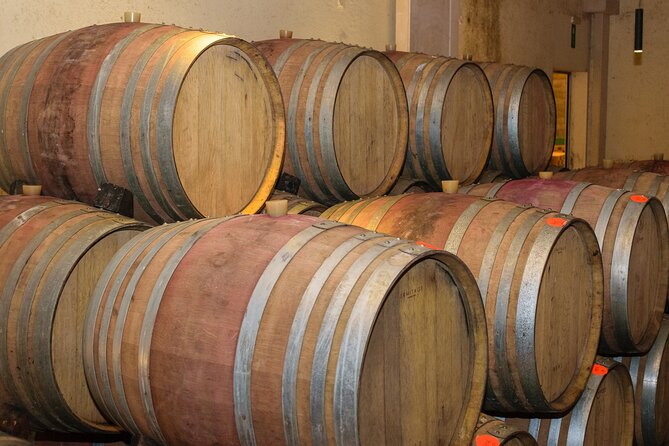
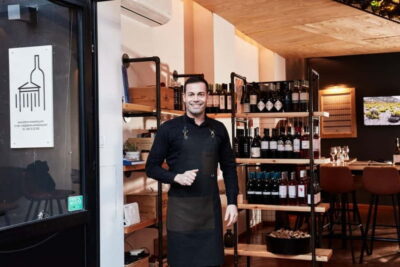
The first listed stop is Winery Dourakis, with about an hour set aside for tasting. The focus includes Vidiano, Vilana, Malvasia, and Kotsifali, giving you a useful introduction to grapes associated with Crete.
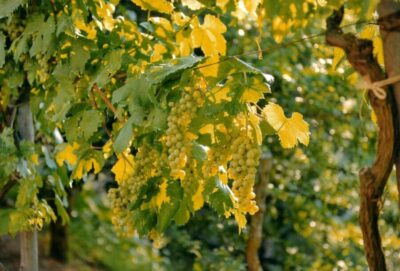
Vidiano and Vilana are white varieties, while Kotsifali is a red grape. Malvasia can appear in different styles, so the tasting offers a chance to compare more than just color. You do not need to be a wine expert to get something from this stop. The value is in tasting local varieties with an explanation of where they fit in Cretan wine culture.
A wine specialist is included as part of the guiding team. That matters because a tasting can become a blur of glasses without context. A good explanation helps you remember what you sampled and gives you a better chance of spotting these grapes on restaurant menus later.
The wine tasting is included for adults. Children under 18 cannot take part in the wine tasting, but water or fresh orange juice is offered instead. Families can therefore join the day, though adults should not expect children to share every part of the tasting.
There is one practical point to keep in mind. The tour includes wine tasting, but additional food and drinks are not included. If you want extra purchases at the winery or elsewhere, budget for them separately.
Tsivaras and the making of Cretan olive oil
At Tsivaras, the day turns from wine to olive oil. You visit a local olive mill, see the production process, and taste the finished oil. This is one of the most useful stops for anyone who cooks, since olive oil is not a side note in Cretan food. It is one of the basic building blocks.
The tasting lets you notice the differences in aroma and flavor that can otherwise disappear under bread, herbs, or cooked dishes. The supplied description emphasizes the smell of production and the age-old nature of the process, so expect this to be a working local setting rather than a polished food museum.
I would pay attention to the explanation of how olives become oil. Even a short visit can make supermarket labels and restaurant pours easier to understand. You also gain a clearer sense of why olive trees are so central to Cretan food and village life.
The stop lasts about an hour. That is enough time for a look at the mill and a tasting without making the day feel stalled. Still, the exact production activity can vary, and the company can make small program changes because of weather or other conditions.
The Apokoronas Museum and village traditions
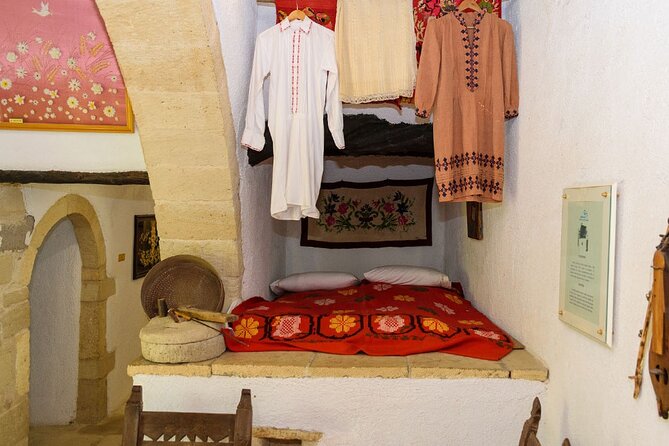
The cultural side of the day includes a visit to the Apokoronas Museum. The museum presents Cretan life and handicrafts, while a family house with themed rooms offers a more personal look at the past.
This is the sort of small museum that works best when you want context rather than grand architecture. One review described the house as a picture of how a typical family home looked about 100 years ago. That detail gives you a better idea of what to expect: domestic objects, rooms, and everyday traditions rather than a large collection of famous artworks.
You also hear about the area’s history and economy as you drive through the countryside and villages. One guide was praised for explaining vegetation, economics, and Cretan history in a relaxed way. That combination is useful because it ties what you see outside the minivan to the food served later.
The wider program also includes historic monuments in Emprosneros, including Alidakis Tower. These stops add variety to a day that could otherwise be built entirely around eating. The monument visit may be brief, but it gives you a physical connection to local power, village history, and the built environment.
Do not expect a large archaeological site or a long guided museum tour. The appeal is smaller and more intimate. You get several pieces of local life, then move on before any one stop becomes too heavy.
More Cooking Classes around Crete:
- Cretan Cooking Class and Olive Oil Tasting
★ 5.0 · 178 reviews - Moires: Cooking Class and Olive Oil Tasting at a Family Farm
★ 5.0 · 93 reviews - Corfu: Greek Cooking Class & Olive Oil Tasting
★ 5.0 · 178 reviews - Organic cooking class with a sommelier in an Olive and wine farm
★ 5.0 · 69 reviews
A four-hour Cretan cooking class in Melidoni
The heart of the outing is the cooking class in Melidoni. Four hours is a substantial block of time, and that changes the feel of the tour. You are not only watching food being prepared. You take part in making authentic Greek and Cretan recipes.
The hands-on format is a major reason to choose this tour. You can ask questions, learn how ingredients are combined, and gain practical skills that stay with you after the holiday. The cooking also gives you a way to understand Cretan food through action rather than explanation.
The class ends with a traditional Cretan lunch. This is included, along with wine and food tasting, so the cooking session is not an extra-cost demonstration followed by an ordinary meal. The lunch is also where the earlier stops come together. Olive oil, cheese, rusks, wine, and other regional ingredients make more sense once you see how they are used at the table.
The day may also include local specialties such as rusks, raki, and cheeses. Rusks are twice-baked bread with a firm texture, often softened with toppings or moisture. Raki is a strong local spirit, so take small sips and pace yourself, especially after wine.
One particularly appealing detail is the family house with themed rooms attached to this part of the experience. You get food and heritage in the same setting, which makes the cooking class feel connected to the region rather than like a generic tourist lesson.
The main limitation is time. Since four hours are assigned to this section, people who prefer constant movement may find it long. I see that as a benefit if you enjoy cooking, conversation, and a slower meal, but it is worth knowing before you book.
The guides and the tone of the day
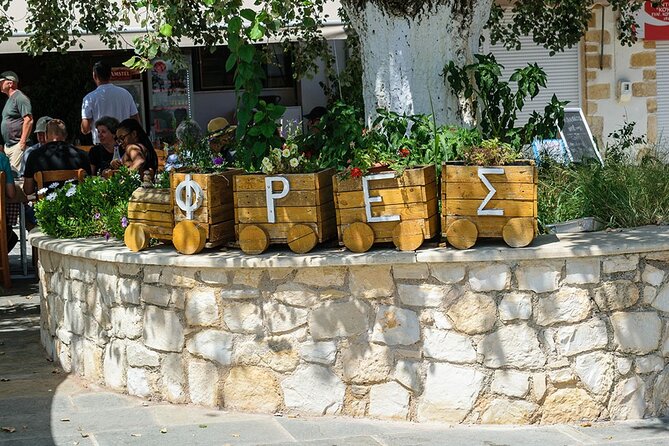
The guiding team can make or break a food excursion. The names Dimitri and Andreas are specifically associated with this experience, and they were praised for detailed explanations, humor, and a relaxed approach.
That combination matters. You want enough information to understand the wine, food, and history, but not so much that every stop feels like a classroom. The available comments describe a day with plenty of laughter and a guide who could discuss plants, economics, and history without turning the outing stiff or formal.
The tour includes an English-speaking local driver and guide, plus a wine specialist. You travel by air-conditioned minivan or minibus, depending on the group and vehicle arrangement. Pickup is offered, but you need to check that your accommodation is inside the available pickup area before you reserve.
The information gives two group descriptions: a private activity for your own party and a maximum group size of 15. Since those details do not perfectly match, I would ask the operator to confirm exactly what you are booking. That matters if you are paying for a private vehicle or expecting a small shared group.
What the $474.33 price really buys
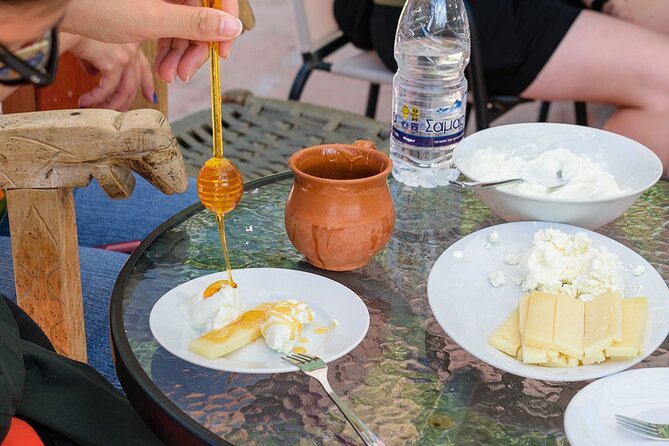
At $474.33 per person, this is not a budget food tour. The price makes more sense if you use the included elements: transport, hotel pickup where available, an English-speaking local guide, wine and food tastings, a traditional lunch, bottled water, and the cooking class.
You are also paying for the logistics of reaching several rural locations from Chania. Arranging a winery, olive mill, museum, village monuments, and cooking class on your own would take time and likely require a car. The tour removes that planning burden and gives you a designated driver after wine tasting.
Value depends heavily on what you want from Crete. If your priority is the lowest possible cost, you can eat well in Chania for far less. If you want a guided food day with hands-on cooking and countryside transport, the price is easier to justify.
The strongest value comes from the length of the cooking class and the included lunch. A short tasting tour can feel thin after the bill arrives. Here, the meal and class give the day more substance.
I would not book this only for the wine. The winery is one piece of a broader food and culture program. Book it because you want the full combination.
Who should book this experience?
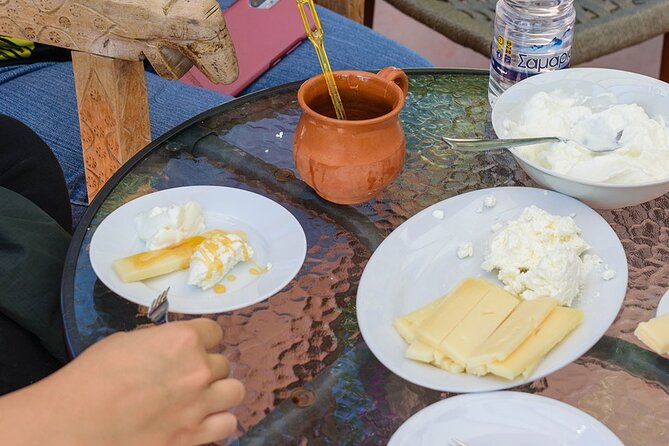
I think this tour suits you best if you enjoy food, village life, and conversation more than headline sights. It works especially well for couples, families with adult children, and small groups who want a private or small-group day outside Chania.
It is also a good choice if you would rather let someone else handle driving. Wine tasting and rural roads are a poor combination for a self-drive day, while the air-conditioned vehicle keeps the route simple.
Families can participate, but children under 18 receive juice or water instead of wine. The cooking and museum portions may still appeal to them, though the day is clearly designed around adult food and drink interests.
You should think twice if you want a beach day, a major archaeological site, or a fast schedule with many famous monuments. This is a local food and village experience, with modest museums and historic sites supporting the main theme.
Most people can take part, and the tour is near public transportation. Still, confirm pickup details before paying, since not every accommodation may be covered.
Booking, weather, and cancellation advice
Reservations must be made at least 24 hours before departure. Free cancellation is available up to 24 hours before the 9:00 a.m. start time, while later cancellations and changes are not refunded.
The tour requires good weather and a minimum number of participants. If the company cancels for either reason, you are offered another date or experience, or a full refund. The company may also make small changes to the program without prior notice when conditions require it.
I would avoid scheduling this on your final morning in Crete. A pickup delay or program change could create unnecessary pressure, and the cooking class deserves a relaxed pace.
Should you book Cretan Delights?
Book this tour if you want to taste Crete through its working food traditions, not just order another plate of Greek food in town. The best parts are the four-hour cooking class, the olive-oil and wine tastings, the family-house museum, and the friendly guiding style associated with Dimitri and Andreas.
Skip it if $474.33 feels too high for a six-hour outing, or if you prefer independent sightseeing and inexpensive local meals. Before booking, confirm pickup coverage and whether your reservation is private or part of a group of up to 15.
For the right audience, this is a generous day: several tastes, a proper lunch, rural scenery, and enough time to learn how Cretan food fits into daily life.
FAQ
How long does the Cretan Delights tour last?
The experience lasts approximately six hours and starts at 9:00 a.m.
Is hotel pickup included?
Pickup is offered, but you should check whether your accommodation is within the available pickup areas before booking.
What wine varieties are included in the tasting?
The tasting may include Vidiano, Vilana, Malvasia, and Kotsifali.
Can children join the tour?
Children may participate if accompanied by an adult. Wine tasting is not available to anyone under 18. Water or fresh orange juice is provided instead.
Is lunch included?
Yes. A traditional Cretan lunch is included, along with wine and food tasting and bottled water. Additional food and drinks are not included.
What happens if the tour is canceled because of weather or too few participants?
You will be offered a different date or experience, or a full refund.
More Workshops around Crete
- Chania Sourdough Bread Class – Olive Oil Tasting
★ 5.0 · 31 reviews - Crete in a Day: Knossos, Soap Workshops, Olive Oil & Wine Tasting
★ 5.0 · 5 reviews - PRIVATE Workshop ESSENTIAL OILS & OLIVE OIL Factory with TASTING
★ 5.0 · 5 reviews - Cooking Classes and olive oil tasting.The real taste of Greece!
★ 5.0 · 56 reviews
Just added around Crete
- 1 hour and 30 minutes wines and olive oil tasting in Greece★ 5.0 · 2 reviews
- Traditional Olive Oil Making at Spiridi Olive Oil Farm – Crete★ 5.0 · 3 reviews
- Crete in a Day: Knossos, Soap Workshops, Olive Oil & Wine Tasting★ 5.0 · 5 reviews
- Full Day Spinalonga Elouda Agios Nikolaos Olive factory Tour★ 4.5 · 5 reviews
- Wine olive and Food of Crete, Heraklion★ 5.0 · 11 reviews
- Guided Tasting of 3 Extra Virgin Olive Oils at Douloufakis Winery★ 5.0 · 2 reviews
- PRIVATE Workshop ESSENTIAL OILS & OLIVE OIL Factory with TASTING★ 5.0 · 5 reviews
- Private Guided Tour to Lasithi Plateau Villages & Olive Oil Mill★ 5.0 · 5 reviews
Olive Oil and Wine Tastings, compared.
Sorrento Farm and Food Experience including Olive Oil, Limoncello, Wine tasting
Read our review →
Krka Waterfalls With Boat Cruise, Wine and Olive Oil
Read our review →

Lemon, Olive Oil and Wine Tasting Tour with Lunch
Read our review →
Browse the lists this tour appears in