
Review · MATERA
Food and Wine Tour between the Patriarchs Olives and the Oil Temples
Old bread gets a second life here. This small-group experience links Matera’s countryside with local food, ancient olive trees, farm caves, and the traditions of the Murgia. I like the hands-on preparation of cialledda, a simple Matera dish made with stale bread, vegetables, and salad. I also like the chance to taste oil made from centuries-old olives beside bread baked in a wood-fired oven. The main concern is consistency: one detailed account describes a much rougher outing, with limited food, steep ground, and unclear stops.
At about $50.41 per person, the tour is fairly priced if the food workshop and shared meal are delivered as described. It lasts roughly two to three hours, begins at 10:00 a.m., and returns to the meeting point. The 4.7 rating from 23 published ratings and 91 percent recommendation rate suggest a generally positive experience, but the sharply negative account is specific enough that you should know what kind of rustic outing you are booking.
Key points to know before you book
- Cialledda is the main event: You help prepare Matera’s traditional bread-and-vegetable dish, then eat it with the group.
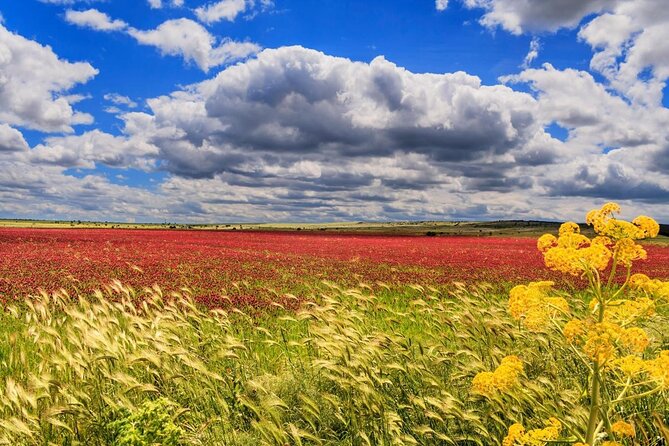
- The setting is rural Murgia: Expect olive trees, countryside paths, old farm buildings, caves, and views connected with Parco della Murgia Materana.
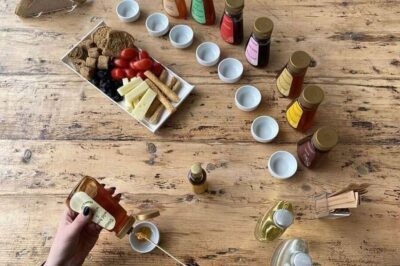
- The tasting is strongly local: The planned spread includes Matera bread, extra virgin olive oil, Primitivo wine, Caciocavallo Podolico, Ferrandina baked olives, and Pezzente salami.
- It is a private activity: Only your own group participates, which can make the food preparation more relaxed and personal.
- The walk may not suit everyone: A detailed complaint describes steep, unsafe ground and abandoned structures, so sturdy footwear and sensible expectations matter.
- The experience has a clear weather risk: Poor weather can lead to a new date or a full refund.
Why the Murgia makes a good food setting
Matera’s food traditions make the most sense outside a restaurant. In the countryside, bread, olives, oil, vegetables, and wine are tied to work in the fields and to meals taken during a long day outdoors. This experience uses that setting well, at least in concept.
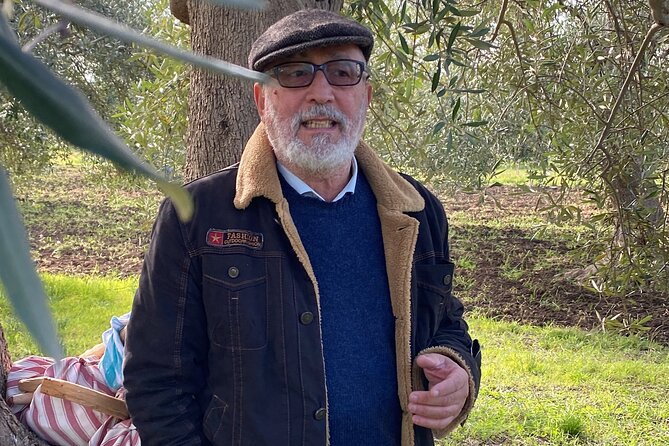
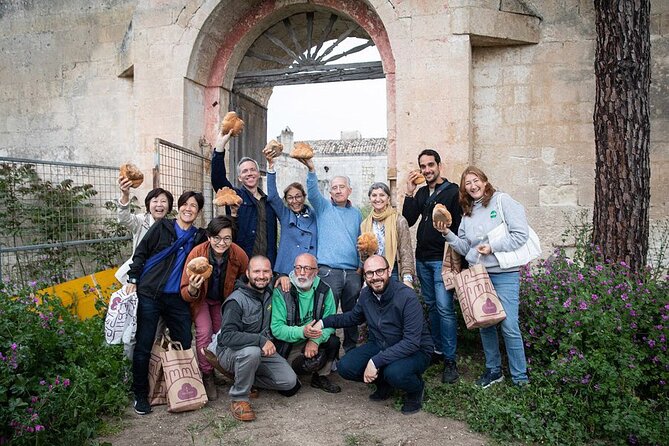
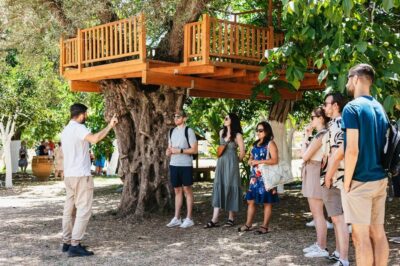
The route follows the idea of the patriarch olive tree, a fitting theme in a region where old trees are part of the local identity. You walk through the Murgia countryside beneath centuries-old olive trees and enter the remains of an old farmhouse, where the food activity takes place.
The first stop may include a brief look at Matera heritage before reaching the MOOM, though the supplied details do not explain exactly how much time is spent there. That matters because this is not a standard city sightseeing tour. The focus is rural food culture, not a broad introduction to Matera’s churches, cave dwellings, or central streets.
You should also understand the word rustic. The setting is not described as a polished farm restaurant. It may include old structures, rough paths, and simple facilities. That adds character, but it can also make the experience feel less organized than a conventional cooking class.
More Olive Oil and Wine Tastings around Italy:
- Sorrento Farm and Food Experience including Olive Oil, Limoncello, Wine tasting
★ 5.0 · 2,524 reviews - Sorrento: Lemon, Olive Oil and Wine Tasting Tour with Lunch
★ 5.0 · 300 reviews - Alghero: Wine and Olive Oil Tasting at a Local Farm
★ 4.8 · 294 reviews
Walking beneath the patriarch olive trees
The countryside walk is meant to connect the meal with its ingredients. You see the olive trees, learn about their role in the area, and taste oil produced from olives gathered from those same old trees. That direct link is one of the strongest ideas in the tour.
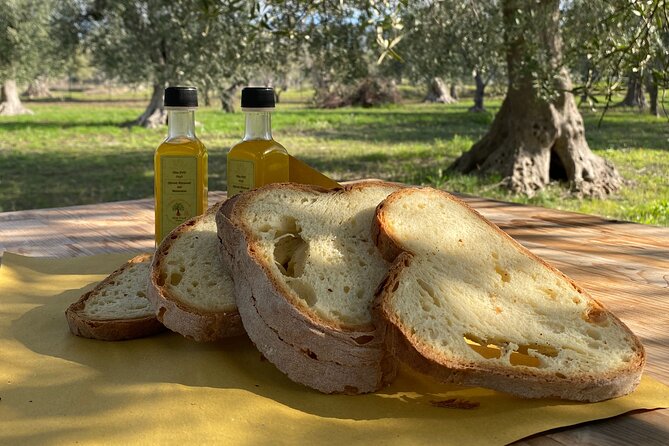
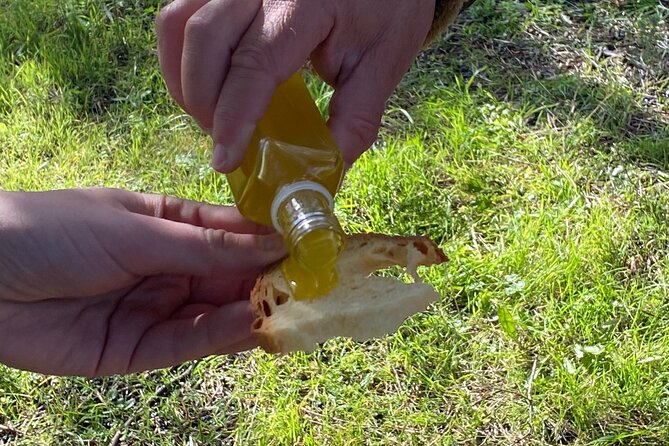
The tasting begins with Matera bread, baked in an old wood-burning oven and seasoned with extra virgin olive oil. This is simple food, but it is also a good test of quality. With fresh bread and oil, you can notice the oil’s peppery or grassy character more easily than when it is mixed into a complicated dish.
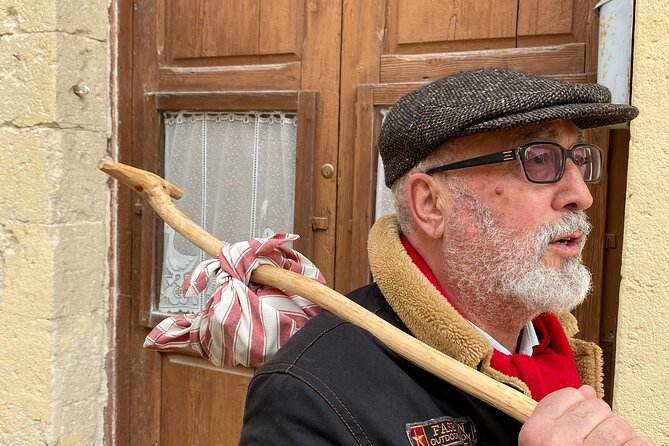
The route has also been described as including a visit to an olive farm associated with the guide, along with small gestures such as tying a ribbon around an olive tree and seeing dried or dead orchids. Those details may appeal to you if you enjoy informal local traditions. If you prefer a clear explanation for every stop, they may feel disconnected from the food theme.
Short vehicle transfers may also form part of the outing. One account describes moving by car from the olive area to an abandoned farm building, then continuing on foot. Since the official meeting information gives only the start and finish point, ask about transport and walking conditions before you go if you have mobility concerns.
Preparing cialledda with local ingredients
The hands-on food activity is the tour’s clearest point of value. Cialledda uses stale Matera bread with vegetables and mixed salads from the Lucanian region. It is a practical dish built around ingredients that were already available, rather than an elaborate recipe requiring a long list of supplies.
That simplicity is the point. You get to see how an everyday meal came together in rural southern Italy, where good bread was too valuable to waste. The preparation also gives you something to do, rather than leaving you standing beside a table while someone else cooks.
After preparing the dish, you share the meal in the style of an olive picker’s break. That connection to seasonal farm work gives the food more meaning than a standard tasting flight. You are not just sampling local products one by one. You are being shown how bread, vegetables, oil, and wine fit into a working meal.
Still, keep your expectations realistic. A detailed negative account describes the food portions as very small, including two small pieces of salami, three black olives, a thin slice of cheese, a little wine, bread with tomato and raw red onion, and an apricot. That account conflicts with the fuller meal described in the planned program, so portion size may vary or the delivery may not always match the stated plan.
The Lucanian tasting table
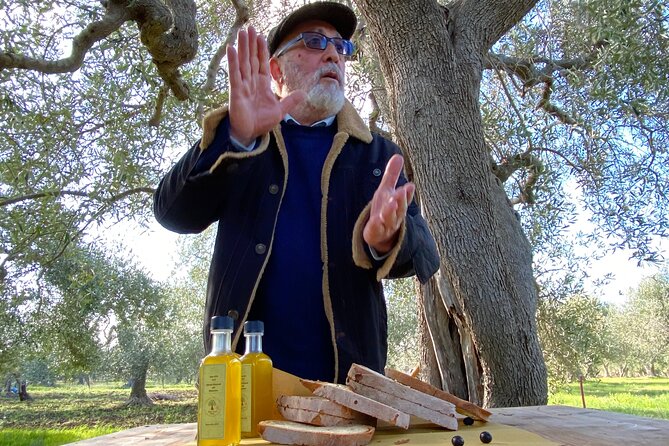
The planned food selection is a strong part of the experience because it includes products with clear regional connections.
Caciocavallo Podolico is a firm, traditionally made cheese associated with southern Italy and Podolica cattle. Baked olives from Ferrandina add another local specialty, while Pezzente salami from the Matera mountains brings a cured meat from the surrounding area. These are not generic cheese and salami choices added to fill a platter. They help you taste the wider Basilicata region.
The meal is paired with Primitivo wine. The supplied details do not specify the producer, vintage, or whether you receive a full glass or only a tasting measure. That uncertainty is worth noting if wine is your main reason for booking.
Music is also part of the planned meal. Popular instruments and songs from Matera are meant to accompany the food, giving the gathering a more social feel. This can be a lovely touch when the performers and guide explain the traditions clearly. It can feel less valuable if the music replaces explanation or if the meal itself is sparse.
The best way to judge the value is to see the tasting as part of a cultural activity, not as a stand-alone lunch. At $50.41, the price makes sense if you receive the workshop, a satisfying shared meal, wine, music, and time among the olive trees. If you want a large meal or a serious wine tasting, this may not meet your needs.
More Food Tours around Italy:
- Bardolino: Vineyard Tour with Wine, Olive Oil & Food Tasting
★ 4.6 · 221 reviews - Tuscany Bike Tour with Wine, Oil and Food in the Florentine Hills
★ 5.0 · 209 reviews - Florence Food Tour: Home-Made Pasta, Truffle, Cantucci, Olive Oil, Gelato
★ 4.5 · 187 reviews - San Felice: Olive Oil Tasting with local food on Garda Hills
★ 4.9 · 186 reviews
The abandoned farm buildings and rougher side of the tour
The old farmhouse and agricultural buildings are central to the mood of the outing. Caverns and farm structures can help you picture how people once lived and worked in the Murgia. They also make the tour feel different from a polished food hall or cooking studio.
But old buildings need careful handling. One detailed account describes scaffolding poles, a boarded-up church viewed through wire, and structures that felt unsafe. The same account describes a gorge with steep ground where most of a four-person party chose not to continue.
You should take that warning seriously. The activity is described as suitable for most people and allows service animals, but that does not mean every path is flat, even, or comfortable. Wear shoes with a firm sole, stay with the guide, and do not enter an area that looks unstable simply because the group continues.
The route may also include a privately owned house or property. The purpose of that stop was not clear in the account provided. If you value a tightly planned itinerary, ask the guide at the start what each building or viewpoint represents and how much walking remains.
This is one reason I would not book the tour purely for its food. The outing combines food, rural walking, old buildings, and local performance. That mix will appeal to you if you like an informal day with some unpredictability. It may frustrate you if you want a polished culinary lesson with clear staging.
How the private format changes the experience
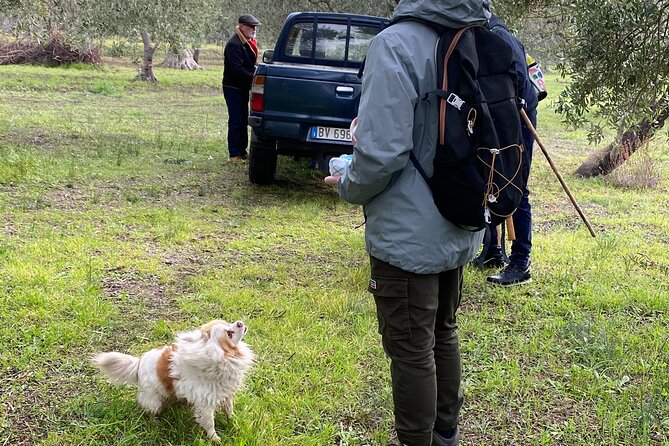
Only your group participates, which is useful for a food activity. You can ask questions without competing with a large bus group, and the guide can adjust the pace to the people in your party. A private format is especially helpful when you want more time to discuss the olive oil or the ingredients in cialledda.
It also means the quality of the experience rests heavily on the guide’s preparation. With no larger group to provide structure, a rambling explanation or unclear route can become more noticeable. The critical account describes the guide as appearing to make up the route as it progressed, while the official plan presents a much more organized food workshop.
That gap is the central issue to consider. The core idea is excellent, but this type of small rural experience may be more variable than a major attraction with fixed rooms, signs, and timed demonstrations. I would confirm the meeting instructions, expected walking, vehicle transfers, meal size, and weather plan before paying.
The meeting point is Viale Aldo Moro 6 in Matera. The tour begins at 10:00 a.m. and ends back there, so you do not need to arrange a separate return from the countryside. It is near public transportation, and mobile tickets are accepted.
Who will enjoy this Matera food experience
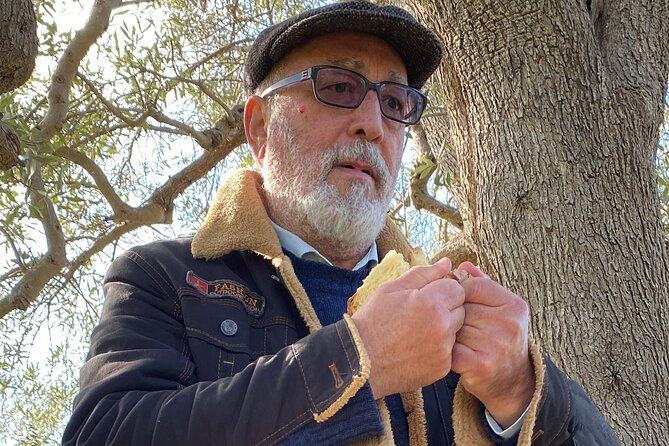
I would recommend it most strongly to you if you enjoy:
- Traditional dishes with humble ingredients
- Olive oil and regional food tastings
- Countryside walks and old farm settings
- Private activities rather than large groups
- Music and informal local storytelling
- A flexible outing that mixes several kinds of stops
Families and mixed-age groups should think about the ground conditions. Most people can participate according to the supplied information, and service animals are allowed, but the steep gorge account suggests that some parts may be unsuitable for anyone unsteady on their feet.
Wine enthusiasts should also keep their expectations in check. Primitivo is included in the planned meal, but this is not described as a winery visit or a technical wine class. The focus is the whole Lucanian meal, with wine as one part of it.
You should probably skip it if you want a large lunch, a fully accessible route, or a tightly scripted tour with no abandoned buildings or rough paths. You may also be disappointed if your main aim is an extensive olive oil tasting rather than a simple bread-and-oil sample.
Price, timing, and cancellation details
At $50.41 per person, the cost is reasonable for a private, two to three-hour activity if all planned elements are provided. The strongest value comes from the combination of local food, preparation, music, countryside access, and private guiding. The value drops quickly if the meal consists only of small samples and the walking portion lacks clear interpretation.
The tour is usually booked about 28 days ahead, which suggests you should reserve early if the date matters. Confirmation is normally supplied at booking. If you book within two days of departure, confirmation may arrive within 48 hours and depends on availability.
Free cancellation is available up to 24 hours before the 10:00 a.m. start time. Changes or cancellations inside that period are not accepted for a refund. The activity also requires good weather and a minimum number of participants. If poor weather or low numbers cancel the outing, you should be offered another date or experience, or a full refund.
Should you book the olive and wine tour?
Book this experience if you want a private, informal taste of rural Matera, and if preparing cialledda beneath old olive trees sounds more appealing than sitting in a formal restaurant. The bread, oil, regional cheese, olives, salami, Primitivo, and music create a memorable idea when delivered well.
Before booking, contact the operator and ask three direct questions: How much food is served? Are there car transfers or steep paths? Which buildings and sites will the group enter? Those answers will help you decide if the outing matches your comfort level.
My call is cautious but positive. The concept has real local character and a strong food story, and the overall rating is high. Yet the detailed complaint about small portions, unclear stops, and unsafe ground cannot be brushed aside. Book it for the setting and the traditional meal, not for a guaranteed feast or perfectly polished tour.
FAQ
Where does the tour begin and end?
It begins at Viale Aldo Moro 6, 75100 Matera MT, Italy, at 10:00 a.m. The activity ends back at the same meeting point.
How long does the experience last?
The tour lasts approximately two to three hours. The main countryside and food portion is listed as about two hours.
What food is included?
The planned meal includes Matera bread, extra virgin olive oil, cialledda, Caciocavallo Podolico, baked olives from Ferrandina, and Pezzente salami from the Matera mountains.
What wine is served?
Primitivo wine is planned as the wine pairing. The supplied details do not specify the producer or serving size.
Is the tour private?
Yes. Only your own group participates in the activity.
Is the tour offered in English?
Yes. English is one of the offered languages, and the experience uses a mobile ticket.
Can I cancel for a full refund?
Yes, if you cancel at least 24 hours before the local start time. Poor weather or failure to meet the minimum number of participants can also result in another date, another experience, or a full refund.
Just added around Italy
- Villa Castelli: Highlights Walking Tour w/ Olive Oil Tasting★ 4.8 · 12 reviews
- Umbria: E-Bike Rental and Fresh EV Olive Oil Tasting★ 5.0 · 4 reviews
- Vernazza (5 Terre): olive grove tour and oil and wine tasting★ 5.0 · 9 reviews
- Trieste’s Essence: Wine and Olive Oil Tasting★ 5.0 · 3 reviews
- Half-Day Chianti Wine and Olive Oil Tour from Viareggio★ 4.0 · 5 reviews
- From Venice: Olive Oil & Wine Tour in the Venetian Hills★ 5.0 · 9 reviews
- Valpolicella Wine and Olive Oil Tasting with Lunch from Verona★ 5.0 · 2 reviews
- Private Tuk Tuk Tour of the Millenary Olive Groves in Ostuni★ 5.0 · 4 reviews
Olive Oil and Wine Tastings, compared.
Sorrento Farm and Food Experience including Olive Oil, Limoncello, Wine tasting
Read our review →
Krka Waterfalls With Boat Cruise, Wine and Olive Oil
Read our review →
Lemon, Olive Oil and Wine Tasting Tour with Lunch
Read our review →
Browse the lists this tour appears in