
Review · PELOPONNESE
Kalamata- Olive oil & Wine Tour with traditional lunch
Come hungry and curious. This four-hour outing near Androusa pairs olive groves, wine, old mills, and a generous Greek lunch in one well-planned morning. I especially like the hands-on olive oil tasting with a certified sommelier, and the chance to see both a modern mill and a traditional 1904 mill. The main consideration is transport: you must make your own way to Androusa, about halfway between Kalamata and Messinia.
The experience costs $108.84 per person, which is fair if you value food, drink, and expert instruction rather than simple sightseeing. The homemade lunch is a major part of the value, with salads, cheeses, local sausage, kagianas, pie, dessert, and wine. The group may be as large as 16, despite the tour’s smaller-group description, so the experience can feel intimate but is not guaranteed to be a tiny private gathering.
Key points at a glance
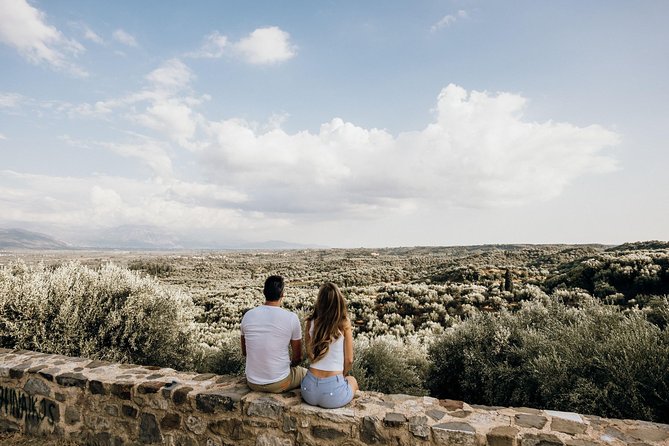
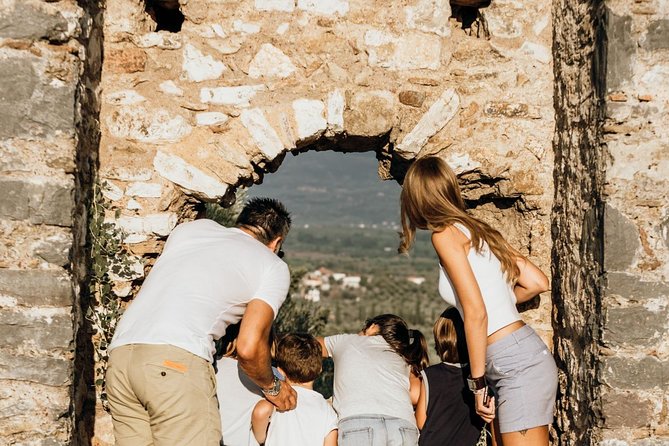
- Start at a hilltop castle: Meet at the 13th-century Castle of Androusa for wide views across the olive groves of Messinia.
- Compare old and new olive mills: See modern extraction and storage methods, then visit a traditional mill dating from 1904.
- Taste olive oil like a professional: Learn how to identify extra virgin olive oil, compare varieties, and pair oil with food.
- Try at least three wines: Visit a local winery and taste Greek varieties with guidance on aromas and flavors.
- Expect a full meal, not a snack: The lunch includes homemade dishes, local wine, and dessert.
- Plan your own ride: Hotel pickup and drop-off are not included, and the tour begins at 10:00 a.m.
Why Androusa is the right setting
Kalamata is famous for olives, but an olive oil experience makes more sense outside the city. Androusa places you among the groves and villages that give the region its food culture. The meeting point at the Castle of Androusa adds a useful sense of place before the tastings begin.
The castle dates from the 13th century and looks over what seems like an endless spread of olive trees. That first view helps explain why olive oil is not just a product here. It is tied to farming, family meals, village traditions, and local identity.
The tour also brings in the myths and stories connected with the area. That matters because the experience is not only about pressing olives into oil. You get context for why certain varieties, methods, and foods remain important in Messinia.
I like the order of the morning. You begin with the land and its history, then move to production, tasting, and lunch. You are not rushed from one unrelated stop to another.
More Olive Oil and Wine Tastings around Greece:
- From Chania: Olive Oil, Wine, Cheese & Honey Tasting Tour
★ 4.6 · 490 reviews - From Chania: Wine and Olive Oil Tasting Tour with Snacks
★ 4.8 · 354 reviews - Athens: Acropolis Wine Tasting with Cheese and Olives
★ 4.9 · 337 reviews
A closer look at the olive groves
The olive groves are more than a backdrop for photographs. You get to see the setting where Kalamata olives and other local varieties are grown, and you learn how farming connects with the oil eventually served at the table.
The tour presents an authentic olive-growing tradition rather than a staged farm attraction. The focus is on the work behind the bottle: cultivation, harvesting, extraction, storage, and quality. That makes the tasting easier to understand later.
The experience is especially useful if you normally buy olive oil by the label alone. You begin to notice why extra virgin oil can smell and taste different from one bottle to the next. The goal is not to turn you into an expert in four hours, but you should leave with a better sense of freshness, aroma, bitterness, and peppery finish.
The early-harvest oil is one detail worth watching for. It has a strong peppery character, and that sharp finish can surprise anyone used to mild supermarket oil. Ask questions during the workshop, especially if you want to know which oil works best with salads, bread, cheese, or cooked dishes.
Inside the modern olive oil mill
At the modern mill in the heart of Androusa Village, you follow the basic production process from extraction through storage. This is where the tour becomes practical. You see how the fruit is handled and why storage conditions affect the final quality.
The guides explain the key characteristics of good olive oil without making the lesson feel like a technical class. You learn what to look for in extra virgin oil and why appearance alone can mislead you. Color is not the whole story, and the tasting gives you a better test than simply looking at the bottle.
This stop should suit food lovers who want useful information they can take home. You may start paying more attention to aroma and finish instead of choosing oil based only on its origin or packaging.
The mill visit also helps you understand the difference between a production facility and a kitchen ingredient. Olive oil is not an afterthought added at the end of a meal. In this part of Greece, it shapes the flavor of the food from the first step to the last.
Stepping back at the 1904 mill
The traditional mill, established in 1904, gives the morning a different mood. The modern mill shows how olive oil is produced today. The older mill connects that process to the village’s past and to the long working life of olive farming in the area.
You are not simply looking at an old building. You are seeing evidence of how central olive production has been to Androusa for generations. The contrast between the two mills is one of the strongest features of the route because it gives you both sides of the story.
This stop should appeal to anyone who likes traditional crafts and working history. It also keeps the tour from becoming a string of polished tasting rooms. The older setting makes the food on your plate feel connected to real local practice.
More Olive Oil Tastings with Lunch around Greece:
- Wine & Olive Oil Tour with Lunch at Milia Mountain Retreat
★ 5.0 · 194 reviews - Wine & Olive Oil Tour with Lunch – Semi Private Safari Tour
★ 5.0 · 156 reviews - Chania: Milia Mountain Tour w/Lunch Olive Oil/Wine Tastings
★ 4.9 · 97 reviews - Wine & Olive Oil Tour with lunch at the White Mountains
★ 5.0 · 71 reviews
The olive oil tasting workshop
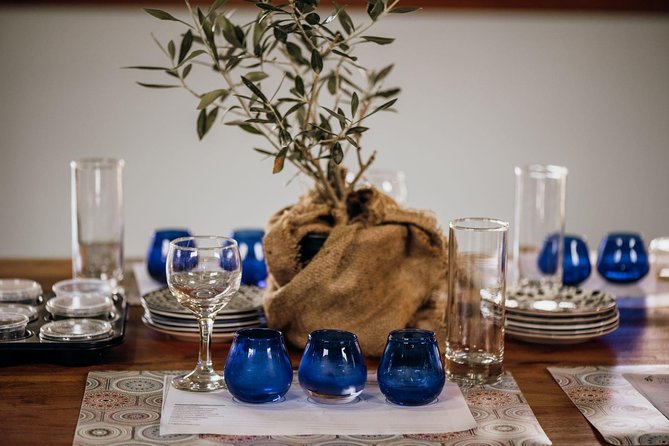
The tasting is led by a certified olive oil sommelier, and this is the most educational part of the experience. You sample three different olive oil varieties and learn how to recognize the qualities associated with extra virgin oil.
The workshop includes food pairing with Greek meze. That is important. Tasting oil on its own can be intense, while tasting it with bread, vegetables, cheese, or other small dishes shows how it behaves in a meal.
You might notice fruity aromas, bitterness, or a peppery sensation at the back of your throat. Those traits are not automatically faults. They can signal freshness and character, especially in an early-harvest oil.
The instruction is designed to be approachable, not intimidating. You do not need prior tasting experience. If you enjoy Mediterranean food, you will likely find this session more useful than a quick pour at a restaurant.
The Kalamata olive tapenade and Kalamata olives help connect the lesson with familiar local flavors. You can see how the same agricultural tradition appears in several forms: whole olives, tapenade, and oil.
Visiting the winery and tasting Greek varieties
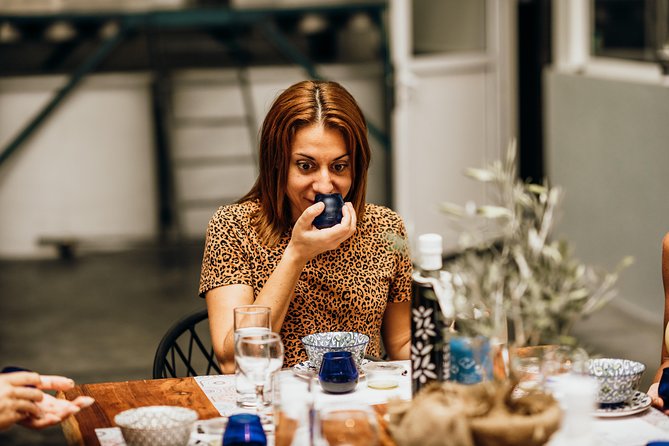
The winery visit adds balance to the olive oil program. You observe the production of Greek wine varieties and taste at least three wines with guidance on aromas and flavors.
The wine session is not presented as a stand-alone winery tour with a long cellar visit. Instead, it works as part of a food-focused morning. You learn enough to understand what is in your glass, then pair it with local dishes.
That format suits you if you like wine but do not want a highly formal tasting. You can concentrate on the differences between the wines and how they work with meze and lunch.
A practical tip is to bring cash if you may want to buy a bottle. Bottles are not included, but the tasting may introduce you to wines you would like to take home. Since the experience ends where it began, carrying a purchase should be manageable, though you should confirm current buying arrangements on the day.
The lunch is a main event
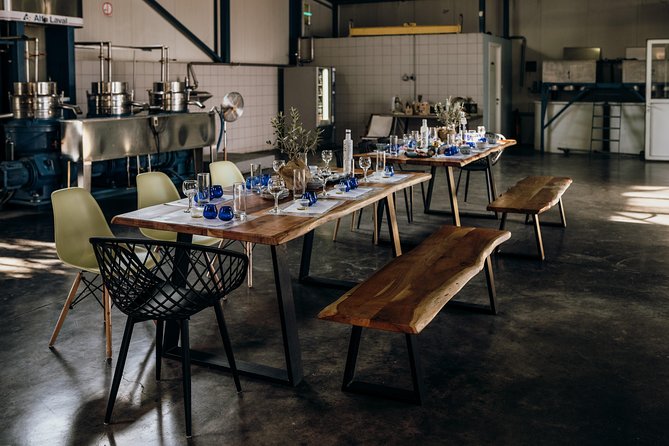
The final meal is not a token plate served after the tasting. It is a traditional full lunch built around local ingredients and family-style generosity.
The menu can include:
- Fresh salads and vegetables from the garden
- Tzatziki, feta, and Greek Gruyère
- Kalamata olives and olive tapenade
- Kagianas, made with eggs and tomatoes
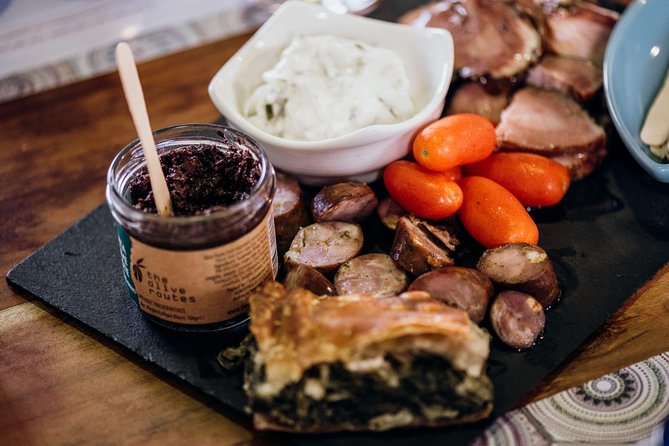
- Traditional smoked pork and sausage
- A local pie with freshly made phyllo
- Lalagia, fried bread sticks served with olive marmelade
- Halvas or yogurt with fruit
- Local wine
Kagianas is a particularly useful dish to try because it is simple, filling, and closely tied to home cooking. Eggs and tomatoes may sound basic, but good local oil and fresh ingredients make the dish memorable.
The smoked pork and sausage bring a stronger, saltier flavor, while the salads and vegetables keep the meal from feeling too heavy. Feta, Greek Gruyère, and tzatziki add the familiar Greek table flavors you may expect, but the range of dishes gives you more than a standard restaurant lunch.
The homemade phyllo pie is another highlight. Fresh pastry takes time and care, and it shows the difference between a meal prepared for a group and a quick tourist buffet.
The meal also completes the olive oil lesson. Instead of hearing about food pairing in theory, you taste the oil with real dishes. That is where the morning’s information begins to make sense.
Guides, group size, and the feel of the morning
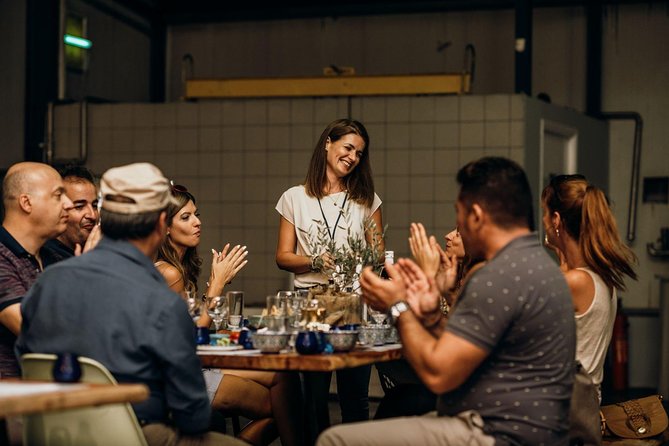
The hosts receive strong praise for warmth, energy, and clear instruction. Athanasia is described as lively and well informed, while Dimitra is noted for being charming, interactive, and fun. Georgia is closely associated with the homemade lunch and family recipes.
These personal touches matter. Food experiences work best when the people leading them are happy to explain, answer questions, and share local pride. The tone here appears friendly rather than stiff.
The advertised group size needs a little attention. The highlights describe a group of no more than 12, while the additional information allows up to 16 people. If the exact group size matters to you, ask before booking. A group of 12 can feel quite personal. Sixteen is still manageable, but the tasting and lunch may feel less private.
The tour lasts about four hours and starts at 10:00 a.m. That makes it easy to fit into a day based in Kalamata, but you should allow extra time for reaching Androusa. Hotel transport is not included, and the activity returns to its meeting point.
Is $108.84 good value?
At $108.84 per person, this is not the cheapest way to spend a morning in the Peloponnese. But the price includes several experiences that would cost more if booked separately: a castle viewpoint, olive groves, two mill visits, a winery, several olive oil and wine tastings, Greek meze, a full lunch, dessert, and local wine.
I consider the price good value if you are interested in food culture. You are paying for instruction and access as much as for the meal. The certified olive oil tasting alone gives the tour more substance than a basic farm visit.
The value is weaker if you mainly want a short scenic stop or a quick glass of wine. Four hours is a large part of your day, and the experience is built around learning, eating, and conversation.
The lunch improves the calculation. If the lunch option is available when you book, I would choose it. The meal is repeatedly singled out as generous, homemade, and one of the best parts of the morning.
Who should book this experience?
I would recommend this tour to food-focused visitors, couples, families, and anyone staying in the Kalamata area with a car or another way to reach Androusa. It also suits you if you want an activity that connects scenery, history, farming, and a proper meal.
Wine lovers should enjoy the guided tasting, though the olive oil program is the stronger focus. People who already know a lot about wine may find the wine portion fairly introductory, but the olive oil workshop still offers something distinctive.
The experience may be less suitable if you have no interest in food and drink or if you prefer a fast-moving sightseeing tour. The morning takes its time. You stop, taste, listen, and eat.
Most people can participate, and service animals are allowed. The tour requires good weather, so poor conditions can lead to a different date or a full refund. Free cancellation is available up to 24 hours before the start time, but changes or cancellations inside that window are not accepted.
Should you book the Kalamata olive oil and wine tour?
Book it if you want to understand why food matters so much in Messinia, not just sample a few local products. The castle views, the old and modern mills, the hands-on tasting, and the generous homemade lunch create a rounded half-day experience.
I would make this a priority for a first visit to the Kalamata area, especially if you enjoy olive oil, Greek cooking, or regional wine. Arrange your transport early, ask about the final group size, and bring cash if you may want to buy wine.
Skip it only if your schedule is tight or if a sit-down food experience is not your style. For everyone else, this is a satisfying way to leave the coast and see the farming traditions behind the food on your Greek table.
FAQ
Where does the tour begin?
The tour begins at Epar.Od. Ellinoklissias-Androusa 26, Androusa 240 13, Greece, near the 13th-century Castle of Androusa.
What time does the tour start?
The tour starts at 10:00 a.m. and lasts approximately four hours.
Does the tour include hotel transportation?
No. Transport from and to your hotel is not included. You must arrange your own way to the meeting point in Androusa.
How many people can join the tour?
The maximum listed group size is 16 people. The tour highlights also describe a group of no more than 12, so ask the provider if a smaller group is important to you.
What food and drinks are included?
The experience includes Greek meze, a traditional full lunch, local wine, olive oil tastings, wine tastings, and dessert. Dishes may include salads, cheeses, olives, tapenade, kagianas, smoked pork, sausage, local pie, lalagia, halvas, or yogurt with fruit.
How many olive oils and wines do you taste?
The tasting workshop includes three different olive oil varieties and three different wine varieties.
Can I cancel for a refund?
You can cancel at least 24 hours before the start time for a full refund. Cancellations or changes made less than 24 hours before the start time are not accepted for a refund. If poor weather causes the tour to be canceled, you can receive a different date or a full refund.
Just added around Greece
- Athens: Greek Wine & Olive Oil Tasting at Brettos Plaka★ 4.5 · 3 reviews
- Breakfast in the markets with olive oil and honey tasting★ 4.8 · 8 reviews
- PRIVATE RHODES TOUR + Lunch Stop & WINE/OLIVE OIL Tasting★ 5.0 · 2 reviews
- Olive Tour & Tasting★ 5.0 · 4 reviews
- Olive Facility Visit with Olive Oil Tasting Session★ 5.0 · 2 reviews
- SYSTASIS Olive Oil Tasting Experience in Ermioni Greece★ 5.0 · 4 reviews
- Olive Oil Tour close to Nafplio★ 4.5 · 3 reviews
- Olive Oil Tasting at the Mykonian Farm★ 4.5 · 3 reviews
Olive Oil and Wine Tastings, compared.
Sorrento Farm and Food Experience including Olive Oil, Limoncello, Wine tasting
Read our review →
Krka Waterfalls With Boat Cruise, Wine and Olive Oil
Read our review →

Lemon, Olive Oil and Wine Tasting Tour with Lunch
Read our review →
Browse the lists this tour appears in