
Review · PELOPONNESE
Chania Olive Tour: 3,000-Year-Old Tree, Museum &Organic Mill
Ancient trees make excellent teachers. This private tour from Chania connects Crete’s olive-growing past with its working present, taking you by SUV to the Ancient Olive Tree in Ano Vouves, the Museum of the Olive and Greek Olive Oil, and a family-run olive mill. I like the comfortable private transport and the clear mix of history, local agriculture, and tasting. I also like that you get time at the mill instead of rushing through a quick sample.
The main consideration is mobility. The tour is not suitable for wheelchair users or people with back problems, and parts of the day take place outdoors. The 5 to 6-hour schedule also works best if you want a focused half-day outing rather than a full day of sightseeing.
Key details that shape the experience

- A 3,000-year-old olive tree: See the Ancient Olive Tree in Ano Vouves, a living monument with a dramatic, twisted trunk.
- Two different views of olive oil: The museum explains older methods, while the mill shows current production.
- A private SUV from Chania: Your group travels together, with pickup and drop-off available in Chania and nearby resort areas.
- A proper tasting session: The mill visit includes a guided tour, olive oil tasting, free time, and optional shopping.
- Flexible booking: You can cancel up to 24 hours ahead for a full refund and reserve without paying immediately.
- Highly praised guiding: Ramona received repeated praise for being flexible, helpful, and able to shape the outing around the group.
Why this olive tour works well from Chania
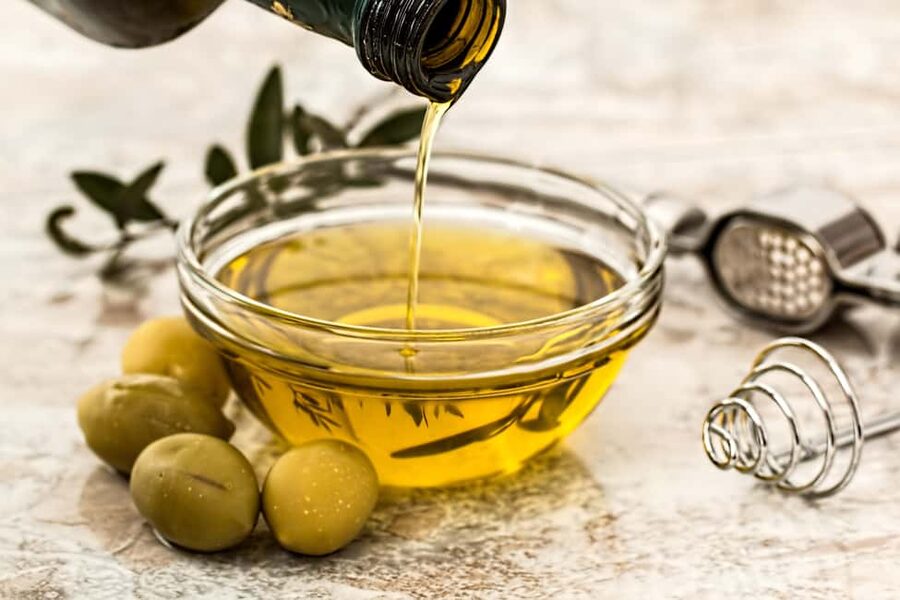
Crete can be easy to admire from a beach, but olive oil gives you a practical way to understand the island. This tour shows how olive cultivation connects old village traditions with present-day food production.
I especially like the private format. You are not joining a large coach group or waiting for strangers at every stop. The modern SUV keeps the road time comfortable, while a professional driver and guide handle the route. Pickup is available from Chania, Souda, Stalos, Platanias, Agia Marina, Daratsos, Kalyves, Almyrida, Georgioupoli, Paralia Kourna, and Kolymvari.
That wide pickup area makes the tour useful for more than visitors staying in central Chania. If you are based in one of the nearby coastal resorts, you may not need to arrange a separate taxi into town.
The tour is listed at $88 per person. For that price, you receive private round-trip transport, a driver-guide, museum admission, the ancient tree visit, and the guided mill tour with tasting. I consider that a fair value for a private half-day experience, especially if you are traveling with family or friends and prefer not to manage rural driving yourself.
The value is less obvious for someone who only wants a quick food tasting. You are paying for transport, interpretation, and access to several connected sites, not just a small pour of olive oil. If olive oil is a minor interest for you, a shorter local food stop may be enough.
More Olive Oil Museums around Greece:
- Lefkada: Olive Museum Fabbrica Ticket and Guided Tour
★ 4.8 · 14 reviews - Monastery – Ancient Olive tree & Museum-Cretan Brewery Private Tour from Chania
★ 5.0 · 5 reviews - Bus Trip with Swim to Paleokastritsa and Olive Oil Museum
★ 5.0 · 3 reviews
The drive through the Cretan countryside
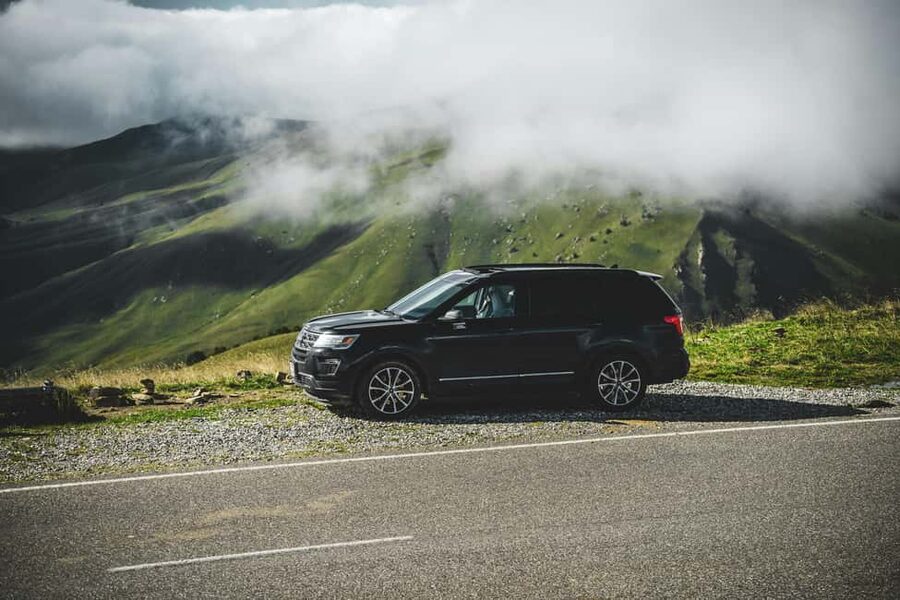
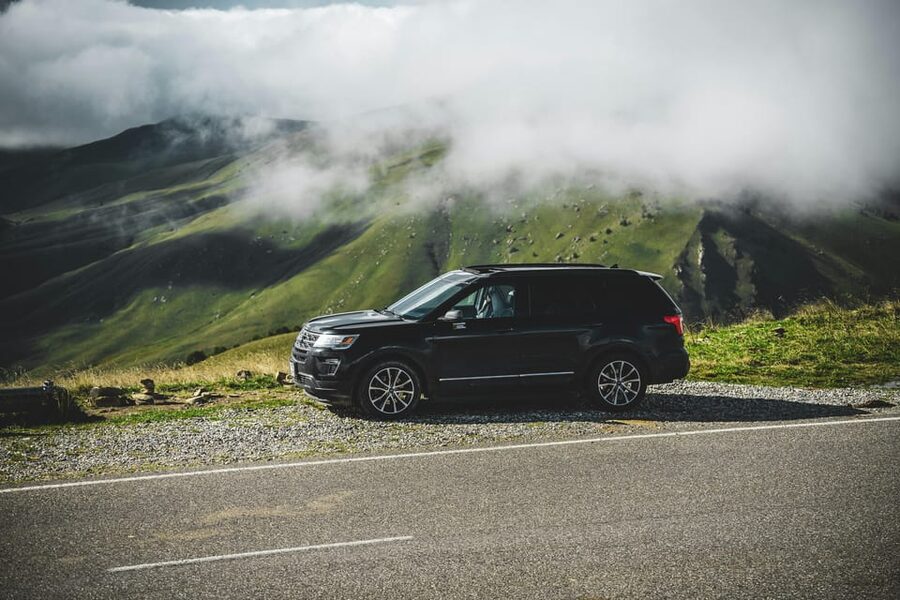
The first transfer takes about 30 minutes by Jeep or SUV. The road time is part of the appeal, since the tour leaves the city and heads into the countryside where olive cultivation becomes the focus.
You will not be driving yourself, which matters on a half-day schedule. Your guide can keep the outing moving and explain the purpose of each stop. The private vehicle also gives your group room to talk, ask questions, and adjust the pace within the fixed tour plan.
This is not described as an off-road adventure, so you should think of the SUV as comfortable transport rather than a thrill ride. Bring water, sunscreen, a hat, and comfortable shoes. Those simple items matter because the tree visit includes outdoor walking and the mill grounds may require time on your feet.
The pickup schedule has many possible starting points, but the exact start time depends on availability. Check the departure options before booking, especially if you have a ferry, flight, or dinner reservation later that day.
The Olive Museum explains the older methods
The first major stop is the Museum of the Olive and Greek Olive Oil. You have about an hour for a guided visit and free time.
This is where the tour gains useful context. Instead of tasting olive oil as an isolated product, you learn how olive cultivation and extraction developed on the island. The museum covers ancient and modern methods, helping you compare the labor and tools of earlier production with the machinery used today.
I like the order of the stops. Seeing the museum before the mill gives you a framework for the rest of the day. When you later watch modern production, you already have a sense of how much the process has changed.
An hour should be enough for a focused visit, but it is not a full museum study. If you enjoy reading every display or examining every object at length, you may want more time than the schedule allows. The advantage is that the stop stays manageable and does not swallow the entire afternoon.
The museum also gives the tour more substance than a simple countryside drive. You are not only looking at an old tree and buying a bottle. You are learning why olive oil has such an important place in Cretan food and farming.
Ano Vouves and its ancient olive tree
The stop at Ano Vouves lasts about 20 minutes. The highlight is the Ancient Olive Tree, believed to be more than 3,000 years old and described as the world’s oldest olive tree.
The age is the striking part, but the tree’s form is just as memorable. An ancient olive trunk becomes wide, twisted, and sculptural over time. It feels very different from seeing rows of young trees in an orchard. This is a living monument, not simply an object behind glass.
Twenty minutes is enough to see the tree, take photographs, and listen to an explanation of its historical importance. It is not enough for a long village visit or an extended walk, so set your expectations correctly. This is a concentrated stop with one main purpose.
I recommend comfortable shoes even though the visit is short. You should also carry a hat and sunscreen, since the tour information specifically suggests both. A camera is worth bringing, too. The tree’s unusual shape makes this one of the more photograph-friendly stops.
The tree visit is also a good pause between the museum and the mill. The museum gives you information, the tree gives you a strong visual memory, and the mill brings the subject into the present.
More Olive Mill and Factory Tours around Greece:
- Crete: Quad Safari, Olive Mill with Tasting & Ghost Village
★ 4.9 · 1,004 reviews - Knossos-Zeus Cave -Old Traditional Villages-Olive Oil Factory
★ 5.0 · 694 reviews - The Governor’s Olive Mill Tour with Olive Oil Tasting
★ 5.0 · 502 reviews - Crete: Road-trip to Lasithi, Zeus Cave & Olive Mill Farm
★ 4.4 · 451 reviews
From ancient trees to modern production
After Ano Vouves, the transfer to the olive mill takes about 25 minutes. The mill is the working heart of the experience, with around two hours for a guided visit, free time, and shopping.
The tour information refers to the mill as Violaia Olive Mill in the main description and as Biolea Olive Mill in the included services. If the exact name matters to you for navigation or later purchases, confirm it with the provider before departure. Either way, the important feature is the same: you visit a family-run producer and see modern olive oil production techniques.
The two-hour stay gives this stop more room than the ancient tree visit. You can follow the guide’s explanation, take part in the tasting, and spend time looking at products without feeling forced into a quick exit.
This is where you can ask practical questions about production and quality. The tour is designed to show how olives become oil, not merely to present a finished bottle. The contrast with the museum’s older methods should make the process easier to understand.
The shopping time is optional. You do not have to buy olive oil or other products, and purchases are not included in the price. Still, the mill is the logical place to shop if you want to take home something connected directly to the day.
What the olive oil tasting is like
The tasting is included with the guided mill visit and focuses on premium extra virgin olive oils. You will have a chance to compare oils and learn more about what you are tasting.
The format is especially useful if you normally buy olive oil by price or bottle design. A guided tasting lets you pay attention to flavor and quality before deciding if you want to purchase anything. I appreciate that the tasting is part of a longer visit rather than the entire activity.
The tour does not specify the number of oils or the exact tasting menu, so do not expect a fixed list of products. The available oils may vary. You can ask the guide about production methods, storage, and the differences between the bottles on offer.
Food and drinks at cafés or restaurants are not included. The mill tasting should not be treated as a full meal. If you tend to get hungry during a five-hour outing, bring water and consider eating beforehand or planning a meal afterward.
The return drive takes about 30 minutes by SUV. Drop-off is available at the same general group of areas, including Chania, Souda, Stalos, Platanias, Agia Marina, Daratsos, Kalyves, Almyrida, Georgioupoli, Paralia Kourna, and Kolymvari.
Ramona’s flexible guiding matters
The strongest personal praise is directed toward Ramona. Alejandra described Ramona as amazing and appreciated the way she accommodated the group. Molly also praised her flexibility and said she was great, while Jeff described the experience as fantastic with Ramona guiding it.
That pattern tells you something useful. The guide is not simply there to drive from one address to the next. Flexibility appears to be a real part of the experience, which is valuable on a private tour where your group may have different interests or questions.
The listed guide languages are English, Greek, and Romanian. If you need a particular language, confirm availability when booking rather than assuming every departure includes all three.
A private group also changes the tone of the day. You can ask more questions than you might in a large group, and the guide can spend more time explaining a subject that interests you. It also means the experience is less social if you hoped to meet other visitors.
Who should book this experience?
I would recommend this tour to you if you want a half-day introduction to Crete’s olive culture without renting a car. It suits couples, families, and small private groups who value door-to-door transport and a guide.
It is a good choice if you enjoy:
- Local food and agricultural traditions
- Small museums with a clear subject
- Historic sites that can be visited in a short stop
- Guided tastings
- Rural scenery and private transport
- Buying regional products after learning how they are made
The tour may not suit you if you need wheelchair access, have back problems, or dislike outdoor walking. Smoking is not allowed. You should also avoid booking it if you want a long, leisurely museum visit or a full meal included in the day.
The tour lasts 5 to 6 hours, but the schedule includes several transfers and a short stop at the tree. It gives you range rather than depth. You see three connected parts of olive culture, but you will not spend an entire day at any one of them.
Practical tips for a smoother outing

Wear shoes that are comfortable for walking and bring a hat, sunscreen, water, and a camera. These are not decorative packing suggestions. The day combines vehicle transfers, outdoor sightseeing, museum time, and a mill visit.
Keep some flexibility in your schedule. The tour has several pickup points and availability-based starting times, so the exact timing may vary. I would avoid placing a tight reservation immediately after the stated end of the tour.
Bring a little room in your luggage if you may buy olive oil at the mill. Purchases are optional and paid separately, but the shopping stop gives you the chance to take products home.
The activity offers free cancellation up to 24 hours in advance and a reserve-now, pay-later option. Those terms are useful if your Chania plans may change, though you should still check the exact booking conditions at the time you reserve.
Should you book the Chania olive tour?
Book it if you want an easy, well-rounded introduction to Crete’s olive tradition, especially if private transport and a personal guide matter to you. The ancient tree, the museum, and the mill each serve a different purpose, so the day feels varied rather than repetitive.
At $88 per person, I think the price is sensible for a private 5 to 6-hour outing with transport, admission, guiding, and tasting included. I would skip it only if you are not interested in olive oil, need accessible facilities, or prefer to spend your day at one major sight instead of moving between several smaller stops.
The repeated praise for Ramona’s flexibility is a useful reason to choose this particular format. You are buying more than a transfer to an old tree. You are getting a guided connection between Crete’s ancient olive culture and the oil being produced today.
FAQ
How long does the Chania olive tour last?
The tour lasts approximately 5 to 6 hours, including transportation between the pickup areas, museum, olive tree, and mill.
Where can I be picked up?
Pickup is available from Chania, Souda, Stalos, Platanias, Agia Marina, Daratsos, Kalyves, Almyrida, Georgioupoli, Paralia Kourna, and Kolymvari.
Is transportation included?
Yes. Private round-trip transportation in a modern SUV from Chania and the listed nearby areas is included.
What languages are available for the guide?
The tour offers live guiding in English, Greek, and Romanian.
Is the olive oil tasting included?
Yes. The guided visit to the olive mill includes an olive oil tasting. Purchases of olive oil and other products are optional and cost extra.
Is food included?
No. Meals and drinks at cafés or restaurants are not included. You should bring water and plan separately for any meal.
Is the tour suitable for wheelchair users?
No. The activity is not suitable for wheelchair users or people with back problems. Comfortable shoes are recommended, along with a hat and sunscreen.
More Organic Olive Farms around Greece
- Organic Olive Grove tour & Olive oil tasting & lunch in Kalamata!
★ 5.0 · 61 reviews - Kalamata, Greece: Organic Olive Grove Tour-Olive oil tasting
★ 5.0 · 10 reviews - Corfu: Organic Olive Oil Farm Tour with Transfer and Tasting
★ 5.0 · 8 reviews - Corfu Organic Olive Oil Tasting at Family Farm
★ 5.0 · 5 reviews
Just added around Greece
- Athens: Greek Wine & Olive Oil Tasting at Brettos Plaka★ 4.5 · 3 reviews
- Breakfast in the markets with olive oil and honey tasting★ 4.8 · 8 reviews
- PRIVATE RHODES TOUR + Lunch Stop & WINE/OLIVE OIL Tasting★ 5.0 · 2 reviews
- Olive Tour & Tasting★ 5.0 · 4 reviews
- Olive Facility Visit with Olive Oil Tasting Session★ 5.0 · 2 reviews
- SYSTASIS Olive Oil Tasting Experience in Ermioni Greece★ 5.0 · 4 reviews
- Olive Oil Tour close to Nafplio★ 4.5 · 3 reviews
- Olive Oil Tasting at the Mykonian Farm★ 4.5 · 3 reviews
Olive Mill and Factory Tours, compared.
Knossos-Zeus Cave -Old Traditional Villages-Olive Oil Factory
Read our review →
The Governor’s Olive Mill Tour with Olive Oil Tasting
Read our review →
Road-trip to Lasithi, Zeus Cave & Olive Mill Farm
Read our review →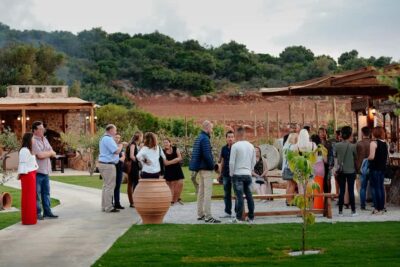
Lassithi, Zeus Cave, Olive Mill Farm & Knossos Combo Tour
Read our review →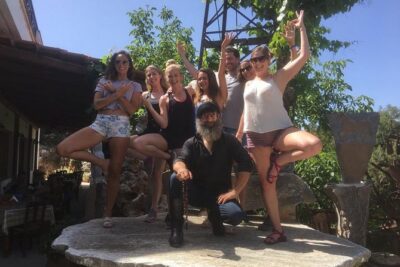
Zeus Cave, Lassithi Plateau, Olive Oil Factory, Kritza, Pottery
Read our review →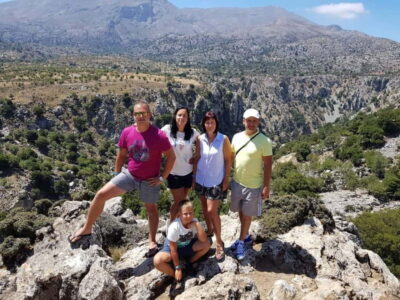
Zeus Cave, Lassithi Plateau, and Olive Factory Tour
Read our review →Browse the lists this tour appears in