
Review · CRETE
Chania Private Olive Oil Tour: Oil Tasting & Villages Tour
Olive oil tells Crete’s story. This seven-and-a-half-hour private outing from Chania combines olive farming, village scenery, old mills, modern production, and a possible 3,000-year-old tree. I especially like the chance to meet a working farmer and receive organic extra virgin olive oil to take home. I also like the private format, which lets your guide adjust stops around your interests.
The main consideration is the pace. You spend much of the day moving between rural sites, and some stops are more about explanation and scenery than major attractions. At $176 per person, it makes the most sense for you if olive oil, agriculture, local history, and a flexible private guide matter more than ticking off famous monuments.
Five things that make this olive oil tour different
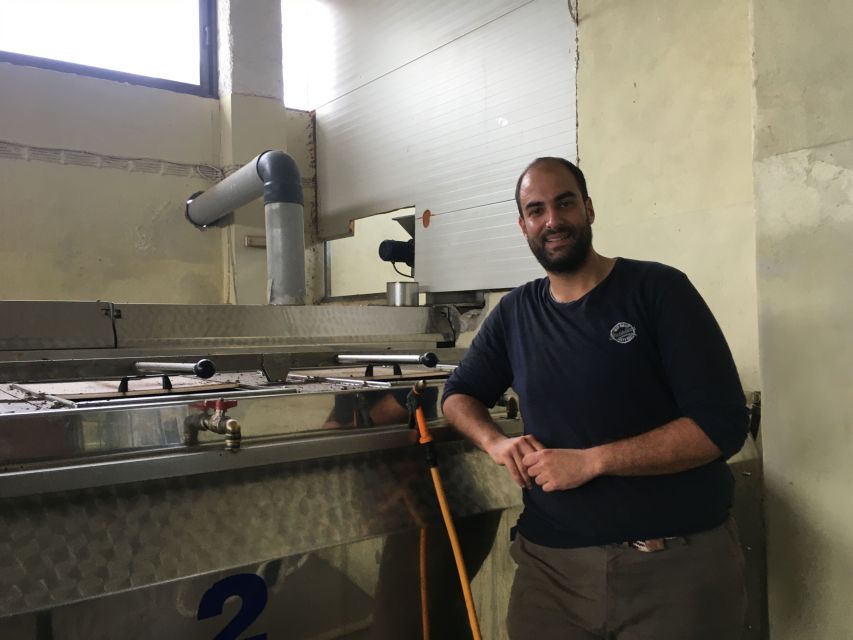
- A working olive grove: You learn about Cretan olive varieties, irrigation, grafting, harvesting, and farming methods in the place where the trees actually grow.
- Two very different oil mills: An old mill shows how olives were processed in earlier centuries, while a modern factory explains current extraction, refinement, and processing.
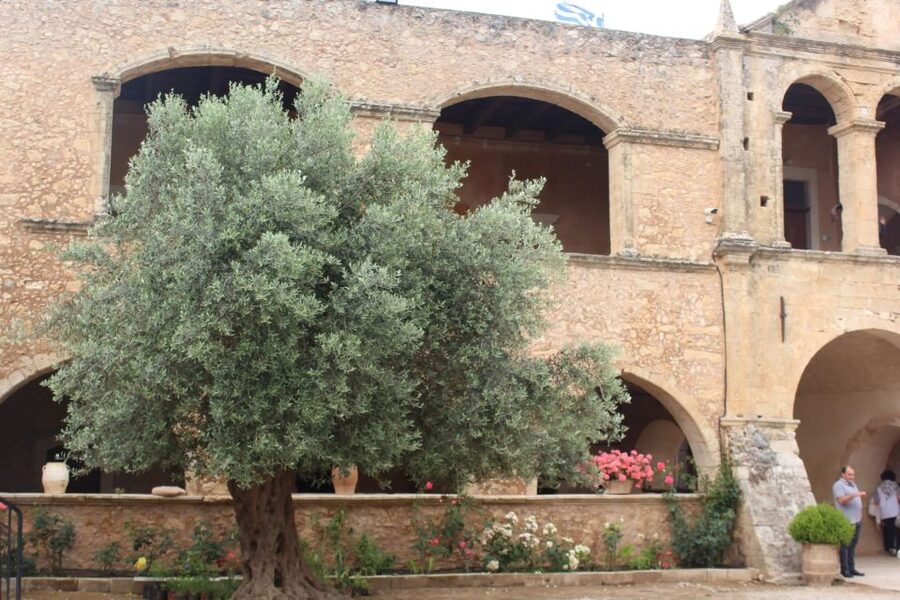
- A possible 3,000-year-old olive tree: The ancient tree is visited away from the main visitor routes, offering a striking look at Crete’s long connection with olive farming.
- A private guide and driver: The tour is led by a licensed historian guide, with a professional farmer or producer joining for the agricultural portion.
- A village stop in Apokoronas: You have time for coffee or lunch near trees, running water, and the village setting of Vryses, rather than spending the whole day inside factories.
From Chania into the Apokoronas countryside
Pickup is available from central Chania hotels, and the tour can also work as a shore excursion from Chania or Souda Cruise Port. You should wait in your hotel lobby about ten minutes before the scheduled pickup time.
The drive carries you away from Chania toward the villages and valleys of the Chania Regional Unit. This is where the tour earns its keep. Instead of treating olive oil as a supermarket product, it connects the bottle to the soil, trees, farms, machinery, and people behind it.
The first part includes a guided look at the rural area, with time to understand the scale of agriculture around Chania. You stop at a high viewpoint for photographs and a broad look across the cultivated valleys. It is a useful introduction because the olive groves are not isolated curiosities. They form part of a working rural economy spread across the region.
You should expect the guide to talk about local cultivation, farming, and the villages of Apokoronas. The exact order of stops may shift because the tour allows flexible pauses and route changes. That flexibility is helpful in a private group, particularly if you want more time for photography or questions.
More Traditional Village Tours around Chania:
- Crete: Quad Safari, Olive Mill with Tasting & Ghost Village
★ 4.9 · 1,004 reviews - Knossos-Zeus Cave -Old Traditional Villages-Olive Oil Factory
★ 5.0 · 694 reviews - Knossos & Lasithi Plateau: Zeus Cave,Villages, Olive Oil Tour
★ 5.0 · 328 reviews
Learning olive farming inside a private grove
The olive grove is one of the most useful parts of the day. Here you get past the basic idea that all olive oil is the same.
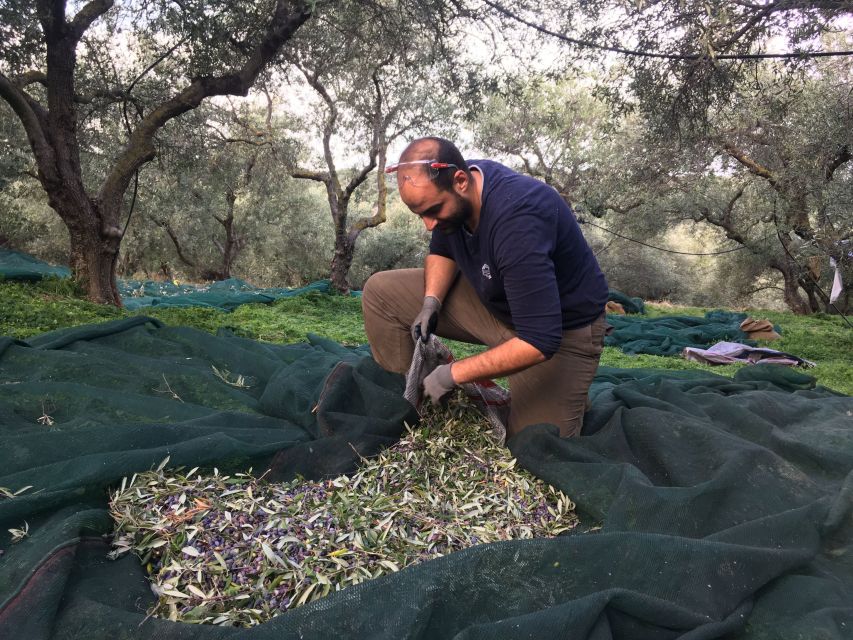
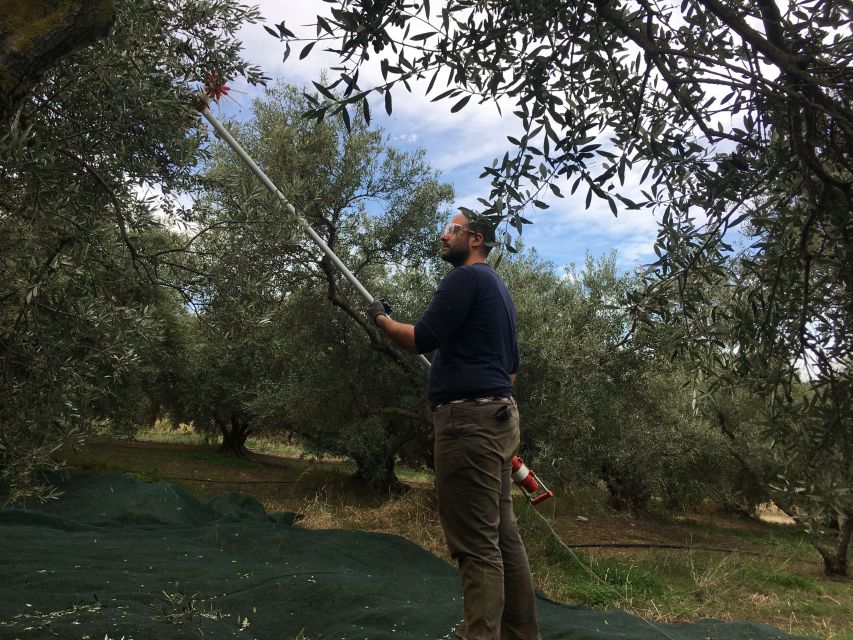
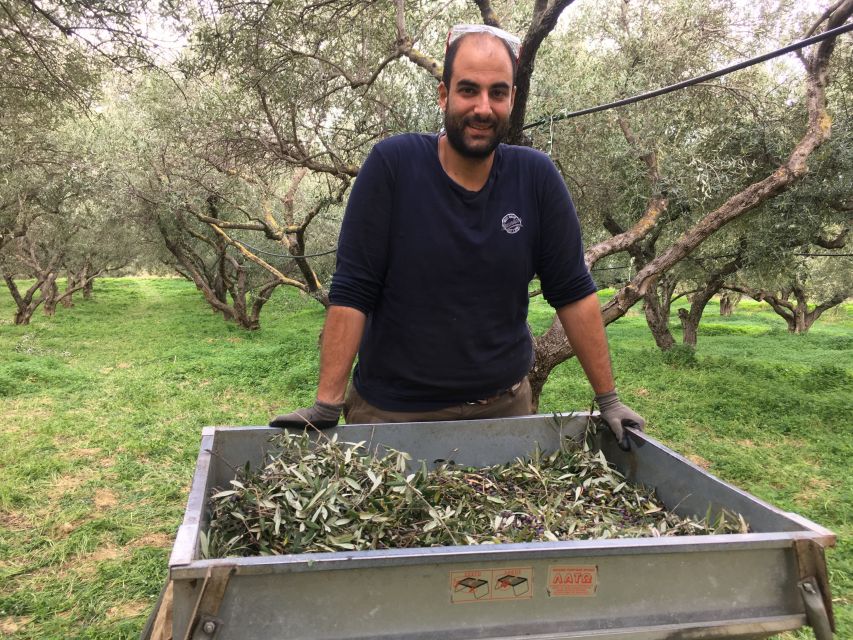
You learn about different olive varieties found in Crete, the grades of oil produced around Chania, and the effect of farming methods on the final crop. A local farmer explains irrigation, grafting, harvesting, and the care needed to produce high-quality olives.
That practical setting matters. It is easier to understand the difference between an old tree and a productive modern grove when you are standing among the branches and seeing how the trees are managed. You can also ask questions that would be hard to fit into a standard sightseeing tour, such as how olives are collected or why a grower might graft one variety onto another.
The tour includes free organic extra virgin olive oil from the grove to take home. This is a good touch, especially because you can taste the oil later and connect it with the tree-growing methods discussed during the visit. Pack the bottle carefully if you are continuing your trip, and remember that transporting liquids may require checked luggage if you are flying.
Seeing olive oil made before modern machinery
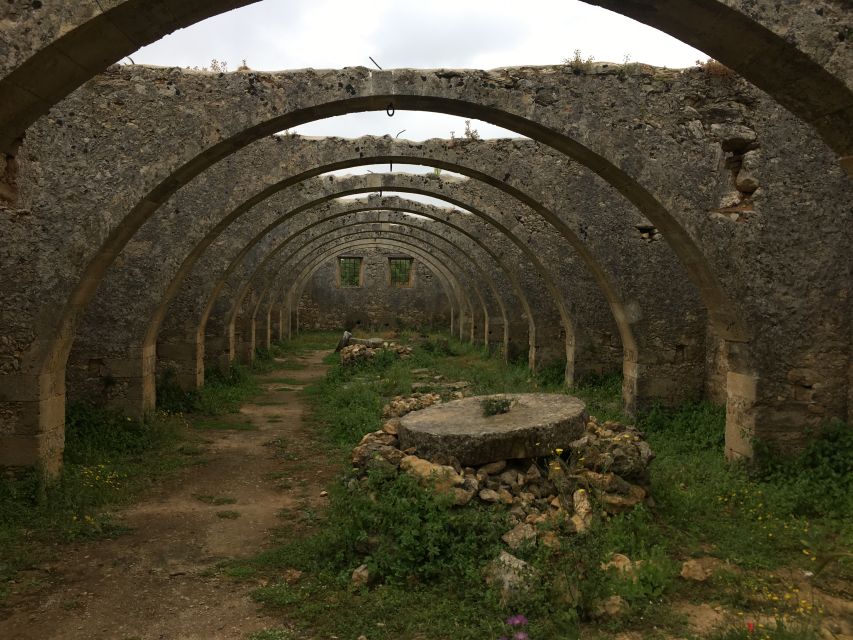
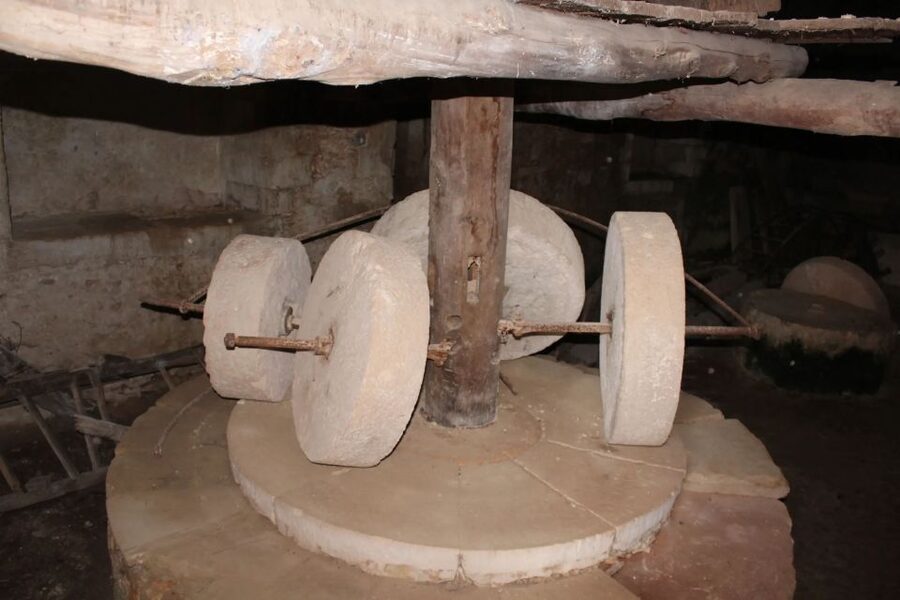
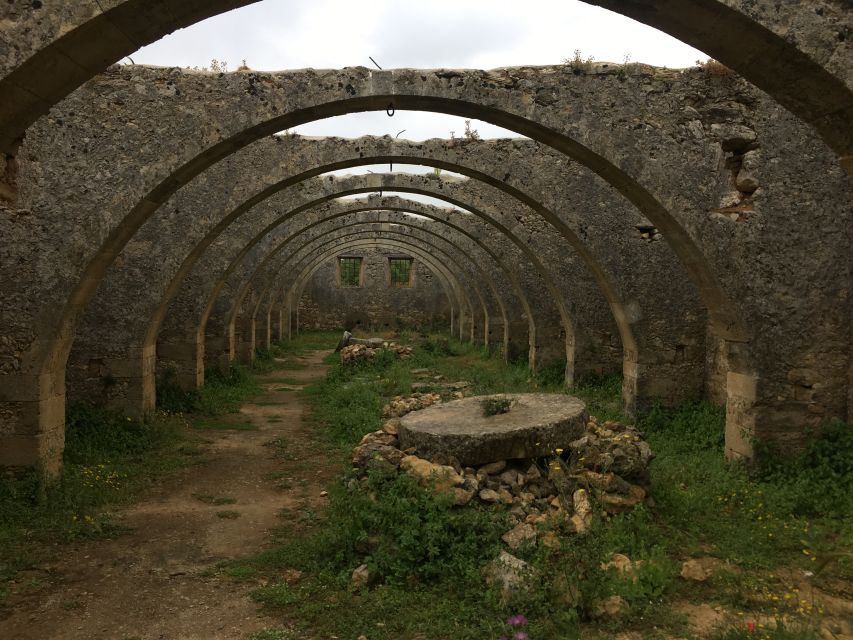
The old olive oil mill gives the day a historical layer. Rather than only hearing about traditional production, you walk through a former mill and see the stages used by earlier generations of Cretan farmers.
The stop helps explain how much labor once went into turning harvested olives into oil. The machinery and layout show a slower process, built around basic mechanical force rather than the controlled equipment used today.
I like this comparison because the modern factory later in the day makes more sense after you have seen the older method. The tour is not simply a tasting with a few historical props. It places olive production across time, from traditional village technology to present-day processing.
The old mill is also one of the places where a strong guide adds real value. Apostolis, the guide praised most warmly by name, is described as especially responsive to individual interests and highly informed about local history. That combination matters on a private tour. You can ask for more context about farming, villages, religious sites, or the daily life of Cretan producers instead of following a fixed group script.
Coffee, lunch, and a look at village life
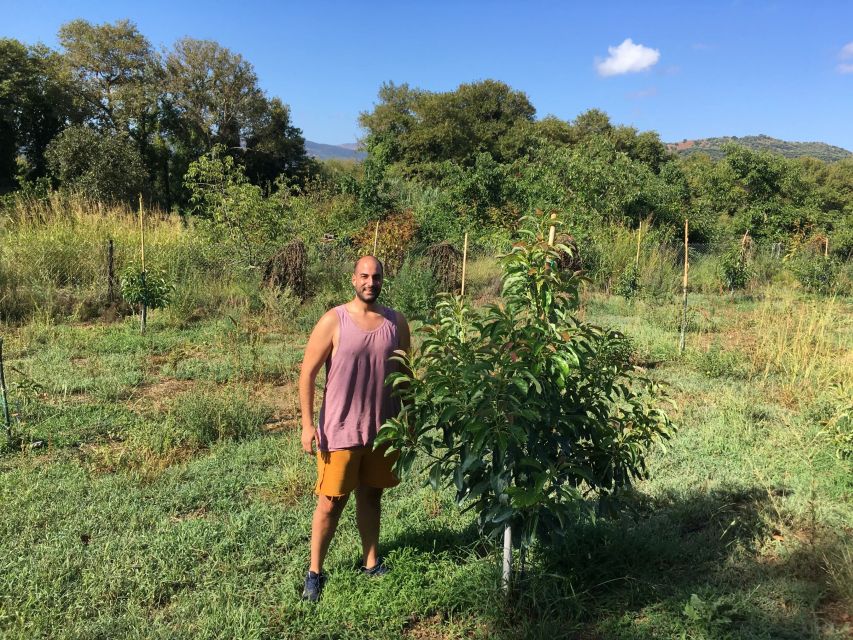
The schedule allows about fifty minutes for coffee and an hour for lunch. A stop near Vryses provides a change from olive sites, with trees, a small river, and local geese adding a simple rural atmosphere.
This is not a grand restaurant experience, and it should not be judged as one. Its value is the pause. After several hours of driving and explanations, you get time to sit, eat, and discuss Apokoronas, farming, and village life.
The included food is described as a box lunch with water, a banana, an apple, and chocolate. At the same time, meals and drinks purchased at private stops are not included. In practical terms, you should clarify whether you want to rely on the packed food or buy lunch and drinks during the stop.
That detail can affect the final price. The $176 per person covers private transport, a licensed guide and driver, the farmer visit, the planned stops, and the oil gift, but additional café or restaurant purchases are extra. The included food keeps the day moving without requiring a restaurant meal, while the village stop gives you the choice to spend more if you prefer.
More Olive Oil Tours around Chania:
- Crete Wine and Olive Oil Tour
★ 5.0 · 272 reviews - Wine & Olive Oil Tour with Lunch at Milia Mountain Retreat
★ 5.0 · 194 reviews - Wine & Olive Oil Tour with Lunch – Semi Private Safari Tour
★ 5.0 · 156 reviews - Chania: Milia Mountain Tour w/Lunch Olive Oil/Wine Tastings
★ 4.9 · 97 reviews
The ancient olive tree away from the crowds
The visit to the old olive tree is the most memorable nature stop. It is described as more than 3,000 years old and still fruit bearing, although claims about the oldest olive tree in Crete can differ depending on the method used to estimate age.
You reach it away from the main visitor routes. That makes the stop feel quieter and less packaged than a large, signed attraction. The tree’s massive circumference gives you a physical sense of age that a date on an information panel cannot quite provide.
I would treat the age as a traditional estimate rather than a fact that can be proven with absolute certainty from the tour details. Even with that qualification, the tree is an extraordinary reminder that olive cultivation here stretches back across many centuries.
Bring your camera, but also give yourself a moment to look closely at the trunk and branches. This is one of those stops where the scale of the subject matters more than a long explanation. The photographs will be memorable, but the impression comes from standing beside a living tree that has survived for generations.
A modern factory and the final oil tasting
The final major stop is a modern olive oil factory in the Chania region. Here your guide explains current production, extraction, refinement, and processing beside the equipment and machinery.
This visit completes the day’s central comparison. At the old mill, you see the earlier approach. At the modern facility, you learn how equipment handles the olives and separates the oil under current production methods.
The tour closes with a free extra virgin olive oil tasting inside the factory. This is more useful than tasting oil in an unrelated shop because you have just seen the machinery and discussed the production stages. You can connect the flavor with the process and ask questions while the subject is still fresh.
The tasting is not presented as a large food spread. The focus is olive oil itself. If you want a long meal, many samples, or a retail shopping session, this may feel modest. If you want to understand how Cretan oil is made and taste it at the production site, it fits the purpose well.
What the private format adds
A private group changes the feel of the day. The vehicle, hotel pickup, guide, and route are arranged for your party rather than a large mixed group. The tour also allows possible diversions and adjustments according to your needs.
That can be valuable in several ways. You may be able to spend longer at the ancient tree, ask more questions at the grove, or focus on history if that is your main interest. Families and couples often appreciate not having to match the pace of a full coach.
The guide is a licensed historian certified by the Greek Ministry of Tourism, and the olive grove portion includes a professional farmer or olive oil producer. Those are two different kinds of expertise. One person can place the villages, mills, and traditions in historical context, while the other can explain the hands-on work of farming and production.
The tradeoff is cost. At $176 per person, this is not the cheapest way to see rural Crete. You are paying for privacy, transport, specialist input, flexibility, and a full day outside Chania. For a solo visitor, the price may feel high. For a small group sharing the private experience, the value is easier to justify.
Who should book this tour?
I would recommend it most strongly to you if you:
- Want a full day focused on olive oil rather than a quick tasting
- Enjoy rural scenery, farming, and village life
- Prefer a private guide to a large group
- Like comparing traditional and modern production
- Want historical context alongside food and nature
- Are visiting Chania or arriving at Souda by cruise ship
- Appreciate flexible stops and time for questions
It may be less suitable if you want a relaxed day with very little driving, a major archaeological site, or a long restaurant lunch. The subject is specific, and much of the day is built around olive trees, mills, processing, and countryside travel.
The experience also suits repeat visitors to Crete who have already seen Chania’s old town and want a different side of the region. It gives you a practical look at the villages and farms that support one of the island’s best-known products.
Booking details and practical value
The tour lasts about 7.5 hours and operates in English or Greek. Pickup and drop-off are included from central Chania areas, and cruise passengers can arrange pickup from Chania or Souda port.
You can cancel up to 24 hours before departure for a full refund, and the reserve now, pay later option keeps your plans flexible. Starting times depend on availability, so check the schedule before committing to another activity on the same day.
The overall rating is 4.4 from nine verified ratings, with especially strong marks for the guide’s historical explanation, the private format, the selection of stops, and the olive production lessons. The clearest guide praise centers on Apostolis, who is described as combining strong historical knowledge with a willingness to follow the group’s interests.
Should you book the Chania olive oil tour?
Book it if you want to understand Cretan olive oil from tree to bottle, with village scenery and history along the way. The old mill, working grove, modern factory, oil tasting, and ancient tree form a well-rounded day rather than a single-product sales visit.
At $176 per person, I see it as good value for a private full-day outing, especially for couples or small groups who would otherwise need to arrange transport and several rural visits themselves. Just budget for any café or restaurant purchases, and do not expect every stop to be a major attraction.
If you want a personal guide, authentic countryside, and a better grasp of why olive oil matters in Crete, this is a strong choice from Chania. If your main goal is beaches, ruins, or a slow afternoon, spend your money elsewhere.
FAQ
Where does the Chania olive oil tour begin?
Pickup begins in Chania, with free hotel pickup and drop-off from central Chania areas.
Can cruise passengers join the tour?
Yes. The tour is available as a shore excursion covering Chania and Souda Cruise Port.
How long does the tour last?
The experience lasts approximately 7.5 hours.
Which languages are available?
The live tour guide is available in English and Greek.
Is this a private tour?
Yes. The experience is operated for a private group.
Is transportation included?
Yes. Private transport is included, along with hotel pickup and drop-off from central Chania areas.
Is lunch included?
A box lunch with water, a banana, an apple, and chocolate is included. Lunch and drinks purchased at private stops are not included.
Do I receive olive oil to take home?
Yes. Free organic extra virgin olive oil from the olive grove is provided to take home.
Will I visit an ancient olive tree?
Yes. The route includes a visit to an ancient olive tree estimated at more than 3,000 years old.
Can I cancel the booking?
Yes. You can cancel up to 24 hours in advance for a full refund.
Just added around Chania
- Wine, Beer, Olive Oil Tasting Private Tour (price per group of 6)★ 5.0 · 4 reviews
- Discover Rethymno, Lake Kournas & the Secrets of Cretan Olive Oil★ 5.0 · 10 reviews
- Wine & Olive Oil tasting one day private tour in Crete★ 5.0 · 2 reviews
- Rethymnon Olive Tree Sponsorship Protect and Plant Tour★ 5.0 · 5 reviews
- Chania Old Town – Millennial Olive Tree – Olive Oil Mill★ 5.0 · 2 reviews
- Crete Off-Road & Flavors Safari: Wine, Olive Oil & Mountain Life★ 5.0 · 9 reviews
- Monastery – Ancient Olive tree & Museum-Cretan Brewery Private Tour from Chania★ 5.0 · 5 reviews
- Private Tour Elafonisi Beach with Honey Olive Oil & Wine Tastings★ 5.0 · 12 reviews
Traditional Village Tours, compared.
Knossos-Zeus Cave -Old Traditional Villages-Olive Oil Factory
Read our review →
Knossos & Lasithi Plateau: Zeus Cave,Villages, Olive Oil Tour
Read our review →
Knossos Zeus Cave Villages Olive Oil Factory Tour
Read our review →
Knossos & lasithi plateau villages,Zeus’s cave,&olive oil Mill
Read our review →
Zeus Cave & Knossos History, Villages & Olive Oil
Read our review →
PRIVATE-Knossos Palace-Zeus Cave-Olive Oil Tasting-Old Villages
Read our review →
PRIVATE-Zeus Cave-Knossos-Olive oil Factory-Traditional Villages.
Read our review →Browse the lists this tour appears in