
Review · SANTORINI
Extra virgin olive oil And Honey Tasting
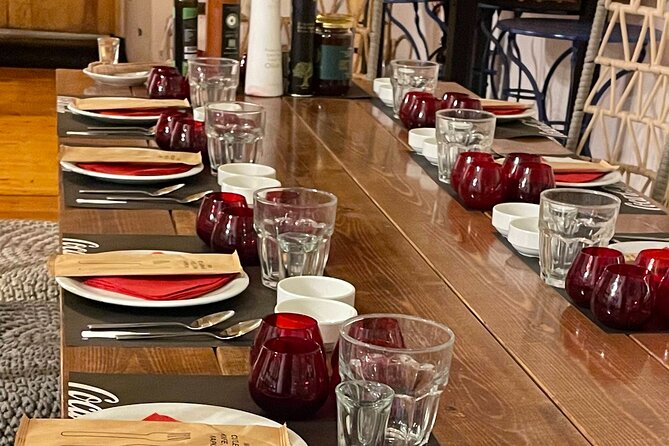
Olive oil can taste surprisingly different. This 90-minute tasting in Fira gives you a friendly introduction to Greek extra virgin olive oil and two local honeys, with Stathis guiding you through samples of organic oils, flower honey, and pine honey. I like the small group size, capped at 10, and the generous food pairings, including tomatoes, feta, olives, bread, and local cold cuts. The main thing to consider is the setting: this happens inside STOA Bar Restaurant, not at an olive farm or honey producer.
I also like that the session teaches useful skills, such as how harvesting time affects flavor and how to choose and store olive oil at home. Stathis is repeatedly praised for his warmth, humor, and clear explanations. The $70.14 price is fair if you value instruction and a substantial tasting, but it may feel high if you only want a quick sample before returning to Santorini’s famous views.
Key points to know before booking
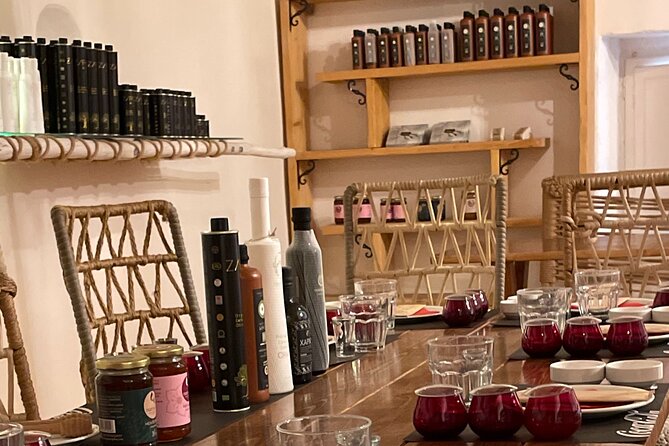
- Taste several Greek staples: Sample organic extra virgin olive oils, flower honey, pine honey, feta, olives, tomatoes, bread, and local cold cuts.
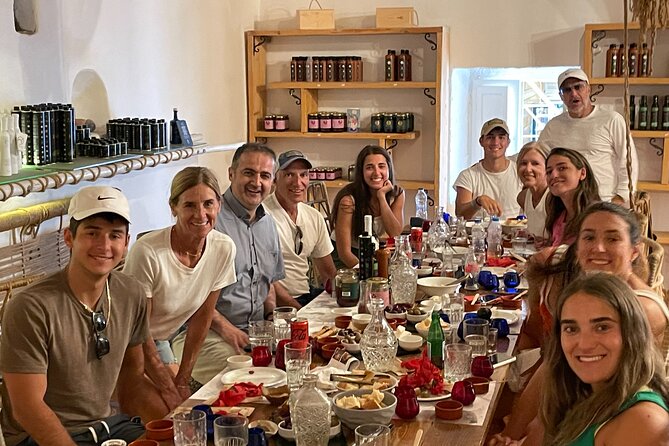
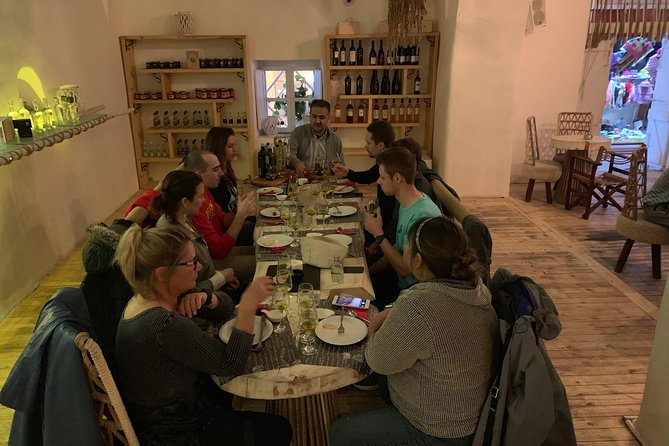
- Small, personal format: The group is capped at 10, and the activity is described as private, so your session may feel more like a relaxed table conversation than a formal class.
- Stathis is the main attraction: His friendly style, humor, and practical advice receive the strongest praise.
- Meet underground in Fira: STOA Bar Restaurant is below the main square, next to the fish spa, so follow the signs carefully.
- A useful souvenir lesson: You learn how to judge olive oil and honey at home, and some participants leave with a souvenir or buy oil afterward.
- Plan around the food and drinks: Raki, snacks, and tasting items are included, while other drinks and extra alcoholic beverages cost more.
What the tasting is really about
Santorini is often treated as a place for sunsets, cliffside views, and wine. This experience offers a different look at Greek food culture. Olive oil and honey are everyday products, but the tasting shows how much their flavor can change based on the plant, harvest, production method, and storage.
You are not simply handed a plate of samples. Stathis explains how olives are harvested, how oil is produced, and how to taste it. That makes the session useful long after your time in Santorini. You can return home with a better idea of what extra virgin olive oil should taste like, how to compare bottles, and why one oil may suit bread while another works better with tomatoes or feta.
The same approach applies to honey. You taste both flower honey and pine honey, giving you a simple comparison between two distinct styles. The point is not to declare one the winner. It is to notice differences and understand what you like.
More Olive Oil and Honey Tastings around Greece:
- From Chania: Olive Oil, Wine, Cheese & Honey Tasting Tour
★ 4.6 · 490 reviews - Butterfly Valley & Wine, Olive Oil, Honey Tasting Tour (Small Group)
★ 4.5 · 114 reviews - Small-Group Honey & Extra Virgin Olive Oil Tasting Tour in Crete
★ 5.0 · 85 reviews
Finding STOA below Fira’s main square
The meeting point is STOA Bar Restaurant on Danezi Street, at Stoa Pelekanou in Fira. The instructions are specific for a reason: the venue is underground, below the main square, and beside the fish spa. Watch for the STOA Bar Restaurant signs rather than assuming the activity is in a shop with a large tasting-room entrance.
This central Fira location is practical if you are already exploring town. The activity ends at the same place, so you do not need a separate return transfer or a complicated pickup arrangement. It is also near public transportation, which helps if you are coming from another part of Santorini.
The setting has both strengths and limits. STOA provides a shaded, cool place to sit, and one account describes fans and a pleasant breeze. That is welcome during a hot afternoon in Fira. You also get the atmosphere of a working bar and café, where you can order a drink if you want something beyond the included tasting.
If you are expecting rows of olive trees, a pressing mill, or a walk through beehives, adjust your expectations. This is an indoor food workshop in a central restaurant. Its value comes from the tasting and conversation, not from visiting a rural production site.
The opening plate: local food, raki, and a drink
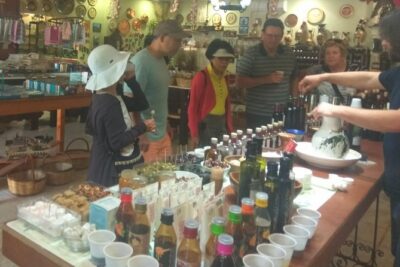
The session begins with a spread of Greek foods used to taste and pair with the oil and honey. Expect local tomatoes, feta cheese, olives, bread, bread sticks or crisps, and a traditional Greek cold cut. The sample menu also lists pastourma, a seasoned cured meat, along with raki.
The tomatoes receive special praise in the feedback. They are described as unusually sweet, and that matters because tomatoes are one of the simplest ways to taste olive oil. A drizzle over a sweet tomato lets you notice the oil without a thick sauce getting in the way.
Feta and olives offer a salty contrast. Bread and bread sticks give you a plain base for comparing samples. The cold cut and pastourma make the plate more filling, so this is not a token snack with a few drops of oil.
Raki is included as the traditional drink. Other drinks are not included, and alcoholic drinks can be purchased separately. Some sessions have included a choice of drink and water, but the formal inclusions list only raki and snacks. If you want coffee, a cocktail, wine, or another beverage, be prepared to pay extra.
The food also makes this activity easy to enjoy as a light meal. Several people found the portions substantial enough to keep them full for the rest of the day. That helps soften the price, especially if you schedule the tasting near lunch or between sightseeing stops.
Tasting the extra virgin olive oils
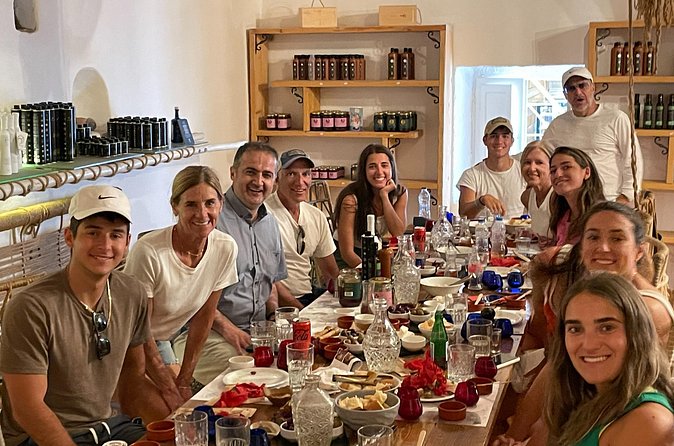
The olive oil portion is the heart of the experience. A range of organic, extra virgin oils is placed on the table, and Stathis explains how to taste them. You sample the oils with bread, crackers, tomatoes, feta, and other foods rather than treating the oil as an abstract product.
The useful part is the practical instruction. You learn that harvest timing affects taste, and that different farmers and producers may handle olives in different ways. The session also covers production and storage, which gives you a better basis for choosing a bottle once you return home.
This is especially helpful if you normally buy olive oil by looking only at the label or price. The tasting gives you a chance to compare several oils side by side. You can notice which seem mild, peppery, grassy, or more forceful, then decide what suits your own cooking.
The tone is informal rather than technical. Stathis explains the subject in plain language and encourages questions. The strongest praise centers on his ability to make the lesson feel personal, as if you are sitting at a friend’s table with someone who cares about the food.
That warmth matters in a small tasting. A formal lecture can make olive oil feel like homework. Here, the food, jokes, and conversation keep the topic approachable. You leave with information, but the experience still feels social.
More Olive Oil Tours around Greece:
- Crete: Quad Safari, Olive Mill with Tasting & Ghost Village
★ 4.9 · 1,004 reviews - Knossos-Zeus Cave -Old Traditional Villages-Olive Oil Factory
★ 5.0 · 694 reviews - The Governor’s Olive Mill Tour with Olive Oil Tasting
★ 5.0 · 502 reviews - Crete: Road-trip to Lasithi, Zeus Cave & Olive Mill Farm
★ 4.4 · 451 reviews
Comparing flower honey and pine honey
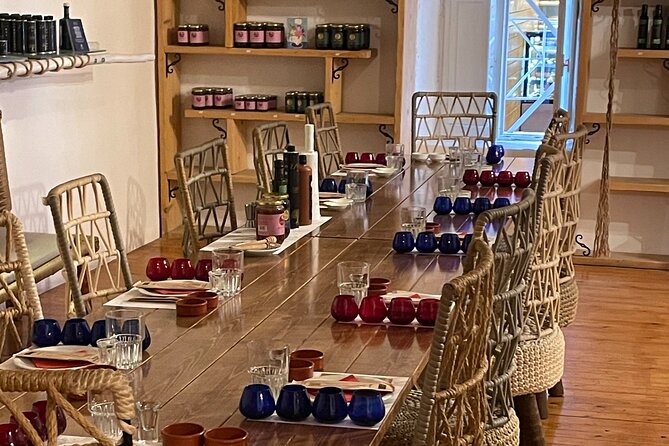
The honey tasting adds variety and keeps the workshop from becoming a single-product lesson. You sample flower honey and pine honey, then pair them with the foods on the table.
The difference between the two is part of the fun. You can taste them on bread or with other snacks and decide which style you prefer. The session also covers what to look for when buying honey, according to the information shared during the experience.
This is a good section for anyone who enjoys food markets but is unsure how to judge local products. Santorini shops carry many edible souvenirs, and a little guidance can help you make a more informed choice. Honey is easy to pack, and the small tasting may help you decide what is worth taking home.
The honey does not receive as much attention in the available feedback as the olive oil, but it is still an important reason to choose this particular workshop. You get two Greek food traditions in one sitting instead of booking a standard oil tasting.
Stathis sets the tone
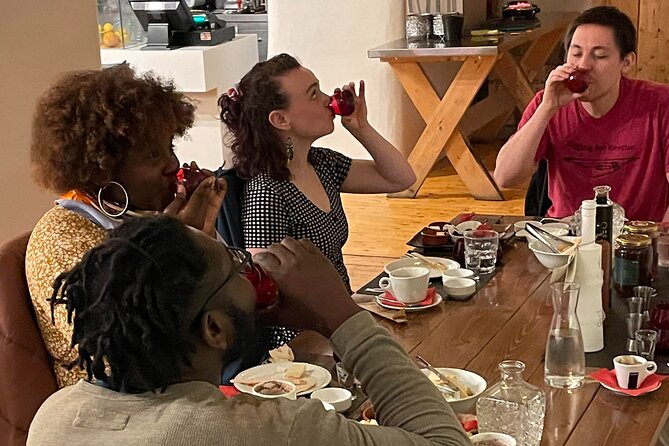
The host is central to the experience. Stathis is repeatedly described as warm, funny, attentive, and well informed about olive oil and honey. He takes time to involve the table, remembers names, and adjusts the pace when needed.
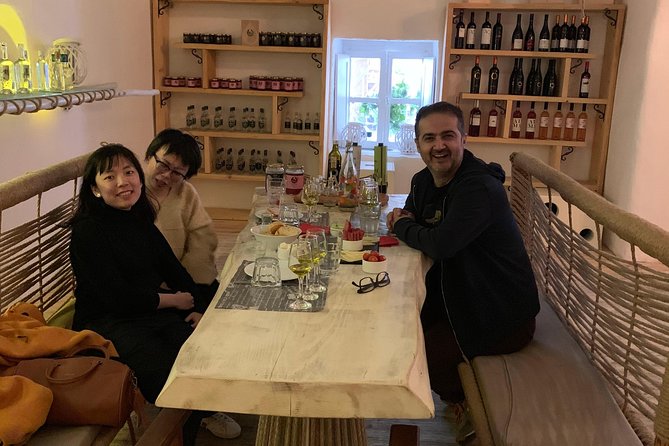
One useful detail is that the small format can become even more personal. A session has taken place with only two people after others did not arrive, while another group included four people. The stated limit is 10, but the actual number may be smaller depending on bookings.
That makes a difference. With only a handful of people, you can ask about flavors, production, storage, and buying advice without competing with a large audience. One person who needed to translate for a parent also found there was enough time to do so, though the official language of the activity is English.
The host’s style will suit you if you like conversation and questions. It may be less appealing if you want a tightly scripted presentation with formal tasting sheets and a polished agricultural setting. The experience is relaxed and personal, not a professional certification course.
Is $70.14 a fair price?
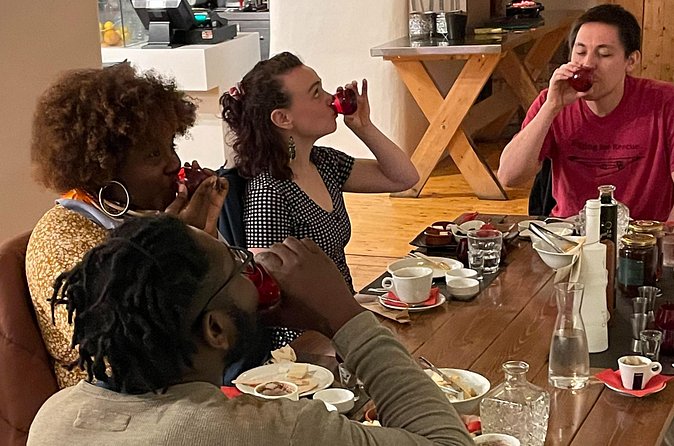
At $70.14 per person, this is not the cheapest snack stop in Fira. You are paying for more than the ingredients. The price includes a 90-minute hosted session, several oils, two honeys, traditional food, raki, and practical guidance on buying and storing the products.
The food is a key part of the value. You receive enough accompaniments to make the tasting feel like a generous snack or light meal. If you would otherwise pay for lunch and a separate food activity, the cost becomes easier to justify.
The small group also matters. A larger tour could offer a lower price, but you would likely get less time for individual questions. Here, the cap of 10 supports a more direct exchange with Stathis. If your group is small, you may receive especially focused attention.
Still, price-sensitive visitors should think about their priorities. If you mainly want a few tastes and a souvenir bottle, you can probably spend less at a shop. If you enjoy learning how food is made, want to understand extra virgin olive oil, and appreciate a hosted table with several pairings, the price is more reasonable.
The experience is also a good choice for a hot day. You can sit indoors, take a break from the sun, and eat while learning. That practical comfort adds value when Fira’s streets feel crowded or overheated.
Who should book this experience?
I would recommend this tasting to food-minded visitors who want something distinctly Greek but different from the usual wine stop. It suits couples, small groups, and solo visitors who enjoy sitting down with a host and asking questions.
It is also useful for anyone who cooks at home. The lesson on choosing and storing olive oil gives you information you can use every week, not just during your holiday. The same goes for honey if you like bringing home edible souvenirs.
Families can attend, but children must be accompanied by an adult. The minimum drinking age is 18 because raki and other alcoholic drinks are part of the setting. Children who are interested in food can still take part in the tasting, but adults should account for the drinking rules.
You should be comfortable with a restaurant setting and a tasting built around snacks. This is not a walking tour, a farm visit, or a sightseeing trip. You will not be moving through Fira’s streets with a guide. You will be seated at STOA for most of the 90 minutes.
Timing, cancellations, and useful planning tips
The experience lasts about one hour and 30 minutes. I would place it between sightseeing stops rather than at the very end of a rushed day. Since it begins and ends at STOA, it is easy to combine with time in central Fira.
Book ahead if your schedule is tight. The activity is often reserved about 11 days in advance, which suggests that popular dates can fill before arrival. Confirmation is provided at booking, and mobile tickets are accepted.
Free cancellation is available if you cancel at least 24 hours before the start time. Cancellations or changes made less than 24 hours ahead are not refunded or accepted.
The activity is offered in English. Service animals are allowed, and most people can participate. If you need a specific accommodation beyond that, contact the provider before booking rather than relying on the general participation note.
Should you book the olive oil and honey tasting?
Book it if you want a relaxed, food-focused hour and a half with a warm host, plenty to taste, and practical advice you can use at home. The strongest reasons are the small group, the filling selection of Greek foods, and Stathis’s personal approach.
Skip it if you are looking for an olive farm, a production facility, a formal culinary course, or a view-based Santorini excursion. The setting is a central underground bar and restaurant, not the countryside.
For most food lovers, the experience offers a pleasant change from sunset watching and crowded photo stops. You taste products that are central to Greek cooking, learn how to judge them, and leave with a better sense of what to buy. At $70.14, it is a considered purchase, but the instruction, hospitality, and generous pairings make it a solid choice for the right kind of visitor.
FAQ
Where does the olive oil and honey tasting take place?
It takes place at STOA Bar Restaurant on Danezi Street, Stoa Pelekanou, in Fira, Santorini. The venue is underground from the main square, next to the fish spa.
How long does the tasting last?
The activity lasts approximately one hour and 30 minutes.
What food and drinks are included?
The tasting includes organic and extra virgin olive oils, flower honey, pine honey, cherry tomatoes, crisps or bread sticks, snacks, feta, olives, local cold cuts, and raki. Other drinks and alcoholic beverages are available to purchase but are not included.
How many people can join the tasting?
Group sizes are capped at 10 people. The activity is also described as private, meaning only your group participates.
Is the tasting offered in English?
Yes. The experience is offered in English.
Can I cancel for a refund?
Yes. You can cancel up to 24 hours before the start time for a full refund. Cancellations or changes made less than 24 hours before the experience are not accepted or refunded.
Just added around Greece
- Athens: Greek Wine & Olive Oil Tasting at Brettos Plaka★ 4.5 · 3 reviews
- Breakfast in the markets with olive oil and honey tasting★ 4.8 · 8 reviews
- PRIVATE RHODES TOUR + Lunch Stop & WINE/OLIVE OIL Tasting★ 5.0 · 2 reviews
- Olive Tour & Tasting★ 5.0 · 4 reviews
- Olive Facility Visit with Olive Oil Tasting Session★ 5.0 · 2 reviews
- SYSTASIS Olive Oil Tasting Experience in Ermioni Greece★ 5.0 · 4 reviews
- Olive Oil Tour close to Nafplio★ 4.5 · 3 reviews
- Olive Oil Tasting at the Mykonian Farm★ 4.5 · 3 reviews
Olive Oil and Honey Tastings, compared.
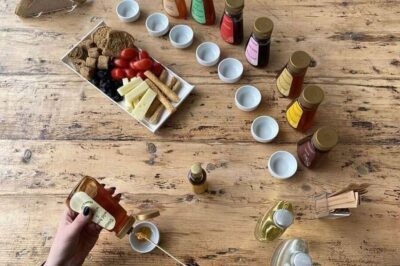

Butterfly Valley & Wine, Olive Oil, Honey Tasting Tour (Small Group)
Read our review →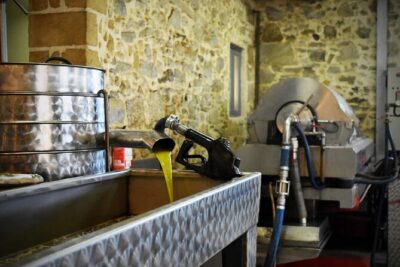
Small-Group Honey & Extra Virgin Olive Oil Tasting Tour in Crete
Read our review →
Katakolon Small Group Tour: Olympic site, Honey/Olive Oil Tasting
Read our review →
Olympia Shore Ex: Olympic site, Honey Farm & Olive Oil Tasting
Read our review →
Kefalonia: Private Olive Oil, Honey & Wine Tasting Experience
Read our review →Browse the lists this tour appears in