
Review · CENTRAL GREECE
Extra Virgin Olive Oil Experience with Wine & Herbs
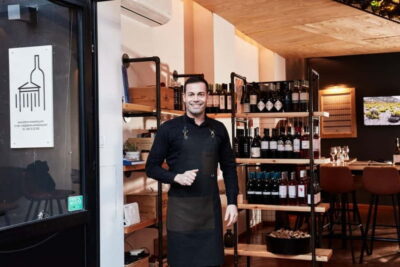
Olive oil tells a Greek story. This compact tasting introduces you to extra virgin olive oil through four oils, herbs, spices, bread, cheese, and wine. I like the way it goes beyond simply sampling products: you learn how to taste oil, judge quality, understand Greek olive-growing regions, and pair oil with food. I also like the warm, personal setting, where host Anton explains the subject with clear enthusiasm rather than turning the session into a stiff lecture.
The main consideration is the short 40-minute format. It gives you a useful introduction, but not a full farm visit or a long cooking class. Also, the activity information refers to three oils in one description and four oils in the inclusions, so it is sensible to confirm the exact tasting lineup when you book.
Key points at a glance
- Four Greek extra virgin olive oils: The included tasting compares oils rather than offering just one sample, giving you a better feel for differences in flavor and quality.
- Anton’s personal approach: His calm, friendly teaching style has earned strong praise, with explanations covering production, olive regions, history, and tasting methods.
- Food and drink pairings: Bread, cheese, mountain herbs, common spices, and a glass of wine make the lesson practical and enjoyable.
- A small studio setting: The rustic venue and group limit of 10 create an intimate atmosphere, with room for questions and conversation.
- More than a food souvenir: You learn how to assess oil at home and how to use it with food, plus information about health and cosmetic uses.
- A useful Athens add-on: At $23 per person, it is a modestly priced activity for a short city break, especially if you want something beyond monuments and museums.
What happens during the 40-minute tasting
This is a short, focused session rather than a full-day food tour. You meet at the Wine and Olive Oil Bar marked by the black cat poster, then settle into a small studio space for an introduction to extra virgin olive oil.
Anton leads the session in English. His role is central to the experience. He explains the subject with a mix of practical instruction and personal stories, and his friendly manner helps keep the tasting relaxed. You can expect questions to be welcome, which matters in a small group where the goal is conversation rather than a one-way speech.
The session begins with the basics: what extra virgin olive oil is, how olive oil categories differ, and why the growing region matters. Greece has many olive-producing areas, and the oils can show different character depending on the olives and production methods. You will not leave as a professional taster in 40 minutes, but you should leave with a clearer vocabulary and a better sense of what quality means.
The tasting itself is the heart of the experience. The advertised inclusions list four extra virgin olive oils, while the detailed description refers to three. That small inconsistency is worth noting, but either format gives you a chance to compare oils side by side. Comparison is far more useful than tasting one oil in isolation because it helps you notice differences in aroma, bitterness, pepperiness, and finish.
More Olive Oil and Wine Tastings around Greece:
- From Chania: Olive Oil, Wine, Cheese & Honey Tasting Tour
★ 4.6 · 490 reviews - From Chania: Wine and Olive Oil Tasting Tour with Snacks
★ 4.8 · 354 reviews - Athens: Acropolis Wine Tasting with Cheese and Olives
★ 4.9 · 337 reviews
Learning how to taste oil properly
Many people taste olive oil by dipping bread into it and deciding if they like the flavor. This experience asks you to pay closer attention. You learn how to taste extra virgin olive oil and which quality criteria to consider.
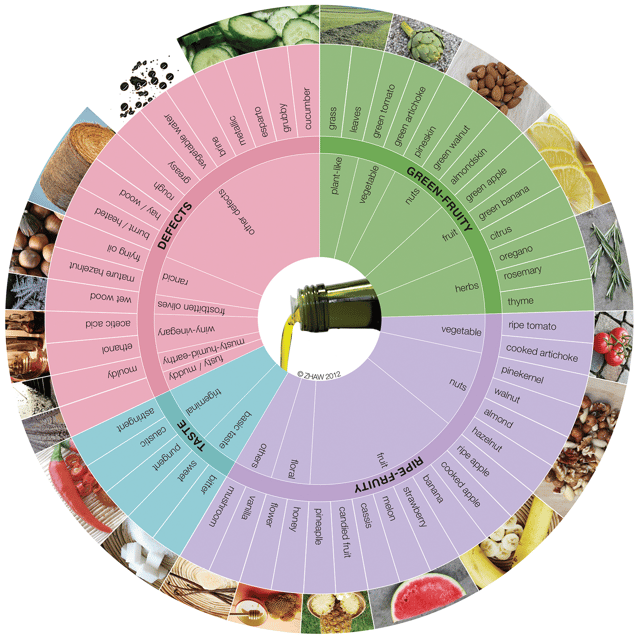
The lesson can help you notice the oil’s smell before food changes your impression. You may pick up fresh, grassy, fruity, bitter, or peppery notes, depending on the sample. Bitterness and a peppery sensation are not automatically faults. In a good extra virgin olive oil, they can point to freshness and the character of the olives.
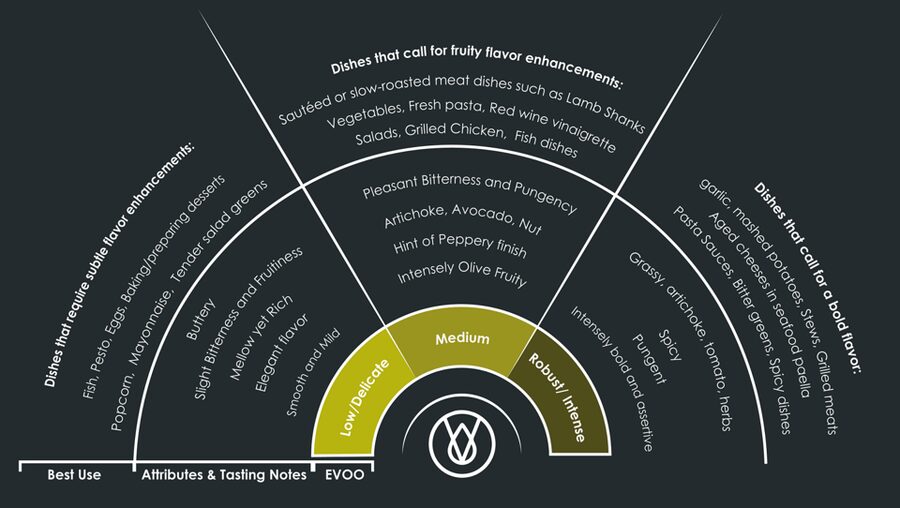
That distinction is one of the most useful parts of the class. You learn that an oil does not need to taste mild to be good. Some oils work well over salads or vegetables, while stronger oils can bring more force to bread, cheese, or cooked dishes. The tasting gives you a practical starting point for choosing oil by taste rather than by bottle design or price alone.
The evaluation section also helps separate extra virgin olive oil from olive oil in general. The activity covers categories and quality standards, so you get a clearer idea of what you are buying when you see different labels in a shop. For anyone who has stood in front of a supermarket shelf wondering which bottle deserves its price, this is useful information.
Pairing Greek oil with herbs, spices, and food
The tasting is not limited to tiny sips of oil. Mountain organic herbs, common spices, bread, cheese, and wine are included, giving you several ways to test the oils with food.
Bread offers the simplest comparison. A slice can show how an oil tastes when it is the main flavor rather than one ingredient in a sauce. Cheese adds salt and creaminess, while herbs and spices show how the oil can support or soften other flavors.
You also learn about pairing olive oil with food. That can be more valuable than memorizing a list of tasting terms because it helps you use what you learn after returning home. A bold oil may be enjoyable with bread or cheese, while a lighter one might suit a different dish. The experience encourages you to treat olive oil as a food with its own character, not just a cooking liquid.
The inclusion of wine adds a pleasant Greek tasting-room feel, but wine is not the main subject. If you are booking this mainly for a wine tasting, you may find the experience too focused on olive oil. The wine functions more as a companion to the food and conversation.
The information also covers the health and cosmetic uses of olive oil. That broadens the lesson, though the strongest part is clearly the tasting and evaluation. If you already know a lot about olive oil, the health and beauty material may feel familiar. For most visitors, it adds useful context without taking over the session.
Why the small group matters
The group is limited to 10 people. That is a good fit for an activity built around tasting and questions. In a large room, a short lesson can feel like a demonstration watched from a distance. Here, the small size helps preserve the personal tone that many people value.
The rustic studio setting adds to that feeling. It is not presented as a grand culinary school or a polished restaurant. Instead, the space offers a simple backdrop for the products and the discussion. The setting may appeal to you if you prefer a local business and direct contact with the person who runs the experience.
One especially useful detail is the chance to shop for oil and wine afterward. You can ask questions before choosing anything, rather than selecting a bottle from a market shelf with little guidance. Buying is optional, but the chance to support a local business gives the tasting a practical ending.
Do not expect a tour of olive groves or a visit to an active mill. No transport or outdoor production visit is included in the supplied details. The focus stays indoors, with tasting, teaching, and conversation.
More Olive Oil Tours around Greece:
- Crete: Quad Safari, Olive Mill with Tasting & Ghost Village
★ 4.9 · 1,004 reviews - Knossos-Zeus Cave -Old Traditional Villages-Olive Oil Factory
★ 5.0 · 694 reviews - The Governor’s Olive Mill Tour with Olive Oil Tasting
★ 5.0 · 502 reviews - Crete: Road-trip to Lasithi, Zeus Cave & Olive Mill Farm
★ 4.4 · 451 reviews
Anton’s teaching style
The strongest praise centers on Anton. He is described as warm, professional, friendly, and highly informed about the subject. More important, he appears to make the information easy to follow.
His explanations cover the production process, the characteristics of different oils, Greek olive regions, and the history connected to olive oil. He also adds personal stories and recommendations for places to eat in Athens and for onward destinations. Those suggestions can be handy if you schedule this early in your trip, since they may help shape the rest of your food plans.
The tone seems to be one of the experience’s main strengths. You are not simply handed four glasses and left to form your own opinion. Anton guides you through the samples and answers questions as they arise. That makes this especially suitable if you are new to tasting oil and want someone to explain what you are noticing.
At the same time, the experience depends heavily on the host. That is common with small, personality-led activities. Here, the available feedback is consistently positive, with a perfect 5 rating from 18 reviews. Still, if you prefer a self-guided tasting with no instruction, this may feel more structured than necessary.
Is $23 a good value?
At $23 per person, the price is reasonable for a 40-minute activity that includes four oils, bread, cheese, herbs, spices, and wine. You are also paying for instruction, not just food samples. The lesson can save you from buying an expensive bottle without understanding what makes it different.
The value is strongest for visitors who want a short break between sightseeing stops. It does not require a full morning or evening, and it gives you a local food subject that connects directly to Greek daily life. A city break can become a parade of famous sites, so a compact tasting provides a welcome change of pace.
The value is less clear if you judge experiences by quantity. This is not a large meal, a cooking workshop, or a long wine tour. The portions are intended for tasting, and the 40-minute duration means the discussion must stay focused.
I would view the price as good for an introduction. You get enough variety to compare oils, enough food to understand pairings, and enough explanation to shop more wisely afterward. If you want a full meal, plan one separately.
Who will enjoy this most?
This experience suits adults and older teens who are curious about Greek food and want a calm, social activity. Children under 16 are not permitted, so families with younger children will need another option.
It is a good choice for:
- Food lovers who want more than a standard market visit
- Visitors interested in Greek agriculture and regional products
- Couples seeking a short tasting with wine
- Solo visitors who enjoy conversation in a small group
- Anyone who wants to buy olive oil with better guidance
- People looking for an indoor activity during a busy sightseeing day
It may not suit you if you want a long meal, a farm visit, or extensive wine education. It is also not designed as a family activity for young children. The stated age limit excludes children under 16 and people over 95.
The English-language format works well if you are comfortable following a food lesson in English. No other language is listed.
How to fit it into your Athens plans
The meeting point is the Wine and Olive Oil Bar with the black cat poster. Look for that sign rather than relying only on a street name, since it is the clearest identification provided for the venue.
Because the activity lasts 40 minutes, you can place it before dinner, after a museum visit, or during a pause in a day of sightseeing. Booking it near a meal makes sense because the bread, cheese, herbs, and oil will whet your appetite without replacing lunch or dinner.
If you want to buy a bottle, leave a little time after the session for questions and shopping. The activity gives you a chance to understand what you like before spending money. That is a better approach than treating the purchase as an afterthought.
The cancellation terms are traveler-friendly: you can cancel up to 24 hours ahead for a full refund, and you can reserve now while paying later. Starting times vary, so check availability when choosing your place.
Small details worth knowing before you book
The product information uses both three and four when describing the oils. The inclusions list four extra virgin olive oils, while the class description says three. Confirming the exact number is reasonable, especially if the comparison is the main reason you are booking.
The experience includes a glass of wine, but the subject is olive oil. Do not book it expecting a balanced wine-and-oil seminar. The wine, bread, cheese, herbs, and spices are there to help you taste and pair the oils.
The setting is intimate and rustic. That is part of its appeal, but it may not be what you want if you are looking for a formal restaurant or a large polished venue.
The activity has received a 5 rating from 18 reviews, and the most repeated praise focuses on Anton’s warmth, clear teaching, and passion for olive oil. That is a strong sign for anyone who values a personal host-led experience.
Should you book the olive oil experience?
Book it if you want a short, affordable introduction to Greek olive oil with real guidance, simple pairings, and a host who can answer questions. The strongest reasons to go are the small group, the variety of oils, and Anton’s friendly teaching style.
Skip it if you want a substantial meal, an olive farm visit, or a long culinary workshop. For $23, though, this offers a useful amount of food, instruction, and local connection in just 40 minutes. I would especially recommend scheduling it early enough in your trip to use Anton’s food and restaurant suggestions afterward.
FAQ
Where does the olive oil experience take place?
It takes place at the Wine and Olive Oil Bar marked by the black cat poster. The experience is associated with Central Greece, and the available information also refers to it as an activity for visitors to Athens.
How long does the experience last?
The experience lasts 40 minutes.
How much does it cost?
The listed price is $23 per person.
How many olive oils will I taste?
The included items list four extra virgin olive oils. Another description refers to three oils, so you should confirm the exact number when booking.
What food and drink are included?
The experience includes bread, mountain organic herbs, common spices, cheese, and a glass of wine.
Is the experience taught in English?
Yes. The listed instructor language is English.
How large is the group?
The activity is limited to 10 participants.
Are children allowed to attend?
Children under 16 are not permitted. The activity also lists people over 95 as not suitable.
Can I cancel the booking?
Yes. You can cancel up to 24 hours in advance for a full refund. You can also reserve now and pay later.
Just added around Greece
- Athens: Greek Wine & Olive Oil Tasting at Brettos Plaka★ 4.5 · 3 reviews
- Breakfast in the markets with olive oil and honey tasting★ 4.8 · 8 reviews
- PRIVATE RHODES TOUR + Lunch Stop & WINE/OLIVE OIL Tasting★ 5.0 · 2 reviews
- Olive Tour & Tasting★ 5.0 · 4 reviews
- Olive Facility Visit with Olive Oil Tasting Session★ 5.0 · 2 reviews
- SYSTASIS Olive Oil Tasting Experience in Ermioni Greece★ 5.0 · 4 reviews
- Olive Oil Tour close to Nafplio★ 4.5 · 3 reviews
- Olive Oil Tasting at the Mykonian Farm★ 4.5 · 3 reviews
Olive Oil and Wine Tastings, compared.
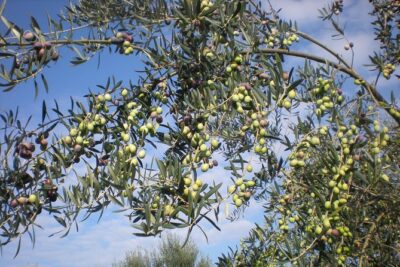
Sorrento Farm and Food Experience including Olive Oil, Limoncello, Wine tasting
Read our review →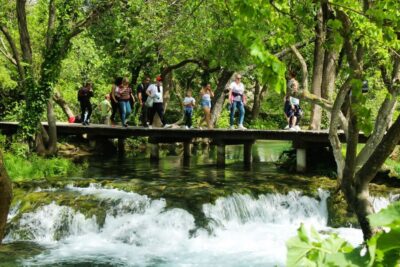
Krka Waterfalls With Boat Cruise, Wine and Olive Oil
Read our review →
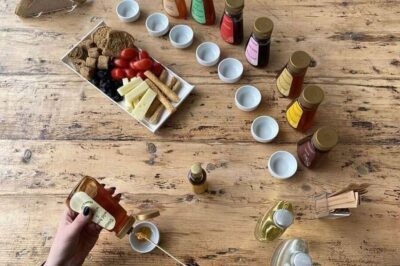

Lemon, Olive Oil and Wine Tasting Tour with Lunch
Read our review →
Browse the lists this tour appears in