
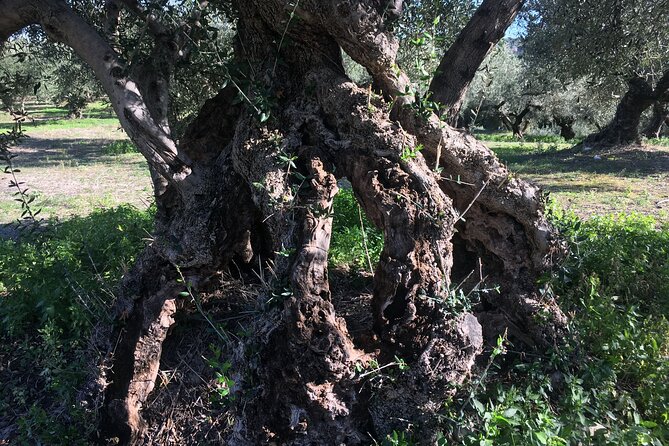
Review · CHANIA
In Crete Discover the miracle of Olive Oil and Organic Fruits
Olive oil tells Crete’s story. This private tour from Chania follows that story from a modern factory to an old mill, a working farm, a monastery, and a remarkable olive tree said to be more than 2,500 years old. I like the way it combines food, rural life, local history, and wide views instead of keeping you inside a tasting room all day.
I also like the private format. Your group travels with a farmer or olive oil producer and a licensed historian who drives and explains the places you see. The main drawback is the price: at $179.43 per person, it makes the most sense for a small group that values a tailored day rather than a low-cost bus excursion.
The schedule runs about six to seven hours, with pickup from central Chania areas and a start at 8:30 in the morning. Bring an appetite for olive oil, but plan for lunch and drinks separately, since those costs are not included.
Key points to know before booking
- Three eras of olive oil production: You see contemporary factory methods, an older mill, and the monastery’s connection to traditional production.
- A very old living olive tree: The tree is in an undisclosed location near Tsivaras and is described as more than 2,500 years old, or about 3,000 years old in the tour description.
- Organic fruit straight from the farm: At a private farm near Kalyves, you can collect fresh fruit from the tree while learning about daily agricultural work.
- Private guiding from Chania: A farmer or olive oil producer travels with you alongside a licensed historian guide and driver.
- Rural Chania beyond the resort towns: Vamos, Vryses, Kalyves, Tsivaras, Apokoronas, and Malaxa give the day a strong mainland focus.
- A full day with scenery built in: The Malaxa stop offers views over valleys, villages, and parts of the Chania region.
Why olive oil makes a good Crete tour theme
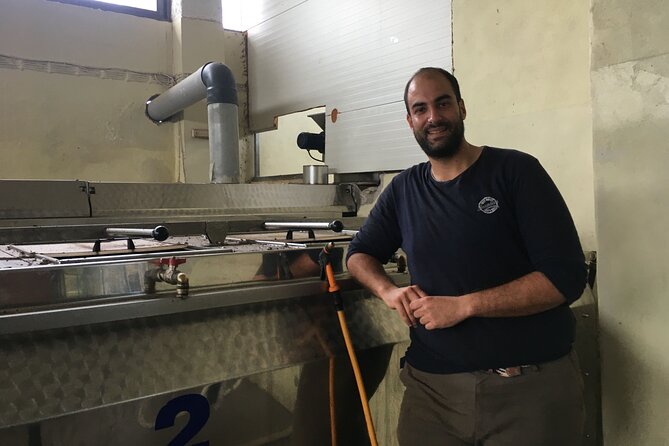
Olive oil is not just a product you taste at the end of a meal. It has shaped work, trade, food, family life, and village economies across Crete for centuries. This tour gives you a way to see that connection in several forms.
At the modern factory, you learn how olives become extra virgin olive oil today. At the old mill, you see the machinery and labor involved in earlier centuries. At the farm and monastery, olive oil becomes part of everyday life and local identity.
That range gives the day more purpose than a simple tasting stop. You are not only comparing flavors. You are connecting the bottle on a Cretan table with the trees, tools, people, and places behind it.
The private setting also matters. You can ask questions at your own pace, and the guide can explain both the farming side and the historical side. Since the tour is designed for only your group, it should feel more personal than a large coach outing.
More Organic Olive Farms around Chania:
- Ronda: LA Almazara LA Organic, Olive Oil Museum and Tasting
★ 4.6 · 435 reviews - Organic cooking class with a sommelier in an Olive and wine farm
★ 5.0 · 69 reviews - Balsamic Vinegar, Olive oil and Organic Winery Tour in Assisi with tasting
★ 5.0 · 66 reviews
Starting in Vamos at a modern olive oil factory
The first stop is Vamos, where you visit a modern olive oil factory for about an hour. This is the clearest introduction to the production process, since you see how olives are handled and processed into extra virgin olive oil.
The tour covers the qualities of olive oil and its various byproducts. That is useful if you normally buy olive oil based only on the label or price. You get a better sense of what the producer is looking for and why extra virgin oil is treated differently from other products.
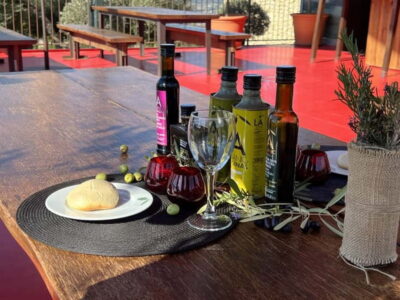
The tasting is a key part of the stop. You sample fresh organic extra virgin olive oil, so you can focus on its flavor rather than treating it as an abstract agricultural product. I would pay close attention here, then compare that first tasting with your later understanding of older production methods.
There is no admission charge listed for this stop. The visit lasts about an hour, which is long enough for an explanation and tasting without making the entire day about shopping.
Vryses and the machinery of an older olive mill
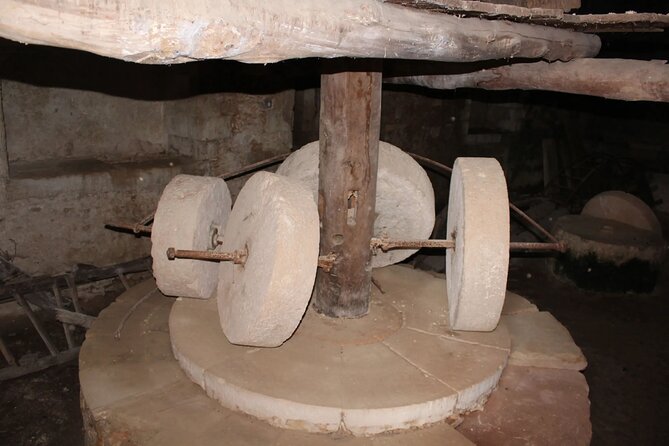
The next stop takes you to Vryses for about 30 minutes at a traditional old olive oil mill. The purpose is not a second modern tasting. Instead, you see how olive oil was extracted and produced in earlier centuries.
The machinery gives this stop its appeal. You can look at the equipment directly while your guide explains the demanding process behind it. The contrast with the modern factory should help you understand how much work olive production once required.
Thirty minutes is a sensible length. The mill is a focused historical visit, not a place where you need to spend half a day. If you are especially interested in rural technology or food history, you may wish this portion were longer. Still, its short format keeps the overall schedule moving.
This is also one of the tour’s more useful teaching moments. You see that traditional food production was tied to time, physical labor, and local machinery. That makes the modern factory visit easier to understand.
Kalyves, a working farm and fresh fruit
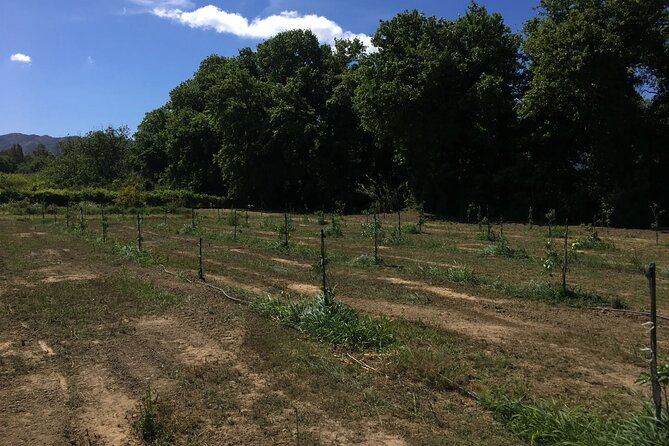
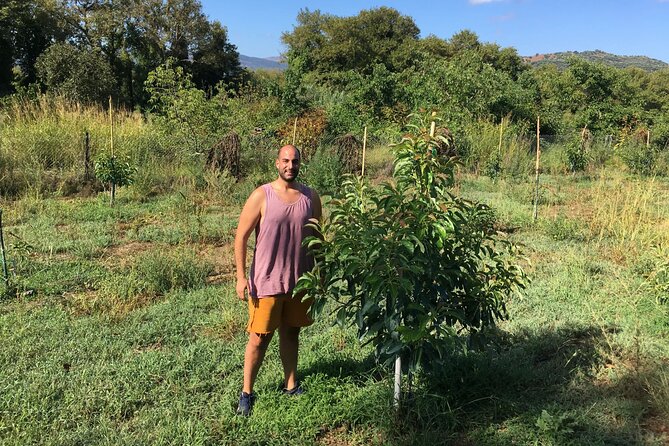
At Kalyves, you visit a private fruit and olive tree farm for about an hour. Here the tour shifts from processing to cultivation.
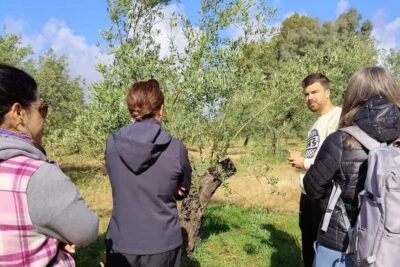
A professional farmer explains the different olive varieties, the daily routine of olive oil production, and the practical work of farm life. You also collect fresh fruit directly from the tree. That small action gives the stop a more hands-on quality than a standard roadside photo break.
I like this part because it brings the subject down to ground level. You are no longer looking only at a finished bottle or old machinery. You are seeing the trees and crops that require care before any oil reaches a mill.
The private farm setting may be especially appealing if you want contact with working agriculture. At the same time, the experience is not presented as a formal cooking class or a full meal. You should think of it as a guided farm visit with fruit tasting or collecting, not as lunch.
Because lunch and drinks are not included anywhere in the tour, plan accordingly. The supplied information does not specify a meal stop, so do not assume the fruit visit replaces lunch.
More Olive Oil Tours around Chania:
- Crete Wine and Olive Oil Tour
★ 5.0 · 272 reviews - Wine & Olive Oil Tour with Lunch at Milia Mountain Retreat
★ 5.0 · 194 reviews - Wine & Olive Oil Tour with Lunch – Semi Private Safari Tour
★ 5.0 · 156 reviews - Chania: Milia Mountain Tour w/Lunch Olive Oil/Wine Tastings
★ 4.9 · 97 reviews
Tsivaras and the ancient olive tree
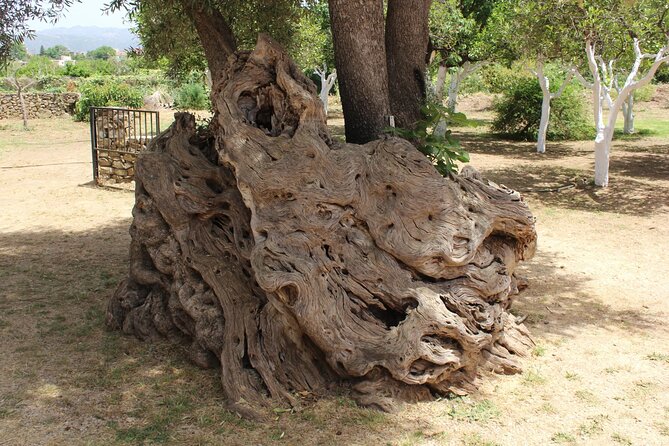
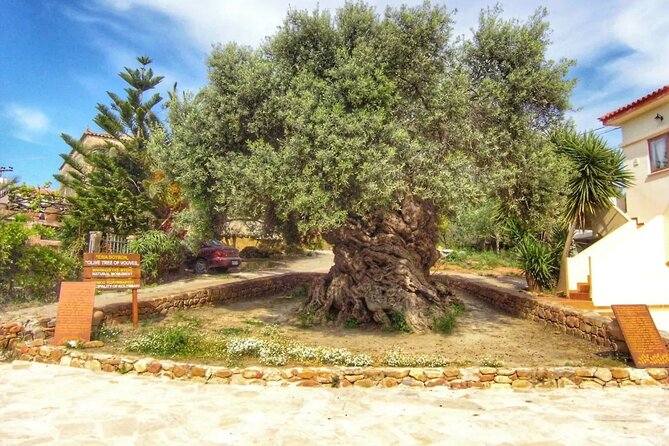
The stop at Tsivaras is likely to be the emotional center of the day. The group visits an undisclosed location to see a very old olive tree, described in different parts of the tour details as more than 2,500 years old and as a 3,000-year-old olive tree.
The exact age is presented as a possibility rather than a laboratory-certified fact. That is worth keeping in mind. Still, the tree’s size and age are the point, and you are allowed to touch a living tree that has survived for many centuries.
The undisclosed location adds a sense of rarity, but it also means you should not expect to find the tree independently after the tour. The guide leads you there as part of the private route. This is one reason the local guide matters: the appeal lies partly in reaching a place that is not presented as a normal public attraction.
The visit lasts about an hour. You have time to look closely, take in the dimensions, and understand why olive trees carry such importance in Crete. For many people, this will be more memorable than the factory because it connects the present directly with the distant past.
Apokoronas and a monastery tied to olive oil
The tour then visits the Apokoronas region and stops at a monastery with a strong connection to olive oil production. You see the monastery’s olive oil factory and learn how important olive oil has been to local communities through the years.
This stop adds another layer to the story. The factory shows modern production, the old mill shows earlier methods, and the monastery shows how olive oil was tied to institutions and community life. It is a useful reminder that oil production was not only a private household activity.
The visit lasts about an hour. The supplied details do not name the monastery, so you should not book this expecting a particular famous religious site by name. Its value is in the connection between the place and olive oil, along with the chance to see another production setting.
As with any religious site, sensible dress and respectful behavior are wise, although specific dress requirements are not provided. Keep your expectations focused on the olive oil connection rather than a long architectural tour.
A riverside pause in Vryses
After the more focused visits, the itinerary returns to Vryses for a small break in a romantic village by the riverside. This stop lasts about 50 minutes.
That pause matters on a day with several explanations and vehicle transfers. You get time to slow down and enjoy a village setting rather than moving directly from one production site to the next.
The word romantic describes the atmosphere, not a specific activity. No meal or drink is included in the tour price, so any refreshments here would be separate. Use the stop to rest, take photographs, and enjoy a change of pace.
If you prefer nonstop sightseeing, this may feel like extra time. I see it as a sensible pause, especially for a private tour that covers several parts of the Chania mainland.
Malaxa for wide views over Chania
The final listed stop is Malaxa, where you pause for about 45 minutes to take photographs of the valleys, villages, and regions of Chania.
This is the tour’s broadest visual moment. After seeing individual trees, mills, farms, and buildings, you get a wider view of the area they belong to. The exact viewpoint is not specified, so the scenery will depend on the route and conditions that day.
The stop is clearly designed for sightseeing rather than a guided historical attraction. Bring a phone or camera, but also allow yourself time to simply look. The appeal is the contrast between the cultivated countryside and the scattered villages below.
Ending with a viewpoint is a good choice. It leaves you with a sense of the region’s scale and helps place the day’s smaller stops into a larger picture.
What the $179.43 price gives you
At $179.43 per person, this is not a bargain tour for a solo visitor. The value improves when two or more people share the private vehicle and guiding, especially if you want an experience built around your group’s interests.
The cost includes hotel pickup and drop-off from central Chania areas, a private vehicle, a professional farmer or olive oil producer, and a licensed historian guide and driver. The tour also covers the listed visits, tastings of organic extra virgin olive oil, and access to the rural route.
You are paying for access and interpretation as much as transportation. The old mill, private farm, ancient tree, and undisclosed locations would be difficult to combine on your own in one day. The guide also links the agricultural, historical, and cultural parts of the route.
Lunch and drinks are extra. That is not a major flaw, but it affects your budget. If you are comparing this with a simple group excursion, include the value of private pickup, small-group attention, and the range of stops before deciding.
The tour is also available as a shore excursion for people arriving at Chania or Souda cruise port. That makes the schedule useful for a port day, but you should confirm that the 6 to 7 hour duration fits your ship’s departure time.
Who will enjoy this private Chania day
I would recommend this tour most strongly if you like food traditions, farming, local history, and rural scenery. It suits couples, families, and small groups who want to spend a day away from the busiest parts of Chania.
It is also a good match for olive oil enthusiasts. You taste organic extra virgin oil, see modern and old production methods, learn about varieties, and visit a farm where olive trees are part of daily work.
The tour may be less suitable if you want a beach day, a long sit-down meal, or a relaxed schedule with only one main attraction. Seven stops create variety, but they also mean regular movement and several short visits.
The undisclosed location of the old tree may appeal to people who enjoy unusual routes. If you prefer clearly named monuments and a fixed museum-style program, the day may feel less predictable.
Pickup is offered from central Chania areas, and the tour is near public transportation. Most people can participate according to the available details, but the listing does not provide specific information about mobility access at farms, mills, viewpoints, or the ancient tree.
Booking advice and cancellation terms
The tour starts at 8:30 a.m., so arrange your morning around an early departure. Confirmation is provided at booking, and the activity is private, with only your group taking part.
Free cancellation is available if you cancel at least 24 hours before the start time. Cancellations or changes made less than 24 hours before the start time are not accepted for a refund, and the cutoff follows local time.
The experience is provided by Proper Cretan Guide. Since the tour is often booked well in advance, roughly 79 days on average, reserve early if your dates are fixed, particularly during busy periods.
Should you book the Crete olive oil tour?
Book it if you want a full rural day that explains Crete through its olive trees. The combination of a modern factory, old mill, private farm, monastery, ancient tree, riverside village, and Malaxa viewpoint gives you much more variety than a basic tasting.
I especially like the ancient tree and the chance to meet the farming side of olive oil production. Those details make the tour feel tied to the Chania countryside rather than designed only for quick photographs.
Skip it if your priority is low cost, a included lunch, or a slow day in one place. At $179.43 per person, the tour earns its price through private guiding, transport, access, and the broad route. For a small group that wants to understand why olive oil matters in Crete, it is a strong choice.
FAQ
How long does the Crete olive oil tour last?
The tour lasts approximately six to seven hours.
What time does the tour start?
The scheduled start time is 8:30 a.m.
Is hotel pickup included?
Yes. Free hotel pickup and drop-off are offered from all central Chania areas.
Is this a private tour?
Yes. Only your group participates in the private activity.
Is lunch included in the price?
No. Lunch and drinks at the private tour stops are not included.
Can I taste organic olive oil?
Yes. The visit to the modern olive oil factory includes a tasting of fresh organic extra virgin olive oil.
Where does the tour visit?
The route includes Vamos, Vryses, Kalyves, Tsivaras, Apokoronas, and Malaxa.
Can cruise passengers take this tour?
Yes. The tour is available as a shore excursion and covers Chania and Souda cruise port.
Just added around Chania
- Wine, Beer, Olive Oil Tasting Private Tour (price per group of 6)★ 5.0 · 4 reviews
- Discover Rethymno, Lake Kournas & the Secrets of Cretan Olive Oil★ 5.0 · 10 reviews
- Wine & Olive Oil tasting one day private tour in Crete★ 5.0 · 2 reviews
- Chania Old Town – Millennial Olive Tree – Olive Oil Mill★ 5.0 · 2 reviews
- Rethymnon Olive Tree Sponsorship Protect and Plant Tour★ 5.0 · 5 reviews
- Crete Off-Road & Flavors Safari: Wine, Olive Oil & Mountain Life★ 5.0 · 9 reviews
- Monastery – Ancient Olive tree & Museum-Cretan Brewery Private Tour from Chania★ 5.0 · 5 reviews
- Private Tour Elafonisi Beach with Honey Olive Oil & Wine Tastings★ 5.0 · 12 reviews
Organic Olive Farms, compared.
LA Almazara LA Organic, Olive Oil Museum and Tasting
Read our review →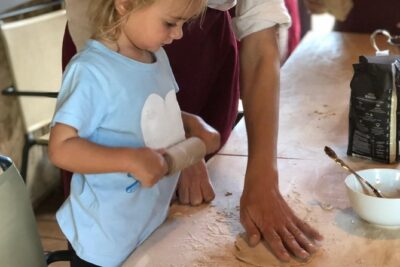
Organic cooking class with a sommelier in an Olive and wine farm
Read our review →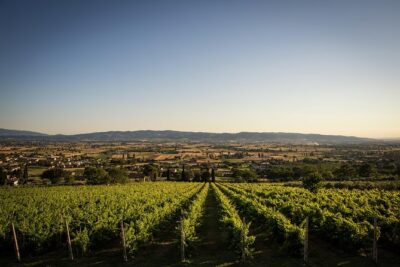
Balsamic Vinegar, Olive oil and Organic Winery Tour in Assisi with tasting
Read our review →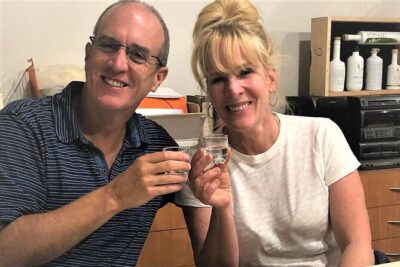
Organic Olive Grove tour & Olive oil tasting & lunch in Kalamata!
Read our review →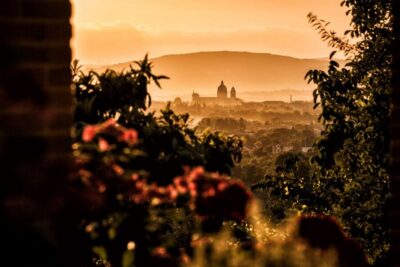
Córdoba: Visit a family organic olive grove with tasting
Read our review →
Organic Wine and Olive Oil Tasting Experience near Lecce
Read our review →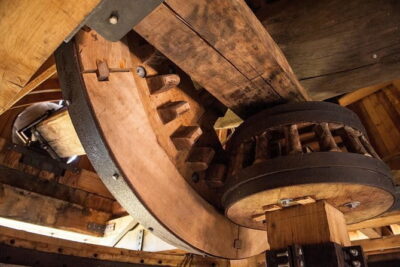
Leonardo Da Vinci’s wind mill visit and Organic olive oil tasting
Read our review →Browse the lists this tour appears in