
Review · SARDINIA
Olive Mill Tour with Olive Oil Tasting in Sassari
Sardinia tastes best by the spoonful. This one-hour outing near Sassari pairs a quiet walk through centuries-old olive groves with a guided look at modern pressing equipment. I like the focus on Bosana olives, and I like that the tasting includes local bread and naturally salted olives rather than asking you to sample oil all by itself. The main catch is seasonal: outside the harvest period, you may see clean machinery and hear how production works without watching olives being pressed.
The price is $48 per person, which can be fair if you value a small, focused food experience and a chance to ask questions in English or Italian. Still, this is not a full-day farm visit or a broad Sardinian cooking class. The one-hour schedule moves quickly, and the tasting depends on what oils are available on the day.
Key points at a glance
- Bosana olive focus: Learn why this Sardinian variety gives local oil its particular character.
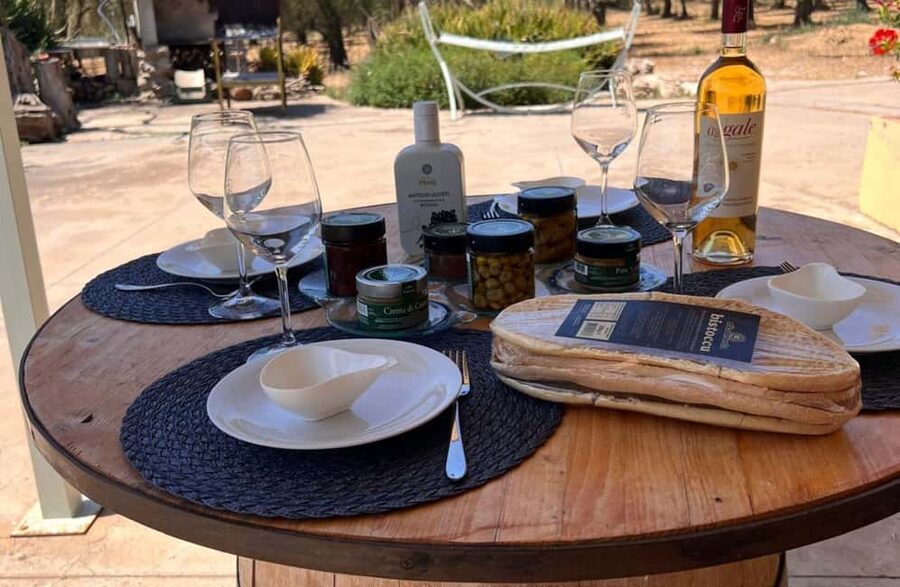
- Three-oil tasting: Compare aroma, flavor, and texture with fresh bread and naturally salted olives.
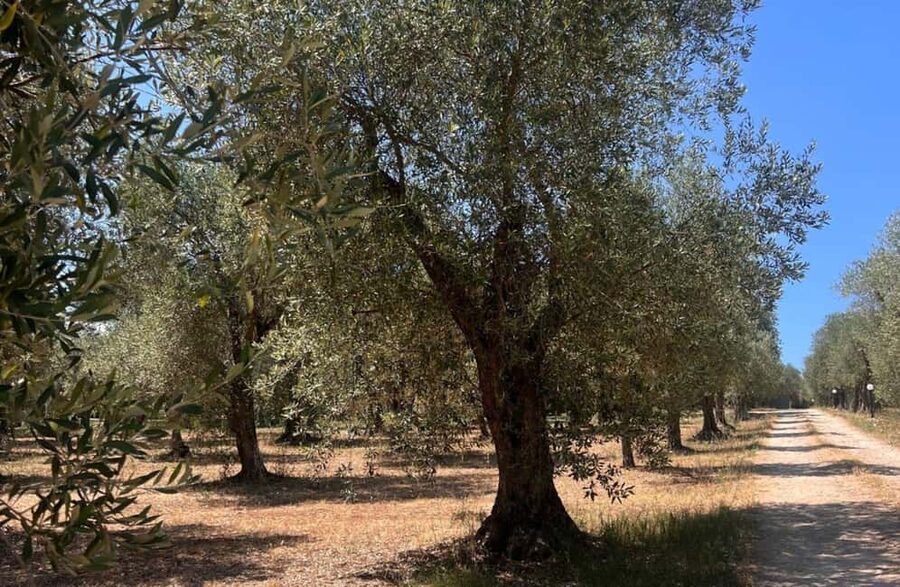
- Ancient groves: Walk among old olive trees in a peaceful setting just outside Sassari.
- Modern pressing facility: See the machinery and hear how the process protects extra virgin olive oil.
- Season matters: Outside harvest time, the production explanation may be theoretical rather than a live demonstration.
- Simple logistics: Transportation is not included, but the activity is wheelchair accessible and offers English and Italian guidance.
A quiet introduction to Sassari’s olive country
The tour begins at a traditional olive mill outside Sassari. That setting matters. You are not simply sitting at a counter with three bottles in front of you. You first get a sense of the place where the olives grow and the oil begins its journey.
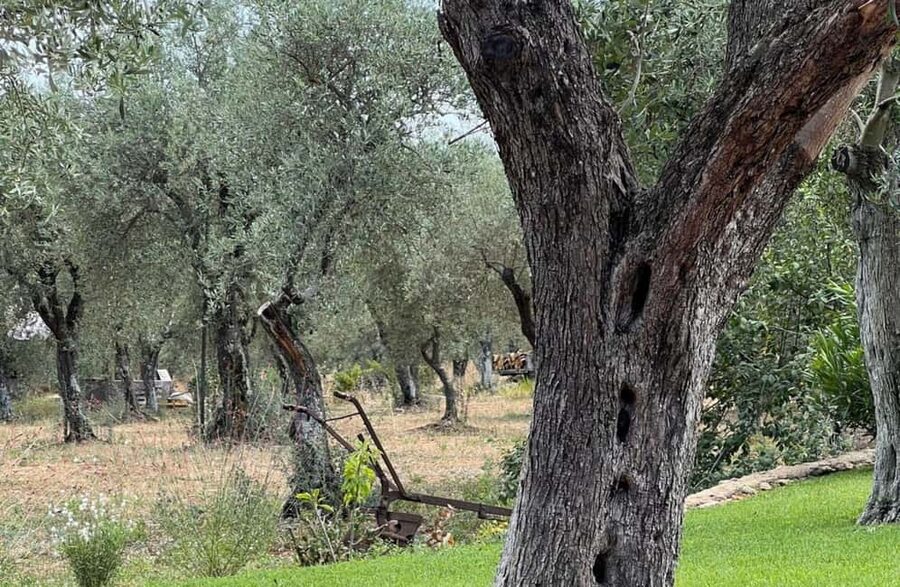
The walk through the old groves is one of the strongest parts of the experience. It gives you time to notice the calm setting and the scale of the trees before moving indoors. You should wear comfortable shoes and clothes, since the route includes walking through the groves rather than only standing inside the mill.
The groves are also a useful reminder that olive oil is a farm product, not just a pantry item. The tree, fruit, harvest, machinery, storage, and tasting all connect. In a short visit, that connection gives the experience more substance than a standard food sample.
Rain can change the plan. If weather makes the grove walk unsafe, that portion may be left out. The mill visit and tasting remain the main focus, but you should not treat the outdoor portion as guaranteed in poor conditions.
More Olive Mill and Factory Tours around Italy:
- Bardolino: Lake Garda Oil Mill Tour with Olive Oil Tasting
★ 4.9 · 205 reviews - Lecce to Galatina E-Bike: Olive Mill & Wine Tasting + Taxi back
★ 5.0 · 54 reviews - Olive Oil Tour Visit to the oil mill and olive oil tasting
★ 5.0 · 53 reviews
Why Bosana olives matter here
The guide introduces you to Bosana olives, an important local variety associated with Sardinia. The point is not simply to memorize the name. You learn how the olive itself helps shape the oil’s aroma, taste, and texture.
You also hear about cultivation and the particular qualities of Bosana de-foamed olives. That term may need a little explanation during the visit, so ask questions if the guide moves quickly through it. The useful takeaway is that olive oil has a distinct identity tied to the fruit and the way it is handled.
I like this part because it gives you a better way to taste. Instead of asking only if you like an oil, you can pay attention to its smell, mouthfeel, and finish. The guide encourages you to notice small differences among the samples, which turns the tasting into a short lesson rather than a quick pour.
The guide speaks English or Italian, and the English presentation has been described as friendly and clear. One particularly useful feature is the chance to ask questions. If you want more than a prepared speech, use that opportunity to ask about the grove, the pressing steps, or how the oils differ.
Inside the modern pressing facility
After the groves, you see the olive pressing facility and its equipment. The contrast is part of the appeal: old trees outside, carefully designed machinery inside.
The facility is intended to preserve the quality and authenticity of extra virgin olive oil. You learn about the production stages and how the equipment supports the final product. For anyone curious about what happens between picking and bottling, this is the practical core of the tour.
There is an important seasonal limitation. If you visit outside the harvest period, the machines may be clean and inactive. You can still see the equipment and receive an explanation of the process, but you may not watch fresh olives move through the line.
That distinction matters at $48. If your main goal is to see active milling, contact the provider before booking and ask whether production will be running on your date. A tour during harvest could offer a more vivid sense of the work. At another time of year, the visit functions more like a guided interpretation of the facility.
The tour description does not promise a live pressing demonstration, so it is best to plan with the more modest expectation. You will see the facility and learn how it works. You may not see oil being made in real time.
Tasting three oils with bread and olives
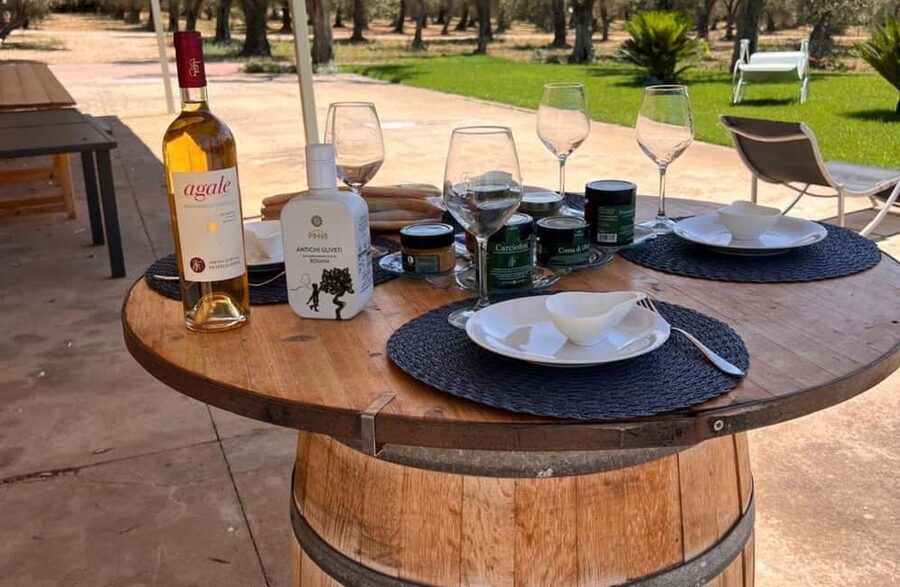
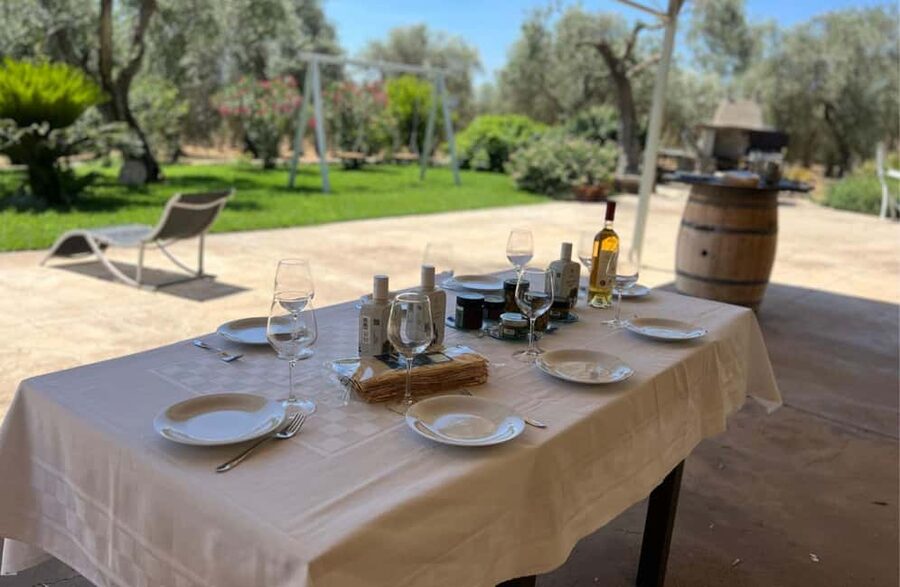
The tasting brings the visit together. You sample three olive oils with fresh local bread and naturally salted Bosana olives. Bread gives you a neutral, familiar way to taste the oil, while the olives connect the sample back to the fruit itself.
Try each oil slowly. Notice the aroma first, then the texture, then the flavor as it rests in your mouth. The guide’s job here is to help you compare, not to tell you that one oil is automatically better than another.
The differences may be subtle. One oil can seem softer, another more intense, and another more balanced. The experience is most rewarding if you take your time and ask what creates those differences. The tasting is designed as a sensory introduction, not a formal certification course, so you do not need prior knowledge.
The salted olives are a welcome addition. They give the tasting a distinctly local feel and prevent the session from becoming a procession of small oil samples. The bread also makes the food more satisfying, although the information provided does not promise a full meal.
On some occasions, the tasting may include other local products such as wine or vegetables. Those extras are not listed as a fixed part of the experience, so you should count on the bread, olives, and three oils rather than plan your meal around additional food.
Availability can affect the tasting. A September visit reported that two of the three planned oils were sold out, leaving only one oil to sample. That is a serious weakness because comparison is the point of booking this experience. Before paying, you may want to ask whether all three oils are currently available.
More Olive Oil Tours around Italy:
- Sorrento Farm and Food Experience including Olive Oil, Limoncello, Wine tasting
★ 5.0 · 2,524 reviews - Olive oil tasting in Sorrento
★ 5.0 · 434 reviews - Sorrento: Lemon, Olive Oil and Wine Tasting Tour with Lunch
★ 5.0 · 300 reviews - Alghero: Wine and Olive Oil Tasting at a Local Farm
★ 4.8 · 294 reviews
What the one-hour schedule really gives you
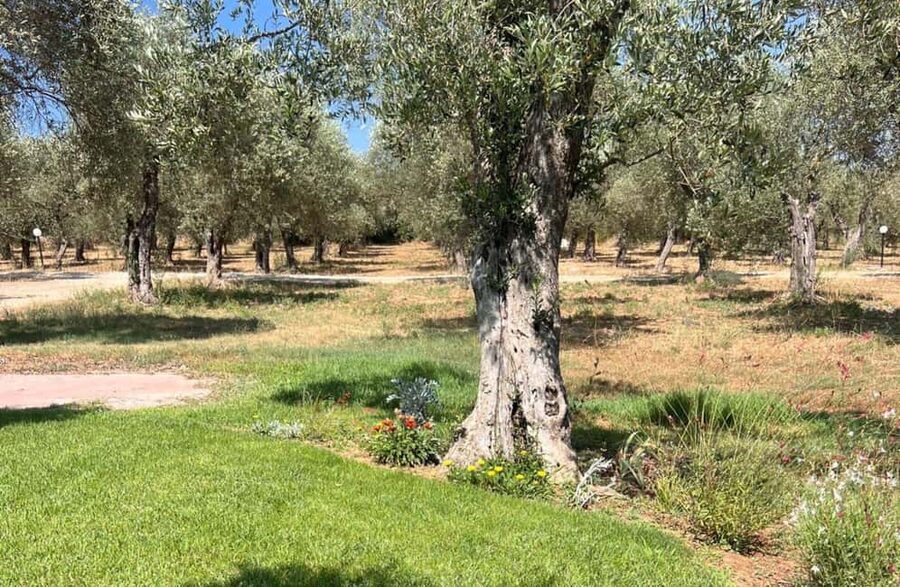
One hour is enough for an introduction, but not enough for a leisurely farm visit. You will likely move from the grove to the facility and then to the tasting without much spare time.
That compact format works well if you are already in the Sassari area and want a focused activity between other plans. It also suits people who like food experiences but do not want to commit half a day to one producer.
The short duration has a tradeoff. You will not have much time for a long walk, detailed agricultural discussion, or extended tasting. If the group has many questions, the guide will need to keep the pace moving.
I would think of this as a concentrated introduction to Sardinian olive oil. You get the main ideas, the basic production setting, and a chance to compare samples. You do not get a complete account of the region’s olive-growing traditions or a full harvest-day experience.
Is $48 a fair price?
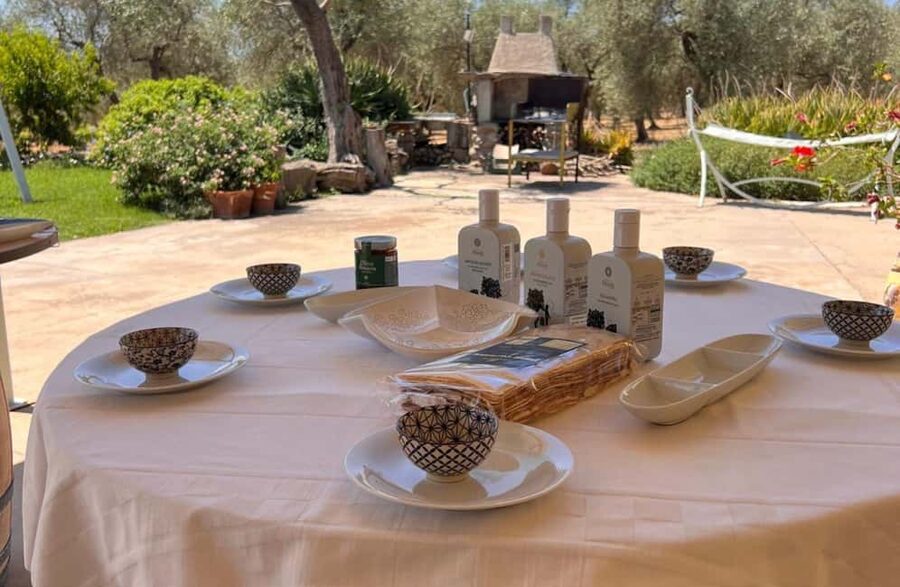
At $48 per person, the value depends on what you want from the outing. The price covers a guided mill visit, the grove walk, an introduction to Bosana olives, a look at the pressing facility, and the tasting. It does not cover transportation to the mill.
For a person who enjoys regional food, that package can make sense. You are paying for access to a working producer, interpretation in English or Italian, and a tasting that connects the product to its source. The old groves add a sense of place that a shop tasting would not provide.
The value drops if the three oils are not available or if you expect active production outside harvest season. One oil sample cannot offer the same comparison promised by a three-oil tasting. A theoretical explanation can still be interesting, but it is less satisfying if you came specifically to watch the machinery operate.
There is also the question of transport. Since getting to the mill is not included, you need to arrange your own way there. The supplied information does not specify a pickup service, meeting point details, parking, or public transport options, so check those points before you commit. The cost of reaching the mill belongs in your total budget.
Free cancellation up to 24 hours before the activity and a reserve-now, pay-later option make the booking less rigid. These policies are useful if your Sassari plans are still shifting, but they do not solve the seasonal question. Ask about milling activity and oil availability before booking rather than relying only on flexible cancellation.
Who will enjoy this experience most?
I would recommend the tour to you if you like regional food, small producers, and short activities with a clear subject. It works especially well for people who want to understand what makes Sardinian olive oil different from the bottle at home.
It is also a good match for couples and curious food-focused visitors who enjoy asking questions. The guides have been described as welcoming and willing to answer questions, which can make the visit feel personal even though the schedule is short.
Families may appreciate the one-hour length, though the walk requires comfortable shoes and attention to the ground. The activity is wheelchair accessible, but the outdoor grove route may be affected by weather. If mobility is a concern, confirm how much of the walk is suitable on the day.
You may want to skip it if you are looking for a long countryside excursion, a full meal, or a guaranteed live production show. It is also a poor fit if you are not interested in tasting olive oil, since the final portion is a major part of the experience.
Practical tips before you go
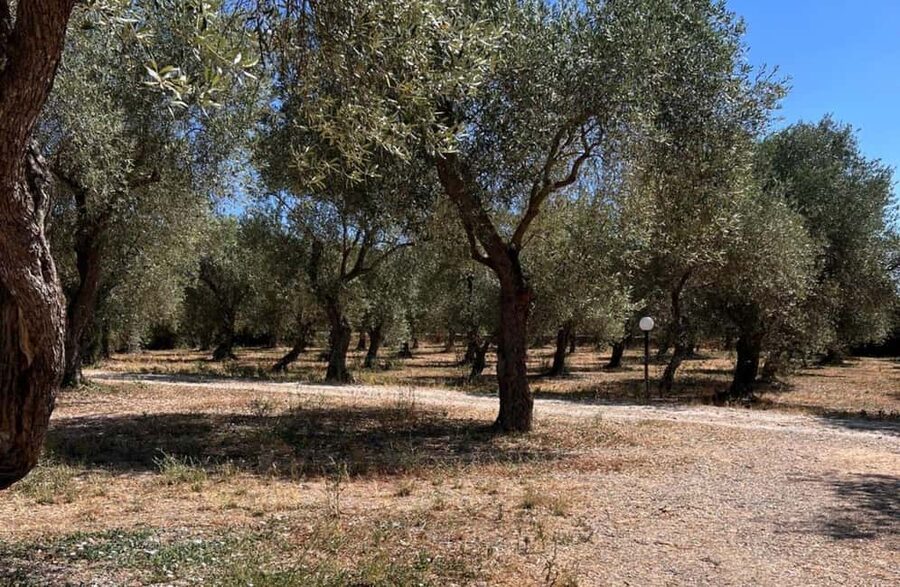
Wear shoes that you can walk in comfortably. The grove walk is part of the plan, and comfort matters more than dressing up for the tasting.
Ask two questions before booking: Will the mill be operating on my date? Are all three oils available? The answers can make the difference between a strong food experience and a more limited visit.
Leave room in your schedule for the trip to and from the mill. Transportation is not included, and the activity itself lasts only one hour. The exact starting times depend on availability, so check the offered slot against your other plans.
If you speak Italian, you can take the tour in Italian. English guidance is also available. If you are hoping for a detailed technical discussion, prepare a few questions about Bosana cultivation, pressing, and the differences among the oils.
Do not count on the grove walk in bad weather. The outdoor portion may be removed when rain or other conditions make access unsafe. The tasting and indoor explanation are the more dependable parts of the visit.
Should you book the olive mill tour?
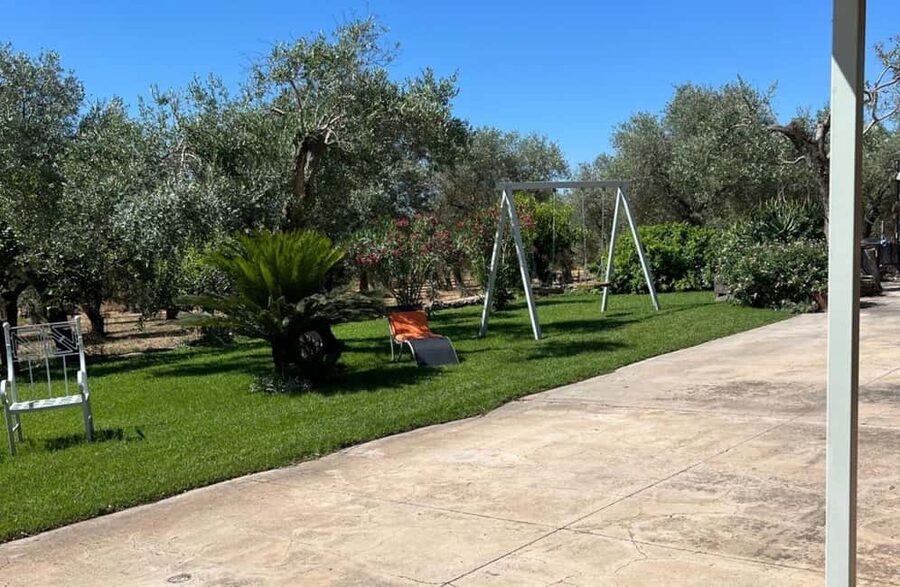
Book it if you want a short, authentic food stop near Sassari, especially if you enjoy learning how a regional product is made. The peaceful groves, focus on Bosana olives, friendly guidance, and tasting with bread and salted olives give the hour a clear sense of place.
Before booking, confirm the harvest schedule and current oil selection. If the mill is operating and all three oils are ready, $48 can be reasonable for the access and tasting. If the equipment will be idle and only one oil is available, you may find the experience too limited for the price.
FAQ
Where is the olive mill tour located?
The tour takes place at a traditional olive mill just outside Sassari in Sardinia, Italy.
How long does the experience last?
The activity lasts one hour.
What is included in the tour?
The experience includes a guided olive mill tour, a visit to centuries-old olive groves, an introduction to Bosana olives, a tour of the pressing facility, and a tasting with local bread, Bosana olives, and three olive oils.
Is transportation to the olive mill included?
No. Transportation to the olive mill is not included.
What language is the tour offered in?
The live tour guide is available in English and Italian.
Is the activity wheelchair accessible?
Yes, the activity is listed as wheelchair accessible.
What should I wear?
Wear comfortable shoes and comfortable clothes. The tour includes walking through the olive groves.
Will I see olives being pressed?
Not necessarily. If you visit outside the harvest period, you may see the machinery and receive a practical explanation without watching active production.
Can the grove walk be canceled?
If rain or other weather conditions make the grove unsafe to access, the walk may not be included.
How much does the experience cost?
The listed price is $48 per person.
Can I cancel for a refund?
Yes. You can cancel up to 24 hours in advance for a full refund.
Can I reserve now and pay later?
Yes. The activity offers a reserve-now, pay-later option.
Just added around Italy
- Villa Castelli: Highlights Walking Tour w/ Olive Oil Tasting★ 4.8 · 12 reviews
- Umbria: E-Bike Rental and Fresh EV Olive Oil Tasting★ 5.0 · 4 reviews
- Vernazza (5 Terre): olive grove tour and oil and wine tasting★ 5.0 · 9 reviews
- Trieste’s Essence: Wine and Olive Oil Tasting★ 5.0 · 3 reviews
- Half-Day Chianti Wine and Olive Oil Tour from Viareggio★ 4.0 · 5 reviews
- Valpolicella Wine and Olive Oil Tasting with Lunch from Verona★ 5.0 · 2 reviews
- From Venice: Olive Oil & Wine Tour in the Venetian Hills★ 5.0 · 9 reviews
- Private Tuk Tuk Tour of the Millenary Olive Groves in Ostuni★ 5.0 · 4 reviews
Olive Mill and Factory Tours, compared.
Knossos-Zeus Cave -Old Traditional Villages-Olive Oil Factory
Read our review →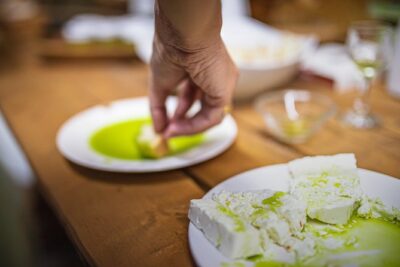
The Governor’s Olive Mill Tour with Olive Oil Tasting
Read our review →
Road-trip to Lasithi, Zeus Cave & Olive Mill Farm
Read our review →
Lassithi, Zeus Cave, Olive Mill Farm & Knossos Combo Tour
Read our review →
Zeus Cave, Lassithi Plateau, Olive Oil Factory, Kritza, Pottery
Read our review →
Zeus Cave, Lassithi Plateau, and Olive Factory Tour
Read our review →Browse the lists this tour appears in