
Review · LIGURIA
Olive Mill Visit & Guided Tasting in Taggia
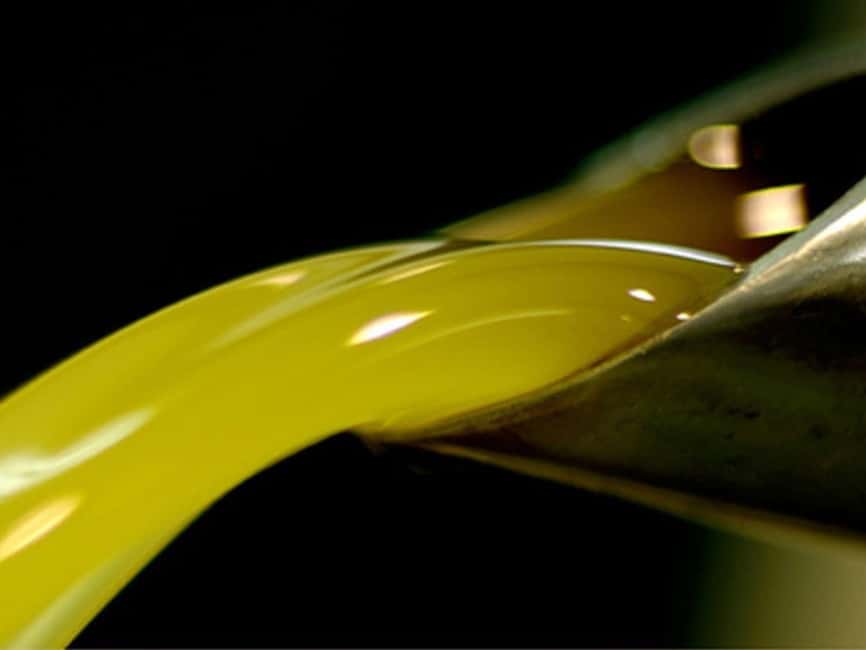
Small mills tell big food stories. This one-hour visit in Taggia introduces you to the famous Taggiasca olive, the traditional methods once used to press it, and the modern techniques used today. I especially like the guided tasting of DOP and non-DOP extra virgin olive oils, plus the chance to compare their aromas and flavors with expert help. I also like the family-run feel, with Alessandro, the owner, explaining the process himself. The main point to keep in mind is that the active production area is not in the same building as the visit, so you will learn about production without watching the machinery in operation.
At $27 per person, this is a sensible pick for food lovers, curious cooks, and anyone driving through western Liguria. The format is short and focused, not a full afternoon excursion. Wear comfortable shoes, plan your own ride to the mill, and leave room in your luggage for a bottle or two.
Key points to know before you go
- The Taggiasca olive is the star: Learn why this local variety is prized for its delicate yet layered flavor.
- The old mill dates from the late 1800s: The visit connects historic production methods with present-day olive oil making.
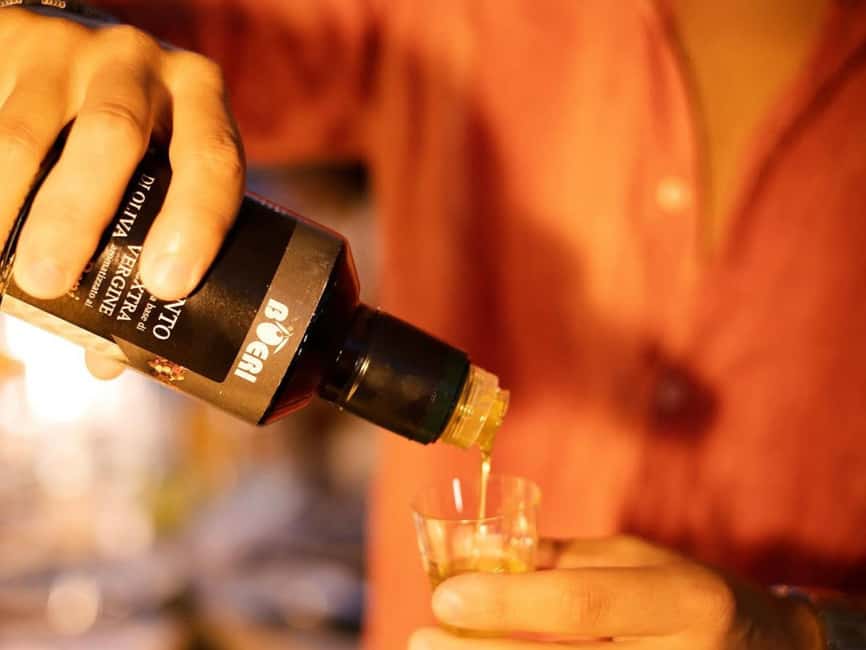
- The tasting is more than a snack: You compare DOP and non-DOP extra virgin oils and learn how to assess smell, taste, bitterness, and other signs of quality.
- Alessandro often leads the visit: His personal explanations and willingness to answer questions are a major part of the experience.
- The production area is elsewhere: You see the old mill setting and learn how oil is made, but you should not expect an operating factory tour.
- The final shopping stop is useful: You can buy the oils, olives, and olive pâté that you liked best.
Why Taggia is a fine place to learn about olive oil
Taggia sits near Imperia in Liguria, a part of northwestern Italy known for olive growing and regional cooking. The town is about 15 minutes by car from Imperia, making this an easy addition to a day in the area.
The local Taggiasca olive gives the visit a clear sense of place. You are not tasting a generic Italian oil while hearing a general talk about agriculture. You are learning about one specific olive variety and the food culture built around it. That focus makes the lesson easier to remember, especially when you taste the olive itself and then compare it with oils made from the same tradition.
Taggiasca olives are valued for their complex flavor, and the visit explains how harvesting and processing affect the final oil. You will hear about the changes from late-19th-century methods to current production techniques. The point is not simply that modern equipment is newer. It is that careful processing can help protect the olive’s qualities from the grove to the bottle.
You do not need to be an oil expert to enjoy this. In fact, beginners may get the most from it. The guide helps you put words to things you have probably noticed before but never named, such as fruitiness, bitterness, peppery notes, and the clean finish of a good extra virgin oil.
More Olive Mill and Factory Tours around Italy:
- Bardolino: Lake Garda Oil Mill Tour with Olive Oil Tasting
★ 4.9 · 205 reviews - Lecce to Galatina E-Bike: Olive Mill & Wine Tasting + Taxi back
★ 5.0 · 54 reviews - Olive Oil Tour Visit to the oil mill and olive oil tasting
★ 5.0 · 53 reviews
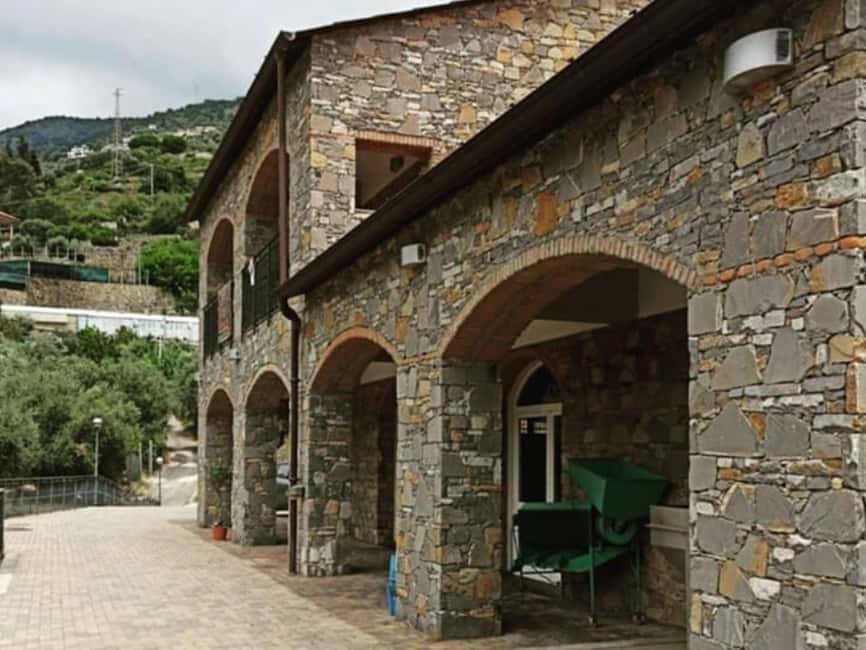
Entering a mill from the late 1800s
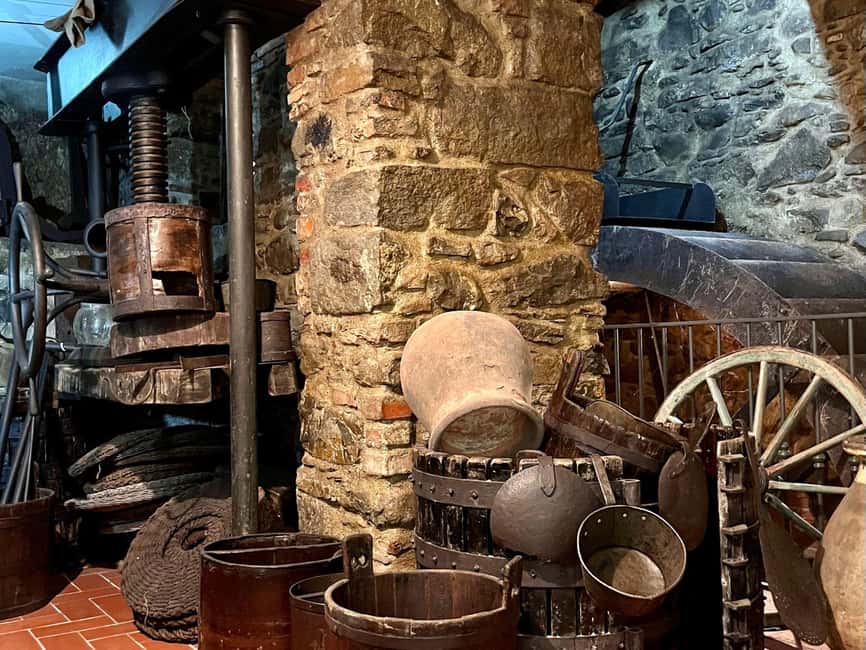
The visit begins at Olio Boeri Giuseppe, punto vendita, the shop and meeting point in Taggia. From there, you spend about 20 minutes learning about the ancient olive mill.
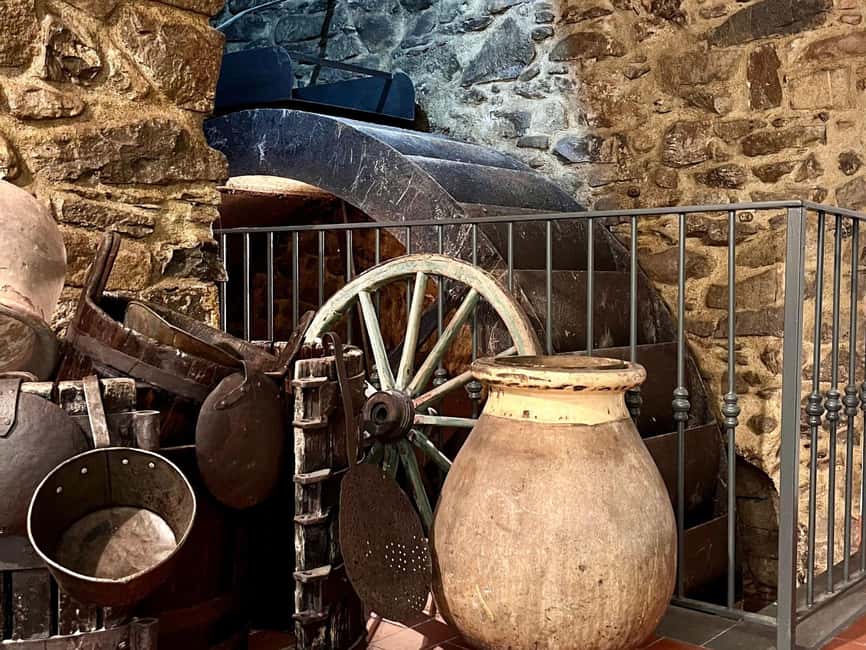
The old building gives the talk a physical setting. Instead of hearing only a sales pitch in a modern store, you are introduced to a place connected to the area’s earlier olive-oil trade. The story covers how oil was produced near the end of the 1800s and how each stage differed from the methods used today.
Alessandro, the owner, has been praised for explaining the subject with care and for answering questions directly. That personal approach matters here. Olive oil production can quickly become a list of technical terms, but a small family business gives you the chance to slow down and ask about anything that catches your interest.
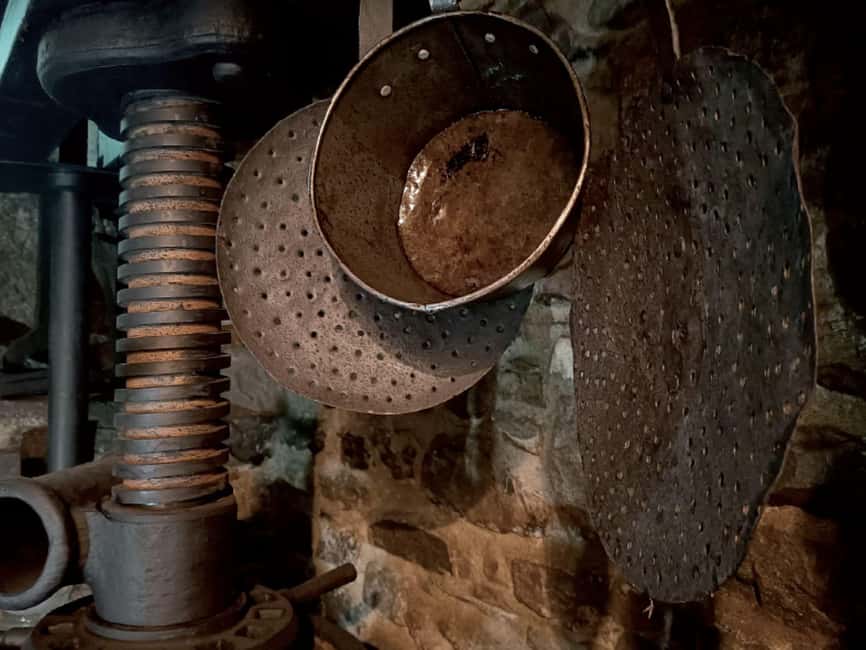
You will learn about the main steps from harvesting to bottling. The presentation also looks at the traditional tools and techniques used in the past, then compares them with modern processing. This is the most educational part of the visit, and it works best if you ask questions rather than simply listening quietly.
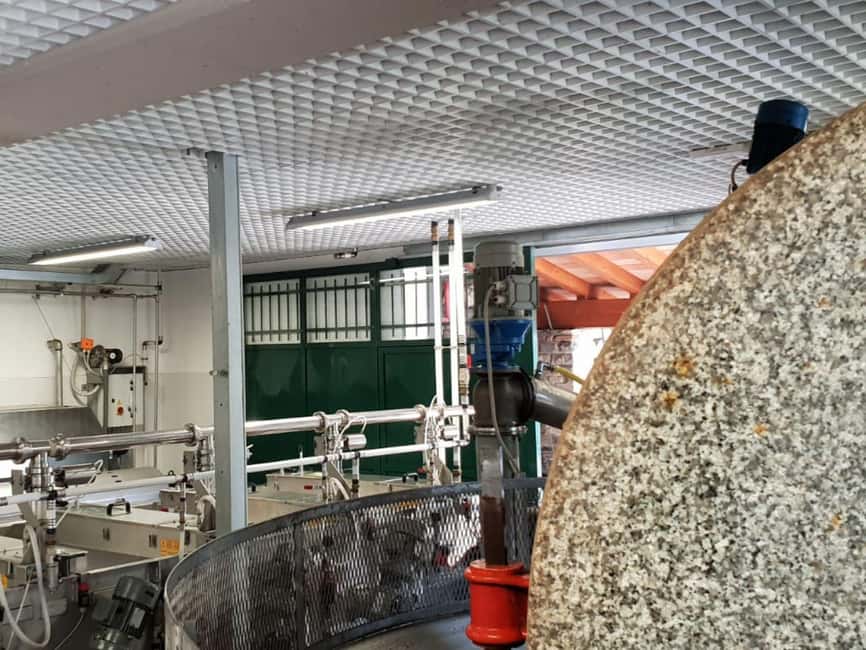
There is one important limitation. The actual production does not take place in this building. You will not watch olives arrive, move through working equipment, or see oil being bottled during the visit. If your main goal is an operating factory tour, this may feel incomplete. If you want the story, background, and tasting skills, the old mill still provides a worthwhile setting.
Learning what good olive oil should taste like
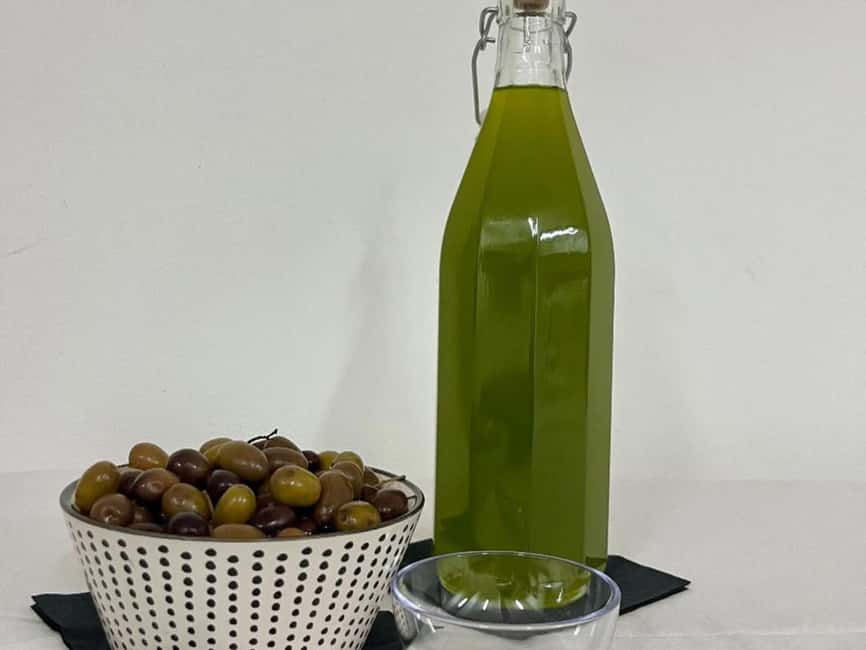
The tasting takes about 25 minutes and is the heart of the experience. You sample both DOP and non-DOP extra virgin olive oils, then receive guidance on how to assess them.
DOP means Protected Designation of Origin. In practical terms, a DOP oil follows rules tied to a defined region and production method. A non-DOP oil is not automatically inferior. The useful lesson is that labels tell you part of the story, while your senses tell you something more.
The guide introduces the basic science of tasting. You will pay attention to aroma first, then taste and texture. You may also notice bitterness and a peppery sensation in the throat. These are not necessarily faults. They can be signs of fresh olives and the natural compounds found in quality extra virgin oil.
This guided comparison is more valuable than sampling one oil by itself. When you taste two oils close together, differences become easier to spot. One may seem soft and mild, while another has a stronger fruit character or a livelier finish. The lesson helps you understand why two bottles can taste different even when both carry the extra virgin label.
I like this part because it gives you a practical skill to take home. You can use the same method when buying oil in a shop or choosing a bottle for cooking. You also gain a better idea of what you personally like. Not everyone wants the boldest peppery oil, and there is no prize for choosing the strongest flavor.
The tasting includes Taggiasca olives and olive pâté. These samples make the session feel connected to the region’s everyday food, not just to a technical product. The pâté also gives you another way to experience the olive’s flavor, with a spreadable texture that suits bread, pasta, or simple snacks, though the exact serving details are not specified.
What the old and new methods reveal
One of the best parts of the talk is the comparison between past and present. In the late 1800s, olive oil production relied on traditional methods and equipment. Today, improved processing techniques can help control the treatment of the olives and preserve their flavor.
You will hear about the full path from harvest to bottle. That matters because oil quality depends on more than the olive variety. Timing, handling, pressing, storage, and bottling all affect the result. The visit gives you a clearer sense of why producers care about each stage.
The experience does not offer a working production demonstration inside the old mill, so you should set your expectations correctly. Think of this as a guided lesson in a historic setting, followed by a serious tasting. It is not a large agricultural estate visit or a machinery-focused technical tour.
That distinction may actually suit you if you have only an hour. You get the useful information without spending half a day on a long farm program. The compact format also works well as part of a wider day around Taggia and Imperia.
More Guided Tours around Italy:
- Guided Wine and Olive oil tasting
★ 5.0 · 158 reviews - Guided tours of the olive grove with oil tasting.
★ 5.0 · 67 reviews - Seggiano: Guided Tour of the Olive Grove and Food Tasting
★ 4.8 · 30 reviews - Oristano: Olive Tree Grove Guided Visit with Tasting
★ 5.0 · 28 reviews
The final 15 minutes: shopping with a little guidance
After the tasting, you have about 15 minutes for shopping. This is not simply time to browse shelves alone. The guide helps you choose among the oils and related products, using what you have just learned.
That sequence makes the shopping more useful. You taste first, discuss what you noticed, and then decide what you want to take home. You are less likely to buy a bottle because of a fancy label alone.
The shop gives you a chance to purchase your favorite oils, Taggiasca olives, olive pâté, and other related products available at the mill. Product selection can vary, so you should treat the shopping stop as an opportunity rather than a guarantee of any particular bottle or size.
If you are flying, remember that olive oil is a liquid and may need to go in checked baggage. The activity information does not specify packing or shipping services, so ask at the shop if you need advice before buying several bottles.
For many people, the shopping stop is part of the value. The $27 price includes a guided tour, several tastings, and direct help choosing products. You are paying for an introduction to local food culture as well as for the samples. It is not the cheapest way to buy olive oil, but it is a reasonable price for a one-hour guided visit in a specialist setting.
Who will enjoy this one-hour visit
I would recommend this experience to you if you enjoy regional food and want more context than a quick tasting counter can provide. It is especially good for cooks, food-focused couples, and visitors staying near Imperia who want a short activity with a local connection.
It also suits people who are curious but inexperienced. You do not need to know the difference between DOP and non-DOP oil before arriving. The guide explains the basics and gives you a chance to compare for yourself.
The family-business setting is another reason to choose it. Alessandro’s personal style has received strong praise, particularly for clear explanations and patient answers. That makes the visit feel more like a conversation with a producer than a scripted museum stop.
I would be more cautious if you want a large-scale mill with active machinery, a long farm walk, or a full meal. This is a small, one-hour visit. The main production area is elsewhere, and meals are not included.
The activity is not suitable for wheelchair users, according to the available information. Comfortable shoes are required, and they are a sensible choice for an old mill setting.
Planning your visit from Imperia
The meeting point is Olio Boeri Giuseppe, punto vendita, in Taggia. The mill is close to Imperia and takes about 15 minutes to reach by car from the city. Transportation is not included, so you need to arrange your own way there.
The total schedule is simple:
- About 20 minutes for the old mill visit and production story
- About 25 minutes for the guided oil and olive tasting
- About 15 minutes for shopping and returning to the starting point
Starting times depend on availability. The tour is offered in Italian and English, so choose the language that lets you ask the most questions.
Because the visit lasts only an hour, arrive ready to begin. Comfortable shoes are the only stated item to bring, but I would also keep your plans around it fairly flexible. The shopping portion can be quick, yet you may want a few extra minutes to decide what to buy.
The booking terms are helpful if your Ligurian plans are still changing. You can reserve and pay later, and cancellation is allowed up to 24 hours in advance for a full refund. These policies are subject to the booking conditions at the time you reserve.
Should you book the Taggia olive mill visit?
Book it if you want a compact, friendly introduction to Ligurian olive oil, especially if you are already near Imperia. The strongest reasons are the Taggiasca focus, the side-by-side tasting, the old mill setting, and Alessandro’s personal explanations.
Skip it if you expect to watch the full production line in action. The active production is not in the building you visit. Also skip it if you want a meal, a long countryside outing, or an activity designed for wheelchair users.
For most food-minded visitors, $27 is fair for the amount of instruction and tasting included. You leave with a better understanding of how oil is made, a clearer palate, and the option to bring home something genuinely tied to Taggia.
FAQ
Where is the olive mill located?
The mill is in Taggia, a village near Imperia in Liguria. It is about 15 minutes by car from Imperia.
How long does the visit last?
The experience lasts one hour. It includes about 20 minutes at the old mill, 25 minutes of tasting, and 15 minutes for shopping.
What does the tour price include?
The $27 price includes a guided tour of the ancient olive mill, tastings of DOP and non-DOP extra virgin olive oils, Taggiasca olives, olive pâté, and a guided shopping session.
Is transportation included?
No. You must arrange your own transportation to and from the mill.
What languages are available?
The live guide speaks Italian and English.
Will I see the active olive oil production?
The production area is not in the same building as the visit. You will learn about the production process and its historical development, but you should not expect to watch the active machinery there.
Can I buy olive oil after the tasting?
Yes. The final part of the visit is a guided shopping session where you can select and purchase olive oils and related products.
What should I wear?
Wear comfortable shoes. This is also the only specific item listed as something to bring.
Is the experience suitable for wheelchair users?
No. The activity is listed as not suitable for wheelchair users.
Just added around Italy
- Villa Castelli: Highlights Walking Tour w/ Olive Oil Tasting★ 4.8 · 12 reviews
- Umbria: E-Bike Rental and Fresh EV Olive Oil Tasting★ 5.0 · 4 reviews
- Vernazza (5 Terre): olive grove tour and oil and wine tasting★ 5.0 · 9 reviews
- Trieste’s Essence: Wine and Olive Oil Tasting★ 5.0 · 3 reviews
- Half-Day Chianti Wine and Olive Oil Tour from Viareggio★ 4.0 · 5 reviews
- From Venice: Olive Oil & Wine Tour in the Venetian Hills★ 5.0 · 9 reviews
- Valpolicella Wine and Olive Oil Tasting with Lunch from Verona★ 5.0 · 2 reviews
- Private Tuk Tuk Tour of the Millenary Olive Groves in Ostuni★ 5.0 · 4 reviews
Olive Mill and Factory Tours, compared.
Knossos-Zeus Cave -Old Traditional Villages-Olive Oil Factory
Read our review →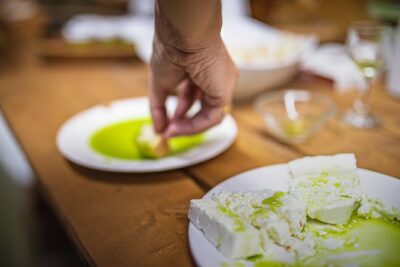
The Governor’s Olive Mill Tour with Olive Oil Tasting
Read our review →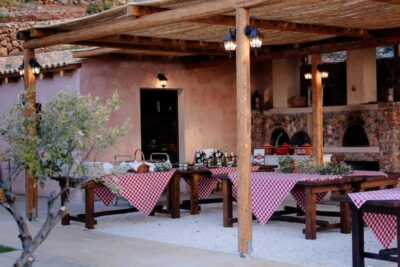
Road-trip to Lasithi, Zeus Cave & Olive Mill Farm
Read our review →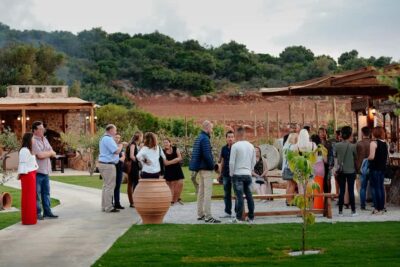
Lassithi, Zeus Cave, Olive Mill Farm & Knossos Combo Tour
Read our review →
Zeus Cave, Lassithi Plateau, Olive Oil Factory, Kritza, Pottery
Read our review →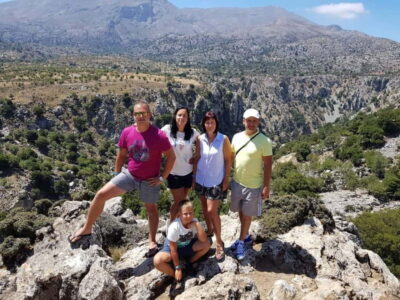
Zeus Cave, Lassithi Plateau, and Olive Factory Tour
Read our review →Browse the lists this tour appears in