
Review · MONTECATINI TERME
Olive Oil tour with Tuscan dinner
Olive oil tastes better when you meet its makers. At Agriturismo Tananei, David Meacci and his wife turn a three-and-a-half-hour visit into a clear lesson in Tuscan olive growing, careful tasting, and farm cooking. I like the small group limit of six, and I like that the meal is part of the experience rather than an afterthought. The main thing to consider is the rural meeting point in Marliana, which requires planning before you arrive.
The setting is an 1800s stone farmhouse in the hills near Montecatini Terme. You walk among different olive varieties, learn how extra virgin olive oil is produced, and taste several oils with local dishes. The price is $78.44 per person, a fair amount if you value a hosted meal, guided tasting, and a personal look at Tuscan food traditions in one outing.
Key points to know before you book
- A six-person maximum keeps the lesson personal: You should have a good chance to ask questions and follow the tasting without being lost in a large crowd.
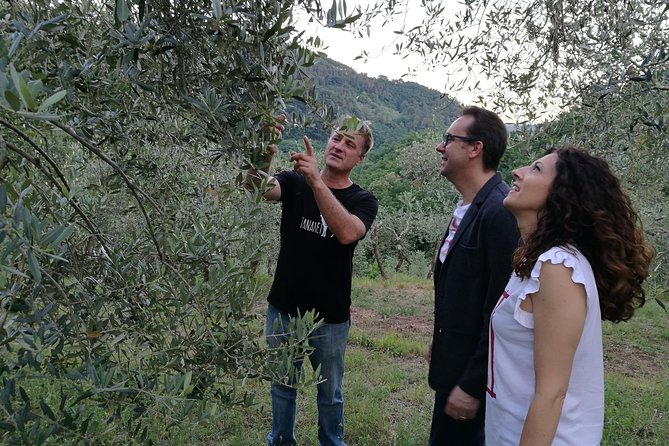
- The olive grove walk adds useful context: You see the trees and varieties behind the oil instead of tasting a bottle without knowing where it began.
- David teaches tasting in a practical way: You learn what to look for in quality extra virgin olive oil and how professional tasters approach it.
- Dinner pairs oil with Tuscan food: The meal helps you understand how different oils work with different local dishes.
- The farmhouse setting feels genuinely rural: It is quiet and removed from busy streets, with homemade food and an old stone building.
- Wear proper shoes and long trousers: The grove walk is best handled in tennis or trekking shoes, not delicate holiday footwear.
From Montecatini Terme to the Tananei farmhouse
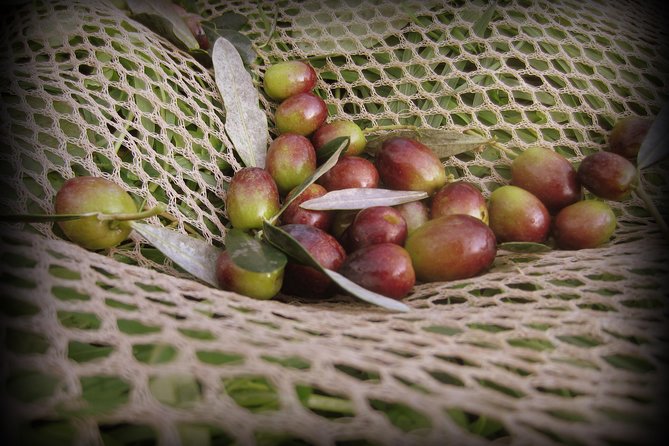
The tour begins at Via Sassa 49, in Marliana, province of Pistoia. That matters because the meeting point is not in central Montecatini Terme. You need to make your own way there unless you have separately arranged transportation, and the supplied details do not include a pickup service.
Once you arrive, the farmhouse gives the visit its character. This is not a quick shop stop with a bottle presentation. You spend time at a stone building dating from the 1800s, in a quiet mountain setting away from busy streets. The farmhouse also offers modern accommodation, according to the experience details, so the property combines old rural structure with present-day comfort.
I like this start because it puts the food in a real place. Tuscan olive oil is not just a shelf item with a pretty label. It comes from trees, weather, harvesting decisions, pressing, storage, and careful handling. Seeing the farm first gives the later tasting more meaning.
The setting also has limits. If your idea of a food tour means walking from one restaurant to another in town, this is not that sort of outing. It is a destination experience, and the rural address should be part of your planning.
More Dinner Experiences around Italy:
- Crete: Olive Oil Festival, Farm Dinner, Live Show & Pickup
★ 4.1 · 55 reviews - Olive Oil Festival in Cretan Farm with Traditional Dinner
★ 4.5 · 11 reviews - Crete: Olive Oil Factory Tour, Dinner & Traditional Dancing
★ 3.4 · 6 reviews
Walking among different olive varieties
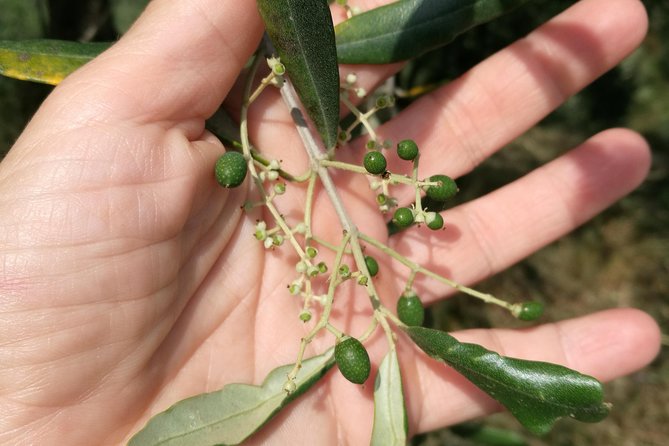
The first hands-on part takes you into the olive grove. You get to see different kinds of olive trees and connect the plants with the oil in your glass later on. The supplied information does not list the individual varieties, so you should not expect a formal botanical catalog. The value is in seeing how an olive farm works at ground level.
The walk is short enough to fit within a three-and-a-half-hour program, but the exact length is not stated. Wear tennis or trekking shoes and long trousers. That advice is practical, not decorative. Farm paths can be uneven, and long trousers are more sensible around grass, branches, and outdoor walking than shorts or dress clothes.
For me, this is one of the best reasons to choose the experience over a basic tasting in town. A tasting alone can teach you about aroma and flavor, but the grove explains the source. You can look at the trees, hear about production, and then taste the result in the same place.
Weather also matters. The activity requires good weather, so a poor forecast can lead to a new date or a full refund. That makes the tour less dependable than an indoor museum visit, but it is a reasonable trade for an outdoor farm visit.
Learning how extra virgin olive oil is made
David’s lesson focuses on the production process and the factors that help create a high-quality extra virgin olive oil. The experience details describe this as a shared explanation rather than a factory demonstration, so expect teaching and tasting rather than a full working mill tour.
That distinction is worth keeping clear. You are learning how the product is made and what affects quality. You are not promised a visit to every stage of an industrial pressing facility or a harvest-day demonstration.
The lesson is especially useful if you usually buy olive oil by price or package design. David explains what to consider when choosing a premium oil, then connects those ideas to the tasting. The approach sounds friendly and direct, with information balanced by humor. That helps because olive oil talk can become technical quickly.
You may come away with a better sense of why extra virgin matters, how flavor and freshness affect your choice, and why one oil works better with a particular dish than another. The details provided do not promise a take-home bottle or a formal certificate, so book this for the instruction and meal rather than for souvenirs.
Tasting oil like a sommelier
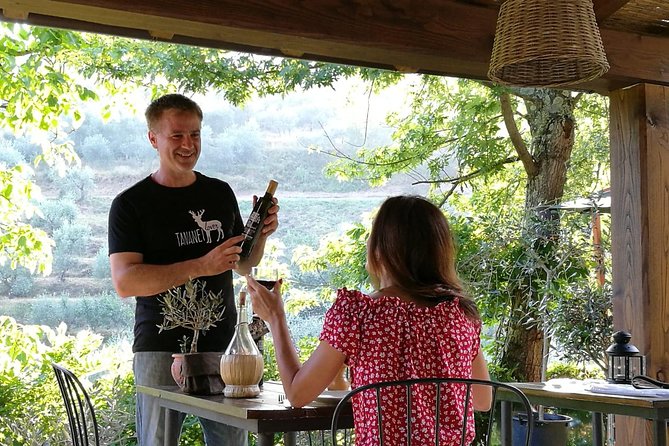
The tasting is not simply a spoonful of oil followed by a thumbs-up or thumbs-down. David introduces the process used by professional extra virgin olive oil tasters, sometimes compared with the way wine sommeliers assess a glass.
You learn how to approach the oil, identify its qualities, and think about what you are tasting. The exact number of oils is not specified, so I would not expect a fixed lineup of a particular size. What is clear is that different kinds of extra virgin olive oil are included and that the tasting is tied to food.
This is where the tour earns much of its price. You are not only consuming a local product. You are learning a repeatable skill that can help you at home, in a market, or at a restaurant. The language of tasting becomes less mysterious when someone guides you through it in a small group.
The tasting should also suit beginners. You do not need previous knowledge of olive oil, and the activity is intended for adults rather than specialists. David’s mix of information and humor appears designed to keep the subject approachable.
More Dining Experiences around Italy:
- Sorrento Farm and Food Experience including Olive Oil, Limoncello, Wine tasting
★ 5.0 · 2,524 reviews
A fixed Tuscan dinner with oil pairings
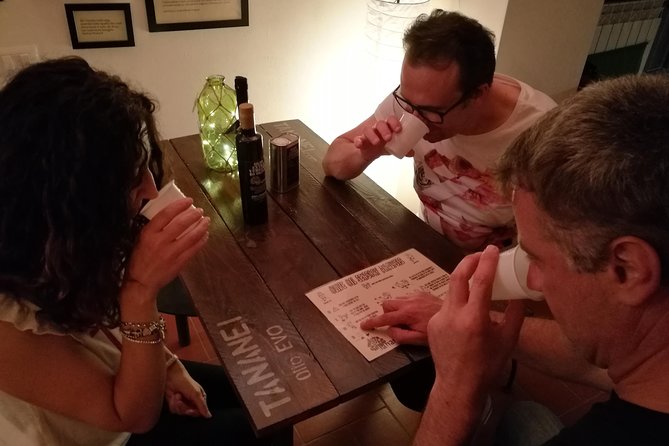
After the educational portion, the visit turns toward the table. Dinner uses a fixed menu of typical Tuscan dishes, with a starter, main course, and dessert. The exact dishes are not listed, so you should expect regional cooking rather than a choice-based restaurant menu.
That fixed format has two sides. On the good side, it lets the hosts plan pairings and show how several oils behave with local food. You can taste the same basic product in a more useful setting, alongside dishes rather than in isolation. On the less flexible side, you should not book this expecting to select each course from a menu.
The food receives some of the strongest praise attached to this experience. It is described as homemade and authentic, and the dinner is considered a highlight even by someone who had been traveling in Europe for twenty days. That is a strong signal for anyone who values a real meal over a quick tasting plate.
Wine is also part of the food experience, based on the supplied details. The information does not state which wines are served, how much is included, or whether nonalcoholic choices are available. If you have dietary needs, allergies, or restrictions, ask David before booking rather than assuming the fixed menu can be changed.
I like the pairing idea because it makes the lesson practical. You learn that oil is not only for dipping bread. It can change the character of a dish, and the right match can make a simple Tuscan meal more interesting.
Why the small group matters
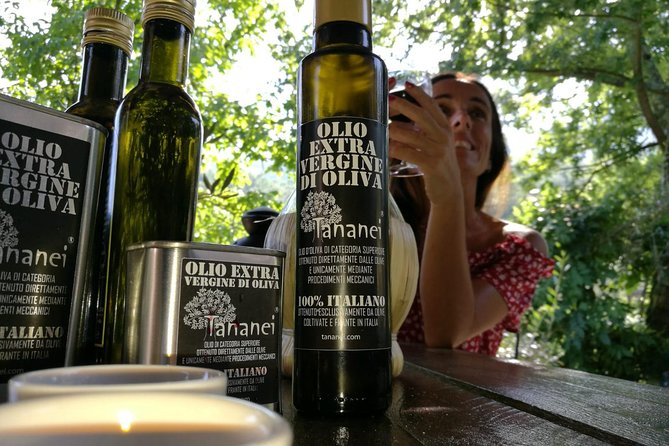
The maximum group size is six people. That is a major advantage for this kind of visit, since tasting instruction works better when you can ask questions, hear the guide, and discuss what you notice.
A six-person group also makes the farmhouse dinner feel more like a hosted meal than a scheduled production. David and his wife are described as warm and attentive, taking care of the group throughout the visit. Their personal involvement is part of what you are paying for.
There is one practical point to remember: a small group can mean fewer available dates. The activity is booked an average of 27 days ahead, so I would not leave it until the last moment if your Tuscan schedule is fixed. The supplied information does not promise daily departures, and availability may be limited by weather and group size.
The tour is offered in English. That makes it suitable for English-speaking adults who want a lesson rather than a silent tasting. Most people can participate, but the outdoor walk means you should be comfortable moving through a farm setting.
Is $78.44 a fair price?
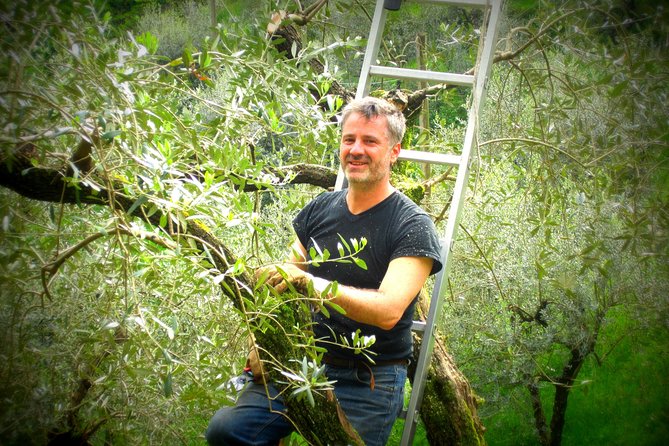
At $78.44 per person, this is not the cheapest way to eat in Tuscany. It is also not merely the cost of dinner. Your price covers about three and a half hours at a farmhouse, an olive grove walk, a production lesson, guided extra virgin olive oil tasting, food pairings, and a fixed Tuscan meal.
I see the value in the combination. A regular restaurant meal may cost less, but it will not usually teach you how to judge oil or take you into an olive grove. A standalone tasting may be shorter and cheaper, but it will not give you the same farmhouse meal and setting.
The value is strongest if you care about food, local farming, and personal instruction. It is weaker if you are looking mainly for a large meal, a long sightseeing route, or a low-cost activity. The tour does not include a broad visit around Montecatini Terme, so you should treat it as a focused food experience.
The high satisfaction level, with 99 percent recommending it and a five-star average from 69 ratings, supports the idea that the format works well. Still, I would keep expectations precise: this is a small farmhouse lesson with dinner, not a full-day Tuscan food tour.
Who should book this Tuscan olive oil tour?
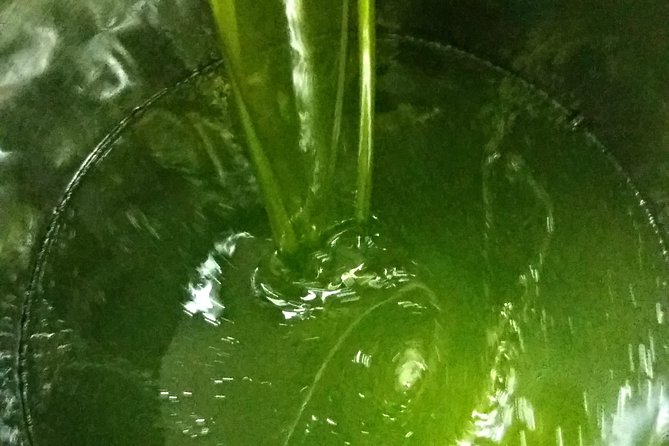
I would recommend it most strongly to adults who enjoy food and want to understand what they are eating. It works well for couples, families with adult children, and small groups who prefer a personal host to a large bus tour.
It is also a good choice for anyone who has wondered how to tell a premium olive oil from an ordinary one. You get practical tasting guidance, not just a sales pitch. The combination of grove, lesson, and table helps the subject stick.
You may want to skip it if you dislike fixed menus, cannot manage an outdoor farm walk, or need a fully accessible route. The information says most people can participate, but it does not provide detailed accessibility information. Ask before booking if mobility is a concern.
Book early when possible. The average booking lead time is 27 days, and the small capacity can make last-minute planning difficult. Free cancellation is available until 24 hours before the local start time. Changes or cancellations inside that period are not accepted, and a weather cancellation brings the choice of another date or a full refund.
Should you book Agriturismo Tananei?
Yes, if you want a relaxed, food-centered afternoon with real instruction and a homemade Tuscan dinner. The strongest reasons are the six-person limit, David’s clear teaching, the walk among the olive trees, and the way the oils are paired with local dishes.
I would not choose it as a substitute for sightseeing or as a casual stop near the Montecatini center. You need to reach Marliana, dress for the grove, and accept a fixed meal. For the right visitor, those are small tradeoffs for a quiet farmhouse setting and a lesson you can use long after the dinner ends.
FAQ
Where does the olive oil tour begin?
The meeting point is Via Sassa 49, 51010 Marliana PT, Italy.
Where does the experience end?
The activity ends back at the meeting point in Marliana.
How long does the experience last?
It lasts approximately three hours and 30 minutes.
What language is the tour offered in?
The experience is offered in English.
How many people can join the tour?
The activity has a maximum of six participants.
What should I wear for the olive grove walk?
Tennis or trekking shoes and long trousers are recommended.
Is dinner included?
Yes. The experience includes a fixed menu with typical Tuscan starter, main course, and dessert.
Can I cancel for a full refund?
Yes. You can cancel at least 24 hours before the local start time for a full refund. Cancellations or changes made less than 24 hours in advance are not accepted, and bad weather may lead to a different date or a full refund.
Just added around Italy
- Villa Castelli: Highlights Walking Tour w/ Olive Oil Tasting★ 4.8 · 12 reviews
- Umbria: E-Bike Rental and Fresh EV Olive Oil Tasting★ 5.0 · 4 reviews
- Vernazza (5 Terre): olive grove tour and oil and wine tasting★ 5.0 · 9 reviews
- Trieste’s Essence: Wine and Olive Oil Tasting★ 5.0 · 3 reviews
- Half-Day Chianti Wine and Olive Oil Tour from Viareggio★ 4.0 · 5 reviews
- From Venice: Olive Oil & Wine Tour in the Venetian Hills★ 5.0 · 9 reviews
- Valpolicella Wine and Olive Oil Tasting with Lunch from Verona★ 5.0 · 2 reviews
- Private Tuk Tuk Tour of the Millenary Olive Groves in Ostuni★ 5.0 · 4 reviews
Dining Experiences, compared.
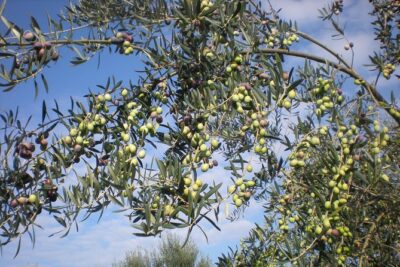
Sorrento Farm and Food Experience including Olive Oil, Limoncello, Wine tasting
Read our review →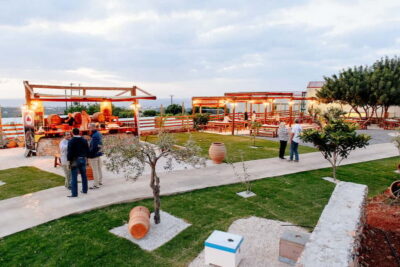
Olive Oil Festival, Farm Dinner, Live Show & Pickup
Read our review →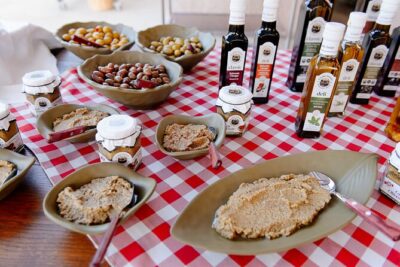
Olive Oil Festival in Cretan Farm with Traditional Dinner
Read our review →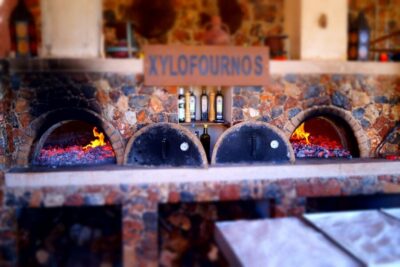
Olive Oil Factory Tour, Dinner & Traditional Dancing
Read our review →Browse the lists this tour appears in