
Review · CENTRAL GREECE
Orange & Natural Wines Of Greece with Cheese & Olive Oils
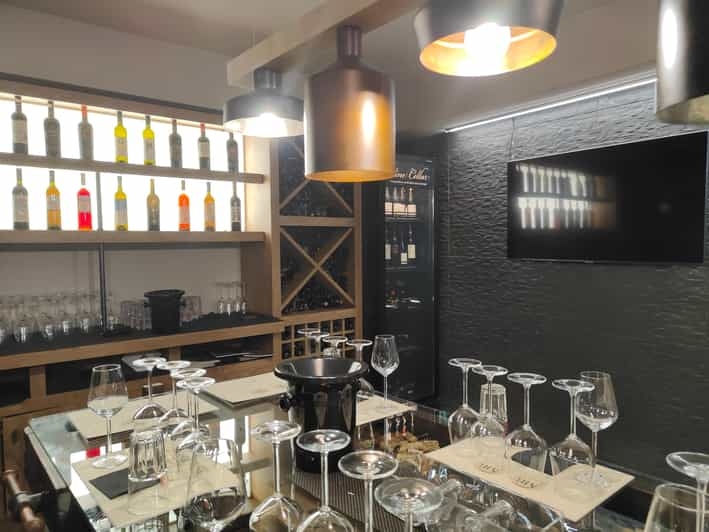
Greek wine can surprise you in one short sitting. At $41, this Central Greece tasting gives you six organic, biodynamic, natural, or orange wines, plus nibbles and extra virgin olive oils. I like the unusual bottle selection and the way each wine is matched with herbs, spices, condiments, or small Greek bites. I also like that Anton explains the wines in clear English and can suggest other wineries for the rest of your trip.
The main drawback is the brisk one-hour format. Six wines, food pairings, olive oil, history, and winemaking talk make for a full hour, not a slow afternoon at the table. This is for adults only, and anyone hoping for a large meal or a long vineyard visit should choose a different experience.
Key points to know before booking
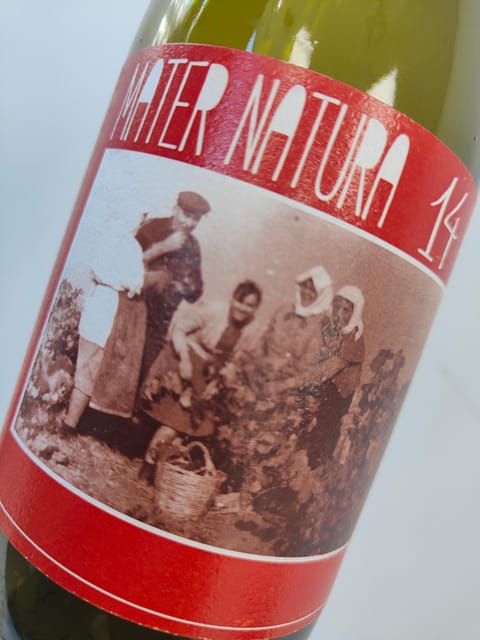
- Six wines in one hour: The tasting moves through six Greek bottles, including natural and orange styles that may be new to you.
- Anton leads the conversation: He is a passionate wine shop owner and sommelier who speaks excellent English and explains winemaking without making it feel like a lecture.
- Pairings are part of the lesson: Small nibbles, herbs, spices, condiments, grape must, and olive oil show how food changes the taste of wine.
- Greek grapes take center stage: The focus is on indigenous varieties and small-production bottles from across Greece.
- Olive oil gets proper attention: You taste extra virgin olive oil as a serious product, not just a dip on the side.
- A practical one-hour stop: It fits neatly into a day of sightseeing, though the pace may feel fast if you prefer extended tastings.
Why Greek natural wine makes this tasting different
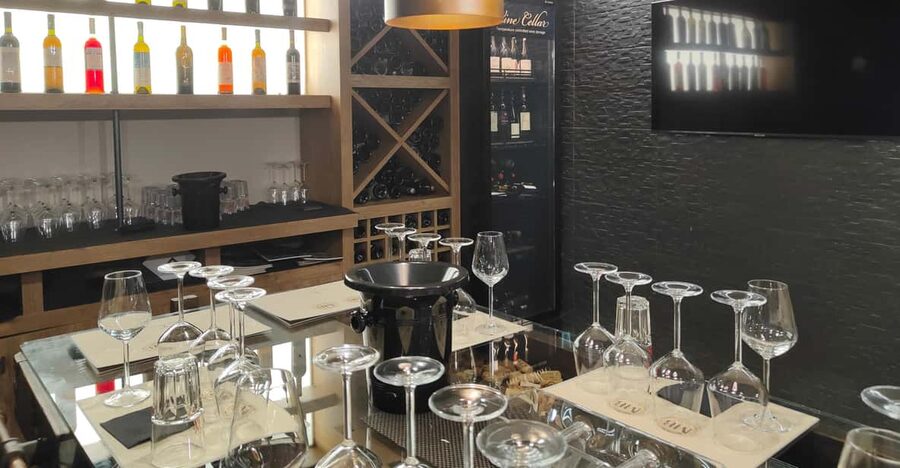
Many Greek wine experiences begin and end with familiar white wines from Santorini or a standard red from the mainland. This one takes a broader route. The emphasis is on organic, biodynamic, natural, and orange wines, with Greek grapes and traditional methods at the center.
These terms are not interchangeable. Organic wine refers to farming and production rules. Biodynamic farming follows a more specific agricultural system. Natural wine usually involves minimal intervention, though the exact approach can vary from bottle to bottle. Orange wine is generally made from white grapes fermented with their skins, giving the wine more color, texture, and sometimes a gently tannic feel.
You should not expect every bottle to taste alike. Natural wines can be bright, earthy, cloudy, aromatic, or quite unlike conventional wine. Orange wine may have a more savory edge than the crisp white wine many visitors expect. That variety is the point, but it also means this tasting suits an open mind more than someone who wants six safe, familiar choices.
The Greek setting matters. Greece has dry winds, hot days, and a large number of indigenous grape varieties. The experience presents these conditions as part of the reason Greece can produce distinctive wines with a strong sense of place. Some bottles may be made in clay amphorae, stainless steel, plain cement, or oak, with some aged for a long time in the bottle.
You get a useful view of old and new methods together. Ancient techniques are not treated as museum pieces. They are placed beside current winemaking science and modern cellar practice. That makes the tasting useful for anyone who wants to understand why Greek wine is gaining attention beyond the usual tourist bottles.
More Olive Oil and Wine Tastings around Athens:
- Athens: Acropolis Wine Tasting with Cheese and Olives
★ 4.9 · 337 reviews - From Athens: Olive Oil Tasting, Olive Grove & Wine Experience
★ 5.0 · 13 reviews - Full day tour Ancient Corinth with wine or olive oil tasting
★ 5.0 · 6 reviews
Six wines, six chances to find a new favorite
The tasting includes six wines, so you get enough range to compare styles without committing to a half-day program. The order and exact labels can vary, but the stated focus is on organic, biodynamic, natural, and orange wines from Greece.
I like this format because comparison teaches more than a single glass. A wine that seems sharp on its own may feel balanced with food. A wine with a strong aroma may become easier to understand beside olive oil or a salty nibble. By the end, you have a clearer idea of what you like, not just a pleasant memory of one bottle.
The selection can include limited bottlings, with some wines produced in quantities as small as 200 bottles. These are not the kind of labels you are likely to find in every supermarket. Certain bottles are available through the shop, and shipping is offered, so you can buy a favorite if you want to continue the experience after your trip.
That access is useful, but I would not treat the tasting as a sales pitch. The strongest part is the chance to taste small-production wines with someone who knows how they were made. If you find a bottle you love, the shop gives you a practical way to locate it again.
One bottle that may catch your attention is the orange wine. It was a favorite for one visitor who wanted something genuinely new, rather than another predictable tasting pour. You might feel the same, or you might prefer one of the other five. The benefit is that you have room to test your own palate.
Anton keeps the wine talk friendly and clear
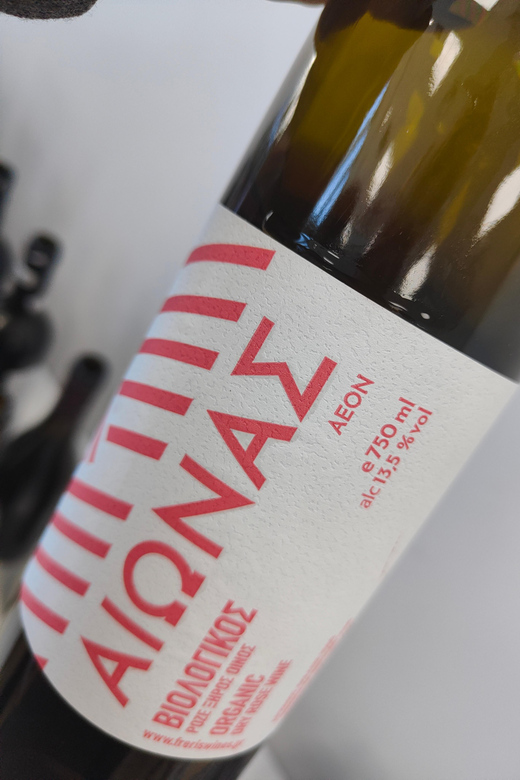
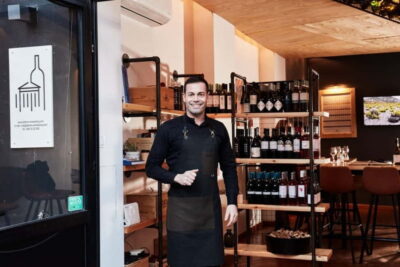
Anton is the key personality in the experience. He is described as a passionate wine shop owner and a professional sommelier, and his English is strong enough for detailed discussion about flavors, grape varieties, and production methods.
I especially like the way his approach seems to balance expertise with warmth. You do not need to arrive with a vocabulary of tasting terms. He can explain the wines in an accessible way, while still giving serious answers if you want to ask about fermentation, aging, or the differences between natural and conventional production.
His advice can also help with the rest of your Greek trip. He recommends other wineries, which is valuable if you are continuing through Central Greece or visiting Greek islands later. A good tasting host should give you more than six pours. You should leave with a better sense of where to look next.
The pace may depend on how much discussion your group wants. The one-hour duration means you cannot expect a long private seminar on every bottle. Still, the recorded experience suggests that Anton adjusts the conversation to the people in front of him, which makes this a better choice than a fixed speech delivered at every table.
You will probably get the most from it if you ask questions. Ask why a particular grape works well in Greece, what makes orange wine different, or how clay amphorae affect the finished bottle. The format gives you a short window, so take part rather than simply waiting for the next glass.
The food pairings show why wine changes at the table
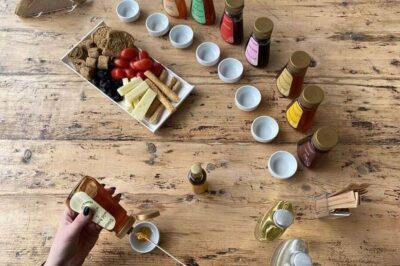
The food is not presented as a full meal. Think of it as a series of small ancient-inspired nibbles designed to support the wine. Extra virgin olive oil, concentrated grape must, herbs, spices, and condiments are part of the pairing lesson.
This is one of the most useful parts of the tasting. You learn that food matching is not just about choosing red wine for meat or white wine for fish. A salty bite, a sweet grape concentrate, or a sharp herb can change how you notice acidity, bitterness, fruit, or texture.
The guiding idea is simple: powerful flavors work with powerful wines, while complex flavors need a wine with enough character to keep up. You get to test that idea directly rather than hearing it as a rule from a textbook.
The nibbles also connect the tasting to Greek food culture without turning it into a cooking class. You may leave with ideas for recreating similar combinations at home. That makes the experience more useful than a tasting where the food disappears quickly and has no connection to the bottle.
Keep your expectations realistic. The included food is described as nibbles, not lunch or dinner. If you are hungry, eat before or after. The small portions are there to teach you about pairing, not to fill you up.
More Cheese Tastings around Athens:
- From Chania: Olive Oil, Wine, Cheese & Honey Tasting Tour
★ 4.6 · 490 reviews - DISCOVER SORRENTO, food &Walking tour . Lemons-cheese&olive oil
★ 4.5 · 34 reviews - Full-Day Chocolate, Cheese, Olive and Wine Tour from Stellenbosch
★ 5.0 · 13 reviews - Olive Oil, Cheese, and Wine Tasting with Local Expert
★ 5.0 · 12 reviews
Extra virgin olive oil deserves its own tasting glass
The olive oil portion gives the experience a second focus. Greece is famous for olive oil, yet many visitors use it every day without paying attention to quality, aroma, texture, or finish.
Here, you get to consider extra virgin olive oil as a crafted food. The tasting shows how it can work beside wine and other ingredients, rather than functioning only as a dip for bread. That broader view is useful if you plan to shop for Greek oil or bring a bottle home.
I like the connection between wine and olive oil because both depend on raw ingredients, harvest decisions, storage, and careful handling. The experience also introduces concentrated grape must and condiments, giving you more tools for building pairings at home.
Do not expect a full olive oil course separate from the wine. The tasting lasts one hour and includes six wines, so the oil discussion is one part of a larger program. Still, if you have only thought of olive oil as a cooking staple, this adds a welcome layer of detail.
From amphorae to stainless steel, the making matters
The experience connects present-day Greek wine with old production methods. Some wines may be made in clay amphorae, while others use stainless steel, cement, or a small amount of oak. Bottle aging also enters the discussion.
That range helps explain why two wines made from local grapes can taste so different. The vessel, length of aging, skin contact, and level of intervention all affect the final result. You do not need to remember every technical term. The useful lesson is that the grape is only one part of the story.
The presentation also points to Greece’s long winemaking tradition without reducing the country to ancient ruins and mythology. Ancient varieties still matter, but today’s producers use modern knowledge as well. That link between old grapes and current methods gives the tasting a strong sense of purpose.
Some bottles are made in very small quantities. This can make them exciting to discover, but it may also make them difficult to replace later. If you find a bottle you particularly enjoy, ask about availability before you leave. A wine produced in a run of only a few hundred bottles may not be easy to track down elsewhere.
What the $41 price really buys you
At $41 per person, the value depends on what you want from a tasting. You are paying for six wines, guided instruction, nibbles, olive oil, and a focused introduction to a part of Greek wine culture that many standard tastings skip.
That is a fair price if you care about learning and trying unusual bottles. Six pours alone can add up, especially when some are limited-production wines. The guidance also helps you understand what is in your glass instead of simply sampling labels without context.
The price is less appealing if your main goal is a generous meal, a vineyard walk, or a long relaxed afternoon. None of those are promised. This is a compact tasting in a wine shop setting, not a full winery day with transport and a countryside tour.
I see it as a useful first step. You can use the hour to learn what kinds of Greek wine interest you, then decide if you want to visit more wineries during the rest of your trip. Anton’s recommendations add value here, since you can leave with ideas for where to go next.
Who should book this one-hour tasting
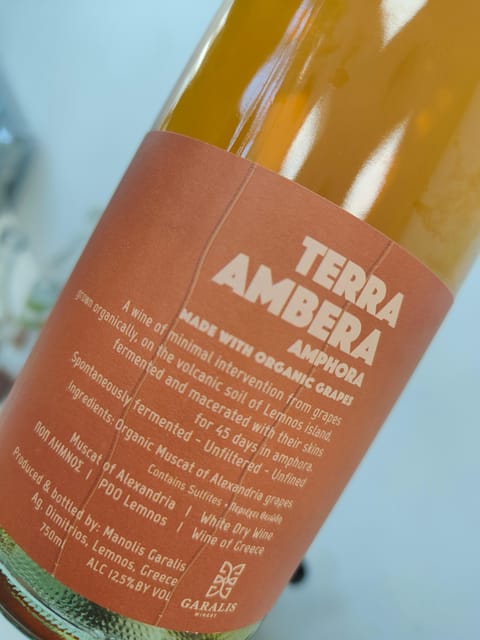
This experience suits adults who enjoy trying unfamiliar wines and asking questions. It is a good match for couples, friends, and solo visitors who want a short cultural activity rather than a large organized tour.
You will likely enjoy it most if you are curious about:
- Natural and orange wines
- Organic and biodynamic production
- Indigenous Greek grape varieties
- Small-production bottles
- Olive oil and food pairing
- Traditional vessels such as clay amphorae
- Finding wineries to visit elsewhere in Greece
It is not suitable for children under 18, and the listed upper age limit is 95. The age policy is clear, so plan another activity for younger family members.
You should also consider your tolerance for unfamiliar flavors. Natural and orange wines can be less predictable than standard commercial wines. That is a strength for curious drinkers, but a possible weakness if you prefer a familiar Chardonnay, Merlot, or crisp Greek white every time.
Timing, language, and cancellation
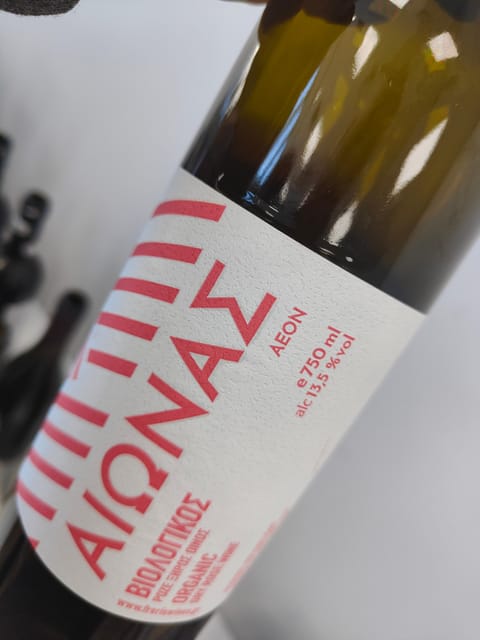
The activity lasts one hour and is conducted in English. Starting times depend on availability, so check the schedule before making other plans. Because the tasting packs in six wines and several food elements, arriving ready to focus will help you get more from it.
You can cancel up to 24 hours in advance for a full refund. The reserve-now, pay-later option lets you hold a place without paying at the time of booking, which is useful when your Greek itinerary is still changing.
No transport details are provided, so you should check the exact meeting point and plan your own route to the Central Greece location. Do not assume a hotel pickup or winery transfer is included.
Should you book it?
I would book this if you want a compact, adult-focused introduction to Greek wines that are less ordinary than the usual tourist bottles. The strongest reasons are the six-wine range, Anton’s warm and clear teaching style, and the pairing work with olive oil, herbs, spices, and small bites.
I would skip it if you want a full meal, vineyard scenery, or several hours of leisurely tasting. For everyone else, $41 buys a focused hour with plenty to discuss and a good chance of finding a new favorite, especially if orange or natural wine is still unfamiliar territory.
FAQ
How many wines are included?
Six wines are included in the tasting.
What types of wine will I taste?
The experience focuses on organic, biodynamic, natural, and orange wines from Greece.
Is food included?
Yes. Nibbles are included, along with extra virgin olive oils and pairing ingredients such as herbs, spices, condiments, and concentrated grape must.
How long does the tasting last?
The tasting lasts one hour.
What language is the experience conducted in?
The instructor communicates in English.
Is the activity suitable for children?
No. The experience is not suitable for children under 18.
How much does the experience cost?
The listed price is $41 per person.
Can I cancel and receive a refund?
Yes. You can cancel up to 24 hours in advance for a full refund.
Just added around Athens
- Athens: Greek Wine & Olive Oil Tasting at Brettos Plaka★ 4.5 · 3 reviews
- Breakfast in the markets with olive oil and honey tasting★ 4.8 · 8 reviews
- Private tour in Nafplio with Olive oil Tasting Tour in Corinth★ 5.0 · 9 reviews
- Private Wine & Olives Tasting Experience: Beach View Villa Paros★ 5.0 · 2 reviews
- Relax Day: Thermal Lake, Olive Oil Tasting & Poseidon Temple Tour★ 5.0 · 5 reviews
- Flavors of Greece: Olive Oil and Wine Tasting Tour in Athens★ 5.0 · 2 reviews
- Keramikos Olive Oil Experience & Walking Tour★ 5.0 · 6 reviews
- ATHENS OLIVE ESTATE – Olive Oil Workshop with Farm-to-Fork Lunch★ 5.0 · 6 reviews
Olive Oil and Wine Tastings, compared.
Sorrento Farm and Food Experience including Olive Oil, Limoncello, Wine tasting
Read our review →
Krka Waterfalls With Boat Cruise, Wine and Olive Oil
Read our review →

Lemon, Olive Oil and Wine Tasting Tour with Lunch
Read our review →
Browse the lists this tour appears in