
Review · APULIA
Salento: Olive Oil Mill Walking Tour with Tastings
Good olive oil tells a local story. In Miggiano, this two-hour experience takes you into a family-run mill operating since the 1700s, with a guided look at the grove, production areas, and the steps from tree to bottle. I especially like the small group of up to 10 people and the chance to compare oils rather than simply taste one. The tasting also includes ricotta, bruschetta, other local products, wine, and water, so it feels like a proper Salento food experience.
I also like the family connection. A member of the same family that has cared for the farm for nine generations explains the work, while guides such as Marta and Emmanuele bring warmth and clear explanations. The main point to consider is that the walking element may be limited. One booking experienced mostly sitting and tasting, so you should choose this for the olive oil lesson and food as much as for a long grove walk.
Key Points Before You Book
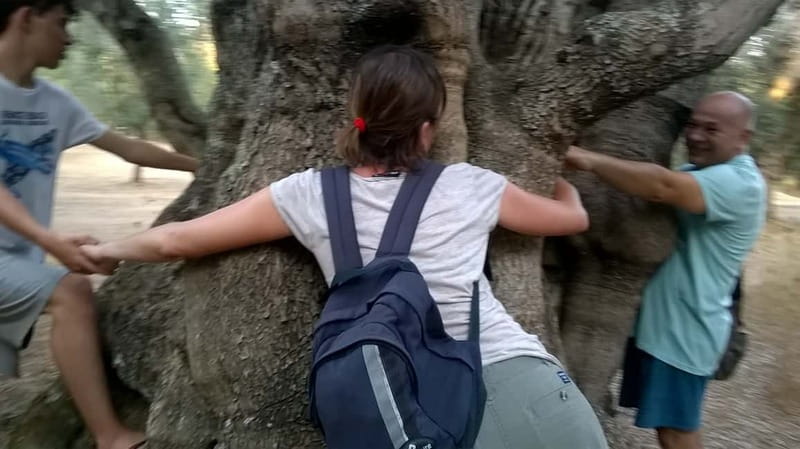
- Nine generations on one farm: The olive mill has operated since the 1700s and remains in the hands of the same family.
- A lesson you can use at dinner: You learn how to recognize differences in olive oils, judge quality, and pair oil with food.
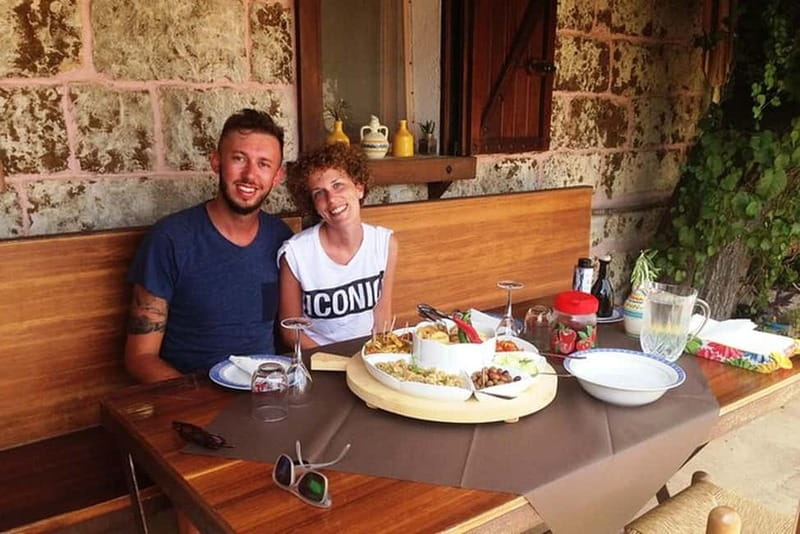
- Tasting with Salento character: Fresh ricotta, bruschetta, local specialties, olive oils, wine, and water are included.
- A small English-language group: The group is limited to 10 people, allowing time for questions and conversation.
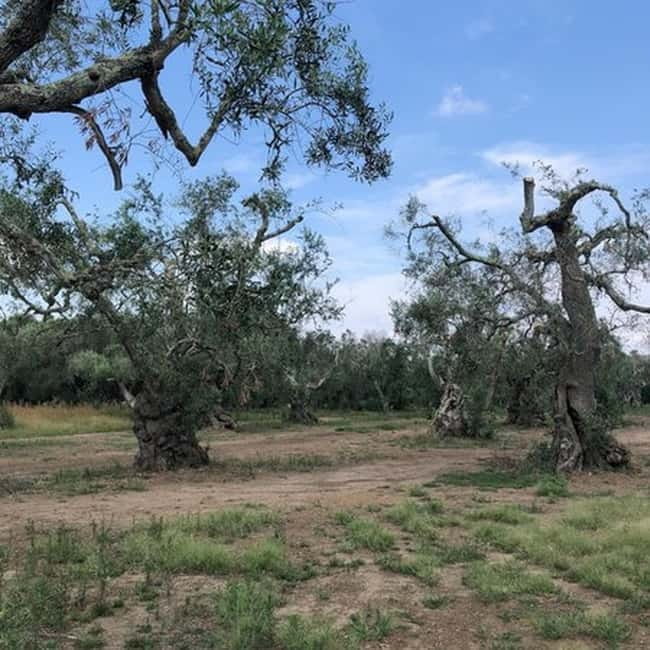
- A thoughtful look at modern farming: The visit addresses sustainability and the serious damage caused by a bacterial disease affecting local olive trees.
- Two hours, but not always a full walking tour: The experience is advertised as a walk through the grove and mill, though the actual balance may vary.
Why an Olive Oil Visit Belongs in Your Salento Plans
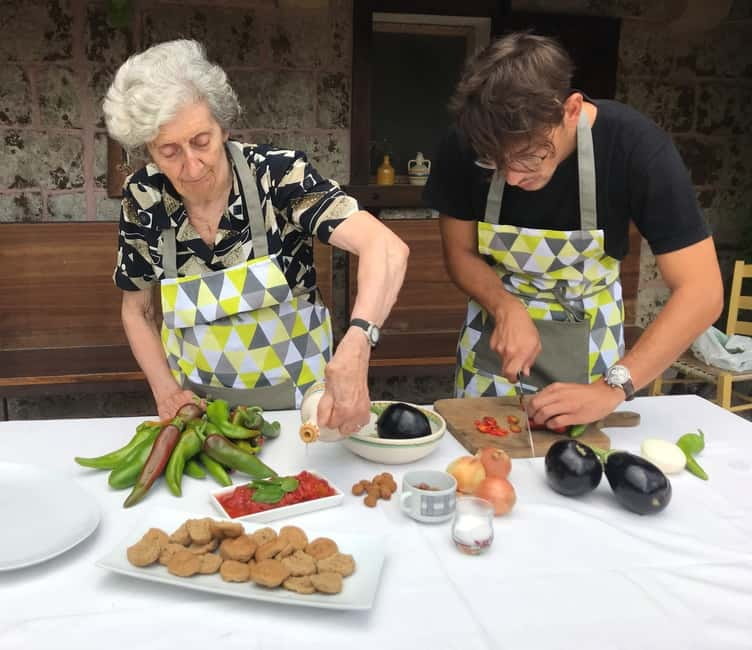
Apulia is closely tied to olive oil. The trees are not just farm plants here. They shape the food, family businesses, and working life of the region. A visit to a mill gives you a more useful understanding of Salento than another quick stop for a scenic photograph.
I like this experience because it connects the finished bottle on your table to the work behind it. You see how the family cares for the trees, learn how olives become oil, and then test your new skills at the table. That last step matters. A talk about oil can become abstract, but tasting several oils side by side gives you something your palate can remember.
The family story adds another layer. This is not a modern food attraction built only for visitors. The farm has been operating since the 1700s and has passed through nine generations. That long connection does not mean every part of the visit will feel old-fashioned. The family also faces current problems, including a bacterial disease that has left many olive trees badly damaged.
One Dutch-speaking participant described an operation dealing with an 80 percent reduction in production because many trees were almost dead. That detail gives the tasting a more serious edge. You are not just sampling a luxury product. You are seeing how a local family is trying to preserve quality and find sustainable solutions during a difficult period.
More Olive Mill and Factory Tours around Italy:
- Bardolino: Lake Garda Oil Mill Tour with Olive Oil Tasting
★ 4.9 · 205 reviews - Lecce to Galatina E-Bike: Olive Mill & Wine Tasting + Taxi back
★ 5.0 · 54 reviews - Olive Oil Tour Visit to the oil mill and olive oil tasting
★ 5.0 · 53 reviews
Meeting the Family in Miggiano
The meeting point is a family olive mill in Miggiano, in the Salento area of Apulia. Transportation is not included, so you need to arrange your own way there. That makes this activity easiest if you already have a rental car or are staying nearby.
The tour is conducted in English. The family members and guides are central to the experience, and the names that come through most clearly are Marta and Emmanuele. Marta has been praised for her friendly manner and passion for the craft, while Emmanuele is noted for explaining the work clearly in good English.
A small group makes a real difference here. With no more than 10 participants, you have a better chance to ask why one oil tastes different from another, how production has changed, or what makes a bottle worth buying. A large group would make the tasting less personal and make it harder to compare oils at your own pace.
The family welcome is one of the strongest reasons to book. You are not simply shown around a factory. You meet people connected to the land and hear about both tradition and present-day problems. That personal link is what turns a standard tasting into a useful cultural stop.
Walking Among the Olive Trees
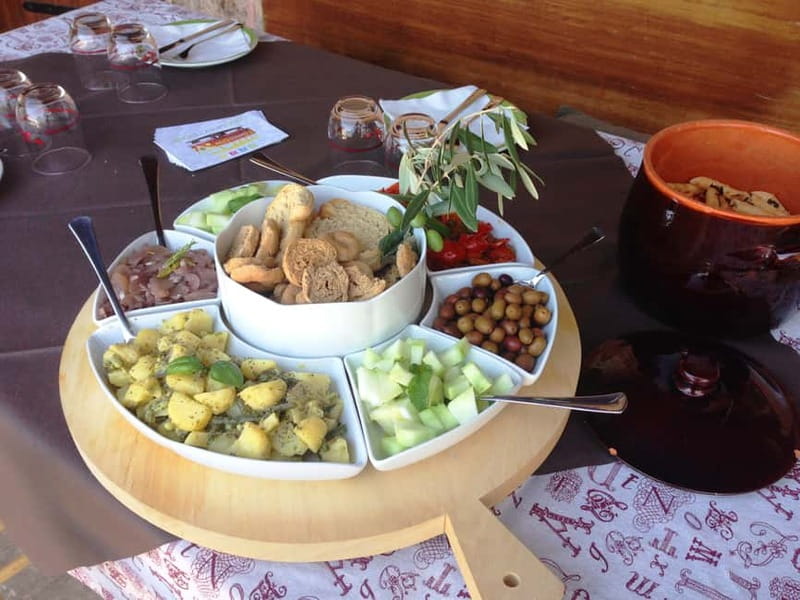
The planned visit includes a stroll through the olive grove. This part helps you understand the setting before you hear about milling. Seeing the trees gives context to the family’s work and shows how much time and care goes into producing an ingredient many people use without thinking.
The grove is also where the agricultural side of the visit becomes clear. The same family has tended these trees for centuries, and the tour explains how the farm’s practices connect to sustainability. You may come away with a better sense of why weather, disease, harvesting, and tree care can affect the final oil.
Keep your expectations measured. The activity is described as a walking tour, but one participant found that the visit consisted mainly of sitting and tasting. That does not make the experience poor, but it suggests that the exact amount of walking can vary by day, group, or conditions.
If you want a long countryside hike, this is not the right choice. If you want a short look at the grove followed by a detailed food lesson, it should fit well. I would treat the walk as an important setting for the tour, not as the main physical activity.
Inside the Mill and Production Areas
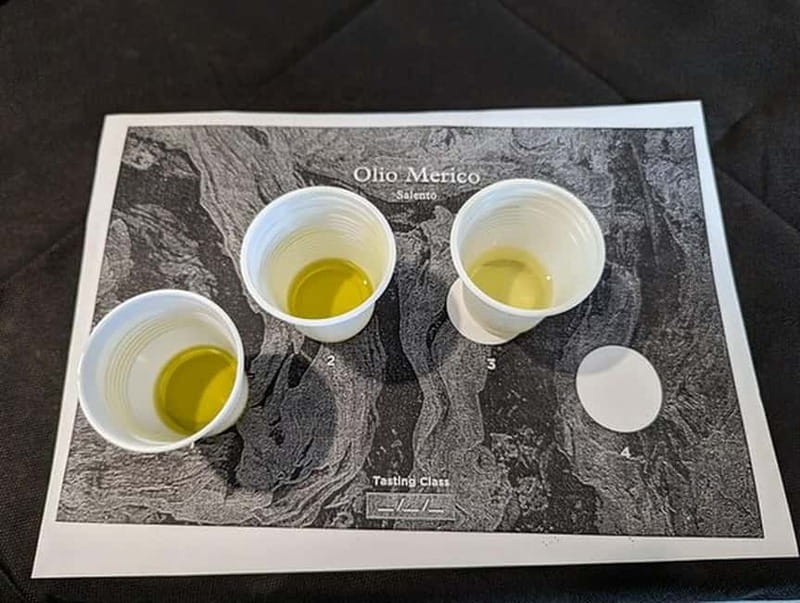
The mill visit explains the process from olive tree to bottle. You learn what happens after the olives are harvested and how the production areas fit into the larger chain of work. The purpose is not just to show machinery. It is to explain how methods affect the quality and character of the finished oil.
This is the part that can change how you shop. The guide explains ways to tell different olive oils apart and how to judge their quality. You are given tools for thinking about flavor, freshness, and food pairing instead of relying only on a label or an attractive bottle.
The tour also places traditional work beside present-day concerns. The family has won awards, but the visit does not present farming as effortless. Bacterial damage has reduced the number of healthy trees, and the family is looking for sustainable answers. That makes the production discussion more honest and useful.
The strongest presentations appear to combine practical facts with personal feeling. Marta has been praised for explaining both the long family story and current issues in olive oil production. Emmanuele is also noted for making the process easy to follow. You should expect a conversation-led visit rather than a rushed sequence of displays.
More Olive Oil Tours around Italy:
- Sorrento Farm and Food Experience including Olive Oil, Limoncello, Wine tasting
★ 5.0 · 2,524 reviews - Olive oil tasting in Sorrento
★ 5.0 · 434 reviews - Sorrento: Lemon, Olive Oil and Wine Tasting Tour with Lunch
★ 5.0 · 300 reviews - Alghero: Wine and Olive Oil Tasting at a Local Farm
★ 4.8 · 294 reviews
Learning to Taste Olive Oil Properly
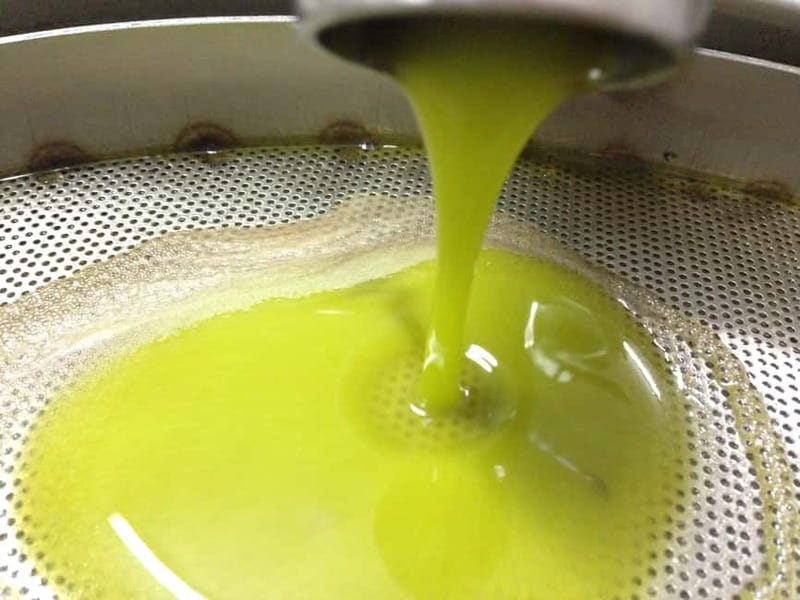
The tasting is the heart of the experience. You sample different olive oils and apply the ideas explained during the mill visit. Rather than simply being told which oil is best, you get the chance to compare them yourself.
That approach is valuable because olive oil can vary in strength, aroma, and finish. A good tasting helps you notice differences that might otherwise blur together. You also learn how to pair oils with food, which gives the lesson a practical use once you return home.
The tasting is not limited to oil. Fresh ricotta, bruschetta, other local products, and a glass of wine are included, along with water. These foods give you a way to test the oils in context. A peppery oil may suit one food, while a gentler one may work better with another.
I like that the food is part of the teaching rather than an unrelated snack. The local products help you understand how olive oil functions in Salento cooking. You are not only tasting a product on its own. You are seeing how it supports simple regional ingredients.
The wine is limited to one glass, so this is a food tasting rather than a winery-style session. Water is included, which is useful when you are comparing flavors. The overall pace should feel relaxed, with enough time to eat, ask questions, and decide what you prefer.
The People Who Make the Visit Work
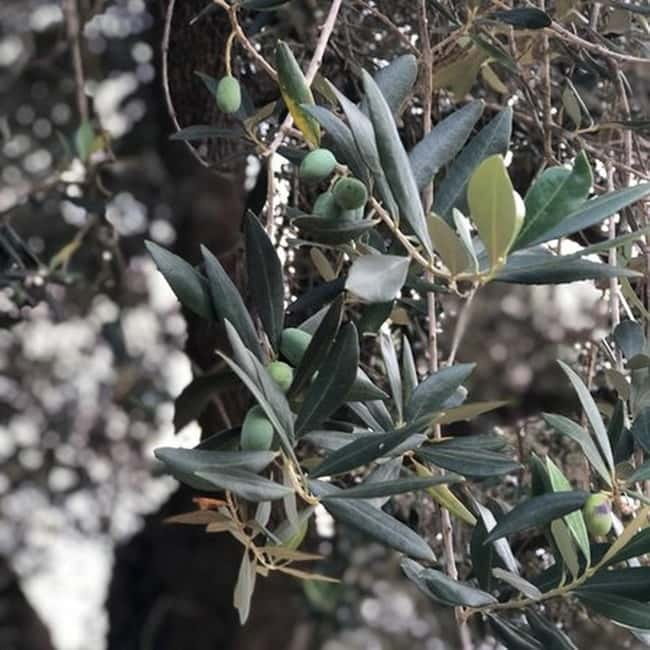
A family farm tour depends heavily on the guide. Here, the strongest impressions come from warmth, clarity, and enthusiasm. Marta has been described as friendly, passionate, and extremely well informed about the craft. Her presentation covers both the farm’s past and the issues affecting olive oil production now.
Emmanuele is also praised for clear explanations and strong English. That matters because technical details about production can become confusing when translated poorly. You want to understand the difference between oils, not just hear a list of farming terms.
The French-language feedback also points to a warm welcome from Maria and a presentation centered on more than three centuries of family know-how, environmental responsibility, and care for Salento heritage. That suggests the family places real importance on how the story is presented.
There is one practical warning. A booking once arrived without the family having its reservation information. The group was still welcomed and the visit went ahead, but the situation was clearly not ideal. I would keep your booking details handy and confirm the meeting information before setting out, especially if your schedule is tight.
Price, Timing, and Overall Value
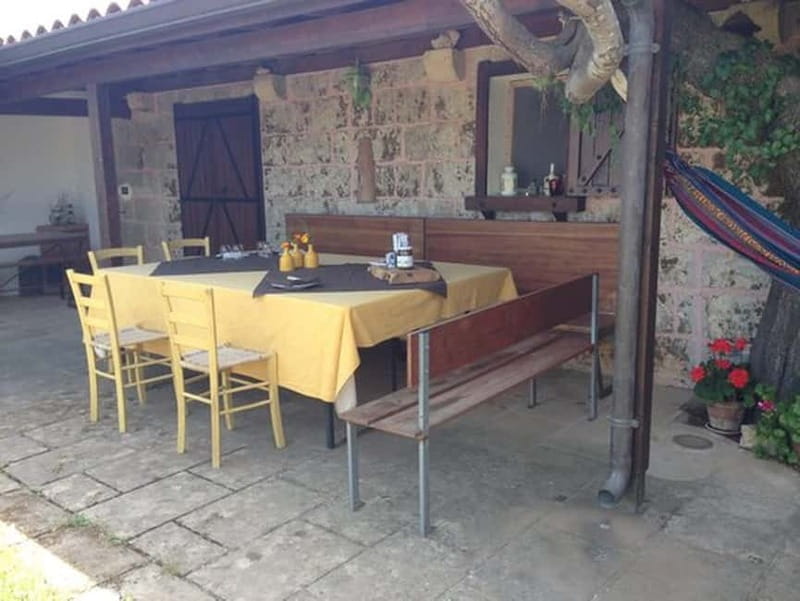
At $44 per person, the experience is not the cheapest food stop you could arrange in Apulia. But the price covers two hours, a guided visit, the mill and grove, several oil tastings, local food, one glass of wine, and water. It also pays for access to a working family farm and the time of a guide who can answer questions.
I see the best value in the education. If you enjoy food and want to buy olive oil during your trip, the ability to recognize quality can make the cost worthwhile. You are learning something you can use long after the visit, rather than paying only for a meal.
The small group improves the value too. A 10-person limit gives the visit a more personal scale. You are less likely to feel like you are being moved through a commercial attraction, and you have a better chance to taste carefully and ask about the farm.
The two-hour length is also practical. It is long enough for a proper explanation and tasting without taking up an entire day in Salento. I would pair it with other sights in the Lecce area or nearby towns, but only if your transportation plan is clear since no transfer is provided.
Who Will Enjoy This Most
I would recommend this to food-focused visitors, couples, families, and anyone curious about how Apulian ingredients are made. It is especially useful if you want a quieter activity away from busy town centers or if you are spending time around Lecce and want to understand the countryside around it.
Families may appreciate the tasting and the family story, though the value for younger children will depend on their interest in a two-hour food and farming lesson. The group format is small enough to feel personal, but the subject requires some attention.
This is also a good choice for visitors who care about responsible farming. The discussion of damaged olive trees and sustainability gives you a more complete picture than a simple sales presentation. You hear about the difficulties as well as the awards and traditions.
I would hesitate to book it if your main goal is exercise or a lengthy walk. The available information describes a grove stroll, but one experience was largely seated. I would also think twice if you need transport from another town and have not arranged it.
What I Would Keep in Mind
Bring an open mind about olive oil. The point is not to find one universal winner. The guide helps you recognize differences and match oils to food, so your own taste matters.
Allow the full two hours even if the tasting sounds like the main attraction. The grove, production areas, and family explanation provide the context that makes the food more meaningful.
If you have a food allergy or dietary concern, the included items are described as ricotta, bruschetta, local specialties, wine, and water, but no specific substitutions are provided. Ask before booking if you need ingredient information.
The cancellation policy allows a full refund when you cancel at least 24 hours ahead. You can also reserve and pay later, which helps if your Apulia plans are still changing. Starting times vary, so check availability before building the rest of your day around it.
Should You Book This Olive Oil Tour?
I would book it if you want a personal introduction to Salento food, farming, and family tradition. The nine-generation connection, clear English explanations, small group, and hands-on tasting make $44 a fair price for a two-hour activity.
Book it with the right expectations. This is primarily an olive oil education and tasting with a short grove and mill visit, not a long country walk. If that balance suits you, it offers one of the more useful ways to understand why olive oil matters so much in Apulia.
FAQ
Where does the olive oil tour take place?
The experience takes place at an olive oil mill and grove in Miggiano, in Apulia’s Salento area.
How long does the experience last?
The tour lasts two hours.
What language is the tour conducted in?
The live tour guide conducts the experience in English.
How large is the group?
The group is limited to 10 participants.
What food and drink are included?
The experience includes olive oil tastings, local products such as fresh ricotta and bruschetta, one glass of wine, and water.
Is transportation included?
No. Transportation to and from the olive mill is not included.
Do you visit both the grove and the mill?
The experience includes a guided stroll through the olive grove and a visit to the olive oil mill and production areas. The amount of walking may vary, as one participant experienced mainly seated tasting.
What will I learn during the visit?
You will learn about olive oil production from the tree to the bottle, how to recognize differences between oils, how to judge quality, and how to pair oils with food.
Can I cancel for a full refund?
Yes. You can cancel up to 24 hours in advance for a full refund. You can also reserve now and pay later.
Just added around Italy
- Villa Castelli: Highlights Walking Tour w/ Olive Oil Tasting★ 4.8 · 12 reviews
- Umbria: E-Bike Rental and Fresh EV Olive Oil Tasting★ 5.0 · 4 reviews
- Vernazza (5 Terre): olive grove tour and oil and wine tasting★ 5.0 · 9 reviews
- Trieste’s Essence: Wine and Olive Oil Tasting★ 5.0 · 3 reviews
- Half-Day Chianti Wine and Olive Oil Tour from Viareggio★ 4.0 · 5 reviews
- From Venice: Olive Oil & Wine Tour in the Venetian Hills★ 5.0 · 9 reviews
- Valpolicella Wine and Olive Oil Tasting with Lunch from Verona★ 5.0 · 2 reviews
- Private Tuk Tuk Tour of the Millenary Olive Groves in Ostuni★ 5.0 · 4 reviews
Olive Mill and Factory Tours, compared.
Knossos-Zeus Cave -Old Traditional Villages-Olive Oil Factory
Read our review →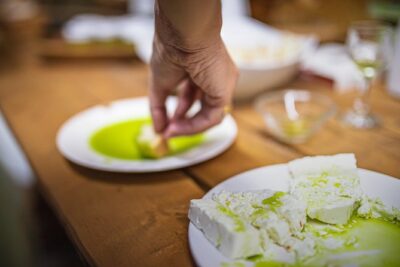
The Governor’s Olive Mill Tour with Olive Oil Tasting
Read our review →
Road-trip to Lasithi, Zeus Cave & Olive Mill Farm
Read our review →
Lassithi, Zeus Cave, Olive Mill Farm & Knossos Combo Tour
Read our review →
Zeus Cave, Lassithi Plateau, Olive Oil Factory, Kritza, Pottery
Read our review →
Zeus Cave, Lassithi Plateau, and Olive Factory Tour
Read our review →Browse the lists this tour appears in