
Review · KALAMATA
Traditional Food tour, Olive oil Tasting with Lunch in Kalamata, Messinia!
Kalamata tastes better on foot. This private food walk pairs six local tasting stops with stories about the city, Messinian cooking, and the people who keep old food traditions alive. I especially like the chance to meet family-run shopkeepers and the focused olive-oil lesson with a certified taster. The main consideration is the price, $190.10 per person, which makes the tour best for people who value personal attention and a full meal over a quick snack walk.
Maria, the local host, is central to the experience. Her warm, well-paced style has made the tour feel personal for many groups, and some outings have lasted closer to six hours than the advertised four. That can be a pleasure, but you should avoid scheduling a tight afternoon transfer afterward. Also note that some stops change by day and time.
What makes this Kalamata food tour special
- Six food stops in the historic center: Visit local shops, a traditional workshop when available, and a coffee stop while tasting more than 20 sweet and savory items.
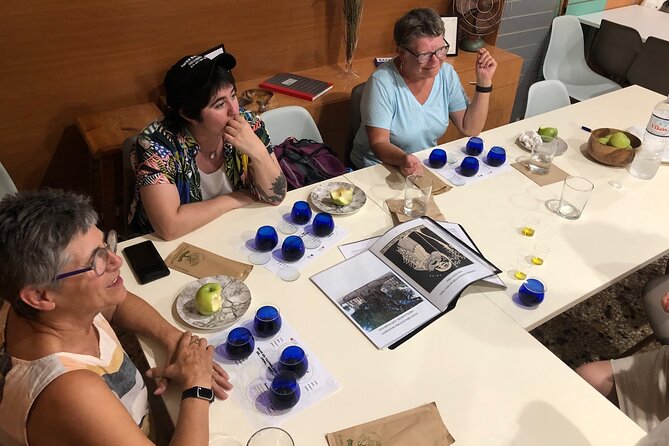
- A serious olive-oil lesson: Compare three or four Greek olive oils and learn how to taste them with help from a certified professional.
- Local wines and Greek spirits: Taste two or three wines, with local drinks served alongside the food and lunch.
- Maria’s personal guiding: Expect history, family stories, food knowledge, and introductions to local business owners rather than a simple list of tastings.
- A proper ending at an ouzo tavern: The light lunch turns the tour into a half-day meal, not just a string of samples.
- Private and flexible: Only your group takes part, and the length can be adjusted to suit your needs.
Starting in Kalamata’s old center
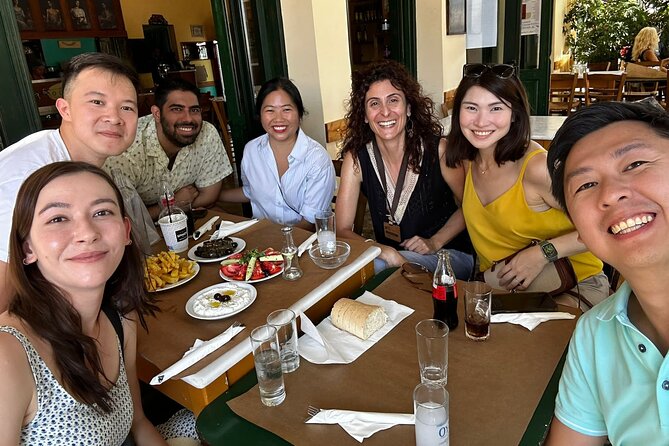
You meet at Vasileos Georgiou Square, at Πλ. Βασιλέως Γεωργίου 39, in central Kalamata. From there, the tour moves through the historic center, where two-storey neoclassical buildings give the walk a clear sense of place before the food begins to take over.
The route uses small, stone-paved lanes lined with shops. This is useful for visitors who want more than the famous olive label on a supermarket shelf. You see how local food fits into daily life, with herbs, spices, baked goods, olives, oil, coffee, and prepared dishes appearing in ordinary neighborhood businesses.
I like this opening because it gives context to the meal. You are not simply handed a plate and told it is traditional. You learn how Kalamata connects to Messinia, the nearby Taygetos mountain, and the farming and family customs behind the food.
Wear comfortable shoes. You will spend much of the experience outdoors, and the stone paving can make flimsy footwear a poor choice. A hat is also sensible, especially for a morning in warm weather.
More Olive Oil Tastings with Lunch around Greece:
- Wine & Olive Oil Tour with Lunch at Milia Mountain Retreat
★ 5.0 · 194 reviews - Wine & Olive Oil Tour with Lunch – Semi Private Safari Tour
★ 5.0 · 156 reviews - Kalamata- Olive oil & Wine Tour with traditional lunch
★ 5.0 · 117 reviews
Six stops, more than 20 tastes
The heart of the outing is a series of visits to local food shops and a workshop. The exact order can change, but the goal is broad sampling rather than one oversized meal at the start.
Expect sweet and savory mezedes, homemade delicacies, local baked items, herbs, traditional treats, and drinks. The total is more than 20 tastings, so pace yourself. This is one of those tours where a small bite at every stop adds up quickly.
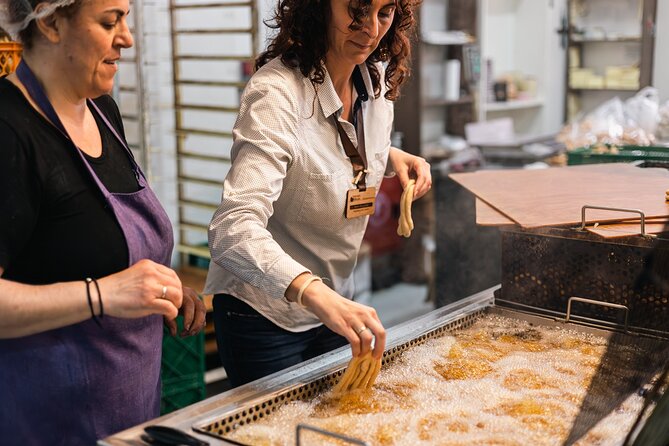
One especially appealing detail is the chance to see or learn about the preparation of lalagia, a traditional Messinian fried dough. A local workshop may also give you a closer look at old food methods and regional products. The experience is strongest when you ask questions and pay attention to how ingredients are used, not just how they taste.
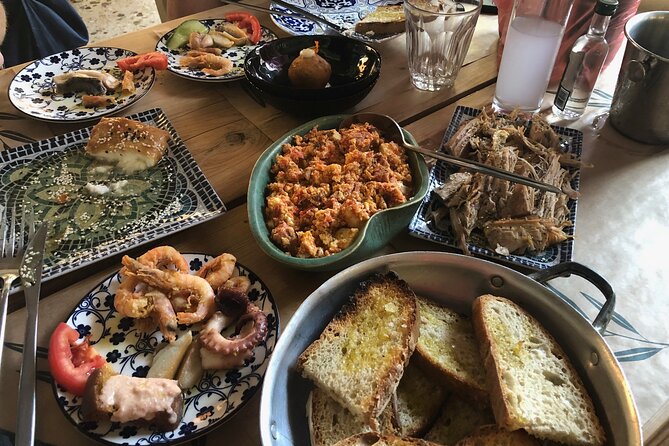
The tour can include a taste of oven-cooked pork, bread, and other local foods, depending on the day’s arrangements. Because the route works with small businesses, the selection is not a fixed restaurant menu. That is part of its local character, but it also means you should not expect precisely the same bites at every departure.
The host’s relationships with shopkeepers add real value. You are introduced to people connected to the food, rather than being sent through a chain of anonymous tasting counters. Several groups have appreciated that these introductions feel respectful and unforced, with no pressure to purchase.
You can buy food and gifts from the shops if you wish, but personal purchases are not included. Bring room in your luggage if you are interested in olive oil, local products, or edible souvenirs.
The olive-oil tasting is the educational highlight
Kalamata is closely linked with black Kalamata olives and Greek olive oil, so this part deserves attention. The tasting is short, but it is more than a drizzle on bread.
A certified olive-oil taster guides you through the differences among Greek oils. The information lists three varieties in one place and four in the included section, so it is wise to confirm the exact number when booking. Either way, the point is comparison: smell, taste, texture, and the qualities that separate a fresh oil from an ordinary cooking product.
This is the part I would prioritize if you have limited time. It changes how you think about a bottle labeled extra virgin, and it gives you a useful skill for the rest of your trip. Instead of treating oil as background, you begin to notice fruitiness, bitterness, peppery notes, and balance.
The tasting also connects the product to Messinia itself. Olive oil is not a decorative theme added to a city walk. It is one of the region’s major food traditions, and the tour gives you a practical way to understand it.
Do not expect a full visit to an olive farm or mill. That is not what this experience offers. It is an urban tasting lesson, which suits you if you want a compact introduction while staying in Kalamata.
Wine, ouzo, coffee, and mountain tea
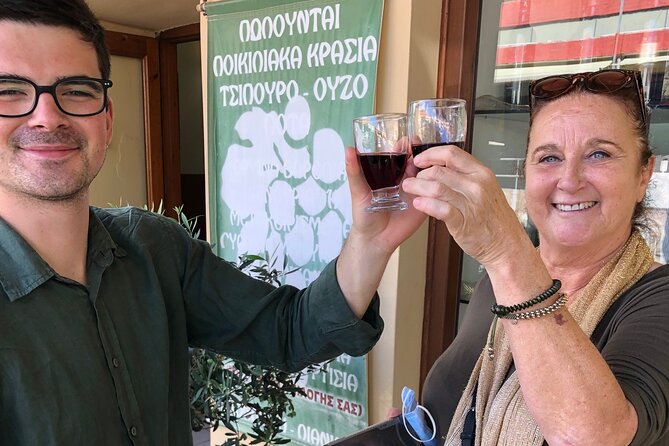
The drinks portion gives the food a wider regional frame. You taste two or three local wine labels with an oenologist, Giannis, and local drinks are served with the tastings and lunch.
Depending on the schedule, you may also taste tsipouro or ouzo. These are not treated as isolated shots. They are connected with meze and the social habit of sharing small plates before a meal. If you rarely drink spirits, tell the host ahead of time and take it slowly.
Greek coffee and Greek mountain tea add a different side of local food culture. The coffee stop may be at a micro-roastery when it is open. On Monday, Wednesday, and Saturday afternoons, that business is closed, so the tour uses another coffee shop and you may enjoy the coffee while walking through the historic center.
This is a good example of the tour’s flexibility, but also a reason to check the departure time. The morning route generally has access to more of the listed businesses. In the afternoon, the wine shop closes at 8:45 p.m., so the wine tasting takes place during the light dinner instead.
More Food Tours around Greece:
- Crete: Full-Day Cretan Wines, Olive Oil, Raki and Food Tour
★ 5.0 · 264 reviews - Symphony of Flavors – Olive Oil & Food Pairing at Corfu Town
★ 4.9 · 66 reviews - Rethymno: Olive Oil Tasting with Cretan Food Pairing
★ 4.8 · 52 reviews - Premium Cretan Olive Oil Tasting, Wine, Raki and Local Food Tour
★ 5.0 · 17 reviews
Lunch at an ouzo tavern
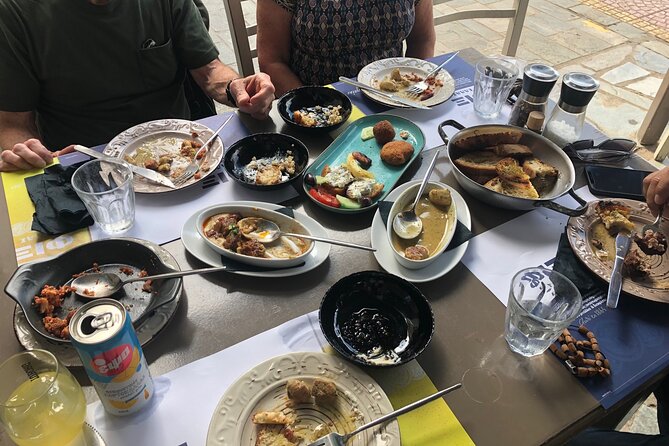
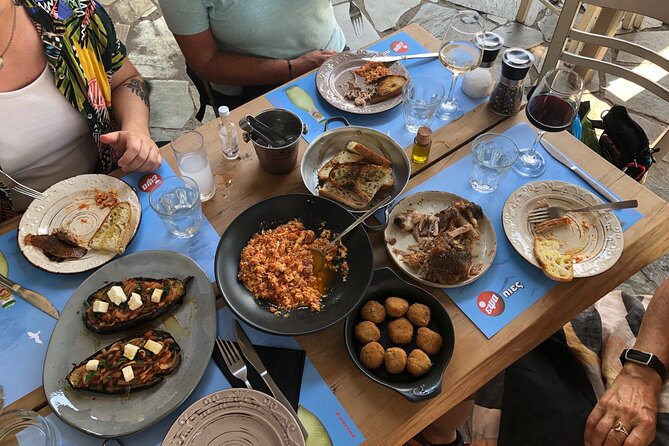
The final meal is described as light, but do not mistake that for insubstantial. After six stops and a long sequence of tastes, you are unlikely to leave hungry.
Lunch takes place in a cozy restaurant or Greek ouzo tavern in the city center. Local drinks accompany the meal, and the setting gives you time to sit down after walking and talk through what you have tasted.
This ending works well because Greek food makes more sense when shared around a table. The meal is not merely a final plate added to the package. It shows how mezedes, drinks, and conversation fit together in a Greek dining routine.
Some outings have included a quick food taste before lunch, bread-related preparation, ouzo, wine, coffee, olive oil, and then a light meal. The pace may feel generous rather than tightly timed. If you need a strict four-hour finish, say so before the tour begins. The advertised duration is about four hours, but the experience can be tailored and has sometimes lasted substantially longer.
Maria’s guiding style and the private format
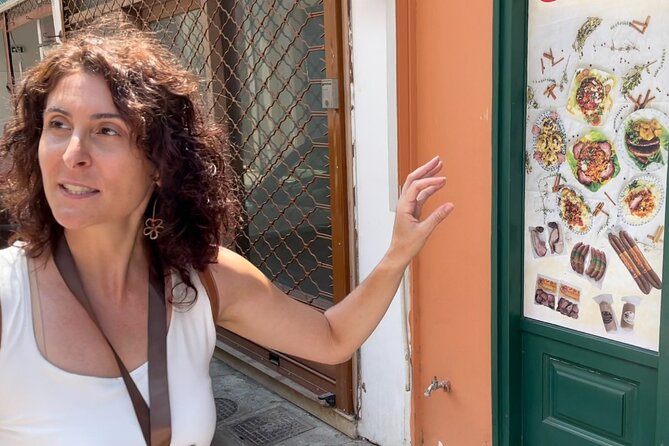
Maria is the named guide, and her role is more than explaining buildings between restaurants. She brings in history, local customs, herbs, wild edible plants, wine, olive oil, and family food traditions.
Her strongest quality appears to be her connection with local retailers and producers. She can explain how a product is made, then introduce you to someone who works with it. That combination gives the tour warmth without turning it into a staged show.
Because this is a private activity, only your group participates. That matters for families, couples, and small groups with different eating habits. You can ask for more explanation, slow the walking pace, or spend extra time on olive oil and local food traditions.
The private setup also explains part of the cost. At $190.10 per person, this is not a bargain snack crawl. You are paying for a local host, multiple businesses, more than 20 tastes, wine, olive oil, coffee, tea, lunch, drinks, and the convenience of a private route.
For a group of food lovers, the value is easier to see. You would spend money on several meals and tastings anyway, and the guide adds access and interpretation. For a solo visitor looking only for a cheap lunch, the price will feel high.
Group discounts are available, so larger parties should ask about the rate before booking. Transfers are not included, though they can be arranged for an additional charge.
Morning or afternoon: choose with care
Morning departures run Monday through Saturday, excluding Sundays, Greek official holidays, and the period from Holy Friday through Easter Tuesday. The morning is the better choice if you want the widest selection of shops and workshops.
Afternoon departures can still be worthwhile, but the route changes. The traditional workshop is open only in the morning. If it is closed, you may visit another available workshop, or the local products from that stop may be given to you later while the tour begins at a shop instead.
Some stores also close on Monday, Wednesday, and Saturday afternoons. The coffee stop changes on those days, and the wine tasting moves into the dinner portion because of shop hours.
These details are not minor. If the workshop, coffee roastery, or wine shop matters most to you, book a morning tour and confirm the schedule. If you are more interested in the food, stories, and private pace, an afternoon outing can still work well.
Dietary needs, walking, and family suitability
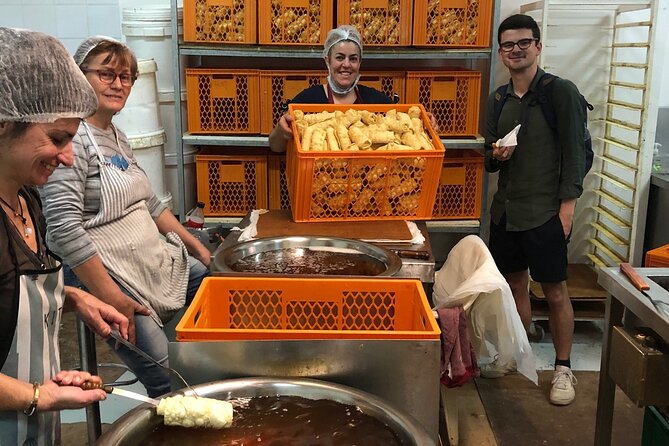
The experience is family-friendly, and most people can participate. You should report vegetarian, vegan, pescatarian, flexitarian, allergy, and other dietary needs when booking.
Mention food allergies clearly, including allergies to bees. The host needs this information in advance so the tastings can be handled safely. Since the route includes many small samples, last-minute changes may be harder than they would be at a single restaurant.
This is a walking experience in the open air. The duration can be tailored, but you should still expect time on foot between stops. Comfortable shoes and a hat are specifically recommended.
The tour suits adults who enjoy trying many foods and asking questions. It also works for families who want a gentle introduction to Greek cuisine, provided children are comfortable with walking and varied tasting portions. It may be less suitable if you dislike eating between meals or prefer a fixed menu.
Is $190.10 a fair price?
The answer depends on how you travel. The price includes the guide, all taxes, more than 20 food tastes, local drinks, an olive-oil tasting, wine, Greek coffee, mountain tea, and lunch. That is a substantial package for a private four-hour experience.
You are also getting a useful first orientation to Kalamata. The tour can help you decide what to buy later, which foods to seek out, and how to recognize better olive oil. That practical knowledge adds value beyond the food consumed during the day.
The cost is harder to justify if you are traveling on a strict budget or already have a strong plan for eating in Kalamata. You could spend less by visiting shops and tavernas on your own, though you would miss the introductions, translations, tasting guidance, and organized route.
The strongest value comes when you want a personal introduction to Messinian food and prefer one well-organized experience to piecing together several stops yourself.
Should you book this Kalamata food tour?
I would book it if you want a private, food-first introduction to Kalamata, especially if olive oil is a major interest. Maria’s warm approach, local contacts, flexible pacing, and strong food knowledge give the experience more depth than a basic tasting walk.
Book a morning if you want the best chance of visiting every type of stop. Tell the host about dietary needs, ask about the exact number of olive oils, and leave extra time afterward in case your four-hour outing stretches longer.
Skip it if $190.10 feels too steep for a meal and a city walk, or if you want a farm visit rather than an urban tasting. For everyone else, this is a strong choice for turning Kalamata’s food traditions into something you can taste, understand, and remember.
FAQ
Where does the Kalamata food tour start and finish?
It starts at Πλ. Βασιλέως Γεωργίου 39, Kalamata 241 00, Greece. The experience ends back at the same meeting point.
How long does the experience last?
The advertised duration is approximately four hours. The length can be tailored to individual needs, and some outings have lasted longer.
Is this a private tour?
Yes. Only your group participates in the activity.
What food and drinks are included?
The experience includes more than 20 Greek mezedes and local delicacies, a light local lunch, soft or local drinks, Greek coffee, Greek mountain tea, and wine tasting.
How many olive oils and wines will I taste?
The description lists three or four Greek olive oil varieties, so confirm the exact number when booking. The wine tasting includes two or three labels.
Is the tour available every day?
Morning tours run Monday through Saturday, excluding Sundays, Holy Friday through Easter Tuesday, and Greek official holidays. Afternoon schedules can vary because some shops close on certain days.
What should I bring or tell the host?
Wear comfortable shoes and a hat because you will spend time outdoors. Tell the host about dietary needs and all food or bee allergies before the experience.
Just added around Greece
- Athens: Greek Wine & Olive Oil Tasting at Brettos Plaka★ 4.5 · 3 reviews
- Breakfast in the markets with olive oil and honey tasting★ 4.8 · 8 reviews
- PRIVATE RHODES TOUR + Lunch Stop & WINE/OLIVE OIL Tasting★ 5.0 · 2 reviews
- Olive Tour & Tasting★ 5.0 · 4 reviews
- Olive Facility Visit with Olive Oil Tasting Session★ 5.0 · 2 reviews
- SYSTASIS Olive Oil Tasting Experience in Ermioni Greece★ 5.0 · 4 reviews
- Olive Oil Tour close to Nafplio★ 4.5 · 3 reviews
- Olive Oil Tasting at the Mykonian Farm★ 4.5 · 3 reviews
Olive Oil Tastings with Lunch, compared.
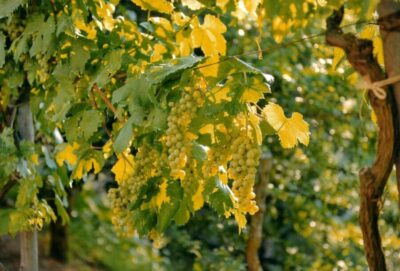
Lemon, Olive Oil and Wine Tasting Tour with Lunch
Read our review →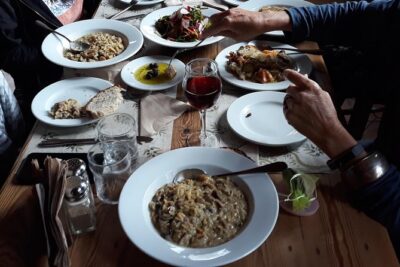
Wine & Olive Oil Tour with Lunch at Milia Mountain Retreat
Read our review →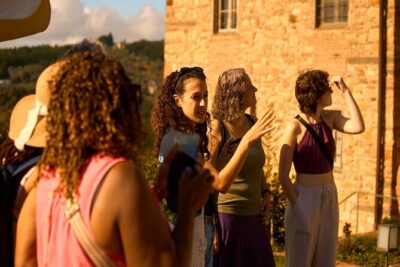
Great Chianti Wine and Olive Oil Trail with Lunch
Read our review →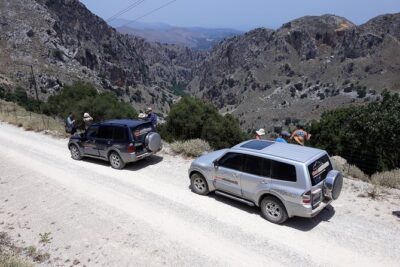
Wine & Olive Oil Tour with Lunch – Semi Private Safari Tour
Read our review →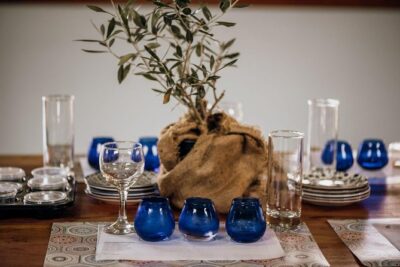
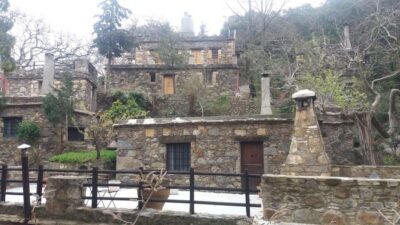
Milia Mountain Tour w/Lunch Olive Oil/Wine Tastings
Read our review →
Wine & Olive Oil Tour with lunch at the White Mountains
Read our review →
Organic Olive Grove tour & Olive oil tasting & lunch in Kalamata!
Read our review →Browse the lists this tour appears in