
Review · MONTEPULCIANO
Tuscan ExtraVirgin Olive Oil Tour
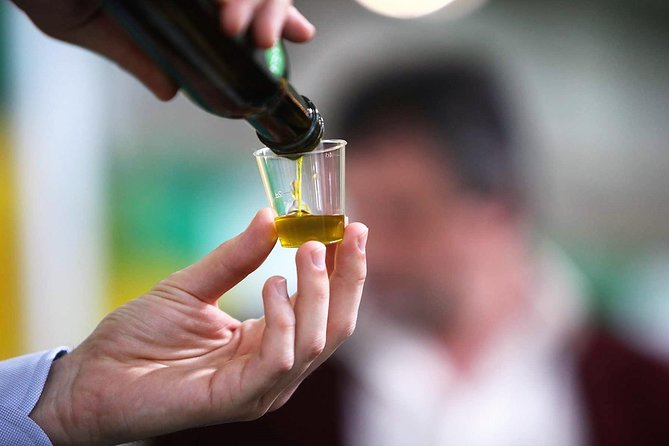
Olive oil gets its own Tuscan master class. This three-hour experience in Montepulciano combines a practical tasting lesson, a visit to an oil mill, and a generous lunch built around local extra virgin olive oil. I like the chance to taste three varieties side by side, and I like that the lesson explains how to judge oil by color, fragrance, and flavor rather than treating it as a simple table condiment. The main consideration is that you visit the mill, not necessarily the olive-growing farm itself, and the production machinery may not be operating during your visit.
The lunch is a major part of the value here. You get typical Tuscan dishes, local wine, and food prepared to show what the oil can do. Book ahead, since the experience is often reserved about 72 days in advance, and remember that the small group has a maximum of 16 people. Late October may be the best time to go if seeing active olive production matters to you.
Key points to know before booking
- Three-hour food experience: The tour begins at 11:30 a.m. and ends back at the Valdichiana Living meeting point in Montepulciano.
- Three olive oils to compare: The tasting helps you spot differences in fragrance, flavor, and other organoleptic qualities.
- Working oil mill visit: You see the machinery and learn how olives become extra virgin olive oil, though the mill may not be running.
- Two possible tasting locations: The class may take place at the frantoio or at a wine and olive oil shop, and some departures include two tasting stops.
- Lunch is substantial: Expect a special menu of Tuscan dishes, olive oil, and wine. Arrive hungry.
- Small group and flexible cancellation: The maximum group size is 16, and you can cancel for a full refund up to 24 hours before the start time.
Why olive oil deserves a three-hour tour
In Tuscany, olive oil is not just something poured over bread at the beginning of a meal. It is one of the main flavors on the plate, and a good oil can change how a simple dish tastes. This experience gives you a way to notice those changes instead of relying on a label or a pretty bottle.
The lesson focuses on basic sensory skills. You learn to assess color, fragrance, and flavor, then use those clues to decide if an oil is fresh and well made. That is useful because color alone can mislead you. A deep green oil may look impressive, but the smell and taste tell you far more about its quality.
You also learn about Tuscan designations, including Terre di Siena DOP and Toscano IGP. These labels connect the oil to a defined place and production standard. The class does not simply ask you to taste and nod politely. It gives you a method you can use later in a shop, at a restaurant, or in your own kitchen.
I like this practical approach. You do not need to become an olive oil professional to benefit from it. By the end, you should have a better sense of which oils work well with bread, vegetables, meat, or other dishes. The goal is not to memorize technical terms. It is to taste with more confidence.
More Olive Oil Tours around Italy:
- Sorrento Farm and Food Experience including Olive Oil, Limoncello, Wine tasting
★ 5.0 · 2,524 reviews - Olive oil tasting in Sorrento
★ 5.0 · 434 reviews - Sorrento: Lemon, Olive Oil and Wine Tasting Tour with Lunch
★ 5.0 · 300 reviews
Meeting at Valdichiana Living in Montepulciano
The experience begins at 11:30 a.m. at Valdichiana Living, Piazza Grande 7, in Montepulciano. This central meeting point makes the tour easy to add to a day in town, although you should allow enough time to arrive without rushing.
The tour ends back at the same meeting point. That return is convenient if you are planning another activity in Montepulciano afterward. It also gives you a clear start and finish, with no need to arrange a separate return from the final tasting.
A mobile ticket is provided, so you can keep the booking on your phone. Confirmation arrives at the time of booking. Since the tour is commonly booked well in advance, I would not leave it until the day before if your Montepulciano schedule is fixed.
The group can include up to 16 people. That is large enough for a social tasting, but still small enough for an instructor to guide the group through the samples. The exact feel may depend on the departure, but this is not designed as a private lesson.
The tasting lesson: learning to judge the oil
The tasting is the heart of the experience. An expert takes you through the basic steps of assessing extra virgin olive oil and helps you identify what you are sensing.
You begin with the oil’s organoleptic qualities. In plain English, that means the features you can detect through your senses. Fragrance may suggest freshness or unwanted faults. Flavor can reveal whether an oil is gentle, peppery, bitter, grassy, or otherwise distinctive. Color is considered too, although it should not be your only guide.
The class is designed to help you tell a high-quality oil from an ordinary one. That distinction matters in Tuscany, where shelves and restaurant tables may hold several local products that look similar at first glance. Tasting them together gives you a clearer comparison than trying one oil on its own.
Three different varieties are included in the tasting. This is a useful number: enough to show real differences without turning the lesson into a blur of samples. You can compare how each oil behaves on its own and then think about which foods might suit each one.
I especially like the table-matching part of the lesson. Olive oil is not one single flavor, and a strong peppery oil may work better with one dish while a softer oil suits another. The experience aims to help you make those pairings yourself. You leave with a skill, not just a souvenir bottle.
Seeing the mill and its machinery
After the tasting lesson, you visit an oil mill producing extra virgin olive oil. The machinery tour explains the production process and shows how the product moves from olives to finished oil.
A video of the machinery in operation may be included, which helps if the mill is not pressing olives during your visit. The machinery itself is an interesting part of the stop, but it is important to set your expectations correctly. This is not guaranteed to be a walk through an olive grove or a visit to the farm where the olives were grown.
That distinction matters. If your main aim is to see trees, harvest baskets, and workers picking olives, this may feel incomplete. You are visiting the processing side of the journey instead. For anyone curious about the farm-to-plate process, that is still valuable, since pressing and handling play a major role in the final taste.
The timing of your visit can affect what you see. Late October is suggested as a good period for catching olive production in action. Even then, active production is not promised, so I would treat this as a useful seasonal tip rather than a guarantee.
The machinery gives the tour a practical edge. You are not only told that olives become oil. You see the setting where that conversion takes place and connect the technical process with the flavors in your glass.
Same groves, a different afternoon:
- Alghero: Wine and Olive Oil Tasting at a Local Farm
★ 4.8 · 294 reviews - Ostuni: Masseria tour among thousand-year-old olive trees with oil tasting
★ 4.8 · 261 reviews - Balestrate: Olive Grove Tour with Wines & Olive Oil Tasting
★ 5.0 · 241 reviews - Bardolino: Vineyard Tour with Wine, Olive Oil & Food Tasting
★ 4.6 · 221 reviews
Possible second tasting stop and the Fracoio Buraschi meal
The exact arrangement can vary. Some departures include two tastings at different locations, with the second visit taking place at Fracoio Buraschi. This extra stop can make the experience feel bigger than a single tasting lesson.
At Fracoio Buraschi, the focus is on learning through food. The oil tasting is followed by a meal of typical Tuscan dishes made to highlight the local oil. This is where the class becomes a proper midday outing rather than a short sampling session.
The food is generous. Plan to arrive genuinely hungry, because the lunch is not a small plate with a token drink. You can expect a special menu designed around the oil, along with wine to enjoy during the meal.
That abundance is part of the charm, but it also affects your schedule. Three hours can pass quickly when the tasting, machinery visit, second stop, lunch, and shopping are all included. Do not book another tight appointment immediately afterward.
The food also gives you a chance to test what you learned. A spoonful of oil may taste one way by itself and another way with bread or a Tuscan dish. That is the practical lesson the tour promises: good oil is not only about buying the most expensive bottle. It is about using the right flavor with the right food.
Lunch, wine, and the real value of the price
At $149.23 per person, this is not a cheap tasting. The price makes more sense if you want a full food experience rather than a quick sample at a shop.
You are paying for roughly three hours of instruction, an oil mill visit, several tastings, lunch, and wine. The meal appears to be one of the most praised parts of the experience, with enough food to make the tour feel like a serious midday meal. If you would otherwise pay separately for lunch and a tasting, the total begins to look more reasonable.
The value also depends on your interest. If you already know a great deal about olive oil and only want to buy a bottle, this may be more time and money than you need. If you enjoy regional food and want to understand what makes Tuscan oil different, the combination is stronger.
I would compare the cost with a full lunch in the area, not with a basic museum ticket. This is a food-centered activity, and much of the value arrives at the table. The wine and multi-course menu help turn the price into an experience rather than a fee for a short lecture.
There is also a shopping opportunity at the factory store. That can be useful if you find an oil you like and want to take it home. Since the tour teaches you how to compare oils first, you can shop with a better idea of what suits your taste.
What this tour does especially well
The strongest feature is the combination of instruction and eating. Plenty of tastings stop after a few sips. Here, you learn the basics, visit a production site, and then see how the oil works with Tuscan food.
The host is described as very friendly, which matters in a tasting class. A warm instructor can make it easier to ask simple questions, especially if you are not familiar with terms such as bitter, peppery, or fruity.
The experience also offers more food than many people expect. That makes it a good fit for anyone who wants lunch included rather than another activity squeezed between meals. Just do not arrive after a large breakfast and expect to make the most of the menu.
The oil mill visit is another strong point for curious eaters. It gives context to the bottle on the table. You see that quality depends on more than the final label, and you gain a basic picture of the work behind the product.
Where the experience may fall short
The main limitation is the farm connection. You may visit the mill and see the production equipment, but the experience does not promise a visit to the olive trees or the farm where the fruit was grown.
You should also keep the production season in mind. Outside the harvest period, you may see machinery through a video rather than watch pressing happen live. Late October improves your chances, but it does not guarantee an active mill.
The tour can also vary in shape. The class may happen at the frantoio or in a wine and olive oil shop, and some departures include two tasting locations. That variety can be fun, but it means you should not assume every date follows precisely the same sequence.
Finally, three hours is a compact time frame for a lesson, mill visit, tastings, shopping, and lunch. If you enjoy lingering over food, you may wish it lasted longer. The upside is that it fits neatly into a Montepulciano day without taking the entire afternoon.
Who should book this Montepulciano experience?
I would recommend it most strongly to people who care about food, enjoy guided tastings, and want to understand a local product beyond its label. It suits couples, small groups, and anyone who prefers an activity with plenty of conversation and eating.
It is also a good choice if you are visiting Montepulciano and want something other than another church, palace, or viewpoint. The activity connects you with a working part of Tuscan food culture and gives you something useful to take home, even if that is only a better palate.
Families may also find the machinery and food appealing, although the practical value depends on the children’s interest in tasting lessons. The tour is open to most participants, and no special skill is required.
I would hesitate if your priority is an olive farm visit, a private class, or a guaranteed demonstration during harvest. I would also think twice if you do not enjoy a long lunch or if $149.23 feels too high for a food activity.
Booking, cancellation, and timing advice
The tour starts at 11:30 a.m., so it works naturally as a late-morning activity followed by lunch. Meet at Valdichiana Living, Piazza Grande 7, and plan to have your mobile ticket ready.
Free cancellation is available up to 24 hours before the scheduled start time. Changes or cancellations made less than 24 hours before the start are not accepted for a refund. Cutoff times follow local Italian time.
The experience requires a minimum number of participants. If that minimum is not reached and the tour is canceled, you are offered another date or experience, or a full refund.
Since the activity is often booked 72 days ahead, reserve early if you want a specific date, especially in a busy season. For the best chance of seeing olive production, consider late October, while remembering that active pressing is not guaranteed.
Should you book the Tuscan Extra Virgin Olive Oil Tour?
Book it if you want a full Tuscan food experience with a lesson, an oil mill, several tastings, wine, and a substantial lunch. The friendly hosting, three oil varieties, and meal at Fracoio Buraschi give the activity more depth than a quick shop tasting.
Skip it if you mainly want to walk through olive groves or watch pressing live. For everyone else, the price is reasonable when you count the food and wine, and the class leaves you with a useful skill: knowing how to choose and use good extra virgin olive oil.
FAQ
Where does the Tuscan Extra Virgin Olive Oil Tour begin?
It begins at Valdichiana Living, Piazza Grande 7, 53045 Montepulciano, Italy.
What time does the tour start?
The tour starts at 11:30 a.m.
How long does the experience last?
The experience lasts approximately three hours.
Where does the tour end?
The activity ends back at the Valdichiana Living meeting point.
How many people can join the tour?
The maximum group size is 16 people.
What will I taste during the experience?
You will taste three different varieties of extra virgin olive oil, along with Tuscan dishes and wine during the meal.
Is a visit to an olive farm included?
The experience includes a visit to an oil mill producing extra virgin olive oil. A visit to the farm where the olives are grown is not specified.
Can I cancel for a refund?
Yes. You can cancel at least 24 hours before the start time for a full refund. Cancellations or changes made less than 24 hours before the start are not refunded or accepted.
Just added around Italy
- Villa Castelli: Highlights Walking Tour w/ Olive Oil Tasting★ 4.8 · 12 reviews
- Umbria: E-Bike Rental and Fresh EV Olive Oil Tasting★ 5.0 · 4 reviews
- Vernazza (5 Terre): olive grove tour and oil and wine tasting★ 5.0 · 9 reviews
- Trieste’s Essence: Wine and Olive Oil Tasting★ 5.0 · 3 reviews
- Half-Day Chianti Wine and Olive Oil Tour from Viareggio★ 4.0 · 5 reviews
- Valpolicella Wine and Olive Oil Tasting with Lunch from Verona★ 5.0 · 2 reviews
- From Venice: Olive Oil & Wine Tour in the Venetian Hills★ 5.0 · 9 reviews
- Private Tuk Tuk Tour of the Millenary Olive Groves in Ostuni★ 5.0 · 4 reviews
Italy Olive Oil Tours, compared.
Sorrento Farm and Food Experience including Olive Oil, Limoncello, Wine tasting
Read our review →
Lemon, Olive Oil and Wine Tasting Tour with Lunch
Read our review →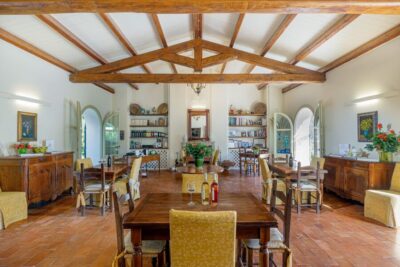
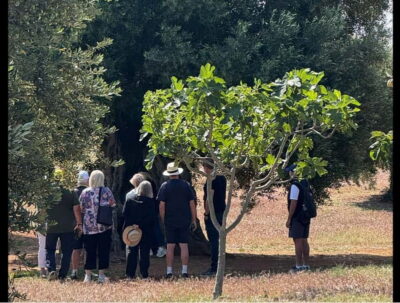
Masseria tour among thousand-year-old olive trees with oil tasting
Read our review →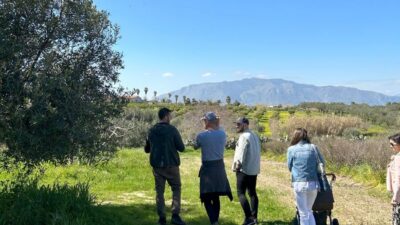
Olive Grove Tour with Wines & Olive Oil Tasting
Read our review →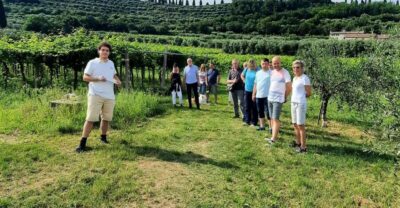
Vineyard Tour with Wine, Olive Oil & Food Tasting
Read our review →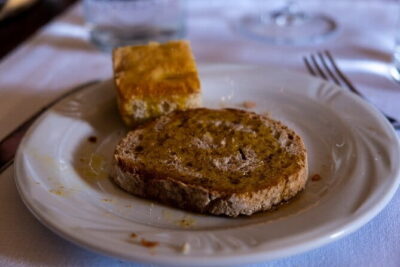
Tuscany Bike Tour with Wine, Oil and Food in the Florentine Hills
Read our review →Browse the lists this tour appears in