
Review · NORTE REGION
Douro Valley: Private Tour & Guided Wine & Olive Oil Tasting
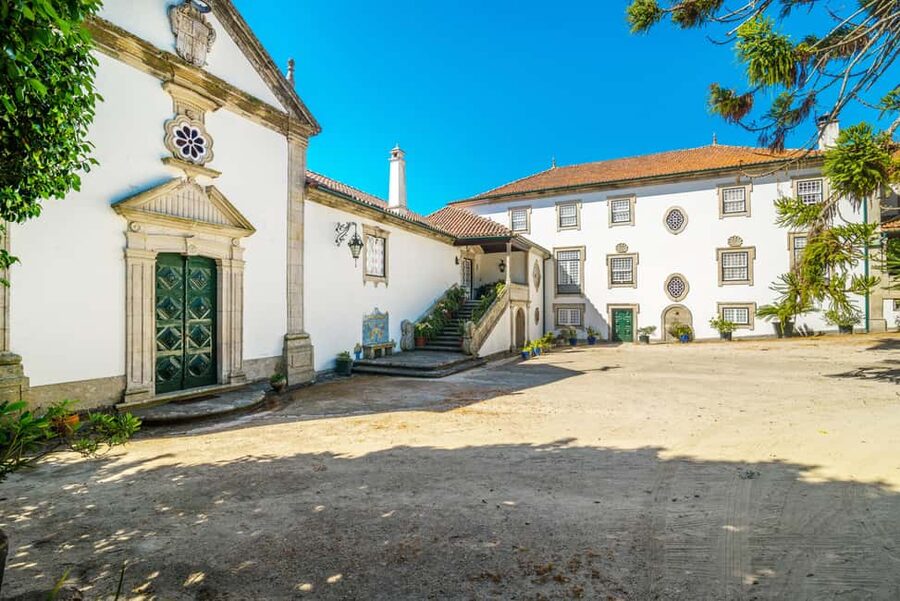
Douro wine country rewards a slower pace. This private visit to Quinta de Santa Júlia, a family estate dating to 1596, combines a gentle walk, family stories, cellar tasting, and broad views over the Douro Valley. I like the personal format, with one dedicated host rather than a large group, and I like that the wines and olive oil come from the estate itself. You get a sense of place, not just a tasting flight.
The main consideration is the short 75-minute schedule. It gives you enough time for the house, gardens, vineyards, cellar, and tasting, but you will not have hours for a long vineyard walk. Also, the tasting details vary slightly in the published information, so confirm the exact wine lineup when you book.
Key points to know before you go
- The estate dates to 1596: Quinta de Santa Júlia offers a real connection to Douro family history, rather than a modern tasting room built only for visitors.
- Private hosting keeps the visit personal: Your dedicated guide leads the walk and tasting at a pace suited to your group.
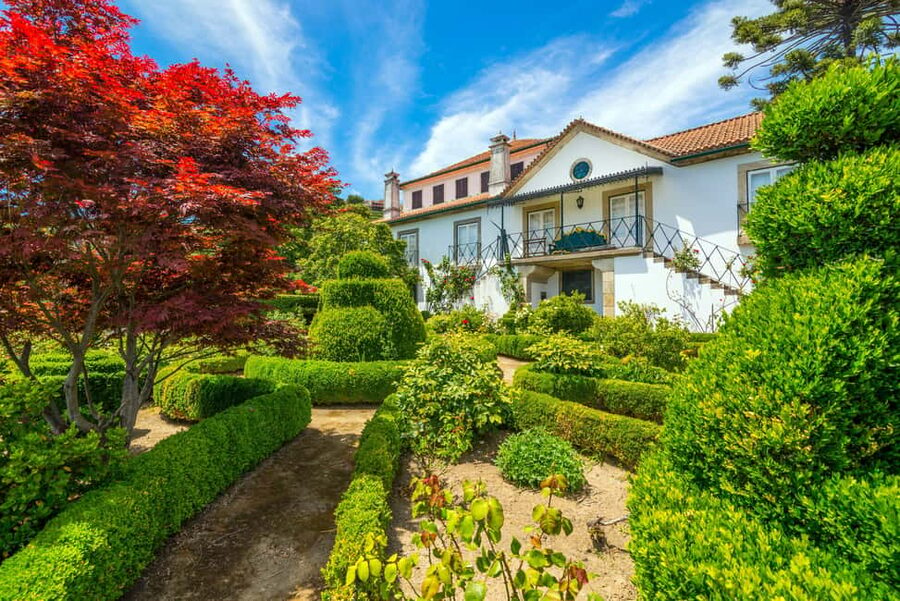
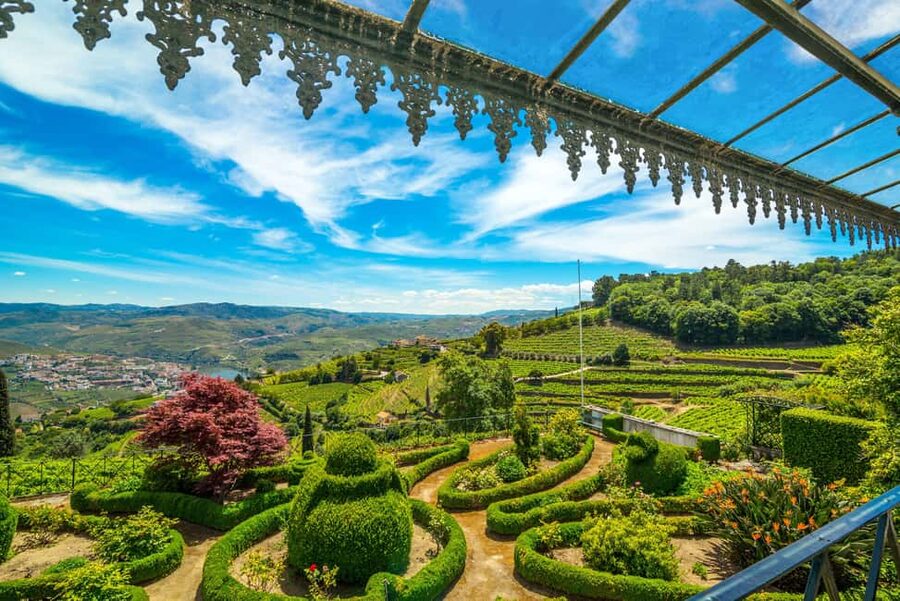
- The grounds are part of the experience: French-inspired gardens, woodlands, vineyards, historic corners, and viewpoints make this more than a cellar stop.
- The tasting is estate-made: Expect still wines, Port, and extra virgin olive oil, with discussion of grapes, soil, farming, and winemaking choices.
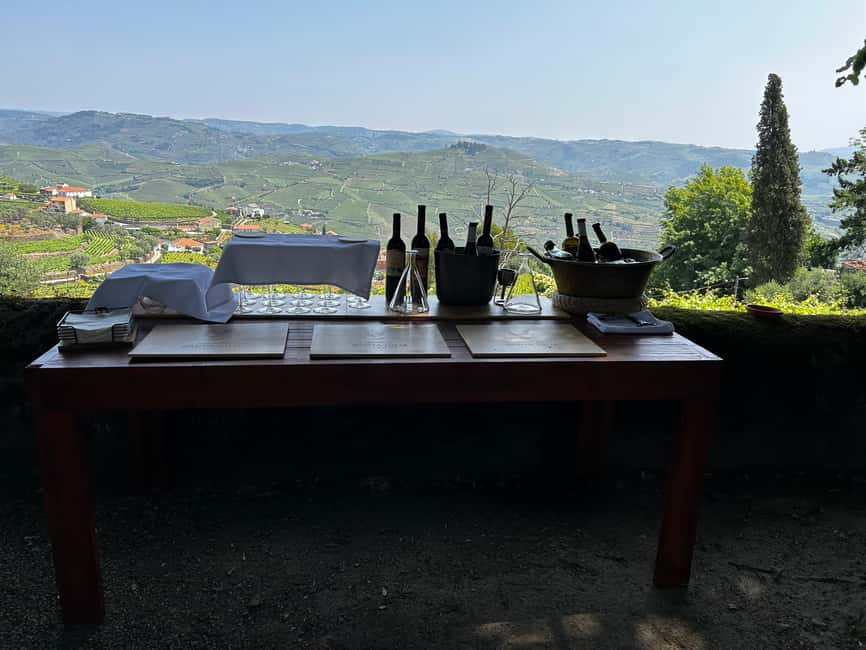
- The setting matters as much as the glass: You can linger after the formal visit, sit in the garden shade, or enjoy a wine with a Douro view.
- Transport is your responsibility: You must reach the quinta yourself, and the final walk from the warehouse to the main house is on foot.
Why Quinta de Santa Júlia feels different
Many Douro tastings come down to a few pours and a quick explanation of Port. This experience adds the setting that makes the wine make sense. You walk through the estate before tasting, so the vineyard, gardens, house, cellar, and views become part of the story.
The age of the property also gives the visit a useful sense of scale. A quinta from 1596 is not simply a backdrop for photographs. It connects the wine to family ownership, old buildings, agricultural work, and the long relationship between the Douro Valley and Port production.
I especially like that the experience includes both wine and olive oil. Olive oil is central to farming in northern Portugal, yet it often gets little attention on wine visits. Here, the tasting gives you a chance to compare the character of the estate’s oil with its wines and to understand the property as a working agricultural place.
The private format is another strong point. You are not being moved along with a busload of people. Your host can explain the estate, answer questions, and adjust the conversation to your interests. English, French, Portuguese, and Spanish are available.
More Olive Oil and Wine Tastings around Portugal:
- Arrábida, Setúbal, Sesimbra, Olive with wine tasting
★ 5.0 · 75 reviews - Douro Valley: A Sensory Experience in the Douro: Wines, Olive Oil, and History
★ 4.9 · 15 reviews - Premium gastronomic mountain tour: Wine, olive oil, spirits, food
★ 5.0 · 8 reviews
Arriving at the quinta and finding the house
The meeting point is the gate of Quinta de Santa Júlia. Enter through the gate and continue down the road until you reach a large warehouse. You can park there, or ask your driver to let you out at that point.
From the warehouse, follow the remaining road on foot to the main house. This final walk is worth noting if you have limited mobility, luggage, or uncomfortable shoes. The activity is listed as wheelchair accessible, but the meeting instructions do involve moving from the warehouse area to the house, so it is sensible to contact the provider ahead of time if you need specific assistance.
Give yourself enough time to find the property without rushing. The estate setting is rural, and the meeting point is not simply a shopfront beside a major city street. Once you arrive, your host welcomes you and accompanies you through the visit.
Wear comfortable shoes. You will be walking through gardens, vineyards, and other outdoor parts of the property, and this is not the place for delicate footwear. Bring a camera, too. The panoramic views are one of the pleasures of the visit.
The opening walk through gardens and vineyards
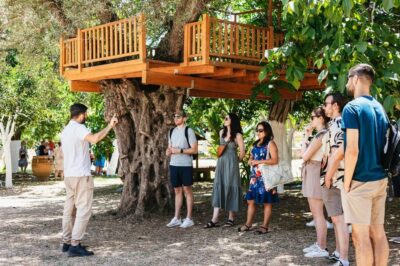
The tour begins outdoors, with a relaxed walk around the estate. You may pass through the private French-inspired gardens, historic corners, vineyard areas, woodlands, and viewpoints. The pace is intentionally unhurried, so you have time to look around rather than rush from one stop to the next.
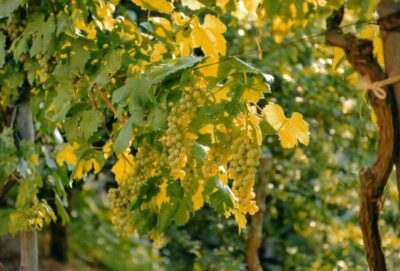
The gardens help set the tone. They give you a quieter view of the quinta, away from the practical business of wine storage and production. The historic corners add context, while the vineyards show you the agricultural side of the estate. You are not only hearing about Douro wine. You are seeing the setting in which the estate’s products are made.
Your host shares family stories and explains how the house fits into the wider story of the Douro and its wines. This is where the private format pays off. A group tasting often sticks to prepared facts. Here, you can ask about the family, the property, the valley, or the way the estate approaches winemaking.
One particularly memorable story from the visit concerns the estate’s wines reaching the English royal family. That detail gives the family history a human touch, though it is best understood as one story from the estate rather than the sole reason to visit.
The views are a major part of the value. The Douro Valley is famous for its steep hills and vineyard terraces, and the estate provides time to stop at viewpoints instead of treating the scenery as something glimpsed through a vehicle window. If you want photographs, this portion gives you the best chance to take them without rushing.
Entering the Port cellar
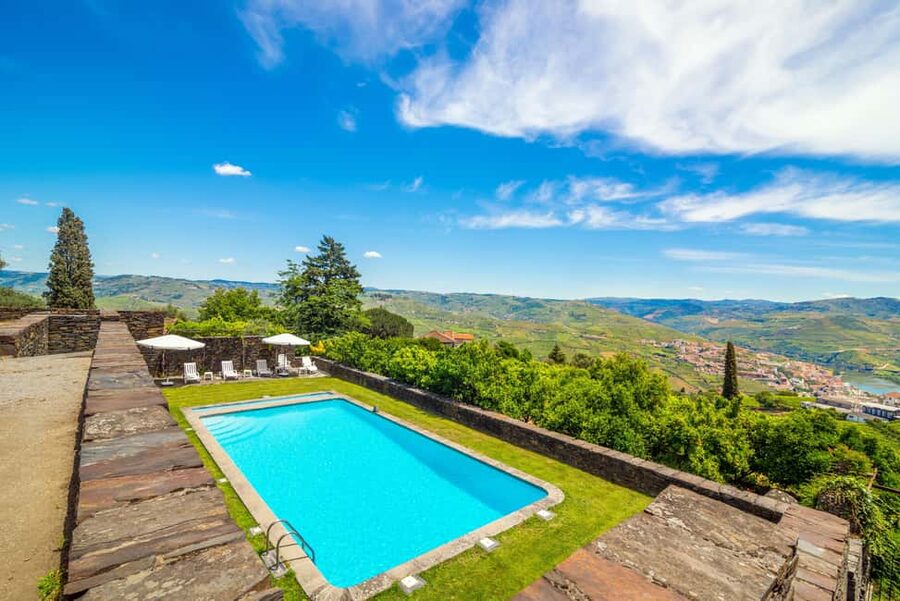
The walk leads to the Port wine cellar, where vintages are stored. The cellar changes the mood of the experience. After the open views and garden paths, you move into the place where the estate’s wines are kept and presented.
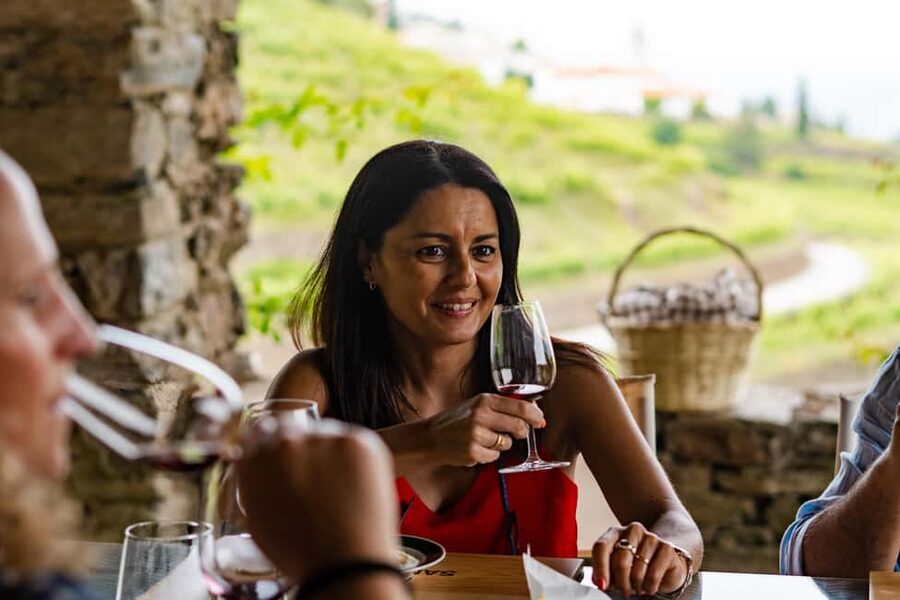
The tasting takes place here. Your host explains terroir, grape varieties, viticulture, and winemaking choices, with the aim of helping you understand why the wines taste the way they do. That context is useful even if you already know Portuguese wine. Douro wines can differ sharply by grape, site, aging, and style, and the conversation helps connect those differences to the estate.
The published details list a tasting of three still wines and two Port wines, while the main description refers to four still wines and one Port. A separate account of the experience describes two Douro wines and two Port wines. Since the exact lineup may change, confirm the current tasting selection when you reserve.
That variation is not necessarily a problem. Estate tastings often reflect what is available and what the host wants to show on the day. Still, if you are booking specifically to taste a certain number of Ports or still wines, ask in advance.
The tasting is guided rather than simply poured. You learn about the wines as you drink them, including grape varieties, growing conditions, and production methods. You can use the time to ask how still Douro wine differs from Port, how the estate handles its vineyards, or which bottles best represent the property.
More Guided Tours around Portugal:
- Guided tour and olive oil tasting in Alhaurin el Grande (Málaga)
★ 5.0 · 200 reviews - Guided Tasting Tour in 16th century House and Olive Oil Factory
★ 5.0 · 169 reviews - Guided Wine and Olive oil tasting
★ 5.0 · 158 reviews - Sóller: Olive Oil Guided Tour and Tasting at Can Det Estate
★ 4.8 · 82 reviews
What you taste: still wines, Port, and olive oil
The wine selection is the heart of the visit, but the estate-made origin matters more than the number of glasses. You are tasting products connected to the property you have just walked through.
The still wines show the Douro beyond its famous fortified wine. That is important because the valley now produces a broad range of table wines, with different styles and expressions. The Port tasting then brings you back to the drink most closely associated with the region.
The Port portion should be especially useful if you are still learning the difference between Douro wine and Port. Your host can explain the production choices and the character of each wine, rather than leaving you to guess from a tasting card.
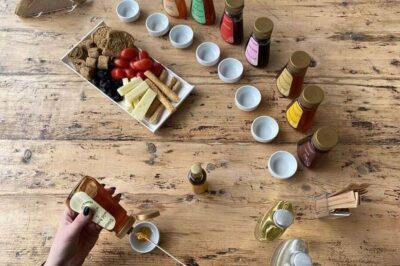
The extra virgin olive oil adds a welcome change of pace. The oil has been described as intense and closely tied to the farming traditions of the region. Taste it thoughtfully. Note its aroma, weight, and finish, then compare it with the wines. It is a small part of the visit, but it makes the experience feel more connected to everyday agriculture.
The products are also available for purchase at the shop, though shopping is not included in the $53 price. If you find a bottle or oil you like, remember that buying it means handling transport for the rest of your trip. The visit itself does not include meals, so plan lunch or dinner separately.
Is $53 good value for 75 minutes?
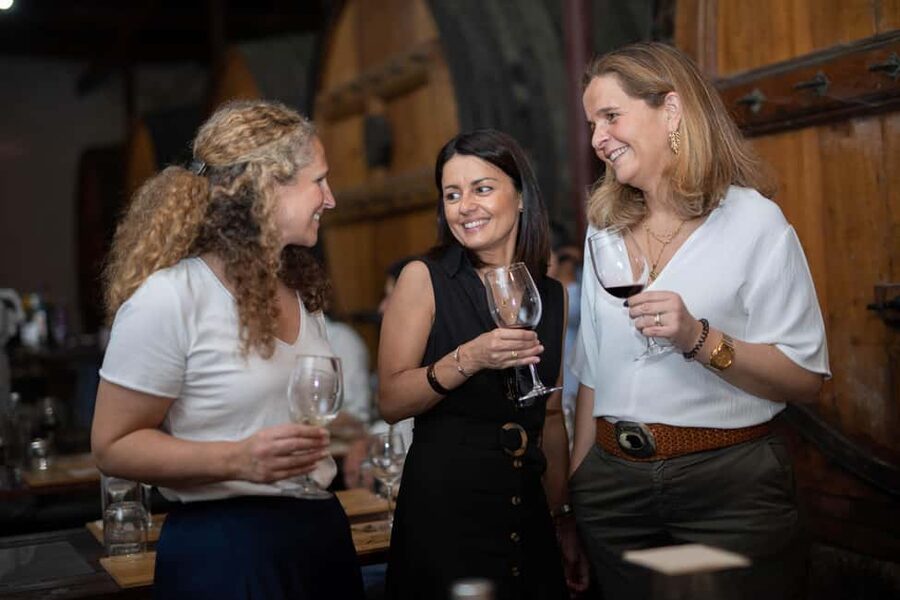
At $53 per person, this is not the cheapest way to sample a Portuguese wine. It is also not just a quick tasting. The price includes a private guide, an estate walk, the gardens and viewpoints, a cellar visit, several wines, Port, and olive oil.
The value is strongest if you care about place and personal attention. You are paying for access to a historic private estate and a dedicated host, not simply for the liquid in the glasses. For a couple or small private group, that can be a fair price, especially in the Douro, where transport and organized day trips can quickly cost much more.
The price is less compelling if you want a long vineyard excursion, a full meal, or a half-day wine program. Seventy-five minutes is compact. The tour gives you a taste of the estate rather than a full day among its vines.
I would also compare this experience with your transport plans. Since pickup, drop-off, taxis, trains, and other transport are excluded, your total cost depends on how easily you can reach the quinta. If you are already nearby or have a car, the price looks better. If you need a special taxi just for the visit, include that in your budget.
The unhurried time after the formal tour
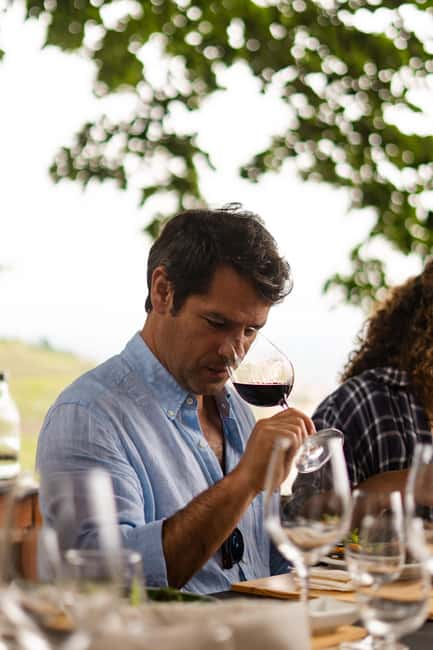
One of the nicest details is the invitation to stay longer after the scheduled portion. You can stroll through the vineyards and woods, rest in the shade of the gardens, or simply enjoy a glass of wine with a view of the Douro.
This extra time is not a replacement for a longer tour. The formal experience lasts 75 minutes, and the available time afterward may depend on the estate’s schedule. Still, it gives the visit breathing room. You do not have to leave the moment the tasting ends.
I would use this option if you have a calm day and want to enjoy the property without packing in another sight. The Douro is best experienced slowly, and a quiet garden or viewpoint can be more memorable than another rushed stop.
If your itinerary is tightly scheduled, plan your departure carefully. The freedom to linger is useful, but transport back to your next destination is not provided.
Who will enjoy this private Douro visit?
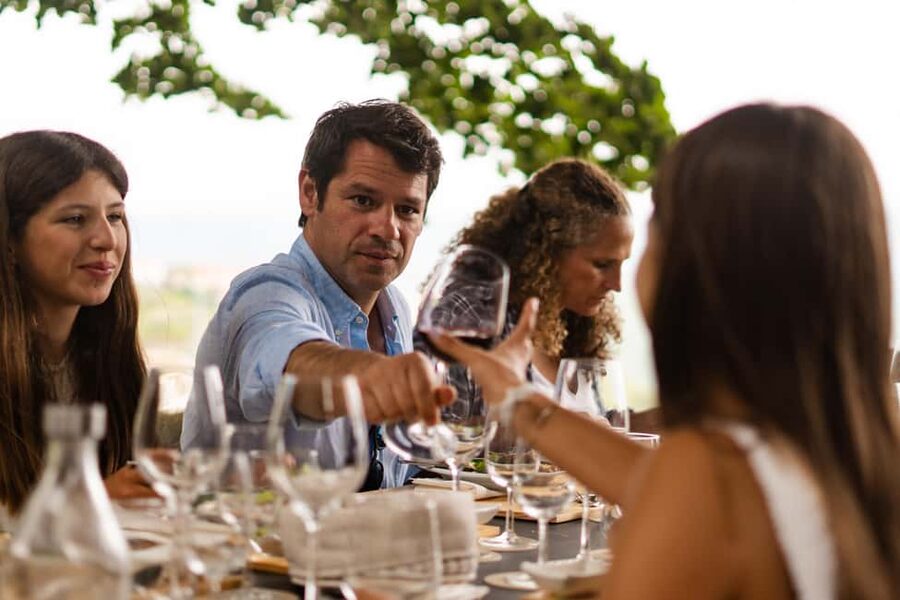
This experience is a good match for you if you want:
- A small, private outing instead of a large group
- Wine and Port explained in clear terms
- A historic estate with family stories
- Time outdoors in gardens, vineyards, and woodlands
- A tasting that includes olive oil
- A relaxed stop with strong views
- Guidance in English, French, Portuguese, or Spanish
It also suits couples and families who want to share one host and control the pace. The private format can make questions easier, especially if members of your group have different levels of wine knowledge.
It may not suit you if you want a full meal, extensive cellar access, a long hike, or included transportation. It is also not suitable for pets, though assistance dogs are allowed.
The outdoor walk means you should be comfortable on foot. Wheelchair access is listed, but because arrival involves parking at the warehouse and continuing toward the main house, confirm the practical route before booking if access is important for your group.
My call: book it for the setting, not just the samples
I would book this visit if I wanted a private introduction to the Douro that combined wine, family history, gardens, and views. The strongest features are the 1596 estate, the dedicated host, the estate-made products, and the chance to linger after the tasting.
I would skip it if I needed a long half-day tour or included transport. The 75-minute schedule is focused, and the tasting lineup should be confirmed because the published descriptions do not all match.
For most people already exploring the Douro Valley, this is a pleasant and well-priced estate stop. Arrive in comfortable shoes, allow extra time to find the house, and leave room afterward for a quiet glass overlooking the valley.
FAQ
How long does the Quinta de Santa Júlia experience last?
The scheduled experience lasts 75 minutes. You may also be able to stay afterward to walk through the vineyards and woods, rest in the gardens, or enjoy a glass of wine.
What is included in the tasting?
The experience includes estate-produced still wines, Port wine, and extra virgin olive oil. The published details vary on the exact wine count, so confirm the current lineup when booking.
Is transportation to the quinta included?
No. Pickup, drop-off, taxi, train, and other transportation costs are not included. You must reach the gate of Quinta de Santa Júlia yourself.
Where do I meet the host?
Enter through the gate of Quinta de Santa Júlia and drive to the large warehouse. You can park there or ask your driver to stop there, then walk along the road to the main house.
Which languages are available?
The tour can be conducted in English, French, Portuguese, or Spanish.
Is the experience private?
Yes. It is offered as a private group experience with a dedicated host.
Are pets allowed?
Pets are not allowed. Assistance dogs are permitted.
Just added around Portugal
- Unveiled Secrets of Porto + Olive Oil Tasting★ 4.8 · 3 reviews
- Premium gastronomic mountain tour: Wine, olive oil, spirits, food★ 5.0 · 8 reviews
- Historical Évora – PRIVATE Full Day Tour – Cork, Wine and Olive Oil Haven★ 5.0 · 3 reviews
- Olive Oil Private Tour in Portugal★ 5.0 · 6 reviews
- Tour with Wine and Olive Oil Tasting★ 4.6 · 8 reviews
- Tavira City & Olive Factory★ 5.0 · 4 reviews
- Porto: Tuk Tuk Tour with Olive Oil Tasting★ 4.4 · 5 reviews
- Douro Valley: Private Lunch with Wine & Olive Oil Tasting★ 4.8 · 5 reviews
Olive Oil and Wine Tastings, compared.
Sorrento Farm and Food Experience including Olive Oil, Limoncello, Wine tasting
Read our review →
Krka Waterfalls With Boat Cruise, Wine and Olive Oil
Read our review →
Lemon, Olive Oil and Wine Tasting Tour with Lunch
Read our review →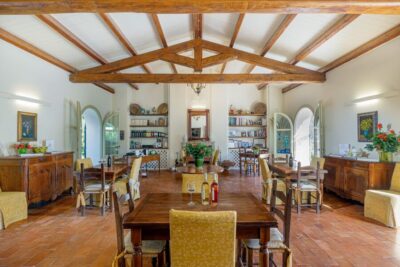
Browse the lists this tour appears in