
Review · BALEARIC ISLANDS
Sóller: Olive Oil Guided Tour and Tasting at Can Det Estate
Old trees, fresh oil, local flavor. The Can Det visit gives you a close look at Sóller’s farming traditions, from olive trees more than 1,000 years old to a 400-year-old family house and its traditional oil mill. I especially like the tasting of bread, ramallet tomatoes, almonds, olives, orange jam, and estate-made orange juice. I also like that the family’s own story connects the estate to the Serra de Tramuntana’s UNESCO recognition.
The main drawback is the fixed schedule: the guided visit runs only at 12:00 each day. The tour lasts one hour, so it is easy to fit into a day in Sóller, but you need to plan around noon and arrange your own transportation to Can Det.
Key points at a glance
- Ancient olive trees: Taste oil made from trees said to be more than 1,000 years old.
- A 400-year-old house: Visit Can Det’s historic home and its imposing garden.
- Traditional oil mill: See the old production system still preserved at the estate.
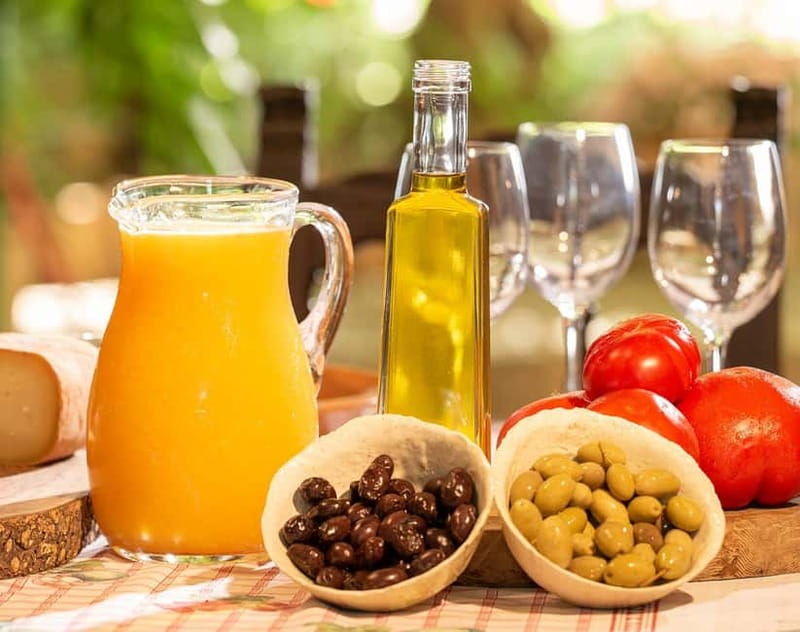
- Mallorcan brunch: Sample local bread, ramallet tomatoes, olives, almonds, orange jam, and orange juice.
- Family-led storytelling: Learn how the family has worked with olives, citrus, and oil over generations.
- Simple midday timing: The English tour starts at 12:00 and lasts one hour.
Arriving at Can Det in Sóller
Can Det offers the kind of experience that helps you understand Sóller beyond its scenery and pretty streets. Instead of simply looking at the Serra de Tramuntana from a distance, you spend time on a working estate tied to olives, citrus, and traditional food.
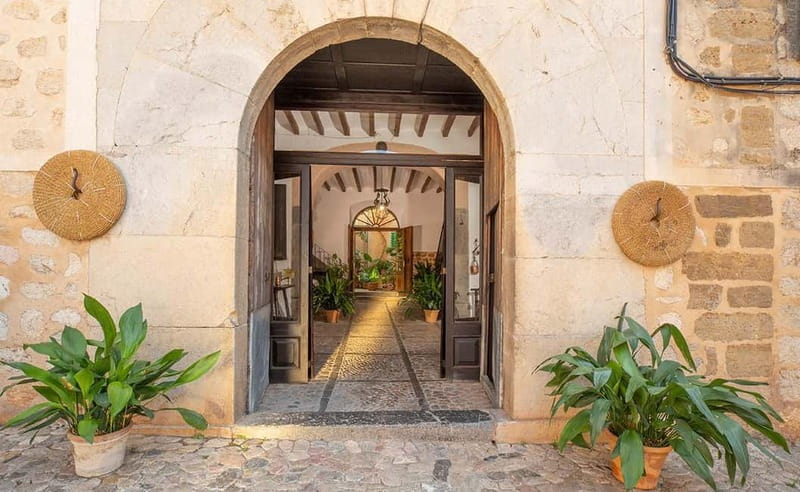
You meet at the Can Det estate, where a large CAN DET sign hangs on the entrance door. That detail matters because the meeting point is not described as a major public attraction with a large ticket office. Look for the sign rather than expecting a prominent tourist entrance.
Transportation is not included, so you need to make your own way there. The activity is private, and the English-speaking guide meets you at the estate. A private visit can make the hour feel more personal, especially when the guide is part of the Can Det family and can explain the property from a family point of view.
The timing is both helpful and restrictive. The tour starts daily at 12:00, giving you a clear plan for the middle of the day. At the same time, there is no morning or late-afternoon option listed, so check your Sóller plans before booking. If you are combining the visit with other activities, the fixed noon start should be your first scheduling concern.
More Olive Farm Visits around Spain:
- From Seville: Olive Oil Farm Tour
★ 4.5 · 61 reviews - Olive Oil Farm Tour with Tasting from Seville
★ 4.5 · 61 reviews - Palma: Orange Farm, Olive Mill, & Winery Tour with Tastings
★ 4.9 · 44 reviews
The 400-year-old house and its garden
The tour begins with the historic house of Can Det, a home that is about 400 years old. The building gives the visit a sense of place that a modern tasting room cannot match. You are not only learning about a bottle of olive oil. You are seeing the setting where the family’s work with the land has continued over generations.
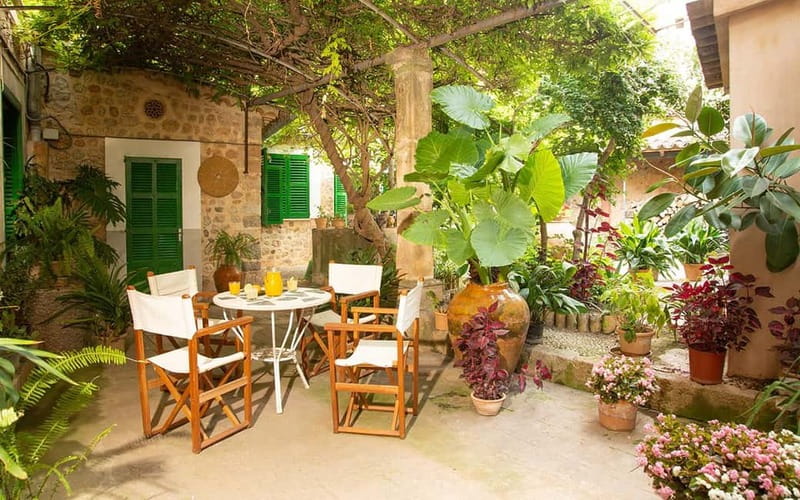
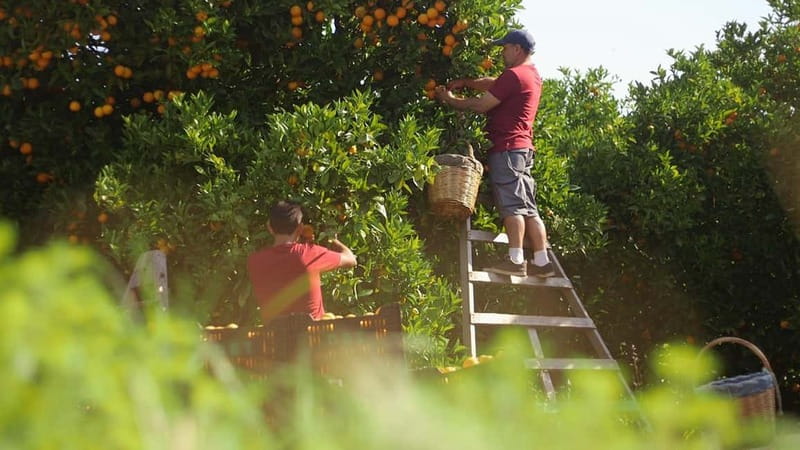
The house comes with an imposing garden, adding another layer to the visit. The estate’s work includes citrus as well as olives, so the garden helps place the tasting within the agricultural setting of Sóller. The material provided does not promise a long garden walk or a formal botanical tour, so you should think of the garden as part of the historic property rather than a separate attraction.
I like this opening because it gives the food context. Olive oil can seem abstract when it is presented only in a glass. Here, you learn that it comes from old trees, an established estate, and a family tradition tied to the local countryside.
The house also helps explain why Can Det matters to the wider area. The Serra de Tramuntana received UNESCO World Heritage recognition, and the family’s agricultural activity forms part of the cultural story connected with that designation. The tour does not treat the UNESCO status as a distant label. It links the award to farming methods, ancient olive trees, and the way people have used the land.
Ancient olives and the work behind the oil
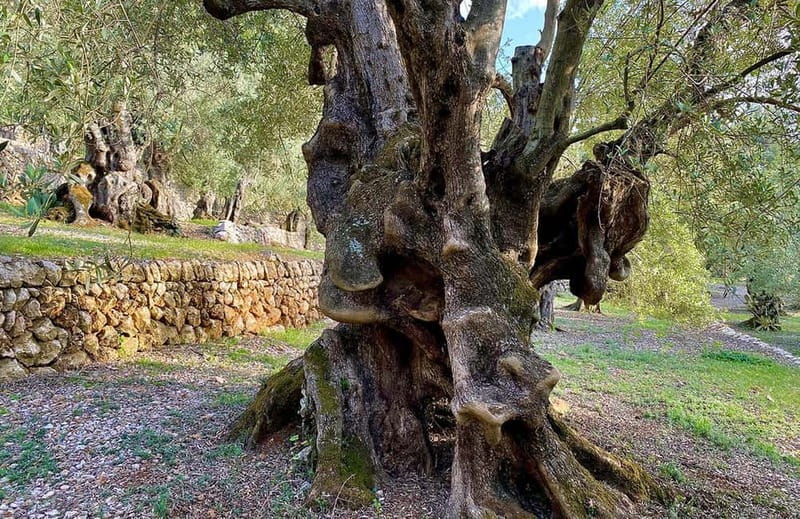
The central subject is traditional olive cultivation. Can Det’s family activity is linked to ancient olive trees, some more than 1,000 years old. That age is the most memorable detail of the visit, and it changes the way you approach the tasting later.
A thousand-year-old tree is not just an impressive number. It suggests continuity, patience, and a type of agriculture built around long-term care. You are tasting a product connected to trees that have been part of the area for centuries, rather than sampling a generic supermarket oil with no clear story behind it.
The guide explains the family’s work with olive trees, citrus, and oil. The available information does not give a detailed list of farming techniques, harvest dates, or extraction temperatures, so you should not expect a technical olive-oil certification class. The value is more direct: you learn how this estate operates and why traditional cultivation still matters.
The family connection is one of the most praised parts of the experience. The guide is described as coming from the operating family and showing clear pride in the production. That pride can make a short tour feel more genuine, since the person speaking is connected to the work rather than simply repeating a standard script.
I would pay attention to the differences between the old trees, the estate, and the final oil. This is where you can ask useful questions about the family’s olive-growing tradition, the role of citrus, and how the mill fits into the property. Since the tour is in English, you can ask those questions directly.
Seeing Can Det’s traditional oil mill
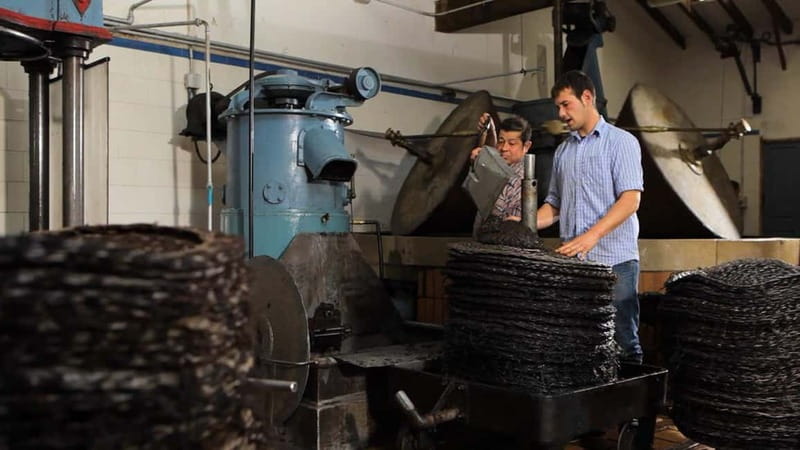
The estate’s oil mill preserves a traditional oil production system. This is an important stop because it shows the physical process behind the food on your table. You are not only hearing about olive oil cultivation. You are seeing the equipment and setting connected to its production.
The mill is presented as a historic part of Can Det, not as a modern industrial facility. That distinction matters. You should expect an explanation of the traditional system rather than a large-scale factory demonstration with numerous machines operating throughout the visit.
For anyone interested in food culture, the mill may be the most useful part of the tour. A tasting becomes more meaningful when you understand how the estate has handled olives over time. It also gives you a better sense of the family’s work and the effort required to turn a crop into something used every day.
The visit is only one hour, so the explanation will be fairly focused. That is a benefit if you want a clear introduction without spending half a day at an agricultural attraction. It may feel brief if you are hoping for an extensive technical tour of every stage of olive-oil production.
More Guided Tours around Spain:
- Guided tour and olive oil tasting in Alhaurin el Grande (Málaga)
★ 5.0 · 200 reviews - Guided Tasting Tour in 16th century House and Olive Oil Factory
★ 5.0 · 169 reviews - Jaén: Guided Olive Mill Tour with Olive Oil Tasting
★ 4.9 · 74 reviews - Granada in EVOO: Olive grove guided tour and sensory tasting
★ 4.8 · 26 reviews
The Mallorcan brunch and oil tasting
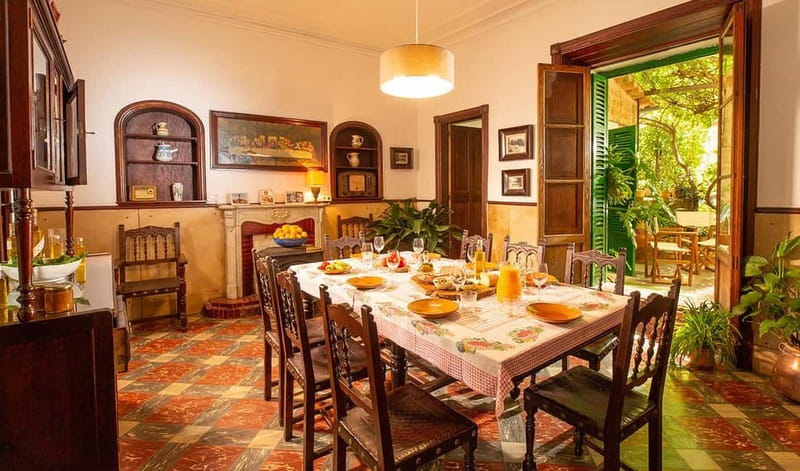
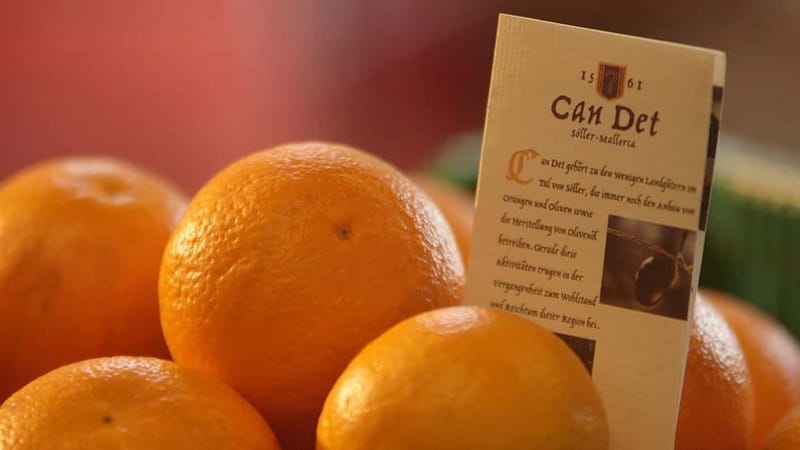
After the visit, you sit in the house’s dining room for a tasting and brunch. This is where the cultural information becomes something you can taste. The spread includes typical Mallorcan bread, ramallet tomatoes, olives, almonds, and orange jam, along with the estate’s own orange juice and a glass of orange juice is included with the meal.
Ramallet tomatoes are especially fitting for a local tasting. They are associated with Mallorca and are commonly paired with bread and olive oil. The combination lets you focus on the oil in a simple way, without a long list of elaborate dishes competing for your attention.
The brunch is modest rather than lavish. That is worth stating clearly. You are paying for a one-hour guided estate visit with a local tasting, not a full restaurant meal. The food gives you enough to sample typical products and understand how olive oil fits into Mallorcan eating habits.
The tasting should suit people who enjoy small, local food experiences. You get bread, tomatoes, olives, almonds, and orange jam, so the menu covers several familiar flavors without becoming complicated. The orange juice adds a direct connection to the estate’s citrus production.
I like that the tasting takes place in the house’s dining room. You finish among the historic surroundings rather than in a detached shop. That setting makes the final part feel like a family welcome, even though the activity remains structured and guided.
What the family guide adds
The family connection is not a minor detail. It is one of the reasons to choose Can Det instead of a basic olive-oil sampling. The guide can explain the estate’s history, the family’s activity, and the traditional cultivation of olives from a position close to the work.
The strongest feedback describes the guide as very informative and the hosts as excellent. Another account praises the guide from the operating family for showing visible pride in the production. Those comments point to the tone you can expect: personal, proud, and focused on the estate.
The tour is conducted in English. That makes the experience practical for English-speaking visitors who want more than a food sample but do not speak Spanish or Catalan. The language is also worth confirming when you book if your group includes people who need another language, since English is the listed tour language.
Because the visit is private, you may have more room for questions than you would on a large group excursion. The provided details do not state the maximum group size, so I would not assume a specific number of people. Still, the private format should appeal to couples, families, or small groups seeking a quieter visit.
Is $35 a fair price?
At $35 per person, Can Det is priced as a short cultural activity with food included. The one-hour length may make the cost look high if you judge it only by time. But the price covers a guided visit to a historic estate, the house and garden, the traditional oil mill, an English explanation, and a tasting of local products with drinks.
The value depends on what you want from Sóller. If you are looking for a full meal, $35 may not seem like the best use of your food budget because the brunch is a tasting rather than a large lunch. If you want a focused introduction to olive oil and Mallorcan farm traditions, the price is more reasonable.
The ancient trees and historic property add value that you cannot get from buying a bottle of oil in a shop. You are paying for access, explanation, and context, not only for food on a plate.
The fixed one-hour format also has practical value. You can pair it with other plans in Sóller, provided you can get to Can Det on time and leave enough room for transportation. The tour does not include transportation, so your total cost and schedule will depend partly on how you reach the estate.
Who will enjoy this visit most?
I would recommend Can Det to you if you like food traditions, historic homes, family businesses, and short guided experiences. It is a particularly good choice if you want to understand how olive oil fits into Mallorcan life rather than simply taste several oils without context.
It also suits visitors who prefer a quiet cultural stop over a large attraction. The private format, family connection, and one-hour duration make it easy to fit into a broader Sóller itinerary.
Families may appreciate the short length, especially if younger participants would not enjoy a long museum visit. The tasting also gives the group something concrete to share at the end. That said, the activity focuses on cultivation, the estate, and production, so it will appeal most to people with at least some interest in local food or rural traditions.
The visit is wheelchair accessible, which makes it a practical option for many people who need an accessible activity. The supplied details do not describe every surface or area of the historic property, so you may still want to confirm any specific access needs when booking.
You may want to skip it if your schedule cannot accommodate a noon start, if you need transportation included, or if you expect a substantial lunch. The activity is also not designed as a long hike or a broad tour of the Serra de Tramuntana. Its focus is Can Det itself.
Planning your noon visit
The daily guided visit is only at 12:00, so treat that time as fixed. Confirmation is provided when you book, and you can reserve now and pay later if you want to keep your plans flexible.
Arrive with the meeting point in mind: look for the large CAN DET sign on the entrance door. Since transportation is not included, leave enough time to reach the estate without cutting it close.
The activity includes a guided visit in English, brunch, typical Mallorcan products, and drinks. It also includes skip-the-ticket-line access, which keeps arrival simple once you find the entrance.
Free cancellation is available up to 24 hours in advance for a full refund. That is useful if your Sóller plans depend on weather or changing transport arrangements.
Should you book Can Det?
Book this tour if you want a personal introduction to Mallorcan olive oil, a historic family estate, and a small local tasting. The combination of 1,000-year-old olive trees, a 400-year-old house, a traditional mill, and a family guide gives the hour real substance.
I would not book it as a replacement for lunch or as a full-day agricultural tour. The brunch is a tasting, the visit is short, and the noon-only schedule requires planning.
For the right visitor, $35 is a fair price for a compact cultural experience with food and drinks included. If you can reach Can Det for the 12:00 start, this is an easy way to connect Sóller’s food, farming, and family traditions in one well-focused visit.
FAQ
Where does the Can Det tour meet?
Meet at the Can Det estate. A large CAN DET sign hangs on the entrance door.
What time does the tour start?
The daily guided visit starts at 12:00. No other daily start time is provided.
How long does the experience last?
The guided experience lasts one hour.
What language is the tour in?
The live guided tour is conducted in English.
What food and drinks are included?
The tasting includes typical Mallorcan bread, ramallet tomatoes, olives, almonds, orange jam, olive oil, and the estate’s own orange juice. Brunch and drinks are included.
Is transportation included?
No. Transportation to and from the Can Det estate is not included.
Is the activity wheelchair accessible?
Yes, the activity is listed as wheelchair accessible.
Just added around Spain
- XXI Century Olive Oil Mill Tour★ 5.0 · 3 reviews
- Visit to an olive oil mill and oil tasting with aperitif and food and wine pairing.★ 5.0 · 2 reviews
- Treurer: Tapas Gourmet and Extra Virgin Olive Oil★ 4.7 · 3 reviews
- Ulldecona: Guided Tour of the Millenary Olive Trees of Arión★ 5.0 · 2 reviews
- Treurer: Olive Oil Night. Gastronomic experience★ 5.0 · 15 reviews
- Olive Oil and Winery Tour from Zaragoza City★ 5.0 · 4 reviews
- Olive Oil Private Full-Day Tour with Tasting in Valencia★ 5.0 · 2 reviews
- Olive Oil Tour and Visit to Belchite Old Town★ 5.0 · 16 reviews
Olive Farm Visits, compared.
Sorrento Farm and Food Experience including Olive Oil, Limoncello, Wine tasting
Read our review →
Road-trip to Lasithi, Zeus Cave & Olive Mill Farm
Read our review →
Olive Farm Tour with Tasting of Local Delicacies
Read our review →
Lassithi, Zeus Cave, Olive Mill Farm & Knossos Combo Tour
Read our review →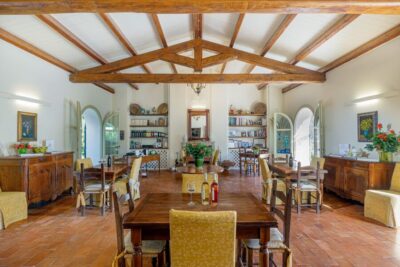

Traditional Olive Grove and Dragon Fruit Farm Tour
Read our review →
Cooking Class and Olive Oil Tasting at a Family Farm
Read our review →
Road-trip to Lasithi, Zeus Cave, Vidiani, Krasi & Olive Mill Farm
Read our review →Browse the lists this tour appears in