
Review · PELOPONNESE
Nafplio: Olive Oil Estate Tour and Tasting
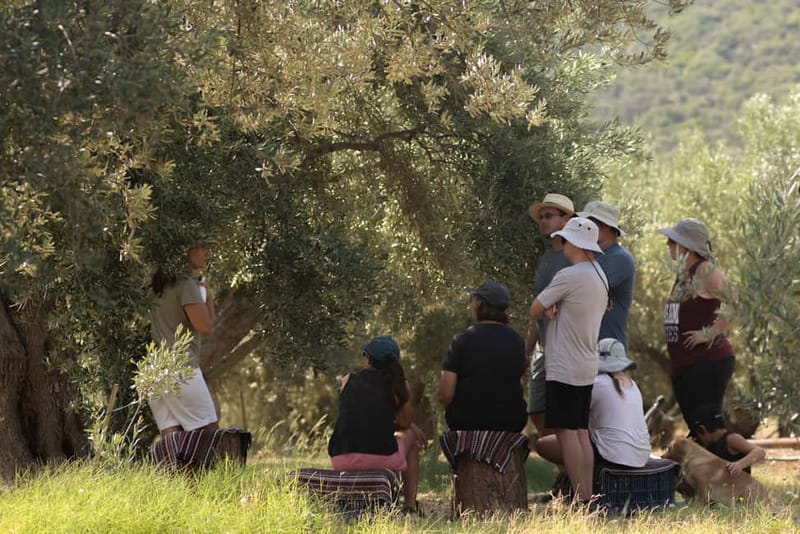
Olive oil tastes better when you know its story. I like the four-generation family connection at Kotsonis Estate, and I like the hands-on tasting that helps you notice flavor instead of simply swallowing another spoonful of oil. The main drawback is practical: you must arrange your own transport, and the $70 price may feel high if you only want a quick tasting.
This is a focused, friendly outing near Nafplio, led in English by Mando, whose passion for her family’s olive-oil work comes through clearly. You get cultivation, production, classification, cooking advice, health information, and a light lunch in 2.5 hours, but the visit is best for curious food lovers rather than anyone seeking a full-day farm tour.
Key points to know before booking
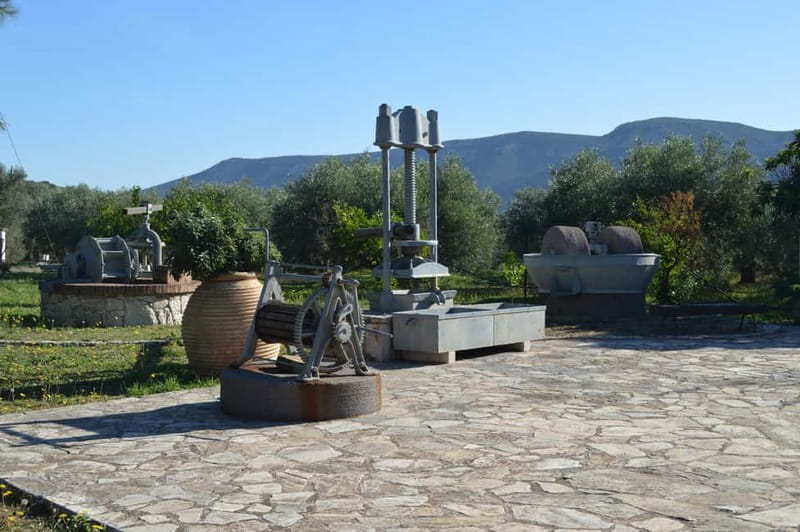
- Four generations at Kotsonis Estate: You learn about olive growing from a family with a long working connection to the land.
- A guided one-hour estate visit: The tour explains cultivation and extraction before you taste the finished product.
- Tasting with a purpose: You learn to recognize differences in olive oil flavor and quality instead of treating every bottle as the same.
- A light local meal is included: Snacks and a light lunch add a useful food element to the lesson.
- Easy to pair with major sights: The estate is about 25 minutes from Nafplio and 35 minutes from Ancient Mycenae.
- A flexible booking option: You can cancel up to 24 hours before the activity for a full refund and reserve without paying immediately.
Why this estate visit adds something to Nafplio
Nafplio is one of the Peloponnese’s most appealing bases, with a handsome old town and easy access to major archaeological sites. An olive-oil visit gives you a different view of the region. Instead of only looking at Greek culture through ruins and monuments, you spend time with one of the country’s most important everyday foods.
At Kotsonis Estate, the subject is not just olive oil as a souvenir. You learn how olives are cultivated, how oil is extracted, how different oils are classified, and how people use them in cooking. That connection between farming, food, and daily life makes the visit useful long after you leave the Peloponnese.
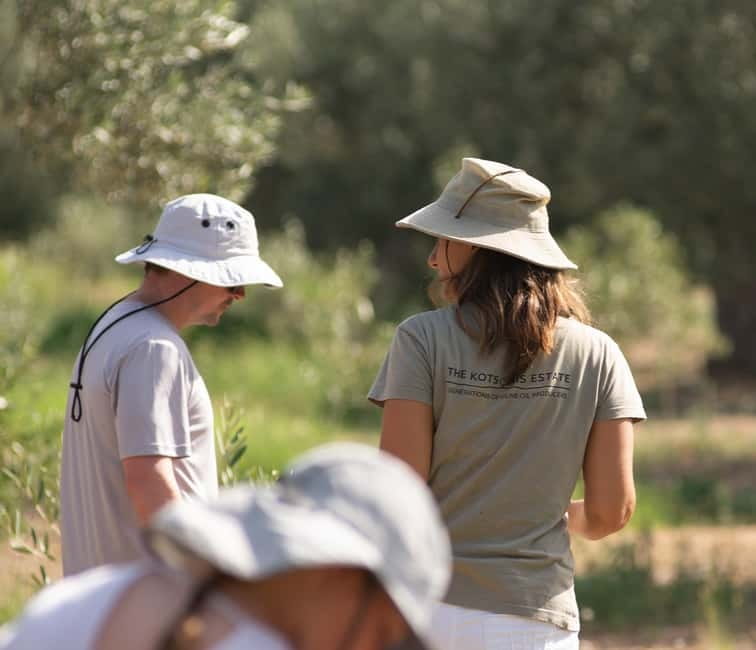
I especially like the family angle. A fourth-generation producer can explain the work as a living family practice, not as a polished museum display. Mando’s presentation has received the strongest praise for its warmth, family story, passion, and clear explanation of the many parts of olive-oil production.
The setting also matters. You are visiting an actual estate rather than tasting oils in a shop. That gives the lesson a stronger sense of place, even though the supplied details do not promise a long walk through the groves or a full harvest demonstration.
More Olive Farm Visits around Greece:
- Crete: Road-trip to Lasithi, Zeus Cave & Olive Mill Farm
★ 4.4 · 451 reviews - Heraklion: Olive Farm Tour with Tasting of Local Delicacies
★ 4.9 · 411 reviews - Lassithi, Zeus Cave, Olive Mill Farm & Knossos Combo Tour
★ 4.6 · 404 reviews
Reaching Kotsonis Estate from Nafplio or Mycenae
The estate is about 25 minutes from Nafplio and roughly 35 minutes from Ancient Mycenae. Since transportation is not included, you need to arrange your own way there. A private car is the most straightforward choice, especially if you plan to combine the visit with archaeological sites or rural stops.
This transport detail is the main planning issue. The activity begins and ends at The Kotsonis Estate, so there is no pickup service included in the price. You should allow enough time to find the property and arrive ready for the scheduled start. Exact starting times depend on availability, so check the offered times before building the rest of your day around it.
The location works especially well as part of a Nafplio day plan. You could schedule the estate visit separately from your old-town sightseeing, or pair it with Ancient Mycenae if your timing and transport arrangements line up. The stated driving times make both combinations possible, but you should not assume the tour itself provides transfers between these places.
Bring comfortable shoes, a hat, a camera, and some cash. The shoes and hat are sensible for a working rural property. Cash is also worth carrying because it is specifically recommended, though no extra purchase or fee is promised.
The first hour: cultivation and olive-oil production
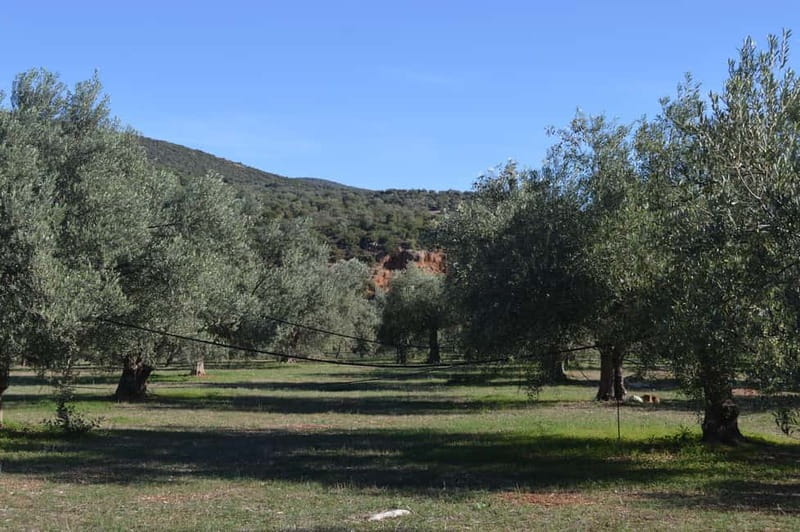
The guided portion lasts about one hour. During this time, you become familiar with the cultivation of olive trees and the extraction of their oil. You also learn how olive oil is classified and how those classifications relate to use and quality.
For a beginner, this is the most useful foundation. Olive oil labels can be confusing, and many people buy a bottle based on a country name, a fancy package, or a vague claim about quality. The estate lesson helps you understand the product before you taste it.
You should expect the guide to connect several stages of the process:
- How olive trees are cultivated
- How olives become oil
- How oil is classified
- How different oils are used
- What qualities you should notice while tasting
The supplied information does not specify the exact olive varieties, harvest dates, milling equipment, or length of time spent among the trees. That is worth keeping in mind if you are looking for a technical agricultural tour. This visit promises a broad, approachable education rather than a specialist course in orchard management.
Still, the family setting gives the information more weight. Mando explains the history of her family and its approach to olive oil, and the presentation has been praised for covering many sides of production. I would expect the best value here to come from asking questions. If you want to know how cultivation affects flavor or why one oil is classified differently from another, this is the moment to ask.
Tasting olive oil with more than a quick sip
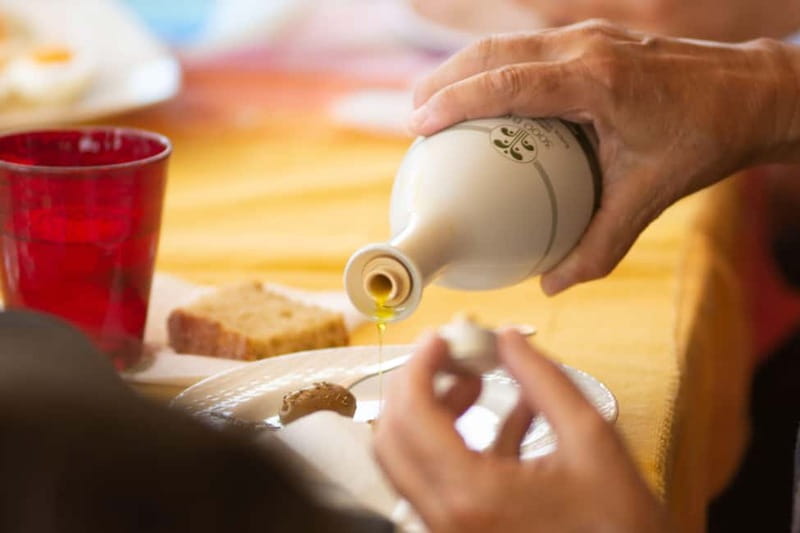
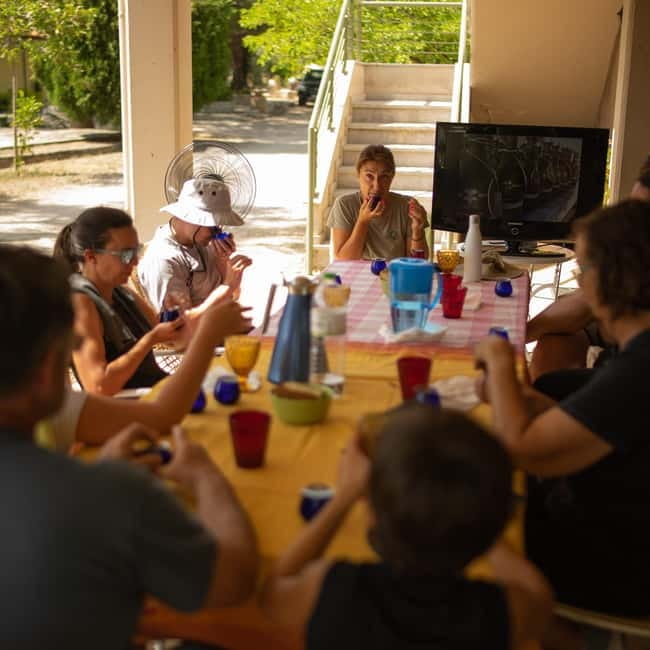
The tasting is the heart of the visit. You sample different types of olive oil and learn to recognize their individual characteristics. That turns tasting into a practical skill, not a ceremonial pause before lunch.
Olive oil can have very different flavors, textures, and aromas. The point of guided tasting is to slow you down enough to notice those differences. You learn what to look for and how to compare one oil with another, which is useful when choosing oil for salads, cooking, dipping, or finishing a dish.
The activity is designed for all levels, including people with no previous knowledge. You do not need to arrive knowing technical terms. If you already buy specialty oils or enjoy cooking, the classification and tasting sections should give you more precise language for something you already enjoy.
The tasting also helps explain why price varies. A more expensive bottle is not automatically better for every use, and a strong-flavored oil may suit one dish while a milder style works better elsewhere. The estate’s goal is to help you recognize properties and make sensible choices, not simply tell you which bottle to purchase.
I would treat the tasting as a learning session rather than a large food sampling. The information promises different olive oils and a light lunch, but it does not state how many oils you will taste or how much food is served. If you need a substantial midday meal, keep your expectations modest and plan another meal later.
More Olive Oil Tours around Greece:
- Crete: Quad Safari, Olive Mill with Tasting & Ghost Village
★ 4.9 · 1,004 reviews - Knossos-Zeus Cave -Old Traditional Villages-Olive Oil Factory
★ 5.0 · 694 reviews - The Governor’s Olive Mill Tour with Olive Oil Tasting
★ 5.0 · 502 reviews - From Chania: Olive Oil, Wine, Cheese & Honey Tasting Tour
★ 4.6 · 490 reviews
Local snacks, cooking tips, and health information
After the guided tour, you have about 30 minutes for local snacks. The included food gives you a chance to connect the lesson to eating. Olive oil makes the most sense when you understand how it behaves on the plate, and simple local food can show that better than a long lecture.
Cooking tips are included as part of the activity. These tips are useful for anyone who wants to take Greek food habits home, from choosing an oil for a particular purpose to thinking about how flavor affects a finished dish. The information provided does not list a specific menu or cooking demonstration, so do not book this expecting a full cooking class.
The program also covers the health benefits of olive oil. This is a welcome part of the lesson, though you should treat it as general food education rather than personal medical advice. No medical consultation is offered, and the activity does not claim to address individual dietary needs.
Because snacks and a light lunch are included, this is more than a technical farm lecture. It has a social side and should suit couples, families, students, companies, and both small and large groups. The short schedule keeps the day moving, which is helpful if you are fitting it between Nafplio and Mycenae.
Is $70 a fair price?
At $70 per person, this is not the cheapest tasting you could find in Greece. The value depends on how much you want from the visit. You are paying for 2.5 hours at a working estate, an English-language guide, family history, production instruction, a guided tasting, cooking advice, health information, and light food.
That package makes the price reasonable for visitors who enjoy learning how local products are made. It is especially appealing if you would otherwise spend money on a tasting with little explanation. Here, the educational part is central, and the family’s four-generation connection gives the visit a personal quality that a retail tasting room may not provide.
The value is weaker if you only want to taste olive oil and leave. You also need to pay for your own transport, and the experience does not include a large meal, a full cooking lesson, or a stated product shipment. The best comparison is not with a free sample at a shop. Compare it with a guided food-and-farm visit near a major tourist base.
The small set of published ratings gives the activity a perfect five out of five, with praise focused on the setting, the family story, the content, Mando’s welcome, and the chance to understand oil through tasting. One Canadian visitor called the farm, presentation, subject matter, and setting outstanding. Another described Mando as welcoming and recommended the activity broadly, while a United States visitor praised the history, production explanation, and tasting. A brief comment simply called it fantastic.
That praise is consistent rather than scattered. The strongest reason to pay $70 is the quality of the explanation and the personal connection to the estate.
Who will enjoy this most?
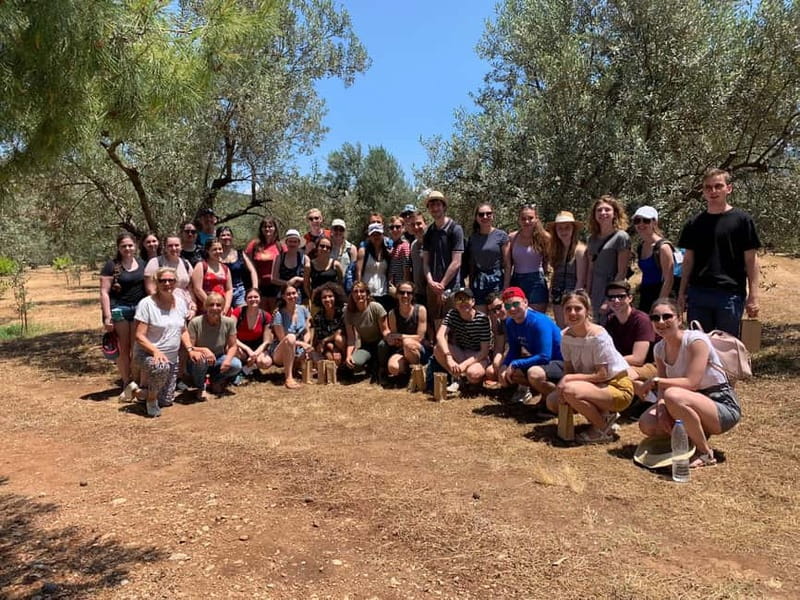
I would recommend the visit to you if you like local food, family-run businesses, practical lessons, and short activities with a clear focus. It suits couples who want a calm break from sightseeing, families looking for something suitable for different ages, and groups that enjoy shared food experiences.
It also works for complete beginners. You do not need to know the difference between olive-oil classifications before arriving. The guide is there to build that understanding from the ground up.
Experienced cooks and food enthusiasts should enjoy it too, especially if they want better tasting vocabulary or more insight into how cultivation and extraction affect the final oil. The program does not appear to be aimed at professional producers, so specialists may find the technical detail too general.
I would be cautious about booking if your schedule is extremely tight. The activity lasts 2.5 hours, and you must add your own driving time from Nafplio or Mycenae. I would also skip it if you dislike food education or expect a major archaeological attraction. This is a working estate visit with tasting, not a substitute for exploring the old town or Mycenae.
The activity is suitable for all ages and levels of olive-oil knowledge. Still, comfortable shoes and a hat are sensible, and the rural location means you should dress for an outdoor estate rather than a formal restaurant.
Booking details that matter
The live guide speaks English. Starting times vary, so you need to check availability before committing the rest of your itinerary.
You can reserve now and pay later, which helps if your Peloponnese plans are still shifting. Cancellation is free up to 24 hours before the activity for a full refund. Transportation is not included, and the meeting point is the estate itself.
The advertised duration is 2.5 hours, with approximately one hour for the guided tour and about 30 minutes for local snacks. The remaining time allows for the tasting, explanations, and the overall flow of the visit. Since the exact group size and food quantities are not specified, I would not assume a private tour or a full sit-down lunch.
Should you book the Kotsonis Estate tour?

Book it if you want to understand Greek olive oil rather than simply buy a bottle. The four-generation family story, Mando’s warm presentation, the focused tasting, and the practical cooking advice give the visit real substance.
Skip it if you are looking for included transportation, a full meal, or a highly technical farming course. For most food-minded visitors based in Nafplio, though, the estate offers a worthwhile half-day addition, particularly when paired with a broader Peloponnese itinerary.
FAQ
Where is the Kotsonis Estate?
The Kotsonis Estate is in the Peloponnese, about 25 minutes from Nafplio and 35 minutes from Ancient Mycenae.
How long does the olive-oil visit last?
The full activity lasts 2.5 hours.
Is transportation to the estate included?
No. You need to arrange your own transportation to and from The Kotsonis Estate.
What language is the tour conducted in?
The live tour guide speaks English.
What does the guided tour cover?
You learn about olive cultivation, olive-oil extraction, classification, use, and the family’s four-generation connection to production.
Is olive-oil tasting included?
Yes. The activity includes a tasting of different types of olive oil and instruction on recognizing their characteristics.
Is food included?
Yes. Local snacks and a light lunch are included.
Is the activity suitable for beginners?
Yes. It is suitable for people with no, limited, or adequate prior knowledge of olive oil.
Can I cancel the booking?
Yes. You can cancel up to 24 hours in advance for a full refund. You can also reserve now and pay later.
Just added around Greece
- Athens: Greek Wine & Olive Oil Tasting at Brettos Plaka★ 4.5 · 3 reviews
- Breakfast in the markets with olive oil and honey tasting★ 4.8 · 8 reviews
- PRIVATE RHODES TOUR + Lunch Stop & WINE/OLIVE OIL Tasting★ 5.0 · 2 reviews
- Olive Tour & Tasting★ 5.0 · 4 reviews
- Olive Facility Visit with Olive Oil Tasting Session★ 5.0 · 2 reviews
- SYSTASIS Olive Oil Tasting Experience in Ermioni Greece★ 5.0 · 4 reviews
- Olive Oil Tour close to Nafplio★ 4.5 · 3 reviews
- Olive Oil Tasting at the Mykonian Farm★ 4.5 · 3 reviews
Olive Farm Visits, compared.
Sorrento Farm and Food Experience including Olive Oil, Limoncello, Wine tasting
Read our review →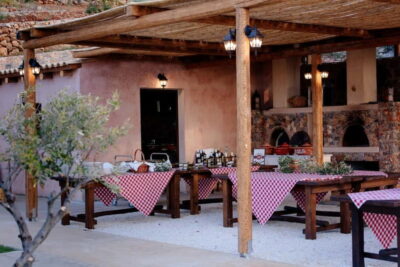
Road-trip to Lasithi, Zeus Cave & Olive Mill Farm
Read our review →
Olive Farm Tour with Tasting of Local Delicacies
Read our review →
Lassithi, Zeus Cave, Olive Mill Farm & Knossos Combo Tour
Read our review →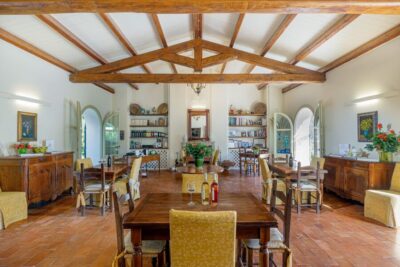

Traditional Olive Grove and Dragon Fruit Farm Tour
Read our review →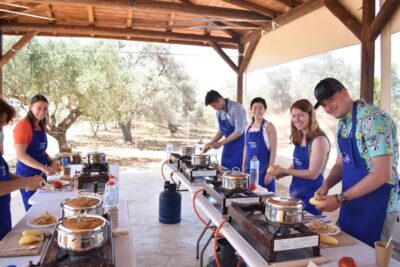
Cooking Class and Olive Oil Tasting at a Family Farm
Read our review →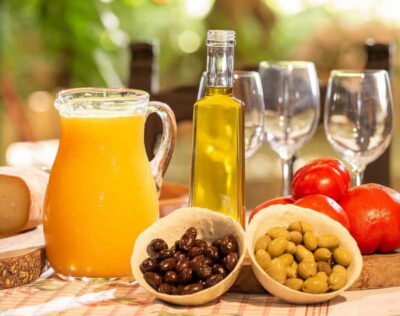
Sóller: Olive Oil Guided Tour and Tasting at Can Det Estate
Read our review →Browse the lists this tour appears in