
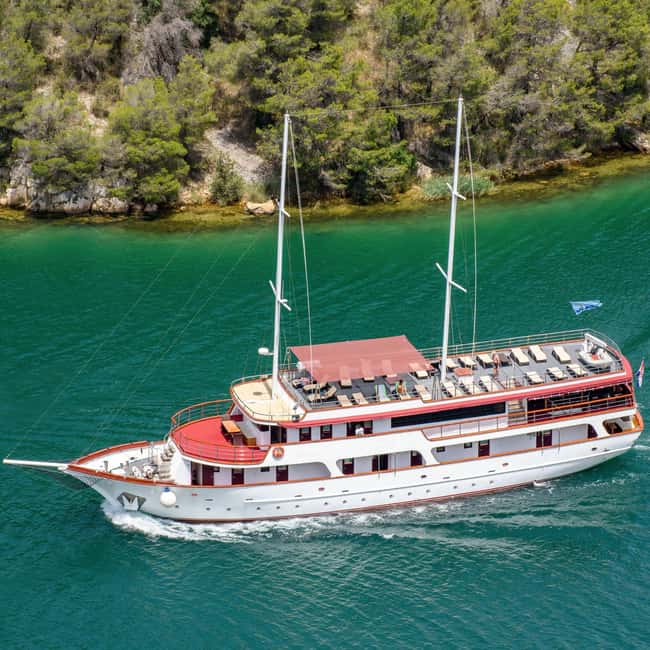
Review · DALMATIA
Šibenik or Zadar: Krka falls, olive mill, oil & wine tasting
Waterfalls, olive oil, and wartime stories make this a memorable Dalmatian day. I like the smart mix of Krka National Park and Skradin, followed by a genuinely interesting lesson in five extra virgin olive oils at a family mill. I also like the views across the coast and inland hills, plus the chance to taste local food rather than simply pose for photos. The main drawback is organization: pickup times and meeting points have caused confusion, so confirm your arrangements carefully before departure.
This is a full eight-hour outing, not a quick waterfall transfer. You will ride in an air-conditioned minibus from Zadar, Šibenik, or another listed pickup point, with a live English-speaking guide. The optional €20 buffet and the Krka National Park entry fee are extra, which makes the final cost higher than the advertised $88.
Key details at a glance
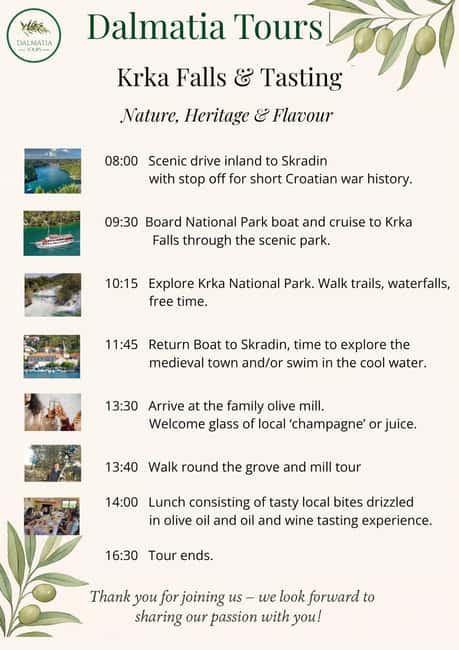
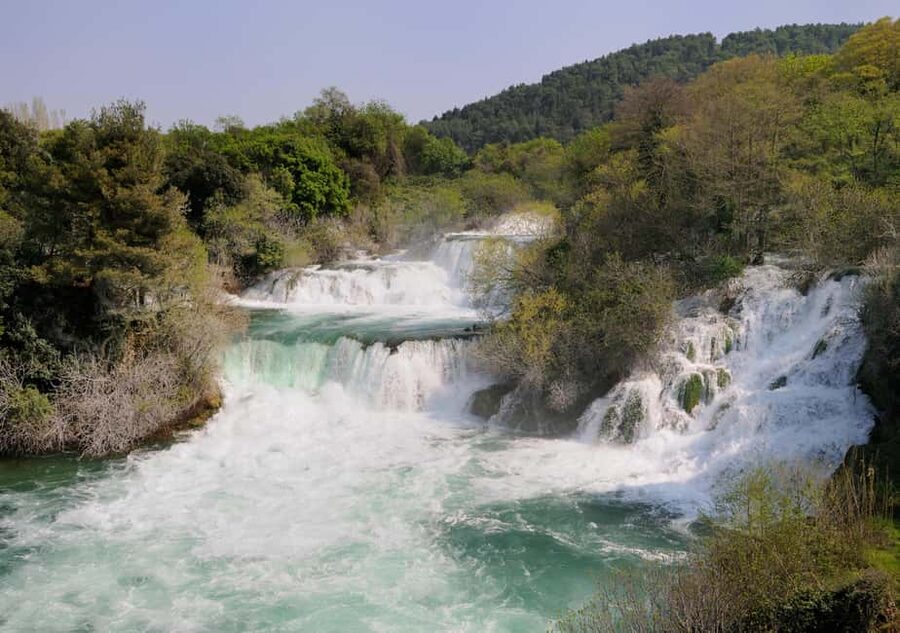
- Skradinski Buk waterfall: Walk beside cascading water, emerald pools, pine trees, and wooden paths in Krka National Park.
- Five olive oils: Learn to identify aroma, bitterness, pungency, and high polyphenol content during a proper tasting.
- Skradin and swimming: Wander a medieval riverside town, then enjoy time for a swim in clear water.
- A wartime history stop: See original Croatian Homeland War artefacts and climb into a Soviet-era tank.
- Dalmatian food and wine: Add a cold buffet of prosciutto, cheeses, seafood, vegetables, strudel, and Croatian wine.
- Coastal views: Look toward the Kornati Archipelago and across the Dalmatian hinterland near Lake Vrana.
Why this day works so well
Many day trips from Zadar or Šibenik choose one subject and stick with it. This one keeps changing gear. You begin with recent Croatian history, move to a medieval town and a national park, then spend the afternoon learning about olive farming, oil production, and local food.
I like that balance. Krka gives you the famous scenery, but the olive mill gives the day its local character. You are not only looking at Dalmatia. You are tasting one of its most important products and hearing how climate, soil, harvest timing, and milling affect the final oil.
The pace is also useful if you have limited time in northern Dalmatia. In one day, you get waterfalls, a river town, a historical site, a family business, a meal, wine, and long views from the road. The tradeoff is obvious: none of these stops receives a huge amount of time. You need to enjoy a broad sample rather than expect a slow, private exploration of each place.
The experience is rated 4.8 from 17 published ratings, with especially strong praise for the mix of scenery, history, food, and personal attention. Ivica is singled out for being friendly and capable, while the olive mill hosts Brauni and Neil are praised for their hospitality. Those names are useful to note, since the human side of the day appears to be a major part of its appeal.
More Olive Mill and Factory Tours around Croatia:
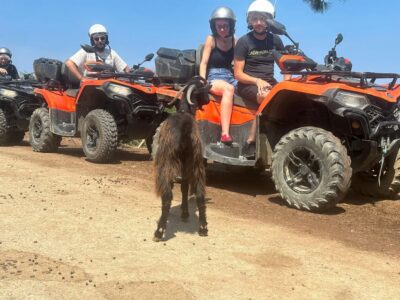
- Crete: Quad Safari, Olive Mill with Tasting & Ghost Village
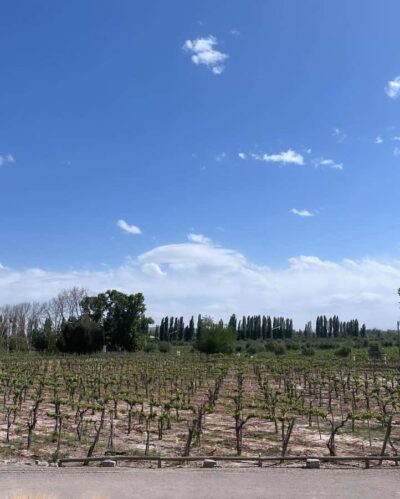
★ 4.9 · 1,004 reviews - From Mendoza: 3 Wineries, Olive Oil Factory Tour & Tasting
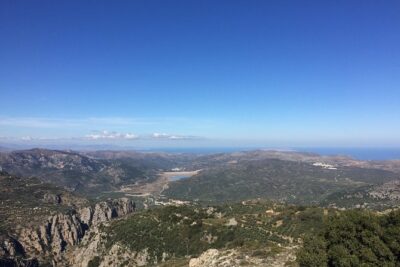
★ 4.6 · 901 reviews - Knossos-Zeus Cave -Old Traditional Villages-Olive Oil Factory
★ 5.0 · 694 reviews
A small but meaningful look at Croatia’s recent past
The first historical stop is at Svetište Gospe od Karmela on Okit. The visit lasts about 10 minutes, so think of it as a compact introduction rather than a full museum visit.
You will hear about the region’s turbulent recent past, see original artefacts, and get the unusual chance to climb inside a Soviet-era tank. That hands-on detail makes the stop more memorable than a roadside viewpoint. It also gives context to the countryside you are passing through. Croatia’s history is not confined to old churches and Roman ruins.
The stop includes scenic views, so have your camera ready, but do not expect a long walk or a detailed historical program. Its value comes from the guide’s explanation and the contrast it creates with the relaxed food and nature stops later in the day.
One guide, Ivica, receives particularly warm praise for looking after the group and explaining the past clearly. If he is leading your departure, you may benefit from that strength. Guides can vary, so the quality of the commentary will depend partly on who is assigned.
Skradin gives you a slower start to Krka
After a short transfer, you reach Skradin, a small medieval town on the Krka River. The walking portion lasts around 40 minutes, enough to see the cobbled streets and old stone houses without turning the morning into a long city tour.
Skradin is a pleasant place to get your bearings. It has a different feel from the larger coastal towns, and its position on the river explains why it has long been connected with movement, trade, and access to the interior. The tour also leaves time to relax or swim in the clear water.
That swim is one of the more appealing features for a hot summer day. Bring a swimsuit, towel, and a bag for wet clothing. The activity specifically includes swimming at Skradin, but the exact practical arrangements are not detailed, so you should be ready for a simple, informal stop rather than a fully serviced beach visit.
The town portion may feel brief if you want to explore every lane. I would treat it as a pleasant introduction and a chance to stretch your legs before the national park. The cobbles can be awkward for anyone who has difficulty walking, and the day includes more than one surface that requires care.
Skradinski Buk is the visual high point
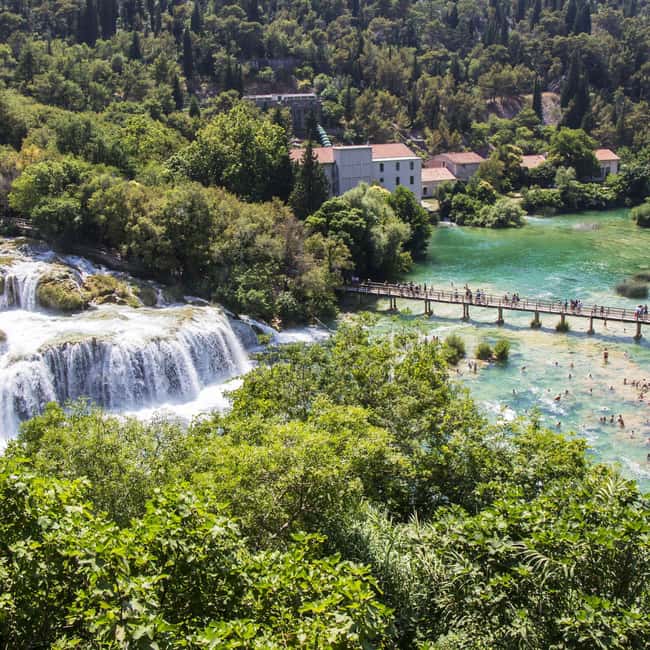
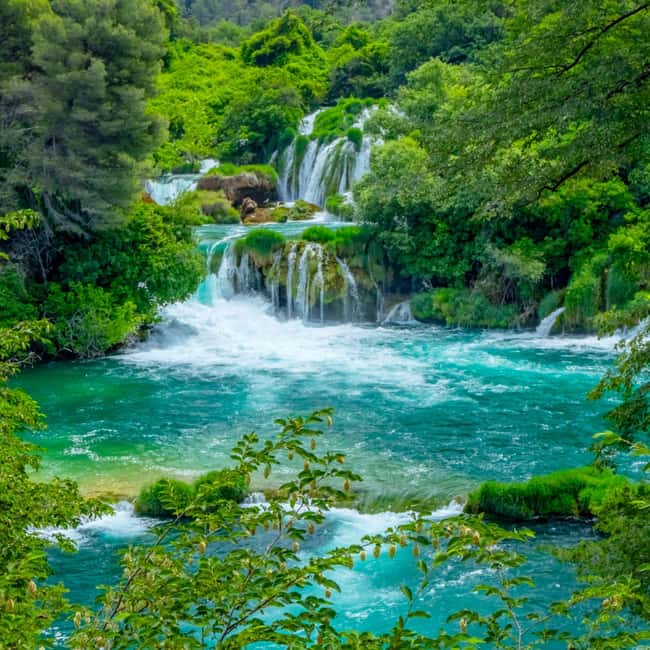
From Skradin, you continue toward Krka National Park and Skradinski Buk, the best-known waterfall area on this outing. A boat ride forms part of the approach, giving you a water-level view of thick greenery and the river before you reach the falls.
The waterfall area is allotted about an hour. That is enough to walk the wooden boardwalks, take photographs, listen to the water, and see the pools and channels around the cascades. The setting combines clear water, plant life, pine scent, and wild herbs. It feels more varied than a single wall of falling water.
You will want sensible shoes. The paths are designed for sightseeing, but they are still walking paths, and summer heat can make the hour feel active. A hat, sunscreen, drinking water, and insect protection are sensible additions, although the supplied details do not specify what is provided on site.
The National Park entry fee is not included. A special tour rate is available, but the exact amount is not provided, so ask for the current figure when booking or before departure. This matters when you compare the $88 headline price with your actual day cost.
Krka is the part most likely to attract you in the first place, and it is worth the visit. Still, the tour does not give you an entire day in the park. If your main goal is extensive walking or a long nature visit, a dedicated Krka excursion may suit you better. If you want waterfalls as one part of a wider Dalmatian day, this timing works well.
More Olive Oil and Wine Tastings around Croatia:
- Split: Krka Waterfalls With Boat Cruise, Wine and Olive Oil
★ 4.3 · 1,507 reviews - Wine, food and olive oil by PhD student
★ 5.0 · 111 reviews - Hvar: Island tour with Wine and Olive Oil Tasting
★ 4.9 · 77 reviews - Krka Waterfalls Tour with Wine and Olive Oil Tasting
★ 4.5 · 48 reviews
The olive mill turns tasting into a lesson
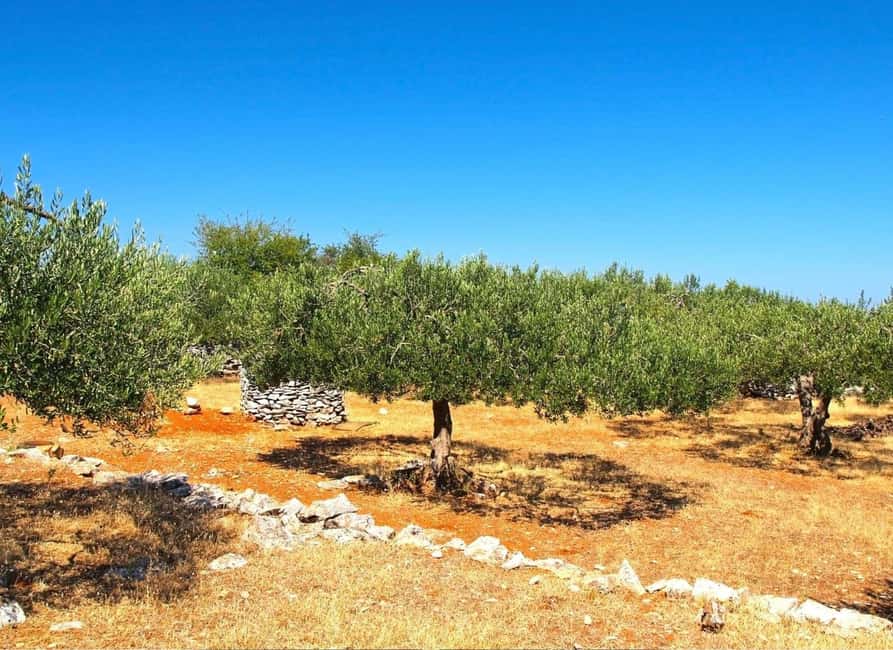
After the park, the focus shifts from scenery to flavour. You drive to a family-owned olive grove and award-winning mill, where the visit begins among old olive trees.
This is where the outing becomes more than a standard sightseeing trip. You learn how the local climate and terrain affect the taste of the oil, then see how olives are processed into extra virgin oil using modern methods linked to older farming traditions. The tour does not treat oil as a souvenir add-on. It explains what you are tasting and why it matters.
The tasting includes five award-winning oils. These range from early-harvest, high-polyphenol oils to smoother blends. You learn to notice aroma, bitterness, and pungency, all of which can be signs of a fresh, well-made oil rather than flaws.
The lesson about polyphenols is particularly useful. You do not need to become an olive oil expert, but you will leave better equipped to compare bottles at a market or shop. Strong bitterness and a peppery finish can surprise people who are used to mild supermarket oil. Here, those sensations are explained instead of left to guesswork.
The family hosts, Brauni and Neil, are praised for making the visit welcoming and personal. That matters. A family mill can show you how the product fits into daily work and local identity in a way a generic tasting room cannot.
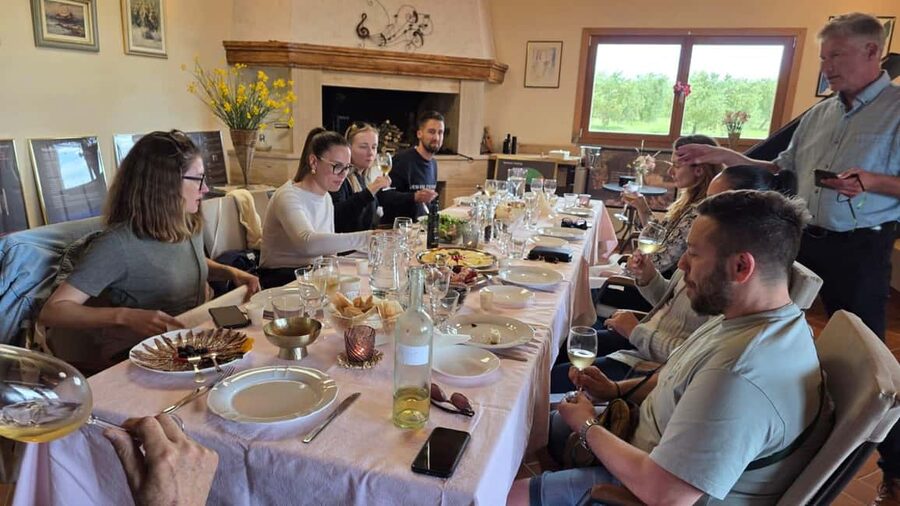
A welcome glass of local Croatian sparkling wine, described as Croatian champagne, begins the tasting experience. Later, three local wines are poured, including one red and two white wines, with the food. The exact vintages are not listed, so think of the wine service as a regional introduction rather than a formal wine course.
Dalmatian lunch: what you actually receive

The included tasting bites are designed to complement the oils and wine. You can expect bread, marinated vegetables, local cheeses, and other small foods drizzled with olive oil.
A fuller buffet lunch costs an additional €20. It is served cold and can include local meats, seafood, cheeses, fruit, and vegetable dishes. The listed menu gives you a good idea of the style:
- Croatian salad with tomatoes, cucumber, potatoes, red onion, parsley, capers, olive oil, and vinegar
- Dalmatian prosciutto with homemade cheese
- A selection of locally made hard and soft cheeses
- Cherry tomatoes filled with tuna, olives, capers, and olive oil
- Marinated anchovies and prawns with lemon, garlic, parsley, and olive oil
- Homemade apple strudel
The buffet sounds substantial enough for a relaxed midday meal, especially when paired with a glass or two of Croatian wine. I would budget for it if you prefer a proper lunch rather than relying on the tasting bites. If you have a smaller appetite or want to control the total cost, the included food may be enough.
The meal is cold buffet-style, not a cooked restaurant lunch. That is worth knowing before you book. Its strength is variety and regional flavour, with plenty of opportunities to test the oils against cheese, bread, seafood, and vegetables.
The road back brings more scenery
After the food and mill visit, another guided stop lasts about 40 minutes. The supplied details do not identify the exact location or provide a full description, so do not plan around a particular sight there.
The return route then passes Lake Vrana, where you have about 30 minutes for sightseeing and views. Lake Vrana adds a different setting to the day, shifting the focus from waterfalls and coast to inland water and open countryside. You may also catch views toward the Kornati Archipelago and the Dalmatian hinterland along the route.
This final section is partly about the ride itself. After a full day of walking, tasting, and listening, the bus gives you time to rest. The air-conditioned vehicle is welcome in summer, especially after the exposed areas around Skradin and Krka.
The tour serves several pickup and drop-off points, including Zadar, Zadar Station, Biograd na Moru, Vodice, Šibenik, and Šibenik-Knin County. That broad coverage is convenient, but it also creates room for mistakes. One recent departure involved a late meeting-point change, incorrect pickup information, delays, and repeated driving around to collect people.
For that reason, confirm the location and time directly before the morning of the tour. Save the updated message, arrive early, and do not assume the original meeting point remains unchanged. This is the one serious practical caution attached to an otherwise warmly praised day.
How much value do you get for $88?
At $88 per person, the price is reasonable for a full day with transport, a guide, the olive grove and mill visit, five oil tastings, wine, tasting food, Skradin, Krka, and the historical stop.
The calculation changes once you add the park entry fee and optional €20 lunch. Even so, you are paying for more than a bus ride to a waterfall. The oil lesson is a substantial part of the day, and the transport links places that would be difficult to combine independently without a rental car.
The value is strongest if you enjoy food and want context. Someone interested only in photographing Skradinski Buk may find the olive mill and history stop unnecessary. Someone who likes local products, regional stories, and a social meal will probably feel the day offers good variety for the money.
Private or small-group departures are available. The exact group size is not specified, so ask before booking if a quiet, intimate format is important to you. Larger groups can make pickup and walking slower, while a small group may allow more questions and easier conversation with the guide.
Who should book this Dalmatian day?
I would recommend it to you if you want a broad introduction to the area from either Zadar or Šibenik. It suits couples, families, and food-focused visitors who do not want to choose between nature and local culture.
It can also work well for older participants who are comfortable with a full day and some walking. One 62-year-old participant praised the guides for waiting patiently during physically difficult moments. That does not mean the route is effortless, but it suggests the staff may be attentive when someone needs a slower pace.
Families may appreciate the swimming stop, the tank, and the variety of subjects. Children may not care about polyphenols, but they can usually find something engaging in the boat ride, waterfalls, water, and hands-on history.
I would hesitate if you dislike moving between several stops, need a precise schedule, or want a long, quiet visit in Krka. I would also be cautious if you have mobility concerns, since the day includes cobbled streets, boardwalks, transfers, and a lot of time getting in and out of a minibus.
Cancellation is available up to 24 hours before departure for a full refund, and you can reserve now and pay later. Those policies make it easier to hold a place while you confirm your pickup details.
Should you book this tour?
Book it if you want Krka waterfalls plus a real taste of Dalmatia, not just a park transfer. The strongest parts are the waterfall scenery, the family olive mill, the clear explanation of oil tasting, and the food and wine pairing.
Before paying, check the current Krka entry fee, decide if you want the €20 buffet, and confirm your exact pickup point and time. If those details are handled carefully, this is a generous day of nature, history, food, and views for the price.
FAQ
How long does the experience last?
The experience lasts about eight hours to one full day, depending on the starting time and pickup location.
Where can I join the tour?
Pickup locations include Zadar Station, Zadar, Biograd na Moru, Vodice, Falkensteiner Club Funimation Borik, Šibenik, and Šibenik-Knin County.
Is transport included?
Yes. Transport is provided in an air-conditioned bus or minibus, with pickup and drop-off at the chosen listed location.
Is the Krka National Park entry fee included?
No. Entry to Krka National Park is extra, although a special tour rate is available.
Can I swim during the tour?
Yes. The experience includes time for swimming in Skradin, where you can enjoy the clear water near the Krka River.
What happens at the olive mill?
You walk through the olive grove, learn how the local conditions affect the oil, see how olives are processed, and taste five extra virgin olive oils.
How many wines are included?
The tasting includes a welcome glass of local sparkling wine, followed by one red and two white Croatian wines with the food and oil tasting.
Is lunch included in the price?
Tasting bites are included. A fuller cold buffet lunch costs an additional €20 and may include prosciutto, cheeses, seafood, salads, vegetables, fruit, and apple strudel.
Is the tour available in languages other than English?
The tour is provided in English with a live guide.
Just added around Croatia
- Zadar, Šibenik: olive oil, wine & food tasting, Self Drive★ 4.7 · 9 reviews
- Wine, Honey & Olive Oil of Solta Island – Tasting Tour★ 5.0 · 4 reviews
- Private tour of Brač island with olive oil tasting★ 5.0 · 2 reviews
- Olive Oil Tour of Solta Island with Lunch★ 5.0 · 4 reviews
- Private Split & Klis Fortress Tour, Olive Museum & Port Pickup★ 4.5 · 13 reviews
- Istrian tapestry – gourmet tour combining wine, truffles and olive oil★ 5.0 · 12 reviews
- Makarska Tuk Tuk Tour Olive Grove, Scenic Views and Tastings★ 5.0 · 3 reviews
- Small-Group Olive Oil Tour in Cres with Tasting★ 5.0 · 2 reviews
Olive Mill and Factory Tours, compared.
Knossos-Zeus Cave -Old Traditional Villages-Olive Oil Factory
Read our review →
The Governor’s Olive Mill Tour with Olive Oil Tasting
Read our review →
Road-trip to Lasithi, Zeus Cave & Olive Mill Farm
Read our review →
Lassithi, Zeus Cave, Olive Mill Farm & Knossos Combo Tour
Read our review →
Zeus Cave, Lassithi Plateau, Olive Oil Factory, Kritza, Pottery
Read our review →
Zeus Cave, Lassithi Plateau, and Olive Factory Tour
Read our review →Browse the lists this tour appears in