
Review · CORDOBA
Cordoba Olive Oil mill, Wine, Passion
Olive oil tells Andalusia’s story. This private half-day outing takes you from Cordoba into the mountain groves of Sierra de Córdoba, then into the world of oil, wine, Serrano ham, and local cheese. I like the chance to see a working grove and production facility, and I like that the tasting comes with genuine regional food rather than a few lonely crackers. The main concern is value: at $97, this is not a cheap countryside excursion.
You should also know that the experience is more about production, scenery, and tasting than seeing a harvest in action. Timing matters. One visitor found that the season had already passed for picking olives and grapes, though the explanations and tastings still made the outing worthwhile.
Key things to know before you book
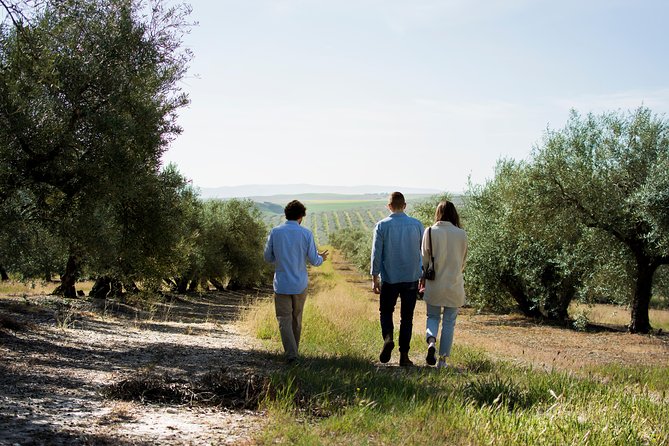
- Mountain groves outside Cordoba: You leave the city behind for the Sierra de Córdoba and its old olive plantations.
- A working production visit: You learn how olive oil has changed from labor-heavy methods to modern machinery.
- Cordoban oil and wine tasting: Extra virgin olive oil and regional natural wines are included.
- Serrano ham and sheep’s cheese: The tapas plate gives the tasting a proper Andalusian setting.
- Private group format: Only your party participates, with pickup and return at Mercado Victoria.
- A four to five hour commitment: The countryside visit itself lasts about three hours, with transport time included in the broader outing.
Leaving Cordoba for the Sierra de Córdoba
The meeting point is Mercado Victoria, at Paseo de la Victoria, a handy central location in Cordoba. The tour ends back there, and hotel pickup and drop-off are included, so you do not need to arrange your own ride into the countryside.
That matters here. Olive groves are not usually sitting beside the Mezquita or the Roman Bridge. Having transport included turns this into a relaxed half-day rather than a small logistical puzzle involving buses, taxis, and rural directions.
The setting is one of the best reasons to book. The route reaches the mountain olive groves of the Sierra de Córdoba, described as one of the more untouched parts of the Mediterranean. You are not simply being shown a bottle in a city shop. You are seeing the trees and the place where the crop begins.
The experience is aimed at active visitors, but the information provided says most people can participate. That suggests a normal level of mobility is expected, though the mountain setting may not suit anyone looking for a fully urban, flat, or highly structured visit. Service animals are allowed.
Because this is a private activity, your group has the guide’s attention. That can make a difference during tastings, where questions about flavor, production, and food pairing are easier to ask than they are in a large bus group.
More Olive Mill and Factory Tours around Spain:
- Guided Tasting Tour in 16th century House and Olive Oil Factory
★ 5.0 · 169 reviews - Visit Oil Mill Museum and Olive Oil Tasting in Ronda
★ 4.5 · 105 reviews - Jaén: Guided Olive Mill Tour with Olive Oil Tasting
★ 4.9 · 74 reviews
Walking among old olive trees
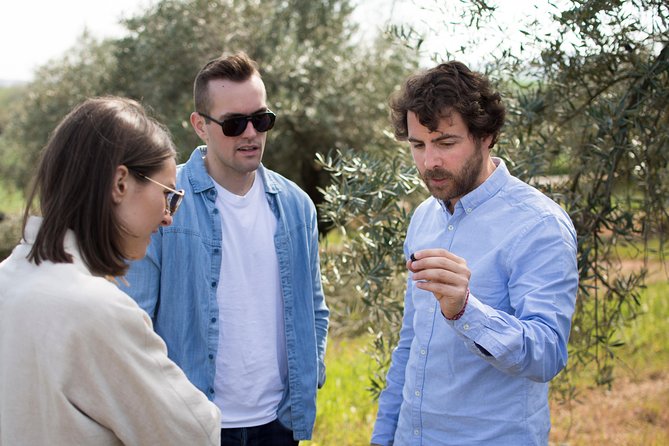
The grove visit is the heart of the outing. You get a close look at the trees and the rural setting that gives Andalusian olive oil its identity. The point is not only to admire the view. Your guide explains the secrets behind high-quality oil and the conditions that shape it.
I like this part because it gives context to something most of us use without thinking. Extra virgin olive oil is not just a yellow liquid poured over bread. It reflects the fruit, the harvest, the production method, and the care taken after picking.
The grove is also where the tour feels most different from a standard food tasting. In Cordoba, olive oil is part of everyday cooking, but the countryside gives you a better sense of its scale. Rows of trees reach into the hills, and the visit connects the table in the city with the agricultural work outside it.
Do not assume you will see workers gathering olives or grapes. The timing can be a drawback. A visit outside harvest season may show the trees and the facilities without the drama of picking. One visitor found this was the case, but still enjoyed learning how the industry had changed.
The word working matters more than show. The production site is presented as an active place where olive oil is made, not as a museum built only for tourism. That makes the visit more useful for anyone curious about modern Spanish food production.
How olive oil production has changed
A particularly interesting part of the experience is the contrast between old and new methods. Olive groves once supported far more people on site. One account describes estates that had about 300 workers living there in earlier days, compared with roughly 30 today.
That detail gives you a clear picture of mechanization. The oil business has not stayed frozen in an old-fashioned image of farm work. Modern equipment has reduced the number of workers needed, while the basic connection between tree, fruit, mill, and bottle remains.
The production facility helps explain that shift. You can expect an introduction to how the oil is processed and why extra virgin oil is prized. The supplied details do not promise a full technical demonstration or a particular sequence of machines, so think of this as an informative visit rather than an engineering tour.
The tasting is where the explanation becomes practical. After seeing where the oil comes from, you can sample extra virgin olive oil and compare what you taste with what you have just learned. This is a better way to understand oil than reading a label in a supermarket.
Pay attention to how the oil works with the food on the table. Serrano ham and local sheep’s cheese are included, along with bottled water. The food is not an afterthought. It gives you a simple way to judge how the oil, salt, fat, and cheese interact.
Tasting Cordoba’s natural wines
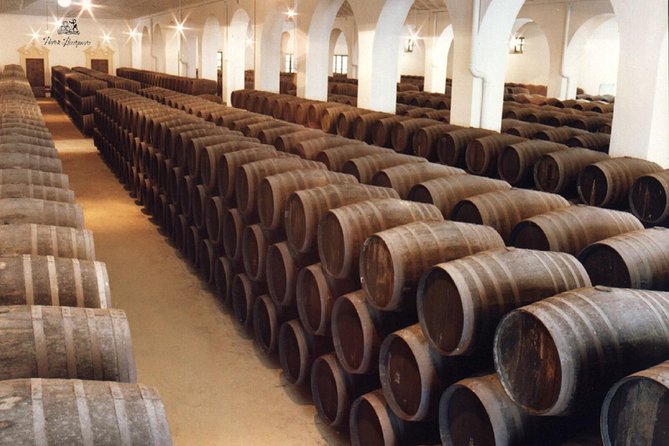
Wine is the second part of the food story. The outing includes natural wines from Cordoba, along with alcoholic beverages generally. This gives the day more range than an olive oil-only visit.
The wine production methods are described as a mixture of old and new approaches. That echoes the olive oil lesson: Cordoban producers work within long-standing traditions, but they also use modern methods where useful.
You may taste several wines, though the exact bottles are not specified. One especially useful tip is to try an Amontillado if it is offered. That style is associated with the wider wine culture of Andalusia and makes a good choice for someone who wants to move beyond the most familiar Spanish reds and whites.
The wine tasting also helps pace the outing. You are not rushing through a factory, checking off a few facts, and returning to town. The food and drink give you time to talk with your guide and the hosts.
That said, people who do not drink should consider this carefully. Alcoholic beverages are part of the included experience, and the tour’s appeal is closely tied to tasting. Bottled water is provided, but the information does not specify a separate nonalcoholic tasting menu.
More Olive Oil and Wine Tastings around Spain:
- Palma: Orange Farm, Olive Mill, & Winery Tour with Tastings
★ 4.9 · 44 reviews - From Malaga: Ronda, Wine & Olive Oil Tasting Premium Small Group
★ 5.0 · 28 reviews - From Málaga: Ronda, Wine & Olive Oil Tasting Small Group
★ 4.9 · 14 reviews - Discover the varieties of wines, olive oil and food on Mallorca
★ 5.0 · 8 reviews
Tapas that make the tasting worthwhile
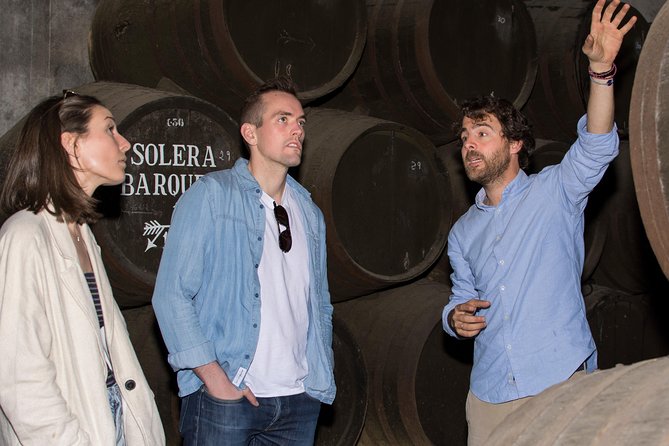
The included tapas are Serrano ham and local sheep’s cheese. That is a modest menu, but it is well chosen for the subject.
Serrano ham brings salt and a firm, savory flavor. Sheep’s cheese adds richness and a different texture. Together, they make the olive oil and wine easier to assess than they would be on their own.
I like that the food is local rather than generic. A regional tasting should give you something connected to the place, and these ingredients fit naturally with an Andalusian food experience.
Do not book this expecting a full lunch with many courses. The information promises a tapas plate, not a large meal. If you normally need a substantial lunch, plan your expectations around a tasting and snack rather than a restaurant feast.
The hosts are another strong point. The most enthusiastic account describes kind hosts, a wonderful guide, and beautiful countryside. That combination can turn a simple visit into the warm, personal part of your Cordoba stay.
A private tour with a personal feel
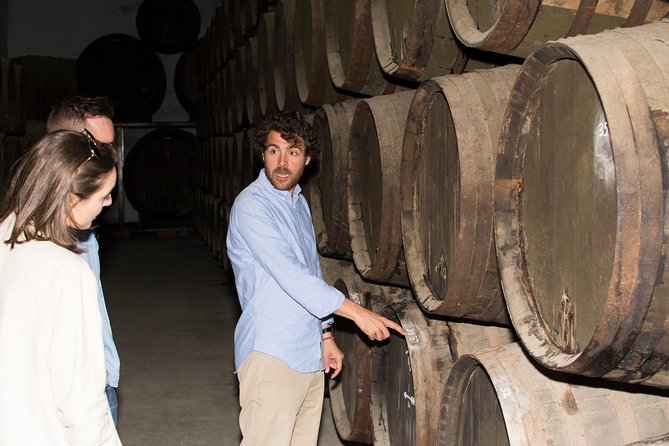
Only your group participates, which changes the mood. You are not sharing the visit with a busload of strangers, and the guide can adjust the conversation to your interests.
The named guide in one account was Javi. That visitor specifically enjoyed learning about the oils and wines with him. Guide assignments can change, so I would not treat Javi as guaranteed, but his name gives you a useful sense of the personal format.
A private tour can also be better for questions. You might want to ask why one oil tastes sharper than another, how machinery changed rural employment, or what food works best with a particular wine. The smaller format gives those questions room.
The tradeoff is cost. At $97, private transport, guiding, countryside access, production visits, food, and drinks are all part of the package. That helps explain the price, but it does not automatically make it good value for every budget.
One visitor felt the outing would have been worth the money at about half the price. That is a fair warning. If you mainly want a cheap tasting, this is expensive. If you want a private trip into the hills with transport and a production visit, the calculation looks better.
Timing, duration, and the harvest question
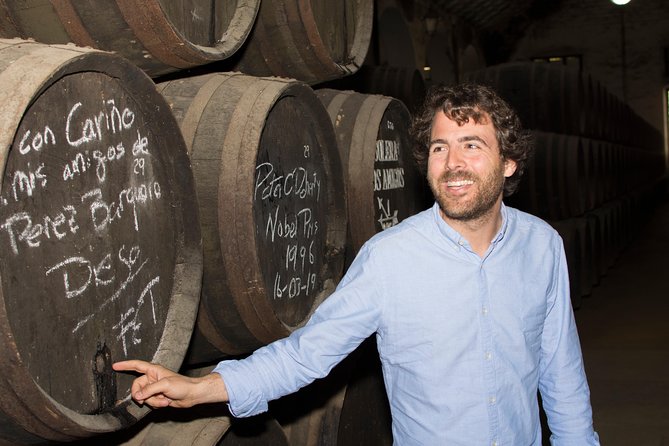
The full experience takes about four to five hours. The countryside portion is listed at about three hours, leaving the remaining time for transport and the pickup and return arrangements.
That length works well for a morning or afternoon plan, but it occupies enough of your day that you should not place it between two tightly timed Cordoba sights. Give yourself room before and after the experience, especially if your schedule includes a train or timed monument entry.
Harvest timing deserves special attention. If you want to see grapes being picked or olives gathered by hand, ask about the season before booking. One account specifically notes that it was too late in the year for those activities to be seen close up.
Still, a non-harvest visit has its own value. You see the trees, learn how production works, and taste the finished products. For many people, that is more useful than watching a short burst of seasonal labor without understanding the larger process.
The tour is also a good break from Cordoba’s historic center. After days of mosques, palaces, courtyards, and stone streets, the mountain setting gives your trip a rural counterpoint.
Who will enjoy this Cordoba outing
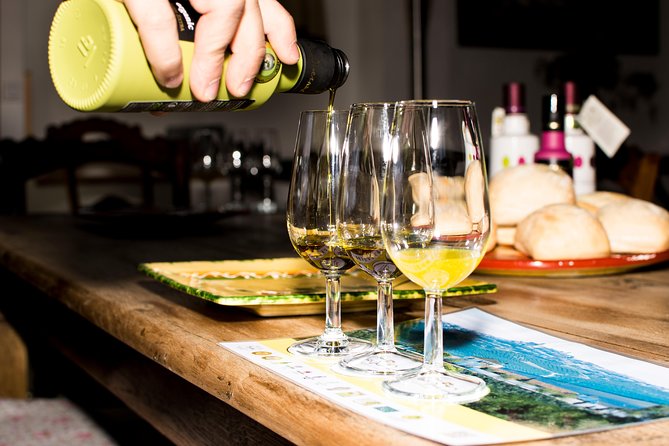
I would recommend it most strongly to people who enjoy food with a sense of place. If olive oil, wine, rural scenery, and production methods sound more appealing than another city monument, this is a strong candidate.
It also suits couples, families, or small private groups who prefer a flexible outing. The private format lets you share the day with your own party, and the included pickup removes the need to drive.
Active visitors should find the setting appealing. The experience is built around a mountain grove and a working facility, not only a seated tasting. The provided details say most people can take part, but anyone with specific mobility concerns should ask the provider for current terrain information before booking.
I would be more cautious if you are watching every euro, do not drink alcohol, or want a large meal. The $97 cost is easier to justify when you value the transport, guide, private group, scenery, and food. It is harder to justify if you only want to sample oil and wine.
The overall rating is 4.6 from eight ratings, which points to a generally strong experience but not a perfect fit for everyone. The praise centers on the countryside, friendly hosts, guide, and tastings. The criticism centers on price. Those are the two points I would keep in mind.
Booking advice and cancellation terms
You receive confirmation at booking, and the ticket is mobile, so there is no need to print anything based on the information provided. The starting point is Mercado Victoria, and the activity returns there after the countryside visit.
Free cancellation is available if you cancel at least 24 hours before the local start time. Cancellations inside that window are not refunded, and changes made within 24 hours are not accepted.
If your schedule is uncertain, make the decision early. A private activity with transport takes more planning than a casual city walk, and the 24-hour cut-off is firm.
Should you book this olive oil and wine tour?
Book it if you want to see the rural side of Cordoba and care about how Spanish food is produced. The combination of mountain groves, a working facility, extra virgin oil, natural wines, Serrano ham, sheep’s cheese, and private transport creates a full half-day experience.
Skip it if $97 feels high for a tasting, or if you are hoping to watch an active harvest. You may find better value by buying olive oil and tapas in town. But if you want the countryside, the personal guide, and the story behind the bottle, this is one of the more distinctive food outings near Cordoba.
FAQ
Where does the tour start?
It starts at Mercado Victoria, Paseo de la Victoria, s/nº, Centro, 14004 Córdoba, Spain.
Where does the tour end?
The activity ends back at the meeting point at Mercado Victoria.
How long does the experience last?
The full experience takes approximately four to five hours. The countryside stop in Villaviciosa lasts about three hours.
Is transportation included?
Yes. Hotel pickup and drop-off are included, and the activity also begins and ends at Mercado Victoria.
Is this a private tour?
Yes. Only your group participates in the activity.
What food is included?
The tour includes tapas with Serrano ham and local sheep’s cheese, as well as bottled water.
What drinks are included?
You receive extra virgin olive oil, natural wines from Cordoba, and alcoholic beverages. Several Spanish wines are sampled.
Can service animals participate?
Yes. Service animals are allowed.
What is the cancellation policy?
You can cancel for a full refund up to 24 hours before the experience start time. Cancellations or changes made less than 24 hours in advance are not accepted for a refund.
Just added around Spain
- XXI Century Olive Oil Mill Tour★ 5.0 · 3 reviews
- Visit to an olive oil mill and oil tasting with aperitif and food and wine pairing.★ 5.0 · 2 reviews
- Treurer: Tapas Gourmet and Extra Virgin Olive Oil★ 4.7 · 3 reviews
- Ulldecona: Guided Tour of the Millenary Olive Trees of Arión★ 5.0 · 2 reviews
- Treurer: Olive Oil Night. Gastronomic experience★ 5.0 · 15 reviews
- Olive Oil and Winery Tour from Zaragoza City★ 5.0 · 4 reviews
- Olive Oil Private Full-Day Tour with Tasting in Valencia★ 5.0 · 2 reviews
- Olive Oil Tour and Visit to Belchite Old Town★ 5.0 · 16 reviews
Olive Mill and Factory Tours, compared.
Knossos-Zeus Cave -Old Traditional Villages-Olive Oil Factory
Read our review →
The Governor’s Olive Mill Tour with Olive Oil Tasting
Read our review →
Road-trip to Lasithi, Zeus Cave & Olive Mill Farm
Read our review →
Lassithi, Zeus Cave, Olive Mill Farm & Knossos Combo Tour
Read our review →
Zeus Cave, Lassithi Plateau, Olive Oil Factory, Kritza, Pottery
Read our review →
Zeus Cave, Lassithi Plateau, and Olive Factory Tour
Read our review →Browse the lists this tour appears in