
Review · ANDALUSIA
XXI Century Olive Oil Mill Tour
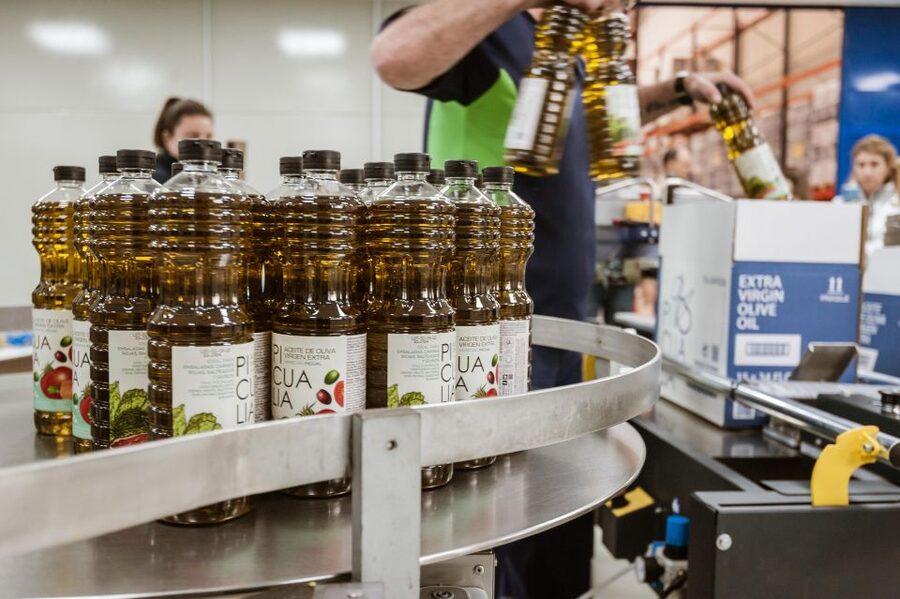
Olive oil has a story before the bottle. Picualia turns that story into a compact, practical tour in Andalusia, taking you through a modern mill from the arrival of the olives to the bottling of extra virgin olive oils. In just 45 minutes, you get a clear look at how technology and careful farming work together.
I like the tour’s low $9 price, which makes it an easy add-on to an Andalusian road trip. I also like its focus on the actual production process, not just tastings or gift-shop sales. The main consideration is its short length and English-only format. You will get a focused introduction, not a long day at an agricultural estate. One French-speaking visitor also hoped for a French option, so check the language before booking if English is not comfortable for you.
The mill is called Picualia, and it presents itself as a 21st-century oil mill, where physical and mechanical methods protect the quality of the fruit. It also claims to be the first oil mill to include a restaurant in its facilities, giving you a reason to linger before or after the tour.
Key points to know before you go
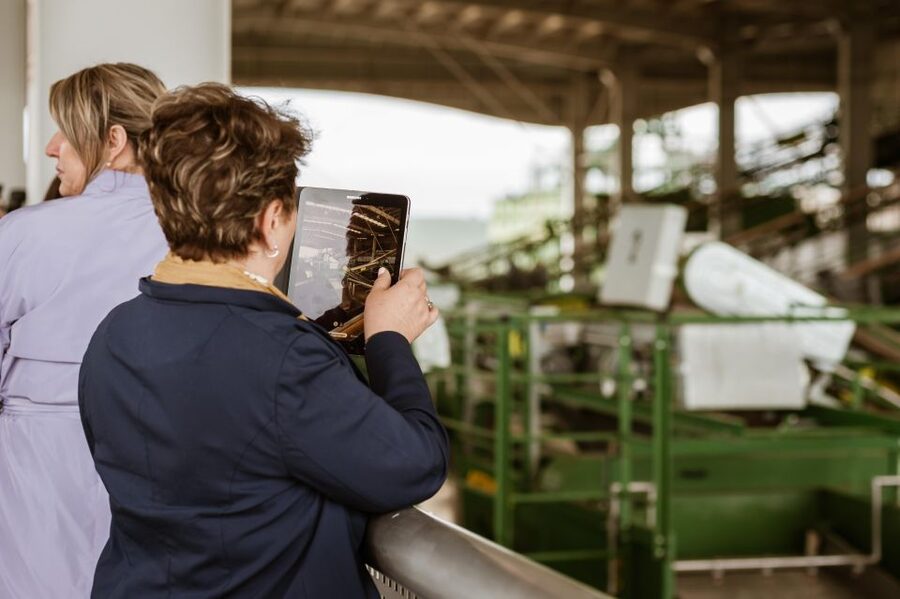
- A 45-minute route follows the olive from delivery to bottle, giving you a simple picture of each production stage.
- The tour explains olive oil categories and qualities, useful if labels and grades usually seem confusing.
- The $9 admission offers strong value, especially for anyone interested in food production, farming, or Andalusian cuisine.
- The English-speaking guide keeps the visit easy to follow, with praise for clear explanations and friendly answers.
- Picualia combines an oil mill, gourmet shop, and restaurant, so the stop can fit neatly into a wider food-focused outing.
- Wheelchair access is available, and you validate your ticket at the gourmet shop inside the mill.
Why this short mill tour is worth your time
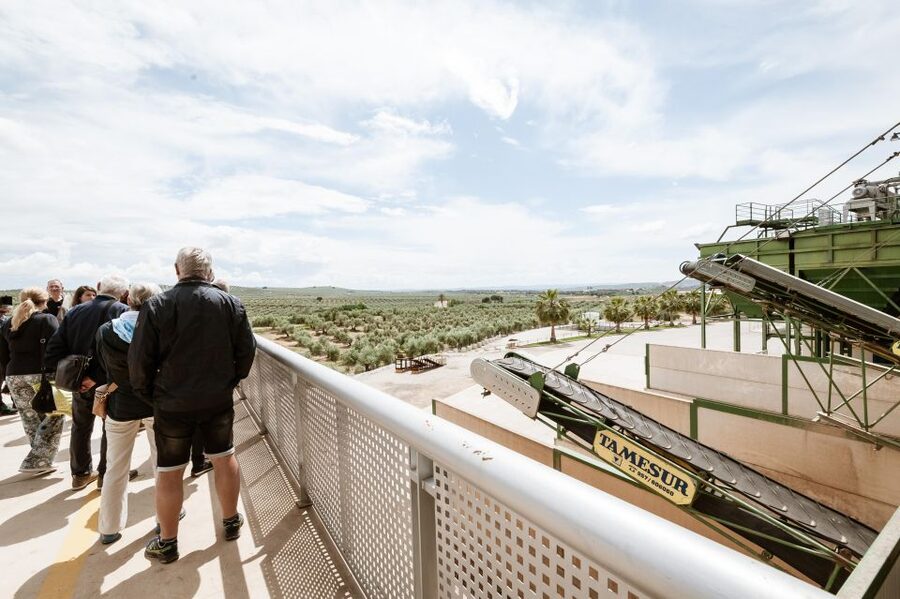
Andalusia is closely tied to olive growing, but it is easy to pass rows of trees without understanding what happens next. Picualia gives you that missing link. You see how the fruit moves through a working oil mill and learn why handling, timing, and production methods affect the final oil.
I like that the visit is built around the complete process. You are not asked to admire a bottle without context. Instead, the guide explains what happens from the moment the olives arrive until the finished extra virgin olive oil is bottled.
That matters because olive oil is not simply one product with different price tags. The tour introduces the different varieties and quality categories, helping you understand why two oils can look similar but have different classifications. For a food-focused trip in Spain, this is useful knowledge you can carry into a market, restaurant, or supermarket.
The visit also has a practical angle. Picualia describes its operation as a sustainable business model, with technology used to match the quality of the fruit supplied by local farmers. The goal is to produce high-quality oil through a physical-mechanical process. The tour should help you understand that production is not just about machines. It begins with the work farmers put into growing and caring for the olives.
More Olive Mill and Factory Tours around Spain:
- Guided Tasting Tour in 16th century House and Olive Oil Factory
★ 5.0 · 169 reviews - Visit Oil Mill Museum and Olive Oil Tasting in Ronda
★ 4.5 · 105 reviews - Jaén: Guided Olive Mill Tour with Olive Oil Tasting
★ 4.9 · 74 reviews
Entering Picualia through the gourmet shop
Your visit begins at PICUALIA, Aceites de oliva, Oleoturismo y Restaurante. To start, validate your ticket at the gourmet shop inside the mill. This is a small but important detail, since you should not head straight into the production areas without checking in.
The shop also gives you an immediate sense of how Picualia connects production with finished food products. You are entering a place that sells olive oil, explains olive oil, and serves food in the same setting.
The restaurant is one of Picualia’s unusual features. The company describes itself as the first oil mill to include a restaurant in its facilities. That makes the stop more than a quick industrial visit, although the 45-minute tour itself does not promise a meal or tasting as part of admission.
You should treat the restaurant and gourmet shop as separate extras unless your booking specifically includes something else. The listed tour includes entrance to the mill and use of the toilets, but it does not list a meal, tasting, or purchase credit.
Following the olive from fruit to oil
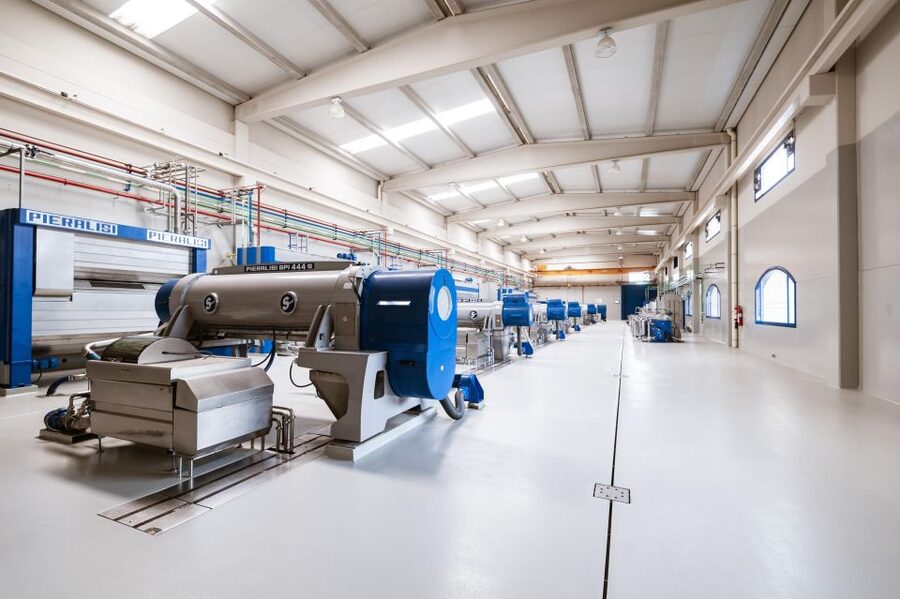
The central part of the tour takes you through the mill’s spaces. The guide explains the stages the olives pass through from reception to bottling. The available details do not provide a room-by-room technical map, so you should expect a guided overview rather than a hands-on production class.
That format suits the 45-minute schedule. The guide has enough time to explain the main steps without turning the visit into a lecture that leaves you counting ceiling beams. You will focus on how the fruit is handled, how the oil is produced, and how quality is preserved.
The physical-mechanical process is an important point. Picualia presents its oil production as a method that avoids changing the fruit through chemical treatment. The aim is to obtain what the company calls the purest olive juice, using the quality of the olives as the starting point.
I find this part especially helpful because it connects farming with processing. Good oil does not begin at the bottling line. It depends on the condition of the fruit arriving at the mill and on the way the mill handles it afterward.
The tour also shows why a modern mill can be more than a traditional agricultural building. Picualia places technology at the service of quality, using modern equipment to support the oil rather than hide its origins. You may not leave able to operate the machinery, but you should have a clearer idea of why the mill matters.
Understanding varieties, grades, and extra virgin oil
The other main lesson is the difference between olive varieties and oil categories. Picualia’s name points toward the Picual olive, but the tour is designed to discuss different varieties and qualities rather than focus on one name alone.
This is useful for anyone who has stood in front of a shelf of Spanish olive oils and wondered what the labels really mean. Variety can affect the character of the oil, while classification speaks to quality and production standards. Those are related ideas, but they are not identical.
The guide explains the categories of olive oil in straightforward terms. According to the feedback from the English-language visits, the explanations are clear, friendly, and open to questions. One German visitor specifically praised the way every question was answered, which is a good sign if you prefer a tour that allows some conversation rather than a fixed speech.
A young female guide received similar praise from a Dutch visitor, who found her explanation clear and enjoyable. Her name is not provided, so you should not expect a named specialist on the booking information. Still, the consistent picture is of a personable English-speaking guide who can make the subject approachable.
The tour is not presented as a formal tasting course. If you want a guided comparison of aromas, bitterness, pepperiness, or food pairings, confirm what is included before you reserve. The stated focus is the mill and the classification of oils.
More Olive Oil Tours around Spain:
- Ronda: LA Almazara LA Organic, Olive Oil Museum and Tasting
★ 4.6 · 435 reviews - Guided tour and olive oil tasting in Alhaurin el Grande (Málaga)
★ 5.0 · 200 reviews - Visit of the olive grove, olive oil tasting and snack
★ 4.9 · 111 reviews - Private Tasting of Olive Oil in Córdoba
★ 5.0 · 93 reviews
A modern business with a practical purpose
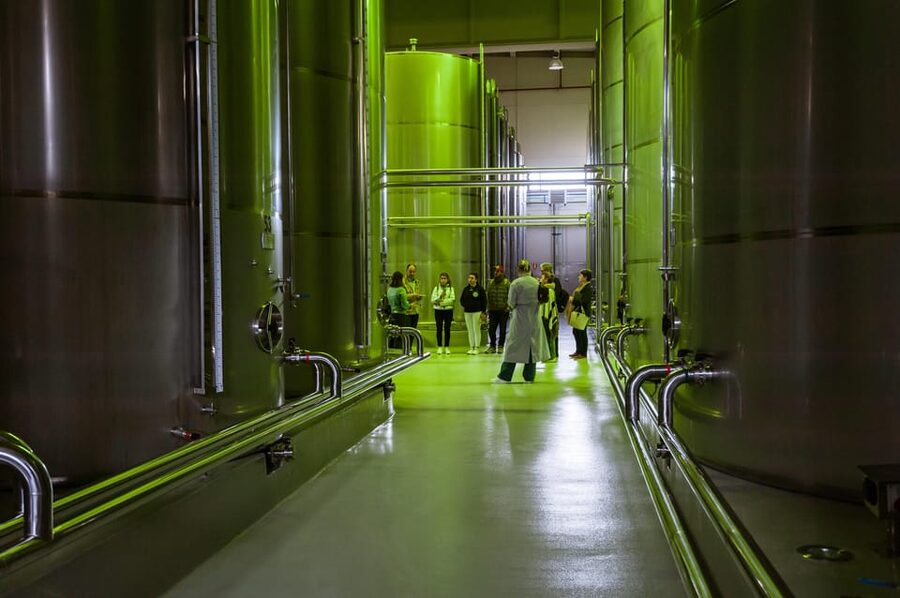
Picualia’s 21st-century label is not only about shiny equipment. The company describes a model that connects farmers, technology, quality control, and sustainability.
You will hear about the farmers who care for the olive groves and supply the fruit. The wording emphasizes careful and exhaustive work in the fields, followed by a production method intended to match the quality of that fruit.
That relationship is worth paying attention to. A bottle of extra virgin olive oil can look polished and finished, but the product begins much earlier. The tour gives you a better sense of the chain behind the label, from agricultural work to mill processing to bottling.
The sustainability message also adds context, but you should keep your expectations sensible. The supplied information does not list specific energy systems, water-saving equipment, certifications, or environmental statistics. You will learn about the company’s stated sustainable approach, not receive a full environmental audit.
I appreciate that distinction. Picualia offers a useful introduction to a sustainable production model, but you should not book this 45-minute visit expecting a detailed technical course in green industry.
How the 45-minute timing affects your visit
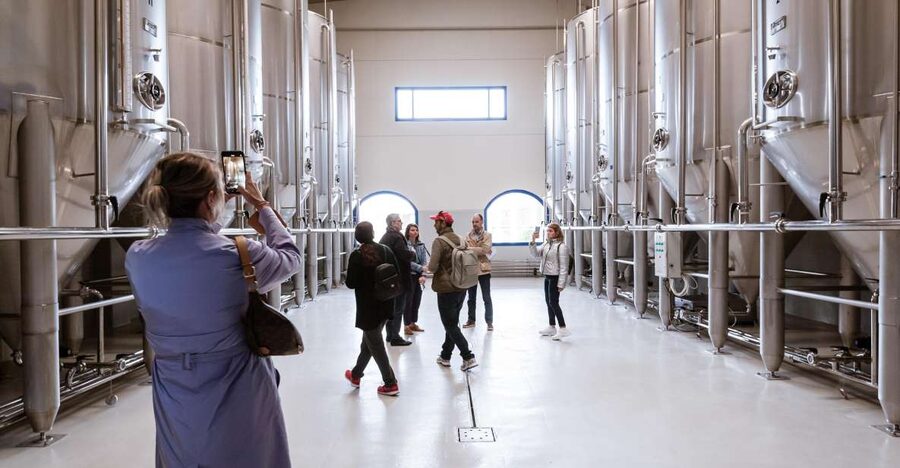
Forty-five minutes is long enough to make the tour meaningful and short enough to fit around other plans. You can use it as a morning stop, a break during a drive, or an introduction before eating at the on-site restaurant.
The compact schedule is also the main limitation. If you love industrial architecture, food science, or olive farming, you may wish the visit went deeper. The experience is designed to cover the main production stages and oil classifications, not every technical detail.
You should arrive ready to listen closely. A short tour works best when you pay attention to the guide’s explanations instead of expecting a large amount of free time to wander. The available information does not state the group size, so I would not assume a private or small-group format.
The tour is offered with a live guide in English. The feedback from English-language visits points to clear explanations and a friendly approach. If you need French, the available information does not confirm that language, and one French-speaking visitor specifically suggested adding it. Book only if the English format suits you, or confirm language availability before paying.
Is the $9 price good value?
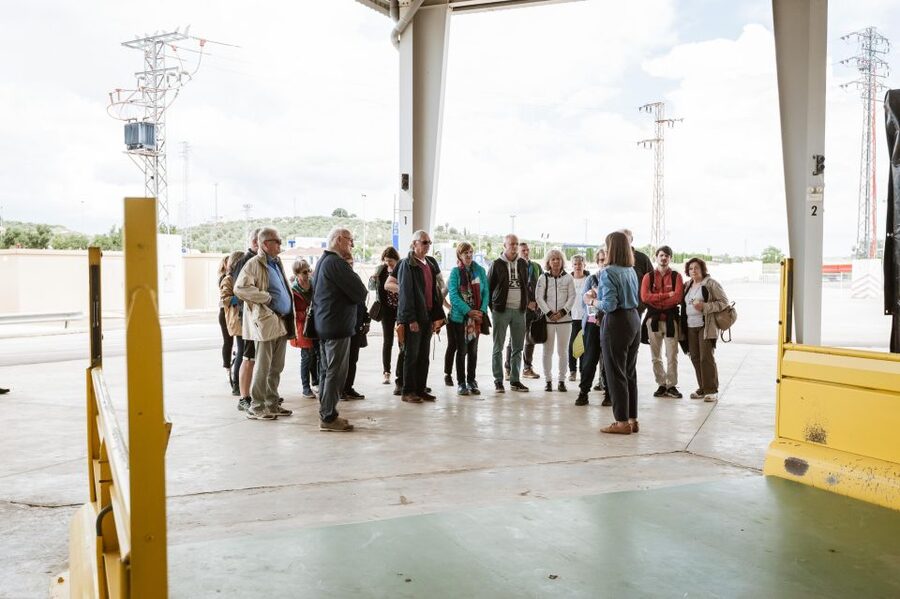
At $9 per person, this is one of the easier Andalusian food experiences to fit into a budget. You receive entrance to the mill, a 45-minute guided tour, and access to the toilets. The price does not include a listed meal or tasting, so its value comes from the explanation and access to the production spaces.
I consider that a fair price for a focused introduction. If you are already visiting Picualia for the restaurant or gourmet shop, the tour adds useful context at a modest extra cost. It can also prevent the visit from feeling like a simple shopping stop.
The value is strongest for people who enjoy knowing how a local product is made. It is less compelling if you want a long tasting session, a full-day farm visit, or a detailed agricultural workshop. The short duration keeps the cost low, but it also sets a limit on how much the guide can cover.
Flexible booking adds a little practical value. You can reserve now and pay later, and cancellation is available up to 24 hours before the visit for a full refund. Starting times depend on availability, so check the schedule before building your day around the tour.
Access, comfort, and who will enjoy it
Picualia is wheelchair accessible, which makes this a more practical choice for visitors who need an accessible setting. The tour includes use of the toilets, and the ticket validation point is inside the gourmet shop.
Families, couples, solo visitors, and food-minded groups can all fit this experience into a wider Andalusian itinerary. You do not need to be an olive oil expert. In fact, the tour may be most useful if you know little about the subject and want a plain explanation of what extra virgin olive oil means.
It also suits cooks and food shoppers who want to make better buying decisions. The sections on varieties and quality categories can help you read labels with more confidence.
You might skip it if your main interest is scenery, ancient architecture, or a long rural walk. The attraction here is the production process. You are visiting a working oil mill, not a broad outdoor estate tour.
Should you book the XXI Century Olive Oil Mill Tour?
Book it if you want a concise, affordable look at how Andalusian olive oil moves from fruit to bottle. The $9 price, clear English guidance, wheelchair access, and on-site restaurant make Picualia an easy stop to add to a food-centered day.
I would especially recommend it if you have never visited an oil mill or if olive oil labels leave you guessing. The main trade-off is simple: you get a well-focused 45-minute introduction, not an extended tasting or technical course.
Before booking, confirm the English format and starting time. If that suits your plans, Picualia offers a useful glimpse behind one of Spain’s most important food products without taking half a day from your itinerary.
FAQ
Where is the XXI Century Olive Oil Mill Tour located?
The experience takes place at PICUALIA, Aceites de oliva, Oleoturismo y Restaurante, in Andalusia, Spain.
How long does the tour last?
The guided tour lasts 45 minutes.
How much does the tour cost?
The listed price is $9 per person.
What does the tour include?
It includes entrance to the mill and use of the toilets.
What language is the tour offered in?
The live guided tour is offered in English.
Where do I validate my ticket?
You validate your ticket at the gourmet shop located inside the mill.
Is the mill wheelchair accessible?
Yes, the experience is listed as wheelchair accessible.
Does the tour include a restaurant meal?
A restaurant is located at the oil mill, but the tour information does not include a meal in the admission.
Can I cancel the booking?
Yes. You can cancel up to 24 hours in advance for a full refund. You can also reserve now and pay later.
Just added around Spain
- Visit to an olive oil mill and oil tasting with aperitif and food and wine pairing.★ 5.0 · 2 reviews
- Treurer: Tapas Gourmet and Extra Virgin Olive Oil★ 4.7 · 3 reviews
- Ulldecona: Guided Tour of the Millenary Olive Trees of Arión★ 5.0 · 2 reviews
- Treurer: Olive Oil Night. Gastronomic experience★ 5.0 · 15 reviews
- Olive Oil and Winery Tour from Zaragoza City★ 5.0 · 4 reviews
- Olive Oil Private Full-Day Tour with Tasting in Valencia★ 5.0 · 2 reviews
- Olive Oil Tour and Visit to Belchite Old Town★ 5.0 · 16 reviews
- Olive Oil Tasting and Culinary Day Trip in Carmona★ 5.0 · 2 reviews
Olive Mill and Factory Tours, compared.
Knossos-Zeus Cave -Old Traditional Villages-Olive Oil Factory
Read our review →
The Governor’s Olive Mill Tour with Olive Oil Tasting
Read our review →
Road-trip to Lasithi, Zeus Cave & Olive Mill Farm
Read our review →
Lassithi, Zeus Cave, Olive Mill Farm & Knossos Combo Tour
Read our review →
Zeus Cave, Lassithi Plateau, Olive Oil Factory, Kritza, Pottery
Read our review →
Zeus Cave, Lassithi Plateau, and Olive Factory Tour
Read our review →Browse the lists this tour appears in