
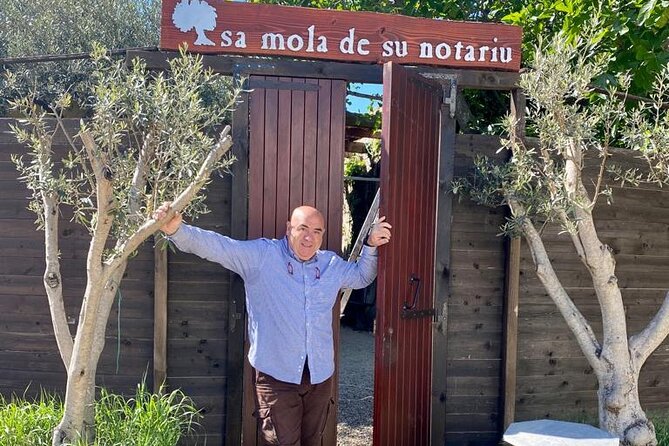
Review · SARDINIA
Cagliari Olive Oil Farm & Tasting (Since 1600, 20 Minutes Away)
Oil tells Sardinia’s story. This small-group visit near Cagliari turns olive oil into a hands-on lesson, with live mill production, a family museum dating back 400 years, and a tasting served with local food. I especially like the chance to learn from Francesco, the owner, and the rare look inside an underground oil cistern lit by ancient oil lamps.
I also like the practical side: you taste three house oils, learn how to judge quality, and can buy bottles directly with a 20 percent discount. The main point to consider is timing. The experience is advertised as about one hour in one place and as a 90-minute masterclass elsewhere, while some visits have lasted closer to two hours, so leave room in your schedule.
Key points to know before booking
- Family-run oil making since 1600: The museum connects present-day production with several generations of local olive farming.
- Three distinct oils to compare: You taste classic extra virgin olive oil, lemon-infused Limolio, and spicy Rogo del Tempio.
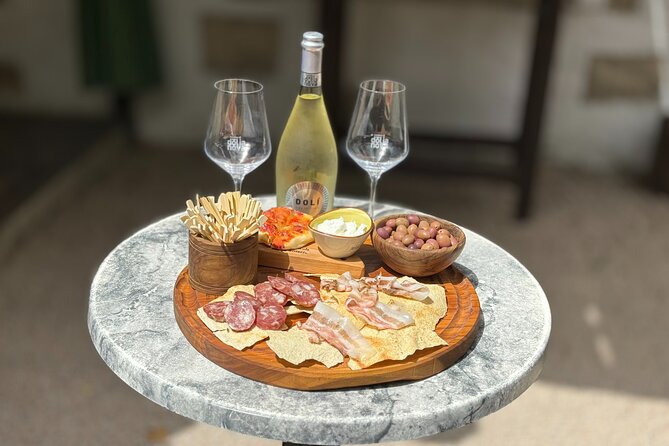
- A tasting with real food: Cured meats, olives, carasau bread, goat cheese, pizzette, and sparkling wine help show how each oil works at the table.
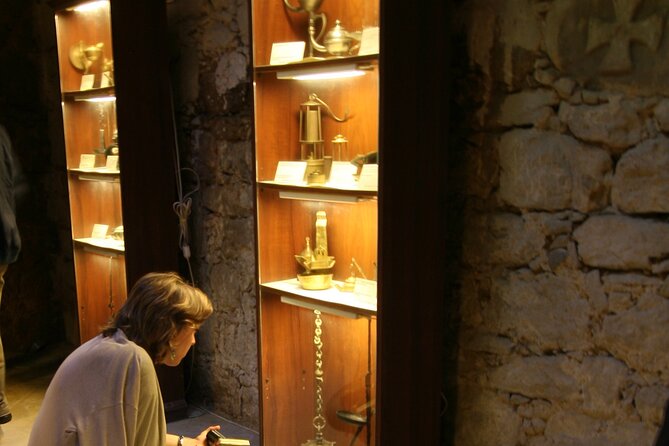
- An unusual underground cistern: Ancient oil lamps add a memorable historical detail to the production tour.
- Easy trip from Cagliari: The meeting point in Dolianova is about 20 minutes from Cagliari, with several daily start times.
- A very small group: The maximum is 10 people, and at least two people are required for the experience to operate.
Why this Dolianova oil visit is worth your time
Sardinia is famous for beaches, nuragic sites, and hearty food, but olive oil gives you a more everyday view of the island. At Sa Mola de su Notariu, you are not simply handed a tasting menu and sent on your way. You get a look at how oil is made, how it has been stored, and how local families have carried the work forward.
That makes this a good choice if you want an activity with some substance. You will leave with more than a souvenir bottle. You will have a better sense of what extra virgin olive oil should smell and taste like, plus a few simple ways to judge the oil in your own kitchen.
The visit is led in English and is limited to 10 people. That size matters. It gives you a better chance to ask questions, hear explanations, and taste at a comfortable pace. The owner, Francesco, is repeatedly praised for his warmth, humor, and passion for the subject. He has also made an effort to help mixed-language groups follow along, including pausing so another family member could translate.
The advertised price is $66.26 per person. That is not a bargain-basement tasting, but it includes much more than three small sips. You get the production tour, museum access, guided tasting, food, wine, and the chance to buy directly from the producer. If you enjoy regional food and want an experience rather than a quick shop stop, the price is reasonable.
More Olive Farm Visits around Italy:
- Sorrento Farm and Food Experience including Olive Oil, Limoncello, Wine tasting
★ 5.0 · 2,524 reviews - Alghero: Wine and Olive Oil Tasting at a Local Farm
★ 4.8 · 294 reviews - Organic cooking class with a sommelier in an Olive and wine farm
★ 5.0 · 69 reviews
From the oil museum to the family story
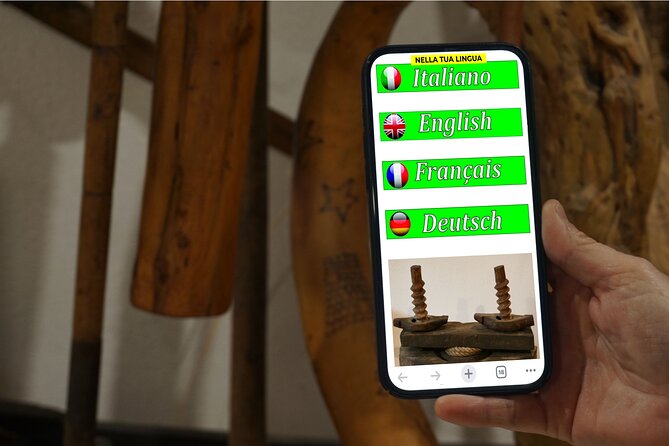
Your visit begins at Museo dell’Olio, also known as Sa Mola de su Notariu, at Viale Europa 18 in Dolianova. This is both a museum and the base for Olio del Tempio’s olive oil tourism program.
The museum’s most useful feature is its family connection. You learn about a farming tradition that reaches back roughly 400 years, rather than hearing a generic explanation of olive oil production. Photos, information boards, machinery, and the owner’s own account help connect the old methods with the modern mill.
I like this part because it gives the tasting a frame. Without it, the oils would simply be three flavored products on a table. Once you understand the labor, equipment, and storage behind them, the differences in taste make more sense.
The museum also helps explain why olive oil is more than a condiment in Sardinia. It is part of farming, hospitality, family work, and local cooking. The setting appears informal and personal, not like a large commercial visitor center. That is a strength if you prefer direct contact with a producer, though anyone seeking a polished, high-tech food museum may find the approach more traditional.
Seeing the mill and the underground cistern
The next part focuses on production. You get a live tour of the EVO mill, with EVO meaning extra virgin olive oil. The exact machinery on display can depend on the season and operating schedule, but the experience includes production information, photographs, equipment, and explanations from the owner.
The unusual feature is the underground oil cistern. Ancient oil lamps are part of this section, adding a clear sense of place. This is not just a technical stop. It shows how oil was stored before modern packaging and helps you picture the long working life of the property.
This portion is especially useful if you have ever wondered what separates extra virgin oil from ordinary olive oil. The visit is designed to show how olives become oil and how the finished product is assessed. Francesco’s teaching style is one of the strongest reasons to book. Several comments describe him as friendly, witty, and generous with answers.
Do not expect a full-day agricultural tour. You are getting a compact visit that mixes production, old storage methods, and tasting. The advertised masterclass lasts 90 minutes, while the general tour information describes the activity as approximately one hour. Some people have spent a couple of hours at the site, especially with the tasting and shop. I would plan for around 90 minutes or a little more, not a rushed one-hour appointment.
Tasting Olio del Tempio, Limolio, and Rogo del Tempio
The tasting is the heart of the visit. Instead of treating olive oil as one uniform flavor, you compare three different products.
Olio del Tempio is the classic extra virgin olive oil. Start here if you want the clearest sense of the producer’s standard house oil. Pay attention to its aroma, bitterness, and peppery finish. The point is not to swallow it quickly, but to notice how the oil changes as you taste it.
Limolio combines olives and lemon. It is recommended with seafood, salads, and fish carpaccio. The lemon character makes it easy to understand as a food-pairing oil. Try it with the goat cheese and bread provided, then think about how it might work on a simple salad or a plate of grilled fish at home.
Rogo del Tempio EVO is made with nine Sardinian herbs and has a spicy profile. It is suggested for grilled meats, pizza, and pecorino cheese. This is likely to be the most immediately distinctive of the three, especially when paired with the small pizzette served during the tasting.
The lesson here is practical. You learn that olive oil can be chosen in the same way you choose wine or cheese: match the character of the product to the food. You also receive enough guidance to test the oil you already have at home. One visitor said the experience prompted a new habit of comparing household oils, which is exactly the kind of lasting value a good tasting should provide.
More Olive Oil Tours around Italy:
- Olive oil tasting in Sorrento
★ 5.0 · 434 reviews - Sorrento: Lemon, Olive Oil and Wine Tasting Tour with Lunch
★ 5.0 · 300 reviews - Ostuni: Masseria tour among thousand-year-old olive trees with oil tasting
★ 4.8 · 261 reviews - Balestrate: Olive Grove Tour with Wines & Olive Oil Tasting
★ 5.0 · 241 reviews
The Sardinian food pairing is part of the lesson
The food is not an afterthought. It lets you see why each oil exists.
The spread includes natural olives, cured Sardinian meats, carasau bread, fresh goat cheese, pizzette, and sparkling wine. Carasau is the thin, crisp Sardinian bread often served as a snack or table bread. It works well as a simple base for tasting because it does not overpower the oil.
The goat cheese is served with Limolio, while the pizzette come with Rogo del Tempio. The menu also includes stuzzichini, or small savory bites, along with the meat and olive board. You may also receive a certificate at the end, based on the experience described by previous participants.
I like this setup because you do not have to imagine the pairings. You can taste them right away. A plain spoon or piece of bread may reveal an oil’s character, but food shows you how the product fits into real Sardinian cooking.
The sparkling wine adds a festive touch, but the meal is still a tasting rather than a full lunch. If you arrive very hungry, keep that in mind. The food is substantial enough to make the visit feel generous, but the main purpose remains education and comparison.
Buying direct and choosing what to take home
The visit ends back at the meeting point, where you can browse the shop and buy the products you enjoyed. A 20 percent on-site discount makes this more appealing than buying a bottle at random in a supermarket.
Buying direct also solves a common souvenir problem. Bottles of oil can look similar, and labels do not always tell you much about flavor. After tasting all three, you can choose based on actual preference. The classic Olio del Tempio makes sense for everyday use, Limolio suits seafood and salads, and Rogo del Tempio is the more forceful choice for pizza, meat, or cheese.
You can also look for olive salt, which one visitor particularly enjoyed during the tasting. That detail suggests the shop includes more than bottles of oil, though the supplied information does not list a complete product range.
Think about luggage before buying. The experience allows you to take products home, but you should check your airline’s current rules for liquids and packed food. The direct discount is useful, but it is not a reason to purchase something you will not use. Taste first, then decide.
Getting there from Cagliari
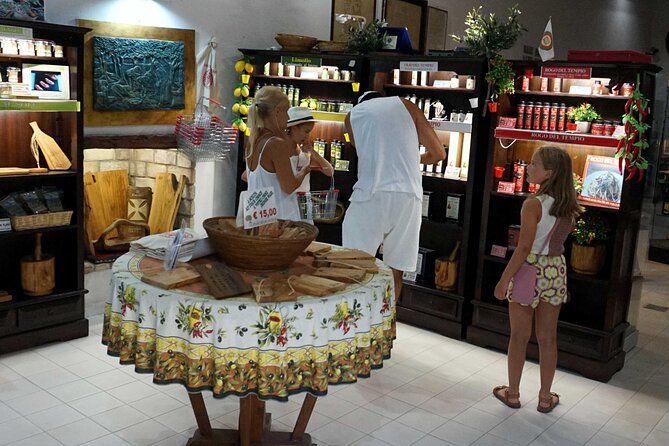
The farm and museum are in Dolianova, about 20 minutes from Cagliari. The meeting point is Sa Mola de su Notariu Oil Museum, Olio del Tempio, at Viale Europa 18, 09041 Dolianova, in the province of South Sardinia.
The experience is near public transportation, but no pickup service is listed. You should plan your own way to the meeting point and confirm the exact route before setting out. Mobile tickets are accepted, which keeps the arrival simple.
Start times are listed at 10 a.m., noon, 3 p.m., and 5 p.m. This makes it fairly easy to fit around a morning in Cagliari or another meal. The 5 p.m. slot may work well if you want an afternoon outing, but remember that the visit can run longer than the shortest advertised duration.
The activity requires at least two people and accepts a maximum of 10. That makes it suitable for couples, families, and small groups. A French-speaking family with two teenagers found the visit engaging even for the younger members, which suggests the presentation is not limited to serious food specialists.
Service animals are allowed. Confirmation is provided at booking, and free cancellation is available if you cancel at least 24 hours before the start time. If bad weather prevents the visit, you are offered another date or a full refund. The same applies if the minimum number is not reached.
Who will enjoy this experience most?
I would recommend this for food-minded visitors who want a close look at one Sardinian product. It is also a good choice for anyone staying in Cagliari who wants a short countryside outing without committing to a full-day excursion.
Families can do well here, especially if children or teenagers enjoy tasting, stories, and hands-on explanations. The friendly presentation matters. This is not a silent museum walk, and questions are welcome.
The visit suits beginners better than oil experts. If you already work in olive production or have taken several professional tastings, the basic explanations may feel familiar. For most people, though, the mix of history, machinery, food, and guided comparison should feel useful rather than technical.
It may not suit you if you want a large meal, a broad tour of Sardinia, or a long walk among olive trees. The supplied details focus on the museum, mill, cistern, tasting, and shop. This is a compact food experience, not a full farm day.
Should you book the Olio del Tempio visit?
Yes, if you want a friendly and focused Sardinian food experience close to Cagliari. The best reasons are the family connection, Francesco’s engaging teaching, the old underground cistern, and the chance to taste three oils with food instead of sampling them in isolation.
The $66.26 price makes the most sense when you count the museum, mill visit, generous pairing, wine, certificate, and 20 percent shop discount. Check the timing before booking, and plan for roughly 90 minutes or possibly longer. If that fits your day, this is a useful stop for learning how to taste olive oil and a pleasant way to take a small piece of Sardinia home.
FAQ
Where does the olive oil experience begin?
It begins at Sa Mola de su Notariu Oil Museum, Olio del Tempio, Viale Europa 18, 09041 Dolianova, Sardinia, Italy.
How far is the museum from Cagliari?
The museum is about 20 minutes from Cagliari.
How long does the experience last?
The tour information describes it as approximately one hour, while the masterclass is described as 90 minutes. Some visits have lasted closer to two hours, so allow extra time.
What start times are available?
Start times are listed at 10 a.m., noon, 3 p.m., and 5 p.m.
What olive oils are included in the tasting?
You taste Olio del Tempio extra virgin olive oil, Limolio made with olives and lemon, and Rogo del Tempio EVO made with nine Sardinian herbs and described as spicy.
What food is served?
The tasting includes cured Sardinian meats, sparkling wine, natural olives, carasau bread, fresh goat cheese, pizzette, and other small savory bites.
Is the tour offered in English?
Yes. The experience is offered in English.
How many people can join?
The maximum group size is 10 people, and the experience requires at least two participants.
Can I buy olive oil after the tasting?
Yes. You can buy the oils and other products directly at the shop, with a 20 percent discount on-site.
What happens if I need to cancel?
You can receive a full refund if you cancel at least 24 hours before the local start time. Cancellations or changes made less than 24 hours in advance are not refunded or accepted.
Just added around Italy
- Villa Castelli: Highlights Walking Tour w/ Olive Oil Tasting★ 4.8 · 12 reviews
- Umbria: E-Bike Rental and Fresh EV Olive Oil Tasting★ 5.0 · 4 reviews
- Vernazza (5 Terre): olive grove tour and oil and wine tasting★ 5.0 · 9 reviews
- Trieste’s Essence: Wine and Olive Oil Tasting★ 5.0 · 3 reviews
- Half-Day Chianti Wine and Olive Oil Tour from Viareggio★ 4.0 · 5 reviews
- From Venice: Olive Oil & Wine Tour in the Venetian Hills★ 5.0 · 9 reviews
- Valpolicella Wine and Olive Oil Tasting with Lunch from Verona★ 5.0 · 2 reviews
- Private Tuk Tuk Tour of the Millenary Olive Groves in Ostuni★ 5.0 · 4 reviews
Olive Farm Visits, compared.
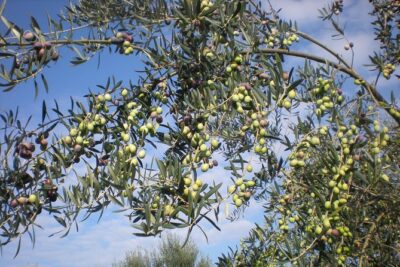
Sorrento Farm and Food Experience including Olive Oil, Limoncello, Wine tasting
Read our review →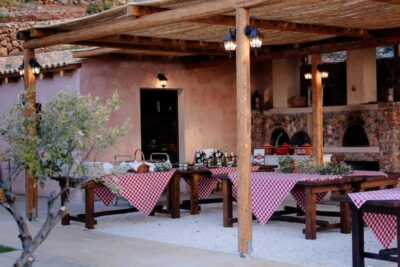
Road-trip to Lasithi, Zeus Cave & Olive Mill Farm
Read our review →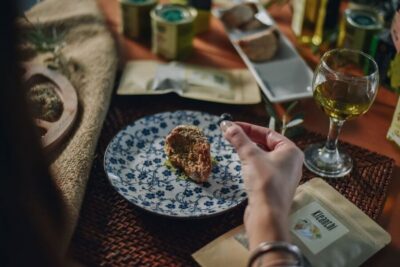
Olive Farm Tour with Tasting of Local Delicacies
Read our review →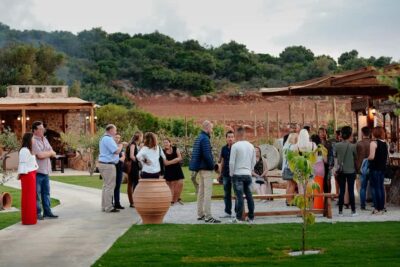
Lassithi, Zeus Cave, Olive Mill Farm & Knossos Combo Tour
Read our review →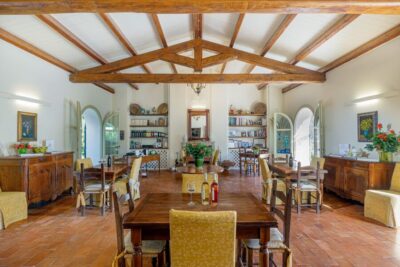
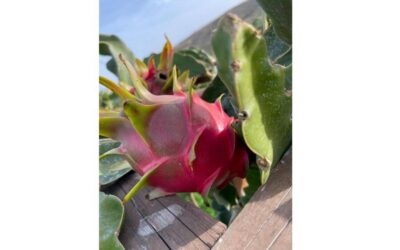
Traditional Olive Grove and Dragon Fruit Farm Tour
Read our review →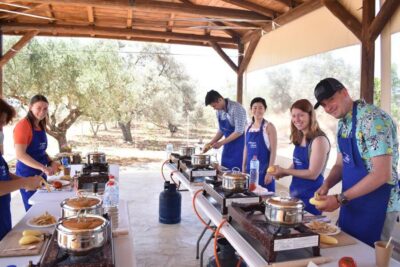
Cooking Class and Olive Oil Tasting at a Family Farm
Read our review →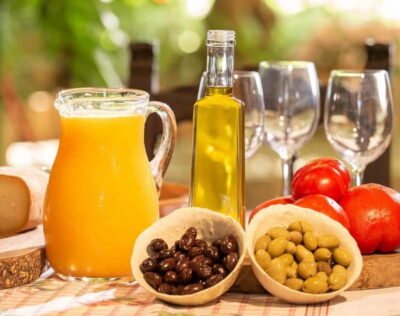
Sóller: Olive Oil Guided Tour and Tasting at Can Det Estate
Read our review →Browse the lists this tour appears in