
Review · ANDALUSIA
Jaen: Olive oil tour with the 5 senses, grove and tasing
Olive oil tastes better when you know its story. This two-hour visit to Aires de Jaén in Jabalquinto combines a walk through three olive plantations with a look inside the oil mill and a guided tasting. I like the clear comparison between super-high-density, intensive, and traditional farming, and I like that the tasting is led by people from the estate’s own laboratory. The main drawback is the meeting point: the property includes an office complex, and clear directions to the correct building would make arrival easier.
At $23 per person, this is a good-value choice for anyone curious about Spanish food production rather than simply looking for a quick sample. The tour is outside for part of the time, so bring a hat, sunglasses, water, and comfortable shoes. It is wheelchair accessible, though the grove portion may still be worth confirming when you book.
Key points at a glance
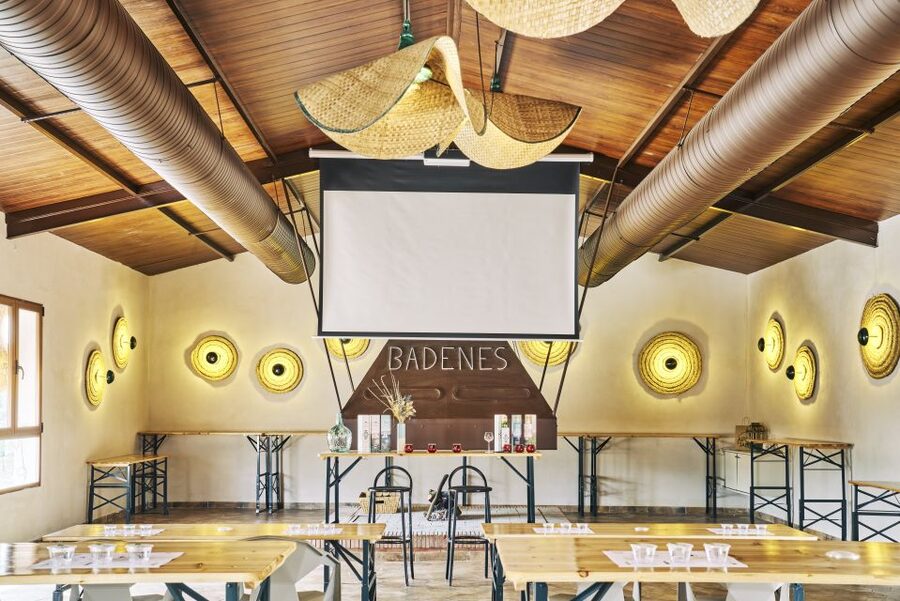
- Three olive-farming methods in one estate: Compare super-high-density, intensive, and traditional cultivation at Finca Badenes.
- A real look at production: Visit the oil mill and learn how mechanical extraction produces extra virgin olive oil.
- A proper sensory tasting: Staff from the Aires de Jaén laboratory explain how to assess oil by smell, taste, and other sensory clues.
- Tapas are included: The tasting comes with small food pairings, but lunch is not part of the visit.
- Useful for food lovers and curious families: The hands-on format and clear explanations make olive growing easier to understand.
- Simple two-hour commitment: The tour fits well into a day exploring Jaén province, provided you can reach the estate in Jabalquinto.
Why this Jaén olive oil tour is worth your time
Jaén is closely tied to olive oil, and this visit gives you a practical way to understand why. You are not only shown a bottle and told that the oil is good. You see the trees, compare farming systems, visit the mill, and then taste the finished product.
That order matters. Once you have seen how trees are planted and cared for, the tasting makes more sense. You can connect the flavor in the glass with the variety of olive, the growing method, and the production process.
I especially like the way the experience covers both farming and food. Many tastings focus only on flavor. Here, you also learn why some plantations have tightly packed trees, why others use more space, and how traditional cultivation differs from newer methods.
The tour has earned a 4.9 rating from 53 bookings, with particular praise for the friendly, patient guiding and the amount of information shared. One participant described the visit as calm and welcoming, while another found it especially useful for understanding different olive varieties and oils. That gives you a good sense of the mood: educational, relaxed, and not rushed.
More Olive Grove Walks around Spain:
- Visit of the olive grove, olive oil tasting and snack
★ 4.9 · 111 reviews - Córdoba: Visit a family organic olive grove with tasting
★ 5.0 · 30 reviews - Granada in EVOO: Olive grove guided tour and sensory tasting
★ 4.8 · 26 reviews
Starting at Finca Badenes in Jabalquinto
Your visit begins at the Aires de Jaén estate, at Finca Badenes near Jabalquinto. The setting is important because the first part of the tour takes place among the olive trees rather than in a classroom.
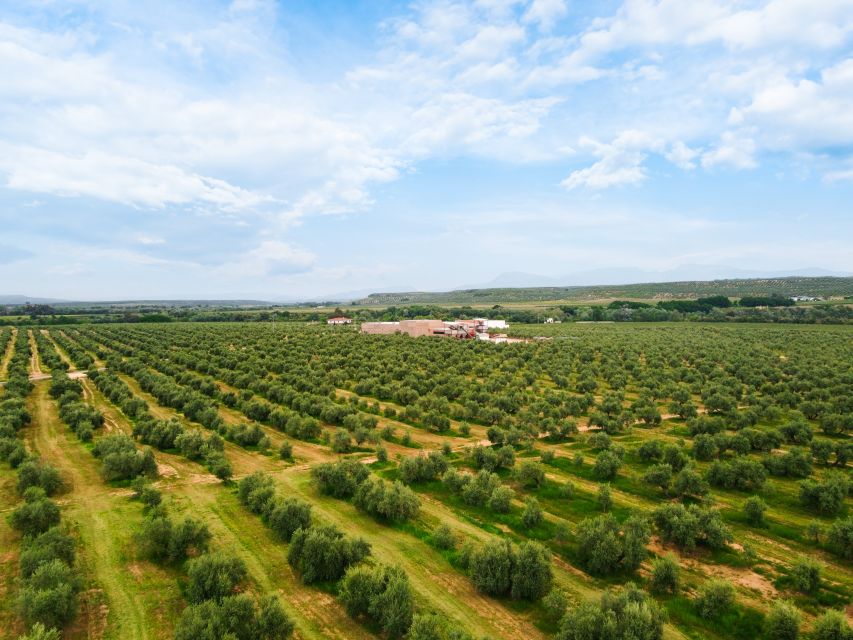
The estate shows three different plantation systems. You learn about super-high-density cultivation, intensive cultivation, and traditional olive farming. Seeing them side by side is more useful than hearing a short definition of each because the spacing and layout of the trees become part of the lesson.
Super-high-density planting uses closely spaced trees and a more compact arrangement. Intensive cultivation also aims to produce olives efficiently, but the layout differs. Traditional farming generally gives each tree more room and creates a different relationship between tree, soil, and harvest.
The exact visual details can vary by season, but the contrast between the three systems gives you a strong framework for understanding modern olive production. You will also learn about different olive varieties and how their oil can be used.
This section is best for visitors who want context. If you only want to taste oil, the grove walk may feel like extra time. I think it earns its place because it shows that olive oil is shaped long before it reaches the tasting table.
Walking through three types of olive cultivation
The grove visit is not just a scenic stroll. Your guide explains how olives are grown and why producers use different methods. That includes the practical side of cultivation, such as planting density and the ways farming choices affect production.
The comparison helps you see that there is no single olive farm model. Traditional cultivation has its own character, while intensive and super-high-density systems are designed around different production goals. The tour gives you a chance to consider the trade-offs without reducing the subject to a simple old-versus-new argument.
You also learn about the different uses of olive oil varieties. Some oils may be better suited to finishing a dish, while others work well in cooking. The point is not simply to memorize names. It is to understand why an oil’s aroma, flavor, and character can make it a better match for one use than another.
Wear shoes that work on outdoor surfaces, along with comfortable clothing. Sunglasses and a hat are sensible because part of the tour takes place in the open air. Bring water, particularly during warmer months.
The visit is offered in English and Spanish. If you need a particular language, check the available starting time when booking.
Inside the oil mill: how extra virgin oil is made
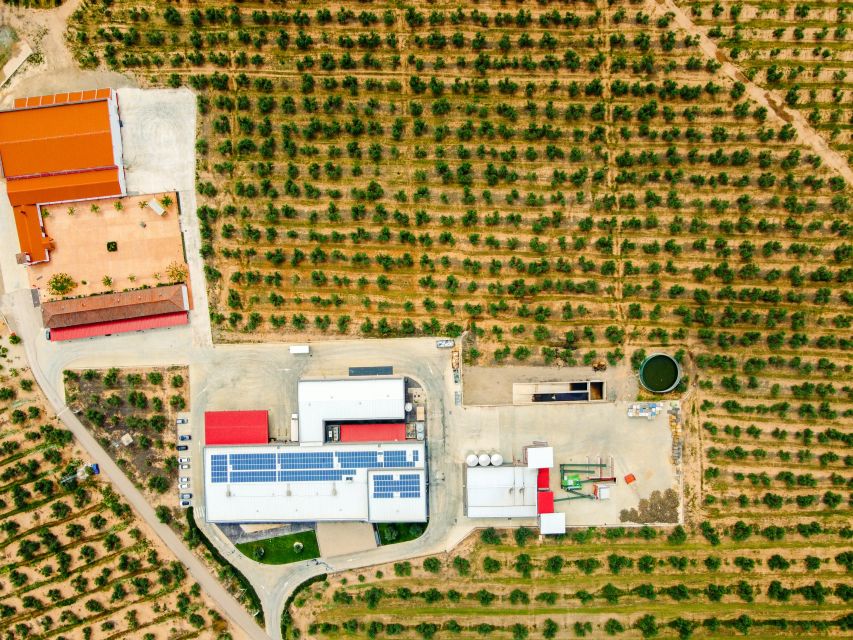
After the grove, the tour moves indoors to the oil mill. This change of setting helps connect the farming lesson with the production process.
You learn about the mechanical method used to obtain extra virgin olive oil. The focus is on how the olives are processed without relying on a chemical extraction method. The guide explains the stages involved in turning freshly harvested olives into oil, giving you a clearer idea of why timing and handling matter.
For many people, this will be the most useful part of the visit. Bottles often use terms such as extra virgin, cold extraction, or mechanical process, but those words can remain vague until someone explains what they mean in practice. Here, you can ask questions and see the production area as part of a working estate.
The mill portion also provides a break from the outdoor walk. That makes the two-hour length feel manageable, especially if you are visiting with children or anyone who prefers a mix of indoor and outdoor activities.
Do not expect a long industrial tour with every piece of machinery operating during your visit. The available information confirms a visit to the mill and an explanation of mechanical production, but it does not promise that you will see every stage in active operation. Think of it as a guided introduction to the process rather than a full-day technical training session.
More Olive Oil Tours around Spain:
- Ronda: LA Almazara LA Organic, Olive Oil Museum and Tasting
★ 4.6 · 435 reviews - Guided tour and olive oil tasting in Alhaurin el Grande (Málaga)
★ 5.0 · 200 reviews - Guided Tasting Tour in 16th century House and Olive Oil Factory
★ 5.0 · 169 reviews - Visit Oil Mill Museum and Olive Oil Tasting in Ronda
★ 4.5 · 105 reviews
The sensory tasting with Aires de Jaén staff
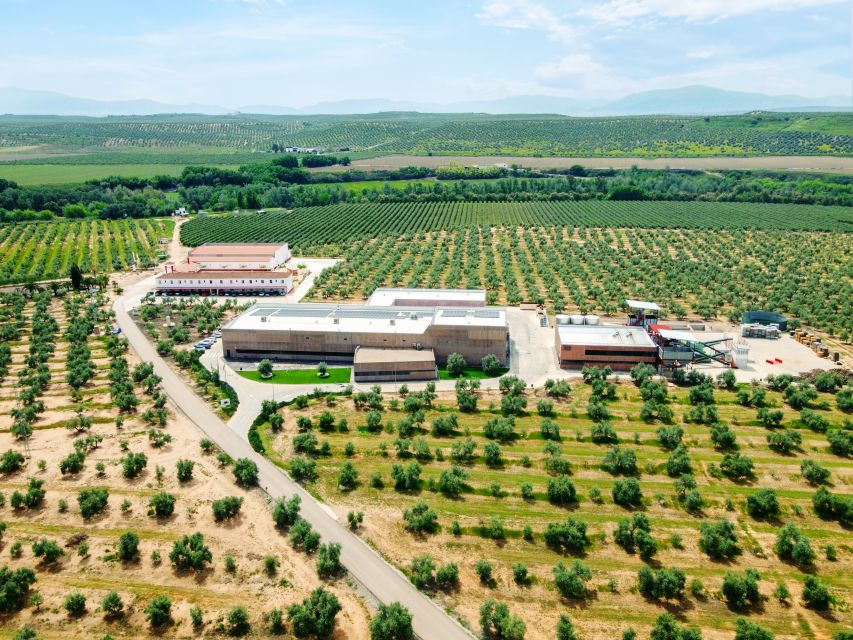
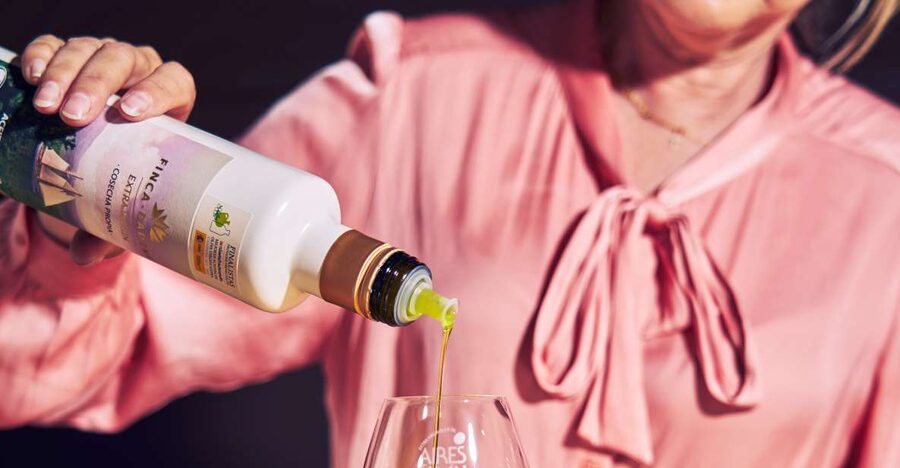
The final part is an olive oil tasting led with help from professionals from the Aires de Jaén laboratory. You learn how to carry out an organoleptic, or sensory, tasting.
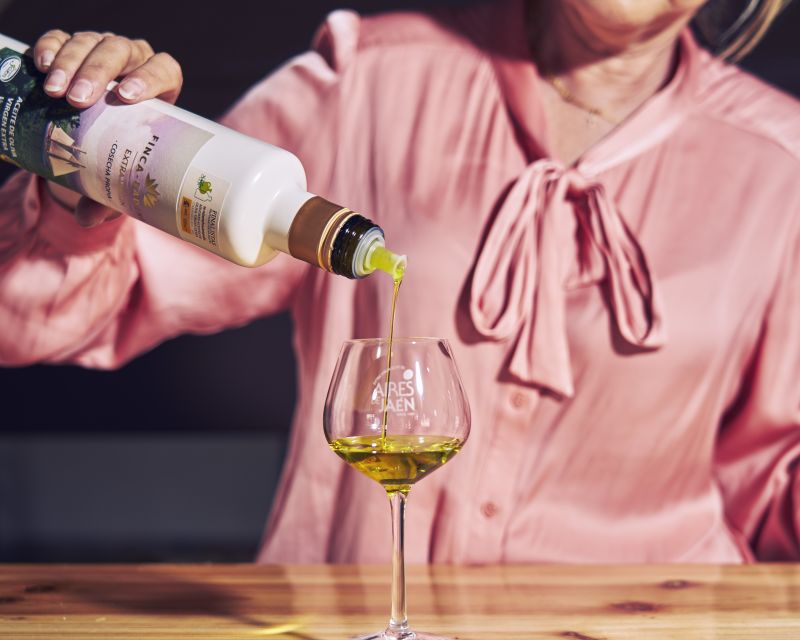
That means you use your senses to assess the oil. You pay attention to aroma, flavor, and the overall impression in the mouth. The tasting gives you a method, not just a series of samples placed on the table.
I like this approach because it helps you slow down. Instead of treating olive oil as a background ingredient, you begin to notice its qualities. You may learn to distinguish fresh, pleasant notes from flavors that suggest a problem. The tour also lets you compare different oils, which is far more useful than tasting one sample in isolation.
Several people particularly praised the interactive nature of the tasting. One German-speaking participant described the visit as a very cool interactive tour followed by samples of different olive oils. Another visitor from Mexico found it especially interesting as an experience for olive oil enthusiasts.
Tapas are included, which gives you something to eat alongside the tasting. This is a helpful touch because food can show how an oil works with other flavors. It does not replace lunch, however. If you need a full meal afterward, plan for that separately.
What the $23 price really gets you
At $23 per person, the cost is modest for a two-hour guided experience that includes the estate visit, grove walk, oil mill, professional tasting, and tapas. You are paying for more than admission to a building. The price covers access to several parts of the production process and guidance from staff who work with the oil directly.
The value is strongest if you are already interested in Spanish food, regional agriculture, or cooking. You leave with a better understanding of what makes extra virgin olive oil different from ordinary olive oil, and you may also gain practical ideas about choosing oils for different dishes.
The price is less compelling if you are passing through Jaén with very little time and have no interest in olive production. The estate is in Jabalquinto, so you need to account for getting to the meeting point. The tour itself lasts two hours, but your total time commitment will be longer once transport is included.
The included tapas improve the value, but lunch is not included. Treat the food as part of the tasting rather than a meal.
Meeting point and practical arrival advice
The meeting point is the Aires de Jaén estate in Jabalquinto. One useful point to know before you arrive is that the estate includes an office complex. Allow yourself enough time to locate the correct meeting area rather than assuming the first building you see is the tour entrance.
This may sound minor, but it can prevent a rushed start. If you are driving, check the exact meeting instructions before leaving. The available information does not provide a transfer service, so you should arrange your own way to the estate.
The tour is wheelchair accessible. That is a meaningful advantage, though the experience includes a walk through olive plantations, so anyone with specific mobility needs should confirm the outdoor route and surface conditions before booking.
Comfortable shoes are essential. Add sunglasses, a hat, water, and clothes suited to outdoor conditions. The clothing advice is simple, but it fits the visit well: you move between groves, the mill, and the tasting area.
Free cancellation is available up to 24 hours before the visit for a full refund. You can also reserve now and pay later, which helps if your route through Andalusia is still changing.
Who will enjoy this experience most
This tour suits food lovers who want to understand an ingredient at its source. It is also a good fit for people interested in farming, sustainability, regional products, or the practical side of Spanish cooking.
I would recommend it to couples and families who prefer a calm, guided activity with a clear beginning and end. The interactive explanations can help children connect a familiar kitchen ingredient with the trees and machinery that produce it, though young children may find the technical sections less exciting.
It also works well for visitors who have already seen the main sights of Jaén and want a different kind of local experience. The focus is not on monuments or city streets. It is on one product that shapes the food culture of the province.
You may want to skip it if you dislike tastings, outdoor walking, or agricultural visits. The experience is built around those elements. It is not a general sightseeing tour of Jaén, and it does not include lunch or transport.
What the strongest praise tells you
The most consistent positive points are the guides, the clear explanations, and the chance to taste several oils after seeing how they are made. The high rating also reflects the personal tone of the visit. A Dutch participant appreciated a friendly guide who took time to answer every question, while another praised the guide’s competence and the amount learned about olive growing, varieties, and oils.
That suggests you should feel comfortable asking questions during the tour. The format is not simply a recorded presentation. The guide-led approach gives you room to clarify the differences between farming systems and oil types.
The location also receives positive attention. One person enjoyed both the outdoor and indoor parts of the visit, which is useful to know if you want variety rather than a tasting held entirely inside.
The only practical criticism was about finding the meeting point within the office complex. Take that seriously, and look up the exact arrival details before you go.
Should you book the Aires de Jaén tour?
Book it if you want a focused, affordable introduction to olive oil in Jaén. For $23, you get a grove visit, a comparison of three cultivation methods, an oil mill explanation, a guided sensory tasting, and tapas. That is a strong package for two hours.
I would make it a priority if you cook often with olive oil or want to understand why Spanish oils differ in taste and use. The visit gives you enough production context to make the tasting meaningful.
Skip it if your schedule is packed, you cannot easily reach Jabalquinto, or you are looking only for a full meal. For everyone else, this is a practical way to see the olive oil process from tree to glass without spending half a day on a specialist course.
FAQ
How long does the Aires de Jaén olive oil tour last?
The tour lasts two hours.
Where does the tour meet?
You meet at the Aires de Jaén, S.L. estate in Jabalquinto.
What languages are available?
The live tour guide is available in English and Spanish.
What does the tour include?
It includes the olive estate tour, a guide, an extra virgin olive oil tasting, and tapas.
Is lunch included?
No. Lunch is not included.
Is the experience wheelchair accessible?
Yes, the experience is listed as wheelchair accessible.
What should I bring?
Bring comfortable shoes, sunglasses, a hat, water, and comfortable clothing.
Just added around Spain
- XXI Century Olive Oil Mill Tour★ 5.0 · 3 reviews
- Visit to an olive oil mill and oil tasting with aperitif and food and wine pairing.★ 5.0 · 2 reviews
- Ulldecona: Guided Tour of the Millenary Olive Trees of Arión★ 5.0 · 2 reviews
- Treurer: Tapas Gourmet and Extra Virgin Olive Oil★ 4.7 · 3 reviews
- Treurer: Olive Oil Night. Gastronomic experience★ 5.0 · 15 reviews
- Olive Oil and Winery Tour from Zaragoza City★ 5.0 · 4 reviews
- Olive Oil Private Full-Day Tour with Tasting in Valencia★ 5.0 · 2 reviews
- Olive Oil Tour and Visit to Belchite Old Town★ 5.0 · 16 reviews
Olive Grove Walks, compared.
Masseria tour among thousand-year-old olive trees with oil tasting
Read our review →
Olive Grove Tour with Wines & Olive Oil Tasting
Read our review →
Traditional Olive Grove and Dragon Fruit Farm Tour
Read our review →
Visit of the olive grove, olive oil tasting and snack
Read our review →
Bologna: Olive Grove and Vineyard Tour with Product Tastings
Read our review →
Balestrate Olive Grove Tour: Wine and Olive Oil Tasting
Read our review →
Guided tours of the olive grove with oil tasting.
Read our review →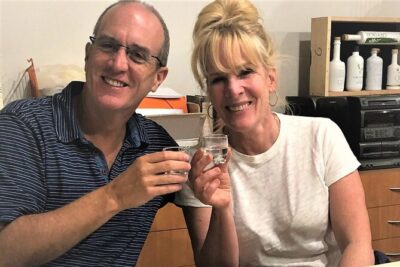
Organic Olive Grove tour & Olive oil tasting & lunch in Kalamata!
Read our review →Browse the lists this tour appears in