
Review · PELOPONNESE
Kalamata: The Olive Oil Routes Tour
Olive oil tastes better when you know its story. This 3.5-hour tour takes you from the castle of Androusa into old olive groves, a family-run mill, and a guided tasting table where you learn to tell good oil from merely ordinary oil. I especially like the family connection to olive farming and the chance to compare several Greek varieties instead of tasting only one. The food pairings also turn a lesson into lunch, with olives, cheeses, smoked ham, olive paste, lalaggia, and other local bites.
The main thing to consider is transportation. There is no hotel pickup, so you need a car or taxi to reach the castle, about 20 minutes from Kalamata and 10 minutes from Ancient Messene. Also, the tour is partly outdoors, so summer sun, uneven ground, and warm conditions call for comfortable shoes, a hat, and sunscreen.
Key points to know before booking
- The castle meeting point matters: Meet outside the 13th-century Castle of Androusa on the main road, even if your booking app gives less clear directions.
- You visit a five-generation olive family: The tour connects the groves and mill to the people who have worked this land for generations.
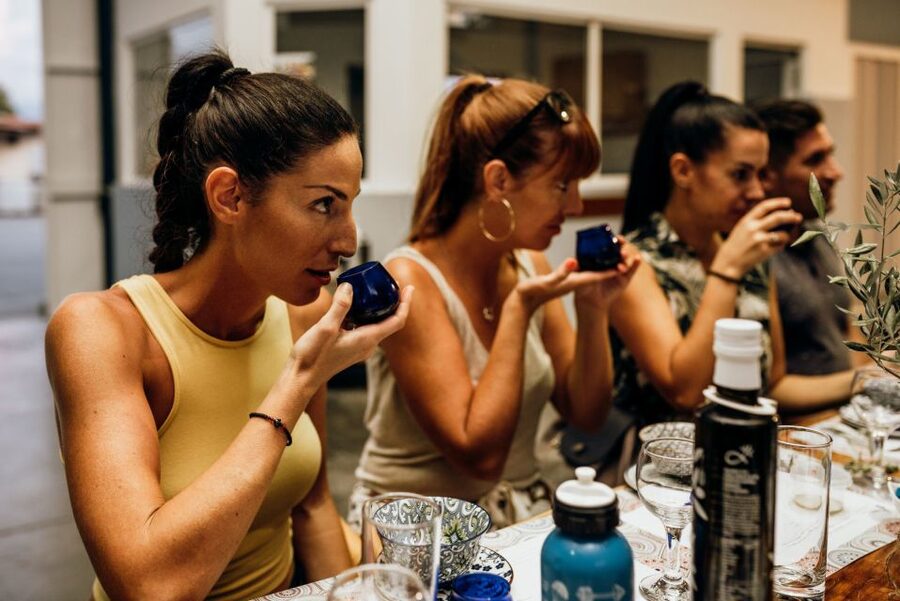
- The tasting is hands-on: You sample Koroneiki, Manaki, Xalkidikis, and Mavroelia oils in blue tasting glasses.
- Food is part of the lesson: You match olive oils with at least four foods, including Kalamata olives, olive paste, sfela, lalaggia, and pasto.
- Dimitra is a major part of the experience: She is an olive oil taster and uses stories, questions, and simple games to involve the group.
- It works for mixed ages: Families with children, older adults, and visitors with dietary needs have found the format friendly and adaptable.
Starting at the Castle of Androusa

The tour begins outside the 13th-century Castle of Androusa, in the heart of Messinia. This is not a central Kalamata pickup, so plan the drive carefully. The castle is about 20 minutes from Kalamata and 10 minutes from Ancient Messene, making the tour a useful addition to a day exploring the wider area.
The castle gives the opening walk a sense of place. You are not starting in a polished tasting room with no connection to the land. Instead, you begin among old stone remains and olive trees, with stories about the castle, local traditions, and the role of olives in Greek life.
The first walk is gentle in spirit, but you should still wear practical shoes. The tour moves through outdoor areas and groves, so this is not the place for delicate sandals or uncomfortable city shoes. A sun hat and sunscreen are sensible at any time of year, especially during the warmer months.
One useful detail: the meeting point is outside the castle on the main road. If your phone directs you somewhere else, use the castle entrance information supplied for the tour and allow a little extra time to get your bearings.
More Olive Oil Tours around Greece:
- Crete: Quad Safari, Olive Mill with Tasting & Ghost Village
★ 4.9 · 1,004 reviews - Knossos-Zeus Cave -Old Traditional Villages-Olive Oil Factory
★ 5.0 · 694 reviews - The Governor’s Olive Mill Tour with Olive Oil Tasting
★ 5.0 · 502 reviews
Walking among Messinia’s old olive trees
The olive walk is more than a scenic introduction. It explains why olives are tied so closely to Messinian food, work, family, and local identity.
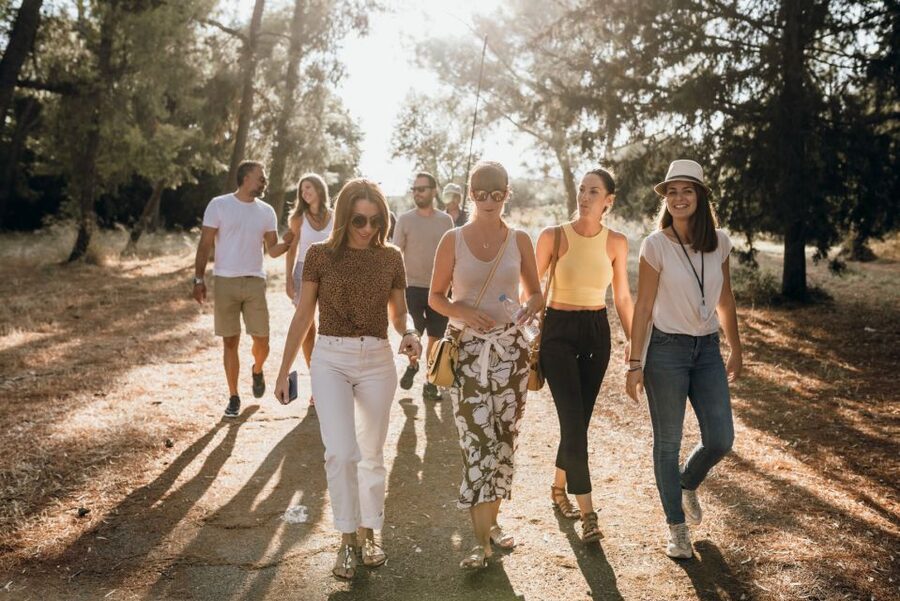
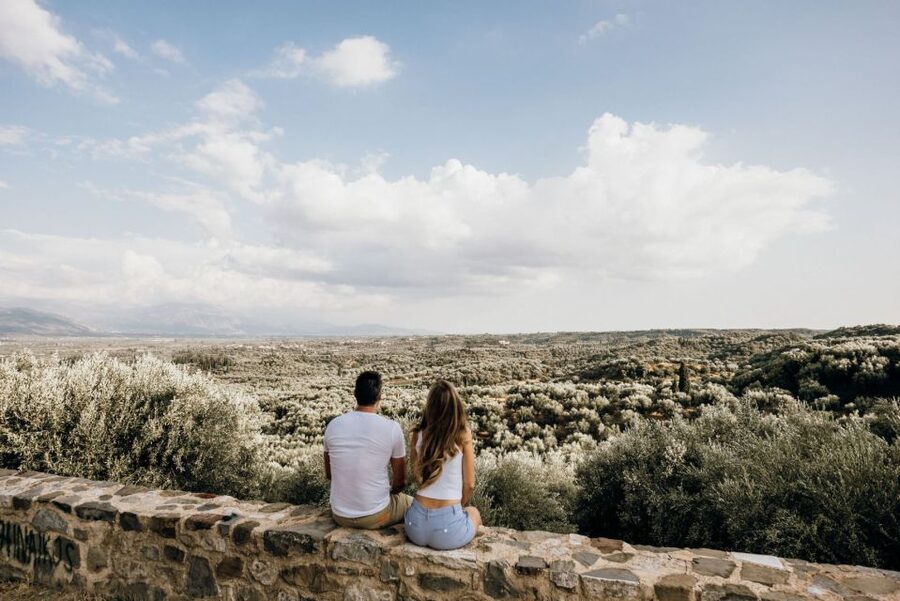
You walk through groves with perennial olive trees while the guide explains different varieties and the way the trees record the story of the land through their twisted trunks and old growth. The tour also brings in mythical stories connected with the castle trees, which gives the setting a human and cultural feel rather than treating the grove as a simple photo stop.
Dimitra’s family connection makes this section especially personal. She has guided visitors through her family’s olive farm and explained how olive farming has supported Greek families across generations. Athanasia has also led tours here, speaking with warmth about the value of family and land.
I like this part because it gives context before the tasting begins. Without it, you might sample an excellent oil and remember only its peppery finish. After the grove walk, you have a better sense of the work behind the bottle and why an olive tree can matter to a family for decades.
The outdoor portion has a few limits. It is not a long wilderness walk, and the attraction is the story, trees, and setting rather than a strenuous hike. If you want a full agricultural workday or an extended nature walk, this tour will feel too short. If you want an accessible introduction to Messinian olive culture, the pace should suit you well.
Inside a 120-year-old olive oil mill
In Androusa village, the tour visits an olive oil press and mill that has operated for more than 120 years. The fifth-generation owner explains how olives become extra virgin olive oil, including extraction, storage, and standardization.
This is where the tour becomes practical. You learn that producing good oil is not only about growing olives. The handling of the fruit, the pressing process, storage conditions, and final preparation all affect what reaches your table.
The family-run setting gives the explanation more weight. You are hearing about a working tradition passed through five generations, not just a general presentation repeated in a visitor center. Dimitra and the mill team explain the process in a friendly, conversational way, and they make room for questions.
You may also learn about table olives and the differences between olive varieties used in the region. That is useful if you plan to buy olive oil or olives during your stay. The tour gives you a better vocabulary for asking what you are buying and a clearer idea of why two Greek oils can taste so different.
The mill is one of the strongest parts of the outing, but keep your expectations realistic. It is a visit to a historic working press, not a large industrial plant with a lengthy production demonstration. The point is understanding the process and meeting the people connected to it.
Learning to taste oil in blue glasses
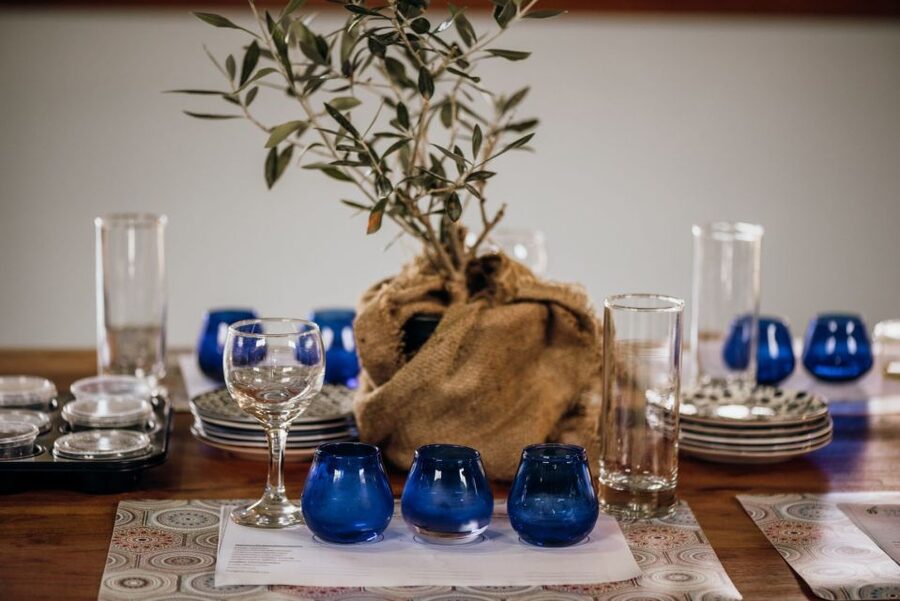
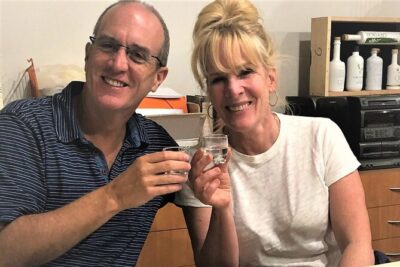
The tasting session takes place around a table set with special blue olive oil tasting glasses. These glasses are designed to help you focus on the oil’s smell and flavor rather than its color.
A certified olive oil taster leads the session. Dimitra has been praised for making the information easy to follow, asking questions, using names, and encouraging everyone to take part. Her style includes simple games and group activities, which can sound basic on paper but work well for families and mixed groups.
You begin with extra virgin olive oil made from the Koroneiki variety, a Greek olive with a strong place in the country’s oil tradition. You learn to notice the qualities that help define extra virgin olive oil, including aroma, taste, bitterness, and the peppery sensation that can appear at the back of your throat.
Then you compare other Greek varieties, including Manaki, Xalkidikis, and Mavroelia. This comparison is the real value of the tasting. A single sample can tell you that you like olive oil. Several samples can show you which flavors suit your cooking and which oil works best with delicate or bold foods.
The tasting is not a wine-style performance where you are expected to use fancy language. You are guided through the basics and encouraged to make your own judgments. That makes the session suitable for beginners, while people who already buy specialty olive oil should still find the variety comparison worthwhile.
One honest note: if you do not enjoy tasting strong oils, you may find some samples bitter or peppery. Those traits can be signs of freshness and quality, but they are not to everyone’s taste. The food pairings help soften the lesson and show you how oil changes when used with other ingredients.
Same groves, a different afternoon:
- From Chania: Olive Oil, Wine, Cheese & Honey Tasting Tour
★ 4.6 · 490 reviews - Crete: Road-trip to Lasithi, Zeus Cave & Olive Mill Farm
★ 4.4 · 451 reviews - Heraklion: Olive Farm Tour with Tasting of Local Delicacies
★ 4.9 · 411 reviews - Lassithi, Zeus Cave, Olive Mill Farm & Knossos Combo Tour
★ 4.6 · 404 reviews
Pairing olive oil with Messinian food
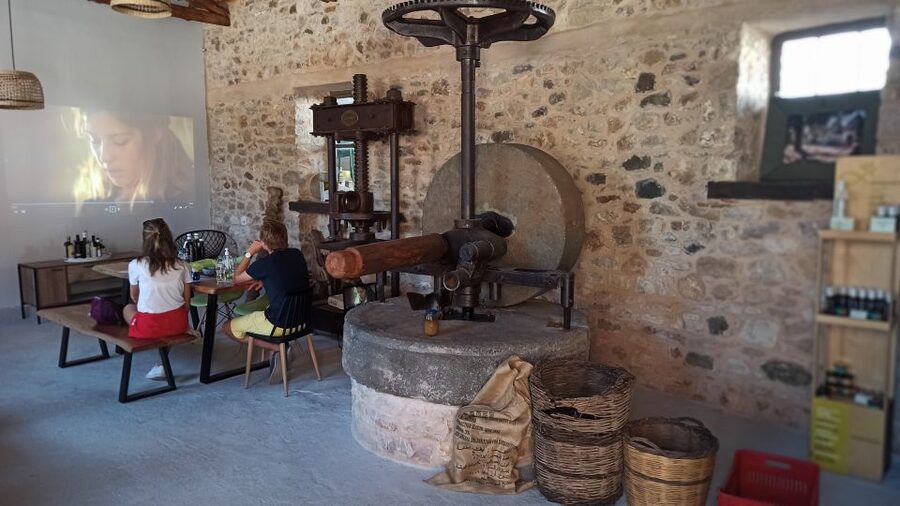
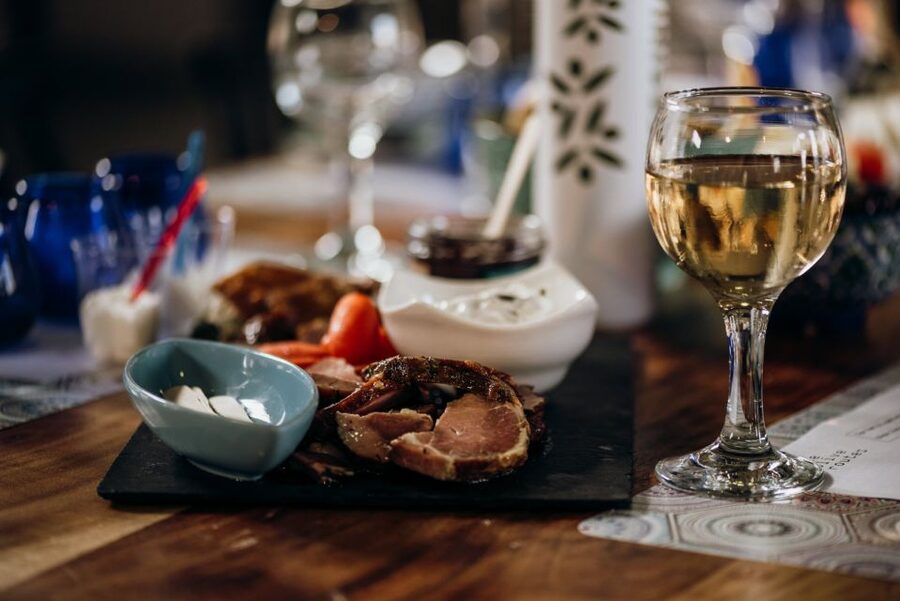
The table is filled with small plates and local products so you can test different combinations. You may pair the oils with fruit, gourmet bites, tzatziki, Kalamata olives, olive paste, lalaggia, local cheeses, sfela, and pasto, a regional smoked ham.
This is where the tour moves beyond technical tasting. You are not simply told that one oil is fruity or another is peppery. You try each one with food and see how the flavor changes.
Lalaggia, olive paste, sfela, and pasto give the meal a strong local identity. These are not generic crackers and dips chosen only because they are easy to serve. The food shows how olive oil fits into everyday Messinian eating, from simple bread-based dishes to salty cheese and preserved meats.
Several tours have included a generous local meal at a taverna or a large homemade spread. The official experience describes food tastings and small plates, so the amount may vary, but you should expect more than a token sample. The food is repeatedly treated as a central part of the outing, not an afterthought.
Families should find this section especially easy to enjoy. A four-year-old has taken part successfully, and teenagers have responded well to the interactive format. Dietary needs can sometimes be handled with advance notice. One gluten-free visitor was able to eat nearly everything served, though you should still tell the operator before the tour rather than assume substitutions.
Wine may also be served with the local meal according to the tour format on the day. Since the included details focus on food and olive oil, do not book this as a wine tour. The main subject remains Greek olive oil and the foods that make it useful.
Why the $106 price can make sense

At $106 per person, this is not the cheapest short activity around Kalamata. It is also more than a basic mill visit. The price includes entrance fees, food tastings, olive oil tastings, a local tour leader, a certified taster, taxes, and photos from the tour.
The strongest value comes from combining several experiences in one half-day outing:
- A visit to the castle area and olive groves
- A walk through a family-connected orchard
- A visit to a historic olive press
- Instruction from a certified olive oil taster
- Comparative tasting of several Greek varieties
- A food pairing session with local products
- Photos from the experience
If you paid separately for a meal, a mill visit, and a formal tasting, the total could easily approach the tour price. The added value is the connection between all three parts. The guide explains the tree, the production, and the table as one story.
The price makes less sense if you are only looking for a quick taste and a bottle to take home. It also may not suit you if you dislike group activities or prefer independent sightseeing. This is a social tour, and its success depends heavily on the guide’s ability to involve everyone.
The option to reserve now and pay later adds useful flexibility, and cancellation is available up to 24 hours before the start for a full refund. Those terms are helpful when you are arranging a driving itinerary around Kalamata and Ancient Messene.
Guide style and group atmosphere
Dimitra receives the strongest praise for her warm, energetic approach. She brings personal family stories into the explanations and speaks with real affection for olive trees, Greek food, and Messinian traditions.
Her method is interactive. She asks questions, uses names, and gets people talking to one another. Some adults may initially find the games a little school-like, especially if they already know Greek history or food. The benefit is that the activities help a mixed group relax quickly and remember the information.
Athanasia and the mill team also contribute to the welcoming tone. The guides explain the value of family and land as well as the technical side of pressing and storage. You are treated as a participant, not as someone being moved from one display to another.
The small-group design helps, although parts of the food experience may bring you together with a larger group. That means the intimate feel can vary. Still, the repeated focus on personal attention, questions, and hands-on tasting makes this more engaging than a standard bus tour.
Who will enjoy this tour most
I would recommend the Olive Oil Routes Tour to you if you want to understand a major part of Greek food culture while seeing a quieter side of Messinia.
It is a particularly good choice for:
- Food lovers who want more than a restaurant meal
- First-time olive oil tasters
- Visitors staying in Kalamata or near Ancient Messene
- Families with children or teenagers
- Couples who enjoy local products and village settings
- Anyone considering buying Greek olive oil
- Visitors who prefer personal stories over a formal museum presentation
You should think twice if you need hotel pickup, dislike outdoor walking, or want a strictly private experience. The tour lasts 3.5 hours, but the schedule includes several settings, so it feels more like a short cultural outing than a quick tasting appointment.
The tour is offered in Greek and English. That makes it practical for international visitors, though you should choose the language you can follow most comfortably when booking.
What to bring and how to plan the day
Wear shoes that can handle an olive grove and old village surfaces. Bring sunscreen and a sun hat, especially from late spring through early autumn.
Arrange your own transportation to the Castle of Androusa. A car gives you the most freedom if you are also visiting Ancient Messene, while a taxi works if you are staying in Kalamata and do not want to drive.
Allow time to find the correct meeting point outside the castle on the main road. The castle is the arranged starting place, and the tour does not include hotel pickup or drop-off.
If you have dietary restrictions, contact the operator before arrival. The food is a major part of the experience, so advance notice gives the team a fair chance to help.
Should you book the Olive Oil Routes Tour?
Yes, if you want an engaging introduction to Messinian food, family farming, and Greek olive oil. The best parts are the family mill, the comparison of several olive varieties, and the way Dimitra connects the technical lesson to local life.
At $106, it is best viewed as a half-day food and culture experience rather than a simple olive grove visit. You will pay more than you would for a quick tasting, but you receive a guided walk, mill visit, certified tasting, generous local food, and a stronger understanding of why olive oil matters here.
I would skip it only if you need hotel transport, want a private tour, or have no interest in food tastings. For most people staying in Kalamata, Costa Navarino, or near Ancient Messene, this is a thoughtful and enjoyable way to spend a morning or afternoon.
FAQ
Where does the Olive Oil Routes Tour begin?
The tour begins outside the 13th-century Castle of Androusa on the main road.
How far is the meeting point from Kalamata?
The Castle of Androusa is about a 20-minute drive from Kalamata.
How far is the meeting point from Ancient Messene?
The meeting point is about 10 minutes from Ancient Messene by car.
Is hotel pickup included?
No. Hotel pickup and drop-off are not included. You must reach the meeting point by car or taxi.
How long does the tour last?
The tour lasts 3.5 hours.
What olive oil varieties will I taste?
The tasting includes Koroneiki, Manaki, Xalkidikis, and Mavroelia extra virgin olive oils.
What food is included?
Food tastings include items such as Kalamata olives, olive paste, lalaggia, sfela, pasto smoked ham, local cheeses, tzatziki, fruit, and small traditional dishes.
Is the tasting led by an expert?
Yes. A certified olive oil taster leads the tasting session.
What languages are available?
The tour is offered in Greek and English.
Just added around Greece
- Athens: Greek Wine & Olive Oil Tasting at Brettos Plaka★ 4.5 · 3 reviews
- Breakfast in the markets with olive oil and honey tasting★ 4.8 · 8 reviews
- PRIVATE RHODES TOUR + Lunch Stop & WINE/OLIVE OIL Tasting★ 5.0 · 2 reviews
- Olive Tour & Tasting★ 5.0 · 4 reviews
- Olive Facility Visit with Olive Oil Tasting Session★ 5.0 · 2 reviews
- SYSTASIS Olive Oil Tasting Experience in Ermioni Greece★ 5.0 · 4 reviews
- Olive Oil Tour close to Nafplio★ 4.5 · 3 reviews
- Olive Oil Tasting at the Mykonian Farm★ 4.5 · 3 reviews
Kalamata Olive Oil Tours, compared.
Organic Olive Grove tour & Olive oil tasting & lunch in Kalamata!
Read our review →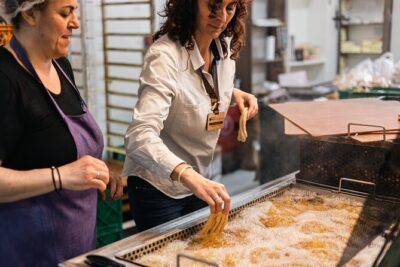
Traditional Food tour, Olive oil Tasting with Lunch in Kalamata, Messinia!
Read our review →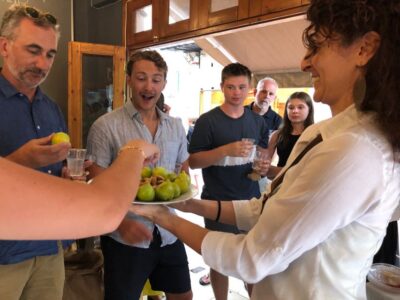
Food tour and Olive Oil Tasting with Light Lunch
Read our review →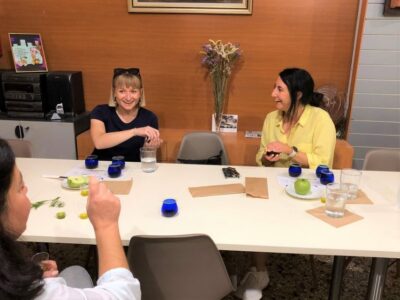
Kalamata, Greece: Organic Olive Grove Tour-Olive oil tasting
Read our review →
WIne & Olive Oil Tasting in an Organic Farm in Laconia, Greece!
Read our review →Browse the lists this tour appears in