
Review · CRETE
Kleanthi Olive Farm: Guided Tour with Local Delicacies Tasting
Fresh oil makes Crete taste different. Kleanthi Olive Farm combines a walk among old olive trees with a look at the mill and a generous tasting table. I like the family-run setting and the way guides such as Mary, George, Yannis, and Theodora explain the work in clear, friendly English. The price also feels fair, especially when you count the food.
The main caution is timing. Visit during the harvest season if you want to see the mill running, since the production line is quiet outside those months. Off-season visits still cover olive growing, farm history, and tasting, but the tour can feel subdued when the machinery is idle.
Key points at a glance
- A short walk through the olive grove: See the trees up close and learn how olives are grown and harvested in Crete.
- A working mill explained step by step: The tour covers the equipment and the route from olive to bottle, with live activity during harvest season.
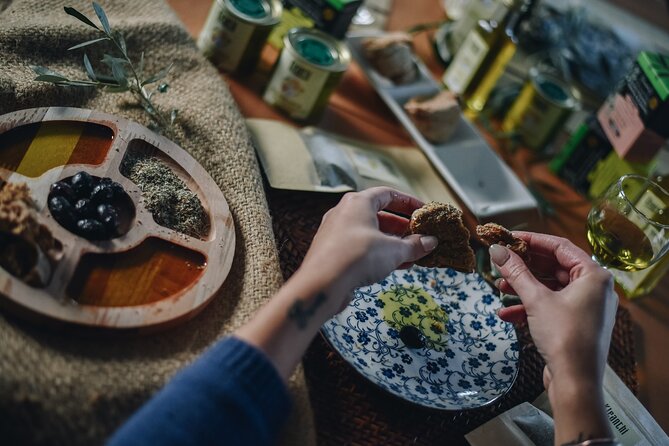
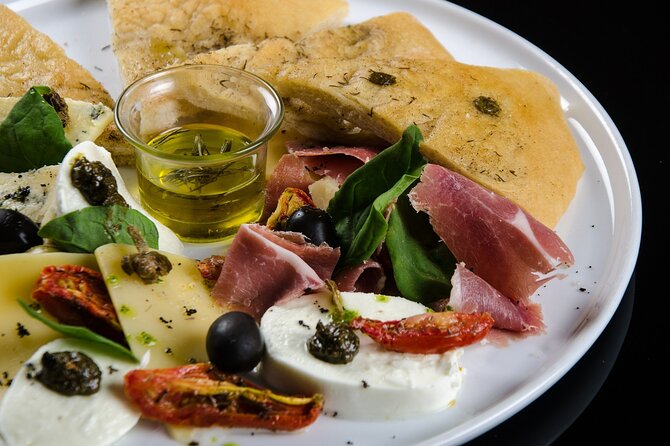
- A generous Cretan tasting: Try olive oils with bread, cheese, tomatoes, olives, fruit, honey, herbs, yoghurt, and smoked meat.
- Friendly English-speaking guides: Mary, George, Yannis, and Theodora have all been praised for their warmth and clear explanations.
- Good value near Heraklion: The farm is a quick taxi ride from Heraklion, and the $25.34 price includes the tour and tasting.
- A quiet, no-pressure shop: You can buy olive oil, honey, and other farm products without being pushed to spend more.
Why Kleanthi Olive Farm is worth your time
Olive oil is not just another item on a Cretan menu. It is part of daily cooking, family farming, local trade, and the island’s identity. At Kleanthi, you get a practical look at that connection in about 75 minutes.
I like the scale of the visit. This is not a huge commercial attraction with a long scripted program. It is a family farm where the tour moves from the trees to the mill and then to the table. That makes the subject easy to understand, even if you know very little about olive oil.
The tasting is the strongest part for many people, and it is easy to see why. You do not simply sip oil from a tiny cup and move on. The staff show you how it works with familiar Cretan foods, including bread, cheese, tomatoes, olives, fruit, honey, herbs, yoghurt, and smoked meat. Some pairings may be new to you, which makes the tasting feel more like a small meal than a sales demonstration.
The visit also works well for families. Children can walk among the trees, see the machines, and try different foods without sitting through a long lecture. One family described it as their children’s favorite activity in Crete, which says a lot about the tour’s approachable style.
More Olive Farm Visits around Crete:
- Crete: Road-trip to Lasithi, Zeus Cave & Olive Mill Farm
★ 4.4 · 451 reviews - Moires: Cooking Class and Olive Oil Tasting at a Family Farm
★ 5.0 · 93 reviews - Spiridi Olive Oil Farm Tour
★ 4.5 · 22 reviews
Arriving in Skalani from Heraklion
Kleanthi Olive Farm is in Skalani, at 715 00, Greece. The farm is described as a quick taxi ride from Heraklion and easy to find, making it a practical outing if you are staying in the city.
The tour begins and ends at the farm, so you do not need to manage several meeting points. It is also near public transportation, though the supplied details do not specify routes or schedules. If you are coming from farther away, plan your transport carefully because the tour itself is short and fixed around its start time.
The setting gives you a break from city streets without demanding a full-day trip. One person staying in Plakias drove two hours to reach the farm and felt the visit was worth the effort. I would not make that journey solely for a 75-minute tour unless olive oil is a real interest, but the farm can fit neatly into a Heraklion-area day.
Confirmation arrives at booking, and mobile tickets are accepted. The maximum group size is 40 people. That is not an intimate private visit, but the family atmosphere and small tasting-room format can still make the experience feel personal.
Walking among Crete’s olive trees
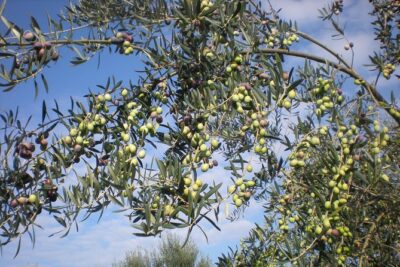
The first part of the tour takes you into the olive grove. Expect an easy walk rather than a demanding hike. Your guide explains olive farming, harvesting, and the place of olive growing in Cretan life.
This stop matters because it puts the bottle in context. Before you taste the oil, you see where the fruit begins. The trees are not just a backdrop for photographs. They help explain why harvest timing, careful handling, and farming methods affect the final taste.
Guides including George and Mary have been praised for giving lively explanations in excellent English. That is useful here, since olive farming includes plenty of terms that can become confusing when translated poorly. A good guide can connect the practical work in the grove with the food on your table later.
The farm also discusses sustainable practices. The available information does not give a detailed list of methods, so you should not expect a technical farming seminar. Still, this part gives you a clearer sense of how the family approaches cultivation and how olive oil production fits into a working farm.
The grove walk is also the part most affected by weather. The experience requires good weather, and poor conditions can lead to a new date or a full refund. Wear shoes suitable for walking outdoors, even though the visit is short.
From handpicked olives to bottled oil
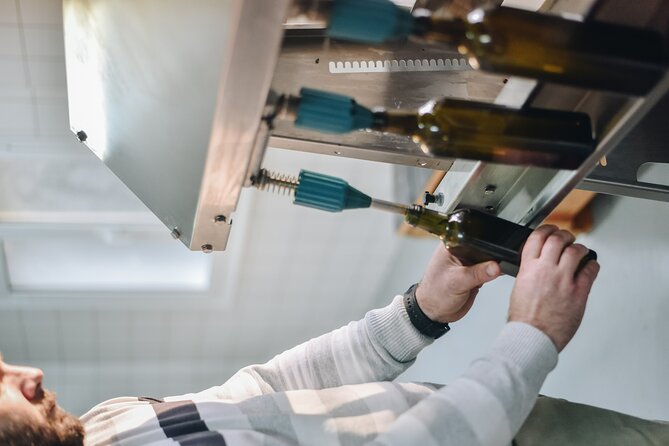
After the grove, the tour moves to the olive mill and its equipment. The guide explains how olives become oil and may show a short video as part of the lesson. You can expect a look at the machinery, demonstrations of the equipment, and an explanation of the production stages.
This is where the visit becomes more than a pleasant farm stroll. You get to connect the fruit on the tree with the oil in the bottle. The staff explain the process from tree to bottle, with enough detail to help you understand what you are tasting later.
The season makes a real difference. During harvest, the mill is active and you can see the production process happening live. That adds movement, sound, and a stronger sense of working agriculture. If you visit outside harvest months, the production line is not operating. The guide can still explain the equipment and process, but you will not see fresh olives moving through the mill.
That seasonal difference is the most important thing to consider before booking. An off-season visit may suit you if the tasting and farm story are your priorities. If you want to watch olive oil being made, ask about the harvest period before choosing your date.
The tour avoids the feel of a hard sell. You learn about the oil first, then have the chance to buy it in the farm shop. That relaxed approach matters because it lets you decide based on taste rather than pressure.
More Guided Tours around Crete:
- Private Guided Tour to Lasithi Plateau Villages & Olive Oil Mill
★ 5.0 · 5 reviews - Guided Tasting of 3 Extra Virgin Olive Oils at Douloufakis Winery
★ 5.0 · 2 reviews - Guided tour and olive oil tasting in Alhaurin el Grande (Málaga)
★ 5.0 · 200 reviews - Guided Tasting Tour in 16th century House and Olive Oil Factory
★ 5.0 · 169 reviews
The tasting table is the real reward
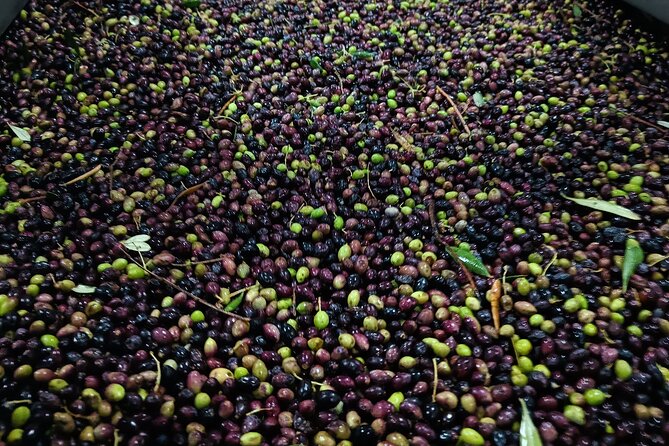
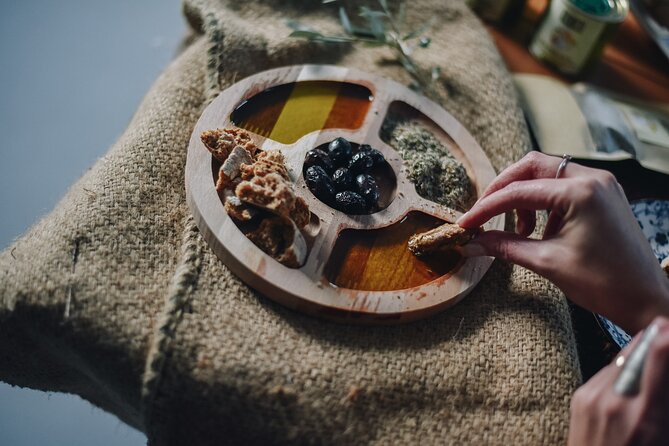
The tasting follows the grove and mill visit. You sit down and sample Kleanthi olive oils with a spread of local foods. The exact selection can vary, but the foods described include artisanal bread, cheeses, tomatoes, olives, fruit, honey, herbs, yoghurt, figs or grapes in syrup, and smoked meat.
The staff may pour oil in separate spots and pair it with oregano, thyme, honey, or syrup. This gives you a simple lesson in how the same oil changes when combined with different flavors. I especially like this approach because it teaches you something practical for your own kitchen.
You may already use olive oil with bread or salad. The tasting encourages you to try it with combinations you might not think to prepare at home. Cheese and oil show off the oil’s savory side, while honey, fruit, and yoghurt create sweeter pairings. Herbs add another layer without making the lesson fussy.
The food also gives the farm visit a social feel. Rather than standing around a counter for a quick sample, you settle at a table and share a spread of Cretan products. Several visitors described the food as a delightful lunch or a substantial snack. I would not book it as a replacement for a full restaurant meal, but it is much more than a token bite.
Families should find the tasting accessible. There are familiar foods for cautious eaters, and children can try new combinations at their own pace. The setting also makes it easy to ask questions while eating, instead of waiting for a formal presentation to end.
What the guides add to the visit
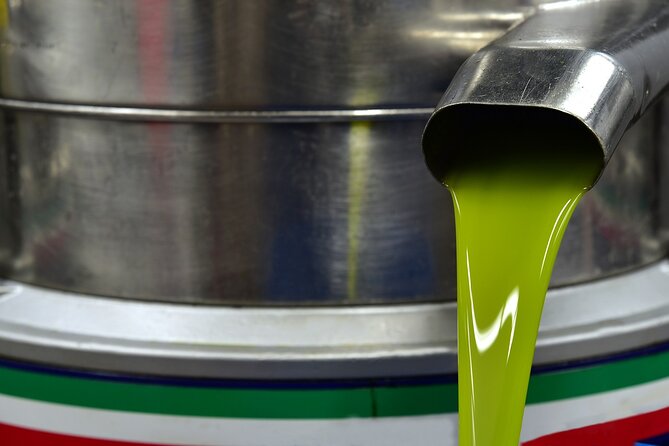
The people leading the tour are a major part of its appeal. Mary is praised for her warm manner, strong English, and understanding of both olive production and Cretan family culture. George is described as enthusiastic and clear, especially when explaining olive growing and processing.
Yannis and Theodora have also led visits, offering friendly and professional guidance. The farm team seems to share the work, so your exact guide may depend on the date. Regardless of who leads, the tone is informal and welcoming.
That warmth is useful for a subject that can become technical. You can ask about harvesting, machines, sustainable methods, local foods, or nearby places of interest. One guide was happy to offer suggestions about the local area, which can make the visit more useful as part of a larger Heraklion itinerary.
The explanations are also short enough to hold attention. The full visit lasts about 1 hour and 15 minutes, so you are not committing half a day to a single topic. I like that balance: enough time to learn, taste, and shop, but not so much that the tour becomes tiring.
Is $25.34 a fair price?
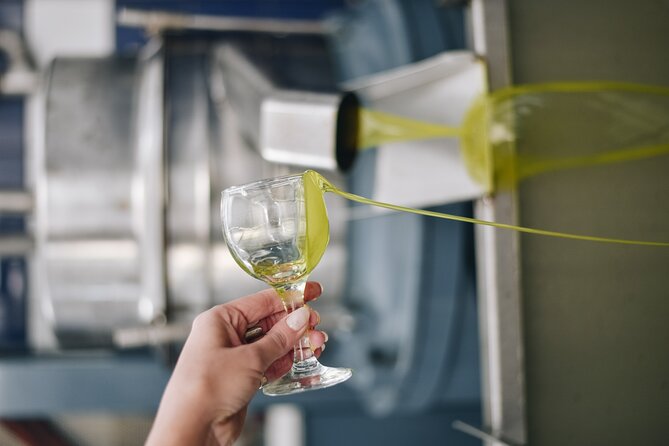
At $25.34 per person, Kleanthi offers good value if you enjoy food-based activities. You receive a guided farm visit, an explanation of the mill, an olive oil tasting, and a broad selection of local accompaniments.
The value is strongest when you treat the tasting as part of the meal. Bread, cheese, fruit, honey, herbs, yoghurt, and other foods make the final section feel generous for a short tour. You also get a cultural lesson that would be difficult to pick up from a supermarket bottle.
Group discounts may improve the price for families or larger parties. The tour accepts up to 40 people, so ask about the discount when booking if you are visiting with a group.
The value is weaker for someone who wants a full working-mill demonstration in the off-season. When the equipment is not running, you are paying mainly for the explanations, grove walk, tasting, and setting. Those parts remain worthwhile, but the visit is less active than it is during harvest.
Shopping without the hard sell
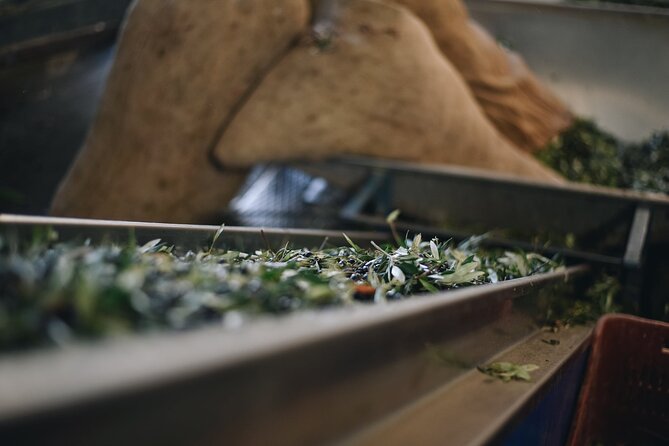
The farm shop comes at the end, and you can buy Kleanthi Olive Oil to take home. Other products, including honey, are also available. This is a useful stop if you want a practical souvenir rather than another decorative object.
I like that the shop does not appear to pressure you into buying. You can taste first, decide what you prefer, and then purchase a bottle if you want one. That order makes sense, especially if you are not confident about the difference between oils.
Think about luggage space before buying several bottles. The provided details do not specify shipping or packing services, so ask the shop directly if you plan to take home more than you can comfortably carry.
Who should book this olive farm tour?
I would recommend Kleanthi to anyone staying in or near Heraklion who enjoys local food, family businesses, or short cultural visits. It is particularly suitable for:
- Families looking for an activity that combines learning and eating
- Food lovers who want to understand Cretan olive oil
- Visitors with a spare hour or two near Heraklion
- People who prefer small-scale farm experiences to large attractions
- Anyone hoping to buy olive oil after tasting it first
I would be more cautious if your main goal is to watch a busy mill in operation. In that case, aim for harvest season and confirm the timing before you go.
The tour is offered in English, and service animals are allowed. The activity requires good weather, and the outdoor part may be less pleasant in rain or poor conditions. Free cancellation is available up to 24 hours before the start time, while later cancellations or changes are not refunded or accepted.
Should you book Kleanthi Olive Farm?
Yes, if you want a short, friendly, good-value introduction to Cretan olive oil. The best parts are the family welcome, the clear explanations, and the generous tasting spread that turns an agricultural lesson into a satisfying food experience.
Book during harvest if the working mill matters to you. Choose another date if you mainly want the grove, the story of olive farming, and the tasting. At $25.34, Kleanthi is an easy addition to a Heraklion itinerary, especially for families and anyone who believes a good souvenir should be edible.
FAQ
Where is Kleanthi Olive Farm?
Kleanthi Olive Farm is in Skalani, Crete, at Skalani 715 00, Greece.
How long does the tour last?
The experience lasts approximately 1 hour and 15 minutes.
What does the tour include?
It includes a guided walk through the olive grove, an explanation of the olive mill and production process, and a tasting of olive oils with local foods.
Is the tour offered in English?
Yes. The experience is offered in English.
How much does the experience cost?
The listed price is $25.34 per person.
Can I buy olive oil at the farm?
Yes. The tour ends with access to an onsite shop where you can buy Kleanthi Olive Oil and other products such as honey.
Is the olive mill always operating?
No. The production line operates during harvest season. Outside the harvest months, the mill is not in operation, though the guide still explains the equipment and production process.
How many people can join the tour?
The maximum group size is 40 people.
Is the farm near public transportation?
Yes. The farm is listed as being near public transportation.
Can I cancel for a refund?
Yes, you can cancel at least 24 hours before the start time for a full refund. Cancellations or changes made less than 24 hours before the start time are not refunded or accepted. If poor weather causes the farm to cancel, you will be offered another date or a full refund.
Just added around Crete
- 1 hour and 30 minutes wines and olive oil tasting in Greece★ 5.0 · 2 reviews
- Crete in a Day: Knossos, Soap Workshops, Olive Oil & Wine Tasting★ 5.0 · 5 reviews
- Full Day Spinalonga Elouda Agios Nikolaos Olive factory Tour★ 4.5 · 5 reviews
- Traditional Olive Oil Making at Spiridi Olive Oil Farm – Crete★ 5.0 · 3 reviews
- Wine olive and Food of Crete, Heraklion★ 5.0 · 11 reviews
- Guided Tasting of 3 Extra Virgin Olive Oils at Douloufakis Winery★ 5.0 · 2 reviews
- PRIVATE Workshop ESSENTIAL OILS & OLIVE OIL Factory with TASTING★ 5.0 · 5 reviews
- Olive oil Tasting and Cretan Cuisine★ 5.0 · 2 reviews
Olive Farm Visits, compared.
Sorrento Farm and Food Experience including Olive Oil, Limoncello, Wine tasting
Read our review →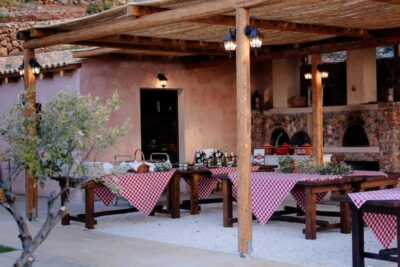
Road-trip to Lasithi, Zeus Cave & Olive Mill Farm
Read our review →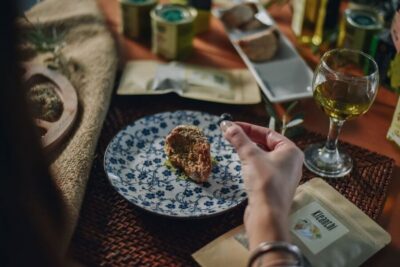
Olive Farm Tour with Tasting of Local Delicacies
Read our review →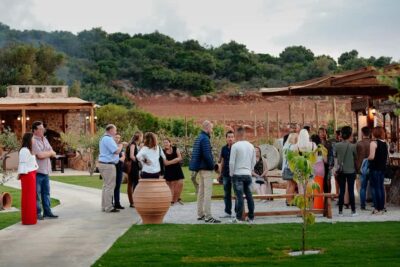
Lassithi, Zeus Cave, Olive Mill Farm & Knossos Combo Tour
Read our review →
Traditional Olive Grove and Dragon Fruit Farm Tour
Read our review →
Cooking Class and Olive Oil Tasting at a Family Farm
Read our review →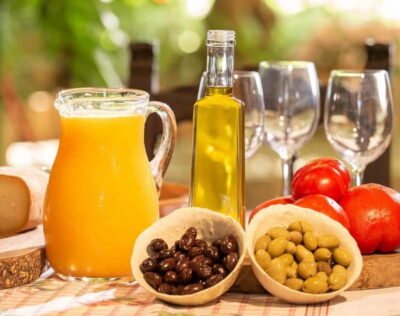
Sóller: Olive Oil Guided Tour and Tasting at Can Det Estate
Read our review →Browse the lists this tour appears in