
Review · MALAGA
Malaga Food Tour with 12+ Tastings: Tapas, Olive Oil, Ham & More
Come hungry, leave oriented. This 3.5-hour Málaga walk combines 12 or more tastings with the city’s central market, cathedral, Roman Theatre, and small local food stops. I like the generous range, from more than 10 types of extra virgin olive oil to Iberian ham, fried fish, gazpacho, gelato, and a secret dish. I also like the small group size, capped at 12 people, which gives guides such as José and Ricardo room to explain what you are eating.
The main consideration is pace. You cover a fair amount of ground on foot, and the food adds up quickly. If you prefer a slow sit-down meal or have strict dietary needs, contact the company before booking. The menu and stops can change with weather and local availability.
This tour earns a 5 out of 5 rating from 51 ratings, with 100 percent of participants recommending it. That fits the strongest praise: guides make the history easy to follow, portions are generous, and the food stops include places you might walk past without noticing.
Key points at a glance
- More than 12 tastings: Try Málaga pastry, olive oils, Iberian ham, Manchego cheese, fried fish, eggplant with cane honey, gelato, drinks, and a secret dish.
- A market-led start: Spend about an hour at Mercado Central de Atarazanas, one of the best places to connect Málaga’s food culture with daily life.
- Historic sights between bites: The route includes La Manquita cathedral and the Roman Theatre, with views toward the Alcazaba.
- Small group format: The maximum is 12 people, making it easier to ask questions and keep track of the guide.
- Good opening-day activity: The route helps you learn what to eat and where to look during the rest of your stay.
- Plan for walking: Wear comfortable shoes, arrive hungry, and allow time for stops that may change.
Why this Málaga food walk works so well
Málaga is easy to enjoy visually. You can stroll through the old center, admire the cathedral, and reach the Alcazaba without much planning. Food adds another layer. A good tasting tour shows you what locals order, how ingredients are used, and which small shops deserve your attention.
This one is not just a parade of tapas. It moves through markets, bakeries, bars, shops, and restaurants, with historic sights threaded into the route. That mix matters because you get a sense of the city rather than spending three hours at one table.
The group limit of 12 is a practical advantage. A smaller group can fit into compact eateries more easily, and you have a better chance of hearing the guide while walking. José Antonio and Ricardo are both praised for combining food knowledge with local history. Ricardo, in particular, is described as giving extensive background on Málaga and the dishes being served.
The tour is offered in English. Confirmation is sent within 48 hours of booking, subject to availability. It begins at Plaza Enrique García-Herrera and finishes beside the Málaga Roman Theatre, so you end in a useful central spot for further sightseeing.
More Food Tours around Spain:
Starting at Plaza Enrique García-Herrera
The meeting point is Plaza Enrique García-Herrera in central Málaga. The opening section lasts about 10 minutes, giving the guide time to introduce the route and explain what lies ahead.
This is a sensible place to begin because you start in the historic center instead of wasting time on a transfer. The guide sets expectations early, which helps when the menu includes many small tastings rather than one conventional meal.
I would arrive a little early and make sure you have water, comfortable shoes, and an appetite. The tour includes water, but you will be walking and eating for most of the morning or afternoon.
Since this is a group activity, the start can also shape the whole experience. Guides José and Ricardo have received especially strong praise for interacting with the group rather than delivering a fixed speech. That personal touch is useful when you want to ask about ingredients, ordering customs, or places to eat later.
One hour inside Mercado Central de Atarazanas
The longest stop is Mercado Central de Atarazanas, where you spend about an hour. The market occupies a 19th-century building connected to Málaga’s Moorish past, and its ironwork and large entrance are part of the appeal.
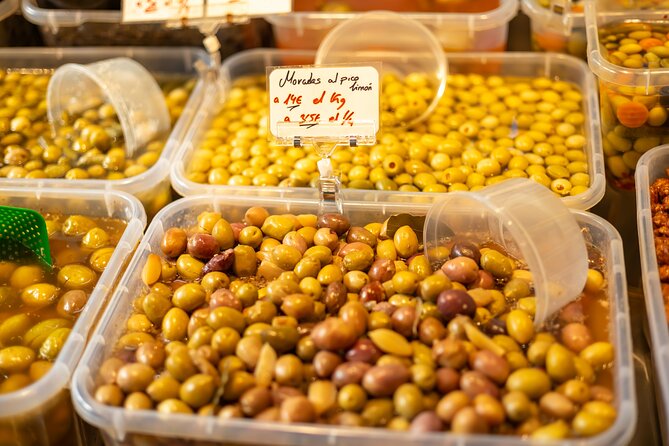
Inside, the focus turns to food. You sample local products, including Málaga pastry and more than 10 types of extra virgin olive oil. That olive oil tasting is one of the more useful parts of the tour because supermarket labels rarely explain much about flavor. Comparing several oils side by side can help you notice differences in fruitiness, bitterness, and peppery finish.
The market also offers context for the rest of the menu. Fresh seafood, meat, produce, and regional specialties make it easier to understand why Andalusian cooking relies on simple ingredients treated well. The guide can connect what you see at the stalls with what arrives later on your plate.
The market is also the point where crowds may be most noticeable. You are not promised an empty building, and a busy market can make conversation harder. Still, the one-hour allocation gives you time to pause, taste, and look around instead of rushing through for a single sample.
Cathedral views and the story of La Manquita
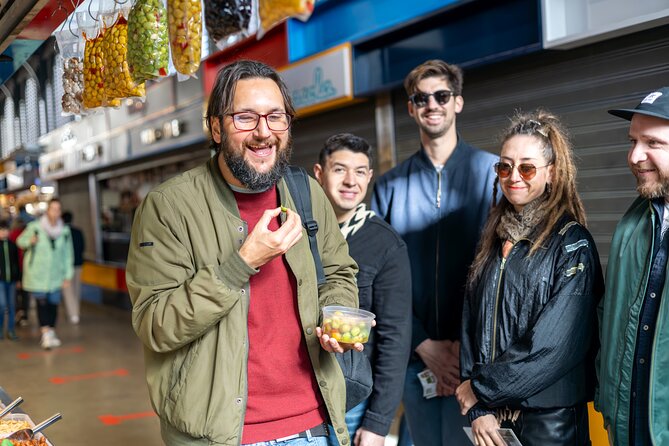
After the market, the group walks toward the Santa Iglesia Catedral Basílica de la Encarnación de Málaga. About 30 minutes are devoted to the area.
The cathedral is known locally as La Manquita, or the one-armed lady, because its second tower was never completed. Its Gothic, Renaissance, and Baroque elements give the guide plenty to discuss, and the stop breaks up the food tastings with a major piece of Málaga’s built heritage.
You do not need to treat this as a cathedral tour. The emphasis remains on orientation and local context, not a full interior visit. That is both a benefit and a limit. If you want a detailed study of the cathedral’s art and architecture, plan a separate visit.
For a first day in Málaga, though, the stop is well placed. You learn where the cathedral sits in relation to the market and old center, then continue on foot toward the Roman Theatre. The city begins to make more sense as a connected place, not a list of isolated attractions.
More Olive Oil Tours around Spain:
- Ronda: LA Almazara LA Organic, Olive Oil Museum and Tasting
★ 4.6 · 435 reviews - Guided tour and olive oil tasting in Alhaurin el Grande (Málaga)
★ 5.0 · 200 reviews - Guided Tasting Tour in 16th century House and Olive Oil Factory
★ 5.0 · 169 reviews - Visit of the olive grove, olive oil tasting and snack
★ 4.9 · 111 reviews
Food stops beyond the market
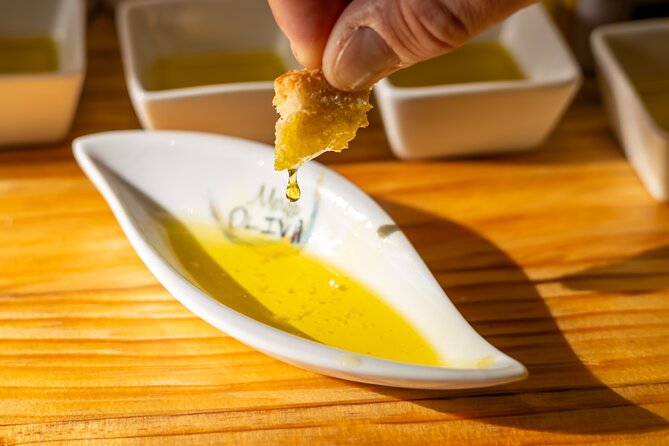
The tasting list is broad, and that is where the tour earns much of its price. You are not limited to the familiar combination of bread, cheese, and one plate of ham.
The menu includes:
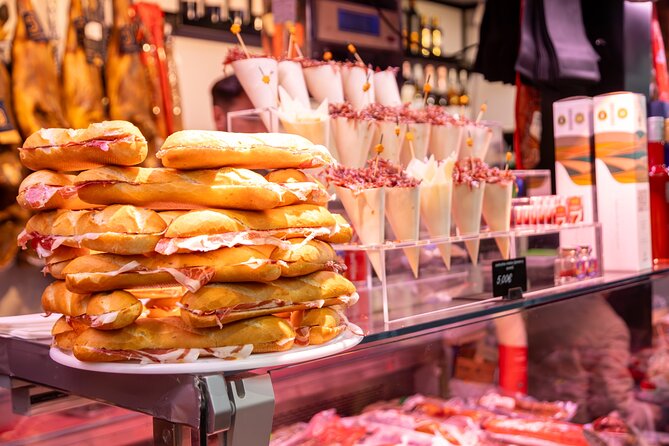
- Iberian ham and Málaga-style salami
- Manchego cheese
- Seasoned chorizo with a blood sausage influence
- Refreshing gazpacho
- Andalusian-style fried fish
- Fried eggplant with cane honey
- Málaga pastry
- Málaga-style gelato made with raisins and Málaga wine
- A secret dish
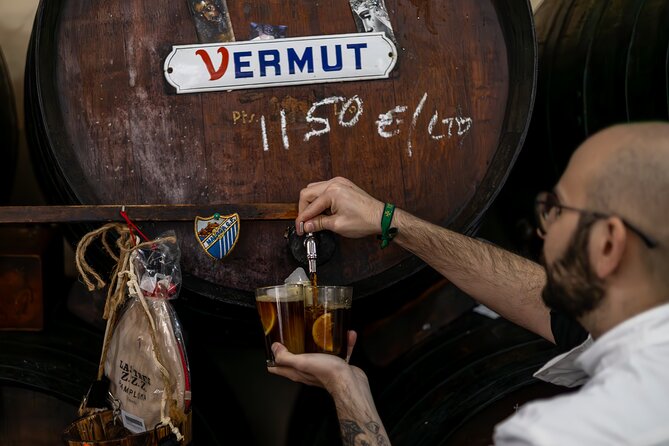
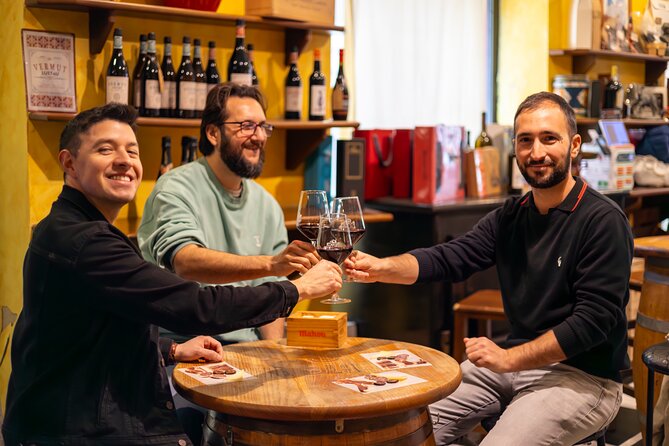
- Vermut, red wine, beer, and water
The combination shows off several sides of Andalusian eating. Iberian ham and Manchego bring cured and aged flavors. Gazpacho offers something cool and light. Fried fish and eggplant show how frying is used in southern Spanish cooking, while cane honey adds sweetness to the eggplant without turning it into a dessert.
The Málaga-flavored gelato is a fun local finish. Raisins and Málaga wine give it a clear regional identity, and the tasting is more memorable than a standard scoop of vanilla or chocolate.
The drinks are also part of the structure, not an afterthought. Vermut and red wine fit naturally with the savory foods, while beer gives you another common local pairing. Water is included, which is important during a walking tour.
Portions appear to be generous. That sounds good, and it is, but do not eat a large meal just before starting. The final secret dish can be substantial, and one account describes the surprise as three dishes rather than only one.
Small eateries and places you might miss
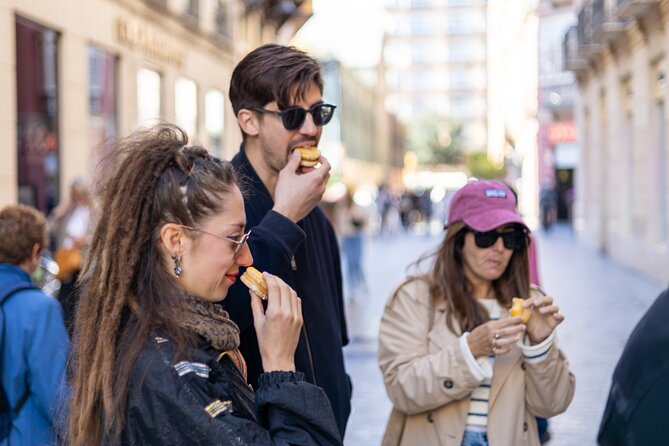
One of the tour’s best qualities is its use of small food businesses. You may visit little bakeries, bars, wine shops, and restaurants that are easy to overlook when you are sightseeing on your own.
This is where a guide adds real value. A restaurant’s sign may tell you its name, but not what to order, how the food fits Málaga’s traditions, or why locals value a particular product. The guide handles that translation.
The route also avoids making the market the entire story. You move from stalls to specialist shops and compact eateries, so the day feels more like a walk through the city’s eating habits than a single market tasting.
There is a practical tradeoff. Small places can be tight, and the group may need to stand or share limited seating. The company also warns that locations and menu items can change according to availability, weather, and other conditions. If a specific dish is the main reason you want to book, treat it as a likely inclusion, not an absolute promise.
Finishing beside the Roman Theatre
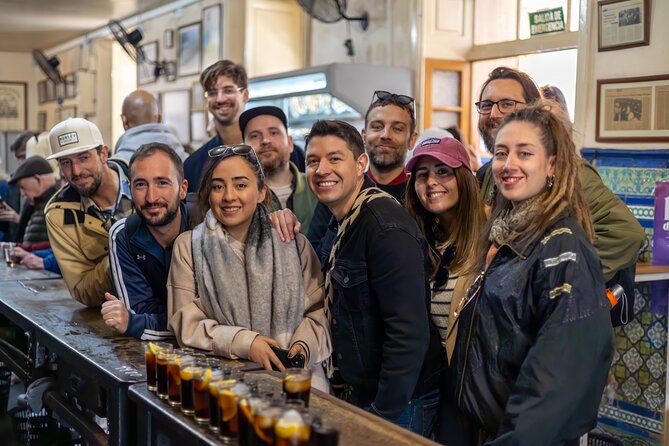
The tour ends at the Málaga Roman Theatre on Calle Alcazabilla, after about 20 minutes devoted to the site. The theatre dates to the first century BC and is one of the city’s oldest monuments.
The stop also gives you views toward the Alcazaba. That pairing is one of the route’s strongest visual moments: Roman remains in the foreground, the Alcazaba rising nearby, and the old center stretching around you.
Ending here is convenient. You can continue exploring the Alcazaba, walk farther through the center, or simply find a place to sit after several tastings. It is also a better finish than ending at a distant restaurant because you remain close to major sights and central transport links.
As with the cathedral, this is an introduction rather than an archaeological tour. You get the site, the setting, and the story, but not a long specialist lecture. That balance suits a food walk.
What the $104.53 price includes
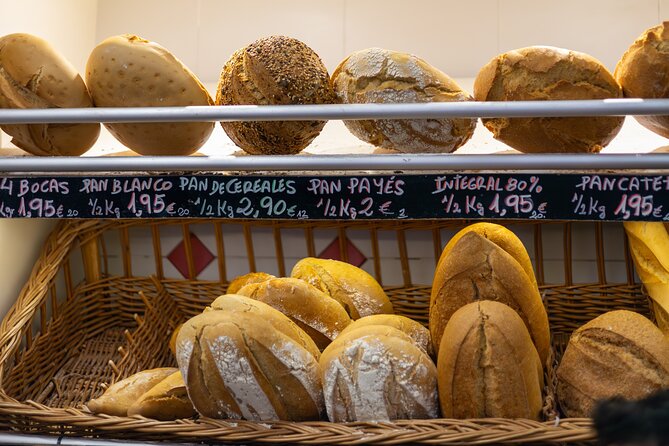
At $104.53 per person, this is not a cheap snack crawl. The value depends on how much you want from the food, guiding, and sightseeing combined.
You are paying for 3.5 hours, a maximum group size of 12, a wide set of tastings, several drinks, and a guide who provides background as you move through Málaga. If you tried to order Iberian ham, Manchego, olive oils, fried fish, wine, vermut, dessert, and a secret dish separately, the total could add up quickly.
The price also covers convenience. You do not need to research which market stall to trust, find a place that can seat a group, or guess which unfamiliar dish to order. That is especially useful for a first visit.
It is less good value if you are a light eater, dislike walking, or mainly want a formal meal. You may also find the amount of food too much if you have already planned a large lunch or dinner.
Group discounts are available, though the exact discount is not specified. Free cancellation applies up to 24 hours before the start time. Poor weather or failure to meet the minimum group size can lead to a new date, another experience, or a full refund.
Who will enjoy this tour most
I would recommend it to first-time visitors who want a quick introduction to Málaga’s food and central sights. It also suits couples, friends, and solo visitors who like meeting people in a small group.
The tour is especially useful at the beginning of a holiday. You can use the guide’s suggestions later, return to foods you liked, and recognize the market and old center when you explore independently.
It is less suited to anyone who wants a relaxed, seated tasting menu. The pace includes walking between stops, and the menu may shift. People with dietary requirements should contact the company in advance so the team can assess what can be provided.
Most people can take part, but comfortable shoes are a must. The route is in central Málaga and near public transportation, yet it still involves enough walking to matter.
Should you book the Málaga food tour?
Book it if you want food, history, and orientation in one half-day outing. The best reasons are the small group, the broad tasting list, the market visit, and the guides’ strong reputation for explaining both Málaga and its cuisine.
You should skip it if you need a fixed menu, a slow restaurant meal, or a tour with little walking. For everyone else, $104.53 is a fair price for the amount of food and drink included, especially if you schedule it early in your stay and use the local advice afterward.
Arrive hungry, tell the company about dietary needs before the day, and leave room for the secret dish. That last surprise may be the part you talk about over dinner.
FAQ
Where does the Málaga food tour begin?
It begins at Plaza Enrique García-Herrera in Málaga’s central district.
Where does the tour finish?
The tour finishes beside the Málaga Roman Theatre on Calle Alcazabilla.
How long does the experience last?
It lasts approximately 3 hours and 30 minutes.
How many tastings are included?
The tour includes 12 or more tastings, along with drinks and water.
What food is included?
The menu includes Málaga pastry, more than 10 types of extra virgin olive oil, Iberian ham, Málaga-style salami, Manchego cheese, seasoned chorizo, gazpacho, Andalusian-style fried fish, fried eggplant with cane honey, Málaga-style gelato, and a secret dish.
What drinks are included?
Vermut, red wine, beer, and water are included.
How large is the group?
The tour has a maximum of 12 people.
Is the tour offered in English?
Yes, the tour is offered in English.
Can dietary requirements be accommodated?
You should contact the tour provider in advance with any dietary requirements so they can assess how best to cater for them. The menu and stops may change based on availability, weather, and other conditions.
Just added around Spain
- XXI Century Olive Oil Mill Tour★ 5.0 · 3 reviews
- Visit to an olive oil mill and oil tasting with aperitif and food and wine pairing.★ 5.0 · 2 reviews
- Treurer: Tapas Gourmet and Extra Virgin Olive Oil★ 4.7 · 3 reviews
- Ulldecona: Guided Tour of the Millenary Olive Trees of Arión★ 5.0 · 2 reviews
- Treurer: Olive Oil Night. Gastronomic experience★ 5.0 · 15 reviews
- Olive Oil and Winery Tour from Zaragoza City★ 5.0 · 4 reviews
- Olive Oil Private Full-Day Tour with Tasting in Valencia★ 5.0 · 2 reviews
- Olive Oil Tour and Visit to Belchite Old Town★ 5.0 · 16 reviews
Food, compared.
Sorrento Farm and Food Experience including Olive Oil, Limoncello, Wine tasting
Read our review →
Full-Day Cretan Wines, Olive Oil, Raki and Food Tour
Read our review →
Vineyard Tour with Wine, Olive Oil & Food Tasting
Read our review →
Tuscany Bike Tour with Wine, Oil and Food in the Florentine Hills
Read our review →
Florence Food Tour: Home-Made Pasta, Truffle, Cantucci, Olive Oil, Gelato
Read our review →
San Felice: Olive Oil Tasting with local food on Garda Hills
Read our review →
Symphony of Flavors – Olive Oil & Food Pairing at Corfu Town
Read our review →Browse the lists this tour appears in