
Review · LEFKADA
The Olive Oil Experience @ Lefkada Micro Farm
Olive oil can fool a careful shopper. The Lefkada Micro Farm experience makes the subject clear and tasty, with a visit to an organic grove, an open-air museum setting, and guided tastings of farm-produced extra virgin olive oil. I like the practical focus on choosing and storing oil, and I like that you get to see the farm’s rare White Lefkadian olive trees rather than sitting indoors for a standard tasting. The main caution is value: at $62.48 per person for about two hours, the experience depends heavily on how much teaching and tasting your group receives.
The lesson also covers polyphenols, the antioxidants behind olive oil’s peppery finish and many of its health claims. One very positive account describes the session as useful even for someone who already cooks with extra virgin olive oil, while a sharply negative account felt the food samples were too limited. Come for the education and farm setting first, not for a full meal.
Key points at a glance
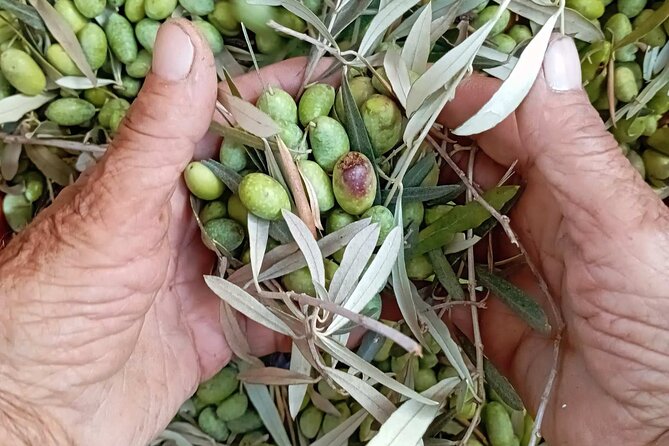
- An organic grove visit: You see where the oil begins and learn about the farm’s regenerative organic methods.
- Rare White Lefkadian trees: The grove includes a distinctive local olive variety, giving the visit a strong sense of place.
- A guided oil tasting: Several extra virgin olive oils made at the farm are tasted side by side.
- Useful shopping advice: The Olive Oil ABC covers buying, storing, and cooking with olive oil.
- Small-group format: The maximum group size is 30 people, though the actual number may be smaller.
- A clear value question: The price makes sense for curious food lovers who want instruction, but less so for anyone expecting a large spread or a full farm lunch.
Why this Lefkada olive oil visit is different
Lefkada is known for sea views and island scenery, but food tells another part of its story. Olive oil is not just a souvenir here. It is a daily ingredient, a farm product, and a key part of the Mediterranean diet.
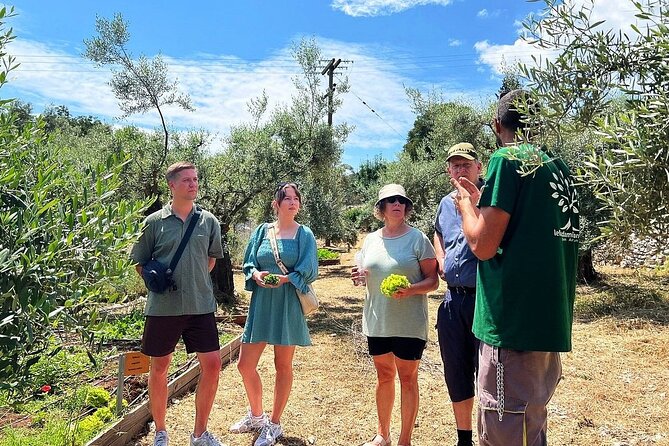
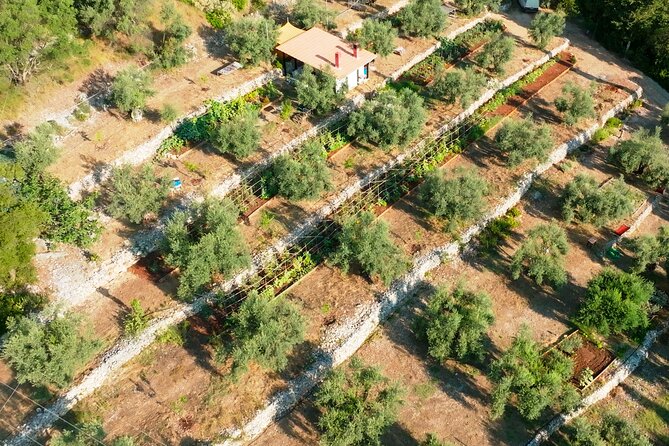
At the Lefkada Micro Farm, you get more than a bottle tasting. The visit takes place at the farm’s open-air museum, where the grove and garden provide the setting for the lesson. You are introduced to the trees, the growing conditions, and the methods used to produce the oil.
I like that the experience explains the difference between industrial supermarket oil and properly made extra virgin olive oil. That distinction can be hard to judge from a label alone. A guided tasting gives you a way to connect words such as freshness, bitterness, fruitiness, and peppery finish with something you can actually smell and taste.
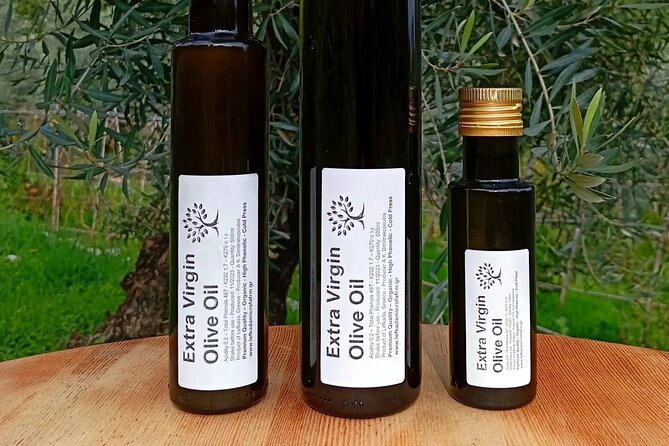
The farm says its first harvest was only five years ago, yet it already produces oil that has received back-to-back Silver Awards in New York in 2025 and 2026. Those awards do not guarantee that you will love every oil, but they provide useful context for the tasting and explain why the farm presents its bottles with confidence.
More Olive Farm Visits around Greece:
- Crete: Road-trip to Lasithi, Zeus Cave & Olive Mill Farm
★ 4.4 · 451 reviews - Heraklion: Olive Farm Tour with Tasting of Local Delicacies
★ 4.9 · 411 reviews - Lassithi, Zeus Cave, Olive Mill Farm & Knossos Combo Tour
★ 4.6 · 404 reviews
Starting at the open-air museum
The meeting point is Lefkada Micro Farm on the road between Nidri and Vavkeris Rachi, listed as E.O. Nydriou Vavkeris Rachi, Nidri 311 00, Greece. The tour begins and ends at this same location, so you do not need to arrange a separate drop-off point.
The first part of the experience introduces the grove and the farm itself. You learn how olive oil begins with the tree, the fruit, the local conditions, and the decisions made before pressing. That makes this more useful than a tasting detached from production.
The open-air setting is important. You can smell and try vegetables, fruit, or flowers growing in the garden, depending on what is available. This garden element gives the visit a broader farm-to-table feel, although you should not expect a large meal. The available information specifically describes small food samples, and one unhappy account found only a few pieces of cherry tomato and pepper alongside water.
That criticism is worth taking seriously. If you arrive hungry, you may feel the tasting is slight for the price. If you arrive ready for a short agricultural lesson with samples, the format will make more sense.
Meeting Lefkada’s White olive trees
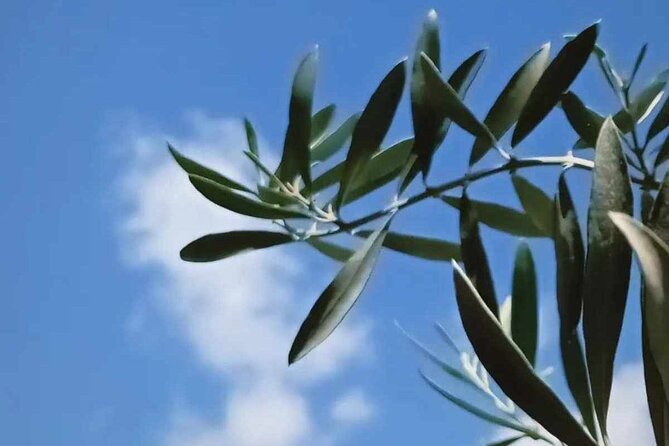
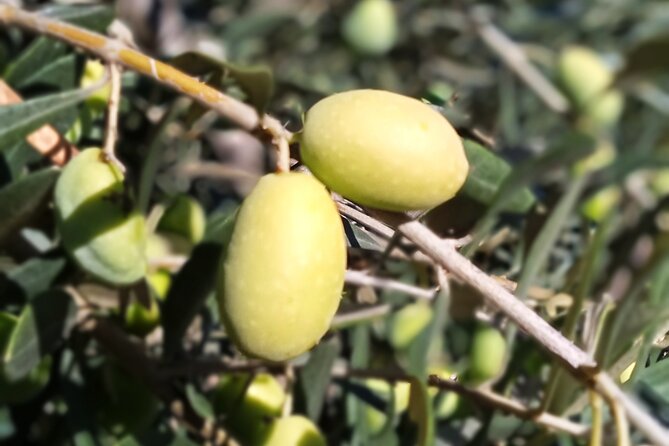
The farm’s rare White Lefkadian trees are one of the most distinctive features of the visit. They give the experience a local identity that a generic olive oil class cannot match.
You learn about the trees as part of the farm’s wider growing system. The focus is not simply on harvesting olives and pressing them. The farm also explains regenerative organic practices, which aim to care for the soil and keep the grove productive over time.
The supplied information does not give a detailed technical account of each farming method, so I would not expect a long agricultural lecture on soil chemistry or irrigation. What you do get is a direct introduction to how the farm approaches organic production and terroir, the combination of place, climate, soil, and growing conditions that shapes the oil.
This section will suit you if you like knowing where food comes from. It may feel less exciting if you want a fast-moving sightseeing stop or dramatic equipment demonstration. The experience is about observation and explanation, not an action-packed farm activity.
Tasting extra virgin olive oil side by side
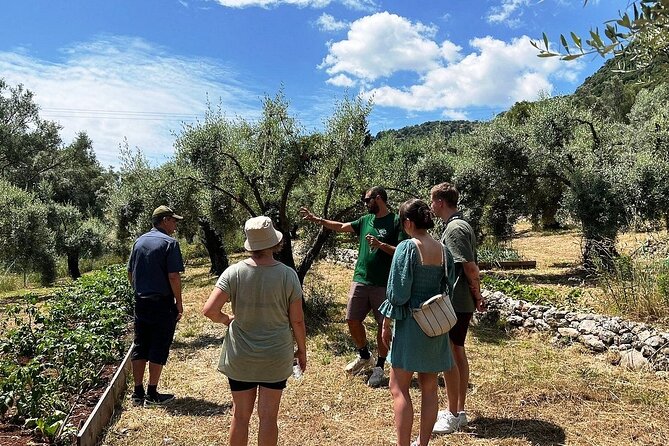
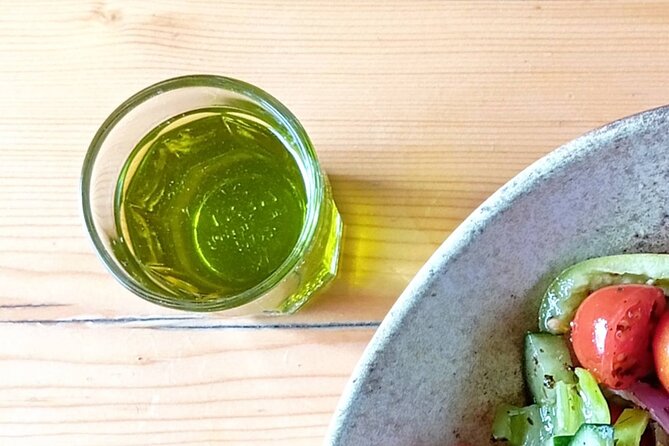
The central event is the tasting. You sample different varieties of extra virgin olive oil produced at the farm and learn how to notice their differences.
A good tasting is not about swallowing oil from a spoon and declaring a favorite. You are encouraged to smell first, taste carefully, and pay attention to the finish. The farm places particular emphasis on the peppery kick created by high polyphenol levels. That sensation at the back of your throat can surprise first-time tasters, but it is often one sign of a fresh, characterful oil.
I especially like this part because it gives you a tool you can use after returning home. A reader who already used extra virgin olive oil said the session changed how they selected oil for meals, with noticeably better results on salads. That is the strongest reason to book this experience: the lesson can improve an ordinary grocery-shop habit.
The tasting may not satisfy you if you expect a wide range of bread, cheese, vegetables, and cooked dishes. The food component appears modest. The oil itself is the focus, with garden produce used to add context rather than turn the visit into lunch.
More Olive Oil Tours around Greece:
- Crete: Quad Safari, Olive Mill with Tasting & Ghost Village
★ 4.9 · 1,004 reviews - Knossos-Zeus Cave -Old Traditional Villages-Olive Oil Factory
★ 5.0 · 694 reviews - The Governor’s Olive Mill Tour with Olive Oil Tasting
★ 5.0 · 502 reviews - From Chania: Olive Oil, Wine, Cheese & Honey Tasting Tour
★ 4.6 · 490 reviews
The Olive Oil ABC you can use at home
The most practical part of the session is the advice designed to follow you home. You learn how to choose the right bottle, store it properly, and cook with it while preserving as much of its value as possible.
Look for guidance on three everyday questions:
- How do I choose a bottle? The lesson explains what to look for when shopping, rather than assuming a high price or attractive label means high quality.
- How do I keep the oil fresh? Storage affects the oil after you buy it, so the advice helps you avoid wasting a good bottle.
- How should I cook with it? The farm explains how to use olive oil in a way that supports the health benefits associated with the Mediterranean diet.
This is where the experience earns part of its cost. You are not only paying for a tasting that lasts a few minutes. You are paying for information that can guide many future purchases and meals.
The health discussion centers on virgin olive oil and polyphenols. Keep the claims in proportion: the session presents olive oil as part of a healthy Mediterranean eating pattern, not as a cure-all. You will leave with a clearer idea of why freshness, production, and storage matter.
How the two-hour schedule feels
The total duration is about two hours. That is long enough for a walk through the grove, an explanation of production, time in the garden, and a proper tasting without taking over your whole day in Lefkada.
The activity is offered in English and uses a mobile ticket. Confirmation normally arrives at booking, although reservations made within three hours of the start time are confirmed as soon as possible, subject to availability.
The group limit is 30 people. That is not an intimate private tasting, but it keeps the maximum manageable for a guided farm visit. If you prefer quiet, personal instruction, ask about the group size when booking, since the listed maximum does not tell you how many people will actually attend.
Most people can participate, and service animals are allowed. The meeting point is near public transportation. You should still check your route carefully, since the activity begins and ends at the farm rather than at a central Nidri location.
The tour is booked about 10 days ahead on average. That is a useful planning clue for a summer stay: reserve before your arrival if the date matters to you, especially if you want to fit the farm visit around boat trips or beach time.
Is $62.48 a fair price?
At $62.48 per person, this is not a cheap tasting. The value depends on what you want from it.
The price is easier to justify if you are interested in Greek food, small-scale farming, and the details behind an award-winning product. You get a guided visit, a grove walk, garden samples, multiple oils to taste, and advice you can use every time you shop.
The price is harder to justify if you expect a large food spread, a full meal, or a long tour of pressing machinery. One poor account described the experience as too basic, with tap water and only a few small vegetable samples. That reaction suggests a mismatch between expectation and format rather than proof that every visit feels the same.
I would compare it with the cost of a quality food class in your home city. If you would pay for a two-hour lesson on tasting and buying olive oil, the farm setting and local trees add real value. If you simply want to sample Greek oil before buying a bottle, the cost may feel high.
The 95 percent recommendation rate and 4.7 rating point to strong overall satisfaction, but the dissenting experience matters. This is a focused educational visit, not a lavish culinary event.
Who will enjoy this farm experience most
I would recommend it to food-minded visitors who want to understand one of Greece’s most important ingredients. It is particularly useful if you already buy extra virgin olive oil but are unsure how to judge quality or keep it fresh.
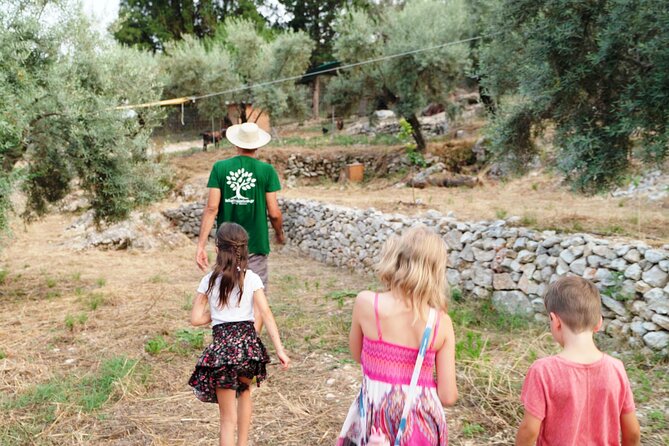
It also suits couples, solo visitors, and families with older children who can pay attention during a guided lesson. The garden and grove give younger visitors something to see and smell, but the health and production discussion may be too detailed for very small children.
You may also like it if you want a quieter break from boat excursions and swimming. Two hours at the farm offers a change of pace and connects your meals in Lefkada with the land around you.
I would skip it if you dislike tastings, have little interest in cooking, or want a substantial meal. The experience does not promise a full lunch, and the available feedback makes clear that the food samples can feel sparse.
Tell the farm about allergies or food restrictions before you go. That matters because the visit can include vegetables, fruit, and other garden produce, but the exact samples may vary.
Booking, cancellation, and practical planning
You can cancel for a full refund up to 24 hours before the start time. Cancellations made less than 24 hours ahead are not refunded, and changes inside that window are not accepted. The cut-off follows local time in Greece.
Use the mobile ticket and keep the meeting address handy. The tour returns to its starting point, which makes planning easier if you are using public transportation or arranging a ride.
Since the activity is offered in English, it is a good fit for English-speaking visitors who want the instruction without a language barrier. The service animal policy is clearly stated, and most people can take part.
I would schedule it when you have enough time to arrive without rushing. A farm lesson is more enjoyable when you can listen, taste, and look around rather than watch the clock for your next reservation.
Should you book the Lefkada Micro Farm tasting?
Book this experience if you want a useful, place-based lesson about olive oil and are happy with modest food samples. The strongest features are the White Lefkadian trees, the organic grove, the side-by-side tasting, and the practical advice on shopping and storage.
Think twice if $62.48 feels high for a two-hour activity or if you expect a generous meal. This is best viewed as an olive oil masterclass in a farm setting, not a farm-to-table feast.
For a curious cook, I think the advice alone can have lasting value. You may return home, change the way you choose a bottle, store it away from heat and light, and taste your next salad with sharper instincts. That is a good souvenir, even if the food samples are small.
FAQ
Where does the Olive Oil Experience take place?
It takes place at Lefkada Micro Farm, at E.O. Νυδριου Βαυκερής Ράχη, Nidri 311 00, Greece.
How long is the experience?
The activity lasts approximately two hours.
What language is the tour offered in?
The experience is offered in English.
How much does it cost?
The listed price is $62.48 per person.
What will I taste?
You will taste different varieties of extra virgin olive oil produced at the farm. You may also smell and try vegetables, fruits, or flowers growing in the garden.
Will I visit an olive grove?
Yes. The experience includes a visit to an organic olive oil grove, including the farm’s rare White Lefkadian trees.
Does the tour include a meal?
The provided details describe garden samples and olive oil tasting, but they do not promise a full meal.
Where does the activity end?
The experience ends back at the Lefkada Micro Farm meeting point.
What is the cancellation policy?
You can cancel up to 24 hours before the start time for a full refund. Cancellations or changes made less than 24 hours before the start time are not accepted for a refund.
Just added around Greece
- Athens: Greek Wine & Olive Oil Tasting at Brettos Plaka★ 4.5 · 3 reviews
- Breakfast in the markets with olive oil and honey tasting★ 4.8 · 8 reviews
- PRIVATE RHODES TOUR + Lunch Stop & WINE/OLIVE OIL Tasting★ 5.0 · 2 reviews
- Olive Tour & Tasting★ 5.0 · 4 reviews
- Olive Facility Visit with Olive Oil Tasting Session★ 5.0 · 2 reviews
- SYSTASIS Olive Oil Tasting Experience in Ermioni Greece★ 5.0 · 4 reviews
- Olive Oil Tour close to Nafplio★ 4.5 · 3 reviews
- Olive Oil Tasting at the Mykonian Farm★ 4.5 · 3 reviews
Olive Farm Visits, compared.
Sorrento Farm and Food Experience including Olive Oil, Limoncello, Wine tasting
Read our review →
Road-trip to Lasithi, Zeus Cave & Olive Mill Farm
Read our review →
Olive Farm Tour with Tasting of Local Delicacies
Read our review →
Lassithi, Zeus Cave, Olive Mill Farm & Knossos Combo Tour
Read our review →
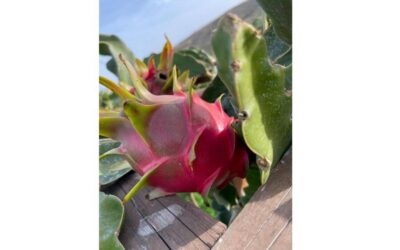
Traditional Olive Grove and Dragon Fruit Farm Tour
Read our review →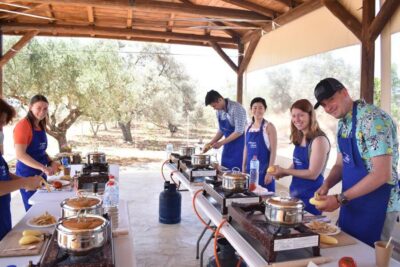
Cooking Class and Olive Oil Tasting at a Family Farm
Read our review →
Sóller: Olive Oil Guided Tour and Tasting at Can Det Estate
Read our review →Browse the lists this tour appears in