
Review · BALEARIC ISLANDS
Olive plant and mill visit and tasting
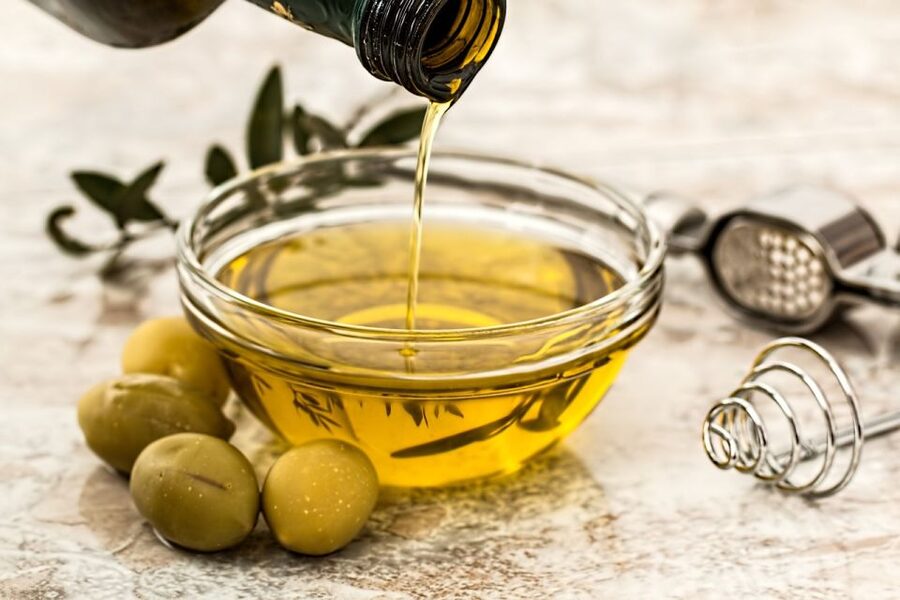
Olive oil tells Mallorca’s story. This three-hour visit takes you from grove to modern mill, then to a tasting table loaded with local food. I like the small group of up to eight and the generous picnic with pa amp oli, sobrasada, Menorcan cheese, Iberian ham, fruit, wine, and water. The main caution is the price: at $112 per person, it makes the most sense if you value personal transport and a guided food experience.
I also like the clear focus on tasting rather than simply looking at machinery. You learn how to recognize extra virgin olive oil, then taste it with foods that show how Mallorcans use it. Walking is moderate with only a few gradients, but the experience is not suitable for people with mobility impairments.
Key points to know before you book
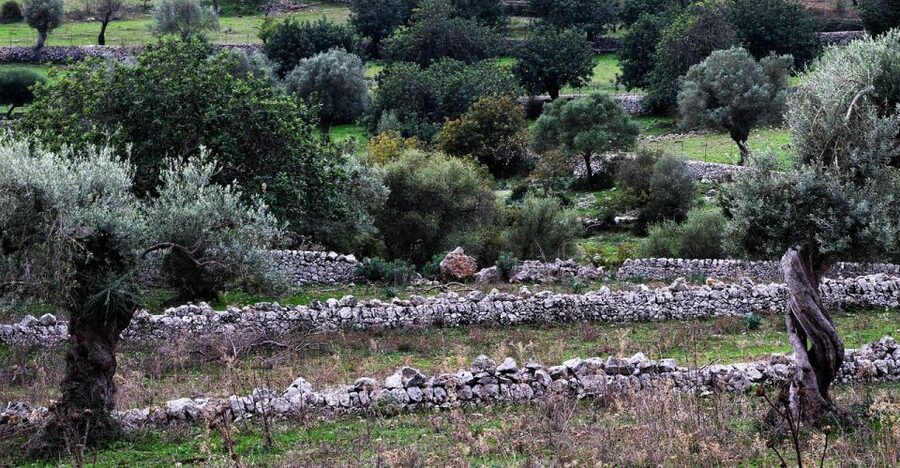
- A 30-minute van ride from Palma or Ca’n Pastilla takes you into the countryside around Llucmajor.
- The 2.5-hour estate visit covers the olive grove, local plants and animals, the mill, production methods, and tasting.
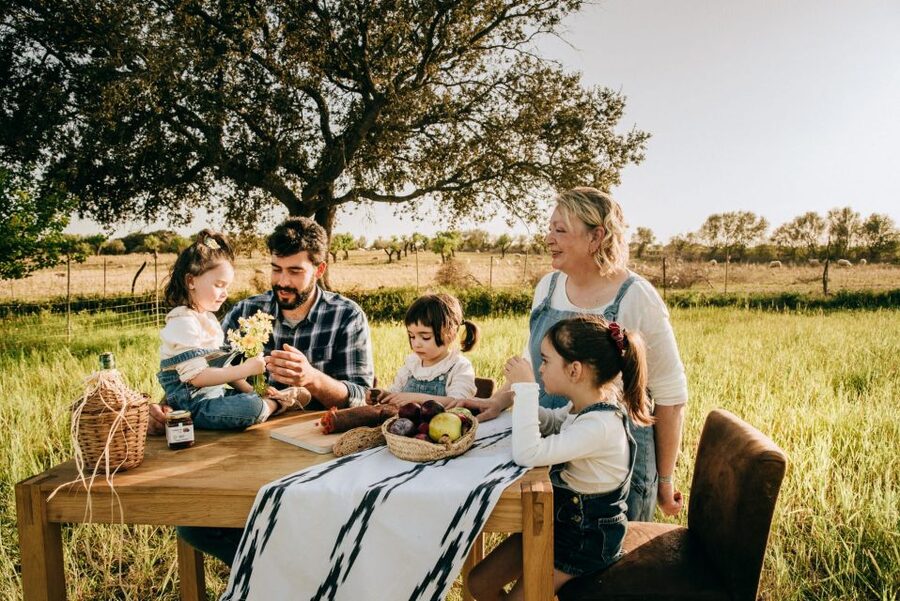
- The picnic is a real part of the experience, with pa amp oli, sobrasada, Menorcan cheese, Iberian ham, fruit, wine, and water.
- The group is limited to eight people, which leaves more room for questions and a calmer tasting.
- The tour is conducted in English, with one past experience also noting Spanish support from the guide.
- Pickup and drop-off are included from Palma or Ca’n Pastila, a useful saving of time and taxi planning.
Why this olive estate visit is worth your afternoon
Mallorca is easy to enjoy at the level of beaches, villages, and scenic drives. This visit gives you another way into the island: through one of its basic kitchen ingredients.
Olive oil is not just something placed on a restaurant table. It shapes pa amp oli, a simple Mallorcan combination of bread, tomato, and oil, and helps explain why local food can taste so good without a long ingredient list. The visit connects the grove, the mill, the bottle, and the meal. That connection gives the outing more purpose than a quick tasting at a shop.
I especially like that the tour covers both farming and extraction. You see the trees and the setting where olives grow, then learn how the fruit becomes oil in a modern mill. That makes the tasting easier to understand. Instead of being told that one oil is better than another, you get some background for judging aroma, flavor, and quality yourself.
The small group also matters. With a maximum of eight people, you should have a fair chance to ask about harvesting, production, and daily use. The experience is still organized, but it should not feel like being moved through a large bus group.
More Olive Mill and Factory Tours around Spain:
- Guided Tasting Tour in 16th century House and Olive Oil Factory
★ 5.0 · 169 reviews - Visit Oil Mill Museum and Olive Oil Tasting in Ronda
★ 4.5 · 105 reviews - Jaén: Guided Olive Mill Tour with Olive Oil Tasting
★ 4.9 · 74 reviews
From Palma to Llucmajor by van
You can arrange pickup in Palma or Ca’n Pastilla. The drive to Llucmajor takes about 30 minutes by van, followed by the return trip after the estate visit.
That transfer is one of the clearest reasons the $112 price may work for you. You do not need to arrange a rental car for a countryside visit, find the farm yourself, or plan a taxi back to town. For a short stay in Mallorca, the simple transport can save a good part of your day.
The trade-off is flexibility. Pickup and drop-off are limited to the stated locations, so you should check that your hotel fits the service area. The experience also has a fixed three-hour shape, making it less suitable if you want to linger at the estate or add several other sights in Llucmajor.
One account praised the pickup for being exactly on time and the communication before the tour for being clear. That is useful here because a countryside excursion depends on a smooth start. The same account appreciated Michael’s flexibility when he added a wine tasting to the day. Consider that a pleasant possibility, not a guaranteed part of the program, since wine tasting is not listed as a standard inclusion.
Walking among the olive trees
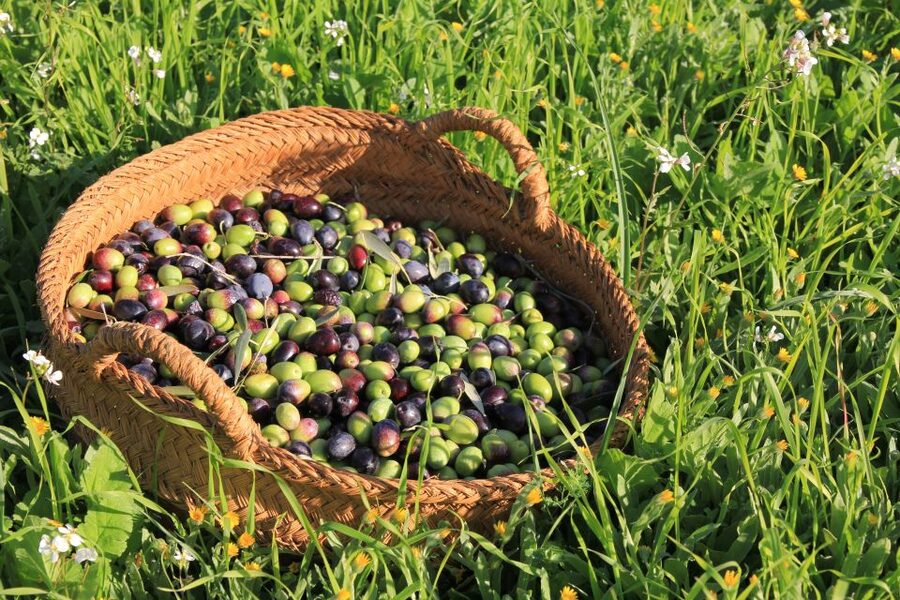
The first part of the estate visit takes you into the olive grove. You walk among the trees and learn about the plants and animals found around them.
This is a modest but important part of the outing. Olive oil can seem like a finished product in a bottle, but the grove shows the agricultural side of it. You get a sense of the trees as living crops and see the setting before moving indoors to the machinery and production process.
The walking is described as moderate, with only a few gradients. Comfortable shoes are the practical choice. You do not need specialist hiking equipment, but sandals with poor grip may be less comfortable on a farm path.
The route is not designed for people with mobility impairments. If uneven ground or gentle slopes are difficult for you, ask the provider about the exact walking conditions before booking. Assistance dogs are allowed, but other pets are not.
The grove is also a good setting for questions. You can ask how cultivation connects to harvest and how farming decisions affect the oil that reaches the tasting table. The available information does not specify the olive varieties, harvest dates, or exact farming methods, so do not expect a technical agricultural seminar on those points.
Inside the modern olive mill
After the grove, the guided visit moves to the olive plant and modern mill. Here you learn how olives are processed and how the juice becomes extra virgin olive oil.
This is the part that gives the excursion its practical backbone. You are not only tasting a product. You are following its route through a working production setting and learning why extraction methods matter. The exact machines and stages are not listed, but the tour promises an explanation of the production process and the methods used to protect oil quality.
For many people, this may be the most useful lesson of the day. Oil labels can be confusing, and attractive packaging does not tell you everything. The guide explains how to recognize extra virgin olive oil, giving you a better basis for choosing oil later at home.
You should keep your expectations realistic. This is a guided cultural visit lasting about two and a half hours, not a professional food science course. Its strength is the combination of clear explanation, place, and tasting. You get enough information to pay closer attention to oil, without needing prior knowledge.
The setting has also been praised for being well maintained. That matters because a clean, cared-for estate makes the visit more pleasant and helps you focus on the production story rather than basic comfort concerns.
More Olive Oil Tours around Spain:
- Ronda: LA Almazara LA Organic, Olive Oil Museum and Tasting
★ 4.6 · 435 reviews - Guided tour and olive oil tasting in Alhaurin el Grande (Málaga)
★ 5.0 · 200 reviews - Visit of the olive grove, olive oil tasting and snack
★ 4.9 · 111 reviews - Private Tasting of Olive Oil in Córdoba
★ 5.0 · 93 reviews
Learning to taste extra virgin olive oil
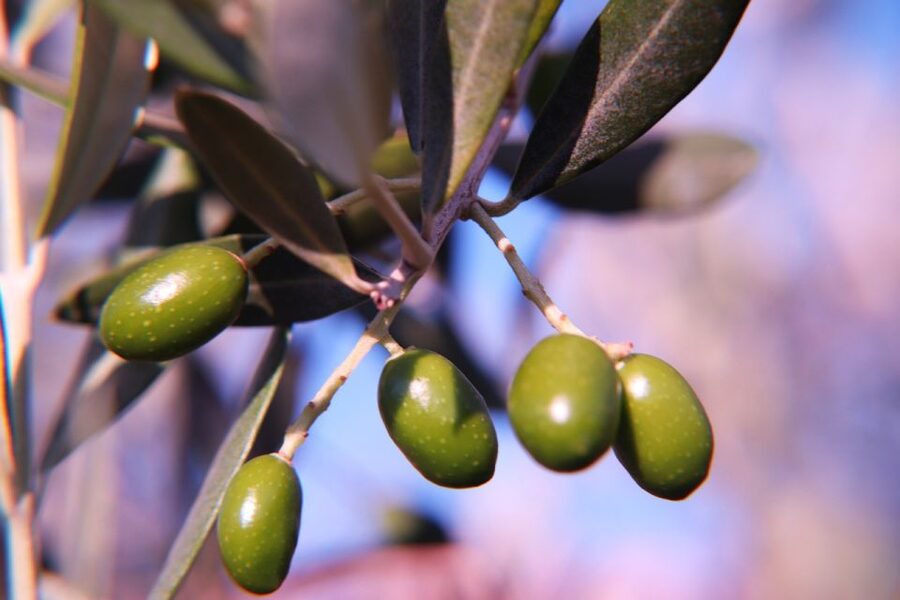
The tasting is where the visit turns from information into something you can test with your own senses. You sample olive oils and learn what to notice when judging quality.
A good tasting should help you move past the vague idea that all olive oil tastes the same. You may notice differences in aroma, fruitiness, bitterness, or peppery sensations. The supplied details do not identify the individual oils or provide a formal tasting sequence, so the guide’s explanation will shape how technical the session feels.
Still, the basic lesson is valuable. Extra virgin olive oil is judged by quality and taste, not simply by color or price. Learning to pay attention to flavor can change how you use oil in cooking and at the table.
The tasting is paired with Mallorcan food rather than treated as a stand-alone drink-like sample. That is a smart choice. Oil makes more sense when you try it with bread, tomato, cured meat, cheese, and fruit. The food shows how oil works in everyday meals, not just in a tasting glass.
One account specifically praised the olive oil, wine, and tapas, while another described the lunch as delicious. The praise for the food and hospitality is consistent enough to make the picnic a major part of the value.
A Mallorcan picnic with pa amp oli and sobrasada
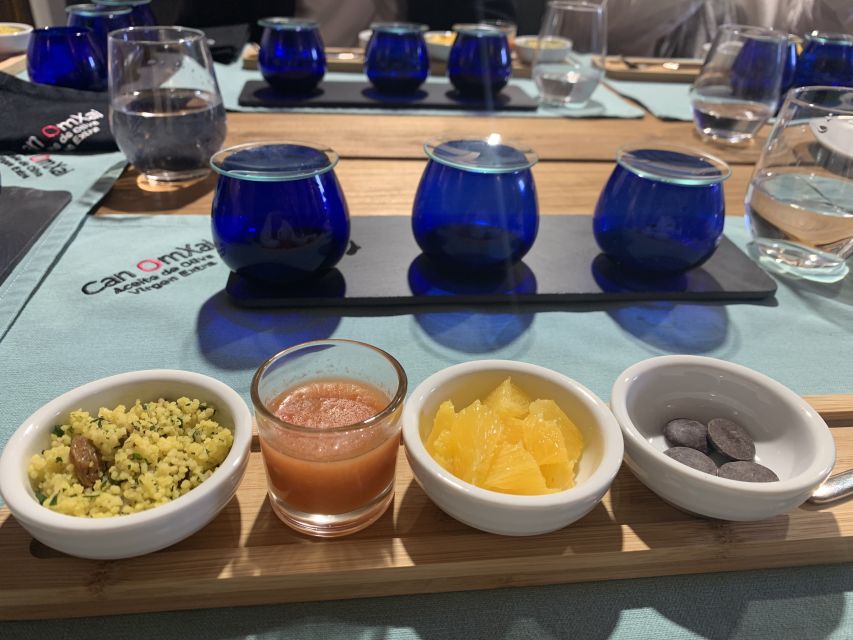
The included picnic gives you a generous introduction to island flavors. Expect pa amp oli, sobrasada, cheese from Menorca, Iberian ham, fruit, water, and wine.
Pa amp oli is especially well suited to an olive oil visit. It is simple food, but that simplicity lets the oil matter. Sobrasada brings a soft, seasoned sausage to the table, while Menorcan cheese and Iberian ham add salt and texture. Fruit finishes the meal with something fresh.
This is more than a snack between activities. It lets you connect the oil to the foods people actually eat in the region. If you enjoy food-based tours, the picnic will likely be one of the strongest parts of the afternoon.
The package includes water and wine with the picnic. Other drinks and additional food are not included, so do not expect an open bar or a menu of alternatives. The information provided does not specify vegetarian, vegan, allergy-friendly, or gluten-free options. If you have dietary needs, contact the provider before booking rather than relying on the standard picnic.
The meal also helps justify the duration. You are not spending three hours on a short machinery demonstration followed by a tiny sample. The estate visit, tasting, and picnic form one connected experience.
Guides, language, and group size
The listed tour language is English, making it a practical choice for English-speaking visitors. One food tasting account also described a guide who presented the tour in English and Spanish and welcomed questions.
Two guide names appear in the feedback: Julia was praised directly for doing a perfect job, while Michael was appreciated for his friendly flexibility and an unexpected invitation to a wine tasting. Guide assignments can change, so treat those names as helpful context rather than a promise that one of them will lead your visit.
The small group limit of eight is a real advantage for this type of outing. Olive oil tasting works better when you can hear the guide and ask about what you are smelling or tasting. A small group also makes the picnic feel less rushed and more personal.
The activity has received a full five-star average from ten ratings, with praise focused on the organization, communication, food, setting, and explanations. That is a small sample, so I would not treat it as proof that every departure will be perfect. It does support the idea that the core experience is well organized and warmly delivered.
Is $112 a fair price?
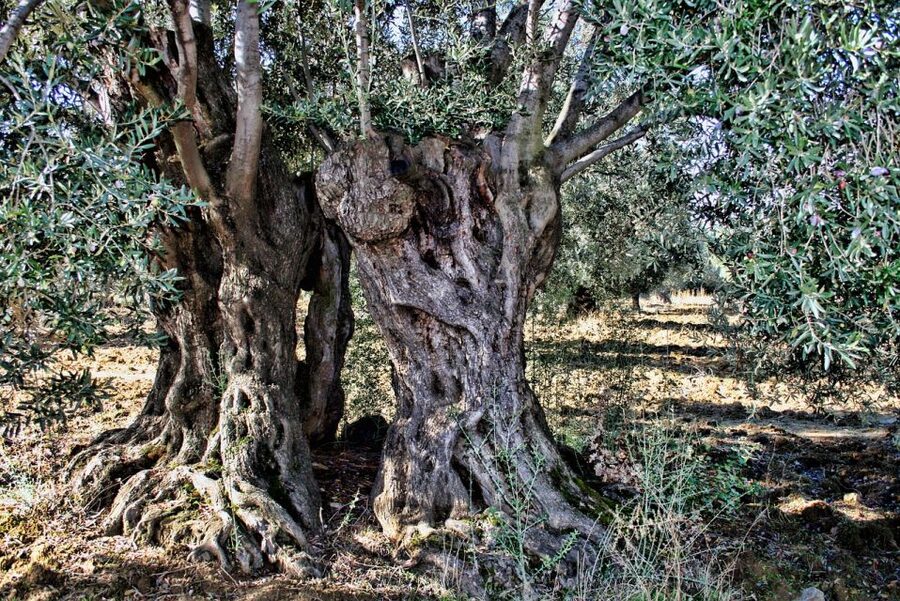
At $112 per person, this is not a cheap countryside outing. The price covers hotel pickup and drop-off from Palma or Ca’n Pastilla, transport to Llucmajor, a 2.5-hour guided visit, the olive mill, oil tasting, picnic food, wine, and water.
The value depends on how you would otherwise arrange the day. If you already have a car and plan to visit the area, you may prefer to buy oil directly and explore independently. You would lose the guided explanation, organized tasting, and included meal, but you would gain more control over your schedule.
If you are staying in Palma and do not want to drive, the price is easier to defend. Transport alone removes a logistical chore, while the small group and food make this more than a transfer to a farm. For a visitor who wants one polished half-day activity centered on Mallorcan food, the package is reasonably complete.
I would not book it only because you want pretty countryside views. The main point is olive oil, production, and food. If those subjects do not interest you, the price will feel high. If you enjoy learning how local ingredients reach the table, the experience offers enough substance to fill the afternoon.
Who should book this olive oil experience?
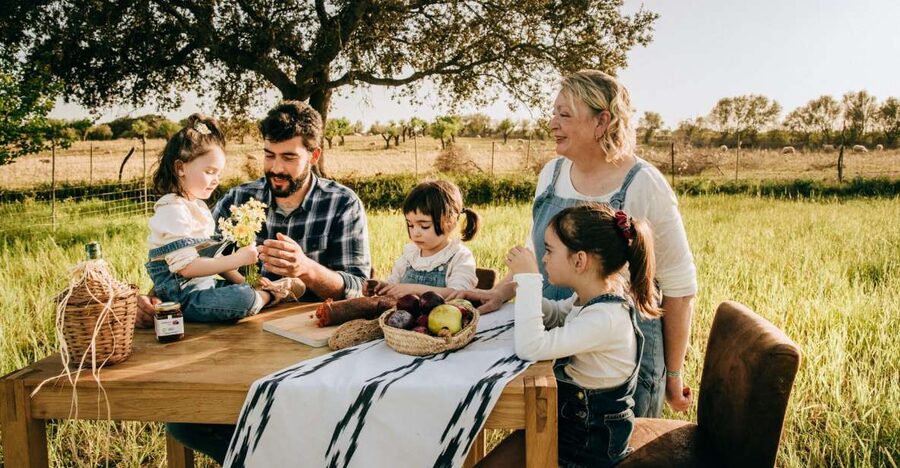
I would recommend it to you if you enjoy food traditions, farm visits, and guided tastings. It suits couples, solo visitors, and small groups who prefer a calm outing over a large sightseeing tour.
It is also a good choice for a first visit to Mallorca when you want something rooted in local life. You learn about a daily ingredient, eat regional food, and see a rural area outside the main city zone.
Families may enjoy the grove and machinery, but the tasting and production explanations are likely to appeal most to adults and older children. The information does not provide a child price or child-specific program, so check those details before booking with young children.
You should skip it if you have serious walking limitations, need extensive dietary adjustments, or want a long independent visit with plenty of free time. The route includes moderate walking, and the tour has a set schedule.
Book ahead if the small group matters to you. With only eight places, this is not designed for turning up casually. Free cancellation is available up to 24 hours before the start, and you can reserve now and pay later, which gives you some flexibility while planning.
Should you book it?
Book this experience if you want to understand Mallorca through olive oil rather than simply buy a bottle and move on. The grove, modern mill, tasting, and picnic fit together well, and the included transport makes the outing easy from Palma or Ca’n Pastilla.
I would pass if $112 feels too high for a three-hour activity or if you prefer to explore at your own pace. For everyone else, the small group, friendly guiding, solid food, and hands-on tasting make this a useful and enjoyable introduction to one of Mallorca’s key table traditions.
FAQ
How long does the olive estate experience last?
The experience lasts three hours in total. This includes transport, the estate visit, guided mill tour, tasting, and picnic.
Where can I be picked up?
Pickup is available in Palma or Ca’n Pastilla. Drop-off is also available at those two locations.
How long is the drive to the estate?
The van ride to Llucmajor takes about 30 minutes. The tour then continues with approximately 2.5 hours at the estate.
What food is included?
The picnic includes pa amp oli, sobrasada, cheese from Menorca, Iberian ham, and fruit. Water and wine are also included.
Is the tour offered in English?
Yes. The listed tour language is English. One past experience also noted that the guide provided the tour in English and Spanish.
How many people are in the group?
The group is limited to eight participants.
Is much walking involved?
The tour includes a moderate amount of walking and only a few gradients. Comfortable shoes are recommended.
Can I cancel the booking?
You can cancel up to 24 hours in advance for a full refund. You can also reserve the experience and pay later.
Just added around Spain
- XXI Century Olive Oil Mill Tour★ 5.0 · 3 reviews
- Visit to an olive oil mill and oil tasting with aperitif and food and wine pairing.★ 5.0 · 2 reviews
- Treurer: Tapas Gourmet and Extra Virgin Olive Oil★ 4.7 · 3 reviews
- Ulldecona: Guided Tour of the Millenary Olive Trees of Arión★ 5.0 · 2 reviews
- Treurer: Olive Oil Night. Gastronomic experience★ 5.0 · 15 reviews
- Olive Oil and Winery Tour from Zaragoza City★ 5.0 · 4 reviews
- Olive Oil Private Full-Day Tour with Tasting in Valencia★ 5.0 · 2 reviews
- Olive Oil Tour and Visit to Belchite Old Town★ 5.0 · 16 reviews
Olive Mill and Factory Tours, compared.
Knossos-Zeus Cave -Old Traditional Villages-Olive Oil Factory
Read our review →
The Governor’s Olive Mill Tour with Olive Oil Tasting
Read our review →
Road-trip to Lasithi, Zeus Cave & Olive Mill Farm
Read our review →
Lassithi, Zeus Cave, Olive Mill Farm & Knossos Combo Tour
Read our review →
Zeus Cave, Lassithi Plateau, Olive Oil Factory, Kritza, Pottery
Read our review →
Zeus Cave, Lassithi Plateau, and Olive Factory Tour
Read our review →Browse the lists this tour appears in