
Review · ANDALUSIA
Ronda: LA Almazara LA Organic, Olive Oil Museum and Tasting
Olive oil gets its own art museum here. LA Almazara LA Organic combines a guided farm walk, an organic olive mill, Philippe Starck design, and a tasting lesson in a compact 90-minute visit. I especially like the chance to see how olives become oil and the easy, practical tasting session that teaches you what to look for at home. The main drawback is that transportation is not included, and the gravel paths can be difficult for wheelchair users.
This is more than a quick sample at a shop counter. You move through farmland, production areas, and a striking building before sitting down with several oils. Guides such as Ursula, Simon, Maria, Ali, Jorge, and Andrés have been praised for explaining the subject clearly in both English and Spanish. Just keep in mind that the exact harvest activity depends on the season, and one visit in November found the harvest already finished.
Key points to know before you go
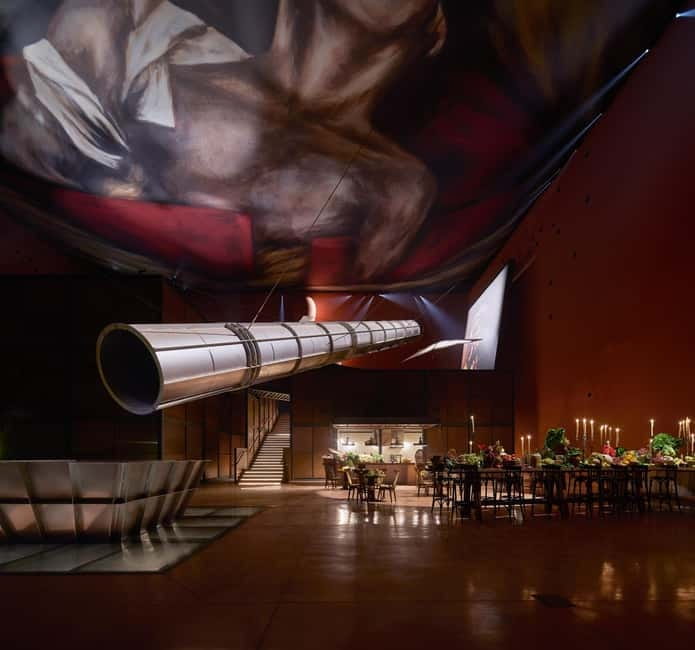
- Philippe Starck design: The museum and mill are attractions in their own right, with art and architecture woven into the visit.
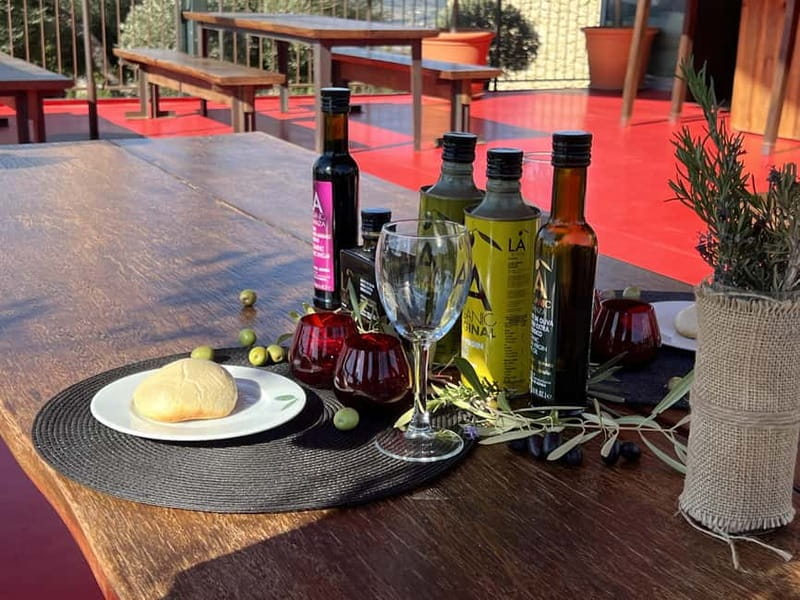
- A real tasting lesson: You learn how to detect mild and intense oils, notice different flavors, and match oil to food.
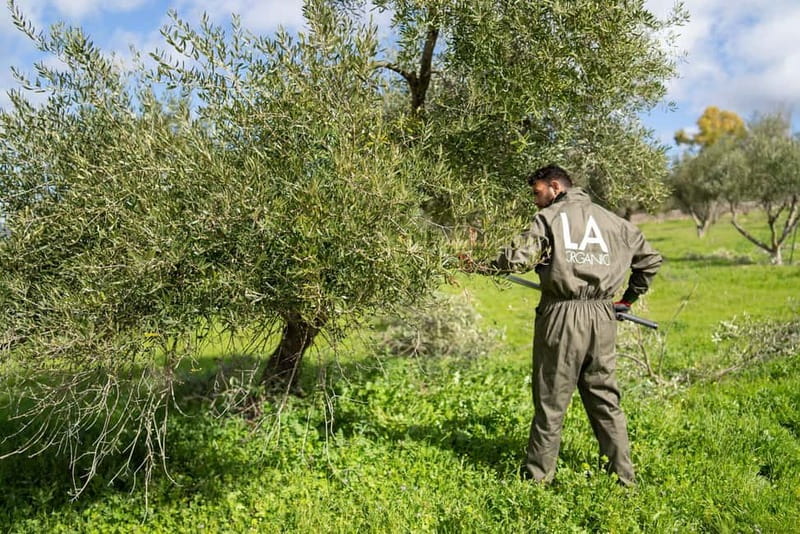
- A short farm walk: The route passes vegetables, aromatic plants, citrus and quince trees, olive groves, and mountain views.
- Award-winning organic oil: The tasting includes oil associated with a 2015 award for the best organic oil in the world.
- Convenient add-on meal: The property has a restaurant and terrace, and several people stayed for tapas, wine, or lunch after the tour.
- Plan your ride: Transportation is not included, so you need to reach the LA Organic Country House on your own.
Why this Ronda olive oil visit is different
Andalusia is full of olive groves, but most visitors see the trees from a road or sample oil at a market. At LA Organic, you get a closer look at the whole chain: the trees, the farm, the mill, the design of the facility, and the finished bottle.
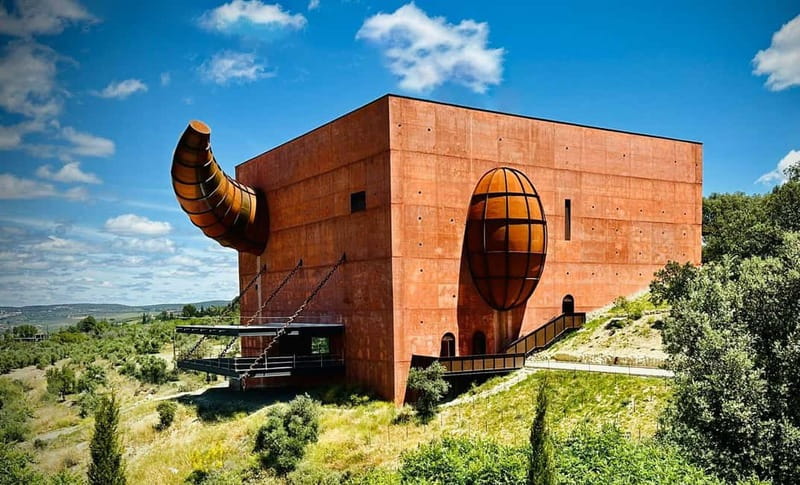
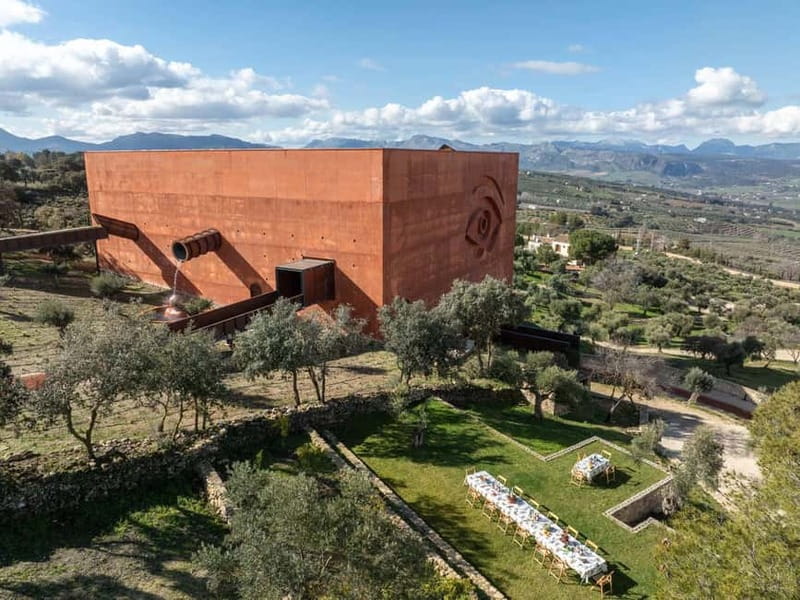
The attraction is billed as the first author olive oil mill in the world. The unusual wording points to the main idea: this is an agricultural site designed with the same care you might expect from a gallery or modern museum. French designer and architect Philippe Starck shaped the creative connection between the building, the art, and the natural setting.
That makes the visit a good match for you if you like food, design, or rural Spain. You do not need to be an olive oil expert. In fact, the tasting works best if you arrive knowing little and let the guide reset your assumptions about what good oil should taste like.
The visit lasts about 1.5 hours. That is long enough to cover the main points without taking up your whole day in Ronda. It also leaves time for a meal, a drink, or another sight in town.
More Olive Oil Museums around Spain:
- Visit Oil Mill Museum and Olive Oil Tasting in Ronda
★ 4.5 · 105 reviews - Guided tour of the Museum of Olive Culture Oil Tasting
★ 5.0 · 17 reviews - Split: Klis Fortress GOT and Olive Museum Entry Tickets
★ 4.6 · 283 reviews
Starting at the LA Organic Country House
You meet your guide at the LA Organic Country House. Transportation is not part of the ticket, so plan this before you book. One visitor noted that a taxi from the train or bus station cost about 17 euros each way. That extra expense can change the value calculation for solo visitors or anyone traveling on a tight budget.
The location is described as roughly 10 minutes by car from Ronda, and it is close enough to town to work well as a short outing. Still, do not assume you can simply walk there from the center. Check your route and allow time to arrive at the stated meeting point.
Wear comfortable shoes. The visit includes a farm walk, and some of the ground is gravel. Sunglasses, water, a camera, and comfortable clothes are sensible choices, especially on a sunny day.
The tour is offered in English and Spanish. Guides have handled mixed-language groups by switching consistently between the two languages. Simon, for example, was praised for keeping a larger group informed in both languages while adding humor. Ursula was singled out for her warmth and passion, while Ali was appreciated for answering questions about the groves and production process.
Walking through the farm and olive groves
The outdoor portion gives the oil a sense of place. Instead of treating the bottle as an isolated product, the guide connects it to the soil, trees, plants, and working farm around you.
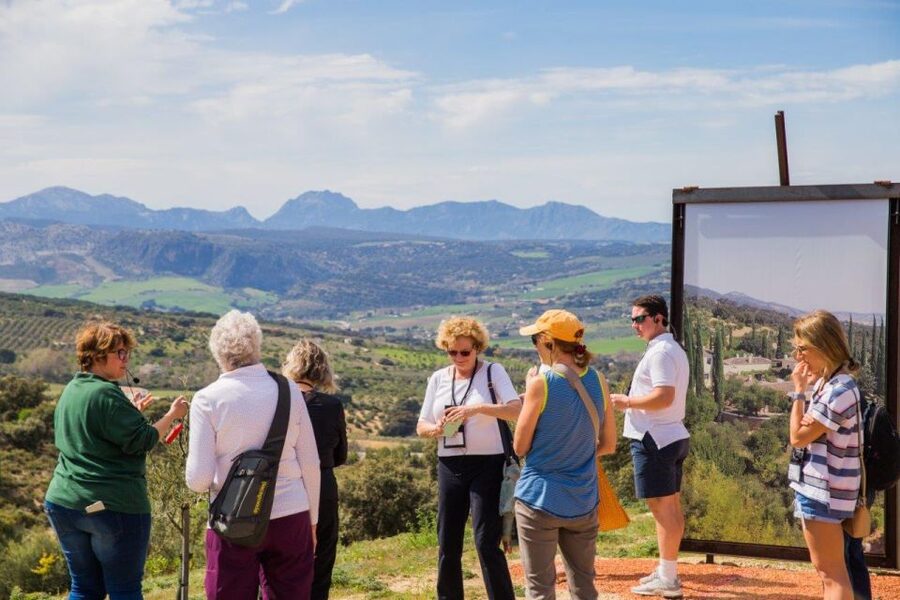
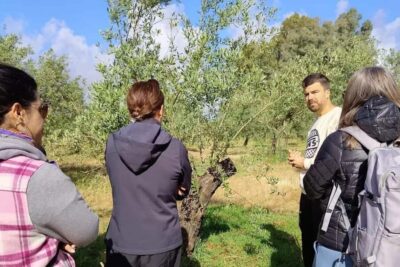
The grounds include vegetables, aromatic plants, citrus trees, and quince trees. You also walk among olive trees and look across rolling vineyards toward the mountains around Ronda. The setting is one of the strongest parts of the visit, so take your time and look around instead of treating the walk as simply a route to the next room.
Several guides encourage people to enjoy the views as they explain the farm. That approach makes the outing feel less like a technical lecture and more like a practical introduction to local agriculture.
The amount of walking through the grounds may vary. One person wanted a longer farm tour, while another found the visit pleasant but wished the outdoor portion had covered more of the property. If your main goal is agriculture rather than architecture or tasting, it is worth asking the guide how much time will be spent outside.
The gravel also matters. The tour is not suitable for wheelchair users, and a family with a wheelchair found that rolling through the gravel was difficult. A guide helped by using a shorter route, but the setting is not fully accessible. Contact the provider before booking if mobility is a concern.
Inside the Philippe Starck museum and mill
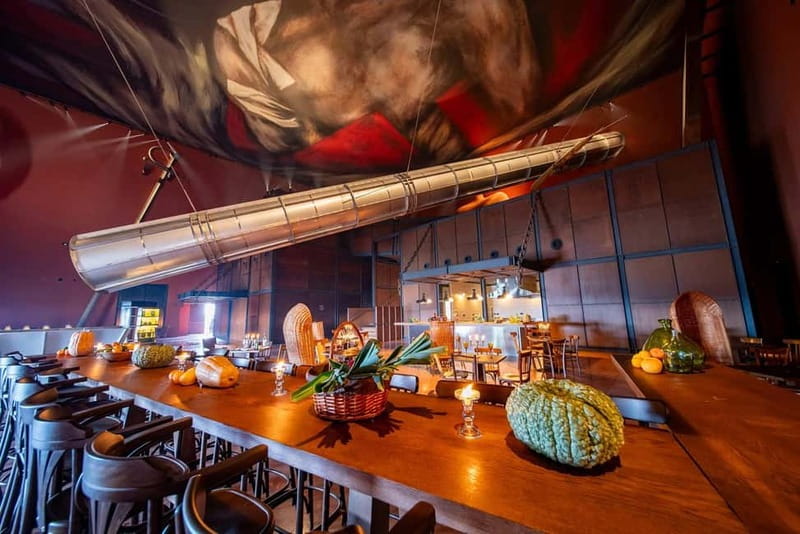
The building is not a plain industrial shed. Art, architecture, and olive oil production share the same space, giving you something to look at even during the more technical sections.
The museum explains the local olive oil tradition and the ideas behind the property. The creative work of Philippe Starck is part of the story, not just decoration added around the edges. You get to see how a working mill can also serve as a designed cultural space.
The mill section explains how olives are pressed and how high-end organic oil is bottled. The details are presented as part of the guided visit, so you can ask questions rather than trying to understand a display on your own.
A short video about the family who owns the fields has also been used at the beginning of the visit. The tour then moves through the facility before reaching the explanation of extraction. The order can make the process easier to follow: first the people and place, then the equipment, then the taste in your glass.
The museum was still being completed during some earlier visits. At that stage, construction crews were present and the restaurants were not yet open. More recent visits describe the building, cafe, restaurant, and terrace as working parts of the property, but the site may still change as new spaces are added.
More Organic Olive Farms around Spain:
- Córdoba: Visit a family organic olive grove with tasting
★ 5.0 · 30 reviews - OLIVE OIL & WINE TOUR Organic fields – 5 Wines + 3Olive Oils
★ 5.0 · 7 reviews - Baeza: Visit to an Organic Olive Grove + Oil Tasting
★ 5.0 · 5 reviews - Organic cooking class with a sommelier in an Olive and wine farm
★ 5.0 · 69 reviews
Learning to taste olive oil properly
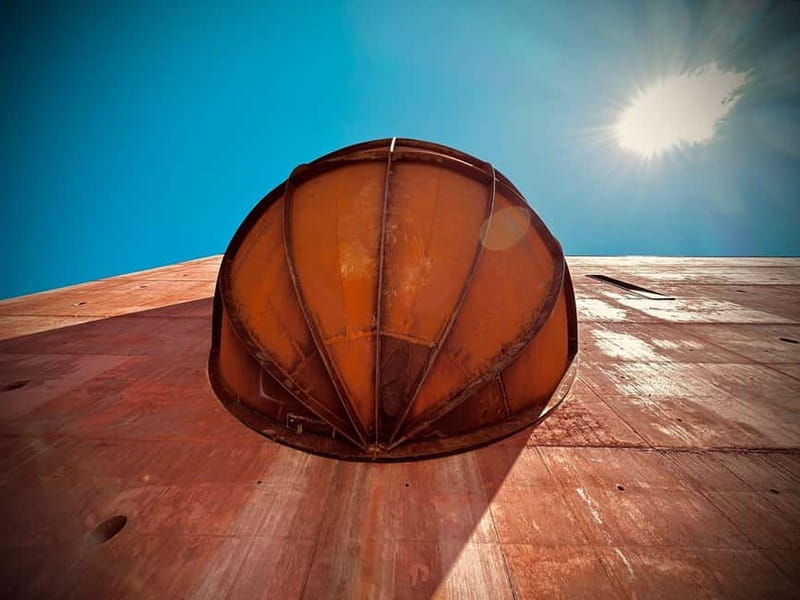
The tasting is the practical heart of the outing. If you have attended wine tastings, the format will feel familiar, but olive oil has its own habits and vocabulary.
Your guide shows you how to find the full range of aromas and flavors in each oil. You learn to tell a mild oil from an intense one and consider which foods suit each style. The point is not simply to decide which oil you prefer. You are learning how to notice quality, freshness, bitterness, peppery notes, and the character of the olive.
The oils may be served in a mix of pre-poured samples and bottles on the table. One session included two pre-poured oils and two more on the table, served with bread. Another person wished for three oils instead of two, so the exact comparison can vary. Do not expect a long professional certification course. This is a friendly introduction designed for ordinary cooks and curious visitors.
The guide’s explanation makes the difference. Ursula was praised for turning the tasting into a fun lesson, while other guides helped people understand the notes in each oil and how to read labels. That label advice is especially useful because supermarket packaging can make it hard to tell what you are buying.
The tasting also includes an oil connected with a major 2015 organic award. You may even taste oil from a first pressing, depending on what is being offered during your visit. Those details give the tasting a clear connection to the mill rather than making it feel like a generic retail sample.
There is no reported pressure to buy. The shop sells oils and vinegars, and one visitor found the prices reasonable for the quality. Buying a bottle makes sense if you can pack it safely, but you can still enjoy the lesson without treating the visit as a sales appointment.
Staying for lunch on the terrace
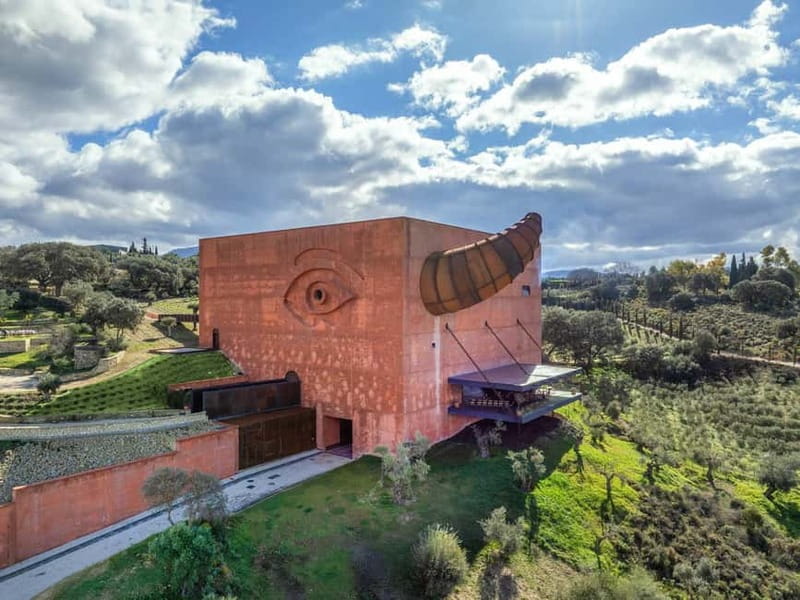
The experience can fit neatly into a larger day in Ronda, but the property also gives you a reason to linger. The restaurant and cantilevered terrace have been praised for their setting, and people have stayed for lunch, tapas, wine, or a tasting menu after the guided portion.
This is a useful option if you would rather not rush back into town. You can continue the food theme and enjoy the views after the guide finishes. It also makes the outing feel more substantial than a 90-minute stop.
Restaurant arrangements have not always been simple. Earlier visits took place before the restaurants opened, and one person found the restaurant booking website difficult to use. Check availability directly when planning lunch instead of assuming a table is guaranteed by your tour reservation.
The meal is separate from the tour price. That is helpful if you want a short visit, but you should budget for it separately if you plan to stay.
Is $29 a fair price?
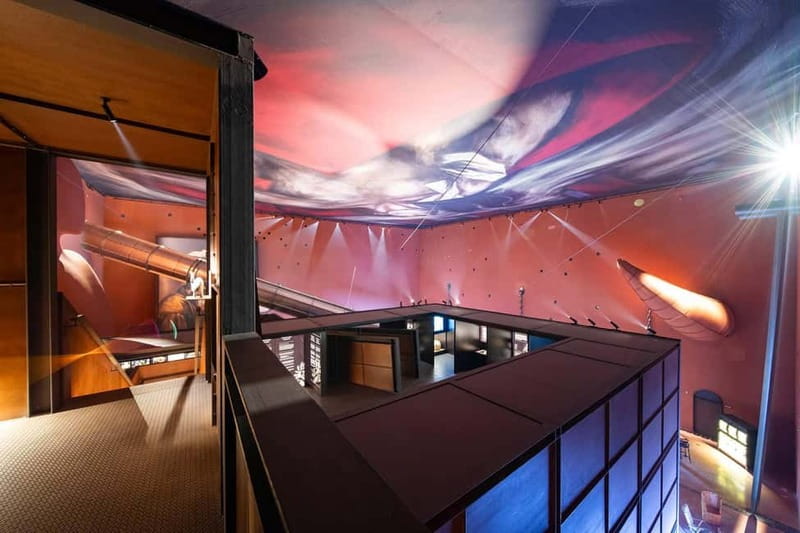
At $29 per person, the tour offers solid value for a 1.5-hour guided visit. Your ticket covers the guide and the olive oil tasting, while the museum, mill, farm, and views provide the setting. You are paying for access to a working agricultural site with a strong design element, not just for four small samples.
I think the price works best for anyone already planning to visit Ronda and interested in food or architecture. The visit adds variety to a day centered on the old town, the gorge, and historic buildings. It also gives you a useful souvenir skill: you will have a better idea of what to look for when buying olive oil later.
The calculation is less favorable if you need to pay for an expensive taxi each way, especially when traveling alone. A couple or family can spread that transport cost across several people. If you are already hiring a car, the location becomes easier to justify.
Free cancellation up to 24 hours before the activity and reserve-now, pay-later booking make it easier to fit the tour around uncertain plans. Starting times vary, so check the schedule before building your Ronda day around it.
The best time to visit
Olive harvest timing matters. One person booked a November visit expecting to see the harvest but found that it had already finished. The activity description does not give fixed harvest dates, so contact LA Organic if seeing picking or pressing is important to you.
The farm can be appealing at any time of year because the visit is not built around harvest alone. You still have the museum, mill, design, tasting, and views. Still, the working rhythm of an olive estate changes with the season, and you should set your expectations accordingly.
Sunny weather will make the outdoor section more pleasant, but rain does not automatically ruin the visit. A guide managed to keep one rainy tour interesting and enjoyable. Comfortable shoes remain important in all conditions.
Who will enjoy this tour most?
I would recommend it to:
- Anyone who cooks with olive oil and wants to understand quality.
- Food-focused visitors looking for a local Andalusian product.
- People interested in modern architecture, art, and design.
- Couples who want a relaxed outing beyond central Ronda.
- Families with older children who can manage a 90-minute guided visit.
- Wine enthusiasts looking for a different kind of tasting.
You may want to skip it if you dislike guided visits, have no interest in food production, or need a fully accessible route. It is also not the best choice if you expect a large museum with hours of exhibits. The visit is compact, personal, and tied closely to the mill and farm.
The legal drinking age in Spain is 18. Although the tasting is food-focused, under-18 visitors should not drink the oil samples as part of the activity.
Should you book LA Almazara LA Organic?
Yes, if you want a well-paced introduction to Andalusian olive oil with unusually good architecture and scenery. The strongest parts are the guides, the tasting lesson, the Philippe Starck building, and the chance to connect the finished oil with the trees and farm around it.
Book with two cautions in mind. Arrange transportation before you go, and confirm what is open if you hope to eat afterward. If you use a wheelchair, ask about the current route because gravel makes the standard outdoor visit difficult.
For most people visiting Ronda, $29 is a fair price for the mix of food, design, agriculture, and mountain views. It is a particularly good pick if you want something different from another church, palace, or city walk.
FAQ
Where does the LA Organic olive oil tour meet?
You meet your guide at the LA Organic Country House.
How long does the visit last?
The visit lasts 1.5 hours and includes the museum, mill, farm walk, and olive oil tasting.
What is included in the price?
The tour includes a guide and an olive oil tasting.
Is transportation included?
No. You must arrange your own transportation to the LA Organic Country House.
Which languages are available?
The tour is offered in English and Spanish.
What should I bring?
Bring comfortable shoes, sunglasses, a camera, water, and comfortable clothes.
Is the tour suitable for wheelchair users?
The activity is listed as not suitable for wheelchair users. Gravel on the grounds can make the outdoor route difficult, although a shorter route has been provided in at least one case.
Can I eat at the property after the tour?
The property has a restaurant and terrace, and lunch, tapas, wine, and tasting menu options have been available. Food is not included in the tour price, and you should check current restaurant availability separately.
Can I cancel the booking?
You can cancel up to 24 hours in advance for a full refund. Reserve-now, pay-later booking is also available.
Just added around Spain
- XXI Century Olive Oil Mill Tour★ 5.0 · 3 reviews
- Visit to an olive oil mill and oil tasting with aperitif and food and wine pairing.★ 5.0 · 2 reviews
- Treurer: Tapas Gourmet and Extra Virgin Olive Oil★ 4.7 · 3 reviews
- Ulldecona: Guided Tour of the Millenary Olive Trees of Arión★ 5.0 · 2 reviews
- Treurer: Olive Oil Night. Gastronomic experience★ 5.0 · 15 reviews
- Olive Oil and Winery Tour from Zaragoza City★ 5.0 · 4 reviews
- Olive Oil Private Full-Day Tour with Tasting in Valencia★ 5.0 · 2 reviews
- Olive Oil Tour and Visit to Belchite Old Town★ 5.0 · 16 reviews
Organic Olive Farms, compared.
Organic cooking class with a sommelier in an Olive and wine farm
Read our review →
Balsamic Vinegar, Olive oil and Organic Winery Tour in Assisi with tasting
Read our review →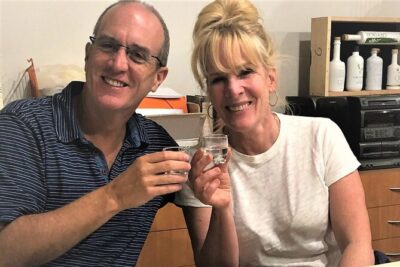
Organic Olive Grove tour & Olive oil tasting & lunch in Kalamata!
Read our review →
Córdoba: Visit a family organic olive grove with tasting
Read our review →
Organic Wine and Olive Oil Tasting Experience near Lecce
Read our review →
Leonardo Da Vinci’s wind mill visit and Organic olive oil tasting
Read our review →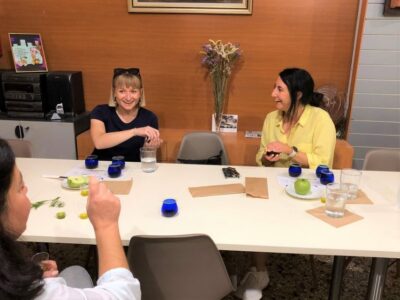
Kalamata, Greece: Organic Olive Grove Tour-Olive oil tasting
Read our review →Browse the lists this tour appears in