
Review · AUVERGNE-RHôNE-ALPES
Olive oil: Visit to the olive grove, tasting
Olive oil starts with a walk among trees. This one-hour visit takes you into an organic olive grove in the Ardèche countryside, where Claire Sixtre-Grorud explains the work behind each bottle. I like the personal scale of the experience and the chance to learn about local varieties such as Grossane, Rougette, Aglandau, Picholine, and Négrette. The main drawback is the rough access road, which calls for a suitable vehicle and comfortable walking shoes.
I also like that this is not just a quick tasting at a shop counter. You spend about 45 minutes outdoors learning about pruning, harvesting, changing seasons, and organic methods, then finish with a tasting of organic extra virgin olive oil. Claire’s warm, detailed style is a real strength, though some visitors may find the activity longer than the advertised hour, especially when conversation gets going.
Key points to know before you go
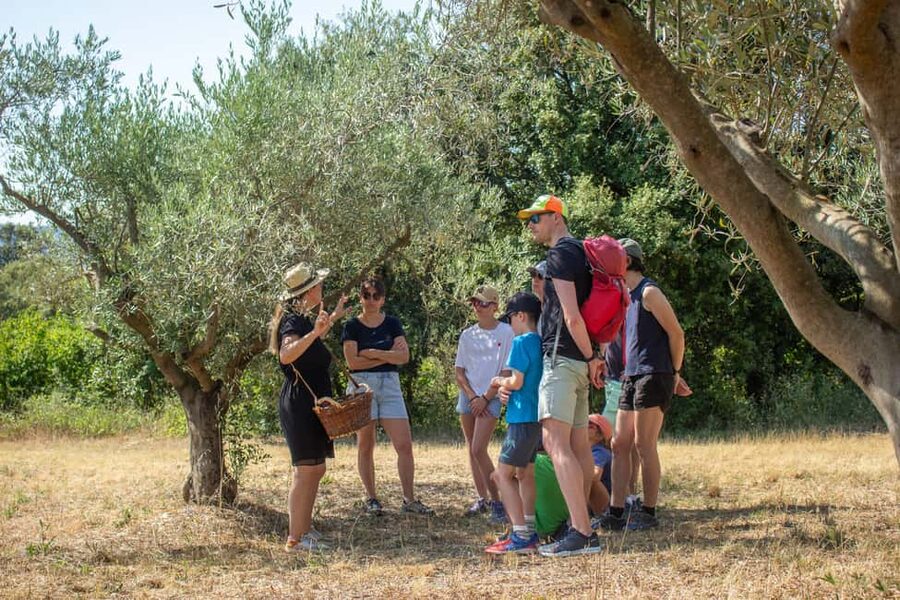
- Claire Sixtre-Grorud leads the visit: Her enthusiasm for olive growing is central to the experience, and her English is described as good.
- The grove tour lasts about 45 minutes: Expect an outdoor walk and explanation before the oil tasting.
- You learn about five local varieties: Grossane, Rougette, Aglandau, Picholine, and Négrette are part of the story.
- The setting is rural and unpaved: The final access road is sloping and rough, so drive carefully or park lower down and walk.
- The tasting is informal and friendly: You can ask questions and talk with the producer rather than simply sample and leave.
- The price is only $8 per person: For a small-group farm visit with a tasting, that is a strong value if you are already exploring Ardèche.
Walking into the Ardèche olive grove
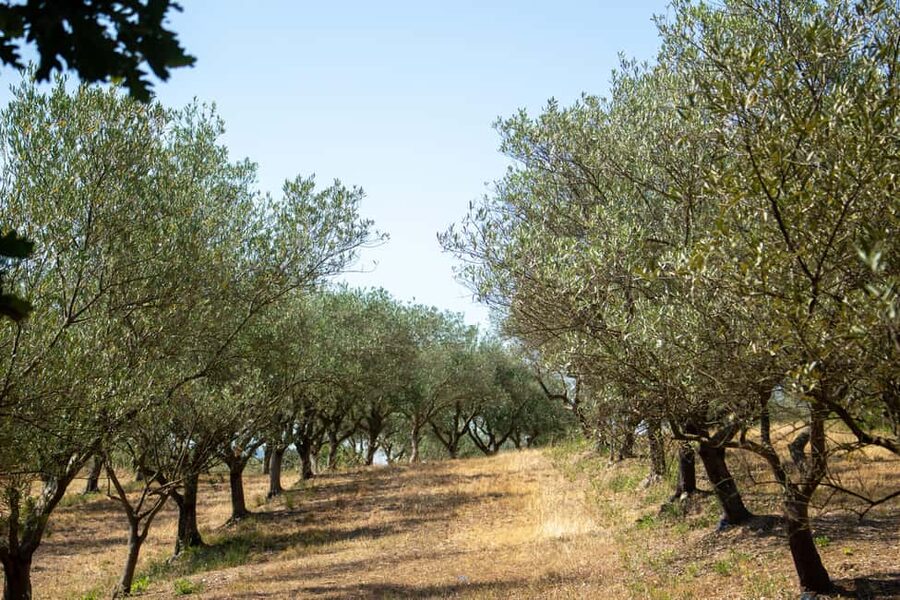
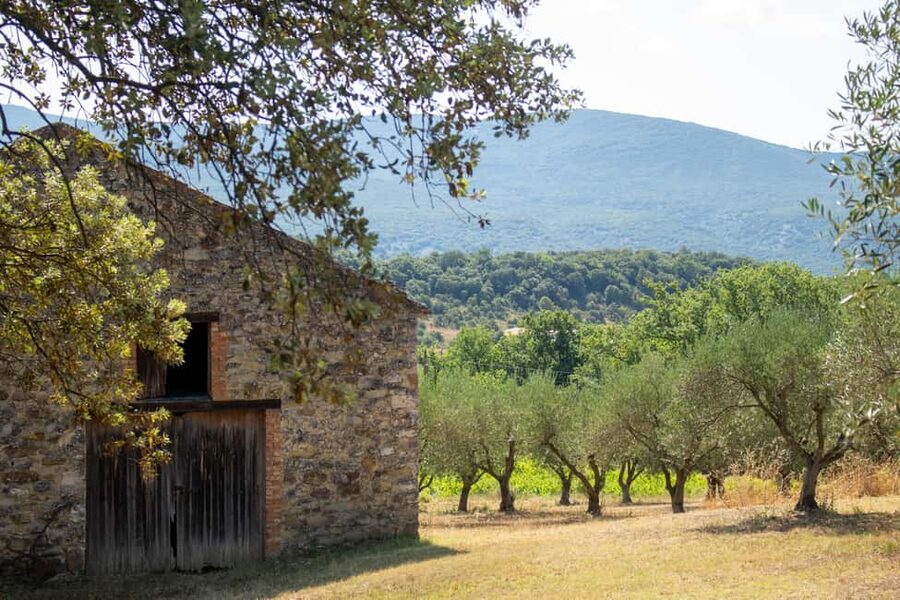
The meeting point is in front of the barn. From there, Claire guides you into the grove for an outdoor introduction to olive growing in this part of Auvergne-Rhône-Alpes.
The setting matters. You are not hearing a general lesson about olive oil in a city shop. You are seeing the trees, the soil, and the working environment where the oil begins. That makes the explanations about pruning and harvesting easier to understand. You can connect the final product in your glass with actual trees and seasonal work.
The walk lasts approximately 45 minutes, although you should allow more than an hour if the conversation continues. One visitor specifically found the explanation so thorough that the visit ran beyond the stated 45-minute tour period. That is a benefit if you enjoy asking questions, but it is worth remembering if you have a tight afternoon schedule.
The ground is natural rather than paved. Wear shoes with a decent grip, especially if the surface is uneven or the weather has been wet. A hat, water, and sunscreen are sensible because the tour takes place outside and the grove is described as sun-drenched.
More Olive Grove Walks around the world:
- Ostuni: Masseria tour among thousand-year-old olive trees with oil tasting
★ 4.8 · 261 reviews - Balestrate: Olive Grove Tour with Wines & Olive Oil Tasting
★ 5.0 · 241 reviews - Traditional Olive Grove and Dragon Fruit Farm Tour
★ 4.8 · 118 reviews
Learning the rhythm of an olive-growing year
The most useful part of the visit is the attention to timing. Olive growing is not a single harvest-day task. Claire explains the year as a cycle, including the care required during different seasons and the practical work that keeps the trees productive.
Pruning is one of the main subjects. You learn why this work matters and how it forms part of the grower’s regular duties. Harvesting is another focus, with an introduction to the techniques used when the olives are ready. The activity does not promise a hands-on pruning or picking session, so you should book it for explanation rather than physical participation.
That distinction is helpful. If you want to understand how an olive grove operates, this visit gives you a clear foundation. If you are looking for a full agricultural workshop, you may find the format too short.
Claire also talks about her approach to organic farming. The subject is not treated as a label on a bottle. It is connected to her daily work and her relationship with the Ardèche land. I like this personal angle because it explains the choices behind the product instead of simply telling you that the oil is organic.
Five olive varieties, five points of comparison
A particularly good detail is the introduction to the five varieties grown here: Grossane, Rougette, Aglandau, Picholine, and Négrette.
You may not become an olive expert in one hour, but knowing the names gives the tasting more purpose. Instead of treating all olives as the same, you begin to understand that varieties can have different characteristics. The tour gives you a way to think about flavor, growing conditions, and the choices made by the producer.
The activity does not provide a detailed flavor chart or promise a separate sample of every variety. Keep your expectations realistic. The value is in the explanation and the connection between local varieties and the finished extra virgin olive oil.
For food lovers, this is the part that adds depth to a simple tasting. You can take what you learn to markets, restaurants, or shops elsewhere in France. Even a short introduction helps you ask better questions and pay closer attention to what you taste.
The organic extra virgin olive oil tasting
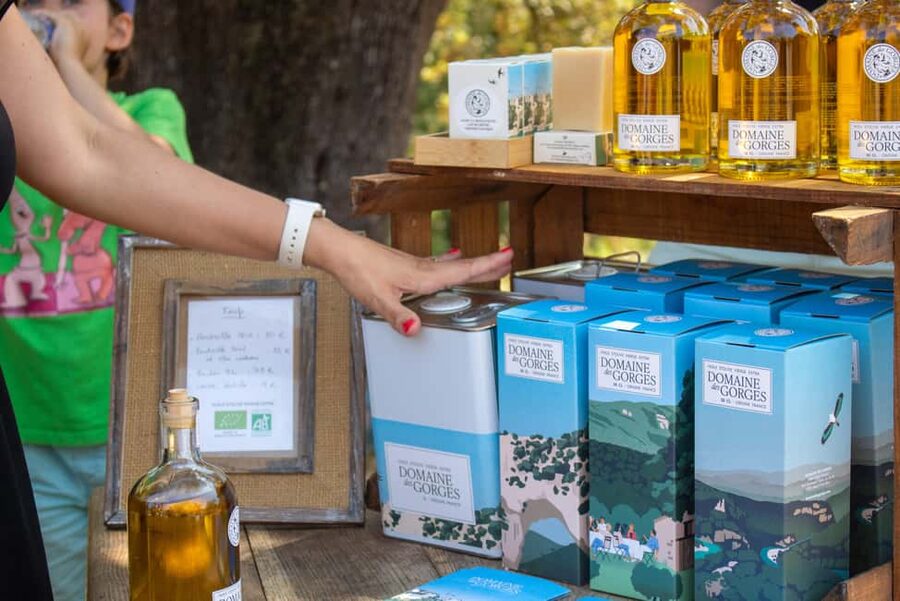
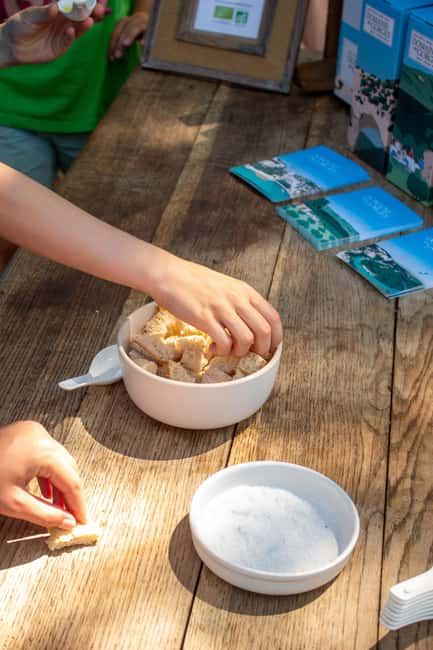
The tour finishes with a tasting of Claire’s organic extra virgin olive oil. It is a relaxed end to the walk, with time for discussion and an informal get-together with the producer.
The tasting is not presented as a formal class, so you should expect a friendly introduction rather than a technical certification course. Still, the grove visit gives the tasting a useful frame. You have just heard about the trees, the seasons, and the work involved. The oil now feels like the result of a process rather than an anonymous souvenir.
The strongest praise for this activity centers on the oil and Claire’s enthusiasm. One person described the oil as genuinely delicious, while another found Claire’s passion and explanations especially memorable. Those comments fit the structure of the visit: the producer herself is the main guide, and her interest in the work carries the experience.
I would treat the tasting as a chance to ask direct questions. You can discuss the varieties, organic methods, pruning, harvesting, and the way the oil reflects the producer’s work. Because the activity takes place in a small group, the conversation should feel more personal than a large commercial tasting.
More Olive Oil Tours around the world:
- Sorrento Farm and Food Experience including Olive Oil, Limoncello, Wine tasting
★ 5.0 · 2,524 reviews - Split: Krka Waterfalls With Boat Cruise, Wine and Olive Oil
★ 4.3 · 1,507 reviews - Crete: Quad Safari, Olive Mill with Tasting & Ghost Village
★ 4.9 · 1,004 reviews - From Mendoza: 3 Wineries, Olive Oil Factory Tour & Tasting
★ 4.6 · 901 reviews
Why the small-group format helps
The visit is designed for small groups. That is important here because the main attraction is conversation with Claire, not a large presentation delivered from a distance.
In a smaller group, you have a better chance to ask about the olive trees you are seeing and the tasks being explained. You can also take your time with the tasting and join the informal discussion. This format suits curious visitors who prefer direct contact with a producer.
The tradeoff is that the experience may feel less structured than a polished museum tour. Claire’s enthusiasm can lead to longer explanations, and the visit may run past the basic one-hour estimate. I see that as a positive for most people, but it may frustrate you if you need to leave at a fixed time.
Language is another point to consider. The tour is offered in French and English. One person found a good level of English and extensive explanations, while another noted that a working knowledge of French was needed. That suggests the English option is available, but the ease of the experience may depend on the scheduled guide and how much conversation you want to follow.
Getting to the barn and handling the rough road
The meeting point is simple: meet Claire in front of the barn. The more important detail is reaching the site.
Access requires a suitable vehicle because the final road is sloping and unpaved. If your car is not appropriate for that kind of surface, the practical advice is to park farther down and walk up. Build in enough time for this rather than arriving at the last moment.
Arrive five to 10 minutes before the start. That gives you time to deal with parking, walk to the barn if needed, and meet the guide without interrupting the opening explanation.
This access arrangement is a real limitation for some people. The activity is not suitable for wheelchair users or people with mobility impairments, and the natural ground adds another challenge. The provider also notes that rain may cause the visit to be postponed or canceled, so outdoor conditions matter.
Is $8 a fair price?
At $8 per person, this is one of the easier farm experiences to justify. You receive a guided grove visit, an explanation of five olive varieties, an introduction to organic farming, practical discussion of pruning and harvesting, and a tasting of organic extra virgin olive oil.
The price is especially good if you are already in the Ardèche countryside. You are paying for direct time with the producer, not just a sample poured at a retail counter. The small group and personal discussion add value without making the activity expensive.
Still, the low price does not mean the visit is a full-day agricultural program. The activity lasts about one hour, with roughly 45 minutes in the grove and the rest devoted to tasting and conversation. If you want extensive food pairings, a meal, or a large selection of oils, this is not that kind of outing.
For most people, the value comes from its focus. You get a short, local experience that fits neatly into a day of exploring Ardèche. It is easy to combine with other countryside stops, provided you allow for the rough access road and possible extra time in conversation.
Who will enjoy this visit most?
I would recommend this activity to you if you enjoy meeting small producers and learning how regional food is made. It is a good fit for couples, families with older children, and small groups who like outdoor activities with a clear local connection.
Food lovers will get the most from the tasting and variety discussion. Gardeners and anyone interested in organic farming should also appreciate the practical explanation of pruning, harvesting, and seasonal work.
The visit may not suit you if you want a fully paved route, indoor shelter, or a highly formal presentation. It is also a poor choice if your mobility is limited or your vehicle cannot manage the access road. The rain policy matters too, since the tour is outdoors and may be postponed or canceled in wet conditions.
English speakers should be comfortable booking, but I would still be prepared for some French, particularly if the group discussion shifts between languages. Claire’s English has been described as good, yet the level of ease may vary according to the session.
Practical tips for a better hour
Wear comfortable shoes that can handle natural ground. Do not arrive in delicate footwear and expect a smooth path from the barn through the grove.
Bring water, sunscreen, and a hat. The tour is outside, and shade should not be assumed. Check the weather before setting out because rain can affect the schedule.
Plan to arrive five to 10 minutes early. If you need to park below the site and walk up, you will be glad not to be rushing.
Keep your schedule flexible after the official end time. The advertised duration is one hour, but the detailed explanations and informal conversation can extend the visit.
If you are booking in English, confirm the language and starting time when checking availability. French and English are offered, but some of the content may be presented in its original language.
Cancellation is flexible enough for changing plans: you can cancel up to 24 hours ahead for a full refund, and you can reserve now while paying later. That is useful for an outdoor activity in a region where weather can change your plans.
Should you book the Ardèche olive grove visit?
Book it if you want an affordable, personal look at olive growing, especially if you enjoy meeting the person who produces what you taste. Claire’s enthusiasm, the organic focus, the five local varieties, and the friendly oil tasting give this short visit more substance than its price suggests.
Skip it if you need step-free access, indoor shelter, or a strict end time. Also think twice if you are not comfortable with a sloping, unpaved approach road.
For the right visitor, this is a simple and worthwhile Ardèche stop: a walk among olive trees, a practical lesson in seasonal work, and a chance to taste the result with the producer nearby.
FAQ
How long does the olive grove visit last?
The activity lasts about one hour. The guided walk through the grove takes approximately 45 minutes, followed by the olive oil tasting and informal discussion.
What is included in the price?
The $8 price includes the guided grove tour, an explanation of the olive varieties, information about organic farming, an introduction to pruning and harvesting, and a tasting of organic extra virgin olive oil.
Where do I meet the guide?
Meet Claire Sixtre-Grorud in front of the barn.
Which languages are offered?
The activity is offered in French and English. Some content may be presented in its original language.
What olive varieties will I learn about?
The varieties named for the visit are Grossane, Rougette, Aglandau, Picholine, and Négrette.
Is the tour indoors or outdoors?
The tour takes place outdoors in the olive grove. A hat, water, and sunscreen are recommended.
What should I wear?
Wear comfortable shoes suitable for walking on natural ground. Outdoor clothing suited to the weather is also recommended.
Can I reach the site with any vehicle?
No. Access includes a sloping, unpaved road, so you need a suitable vehicle. If your vehicle is not appropriate, park farther down and walk up.
Is the activity accessible to wheelchair users?
No. The activity is not suitable for wheelchair users or people with mobility impairments.
What happens if it rains?
The tour may be postponed or canceled in case of rain. You can cancel up to 24 hours in advance for a full refund, according to the stated conditions.
Just added around the world
- XXI Century Olive Oil Mill Tour★ 5.0 · 3 reviews
- Zadar, Šibenik: olive oil, wine & food tasting, Self Drive★ 4.7 · 9 reviews
- Villa Castelli: Highlights Walking Tour w/ Olive Oil Tasting★ 4.8 · 12 reviews
- Athens: Greek Wine & Olive Oil Tasting at Brettos Plaka★ 4.5 · 3 reviews
- Visit to an olive oil mill and oil tasting with aperitif and food and wine pairing.★ 5.0 · 2 reviews
- Umbria: E-Bike Rental and Fresh EV Olive Oil Tasting★ 5.0 · 4 reviews
- Unveiled Secrets of Porto + Olive Oil Tasting★ 4.8 · 3 reviews
- Vernazza (5 Terre): olive grove tour and oil and wine tasting★ 5.0 · 9 reviews
Olive Grove Walks, compared.
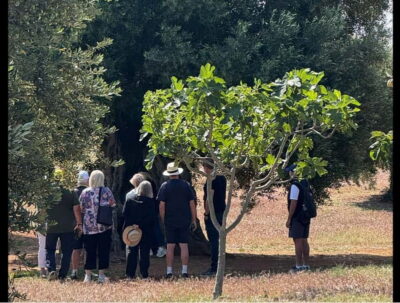
Masseria tour among thousand-year-old olive trees with oil tasting
Read our review →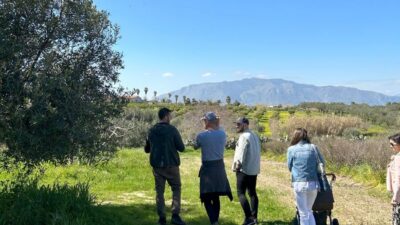
Olive Grove Tour with Wines & Olive Oil Tasting
Read our review →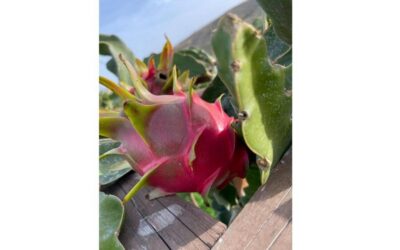
Traditional Olive Grove and Dragon Fruit Farm Tour
Read our review →
Visit of the olive grove, olive oil tasting and snack
Read our review →
Bologna: Olive Grove and Vineyard Tour with Product Tastings
Read our review →
Balestrate Olive Grove Tour: Wine and Olive Oil Tasting
Read our review →
Guided tours of the olive grove with oil tasting.
Read our review →
Organic Olive Grove tour & Olive oil tasting & lunch in Kalamata!
Read our review →Browse the lists this tour appears in