
Review · DALMATIA
Split: Olive museum Klis with Olive Oil Tasting
Olive oil gets the star treatment here. At Stella Croatica near Klis, you tour a traditional Dalmatian family estate, see how local products are made, walk through a botanical collection, and taste two oils in a hands-on workshop. I especially like the clear tasting lesson and the chance to sample handmade sweets and natural cosmetics before shopping at factory prices.
The setting is pleasant, the staff are friendly, and the price of $18 per person is fair for the entry ticket, guided visit, tastings, and museum access. My main caution is simple: this is an olive oil museum, not a working olive grove. You will not see rows of olive trees at the site, and one museum guide may be less lively than the tasting instructor.
Key points to know before you go
- The oil workshop is the strongest part: You taste two oils labeled extra virgin and learn how professional tasters judge aroma and flavor.
- Stella Croatica is more than a museum: The visit also includes traditional sweets, cosmetics, herbs, old buildings, and a shop.
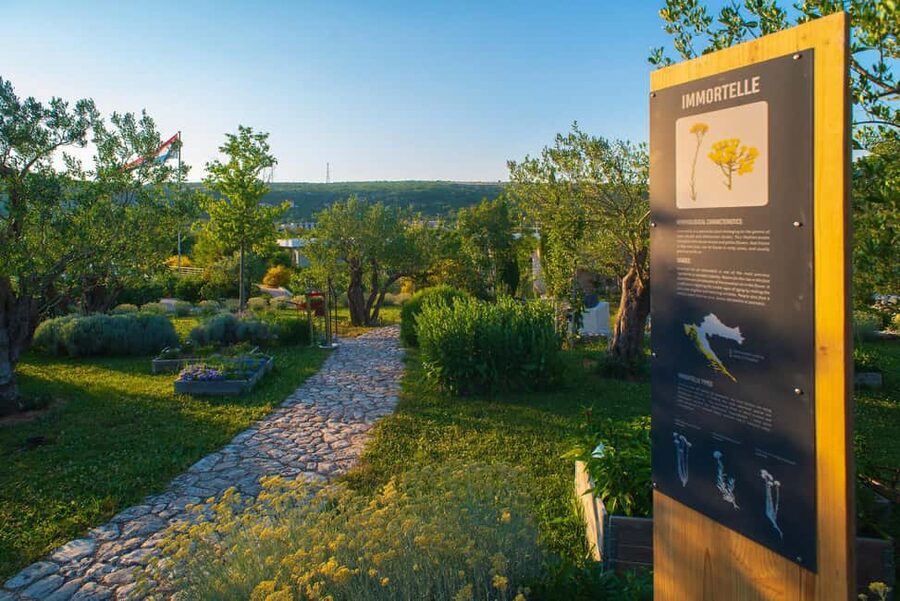
- The botanical collection has about 500 species: You learn how Dalmatian plants can be used in food, medicine, and cosmetics.
- The museum earned serious recognition: It was a finalist for the European Museum of the Year Award 2023.
- The setting is attractive but not a farm in the usual sense: There are no olive fields on-site, and the garden is fairly small.
- It works well for families: The explanations are clear enough for children, and a nine-year-old found the tasting interesting.
Arriving at Stella Croatica near Klis
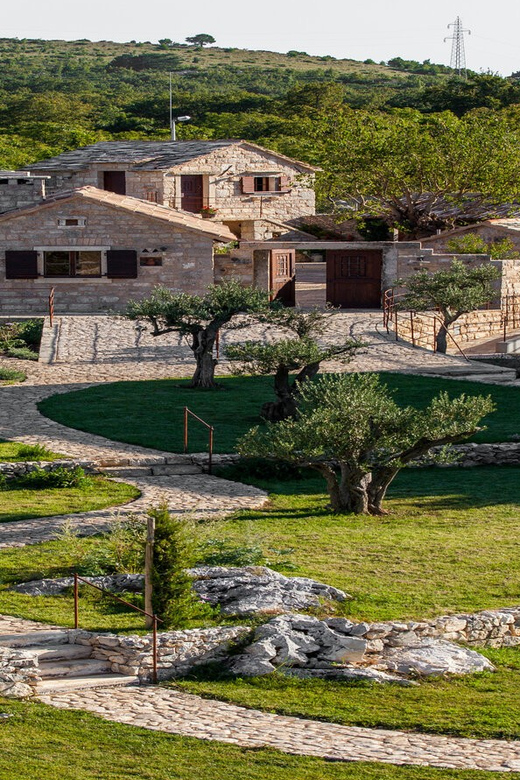
Your visit begins at the main building of Stella Croatica. From the main road, follow the signs to the estate, enter the building, and wait for your host. The activity ends at this same meeting point, so the arrangement is easy to understand once you arrive.
The visit is conducted in English. No duration is provided, so I would avoid planning a tight connection afterward. You have a guided portion followed by free time to look around the park, shop, or have a traditional lunch. That flexible ending is useful, especially if you are visiting with children or want to browse without being hurried.
Outside food and drinks are not allowed, and video recording is prohibited. The included tastings are part of the program, so you are not being asked to bring anything. Since the visit includes products, cosmetics, and oil tasting, leave room in your bag for purchases.
More Olive Oil Museums around Croatia:
- Split: Klis Fortress GOT and Olive Museum Entry Tickets
★ 4.6 · 283 reviews - Split: Blue Line Sightseeing to Trogir, Klis & Olive Museum
★ 4.3 · 197 reviews - Visit Klis fortress GOT & Olive museum Klis
★ 4.5 · 77 reviews
Watching Dalmatian products being made
The tour opens with a look at local women producing and packing traditional goods. These products use ingredients closely tied to Dalmatia, including figs, almonds, oranges, and lavender.
This part gives the estate a useful human touch. Instead of presenting Croatian food only as something on a plate, the tour shows how it is prepared and packaged for sale. You may see products in different stages of production, then taste traditional sweets later in the visit.
I like this opening because it makes the concept store more meaningful. You have already seen the connection between the ingredients and the finished goods before you reach the shelves. The focus is not on mass-market souvenirs, but on familiar local ingredients turned into small food gifts.
The factory section is not presented as a long industrial tour. Think of it as a short introduction to the estate’s production work. If you are expecting a full working-factory visit with machinery and a detailed production timeline, you may find this part fairly brief.
Still, it helps answer a practical question: what exactly are you buying? You can connect the fig, almond, orange, and lavender products with the estate’s own work rather than treating them as anonymous shop items.
From Dalmatian herbs to natural cosmetics
Next, you learn how essential oils are extracted from typical Dalmatian herbs. Those oils are then used to make natural cosmetics.
This section gives you a second way to understand local plants. The visit is not limited to olive oil, and the cosmetics display shows how herbs can move from the garden into everyday products. You can also test natural cosmetics during the visit, which makes the explanation more useful than a simple display behind glass.
I would pay attention here if you enjoy practical souvenirs. Food products are easy to buy in Croatia, but a small cosmetic item based on regional herbs may be a pleasant reminder of the trip. You also have the chance to test items before buying, rather than guessing from a label.
The tour does not promise a full laboratory demonstration, so keep your expectations in check. The value comes from learning the basic process and seeing how the estate uses local plants across several product lines.
Walking through the 500-species botanical collection
The botanical collection includes about 500 species. Your guide explains what some plants can be used for, linking the garden to food, cosmetics, and traditional local knowledge.
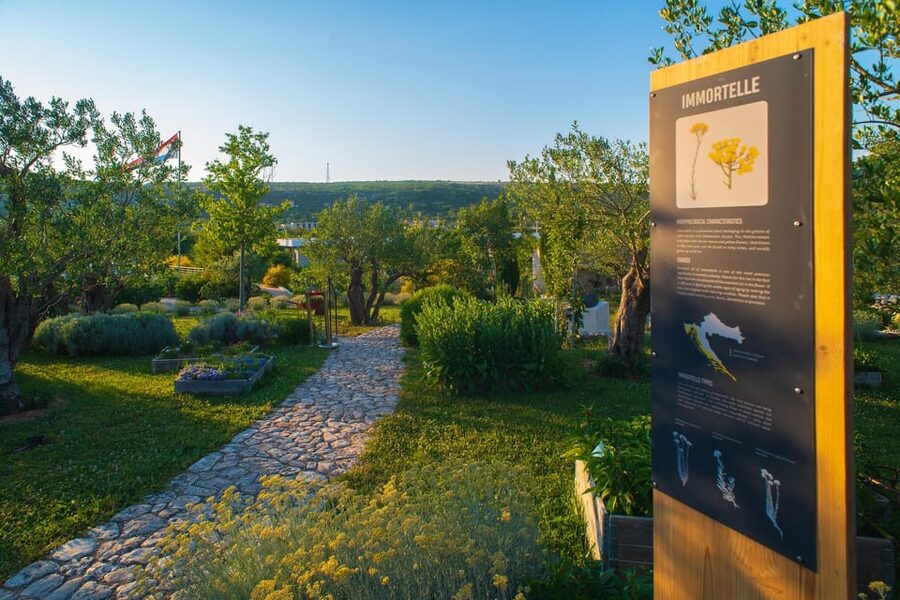
This is a pleasant change of pace after the indoor displays. You get outside, see the plants connected to the products, and gain a better sense of the raw materials used around the estate. The garden is not huge, and one critical assessment described it as small, but its size also makes it easy to explore without turning the visit into a long hike.
You should think of this as a compact teaching garden rather than a grand botanical garden. It works best when you listen to the explanations and look for the practical uses of the plants. The garden adds context, but it is unlikely to be the main reason you book the experience.
The old buildings around the park add character. You have free time after the formal portion to look around at a relaxed pace, take in the setting, and decide if you want to stop for a traditional lunch.
More Olive Oil Tours around Croatia:
- Split: Krka Waterfalls With Boat Cruise, Wine and Olive Oil
★ 4.3 · 1,507 reviews - Wine, food and olive oil by PhD student
★ 5.0 · 111 reviews - Hvar: Island tour with Wine and Olive Oil Tasting
★ 4.9 · 77 reviews - Olive museum Klis with educational olive oil tasting
★ 4.5 · 50 reviews
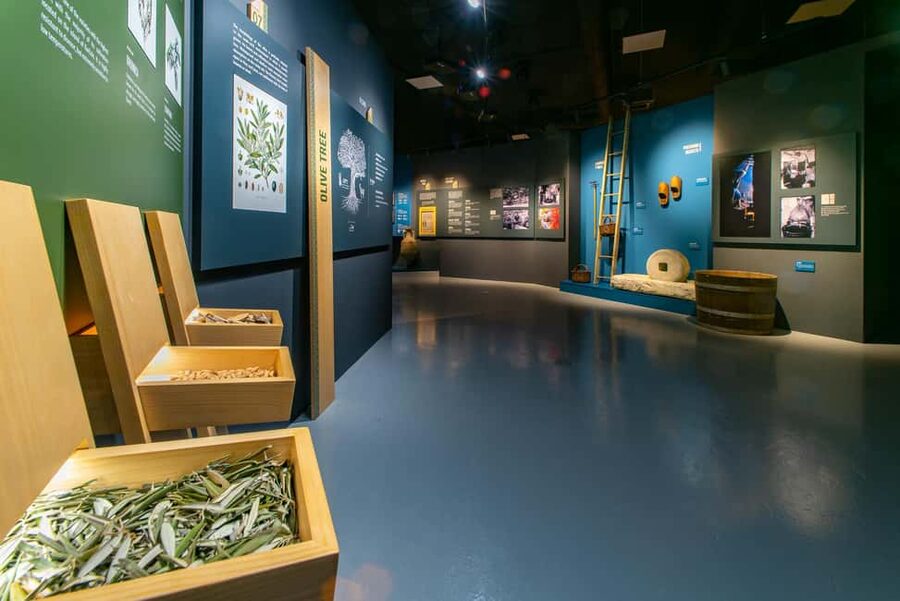
Inside the Olive Oil Museum
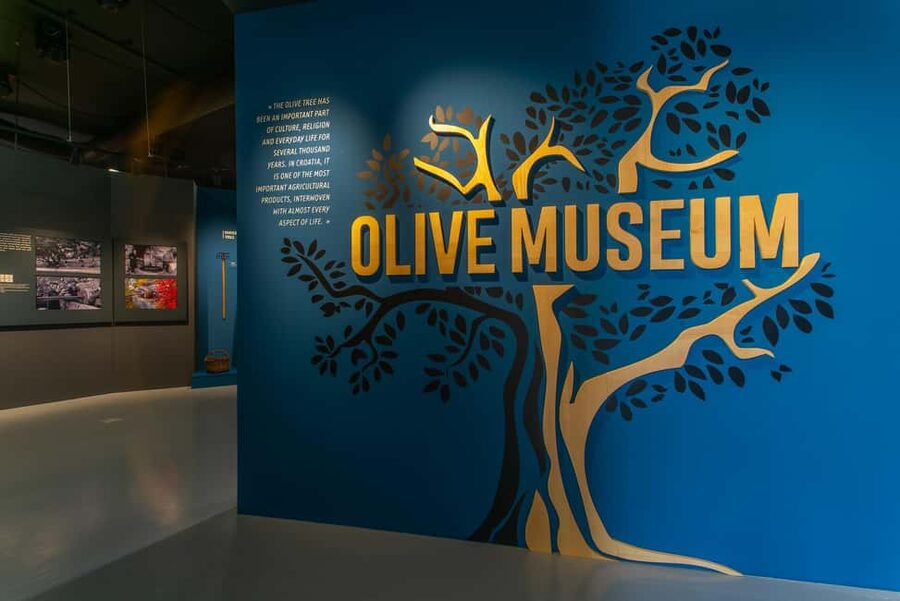
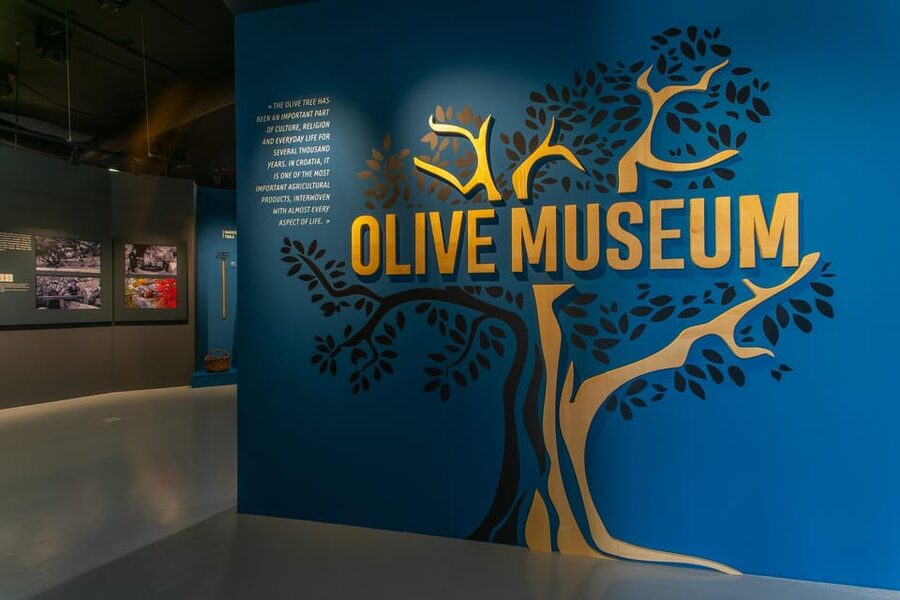
The museum is the centerpiece of the estate. It explains the role of olive oil in Croatia and presents the product often called liquid gold.
The museum was a finalist for the European Museum of the Year Award in 2023, which signals that it has been taken seriously as a museum project rather than treated as a simple shop display. The visit helps you understand why olive oil matters in Dalmatian food and agriculture, while also showing the tools, traditions, and ideas connected with production.
That said, the museum’s quality depends partly on the guide. The explanations can be clear and informative, but one guide was described as dull and unenthusiastic. The content is useful, yet the delivery may not always have the energy you hope for.
This is also where the setting needs a little honesty. There are no olive trees or olive fields at the site itself. If you want to walk among working groves and see olives growing on the branches, this is not that kind of visit. You are learning about olive oil through a museum, not touring an active orchard.
For some people, that will be a minor issue. For others, it will be the deciding factor. I would book this for the museum and tasting, not for agricultural scenery.
The tasting lesson: learning to spot real extra virgin oil
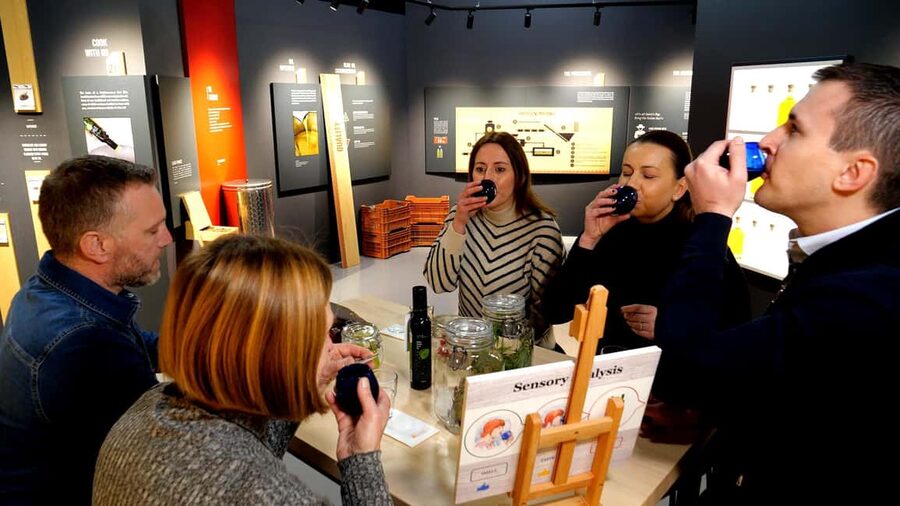
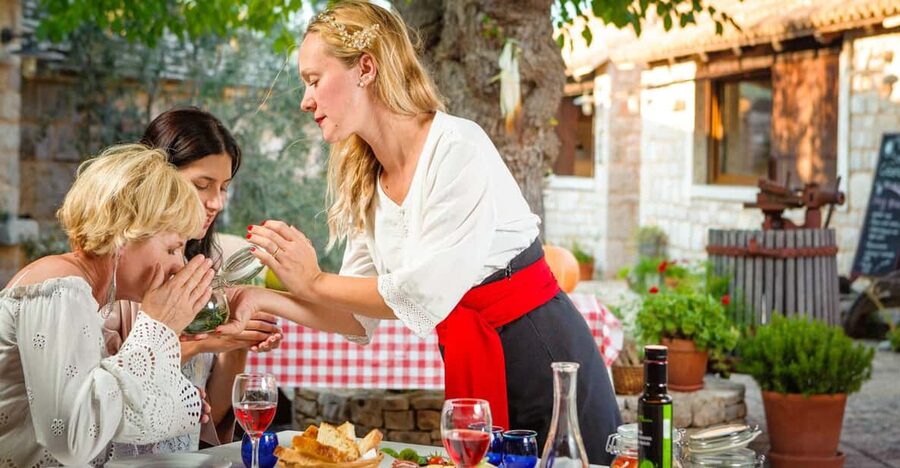
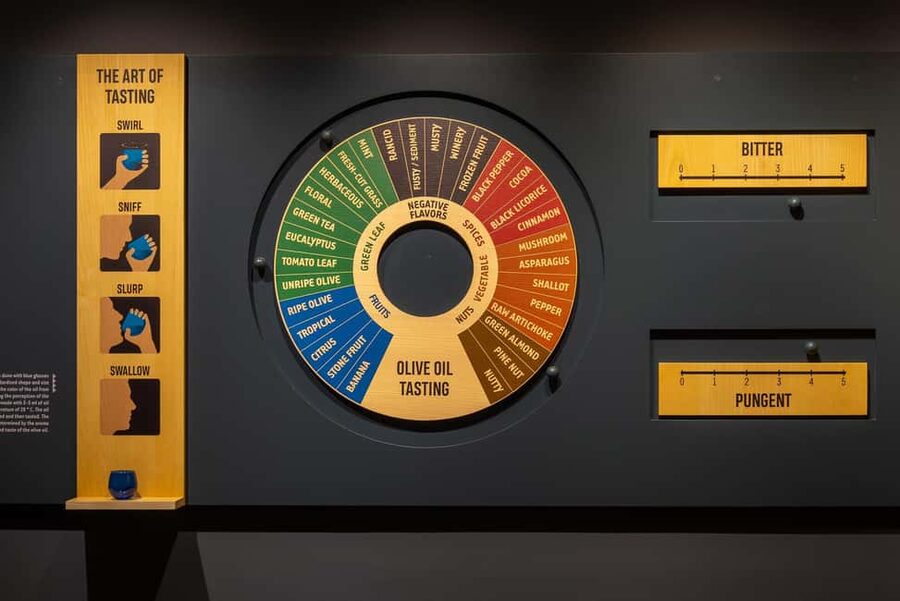
The tasting room is where the experience becomes especially practical. Before sampling the oils, you receive an introduction to the basics of judging extra virgin olive oil.
You learn to use your nose and palate, much like a professional taster. The workshop explains how to recognize quality and compare oils, rather than simply telling you which bottle to buy. Then you taste two different oils, both labeled as extra virgin.
This is a clever format because the lesson comes before the tasting. You are not just sipping oil with bread and calling one better. You are given a method for noticing differences in aroma, taste, and overall quality.
The session is interactive, and the instructor in the tasting room has been praised for being friendly and clear. You may find yourself sniffing the oil carefully, taking a small taste, and thinking about its character in a new way. That simple exercise can change how you shop for olive oil after returning home.
Do not expect a large tasting flight. You taste two oils, so the workshop is introductory rather than a full professional course. But two samples are enough to show that a label alone does not tell the whole story.
The tasting is also suitable for families. A nine-year-old was able to follow the explanations and enjoy the activity. Younger children may not care about every museum panel, but the sensory part gives them something active to do.
Traditional sweets and the concept store
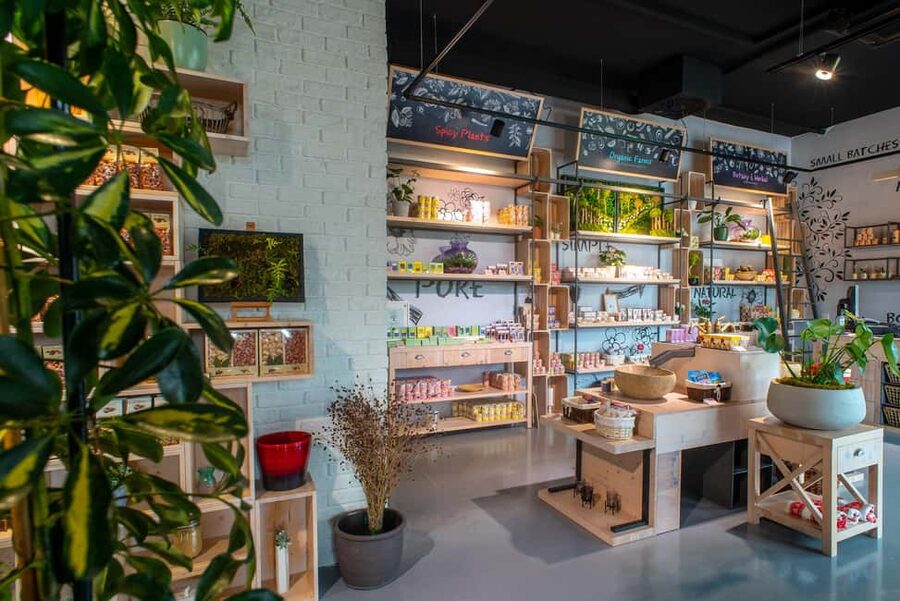
After the production visit and museum, you can taste handmade products in the concept store. Traditional sweets are included, while additional food and drinks are not.
The store is part of the experience, but it does not need to feel like a forced sales stop. You can try products without having to buy them, then browse at your own speed. Purchases are available at factory prices, which improves the value if you want gifts or Croatian pantry items.
You will find more than olive oil. The estate’s products include items made with figs, almonds, oranges, and lavender, along with natural cosmetics connected to the herb section. This gives you a broader choice than a standard oil shop.
I would save shopping decisions until after the tasting. Once you know more about quality and flavor, you can make a more informed choice. The shop also gives you a chance to compare the estate’s products with the ideas presented during the tour.
Just remember that shopping is optional. If you are not interested in food gifts or cosmetics, the museum and tasting remain the main reasons to visit.
What the $18 price includes
At $18 per person, the admission is reasonable. Your fee covers the entry ticket to Stella Croatica and the Olive Oil Museum, a guided tour, two oil tastings, traditional sweets, and natural cosmetics testing.
That is a solid package for a relatively modest price. You are not paying only to enter a museum. The fee also covers instruction, samples, and access to several parts of the estate.
The value is strongest if you use the whole visit. Look at the production area, listen in the herb garden, take your time in the museum, join the oil workshop, and browse the shop. If you only glance at the museum and leave, the price feels less compelling.
Additional food and drinks cost extra. Traditional lunch is available after the main activity, but it is not included. This is helpful if you want to make an afternoon of it, though you should budget separately.
The booking terms are also flexible. You can reserve and pay later, and cancellation is allowed up to 24 hours in advance for a full refund. Those policies matter if your plans around Split and Klis are still shifting.
Who will enjoy this visit most
I would recommend Stella Croatica to anyone who wants a short cultural activity with a strong food focus. It suits visitors who enjoy learning how regional products are made, rather than simply eating or shopping.
It is especially good for:
- Olive oil beginners who want a simple introduction to tasting
- Families looking for an activity children can take part in
- Shoppers seeking local sweets, oils, or herb-based cosmetics
- Visitors interested in Croatian food traditions
- People who want a relaxed visit with free time afterward
- Anyone staying in the Split area who does not need a full olive grove tour
You may want to skip it if your main goal is dramatic rural scenery or a long agricultural tour. The small garden is pleasant, but there are no olive fields at the property. You may also be disappointed if you expect every guide to deliver the material with equal enthusiasm.
The overall rating is 4.9 from 51 reviews, and that matches the main strengths: clear explanations, a friendly tasting workshop, a beautiful facility, and good value. The experience is not flawless, but the weaknesses are easy to understand before you book.
Should you book the Stella Croatica experience?
Book it if you want to understand olive oil, not just taste it. The workshop is the best reason to go, and the combination of museum, garden, sweets, cosmetics, and shop gives you more than a single tasting.
I would treat it as a compact cultural stop near Klis rather than a full countryside excursion. Go with realistic expectations about the small garden and the lack of olive groves, then make the most of the tasting and the free time afterward.
At $18, it offers enough hands-on content to be worthwhile, especially for families and food-minded visitors. If you are short on time and must choose between this museum and an actual olive-growing estate, choose according to your priority. For learning, shopping, and a practical introduction to extra virgin olive oil, Stella Croatica makes a good choice.
FAQ
Where does the Stella Croatica olive oil experience begin?
Follow the signs from the main road to Stella Croatica. Enter the main building and wait for your host.
Where does the activity end?
The activity ends back at the same meeting point.
What is included in the price?
The price includes entry to Stella Croatica and the Olive Oil Museum, a guided tour, two olive oil tastings, traditional sweets, and natural cosmetics testing.
How many olive oils will I taste?
You will taste two different olive oils, both labeled as extra virgin.
Is the tour offered in English?
Yes. English is the listed tour language.
Can I buy products after the tour?
Yes. The concept store sells handmade food products, olive oils, and other items. Products may be purchased at factory prices.
Is lunch included?
No. Additional food and drinks are not included, though you can have a traditional lunch during your free time after the experience.
Can I cancel my booking?
Yes. You can cancel up to 24 hours in advance for a full refund.
Just added around Croatia
- Zadar, Šibenik: olive oil, wine & food tasting, Self Drive★ 4.7 · 9 reviews
- Wine, Honey & Olive Oil of Solta Island – Tasting Tour★ 5.0 · 4 reviews
- Private tour of Brač island with olive oil tasting★ 5.0 · 2 reviews
- Olive Oil Tour of Solta Island with Lunch★ 5.0 · 4 reviews
- Private Split & Klis Fortress Tour, Olive Museum & Port Pickup★ 4.5 · 13 reviews
- Istrian tapestry – gourmet tour combining wine, truffles and olive oil★ 5.0 · 12 reviews
- Makarska Tuk Tuk Tour Olive Grove, Scenic Views and Tastings★ 5.0 · 3 reviews
- Small-Group Olive Oil Tour in Cres with Tasting★ 5.0 · 2 reviews
Olive Oil Museums, compared.
LA Almazara LA Organic, Olive Oil Museum and Tasting
Read our review →
Klis Fortress GOT and Olive Museum Entry Tickets
Read our review →
Blue Line Sightseeing to Trogir, Klis & Olive Museum
Read our review →
Visit Oil Mill Museum and Olive Oil Tasting in Ronda
Read our review →
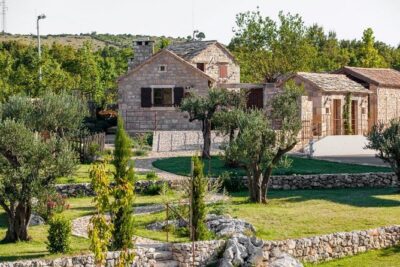
Olive museum Klis with educational olive oil tasting
Read our review →
House of Istrian Olive Oil Museum and Guided Tasting
Read our review →
Guided tour of the Museum of Olive Culture Oil Tasting
Read our review →Browse the lists this tour appears in