
Review · CASTILLA-LA MANCHA
Visit olive grove centenary with oil tasting course
Olive oil tastes better when you know its story. This two-hour outing near Toledo takes you into a more than 300-year-old organic olive grove, then turns a simple tasting into a useful lesson in Spanish food. I especially like the chance to meet Laura and Guillermo, the owners, and the focus on the local Cornicabra olive variety. I also like the relaxed finish with Manchego cheese, tomato-topped bread, and wine made from grapes grown on the property.
The main drawback is practical: Arcicóllar is outside Toledo, and the meeting instructions have caused confusion before. You will need to plan your route carefully, and this is a countryside visit, not a polished city attraction. Still, at $35.82 per person, the mix of farming, food, and hands-on tasting offers strong value.
Key points to know before booking
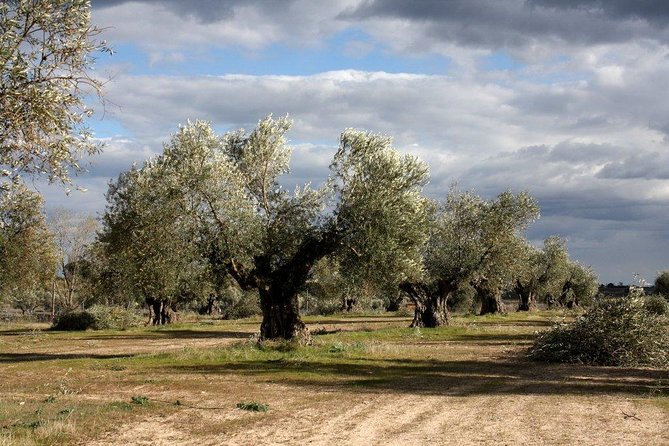
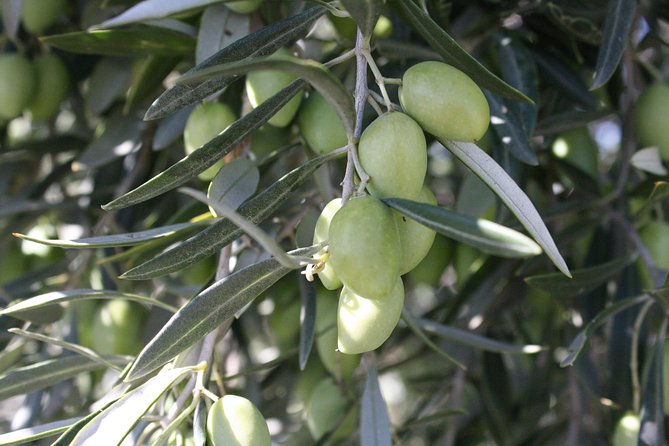
- 300-year-old olive trees: Walk among ancient trees and learn how olives reached the Iberian Peninsula.
- Organic farming in practice: See how the owners care for the trees and encourage biodiversity through the year.
- Cornicabra olive oil: Explore a variety strongly linked with central Spain and Castilla-La Mancha.
- Useful tasting skills: Learn what bitterness, peppery heat, color, and acidity really tell you.
- Local food included: Finish with Manchego cured sheep cheese, bread with tomato and olive oil, and estate wine.
- Small-scale countryside setting: The group can reach up to 30 people, with the experience conducted in English.
Why this outing feels different from a standard tasting
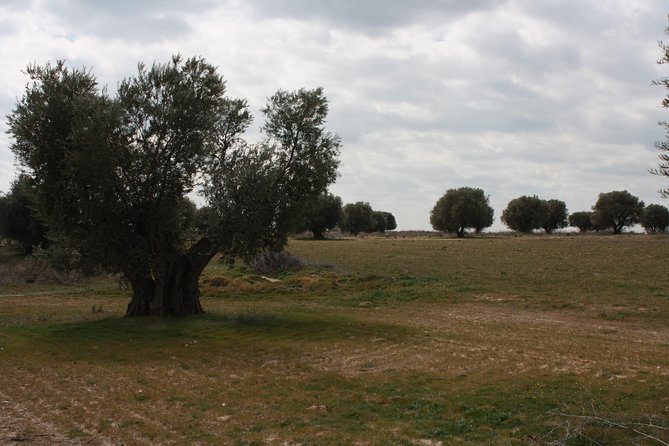
Many olive oil tastings take place indoors, with a bottle on a table and a short explanation about production. Here, the trees come first. You begin by seeing the source of the oil, which makes the later tasting easier to understand.
The grove contains trees more than three centuries old. That age gives the visit a sense of place, but the real interest comes from seeing how old trees fit into modern organic farming. The owners explain the work carried out during the year, not only the harvest. You learn that quality oil depends on care long before the olives reach the press.
I like this approach because it connects the product to the soil, weather, pruning, harvest, and farming choices. It also gives you a better reason to ask questions. Instead of hearing a sales pitch about a finished bottle, you can understand why one oil smells fresh, why another feels flat, and why a good oil may have a bitter or peppery edge.
The visit is also personal. Laura is both a farmer and a biologist, while Guillermo leads parts of the grove visit and explains his family’s farming background. Their work is clearly central to the experience. You are not being shown a generic agricultural display. You are being introduced to a family operation and the decisions behind its products.
More Olive Grove Walks around Spain:
- Visit of the olive grove, olive oil tasting and snack
★ 4.9 · 111 reviews - Jaen: Olive oil tour with the 5 senses, grove and tasing
★ 4.9 · 53 reviews - Córdoba: Visit a family organic olive grove with tasting
★ 5.0 · 30 reviews
Walking through a 300-year-old grove
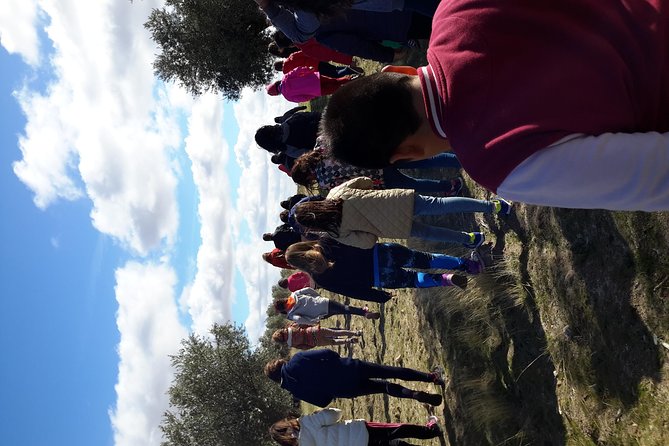
The tour begins at 10:00 a.m. in Arcicóllar, at C. Visitación, 12. From the meeting point, the experience moves into the olive grove. The walk is not described as strenuous, and one family with teenagers found that there was not a great deal of walking. Much of the time can be spent under shade, although conditions will depend on the season and the weather.
The first lesson covers the olive tree itself. You hear how olives arrived in the Iberian Peninsula and why olive growing became so important in Spanish history and daily life. This context matters because olive oil is not merely a cooking ingredient in Spain. It is tied to farming communities, family land, local food, and centuries of trade.
The guide also explains the Cornicabra variety. Castilla-La Mancha is an important setting for this conversation, since the variety is associated with central Spain. You will not simply be told that one oil is good and another is bad. The point is to notice how different olive varieties and production methods create different smells, tastes, and sensations.
The organic side of the farm is another strong part of the visit. You learn how the owners care for the trees and land while promoting biodiversity. In spring, wildflowers may be in bloom among the trees. That detail changes the feel of the outing: you are not walking through a bare production site, but through working farmland where seasonal conditions matter.
Weather deserves attention. The activity takes place outdoors and requires good weather. A hot, dry day can make the grove feel harsh, especially in summer, though water and straw hats have been provided on especially hot visits. Bring sensible sun protection, and do not assume that a rural setting will offer the same shade and services as a city attraction.
What the olive oil lesson actually teaches you
The tasting course is the most useful part for anyone who buys olive oil at home. Laura explains how to recognize different qualities and what to look for on a label. That can save you from treating every bottle marked extra virgin as equal.
You taste several samples and compare them directly. This is important. Olive oil descriptions can sound vague until you taste two oils side by side. The course helps you pay attention to aroma, freshness, bitterness, and the peppery feeling that can appear in the throat.
The question about bitterness is especially helpful. A bitter taste is not automatically a flaw. It can signal the presence of compounds associated with fresh olives, while a peppery sensation may also be part of a lively, well-made oil. The tasting gives you a way to separate pleasant intensity from an unpleasant defect.
You also discuss acidity. The lesson explains what acidity means and how it fits into oil quality. That matters because shoppers often see acidity numbers used as a shortcut for judging a bottle. The course gives you more useful context than a single number can provide.
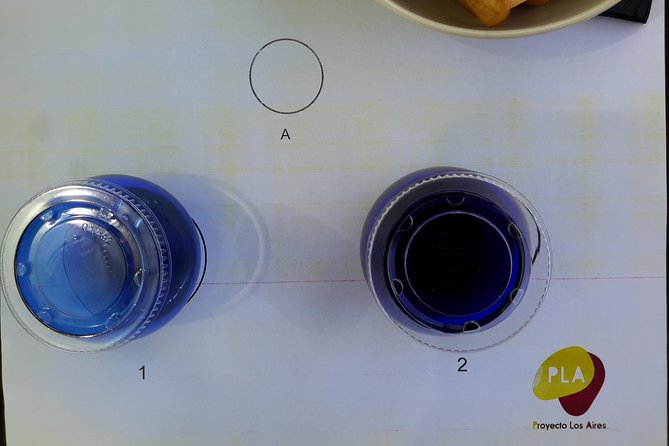
Color is covered as well. You learn why color is not a reliable way to judge quality. A deep green oil may look appealing, but appearance alone does not tell you whether the oil is fresh, balanced, or well made. Professional tastings often use colored glasses for this reason, so the eye does not influence the palate.
The tasting can also include oils of different grades, including an explanation of lampante oil. By the end, you should have a better idea of why some oils smell clean and fruity while others seem dull or faulty. I like that the lesson offers a practical result: you can take the skill to a Spanish market or your local grocery store.
Manchego cheese, tomato bread, and estate wine
After the grove and tasting, you sit down for a small food pairing. The serving includes cured Manchego sheep cheese made by a family with its own livestock, plus bread with tomato and olive oil. A glass of wine made from grapes grown on the property completes the meal.
This is not presented as a large restaurant lunch, so you should set your expectations accordingly. It is a tasting-style cap, or small serving, designed to let the local products work together. The cheese gives you salt and firmness, the tomato adds freshness, and the olive oil ties the plate together.
The wine is an especially nice touch because it comes from the same property. It gives you another way to understand the farm as a working food producer rather than a single-product olive business. Some visits have included fresh almonds as well, though that should not be treated as a guaranteed part of the standard offering.
The food also makes the tasting less abstract. After discussing acidity, aroma, bitterness, and texture, you can try the oil with bread, tomato, and cheese. That is how most people actually use olive oil, and it helps you notice how the oil behaves with familiar foods.
Vegetarian visitors should find the food suitable, since the described pairing centers on cheese, bread, tomato, and oil. The experience is also likely to work well for families. Teenagers have enjoyed the combination of outdoor time, tasting, and food, which is a useful sign if you are planning a day with older children.
More Olive Oil Tours around Spain:
- Ronda: LA Almazara LA Organic, Olive Oil Museum and Tasting
★ 4.6 · 435 reviews - Guided tour and olive oil tasting in Alhaurin el Grande (Málaga)
★ 5.0 · 200 reviews - Guided Tasting Tour in 16th century House and Olive Oil Factory
★ 5.0 · 169 reviews - Visit Oil Mill Museum and Olive Oil Tasting in Ronda
★ 4.5 · 105 reviews
The setting, group size, and pace
The activity lasts about two hours and ends back at the original meeting point. That makes it manageable as part of a wider Toledo-area day, though you should allow extra time for getting to Arcicóllar and returning to your next stop.
The maximum group size is 30 people. That is not an intimate private visit, but the farm setting and owner-led format may keep it more personal than a large commercial tour. The experience is offered in English, and confirmation is provided when you book.
The pace is gentle. You spend time outdoors, hear explanations, taste several oils, and finish with a small local food pairing. If you want a physically demanding hike or a full meal, this is not the right choice. If you prefer a calm introduction to farming and food, the timing works well.
The meeting point deserves special care. The stated address is C. Visitación, 12, 45182 Arcicóllar, Toledo, Spain, but there has been confusion in the past when an older or incorrect address was entered into a navigation app. The owners have helped by calling and sending the correct meeting details. I would still verify the location before setting out, especially if you are driving from Madrid or Toledo.
The activity is near public transportation, though the supplied details do not explain the exact route or frequency. Do not assume that reaching a small village will be as simple as crossing Toledo on foot. Confirm your transport plan before booking.
Is $35.82 a fair price?
At $35.82, the price is reasonable for what is included. You are paying for a two-hour guided visit, an outdoor introduction to a historic grove, an oil education session, several samples, Manchego cheese, bread with tomato and oil, and a glass of estate wine.
The value is strongest if you care about food or want an activity with local character. You are not only sampling a finished product. You are meeting the people who grow the olives, learning how organic methods shape the farm, and gaining a skill you can use after the tour.
The cost may feel less worthwhile if you are looking for a quick stop near central Toledo. The drive to Arcicóllar takes planning, and the tour is built around conversation and explanation rather than a famous monument. It earns its price through the owners’ time and the access to a working grove, not through elaborate facilities.
I would also compare it with the cost of a standard meal or tasting in Toledo. For a modest amount more than a simple food stop, you get a countryside visit and instruction that can change how you shop for oil. That makes it a good choice for food-minded visitors and a less obvious choice for anyone with only a few hours in the city.
Who will enjoy it most?
I would recommend this experience to:
- Food lovers who want to understand olive oil instead of simply tasting it.
- Couples and families looking for a relaxed rural activity near Toledo.
- Visitors from Madrid searching for a smaller day trip with a strong local focus.
- People curious about organic farming and biodiversity.
- Older children and teenagers who can enjoy the grove, tasting, and regional food.
- Wine and cheese fans who like simple pairings made from local products.
It may not suit you if you dislike outdoor heat, have no interest in farming, or want a polished visitor center with extensive facilities. There is also no promise that every visit will include the same extra foods, such as almonds, or that tasting will happen in the grove. Strong wind has moved the tasting indoors before, which is a sensible adjustment rather than a problem.
Bathroom arrangements are worth checking ahead of time. One account described no bathroom at the grove, while another referred to clean facilities at a refurbished hen house used for the tasting. Conditions may have changed, so ask the provider if this matters to you.
Service animals are allowed, and most people can participate. The experience requires good weather and a minimum number of participants. If poor weather or low enrollment forces cancellation, you are offered another date or a full refund. You can cancel for a full refund up to 24 hours before the start time.
Should you book this olive grove visit?
Book it if you want a personal, food-focused outing that explains how Spanish olive oil reaches your table. The strongest reasons are the ancient trees, Laura and Guillermo’s direct connection to the farm, the practical tasting instruction, and the simple Manchego-and-wine finish.
I would make the booking after checking the exact meeting point and transport plan. Bring water, sun protection, and comfortable shoes, and keep your schedule flexible enough for rural travel. If you do that, this is a worthwhile addition to a Madrid or Toledo itinerary, especially for anyone who wants to leave Spain knowing why good olive oil can be bitter, peppery, fruity, or all three at once.
FAQ
Where does the olive grove experience begin?
It begins at C. Visitación, 12, 45182 Arcicóllar, Toledo, Spain.
What time does the activity start?
The start time is 10:00 a.m.
How long does the experience last?
The activity lasts approximately two hours and ends back at the meeting point.
Is the tour offered in English?
Yes. The experience is offered in English.
What food and drink are included?
You receive a cap of cured Manchego sheep cheese, bread with tomato and olive oil, and a glass of wine made from grapes grown on the property.
Is this activity suitable for children?
Most people can participate, and teenagers have enjoyed the grove visit, tasting, and food pairing. The activity is not described as physically demanding.
What happens if the weather is poor?
The experience requires good weather. If it is canceled because of poor weather, you are offered a different date or a full refund.
Just added around Spain
- XXI Century Olive Oil Mill Tour★ 5.0 · 3 reviews
- Visit to an olive oil mill and oil tasting with aperitif and food and wine pairing.★ 5.0 · 2 reviews
- Treurer: Tapas Gourmet and Extra Virgin Olive Oil★ 4.7 · 3 reviews
- Ulldecona: Guided Tour of the Millenary Olive Trees of Arión★ 5.0 · 2 reviews
- Treurer: Olive Oil Night. Gastronomic experience★ 5.0 · 15 reviews
- Olive Oil and Winery Tour from Zaragoza City★ 5.0 · 4 reviews
- Olive Oil Private Full-Day Tour with Tasting in Valencia★ 5.0 · 2 reviews
- Olive Oil Tour and Visit to Belchite Old Town★ 5.0 · 16 reviews
Olive Grove Walks, compared.
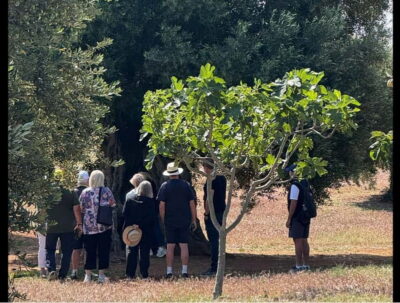
Masseria tour among thousand-year-old olive trees with oil tasting
Read our review →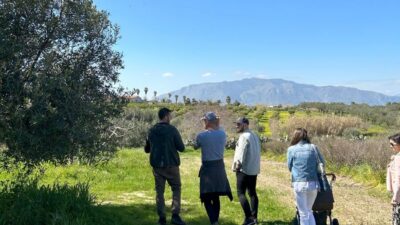
Olive Grove Tour with Wines & Olive Oil Tasting
Read our review →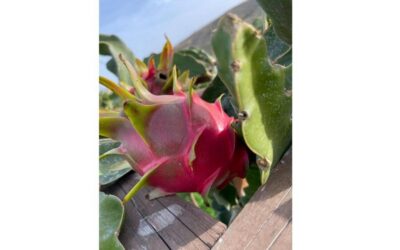
Traditional Olive Grove and Dragon Fruit Farm Tour
Read our review →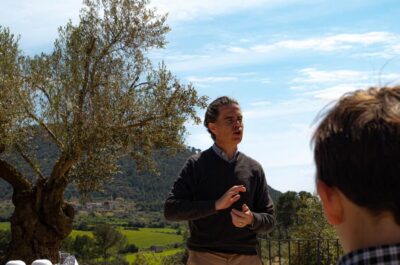
Visit of the olive grove, olive oil tasting and snack
Read our review →
Bologna: Olive Grove and Vineyard Tour with Product Tastings
Read our review →
Balestrate Olive Grove Tour: Wine and Olive Oil Tasting
Read our review →
Guided tours of the olive grove with oil tasting.
Read our review →
Organic Olive Grove tour & Olive oil tasting & lunch in Kalamata!
Read our review →Browse the lists this tour appears in