
Review · ISTRIA COUNTY
Pula: House of Istrian Olive Oil Museum and Guided Tasting
Oil can tell you where you are. This visit explains why Istrian olive oil tastes so different, pairing a small museum visit with five tastings, films, and a dessert course. I like the clear lesson in judging aroma, flavor, texture, and appearance. I also like the central Pula location, which makes this an easy rainy-day stop.
The main consideration is simple: $35 is not cheap for a short indoor attraction, especially if you are only looking for a quick sample. The value improves if you want useful tasting skills, local food context, and a shop where you can take home Istrian products.
Key points to know before you go
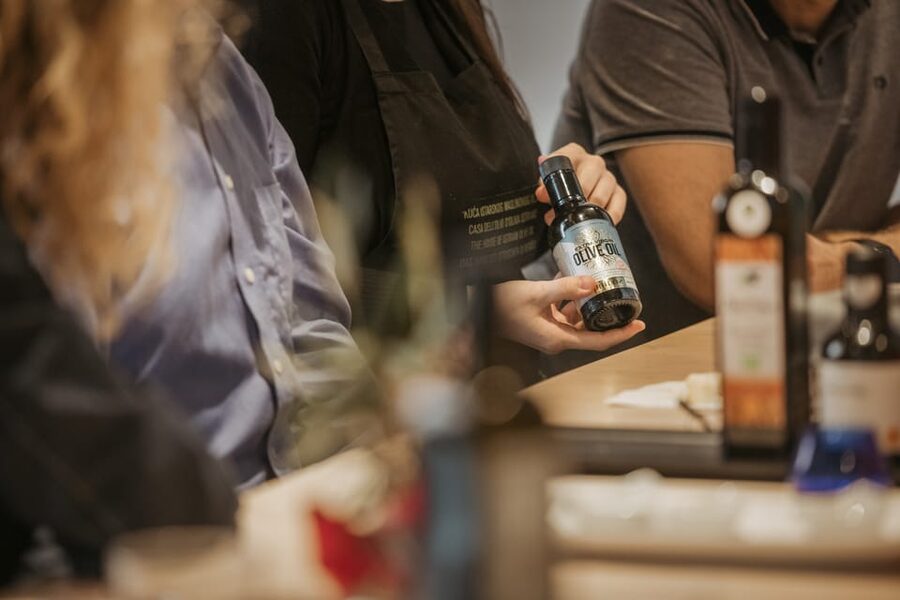
- Five oils, not just one sample: You compare five Istrian extra virgin olive oils and a typical supermarket oil, making quality differences easier to notice.
- Roman roots included: The visit explains how Romans produced olive oil and how it was exported from Istria.
- Two films add context: One shows the traditional method, while the other presents modern olive-oil production.
- The tasting is the star: You examine aroma, taste, texture, and appearance, then learn about both good and bad qualities.
- A sweet finish: One dessert is paired with a selected olive oil, an unusual but useful lesson in how oil works beyond savory food.
- A practical Pula stop: The museum is in the city center, with an audio guide available in 12 languages and guided tasting in English or German.
Why olive oil makes sense in Pula
Pula is best known for Roman ruins, especially the enormous amphitheater. This experience adds another Roman-era thread to the city: olive oil production and trade.
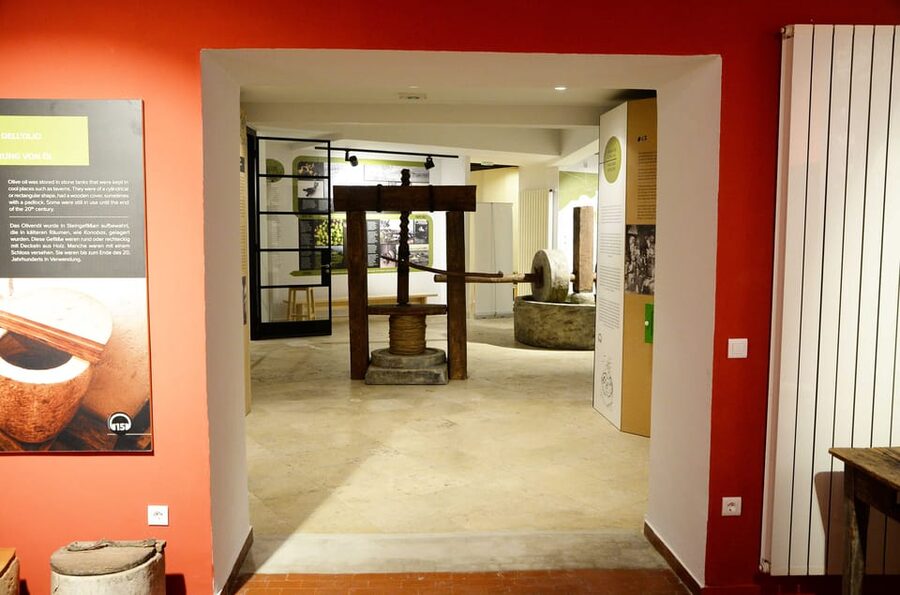
At the House of Istrian Olive Oil, you learn how the Romans made oil and where it was exported. That information gives the tasting a proper setting. You are not simply sampling a fashionable food product. You are looking at an ingredient tied to farming, trade, daily cooking, and Istria’s long connection with the Mediterranean.
I like this approach because it gives you something to watch for in the rest of your trip. Olive oil appears on restaurant tables, in local shops, and in many food gifts. After this visit, you have a better idea of what you are buying instead of choosing a bottle because the label looks rustic.
The museum is in central Pula, so you can fit it around sightseeing without arranging transport. That matters in a city where a rainy afternoon can put a dent in outdoor plans. One visitor specifically found it a useful rainy-weather activity, and I agree with the logic: this is a small indoor visit with enough tasting and explanation to make the time worthwhile.
More Olive Oil Museums around Croatia:
- Split: Klis Fortress GOT and Olive Museum Entry Tickets
★ 4.6 · 283 reviews - Split: Blue Line Sightseeing to Trogir, Klis & Olive Museum
★ 4.3 · 197 reviews - Visit Klis fortress GOT & Olive museum Klis
★ 4.5 · 77 reviews
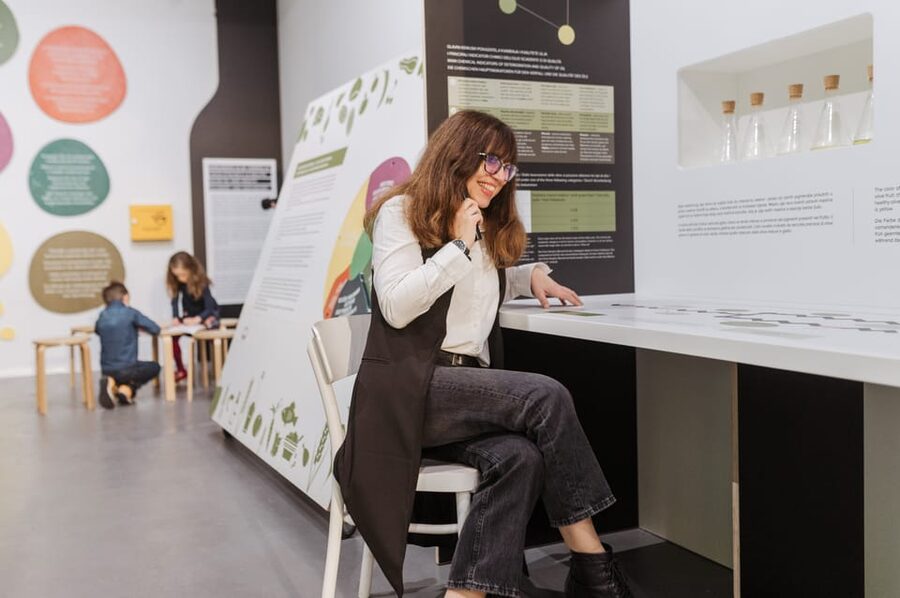
The museum explains old and new production
The visit begins with the history of olive oil in Istria. The Roman section is especially useful because it connects the product to Pula’s ancient past rather than treating oil as a modern gourmet trend.
You learn how olive oil was made in Roman times and how it moved beyond the local area. The focus is practical: production, trade, and use. Do not expect a vast archaeological museum. This is a focused introduction designed to prepare you for the tasting.
Two short films show the production process from different angles. One presents traditional olive-oil making, while the other shows how oil is produced today. That comparison helps you see what has changed and what has stayed the same.
The films are also a good reason not to rush through the displays. A bottle of oil can seem simple until you see the work behind it. The production story explains why harvesting, processing, and storage affect the final taste.
The exhibits use an entertaining style rather than a dry wall of text. You get information without needing a full afternoon or a background in food science. I would especially recommend this part to anyone who has bought extra virgin olive oil but never learned what the label really means.
The tasting room turns theory into something you can taste
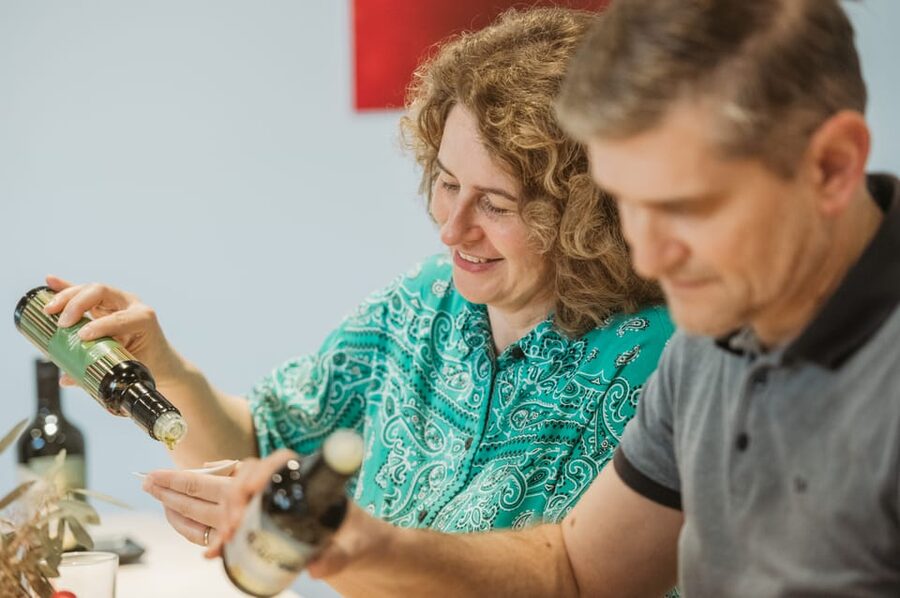
The guided tasting is the strongest part of the experience. You sit down and compare five extra virgin olive oils from Istria. You also examine olive oil of the sort commonly found in a supermarket.
That comparison is important. Tasting one expensive oil on its own can leave you impressed but uncertain. Tasting several oils side by side gives you a reference point. You can notice differences instead of simply accepting the guide’s opinion.
The session asks you to pay attention to four areas:
- Aroma
- Taste
- Texture
- Appearance
This makes the tasting more useful than a quick sip from a small cup. You learn to slow down and think about what is in front of you. The goal is not to memorize fancy terms. It is to recognize freshness, balance, and unwanted qualities.
The guide explains positive and negative attributes of olive oil. That lesson is valuable because many people assume that stronger flavor automatically means better quality. The tasting helps you separate personal preference from signs of a good or poor product.
The supermarket comparison is likely to be the most revealing moment. It gives you a direct lesson in how a mass-market oil can differ from a high-quality extra virgin oil. One enthusiastic participant described mainstream oils as devils in disguise. That is colorful language, but the practical point is sound: a familiar bottle is not automatically a good bottle.
I would not treat the session as a competition to see which oil wins. The useful question is what you prefer and why. The guide’s job is to help you identify quality, not to tell you that one flavor is the only correct choice.
A dessert and olive oil pairing breaks the rules
The tasting includes a sweet dessert paired with a selected olive oil. This is a small detail, but it makes the session more memorable.
Most people connect olive oil with bread, salad, grilled vegetables, or seafood. A dessert pairing challenges that habit. It shows that olive oil can work with sweet food when the flavor and texture are chosen carefully.
I like this part because it gives you a simple idea to take home. You are not just learning how to judge a bottle. You are seeing how olive oil can be used in an unexpected way.
The dessert is not described in detail, so you should not arrive expecting a particular pastry or recipe. Think of it as a tasting exercise rather than a full meal. If you are hungry, plan lunch or dinner separately.
More Guided Tours around Croatia:
- Buje: Authentic Istrian family farm, guided walk, foods & wine
★ 5.0 · 37 reviews - Olive Oil Guided Tasting and History in Pula
★ 4.5 · 34 reviews - Guided tour and olive oil tasting in Alhaurin el Grande (Málaga)
★ 5.0 · 200 reviews - Guided Tasting Tour in 16th century House and Olive Oil Factory
★ 5.0 · 169 reviews
How the audio guide affects the visit
An audio guide is available in 12 languages, which makes the museum more approachable for international visitors. The guided tasting itself is listed in English and German.
That distinction is worth noting before booking. If you need a language other than English or German for the spoken tasting, check how the audio guide and live portion are arranged. The museum information can be supported in a wide range of languages, but the tasting guidance has a narrower language choice.
The staff member described in the feedback was friendly and able to speak some German. Another visitor praised the guide’s willingness to answer questions with enthusiasm. That is a good sign for anyone who does not want a rigid, one-way presentation.
The experience should suit curious beginners better than serious olive-oil professionals. You can ask questions, compare your impressions, and build a basic vocabulary without feeling tested.
The shop is useful after the tasting
The visit finishes with access to a shop carrying Istrian extra virgin olive oils, brandies, truffles, lavender-based cosmetics, and souvenirs.
This is more useful than a standard gift shop because the tasting gives you a reason to shop with care. You can choose an oil based on what you learned instead of grabbing the largest bottle or the prettiest label.
The selection also gives you options beyond oil. Istrian brandy and truffle products suit food-minded shoppers, while lavender cosmetics offer a lighter gift. Souvenirs make the shop useful even if you do not want to carry a bottle home.
I would wait until after the tasting before buying anything. Your preferences may change once you compare several oils. You may also discover that a flavor you expected to dislike is the one you prefer.
The shop is not a substitute for exploring Pula’s wider food scene, but it is a convenient place to find regional products in one stop. If you are carrying purchases onward, consider how easily bottles fit into your luggage. That is a practical concern rather than a flaw in the visit.
Is $35 a fair price?
The listed price is $35 per person. Whether that feels fair depends on what you want from the stop.
For a quick museum entry, the price would feel high. The value comes from the full combination: historical displays, two films, an audio guide, a guided tasting of five extra virgin olive oils, a supermarket comparison, and a dessert pairing.
You are paying for instruction as much as for food. If you already know how to assess olive oil, you may find the museum and tasting less essential. If you usually buy oil by price or packaging, the lesson can improve future purchases for years.
The central location also helps the value. You do not need a separate day trip or complicated transport plan. You can place the visit between Pula sights, or save it for bad weather.
The strongest case for booking is that the experience gives you a skill, not just a souvenir. The weakest case is if you dislike tasting sessions, do not plan to buy regional food products, or want a long historical museum.
Who will enjoy this most?
I would recommend this experience to several kinds of visitors.
Food-minded visitors will appreciate the side-by-side tasting and the chance to shop for Istrian products afterward. It is also a good choice for anyone who wants a local food experience without committing to a full cooking class.
First-time olive-oil buyers will get the most practical benefit. You learn what to smell and taste, how to notice defects, and why extra virgin oil can differ so much from a supermarket product.
Couples and small groups can compare impressions during the tasting. You may not choose the same favorite oil, which makes the session more fun.
Visitors with a rainy afternoon have a reliable indoor plan in central Pula. The visit is educational without asking you to spend hours indoors.
Families may enjoy the films and dessert, but the value depends on how interested children are in tasting and food production. There is not enough information to promise a children’s program, so I would choose it mainly for adults and older children.
People with very limited time should check the visit schedule before booking, since no duration is provided. The central location helps, but you still need enough time for the museum, films, tasting, and shop.
Practical details that matter
The experience is offered by Idea Istra d.o.o. It is in the center of Pula, so it works well as a walking stop during a day in the city.
You can reserve now and pay later, which is useful when your plans are still shifting. Cancellation is available up to 24 hours in advance for a full refund. Those terms give you some room to adjust a rainy-day plan or change your Pula schedule.
The audio guide is available in 12 languages. The listed live tasting languages are English and German. If language is important to you, confirm the exact arrangement before you go.
No duration, group size, or accessibility details are provided, so do not assume the visit will fit a tight schedule or specific mobility needs. Ask the provider if those points affect your plans.
The overall rating is 4.9 from 35 reviews, and the praise is consistent around the exhibit design, friendly staff, clear explanation, and tasting. I would still judge it by your interests rather than the number alone. A good food lesson is worth more to an olive-oil beginner than to someone already familiar with professional tasting.
Should you book the House of Istrian Olive Oil?
Book it if you want more than a souvenir bottle. The five-oil comparison, Roman background, production films, and dessert pairing create a clear, enjoyable lesson in Istrian food culture.
I especially recommend it for a rainy afternoon, for visitors who want a central Pula activity, and for anyone who has never learned how to recognize extra virgin olive oil. The friendly guidance and question-friendly tasting add to its appeal.
Skip it if you want a large museum, a full meal, or a long outdoor excursion. At $35, it needs to match your interests. For curious food lovers, the price is reasonable because you leave with both local context and a better way to judge what you buy.
FAQ
Where is the House of Istrian Olive Oil?
It is located in the center of Pula, in Istria County, Croatia.
How many olive oils are included in the tasting?
The guided tasting includes five extra virgin olive oils. You also compare them with olive oil typically found in a supermarket.
What do you learn during the tasting?
You learn how to assess aroma, taste, texture, and appearance. The guide also explains positive and negative qualities and how to recognize good from poor olive oil.
Is dessert included?
Yes. The experience includes a sweet dessert paired with a selected olive oil.
What languages are available?
An audio guide is available in 12 languages. The guided tasting is listed in English and German.
Can I cancel the booking?
Yes. You can cancel up to 24 hours in advance for a full refund. You can also reserve and pay later.
Just added around Croatia
- Zadar, Šibenik: olive oil, wine & food tasting, Self Drive★ 4.7 · 9 reviews
- Private tour of Brač island with olive oil tasting★ 5.0 · 2 reviews
- Wine, Honey & Olive Oil of Solta Island – Tasting Tour★ 5.0 · 4 reviews
- Olive Oil Tour of Solta Island with Lunch★ 5.0 · 4 reviews
- Private Split & Klis Fortress Tour, Olive Museum & Port Pickup★ 4.5 · 13 reviews
- Istrian tapestry – gourmet tour combining wine, truffles and olive oil★ 5.0 · 12 reviews
- Makarska Tuk Tuk Tour Olive Grove, Scenic Views and Tastings★ 5.0 · 3 reviews
- Small-Group Olive Oil Tour in Cres with Tasting★ 5.0 · 2 reviews
Olive Oil Museums, compared.
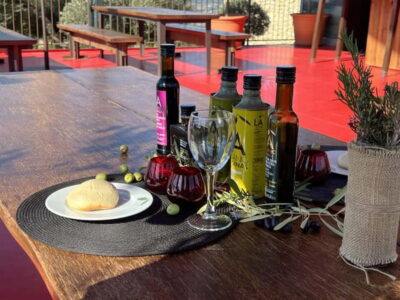
LA Almazara LA Organic, Olive Oil Museum and Tasting
Read our review →
Klis Fortress GOT and Olive Museum Entry Tickets
Read our review →
Blue Line Sightseeing to Trogir, Klis & Olive Museum
Read our review →
Visit Oil Mill Museum and Olive Oil Tasting in Ronda
Read our review →

Olive museum Klis with educational olive oil tasting
Read our review →
Guided tour of the Museum of Olive Culture Oil Tasting
Read our review →Browse the lists this tour appears in