
Review · ANDALUSIA
Córdoba: Olive Oil Tasting Experience
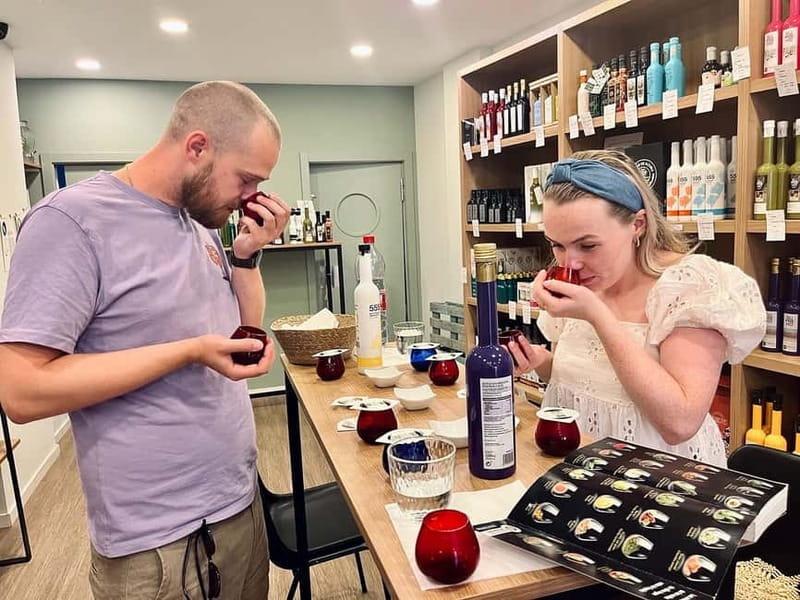
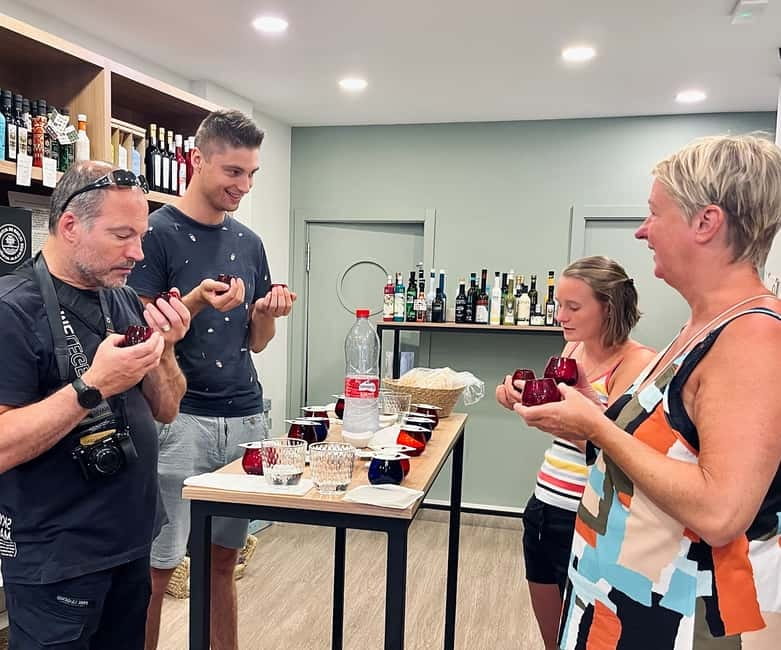
Olive oil gets its own classroom in Córdoba. At La Oleoteca de Córdoba, you learn how oil moves from the olive groves to the mill, how professionals taste it, and why one bottle works better for a salad while another suits cooking. I especially like the hands-on tasting of both defective and excellent oils, and I like the final Cordoban dessert made with extra virgin olive oil and cocoa. The main drawback is that a January booking was reportedly cancelled after arrival, so I would confirm the session before setting out.
The experience costs $34 per person and lasts 115 minutes. That is a fair price if you enjoy food education, since you are not simply sampling oil at a shop. You get a structured lesson, bread and water, access to a professional tasting team, and plenty of practical advice for using different oils at home. Guides including Alvaro, Albert, and Maricarmen have been praised for clear explanations, humor, and warmth.
Key things to know before you book
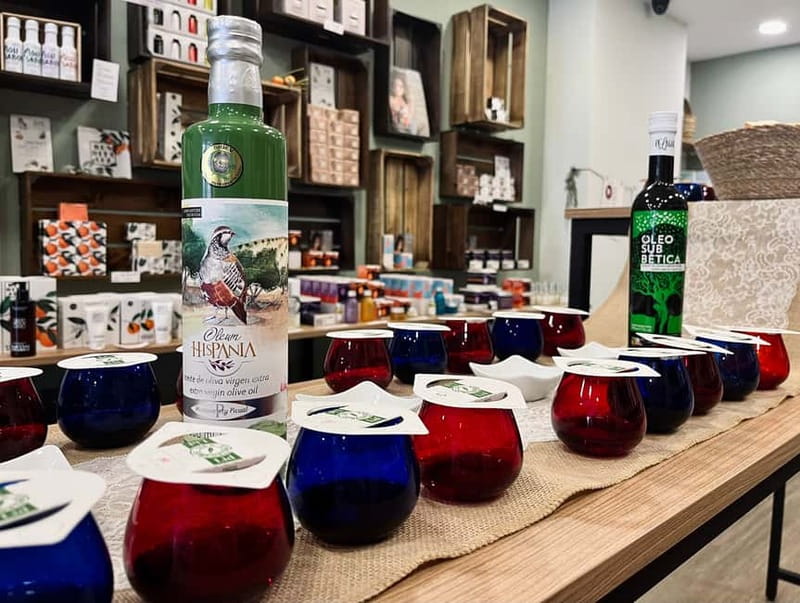
- You taste the full range: The session can include oils with defects as well as some of the finest extra virgin oils, making the differences easier to understand.
- You learn the organoleptic basics: The guide explains how smell, flavor, and mouthfeel help you judge olive oil.
- The story runs from field to mill: Production methods are explained before you decide what makes one oil better than another.
- You compare varieties and intensities: Maturation and olive variety affect how an oil tastes and where it works best in the kitchen.
- You finish with a local sweet: A typical Cordoban dessert is prepared on site with extra virgin olive oil and cocoa.
- The location is central: Calle Ángel de Saavedra, number 8, sits near the Judería and the Mosque-Cathedral.
Why this tasting belongs on a Córdoba itinerary
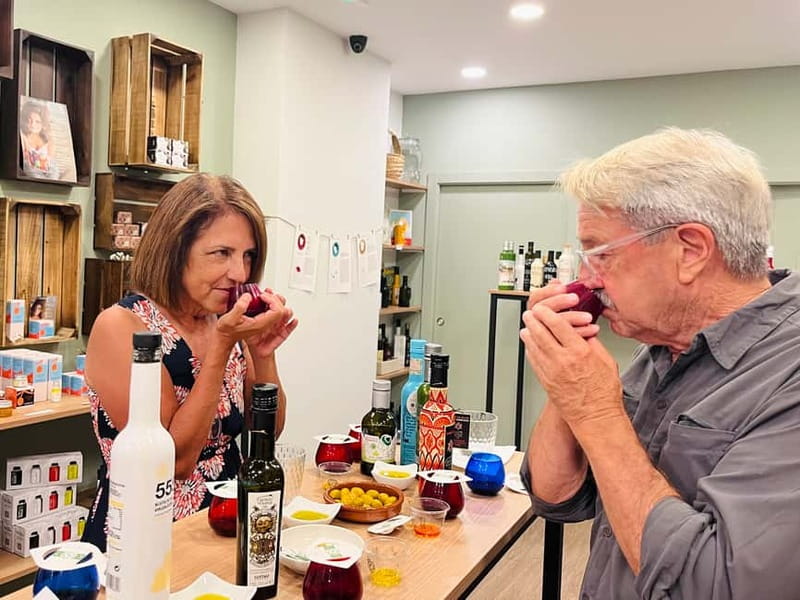
Córdoba is a natural place to learn about olive oil. Andalusia is closely tied to olive growing, and oil is not a minor garnish in local cooking. It shapes sauces, breakfasts, salads, fried foods, pastries, and simple slices of bread.
That wider setting gives this activity more purpose than a standard shop tasting. You are not only trying several oils. You are learning how to pay attention to them, how to describe what you notice, and how to choose a bottle for a particular dish.
I like food activities that leave you with a useful skill. After this session, you should be able to smell and taste an oil with more care instead of treating every green bottle as the same product. You will also have a better idea of why extra virgin olive oil is classified separately from other olive oils.
The format suits a morning or afternoon in the old center. At 115 minutes, it is long enough for a proper lesson but short enough to fit beside the Mosque-Cathedral, the Judería, or a Córdoba meal. You will not need transportation once you reach the meeting point.
More Olive Oil Tours around Spain:
- Ronda: LA Almazara LA Organic, Olive Oil Museum and Tasting
★ 4.6 · 435 reviews - Guided tour and olive oil tasting in Alhaurin el Grande (Málaga)
★ 5.0 · 200 reviews - Guided Tasting Tour in 16th century House and Olive Oil Factory
★ 5.0 · 169 reviews
Finding La Oleoteca de Córdoba on Calle Ángel de Saavedra
The store is at Calle Ángel de Saavedra number 8, directly opposite the façade of the Church of Santa Ana. This is a useful landmark in the central area, especially if you are walking through Córdoba’s old streets.
The meeting point is only a few minutes from the Judería and the Mosque-Cathedral. That makes the tasting easy to pair with sightseeing, although you should allow enough time to find the shop without rushing. The streets around the historic center can be confusing, and a calm arrival is better than showing up with your senses already tired from a fast walk.
The setting also helps the activity feel connected to Córdoba rather than like a generic food seminar. You begin in a central local business, surrounded by the city’s old quarter, then turn your attention to a product that has shaped Andalusian food for generations.
The experience is wheelchair accessible. Instruction is available in Spanish and English, so you can choose the language that lets you follow technical points most easily.
Starting with how olive oil is made
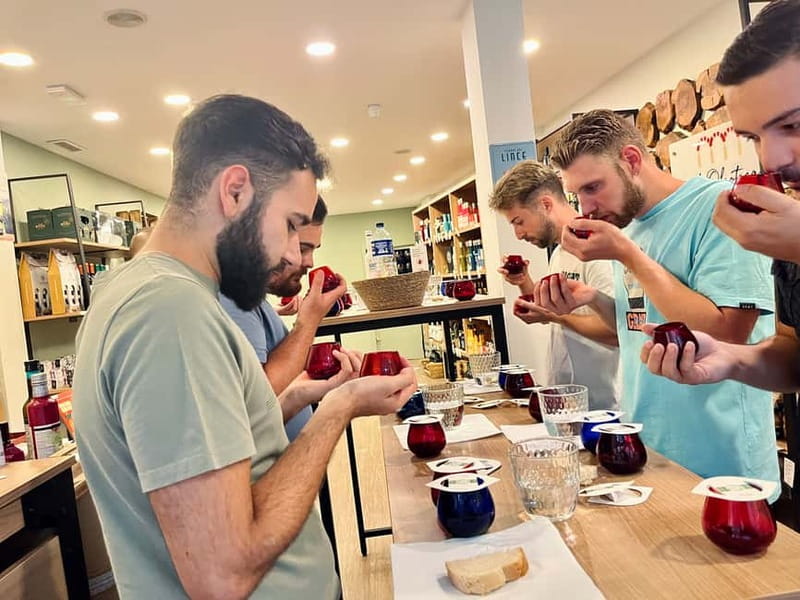
The first major part of the session deals with production. You learn how olives move from the field to the mill and how each stage can affect the final oil.
That foundation matters because olive oil quality is not created only at the end of the process. The condition of the fruit and the way it is handled influence aroma, flavor, and defects. A good tasting should help you connect the bottle on the table with the work that came before it.
You will also hear about classifications. The experience is designed to explain what separates extra virgin olive oil from other categories, rather than asking you to accept labels without understanding them.
This is where the session earns much of its price. A quick shop sample may tell you that one oil is mild and another is peppery. A guided explanation gives you a reason for the difference and helps you make sense of terms such as variety, intensity, and maturation.
The information is presented as a personalized experience, not just a fixed lecture. That is useful if you already know a little about olive oil and want to ask more specific questions. It should also work if you are starting from zero.
Learning the organoleptic side of tasting
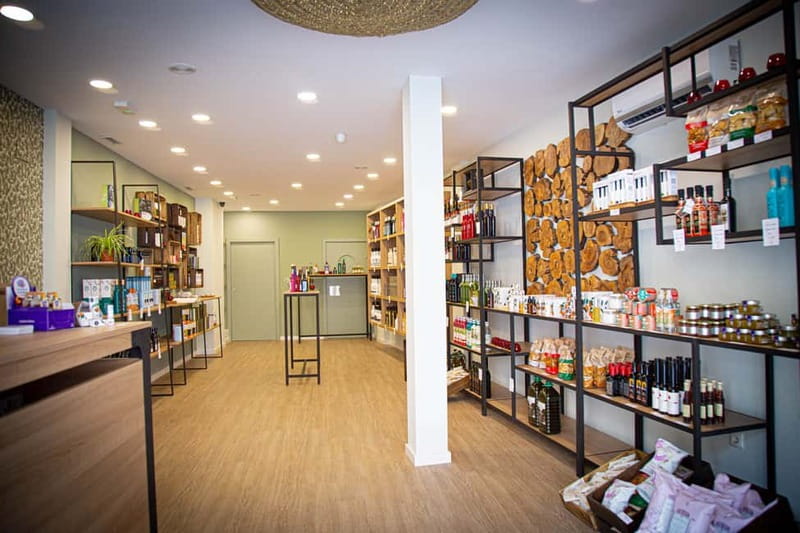
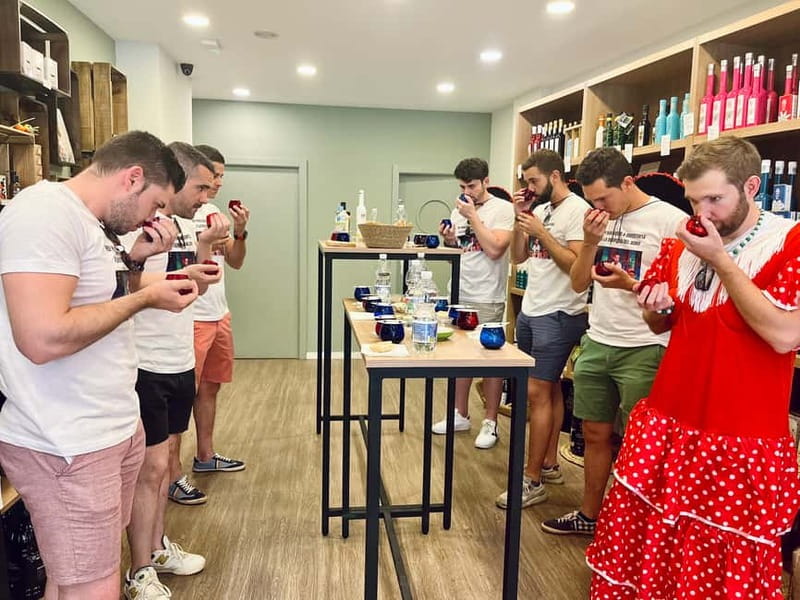
The tasting section introduces the basic organoleptic method. In plain language, you are learning to use your senses to assess oil. Smell, taste, and the sensations in your mouth all matter.
You may notice fruitiness, bitterness, or a peppery finish. You may also learn to recognize less pleasant signs in oils with defects. Tasting a flawed oil beside a strong extra virgin oil is one of the smartest parts of the activity because contrast makes the lesson clearer.
If you taste only excellent products, it is easy to think that olive oil differences are small or subjective. A defective oil gives you a reference point. The guide can explain what has gone wrong and show how those faults differ from the positive qualities found in a fresh, well-made oil.
I also like that the tasting covers different intensities and maturations. An oil can be gentle and rounded, or it can have a forceful green character with a sharper finish. Neither style is automatically right for every plate. The point is to understand the difference and use it well.
The tasting team includes professional olive oil specialists. Alvaro was praised for educating the group clearly, while Albert was described as an informative presenter with a good sense of humor. Maricarmen was also praised for making the session interesting and friendly. The individual guide may vary, but these comments suggest that the teaching style is a major strength.
Same groves, a different afternoon:
- Visit of the olive grove, olive oil tasting and snack
★ 4.9 · 111 reviews - Visit Oil Mill Museum and Olive Oil Tasting in Ronda
★ 4.5 · 105 reviews - Private Tasting of Olive Oil in Córdoba
★ 5.0 · 93 reviews - Olive Oil tasting breakfast & Tour in Cordoba
★ 4.5 · 84 reviews
Comparing varieties, intensity, and maturation
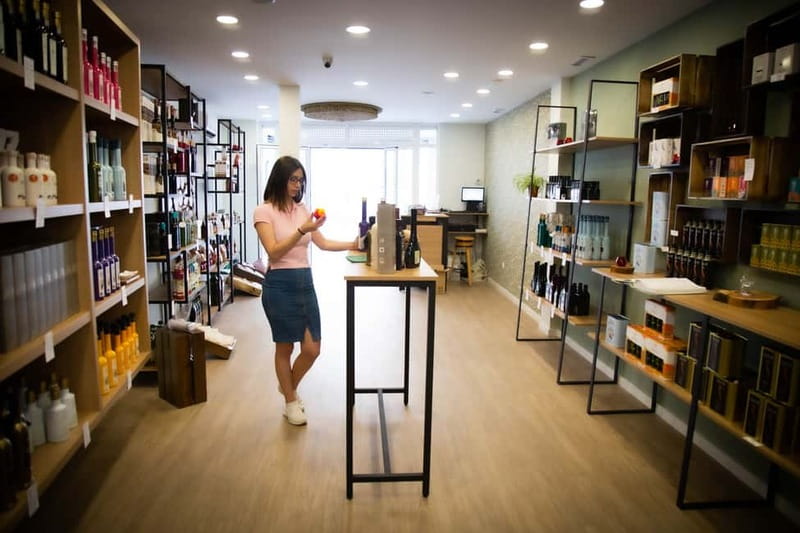
Olive oil is not one single flavor. The variety of olive, the stage of maturity, and the production method can all change the result.
The session gives you a chance to compare these traits instead of reading about them in a brochure. You may find one oil that feels light and easy, another with a stronger green taste, and another with a more noticeable bitterness or peppery quality.
The word intensity can sound intimidating, but it has a practical meaning here. A strong oil may be excellent with food that can match it. A gentler oil may be more useful when you want other ingredients to remain in front.
Maturation also matters. Olives harvested at different stages can produce oils with different aromas and sensations. You do not need to memorize technical vocabulary to benefit. You only need to notice what changes from one sample to the next.
This comparison is especially useful for anyone who buys olive oil as a souvenir. Instead of choosing by bottle design or the phrase extra virgin alone, you can look for a style that fits your own cooking. The tasting may also help you decide if you prefer a mild oil for everyday use or a more forceful one for finishing a dish.
Turning tasting notes into kitchen advice
The final lesson is practical: how to use each type of oil in your kitchen. This is more helpful than a purely academic tasting because you leave with guidance you can use at home.
A delicate oil may suit dishes where you want a softer presence. A bolder oil may be better when you want the olive character to be obvious. The guide explains how the varieties and intensities you taste can work in different cooking situations.
The experience does not promise a magic bottle for every recipe. Instead, it gives you a way to think about oil. Ask yourself whether the oil should support the food quietly or add a noticeable flavor of its own.
Bread and mineral water are included, which sounds simple but serves an important purpose. Bread gives you a neutral way to taste the oil, while water helps clear your palate between samples. These details keep the tasting focused and make it easier to compare one oil with another.
The session may also be a good choice for couples or small groups who enjoy food discussions. One person might notice a scent that another misses, and the guided format gives you something to talk about besides the next sightseeing stop.
Making a Cordoban dessert with olive oil and cocoa
The activity ends by preparing a typical Cordoban dessert on site with extra virgin olive oil and cocoa. This is a small but memorable finish because it shows olive oil in a sweet setting rather than only in savory food.
For many people, olive oil is linked to bread, vegetables, or frying. Using it with cocoa offers a different way to think about flavor and texture. It also gives the lesson a local touch rather than ending with a final sample and a polite goodbye.
The available information does not specify the dessert’s name or every preparation step, so you should not expect a full cooking class. Think of it as a short, in-place demonstration or preparation that completes the tasting.
I like this final element because it connects the technical lesson to pleasure. You have spent time learning about faults, classifications, and production. Then you finish by eating something sweet. That is a sensible order for a Córdoba food experience.
The small-group feel and teaching style
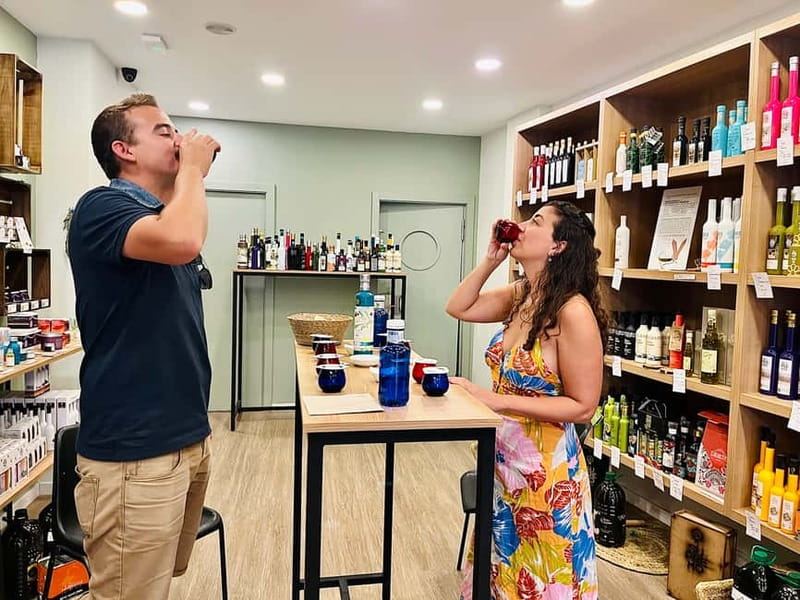
One of the strongest features is the personal tone. A small group was specifically praised as making the session fun and interactive. The exact group size is not fixed in the available details, so you should not book expecting a private class, but the format can feel more engaged than a large lecture.
The guides appear to be central to the quality of the experience. Alvaro, Albert, and Maricarmen were each praised for different strengths: clear teaching, humor, warmth, and strong command of the topic.
That mix matters. Olive oil tasting can become dry if the guide lists technical terms without helping you connect them to what is in the glass. A friendly presenter makes it easier to ask questions and admit that you cannot smell a particular note yet.
The activity is offered in English and Spanish. If you speak Spanish, you can take the lesson in the local language. If you do not, the English option keeps the technical material accessible.
Is $34 a good value?
At $34 per person, this is not the cheapest way to taste olive oil in Córdoba. You can buy bread and a bottle for less. But that comparison misses what you are paying for.
The fee includes professional instruction, mineral water, bread, several styles of oil, and the dessert preparation. The real value is the explanation. You are paying to understand what you taste and to learn how to use that information later.
I consider the price fair for anyone who enjoys food-focused activities or wants a meaningful souvenir. A bottle bought after a guided tasting has more value than a random purchase because you have a better chance of choosing an oil you actually like.
The value is weaker if you are only looking for a quick sample or if your schedule is packed. The session takes nearly two hours, and much of that time involves listening and comparing flavors. If you have little interest in cooking or food culture, a shorter stop at a shop may be enough.
The rating is 4.4 from eight posted ratings, with praise focused on the teaching, the fun atmosphere, and the quality of the explanation. One January booking ended without a tasting because the session was cancelled after arrival. That is the one practical warning I would take seriously. If this activity is important to your day, confirm that it is operating before you walk across Córdoba.
Who should book this Córdoba tasting?
I would recommend it to:
- Food-focused visitors who want more than a restaurant meal.
- Home cooks who want to understand how to choose and use different oils.
- Couples and small groups who enjoy tasting and discussion.
- First-time olive oil tasters who need a clear introduction.
- Repeat visitors to Córdoba looking for a local activity beyond the main monuments.
- Visitors buying edible souvenirs who want to taste before choosing a bottle.
I would be more cautious if you dislike structured tastings, have no interest in olive oil, or need a very short activity between attractions. The experience is educational, so it rewards attention.
It also works best if you keep an open mind. You may prefer a mild oil at home but enjoy a stronger one during the tasting. You may find that an oil you would not choose for cooking works well as a finishing ingredient. The point is not to announce one universal winner.
Should you book La Oleoteca de Córdoba?
Book it if you want a friendly, useful food experience near the Mosque-Cathedral and the Judería. The strongest reasons are the comparison between defective and excellent oils, the practical kitchen advice, and the chance to taste different varieties, intensities, and maturations with a guide.
At $34, the session offers solid value for a 115-minute lesson, especially if you plan to buy olive oil in Andalusia. The English and Spanish instruction, wheelchair access, bread, water, and Cordoban dessert add comfort and variety.
I would confirm the booking close to the date because of the reported cancellation. Aside from that caution, this is a good pick for anyone who wants to leave Córdoba with more than photographs. You leave with a sharper palate, a better sense of Spanish olive oil, and perhaps a bottle chosen with purpose.
FAQ
Where does the olive oil tasting take place?
It takes place at La Oleoteca de Córdoba, at Calle Ángel de Saavedra number 8. The store is opposite the Church of Santa Ana, a few meters from the Judería and the Mosque-Cathedral.
How long does the experience last?
The tasting lasts 115 minutes.
How much does it cost?
The listed price is $34 per person.
Which languages are available?
The experience is offered in Spanish and English.
Is the activity wheelchair accessible?
Yes, the activity is wheelchair accessible.
What is included in the price?
The experience includes a professional olive oil tasting team, mineral water, and bread.
What will I learn during the tasting?
You will learn how olive oil is produced from the field to the mill, how oils are classified, how to taste them, how to identify positive qualities and defects, and how to use different varieties in cooking.
Will I taste different kinds of olive oil?
Yes. The experience includes tasting oils with defects as well as some highly regarded extra virgin oils. You will also learn about varieties, intensities, and maturations.
Can I cancel the booking for a refund?
Yes. You can cancel up to 24 hours in advance for a full refund. You can also reserve now and pay later.
Just added around Spain
- XXI Century Olive Oil Mill Tour★ 5.0 · 3 reviews
- Visit to an olive oil mill and oil tasting with aperitif and food and wine pairing.★ 5.0 · 2 reviews
- Treurer: Tapas Gourmet and Extra Virgin Olive Oil★ 4.7 · 3 reviews
- Ulldecona: Guided Tour of the Millenary Olive Trees of Arión★ 5.0 · 2 reviews
- Olive Oil and Winery Tour from Zaragoza City★ 5.0 · 4 reviews
- Treurer: Olive Oil Night. Gastronomic experience★ 5.0 · 15 reviews
- Olive Oil Private Full-Day Tour with Tasting in Valencia★ 5.0 · 2 reviews
- Olive Oil Tour and Visit to Belchite Old Town★ 5.0 · 16 reviews
Cordoba Olive Oil Tours, compared.

Córdoba: Visit a family organic olive grove with tasting
Read our review →
Full day in Cordoba between Vineyards and Olive Trees with a Convertible Car
Read our review →
Browse the lists this tour appears in