
Review · CORDOBA
Olive Oil tasting breakfast & Tour in Cordoba
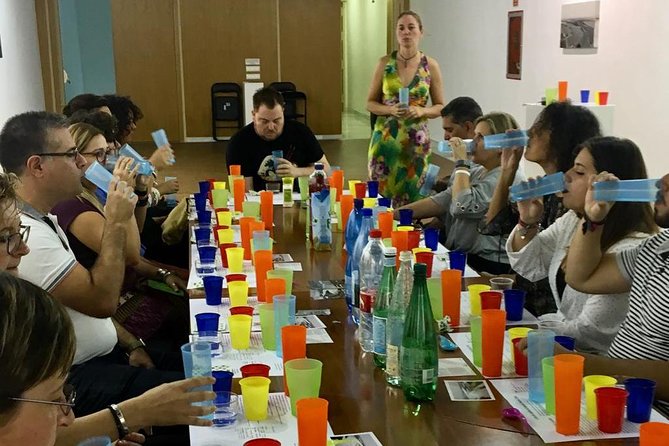
Good olive oil can change breakfast. This compact Córdoba experience takes you from Plaza de la Corredera and Mercado de la Corredera to a local tasting room, where you sample olives, several oils, and the simple food of Andalusian olive workers. I like the small groups of no more than 10 and the chance to learn from guides such as Bárbara and Mara, who explain olive growing with real enthusiasm. I also like the low price, $25.34, for a 75-minute introduction to one of southern Spain’s most important foods.
The main catch is the word breakfast. You may receive coffee or tea, bread, olives, and oil rather than a full meal. If you need a substantial breakfast or morning food for medication, eat beforehand.
Key Points Before You Book
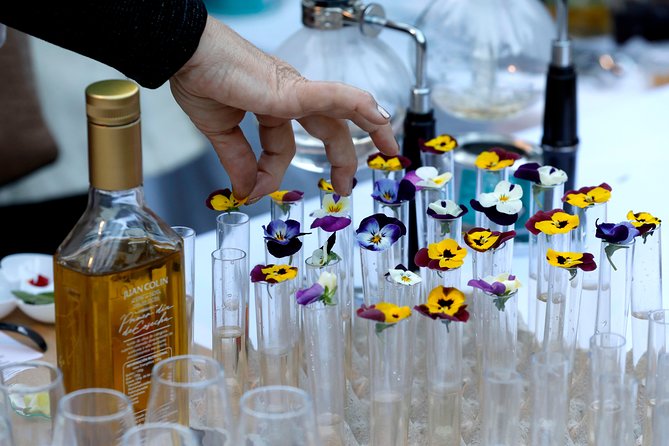
- Three olive varieties come first: You begin by tasting olives and comparing their differences before moving on to the oils.
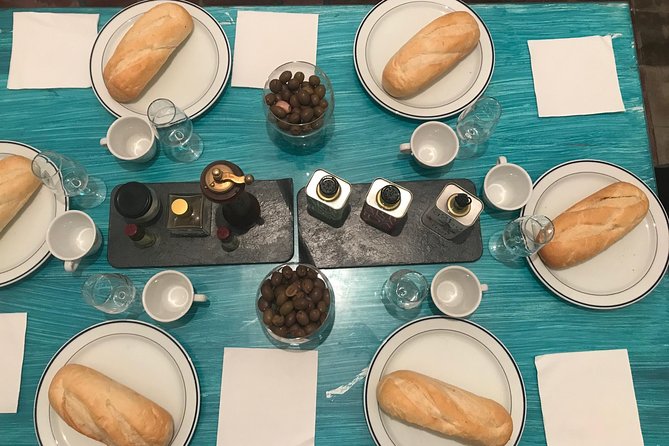
- The Miller breakfast is simple: Expect bread for dipping, table olives, and coffee or tea, not a large spread.
- The group stays small: The maximum is 10 people, and some sessions have only two to six participants.
- The market visit is brief: Mercado de la Corredera is a small local market, and some stalls may be closed.
- The guides are the heart of it: Bárbara, Mara, Adrián, and José are praised for warmth, enthusiasm, and useful local stories.
- Plan your morning carefully: The experience lasts about 1 hour and 15 minutes and returns to the starting point at Calle Carlos Rubio 11.
What This Córdoba Olive Oil Tour Actually Offers
This is not a farm visit or a long coach excursion into the countryside. It is a short food experience in central Córdoba, built around conversation and tasting.
You meet at the tasting room at Calle Carlos Rubio 11, local. The entrance is described as a black door on the right. From there, the activity includes stops around Plaza de la Corredera and Mercado de la Corredera before returning to the same meeting point.
The format is useful if you have already spent hours visiting Córdoba’s famous monuments and want something more personal. It gives you a look at local food customs without taking half a day. At the same time, you should arrive with the right expectations. This is a lesson and tasting with a small breakfast, not an all-you-can-eat food tour.
The experience is offered in English, and confirmation is sent at booking. Most people can participate, service animals are allowed, and the meeting point is near public transportation.
More Olive Oil Tours around Spain:
- Ronda: LA Almazara LA Organic, Olive Oil Museum and Tasting
★ 4.6 · 435 reviews - Guided tour and olive oil tasting in Alhaurin el Grande (Málaga)
★ 5.0 · 200 reviews - Guided Tasting Tour in 16th century House and Olive Oil Factory
★ 5.0 · 169 reviews
Starting at Plaza de la Corredera
Plaza de la Corredera gives the outing a clear central starting point. This large rectangular square is one of Córdoba’s recognizable urban spaces, and it puts you near the market and the old center.
The plaza itself is not the main attraction of this activity. Think of it as a convenient place to begin, get oriented, and meet your guide. One guide, Bárbara, has been described as meeting participants promptly beneath the plaza clock, flush against the building. Since the exact meeting instructions point to Calle Carlos Rubio 11, read your confirmation carefully and use the address provided there.
A guide may also share stories about the surrounding neighborhood while walking. José, Bárbara, Mara, and Adrián are all named in the available feedback, and the strongest praise goes to their ability to answer questions and connect olive oil with everyday life in Córdoba.
That personal contact matters. A supermarket bottle tells you little about how an oil was made or why one tastes grassy and another peppery. A good guide gives you a way to notice those differences.
A Quick Look Inside Mercado de la Corredera
The market visit is meant to introduce you to local ingredients. You may see olives, bread, produce, and other foods associated with Córdoba. Guides can point out typical items and explain how local people use them.
Keep this stop in proportion. Mercado de la Corredera is small, not a giant food hall. On some mornings, only a few stalls are open, and one session found the market closed. If your main reason for booking is a grand market tour, this activity may disappoint.
I would treat the market as a short orientation rather than the centerpiece. Its value comes from having a local person explain what you are seeing. One guide helped the group choose olives and bread, then stopped at a bakery to pick up rolls for the tasting. That kind of ordinary errand can feel more revealing than a polished food demonstration.
The market also gives you a chance to notice the range of Spanish produce. One guide made the useful comparison that there are many kinds of tomatoes, so it makes sense that olive oil also comes in many styles. That is the basic lesson of the morning: olive oil is not one single flavor.
Tasting Three Olives Before the Oil
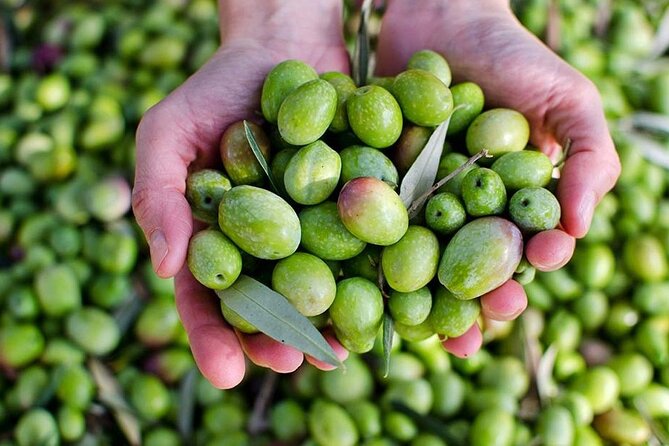
The tasting begins with three varieties of olives. This is a smart starting point because it separates the fruit from the finished oil.
You can compare color, texture, bitterness, salt, and how the flavor lingers. The purpose is not to turn you into an olive expert in 10 minutes. It is to sharpen your attention before the oils arrive.
After the olives, the group tastes oils made from different varieties grown around Córdoba. The number can vary. Some sessions include five oils, moving from mild and fruity to stronger and more peppery. Other tastings have included infused oils, honey, table olives, and a small pour of dessert wine or sherry near the end.
The strongest part of the activity is the explanation of flavor. You learn to notice fruitiness, bitterness, peppery heat, and softer notes. The guide explains how the olive variety, picking time, and production process affect the result.
You may be invited to taste the oil plain, then with bread. Plain tasting gives you the clearest sense of the oil itself. Bread makes the experience more like breakfast, but it can also cover delicate flavors. If you care most about comparing oils, take small tastes before dipping your bread.
Same groves, a different afternoon:
- Visit of the olive grove, olive oil tasting and snack
★ 4.9 · 111 reviews - Visit Oil Mill Museum and Olive Oil Tasting in Ronda
★ 4.5 · 105 reviews - Private Tasting of Olive Oil in Córdoba
★ 5.0 · 93 reviews - Sóller: Olive Oil Guided Tour and Tasting at Can Det Estate
★ 4.8 · 82 reviews
The Traditional Desayuno Molinero
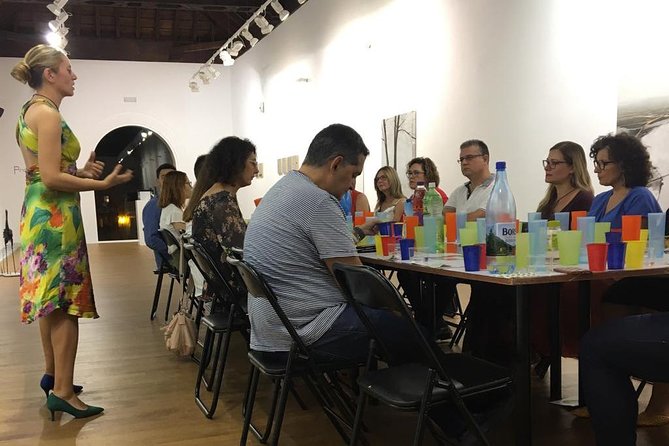
The meal is based on the desayuno molinero, or Miller breakfast. It comes from the food eaten by olive workers as a short break during the workday.
The traditional idea is direct: fresh bread, olive oil, olives, and a hot drink. It is a useful piece of food culture because it shows how ordinary ingredients can carry a lot of meaning in Andalusia. This is not a fancy plated meal. It is fuel from the mill, served simply.
In practice, the breakfast usually includes a fresh baguette or rolls, olive oil for dipping, table olives, and coffee or tea. Some people found the bread excellent and enjoyed the generous pours of oil. Others expected more food and were still hungry afterward. Instant coffee has also been mentioned, so coffee quality may be basic.
My advice is simple: eat a light breakfast before you arrive. Then you can enjoy the tasting without worrying about whether it will replace a full meal. If you are expecting ham, cheese, pastries, or several courses, adjust that expectation now.
The breakfast can still be satisfying if you enjoy plain bread with good oil. It is especially useful for understanding how olive oil is eaten at home and at work, rather than only sampling it in a formal shop.
The Tasting Room Setting
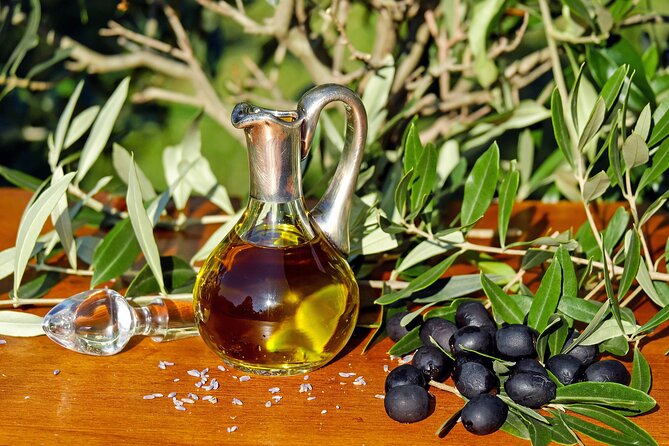
The tasting takes place at the provider’s local tasting space at Calle Carlos Rubio 11. Descriptions of the room vary. It has been called a basement area, a private apartment setting, and, in another account, a rooftop table. That suggests the atmosphere may depend on the guide, the date, and the space being used.
Do not book this expecting a glossy culinary studio. The setting is informal and personal. One person found it charming, while another thought it needed dusting and updating. The room matters less if your priority is the food lesson and the guide’s attention. It matters more if you want polished design or a formal tasting room.
The smaller the group, the better this format works. With two, six, or a similarly small number of people, you can ask questions and compare impressions. A group of 10 is still manageable, but it will feel less private than a session with only a few people.
The guides are repeatedly praised for their warmth. Bárbara is described as friendly and helpful, and Mara as energetic and passionate about her family’s olive and wine traditions. Adrián is praised for his command of the subject. These personal touches are a major reason to choose this activity over simply walking into a shop.
What You Learn About Córdoba’s Olive Culture
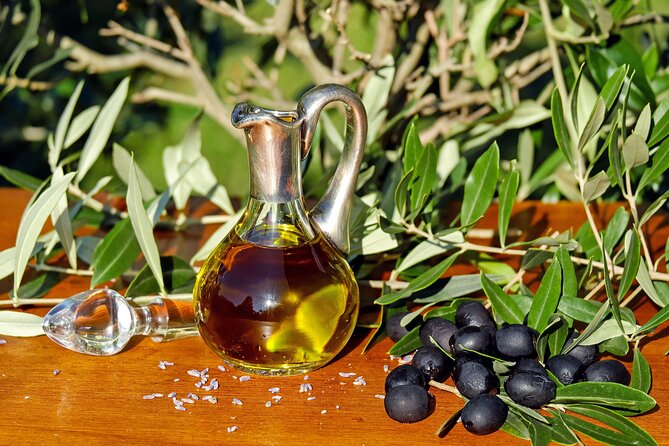
The talk covers the basic path from tree to bottle. You can expect an explanation of olive varieties, when olives are picked, how they are processed, and how the finished oil develops different flavors.
The experience also places olive oil in local life. You hear about family production, the work of olive growers, and the role of simple food in Andalusian routines. Mara, in particular, connects the tasting to local produce and wider Spanish culture.
This is where the activity has more value than a quick sample at a store. You can ask why one oil feels stronger, how to use different styles, or what makes an oil mild and fruity instead of bitter and peppery.
Still, this is a short introduction. If you want technical detail about acidity levels, harvest temperatures, milling equipment, or professional certification, you may need a specialist shop or a longer course. The tour gives you a practical foundation, not a full professional education.
Price, Timing, and Overall Value
At $25.34 per person, the price is modest for an English-language food experience in central Córdoba. You receive a guide, a market walk, several tastings, a simple breakfast, and about 75 minutes of activity.
The value depends on what you want. For a short, social introduction to Andalusian food, the price is good. The small group adds value because you are not simply standing at a counter while someone pours samples. You can ask questions and hear local stories.
The value is weaker if you judge the booking as a full breakfast or a serious oil seminar. You may get only bread, olives, coffee or tea, and oil. The market can also be quiet or closed. At this price, those limits are understandable, but the title can create larger expectations than the food portion delivers.
The activity is booked, on average, about 14 days ahead. That does not mean you must reserve exactly two weeks in advance, but it is sensible to book before your Córdoba visit if your schedule is fixed.
Free cancellation is available up to 24 hours before the start time. Changes or cancellations inside that window are not accepted for a refund. The activity also requires good weather and a minimum number of participants, so a cancellation by the provider may result in another date, another experience, or a full refund.
Who Will Enjoy This Experience Most
I would recommend it to you if you like food stories, small groups, and direct contact with a local guide. It suits someone who wants a break from churches, palaces, and museum visits without leaving the center of Córdoba.
It is also a good choice if you rarely think about olive oil but enjoy learning through taste. Several guides are praised for making the subject approachable, and the comparison of mild, fruity, peppery, and infused oils gives you something concrete to remember.
You may want to skip it if you need a substantial breakfast, dislike dipping bread in oil, or want a large market with many vendors. It is also not the best pick if you want a farm visit, a long production tour, or a high-end tasting room.
For shoppers, oils may be available to buy after the tasting. Home shipping is not provided, so you would need to carry any bottles yourself.
Should You Book the Córdoba Olive Oil Tasting?
Book it if you want an affordable, compact look at Córdoba’s food culture and you appreciate a guide who can turn ordinary bread and oil into a conversation. The best parts are the small group, the variety of oils, and the enthusiasm of guides such as Bárbara and Mara.
Book with a snack already in your stomach. Think of the Miller breakfast as a traditional tasting ritual, not a full meal. If you make that adjustment, this can be a pleasant and distinctive morning activity, especially for anyone who wants to understand why olive oil matters so much in Andalusia.
FAQ
Where does the olive oil tasting begin?
The meeting point is Things to Do Córdoba at Calle Carlos Rubio 11, local, in central Córdoba. The entrance is described as a black door on the right.
How long does the experience last?
The activity lasts approximately 1 hour and 15 minutes.
What language is the tour offered in?
The experience is offered in English.
How many people can join the group?
The maximum group size is 10 people. Some sessions may have fewer participants.
What happens at the market?
The activity includes a visit to Mercado de la Corredera, where the guide can point out local foods and typical Córdoba ingredients. The market is small, and some stalls may be closed.
How many olives do you taste?
The experience begins with three different varieties of olives.
How many olive oils are included?
The exact number can vary. The tasting may include several Córdoba olive oils, and some sessions have included five oils plus infused varieties.
Is the breakfast a full meal?
No. The Miller breakfast generally includes bread, olive oil, olives, and coffee or tea. Eat beforehand if you need a substantial breakfast.
Does the activity return to the meeting point?
Yes. The experience ends back at the meeting point.
Can I cancel for a full refund?
Yes, if you cancel at least 24 hours before the scheduled start time. Cancellations made less than 24 hours in advance are not refunded.
Just added around Spain
- XXI Century Olive Oil Mill Tour★ 5.0 · 3 reviews
- Visit to an olive oil mill and oil tasting with aperitif and food and wine pairing.★ 5.0 · 2 reviews
- Treurer: Tapas Gourmet and Extra Virgin Olive Oil★ 4.7 · 3 reviews
- Ulldecona: Guided Tour of the Millenary Olive Trees of Arión★ 5.0 · 2 reviews
- Treurer: Olive Oil Night. Gastronomic experience★ 5.0 · 15 reviews
- Olive Oil and Winery Tour from Zaragoza City★ 5.0 · 4 reviews
- Olive Oil Private Full-Day Tour with Tasting in Valencia★ 5.0 · 2 reviews
- Olive Oil Tour and Visit to Belchite Old Town★ 5.0 · 16 reviews
Cordoba Olive Oil Tours, compared.
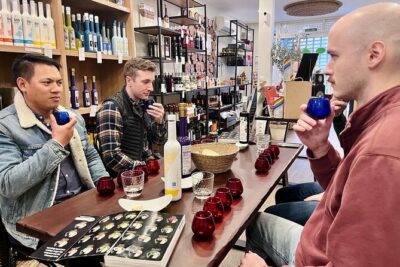

Córdoba: Visit a family organic olive grove with tasting
Read our review →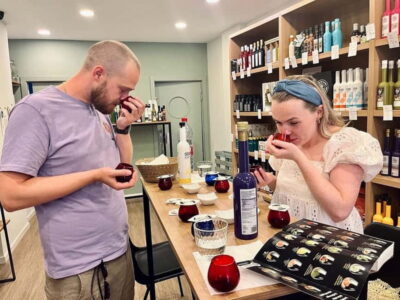
Full day in Cordoba between Vineyards and Olive Trees with a Convertible Car
Read our review →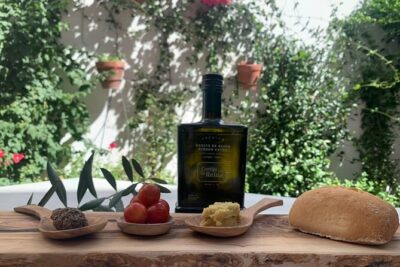
Browse the lists this tour appears in