
Review · PROVENCE
Private guided tour, olive grove in Salon de Provence.
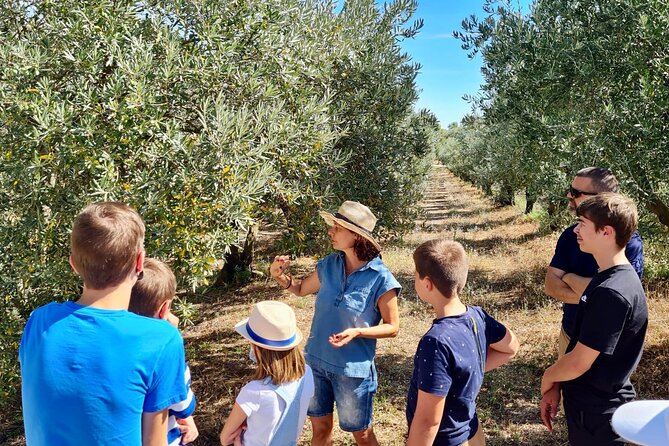
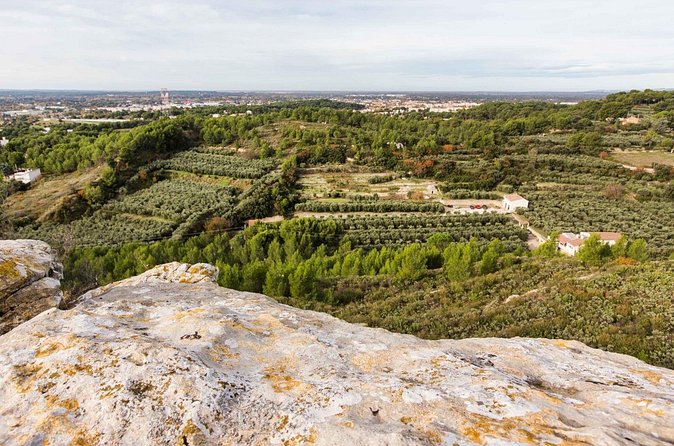
Provence tastes better by the olive tree. This short visit to Mas des Bories near Salon-de-Provence offers two things I especially like: a close look at a working olive estate and a clear explanation of how olives become high-end oil. The setting is unusual, too, with 2,000 trees and small 19th-century stone huts scattered through the grove.
I also like the sensible small-group size, capped at 15 people, and the low price of about $12.10 per person. The main drawback is the short 45-minute duration. You will get a focused introduction rather than a long farm visit, and the final tasting sounds pleasant but simple rather than a full food pairing.
Key points to know before booking
- 2,000 olive trees fill the estate: The grove gives you a direct look at Provençal agriculture, not just a shop counter with bottles.
- 19th-century bories add character: These small stone huts help explain why this property feels different from a standard oil tasting.
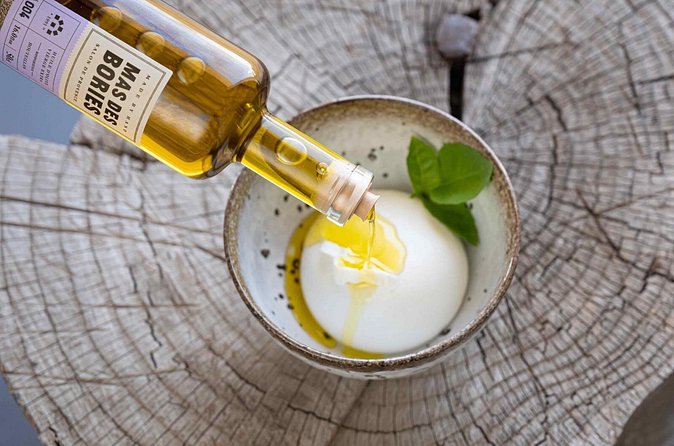
- The oil is made on the estate: Olives are picked by hand, processed the same day, cold-extracted, and bottled on the property.
- The visit lasts about 45 minutes: It works well as a compact stop, but it will not fill half a day.
- The tour is offered in English: The group can include up to 15 people, so the experience should remain fairly manageable.
- The tasting is the finish: You will sample the estate’s olive oil after learning about the trees, harvest, and production methods.
Arriving at Mas des Bories near Salon-de-Provence
The meeting point is on Chemin de la Coustelade in Salon-de-Provence, France. The activity begins and ends at the same location, which makes the visit easy to fit into a day based around Salon-de-Provence.
The property is near public transportation, but the information provided does not specify a particular bus stop, route, or walking time. I would check the final approach before setting out, especially if you are not arriving by car. A mobile ticket is accepted, and confirmation is sent at the time of booking.
The scheduled opening information lists Monday from 10:30 to 11:30 a.m. This narrow time slot matters. You cannot treat the tour as a drop-in attraction with all-day flexibility. Plan to arrive ready at the start time, since a 45-minute visit leaves little room for a late arrival.
The group limit is 15 people. That is not a private one-on-one outing, despite the private guided tour wording, but it is still much smaller than a large coach group. A smaller group should make it easier to hear the guide and ask questions about olive growing and oil production.
More Olive Grove Walks around the world:
- Ostuni: Masseria tour among thousand-year-old olive trees with oil tasting
★ 4.8 · 261 reviews - Balestrate: Olive Grove Tour with Wines & Olive Oil Tasting
★ 5.0 · 241 reviews - Traditional Olive Grove and Dragon Fruit Farm Tour
★ 4.8 · 118 reviews
Walking among 2,000 olive trees
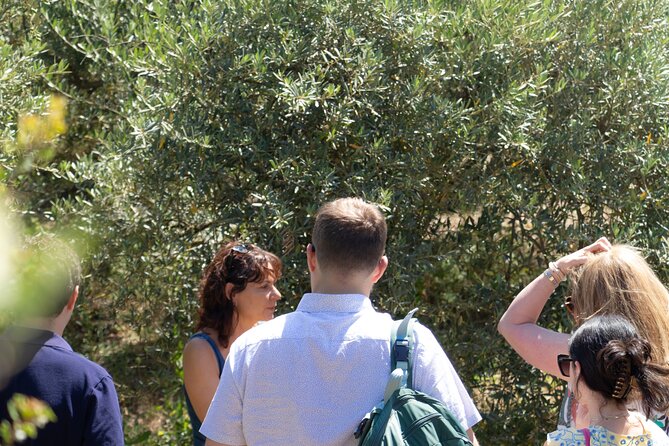
The first major pleasure is simply seeing the estate as an agricultural property. Mas des Bories has about 2,000 olive trees spread across an exceptional terroir surrounded by wild, mineral terrain. That description points to a setting with a strong sense of place, rather than an indoor retail tasting removed from the land that produces the oil.
I like this part because it gives the product a proper beginning. Before you taste anything, you see where the olives grow. You can connect the final bottle to trees, soil, weather, harvest work, and the care required to keep an orchard productive.
The tour also offers a useful look at sustainable farming. The estate says it works with respect for the land, the trees, and local biodiversity. That does not mean you should expect a technical farming lecture, but it does give the visit a broader purpose. You are learning how an agricultural business tries to protect the conditions that make its oil possible.
The information does not provide a detailed walking route or say how much time you spend among the trees. I would therefore think of the grove visit as an introduction, not a full agricultural study. You will see and discuss the estate, but you should not expect a long hike through every corner of the property.
The stone bories that define the estate
The small stone huts are one of the most memorable details at Mas des Bories. Called bories, these structures date from the 19th century and sit among the olive trees. They give the estate its identity and help make the setting feel distinctly Provençal.
Their value is more than visual. The huts connect the olive grove to older rural traditions, when simple stone buildings were part of working agricultural life. You get a reminder that Provence is not only lavender fields, village fountains, and sunny terraces. It also has a practical countryside shaped by farming and local building methods.
The available information does not state whether you enter the bories or view them from outside. I would expect them to be part of the estate visit and explanation, but not assume a detailed architectural tour. If old rural structures interest you, they are a strong reason to choose this visit. If your main goal is a long guided walk, the 45-minute length may feel brief.
This is also where the tour gains some personality. Many olive oil tastings can feel similar: look at bottles, hear a short explanation, taste oil, and leave. The bories provide a physical link to the property and make the visit feel less like a sales stop.
Learning how Provence makes olive oil
The guide explains the stages and history of olive oil, according to the experience description. That is important because the visit is not limited to a tasting at the end. You learn how the estate approaches the full process, from growing and harvesting to extraction and bottling.
Harvesting is done manually to protect the integrity of the fruit. That detail helps explain the estate’s quality claims. Hand picking takes more care than a purely mechanical approach, but it can reduce rough handling of the olives before they reach the mill.
Timing is another key point. The olives are transformed into oil on the same day they are harvested. The estate uses a modern mill and cold extraction, then bottles the oil by hand on the property. In practical terms, you are seeing a short chain from tree to bottle, with fewer gaps between harvest and processing.
You will not simply hear that the oil is high quality. You can connect that claim to specific methods: manual picking, same-day processing, cold extraction, and on-site bottling. The estate’s oils receive medals in France and internationally each year, which adds outside recognition, although awards alone should not decide whether you like the flavor.
The exact mill demonstration is not specified. The description says the olives are processed in the estate’s modern mill, but it does not promise that every machine will be running during your visit or that you will watch a live pressing. I would go expecting an explanation of the process, with the possibility of seeing parts of the production area, rather than a full working-mill show.
More Guided Tours around the world:
- Guided tour and olive oil tasting in Alhaurin el Grande (Málaga)
★ 5.0 · 200 reviews - Guided Tasting Tour in 16th century House and Olive Oil Factory
★ 5.0 · 169 reviews - Guided Wine and Olive oil tasting
★ 5.0 · 158 reviews - Sóller: Olive Oil Guided Tour and Tasting at Can Det Estate
★ 4.8 · 82 reviews
Finishing with the olive oil tasting
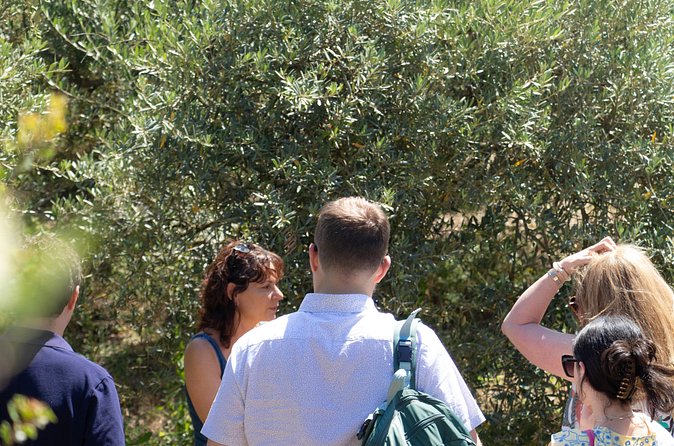
The tasting comes at the end and gives the visit a practical payoff. After hearing about the trees and production methods, you can try the oil with a better sense of what you are tasting.
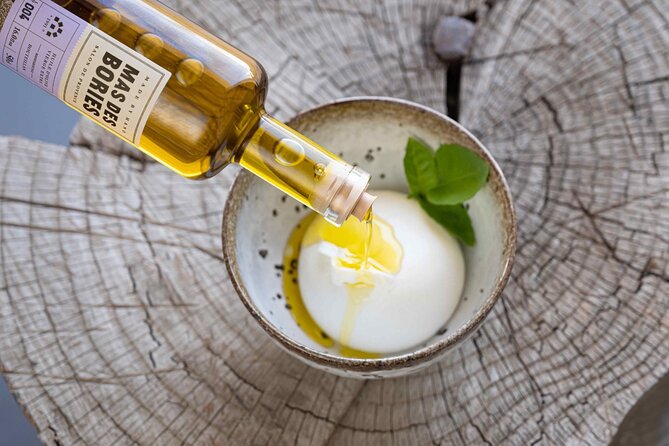
The tasting has been described as very pleasant, with nice olive oil. It has also been described as simple. That balance is useful. You should expect a straightforward sample of the estate’s oils, not a large meal, elaborate menu, or extensive regional food lesson.
I like a modest tasting when the main point is understanding the farm. You can focus on the oil instead of filling up on bread, cheese, and extras. Still, if you are hoping for several courses or a broad comparison of many oils, this may feel limited.
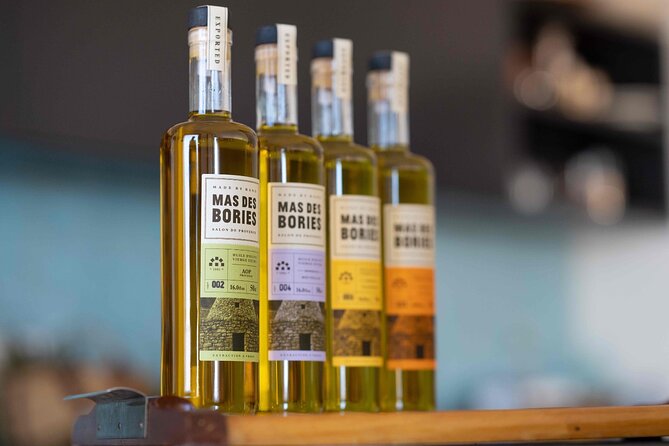
The estate’s oils are presented as high-end Provençal products with regular medals for quality and freshness. The visit lets you judge them for yourself. Pay attention to the aroma, bitterness, peppery finish, and freshness, but remember that olive oil preference is personal. A medal can tell you that a product has been recognized. It cannot guarantee that its style will suit your cooking.
You may also want to ask about the oil you taste, particularly how it differs from other bottles produced on the property. The tour is guided in English, and the guide takes time to explain the stages and history of olive oil. That creates a better setting for questions than a quick sample at a shop counter.
Why the $12.10 price is appealing
At about $12.10 per person, this is an inexpensive way to add a food and farm experience to a Provence itinerary. The price includes a guided visit of roughly 45 minutes and a tasting, with the added value of seeing the estate’s trees, bories, and production approach.
The value is strongest if you already plan to be near Salon-de-Provence. You are paying a small amount for context, not only for a sample of oil. The working estate, unusual stone huts, and explanation of sustainable practices make the visit more substantial than a retail tasting alone.
The price is less compelling if you must make a long detour solely for this short activity. The available details do not include transport costs or travel time to Chemin de la Coustelade. I would weigh the location against the 45-minute duration before booking.
This is also a good add-on for anyone building a day around local food. It is not priced like a full culinary workshop, and you should not expect one. Think of it as a compact introduction to Provençal olive oil with a tasting included.
Who will enjoy this short estate visit
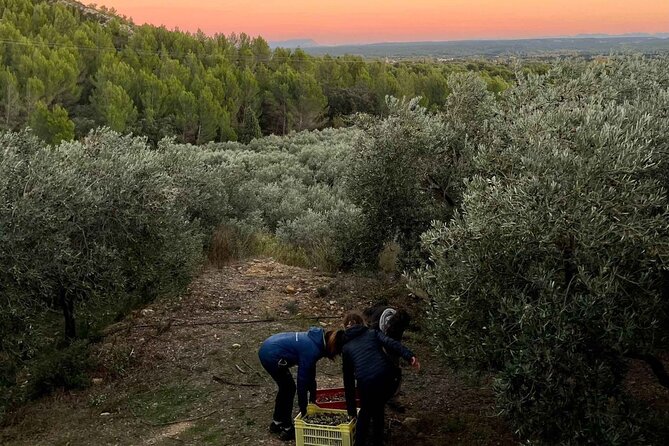
I would recommend Mas des Bories to you if you like seeing how regional food is made. The tour gives you direct contact with olive trees, harvest methods, milling, and bottling. It also suits anyone who wants a quieter rural stop instead of another crowded town attraction.
It is a good match for visitors interested in sustainable agriculture and local biodiversity. The estate’s approach is not described in technical detail, but the commitment to the land and trees is part of the visit’s appeal.
The experience should also suit couples, small groups, and families who can manage a short guided visit. Most people can participate, and service animals are allowed. The group size can reach 15 people, so it is intimate enough for questions without promising a fully private guide.
I would be more cautious if you want a long walk, a detailed architectural tour, or a large tasting menu. The visit is short, and the tasting is simple. Those are not flaws if you want a compact stop, but they matter if you are planning a major half-day activity.
Timing, weather, and cancellation details
The experience requires good weather. If poor conditions force a cancellation, you are offered a different date or a full refund. This makes the tour easier to consider during an uncertain forecast, although you still need a backup plan for your day.
You can cancel for a full refund up to 24 hours before the start time. Changes or cancellations made less than 24 hours before the scheduled start are not accepted for a refund. Cutoff times follow local time in France.
The activity also requires a minimum number of participants. If that minimum is not reached, you are offered another date or experience, or a full refund. Since the group maximum is 15, the tour is designed to remain relatively small, but the exact minimum is not provided.
Should you book Mas des Bories?
Book this tour if you want a low-cost, authentic introduction to Provençal olive oil near Salon-de-Provence. The best reasons are the 2,000-tree estate, the 19th-century bories, the same-day cold extraction, and the chance to taste oil made and bottled on the property.
I would skip it if you need a long activity or an elaborate food event. The 45-minute format is firmly on the short side, and the tasting is simple. But for about $12.10, this is an appealing way to connect a familiar Provençal product with the land, trees, and people behind it.
FAQ
Where does the olive grove tour begin?
The tour begins at Chemin de la Coustelade, 13300 Salon-de-Provence, France.
Where does the activity end?
The activity ends back at the meeting point.
How long does the visit last?
The visit lasts approximately 45 minutes.
What time is the tour offered?
The listed opening time is Monday from 10:30 a.m. to 11:30 a.m.
Is the tour offered in English?
Yes. The experience is offered in English.
How many people can join the tour?
The activity has a maximum of 15 participants.
What can you see at the Mas des Bories estate?
You can see an olive grove with about 2,000 trees and 19th-century stone huts called bories.
How is the olive oil produced?
The olives are picked by hand, processed on the same day in a modern mill using cold extraction, and bottled by hand on the property.
Is there an olive oil tasting?
Yes. The visit ends with an olive oil tasting.
Can you cancel for a refund?
Yes. You can cancel at least 24 hours before the start time for a full refund. Poor weather or failure to meet the minimum number of participants may also result in a different date or a full refund.
Just added around the world
- XXI Century Olive Oil Mill Tour★ 5.0 · 3 reviews
- Zadar, Šibenik: olive oil, wine & food tasting, Self Drive★ 4.7 · 9 reviews
- Villa Castelli: Highlights Walking Tour w/ Olive Oil Tasting★ 4.8 · 12 reviews
- Athens: Greek Wine & Olive Oil Tasting at Brettos Plaka★ 4.5 · 3 reviews
- Visit to an olive oil mill and oil tasting with aperitif and food and wine pairing.★ 5.0 · 2 reviews
- Umbria: E-Bike Rental and Fresh EV Olive Oil Tasting★ 5.0 · 4 reviews
- Unveiled Secrets of Porto + Olive Oil Tasting★ 4.8 · 3 reviews
- Vernazza (5 Terre): olive grove tour and oil and wine tasting★ 5.0 · 9 reviews
Olive Grove Walks, compared.
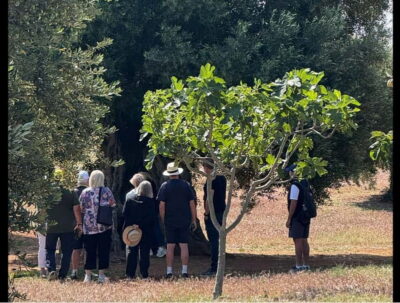
Masseria tour among thousand-year-old olive trees with oil tasting
Read our review →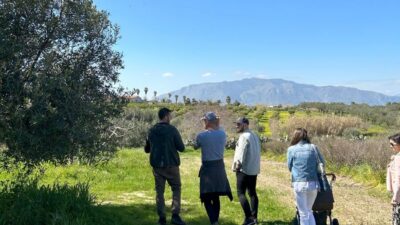
Olive Grove Tour with Wines & Olive Oil Tasting
Read our review →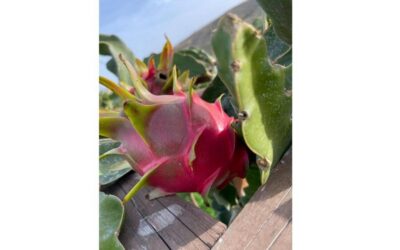
Traditional Olive Grove and Dragon Fruit Farm Tour
Read our review →
Visit of the olive grove, olive oil tasting and snack
Read our review →
Bologna: Olive Grove and Vineyard Tour with Product Tastings
Read our review →
Balestrate Olive Grove Tour: Wine and Olive Oil Tasting
Read our review →
Guided tours of the olive grove with oil tasting.
Read our review →
Organic Olive Grove tour & Olive oil tasting & lunch in Kalamata!
Read our review →Browse the lists this tour appears in