
Review · ANDALUSIA
Visit an almazara + extra virgin olive oil tasting: Baeza
Follow the oil from tree to table. This 1.5-hour visit to Almazara El Alcázar, about 1 kilometer from Baeza, gives you a clear look at how olives become extra virgin olive oil. I like the setting in the famous sea of olive trees, and I like that the tasting teaches you how to notice differences between olive varieties rather than simply handing you a sample and calling it lunch.
The price is another strong point. At $11 per person, you get a guided look at one of Andalusia’s largest mills, an introduction to EVOO, and a tasting of several oils, including early harvest bottles. The main limitation is language: the live guide speaks Spanish, so you will get the most from it if you understand Spanish or are comfortable learning through demonstrations and the visual material.
The visit is practical, not flashy. You see the working parts of the mill, learn what happens during harvest season, and finish with the part most people remember: tasting liquid gold with a better idea of what is in your glass.
Key Points To Know Before You Go
- El Alcázar sits in the sea of olive trees: The mill is about 1 kilometer from Baeza, surrounded by the olive-growing country that gives this region its identity.
- The route follows the production line: You visit the reception yard, cleaning and classification area, mill, storage rooms, and packaging area.
- The tasting has a real purpose: You learn to distinguish olive varieties, early harvest oils, and extra virgin oil from oil that does not meet the same standard.
- The mill is among Andalusia’s largest: The facilities are described as some of the most advanced in EVOO production, giving the tour more substance than a simple farm visit.
- Harvest timing can change what you see: Outside the harvest season, projections explain the extraction process. During harvest, the machinery may be operating, and farmers may be bringing in olives.
- Spanish is the tour language: The activity is wheelchair accessible, and cancellation is free up to 24 hours before the visit.
Why Baeza Is the Right Place to Learn About Olive Oil
Baeza is part of Jaén province, one of Spain’s great olive-growing areas. From the road around town, rows of olive trees stretch across the hills in a pattern that can seem to go on forever. The local economy, food, and countryside are closely tied to this crop.
That setting matters. Olive oil can seem like a small item on a restaurant table, but here it becomes the subject of the whole visit. You get a better sense of why the oil is treated with such care, why harvest timing affects taste, and why the difference between ordinary olive oil and extra virgin olive oil is more than a label.
The phrase sea of olive trees is not just sales language. It describes the scale of the groves around Baeza and helps explain why an olive mill is such an important local workplace. You are not visiting an isolated food museum. You are seeing one part of a large agricultural system.
More Olive Oil Tours around Spain:
- Ronda: LA Almazara LA Organic, Olive Oil Museum and Tasting
★ 4.6 · 435 reviews - Guided tour and olive oil tasting in Alhaurin el Grande (Málaga)
★ 5.0 · 200 reviews - Guided Tasting Tour in 16th century House and Olive Oil Factory
★ 5.0 · 169 reviews
Starting at Almazara El Alcázar Near Baeza
The meeting point is the main offices building of Almazara El Alcázar on Ctra. Ibros, about 1 kilometer from Baeza. Check the exact starting time when booking, since the tour runs at scheduled times rather than as an open-ended visit.
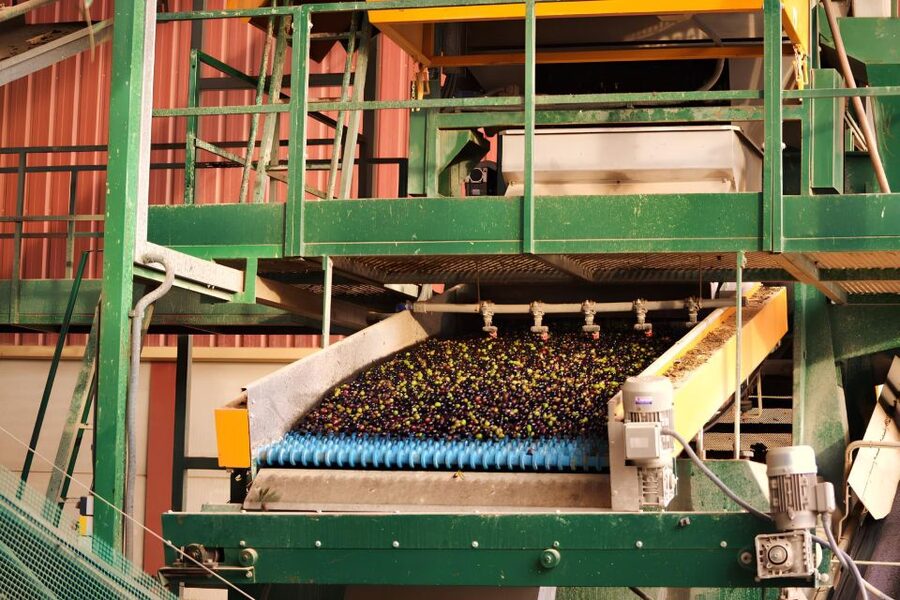
El Alcázar is one of the largest mills in Andalusia. That makes the first impression different from a small family press. The focus here is on scale, organization, and the chain of work needed to handle olives efficiently while protecting the quality of the oil.
You begin with an introduction to EVOO. This gives you a useful vocabulary before you enter the production areas. You will hear about olive varieties, extraction, quality, and the characteristics that separate one oil from another.
The guide for the visit speaks Spanish. Irene is named as a particularly warm and helpful guide, answering questions with a smile. Another booking described a private tour with an excellent guide, so the size of your group may vary. You should not assume a private visit, but a smaller group can make it easier to ask questions.
Following the Olives Through the Mill
The tour visits the main areas of the mill in a logical order. This is one of its best features because you can follow the olives from arrival to finished product instead of hearing disconnected facts.
The reception yard
The reception yard is where the story begins. Olives arrive here after harvest, and this area gives you a sense of the first stage in the process. The harvest season is the most active period, and timing can affect what you see.
One visit happened to coincide with farmers arriving, allowing the group to see the real process in operation. That is the lucky version of the tour. If you visit outside harvest season, you should expect a quieter mill and a projected explanation of extraction rather than live machinery handling fresh olives.
Same groves, a different afternoon:
- Visit of the olive grove, olive oil tasting and snack
★ 4.9 · 111 reviews - Visit Oil Mill Museum and Olive Oil Tasting in Ronda
★ 4.5 · 105 reviews - Private Tasting of Olive Oil in Córdoba
★ 5.0 · 93 reviews - Olive Oil tasting breakfast & Tour in Cordoba
★ 4.5 · 84 reviews
Cleaning and classification
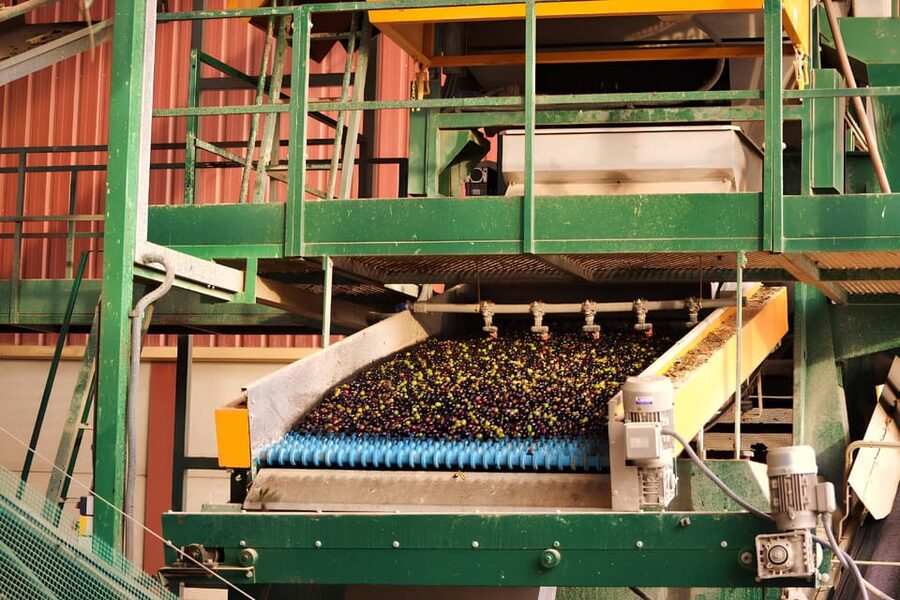
The olives are cleaned and sorted before milling. This step may sound basic, but it affects the final oil. Removing leaves, dirt, and unwanted material is part of keeping the production controlled.
The classification area also helps explain why not every olive becomes the same product. Variety, condition, harvest timing, and handling all influence the oil. The tour does not leave these ideas as abstract farming talk. You see where the process begins to separate good raw material from material that may not produce the same result.
The mill
The mill is the heart of the visit. Here, olives are processed into a paste, which is then handled so the oil can be separated from the other parts of the fruit. The exact machinery and active production conditions depend on the season.
During non-harvest periods, projections explain the extraction process. That is less exciting than watching fresh olives move through the equipment, but it has one advantage: you can focus on the explanation without the noise and movement of a working production line.
The mill also gives you a useful reminder that extra virgin oil is not simply pressed juice poured into a bottle. The conditions and decisions at each stage affect the quality of the final product.
Storage
The storage area shows what happens after extraction. Oil needs proper storage before it is packaged and sold, and this part of the tour connects production with preservation.
For you, the practical lesson is simple: the oil’s quality is not secured the moment it leaves the mill. Handling and storage remain important. The tour gives this stage its own place instead of rushing straight from machinery to tasting.
Packaging
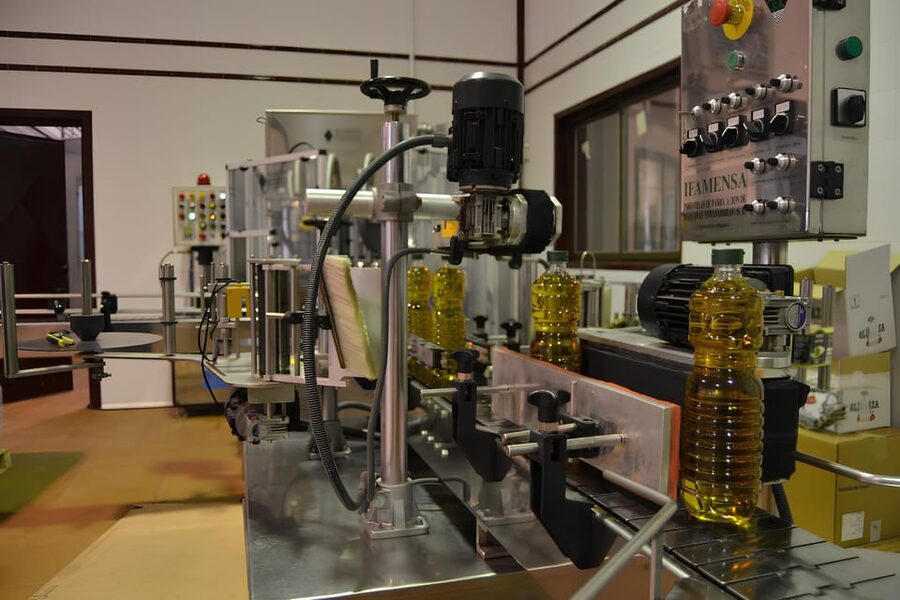
The packaging area completes the route. Here, the oil becomes the product you recognize from shops and restaurant tables.
Seeing this final step helps you understand the difference between production and presentation. The bottle is only the last part of a much longer process. You also gain a better sense of why labels, harvest information, and oil classifications matter when you are choosing what to buy.
Making Sense of Extra Virgin Olive Oil
The tasting is not an afterthought. It is where the earlier parts of the tour become useful.
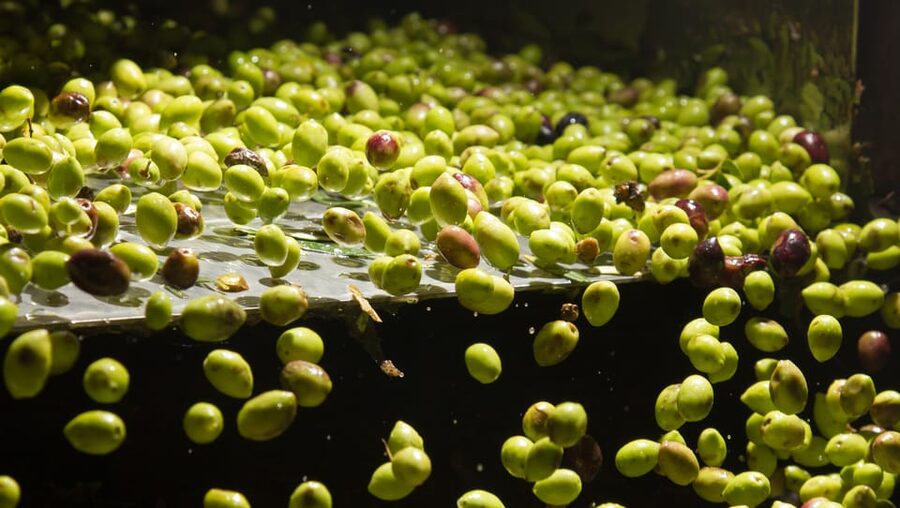
You taste different olive oils and learn about the traits of several varieties. You also sample early harvest oils, which can have a different character from oils made later in the season. The point is not to decide that one style is always best. The point is to notice how oils can differ in aroma, flavor, intensity, and finish.
The guide also explains how to distinguish extra virgin olive oil from oil that does not qualify as extra virgin. That is useful because many people use these terms without knowing what they mean.
A proper EVOO tasting asks you to pay attention. You may notice a fresh, grassy quality in one sample, a stronger peppery finish in another, or a milder style that works better for everyday cooking. The supplied information does not promise a long list of tasting notes, so you should expect an introductory lesson rather than professional certification.
I like this part because it changes the way you use olive oil after the tour. You may begin to taste it on bread, compare bottles at home, or ask which variety a restaurant is serving. A basic product becomes something you can evaluate for yourself.
What the Tour Does Best
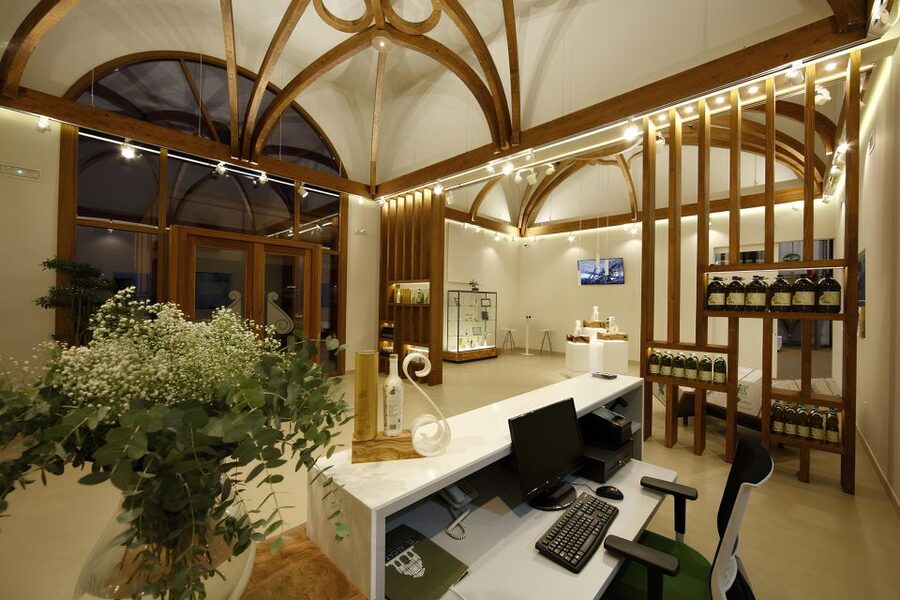
The strongest part of the visit is the connection between place, production, and food. You see the groves around Baeza, enter a major local mill, and then taste the finished product. Each section supports the next.
The second strength is its value. For $11, the tour gives you 90 minutes of guided content in a facility that is described as one of the most advanced in the world of EVOO production. Even if you are not an olive oil enthusiast, that is a reasonable price for a focused cultural activity near Baeza.
The human touch also matters. Irene’s friendly approach and willingness to answer questions can make the technical parts easier to follow. If your visit has a small group, ask about the varieties you taste and how early harvest oil differs from other samples. The tasting is your chance to turn a general tour into a more useful lesson.
Finally, the possibility of seeing farmers arrive during harvest adds real value. You cannot book that sight on demand, but if you visit at the right time, the mill may feel like a working agricultural site rather than a static exhibit.
Points To Consider Before Booking
The Spanish-only format is the clearest limitation. The tour covers technical steps, and translation by a companion may be needed if you do not understand Spanish. The projected material may help visually, but it does not replace a live explanation in your language.
The timing of your visit matters. During harvest, you may see more activity in the reception yard and production areas. Outside harvest season, the machinery may not be running, and projections explain the extraction process instead. Neither option is bad, but they offer different experiences.
You should also keep your expectations in check. This is a 1.5-hour introduction, not a full agricultural course or a long food-pairing workshop. The tasting teaches the basics and gives you a better sense of quality, but the supplied details do not indicate a meal, extensive food pairings, or a large retail shopping session.
The site is wheelchair accessible, which makes the visit easier to consider for many people with mobility needs. The exact route through each working area may still depend on current operating conditions, so it is sensible to mention any needs when arranging your visit.
Who Will Get the Most From This Visit
I would recommend this tour to anyone staying in Baeza who wants an activity tied closely to local life. It is especially good for food-focused visitors, curious cooks, and people who want more context before buying Spanish olive oil.
It also suits families and mixed-age groups because the route is easy to understand. You follow the fruit through the mill, then taste the result. Younger visitors may find the machinery and storage areas more interesting than a formal museum, although the Spanish-language presentation is worth considering.
This is a good choice if you have only a short amount of time. The mill is close to Baeza, the visit lasts 90 minutes, and the subject connects directly with the food you will encounter throughout Andalusia.
You may want a different activity if your main goal is a long countryside walk, a hands-on cooking class, or an English-language food tour. This visit is focused on the mill and the oil. It does not promise a broad tour of every part of olive farming.
Price, Timing, and Practical Planning
At $11 per person, the value is strong. You are paying for a guided introduction, access to several production areas, an explanation of EVOO, and a tasting. The low price also makes it easy to add to a Baeza itinerary without giving up a full day or a large part of your food budget.
The total duration is 1.5 hours. That is long enough to cover the reception, cleaning, milling, storage, packaging, and tasting without turning the visit into an exhausting technical lecture.
The meeting point is not in the center of Baeza. It is at Almazara El Alcázar’s main offices on Ctra. Ibros, roughly 1 kilometer from town. Plan your route to the mill before the day of the visit, especially if you are relying on a tight sightseeing schedule.
You can cancel up to 24 hours before the activity for a full refund, and you can reserve now and pay later. Those terms are useful if your Andalusia plans are still changing.
Should You Book the El Alcázar Olive Mill Tour?
Book it if you want a short, affordable activity that explains one of Andalusia’s most important foods from beginning to end. The location near Baeza, the large working mill, and the tasting give the visit a strong sense of place.
I would be most eager to book during harvest season, when there is a better chance of seeing farmers bring in olives and watching the operation at work. If you visit at another time, the projected extraction process still gives you a solid introduction.
The key question is language. If Spanish works for you, this is an excellent-value tour. If not, bring a translation plan or a Spanish-speaking companion. For $11 and 90 minutes, you get a useful lesson in the oil that appears on nearly every Andalusian table.
FAQ
Where is the olive mill tour located?
The meeting point is at the main offices building of Almazara El Alcázar on Ctra. Ibros, about 1 kilometer from Baeza.
How long does the visit last?
The activity lasts 1.5 hours.
How much does the experience cost?
The listed price is $11 per person.
What language is the guided tour in?
The live tour guide speaks Spanish.
What parts of the olive mill will I visit?
The route includes the reception yard, cleaning and classification area, mill, storage area, and packaging area.
Is olive oil tasting included?
Yes. The activity includes a tasting of different olive oils, including extra virgin and early harvest oils.
What happens if I visit outside the olive harvest season?
When it is not harvesting season, projections explain the extraction process.
Is the olive mill wheelchair accessible?
Yes, the activity is listed as wheelchair accessible.
Just added around Spain
- XXI Century Olive Oil Mill Tour★ 5.0 · 3 reviews
- Visit to an olive oil mill and oil tasting with aperitif and food and wine pairing.★ 5.0 · 2 reviews
- Treurer: Tapas Gourmet and Extra Virgin Olive Oil★ 4.7 · 3 reviews
- Ulldecona: Guided Tour of the Millenary Olive Trees of Arión★ 5.0 · 2 reviews
- Treurer: Olive Oil Night. Gastronomic experience★ 5.0 · 15 reviews
- Olive Oil and Winery Tour from Zaragoza City★ 5.0 · 4 reviews
- Olive Oil Private Full-Day Tour with Tasting in Valencia★ 5.0 · 2 reviews
- Olive Oil Tour and Visit to Belchite Old Town★ 5.0 · 16 reviews
Spain Olive Oil Tours, compared.
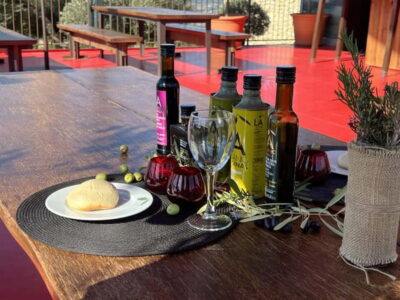
LA Almazara LA Organic, Olive Oil Museum and Tasting
Read our review →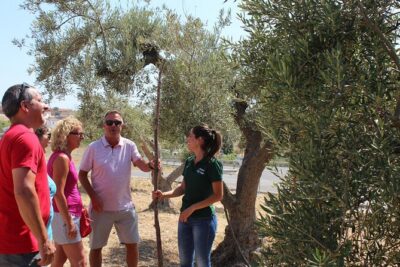
Guided tour and olive oil tasting in Alhaurin el Grande (Málaga)
Read our review →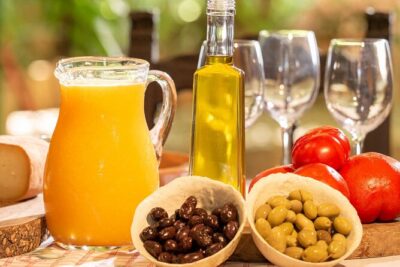
Guided Tasting Tour in 16th century House and Olive Oil Factory
Read our review →
Visit of the olive grove, olive oil tasting and snack
Read our review →
Visit Oil Mill Museum and Olive Oil Tasting in Ronda
Read our review →

Sóller: Olive Oil Guided Tour and Tasting at Can Det Estate
Read our review →Browse the lists this tour appears in