
Review · ANDALUSIA
Extra Virgin Olive oil tasting
Fresh bread makes olive oil sing. This 75-minute tasting in Córdoba pairs six local oils with the traditional desayuno molinero, giving you a tasty introduction to Andalusia’s most important food product. I like the mix of serious oil tasting and relaxed breakfast, plus the chance to learn about Córdoba’s market, bread, olives, and farming traditions in one short outing. The main drawback is that the experience is not suitable for wheelchair users, and the tasting room may be less interesting for anyone who already knows olive oil well.
I also like the small, personal feel reported by people who joined guides such as Barbara, Adrián, Gloria, Mara, and Barbers. Guides explain how oil moves from tree to bottle, then let you compare varieties rather than simply handing you a flavored snack. At $15 per person, this is strong value, though you should not expect a full farm visit or a tour of an olive mill.
Key points to know before you book
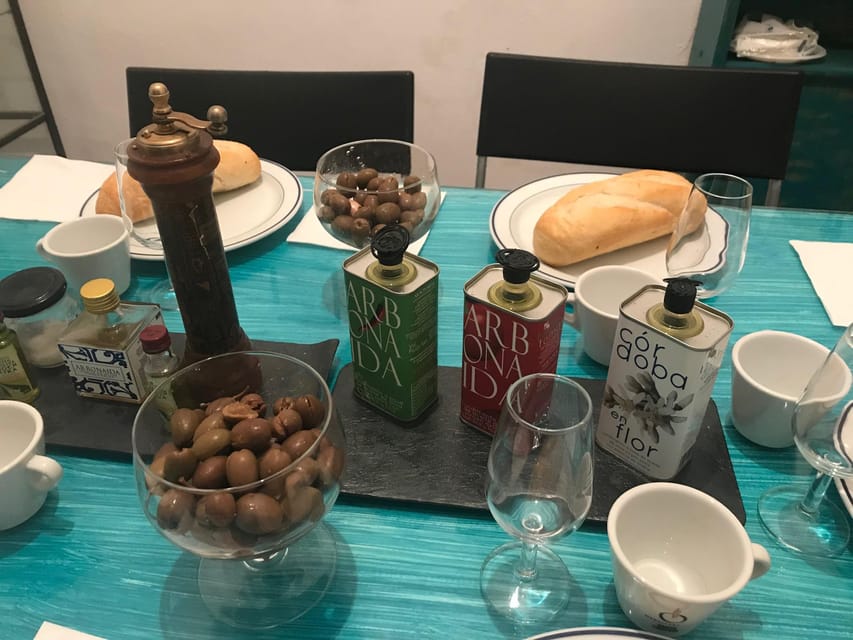
- Six Córdoba olive oils: Compare the taste and aroma of Picual, Arbequina, Picudo, and Hojiblanca oils, among other local samples.
- A traditional breakfast: Bread from Córdoba is paired with the oil in a desayuno molinero, an old mill-worker style of eating.
- More than a tasting: You learn about harvesting, pressing, quality standards, local products, and the role of olive oil in Andalusian life.
- A useful market introduction: The meeting point is under the large clock at the entrance to the Corredera market, where the experience may begin with a short look around.
- Coffee and palate breaks: Arabic coffee, tea, and water help separate the samples and make the session feel like breakfast rather than a rushed tasting.
- Bottles to take home: An on-site shop lets you buy the oil you prefer, often at a better local price than a souvenir shop.
Why Córdoba is a good place for an olive oil tasting
Córdoba is not simply a pretty Andalusian city with an olive oil display added for tourists. The province is one of the world’s major olive oil producing areas, and olive trees shape both the local economy and the daily cooking of southern Spain.
That context matters. A tasting here gives you a better sense of why oil is treated almost like wine, with different varieties, growing areas, harvest dates, aromas, and standards. You are not just learning which bottle tastes mild or peppery. You are learning why two oils made from different olives can taste completely different.
I like this kind of food experience after visiting Córdoba’s grand monuments. The Mezquita can explain the city’s layered past, but olive oil connects you with the region’s farms, kitchens, bakeries, and family traditions. It is a quieter way to understand Andalusia.
The activity has a 4.9 rating from 79 reviews, and the praise centers on the guides’ warmth, clear explanations, and enthusiasm for local food. That fits the format well. A tasting depends heavily on the person leading it, and the repeated names and personal stories suggest that the guide is a large part of the experience.
More Olive Oil Tours around Spain:
- Ronda: LA Almazara LA Organic, Olive Oil Museum and Tasting
★ 4.6 · 435 reviews - Guided tour and olive oil tasting in Alhaurin el Grande (Málaga)
★ 5.0 · 200 reviews - Guided Tasting Tour in 16th century House and Olive Oil Factory
★ 5.0 · 169 reviews
Meeting at the Corredera market
Your meeting point is the large clock beneath the main entrance to the Corredera market. This is a practical location in central Córdoba, but do not rely on a vague sense of the square. Look specifically for the clock under the market entrance.
The market adds a useful local touch before the oil tasting begins. Several people found the walk through the market one of the best parts because the guide explained local foods, compared ordinary and premium products, and pointed out ingredients used in Córdoba cooking.
That market stop helps you understand the oil in context. You may hear about olives, bread, recipes, and other regional foods before sitting down to taste. In one account, the guide also helped select bread at a bakery, making the breakfast feel connected to the neighborhood rather than prepared in isolation.
Allow a little time to find the clock and meet your guide. The published length is 75 minutes, while one session lasted about an hour and a half. The exact pace may vary depending on the group and the amount of conversation.
Six oils, four olive varieties, and a lesson in taste
The central part of the experience is a guided comparison of extra virgin olive oils from Córdoba. You receive six oils, though one account describes seven samples, so the number may vary slightly from session to session.
The oils are connected with varieties including Picual, Arbequina, Picudo, and Hojiblanca. Each olive creates a different profile. Some oils may seem grassy or sharp, while others can feel softer, fruitier, or more rounded. The point is not to find a single winner. It is to notice how much range exists inside a product that many people treat as one basic kitchen ingredient.
The guide explains the organoleptic qualities of each sample. That means you pay attention to smell, flavor, bitterness, and the peppery sensation that can appear at the back of your throat. You may also learn how freshness and production methods affect the final oil.
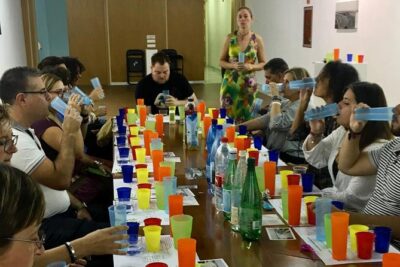
The usual method is simple. Oil is placed on a plate, then you taste it with bread. Water and coffee help clear your palate between samples. The bread makes the tasting more satisfying, but it can also make it harder to notice delicate flavors if you eat too much between oils. I would take small bites and give each sample a moment before reaching for the next one.
This is not a formal wine-style examination, so you do not need any prior experience. The guides make it approachable, and the tone is intended to be fun. You can ask questions, compare impressions, and learn without feeling tested.
The desayuno molinero and Córdoba bread
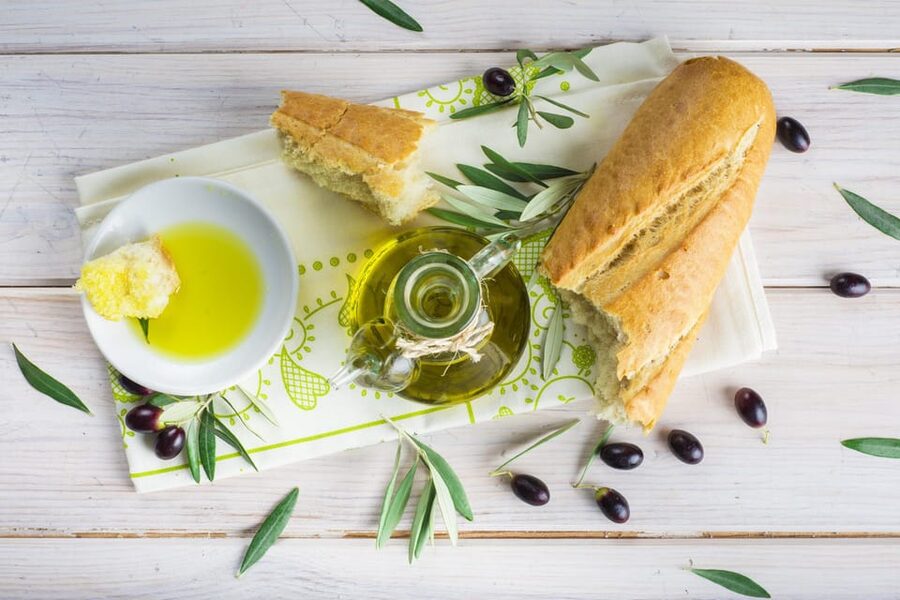
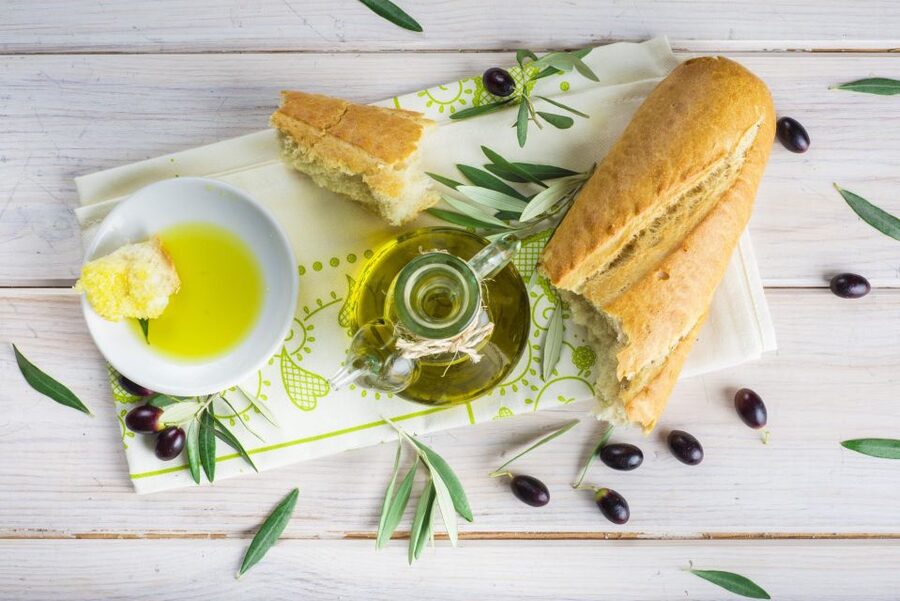
The breakfast is one of the most appealing parts of the session. The desayuno molinero refers to an old way of eating olive oil with bread, associated with workers at olive mills. It is plain food, but that is exactly why it works for a tasting.
You get bread for dipping and tasting, including the local pan del vacar. Bread provides a neutral base and shows how the oil works as an everyday food, not only as a product to inspect in a glass.
I like that this part gives the oil a practical purpose. You learn about color, aroma, and peppery notes, then immediately understand how the product belongs on a breakfast table. If you enjoy simple regional food, the olive sandwich mentioned by one participant is worth asking about.
The breakfast is not a large meal. Think of it as a generous snack or light start to the day. If you need a full breakfast, eat something beforehand or plan lunch afterward.
Same groves, a different afternoon:
- Visit of the olive grove, olive oil tasting and snack
★ 4.9 · 111 reviews - Visit Oil Mill Museum and Olive Oil Tasting in Ronda
★ 4.5 · 105 reviews - Private Tasting of Olive Oil in Córdoba
★ 5.0 · 93 reviews - Olive Oil tasting breakfast & Tour in Cordoba
★ 4.5 · 84 reviews
Coffee, conversation, and the tasting room
Arabic coffee from a local high-quality producer is included, along with coffee and tea. Water is also used to refresh your palate. These details make the 75 minutes more comfortable, especially if you are tasting several strong oils in a row.
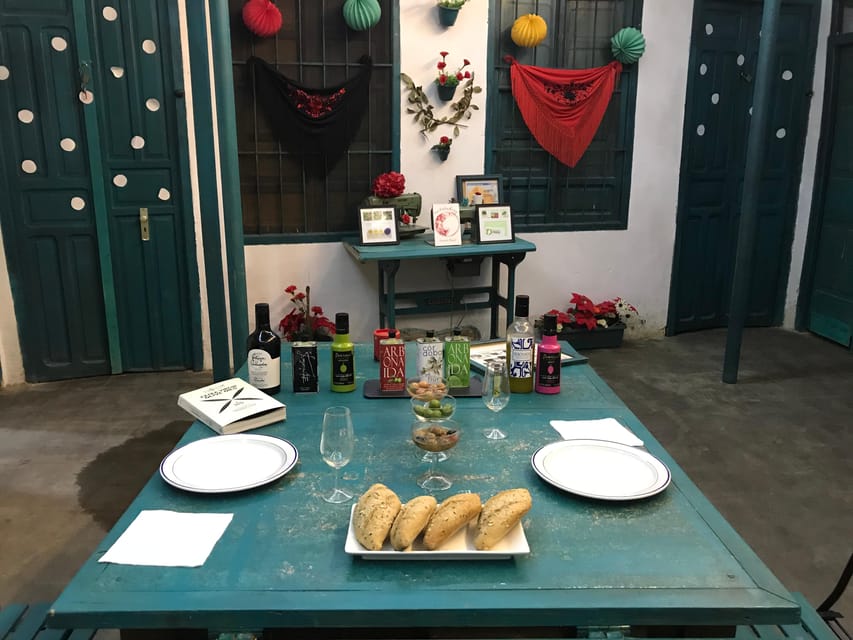
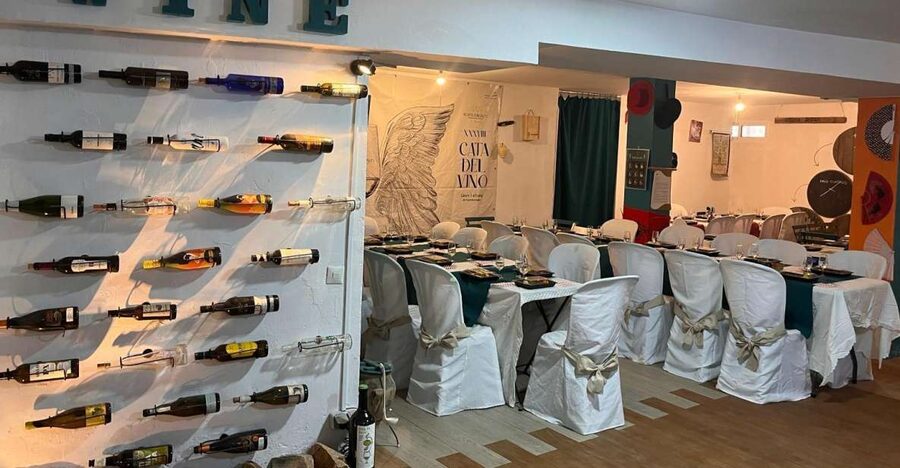
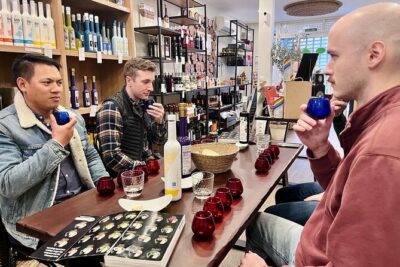
The tasting takes place in a tasting room, described in one account as a cool, comfortable basement studio and in another as a welcoming small wine shop. The exact setting may depend on the session, but the important point is that you are indoors rather than standing in the sun among olive trees.
That is useful in Córdoba, where sightseeing can involve plenty of heat and walking. This gives your feet a break and offers a calm change of pace from monuments and busy streets.
The guide is central to the mood. Barbara is praised for combining oil instruction with stories about Córdoba and her family’s long connection to olive production. Adrián is described as passionate about local gastronomy. Gloria is praised for making the region’s olive plantations feel vivid through her explanations, while Mara is described as engaging and clear.
You should expect conversation rather than a scripted lecture. The best sessions seem to leave room for questions about farming, family production, recipes, and the city’s food culture.
From olive tree to bottle
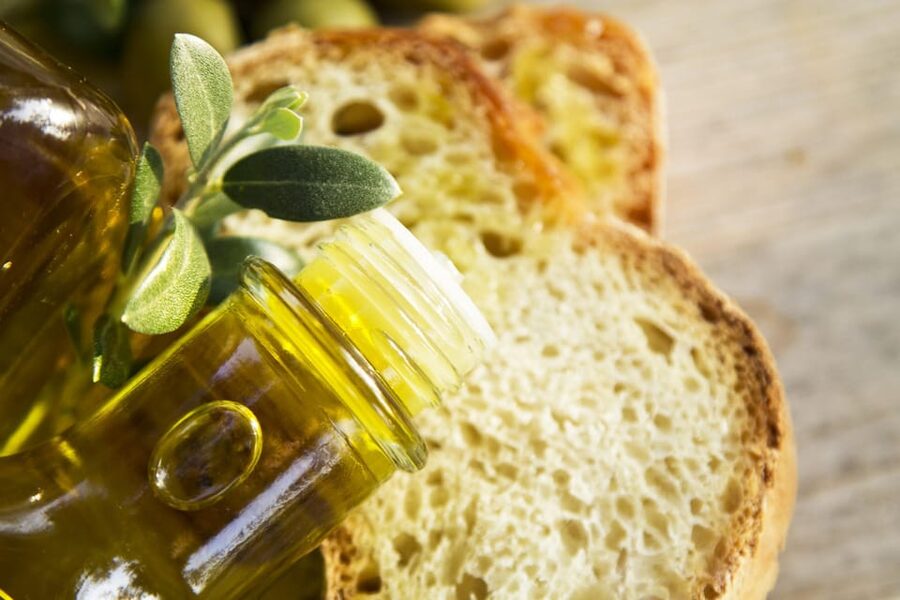
The guide explains the production process from the tree to the finished bottle. You learn about olive varieties, harvesting, processing, and the standards that define extra virgin olive oil.
This part is valuable because supermarket labels can be confusing. The words extra virgin are not simply a marketing flourish. They describe a category with quality requirements, and the tasting helps you understand what those requirements mean in practice.
You may also hear about ancient ways of consuming olive oil and the long role of olive trees in Spain. The experience connects modern bottles with older habits, including the simple bread-and-oil breakfast once associated with mill workers.
The presentation appears to stay grounded in local production. One guide has family ties to oil making that stretch back to the 1700s, while another family produces and sells its own oil. Those stories give the discussion a personal side, though you should remember that family experience is not the same as visiting a working farm.
If you want machinery, fields, or a full tour of an oil mill, this is not the right product. If you want a clear introduction before buying a bottle or ordering oil in a restaurant, it makes much more sense.
Buying a bottle after the tasting
An on-site shop lets you purchase the oil you prefer. This is a sensible feature because you can taste before buying instead of choosing a bottle based on a decorative label.
Prices are described as favorable, and several people liked being able to take home oils made by local families. You can buy for yourself or as a gift for friends and relatives. Olive oil travels more easily than many food souvenirs, but check your airline and baggage rules before purchasing a large quantity.
I would avoid buying a bottle simply because it tastes strong. A peppery oil can be excellent, but it may not suit every dish or every person. Ask the guide which oil works best for salads, bread, cooking, or gifting.
The shop is also useful if you want to remember the varieties you tasted. A bottle can turn the lesson into something practical when you use it at home. Still, do not feel pressured to buy. The tasting has value even if you leave with only a better understanding of Andalusian oil.
Price, timing, and who will enjoy it
At $15 per person, the value is very good. The price includes six oils, bread, coffee or tea, and guided instruction, plus the local setting and market introduction. A single specialty coffee and snack in Córdoba can cost a noticeable portion of that amount, so this offers plenty for the money.
The 75-minute length also fits neatly into a sightseeing day. You can schedule it between major sights without giving up half a day. The session may run longer when conversation is lively, so do not place an important timed booking immediately afterward.
This suits food lovers, curious first-time visitors, couples, families with older children, and anyone who wants a break from standard sightseeing. It is also a good choice if you are staying in Córdoba only briefly and want a local food experience without arranging transport to the countryside.
It may be less suitable if you dislike bread-based tastings, have no interest in food production, or want a large meal. People with mobility concerns should note that the activity is not suitable for wheelchair users.
The instruction is offered in Spanish and English. If you want detailed technical explanations, confirm that your preferred language is available when checking times.
Should you book the Córdoba olive oil tasting?
I would book this if you want a short, affordable food experience with real local context. The strongest parts are the direct comparison of oils, the traditional breakfast, and the guides’ personal connection to Córdoba’s olive culture.
Book it early in your stay if possible. Then you can use what you learn when ordering oil with meals or shopping for food later. Choose it over a generic market visit if you want to taste and understand one product in detail.
Skip it if you are seeking an olive farm, a full mill tour, or a substantial breakfast. For almost everyone else, $15 buys a friendly lesson, six useful samples, and a much better idea of why Córdoba treats olive oil as liquid gold.
FAQ
Where does the olive oil tasting meet?
The meeting point is beneath the large clock at the main entrance to the Corredera market in Córdoba.
How long does the experience last?
The advertised duration is 75 minutes. One session lasted about an hour and a half, so the timing can vary slightly depending on discussion and group pace.
How many olive oils are included?
Six olive oils from Córdoba are included. One account described seven samples, so the exact number may occasionally vary.
Which olive varieties will I learn about?
The experience covers Picual, Arbequina, Picudo, and Hojiblanca varieties, along with information about local production and organoleptic qualities.
Is food included?
Yes. Bread for the traditional desayuno molinero is included, along with coffee and tea. Arabic coffee from a local producer is also available.
Is the activity offered in English?
Yes. The instructor languages are Spanish and English.
Can I cancel or pay later?
You can cancel up to 24 hours in advance for a full refund. Reserve now and pay later is available, so you do not need to pay at the time of booking.
Just added around Spain
- XXI Century Olive Oil Mill Tour★ 5.0 · 3 reviews
- Visit to an olive oil mill and oil tasting with aperitif and food and wine pairing.★ 5.0 · 2 reviews
- Treurer: Tapas Gourmet and Extra Virgin Olive Oil★ 4.7 · 3 reviews
- Ulldecona: Guided Tour of the Millenary Olive Trees of Arión★ 5.0 · 2 reviews
- Treurer: Olive Oil Night. Gastronomic experience★ 5.0 · 15 reviews
- Olive Oil and Winery Tour from Zaragoza City★ 5.0 · 4 reviews
- Olive Oil Private Full-Day Tour with Tasting in Valencia★ 5.0 · 2 reviews
- Olive Oil Tour and Visit to Belchite Old Town★ 5.0 · 16 reviews
Cordoba Olive Oil Tours, compared.
Córdoba: Visit a family organic olive grove with tasting
Read our review →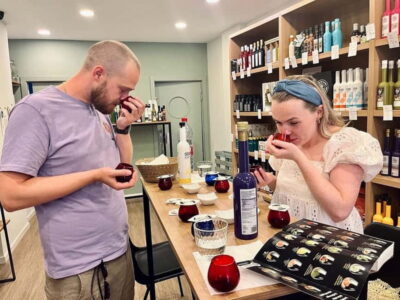
Full day in Cordoba between Vineyards and Olive Trees with a Convertible Car
Read our review →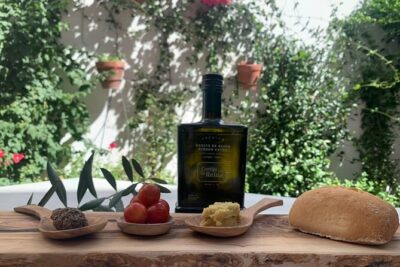
Browse the lists this tour appears in